The Alaska Harvest Window That Closes Sooner Than Most Gardeners Plan For
Frost does not send a warning before it settles over Alaska, and it will catch you without a plan. Your entire harvest calendar hinges on a single shifting date that most planting guides get wrong.
Weeks of steady growth can vanish overnight the moment you misjudge the timing. Certain crops need to come out of the ground long before the earliest hard freeze locks the soil.
Every extra day you squeeze out of a short season adds real weight to what lands in your pantry. Alaska’s growing zones swing wildly from region to region, and what thrives near your garden may fail completely a few towns over.
Smart timing separates a stocked cellar from bare shelves when the dark months settle in. What you do in the next few weeks decides if you will eat well this winter or scramble after the frost hits.
First Frost Dates Across Alaska Regions Land Between Late August And Early October
Frost does not wait for permission, and in Alaska it shows up early and uninvited. The harvest window across the state shifts dramatically depending on where you live, so knowing your zone is step one.
Interior Alaska, around Fairbanks, often sees its first hard frost as early as late August. Gardeners there are working with a growing season that can be as short as 90 days.
Southcentral Alaska, including Anchorage and the Mat-Su Valley, typically gets its first frost between mid-September and early October. That window feels more generous, but it still closes faster than most people expect.
Southeast Alaska, with its coastal influence, can stretch the season a bit longer. Towns like Juneau and Ketchikan sometimes dodge frost well into October, though heavy rain becomes the bigger challenge by then.
The key mistake most gardeners make is planning around average last spring frost without equally respecting the fall first frost date. Both ends of the season matter just as much.
Check the National Weather Service and local cooperative extension records for your specific area. Averages are helpful, but a single early cold snap can wipe out weeks of work if you are not watching.
Bookmark your regional forecast and set a reminder for two weeks before your average first frost date. That two-week buffer is where smart harvesting decisions get made, and where a shortened season either works for you or against you.
Crops You Must Bring In Before A Light Frost
Some vegetables act tough, but they are secretly fragile. A single night below 32 degrees can turn a beautiful crop into mush by morning, and no amount of wishful thinking brings it back.
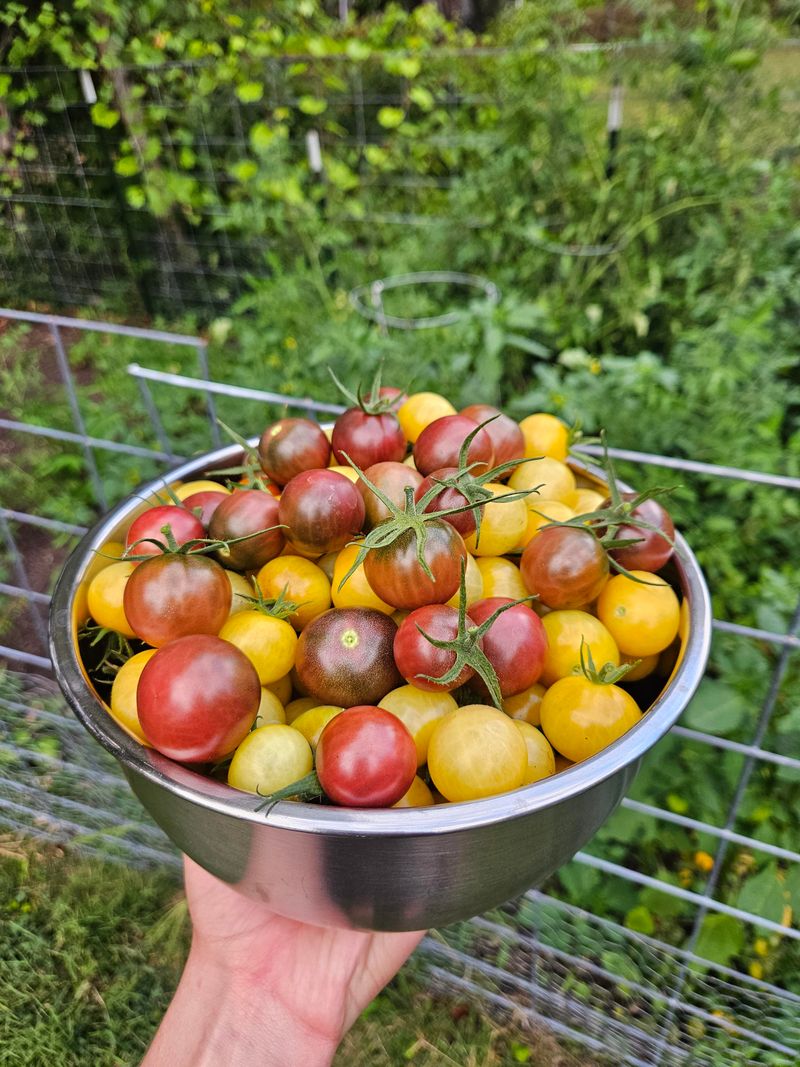
Tomatoes are the biggest loss in northern gardens. Even a light frost damages the fruit and destroys the plant, so every tomato still on the vine needs to come inside the moment a frost warning appears.
Basil is equally sensitive and often more dramatic about it. One cold night turns those glossy green leaves black and limp, making them useless for cooking or preserving.
Cucumbers, summer squash, and zucchini also belong in the frost-sensitive category. Their large leaves offer no protection, and the fruits suffer cell damage even from a brief temperature dip.
Beans, both bush and pole varieties, drop fast when frost hits. Harvest every pod you can find before a cold night, even the small ones, because green beans can be pickled or frozen with ease.
Winter squash is a tricky middle case. The skin toughens up nicely, but a hard frost can damage the rind and shorten storage life significantly. Bring them in before temperatures drop below 28 degrees.
Corn, peppers, and eggplant round out the most vulnerable group. In Alaska, these crops are already pushing the limits of the short growing season, so watch the forecast obsessively in late summer and harvest without hesitation.
The Vegetables That Improve After A Cold Night
Not every crop runs from frost. Some vegetables actually taste better after a cold snap, and knowing which ones can stay in the ground longer is a real advantage for northern gardeners.
Kale is the poster child for cold-weather improvement. A frost triggers the plant to convert starches into sugars, making the leaves noticeably sweeter and less bitter than they were in summer.
Brussels sprouts follow the same logic. Many experienced gardeners refuse to harvest them until after at least one good frost, and the difference in flavor is easy to notice.
Parsnips are famous for their frost response. Left in the ground through a few cold nights, they develop a rich, almost nutty sweetness that freshly pulled summer parsnips simply do not have.
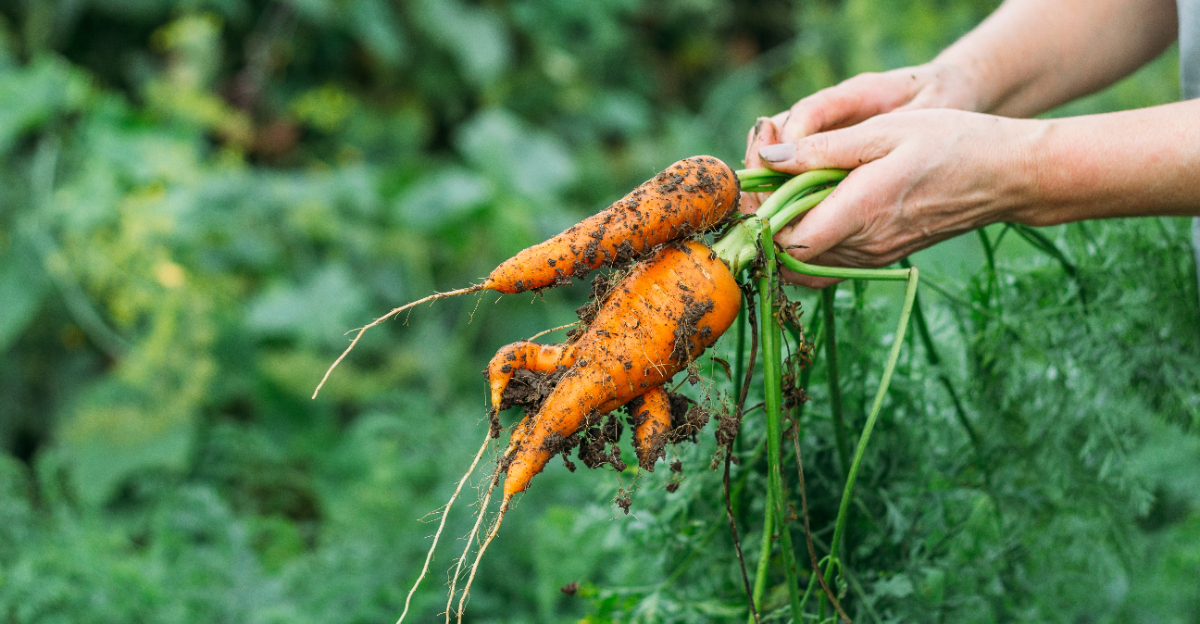
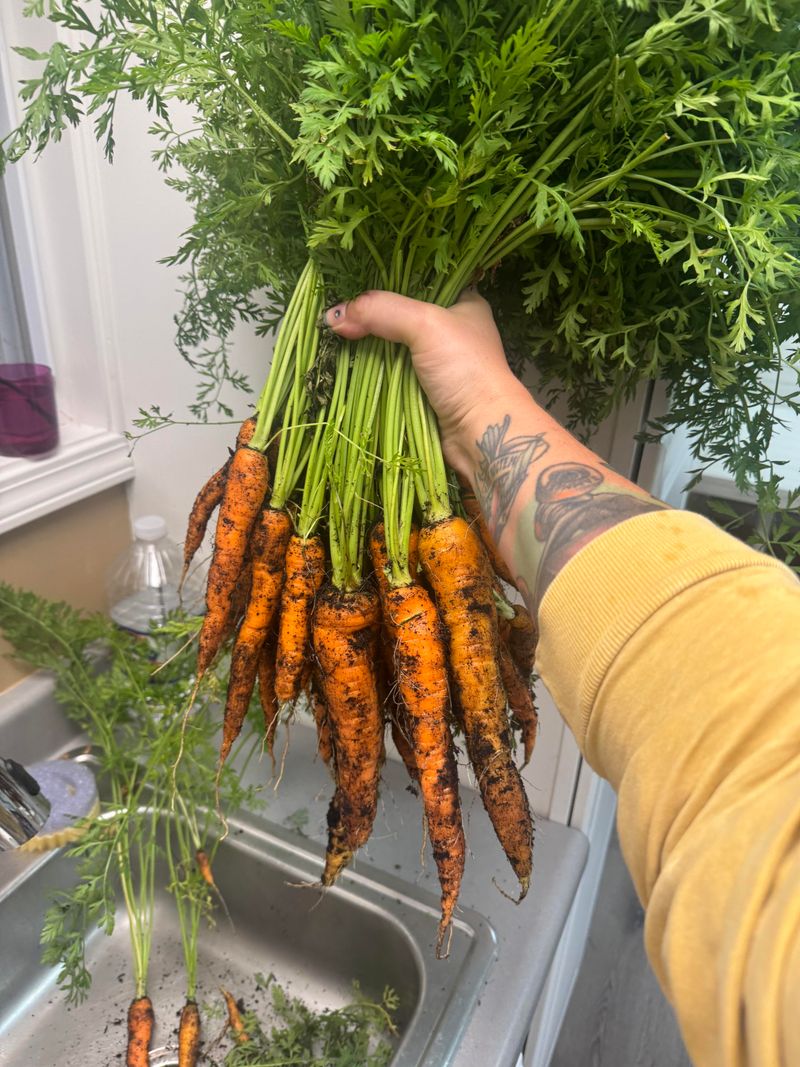
Carrots behave similarly, concentrating their natural sugars when temperatures drop. Leaving them in the ground with a thick layer of straw mulch can extend your harvest window by weeks without sacrificing quality.
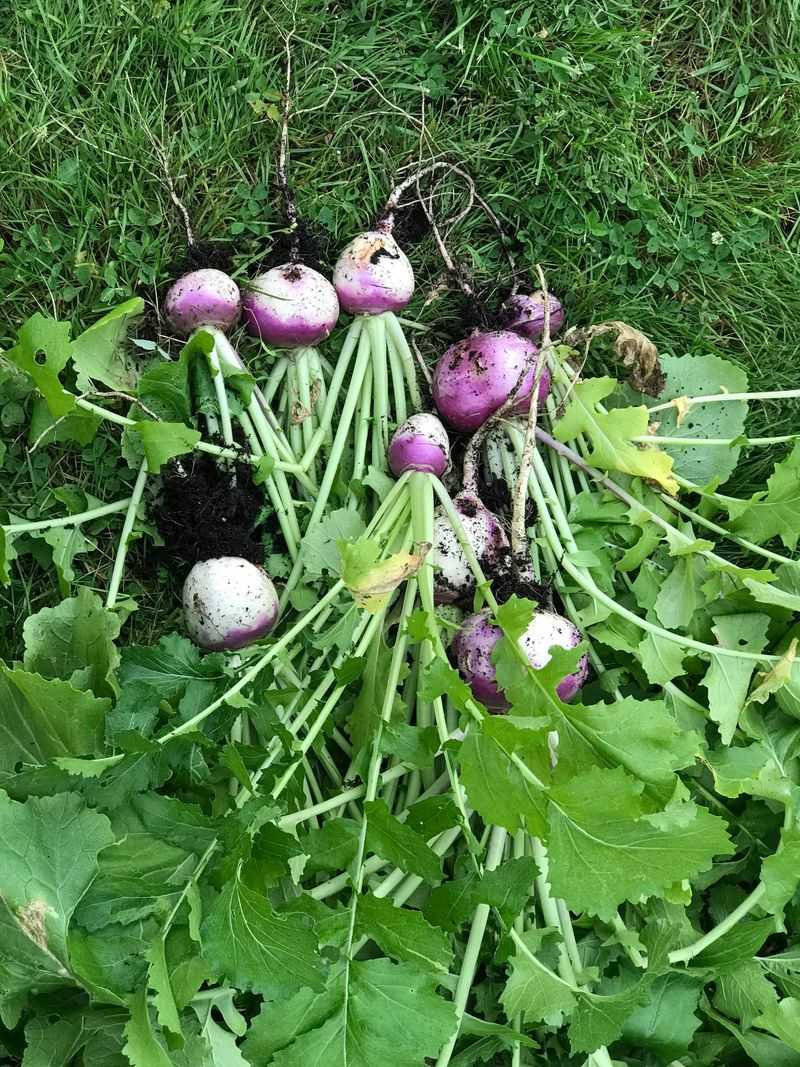
Turnips and rutabagas also mellow out after frost exposure. Their sharp, slightly bitter edge softens into something much more pleasant, making them easier to enjoy roasted or mashed.
Spinach and arugula can survive light frosts and keep producing in a cold frame or under row cover. These greens offer some of the most reliable late-season harvests, rewarding patient gardeners with fresh salads well into fall.
Covering Beds To Buy Another Two Weeks
Two more weeks in the garden can mean the difference between a half-full pantry and one that carries you through winter. The right covers, applied at the right time, make that extension possible.
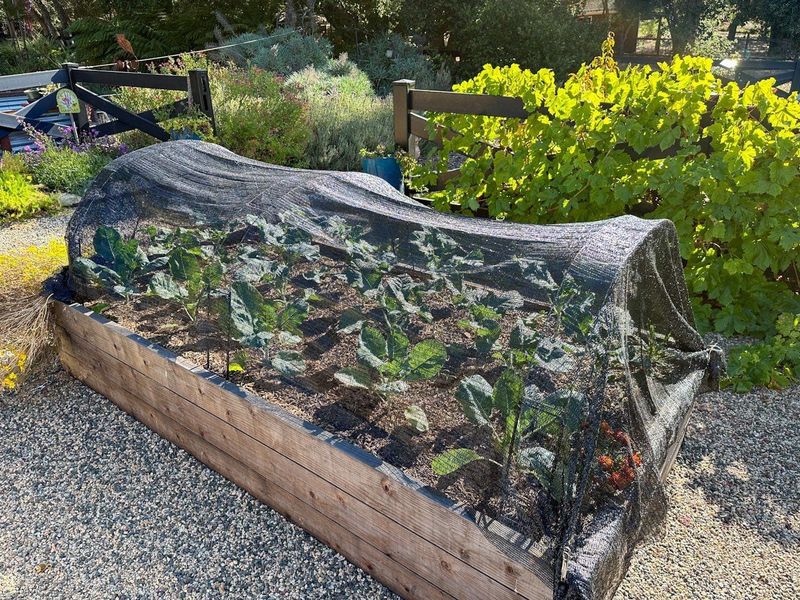
Row cover fabric, also called floating row cover or frost cloth, is the most practical tool for this job. A lightweight version protects down to about 28 degrees and lets sunlight and rain pass through without smothering plants.
Heavier frost blankets offer protection down to around 24 degrees. Layering two lightweight covers over sensitive crops can provide similar protection on the coldest early-season nights.
Cold frames built from old windows or polycarbonate panels trap daytime heat and release it slowly overnight. Placed over low-growing crops like spinach, lettuce, or carrots, they can add three to four weeks to your productive season.
Plastic sheeting works in a pinch but needs to be removed during the day. Leaving plastic directly on plants in sunlight causes heat buildup that scorches leaves quickly, so use it only for overnight emergencies.
Hoop tunnels made from bent PVC pipe or wire hoops create a simple greenhouse effect over garden rows. Cover them with row fabric or clear plastic and secure the edges with rocks or soil to prevent wind from pulling covers loose.
Check the forecast every evening during September and be ready to cover on short notice. Speed matters more than perfection, and even an imperfect cover can save a crop that would otherwise be lost in the final stretch of the season.
Curing And Storing Potatoes, Carrots, And Cabbage For Winter
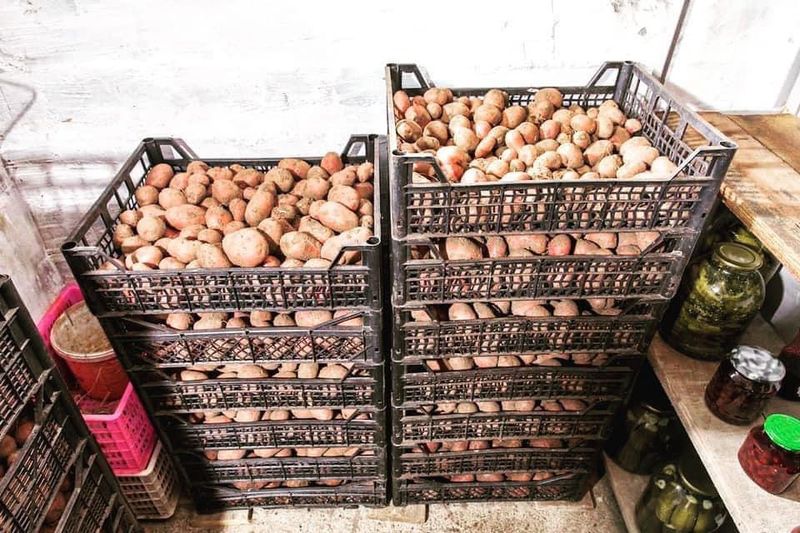
Bringing the harvest inside is only half the job. How you store what you grew determines whether those vegetables last two months or five, and the difference comes down to a few key steps.
Potatoes need a curing period before long-term storage. Leave them in a dark, humid space at around 50 to 60 degrees for one to two weeks, which allows the skins to toughen and minor nicks to heal over.
After curing, move potatoes to a cool, dark location between 35 and 40 degrees. A root cellar, insulated garage, or cool basement corner works well, and they should stay dry with good airflow around the bins.
Carrots store best packed in slightly damp sand or sawdust in a covered container. This method keeps them from drying out and maintains their texture for months without refrigeration.
Cabbage releases a strong odor during storage, which is worth knowing before you stack heads in an enclosed space. A cold garage or unheated mudroom works perfectly, keeping heads firm and fresh for two to three months.
Check stored vegetables every two weeks and remove anything that shows soft spots or mold. One rotting potato or carrot can spread moisture and spoilage to everything around it surprisingly fast.
Labeling your storage bins with harvest dates helps you rotate older stock first. Good organization now means you are still eating your own homegrown food in January.
Caring For Beds Once The Harvest Is Finished
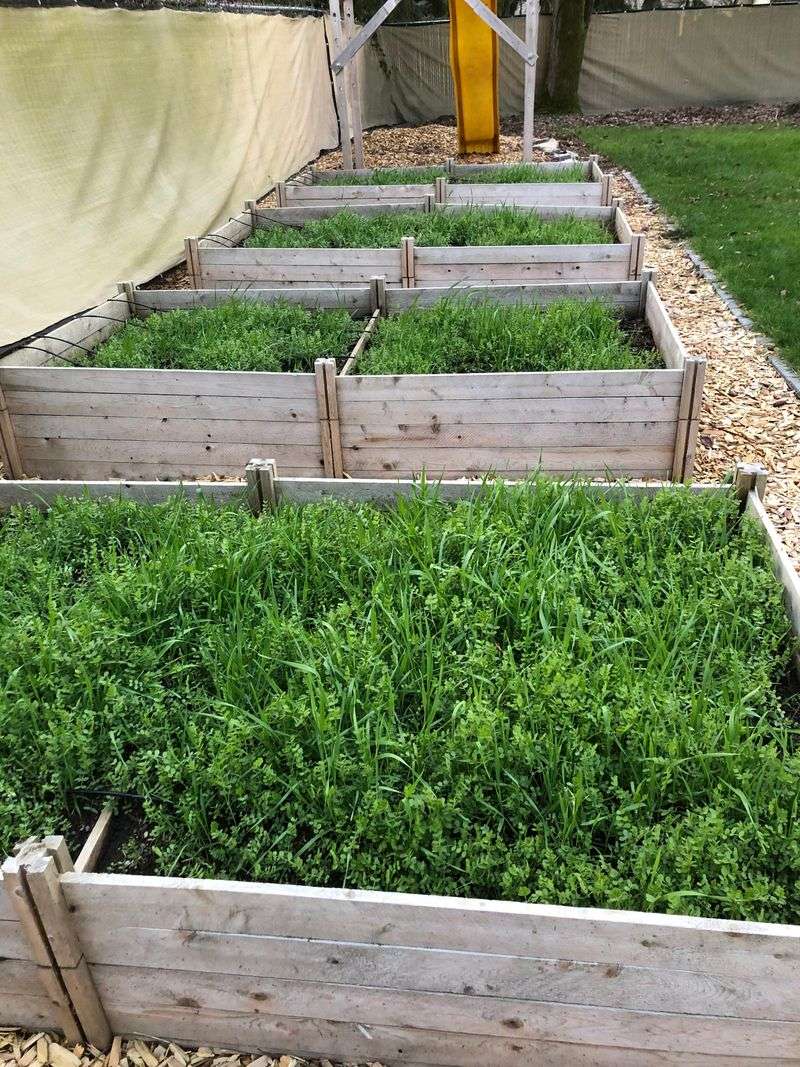
An empty garden bed is not the end of the season. How you treat that soil between now and next spring decides how productive your beds will be when the short growing window opens again.
Start by pulling spent plant material and any remaining roots from tender crops. Leaving decayed tomato or squash vines in place invites disease and pest overwintering, which creates problems you will have to solve next May.
Add a layer of compost two to three inches thick across every cleared bed. Fall is one of the best times to feed your soil because the material has all winter to break down and integrate before planting season arrives.
Cover beds with a thick layer of straw or shredded leaves after adding compost. This mulch layer protects soil structure from freeze-thaw cycles and keeps nutrients from washing away during snowmelt in spring.
Consider planting a winter cover crop like winter rye or hairy vetch in beds that still have a few weeks before hard frost. These crops hold soil in place, add organic matter, and give spring gardeners a head start on soil health.
Mark where you planted each crop this year so you can rotate families next season. Crop rotation reduces soil-borne disease pressure and keeps nutrients balanced without relying heavily on synthetic fertilizers.
Taking care of your beds in fall is the single best investment you can make for next year’s harvest. A little work now pays off with healthier soil, fewer pests, and a stronger season ahead.