This September Feeding Step Helps Georgia Fescue Lawns Bounce Back
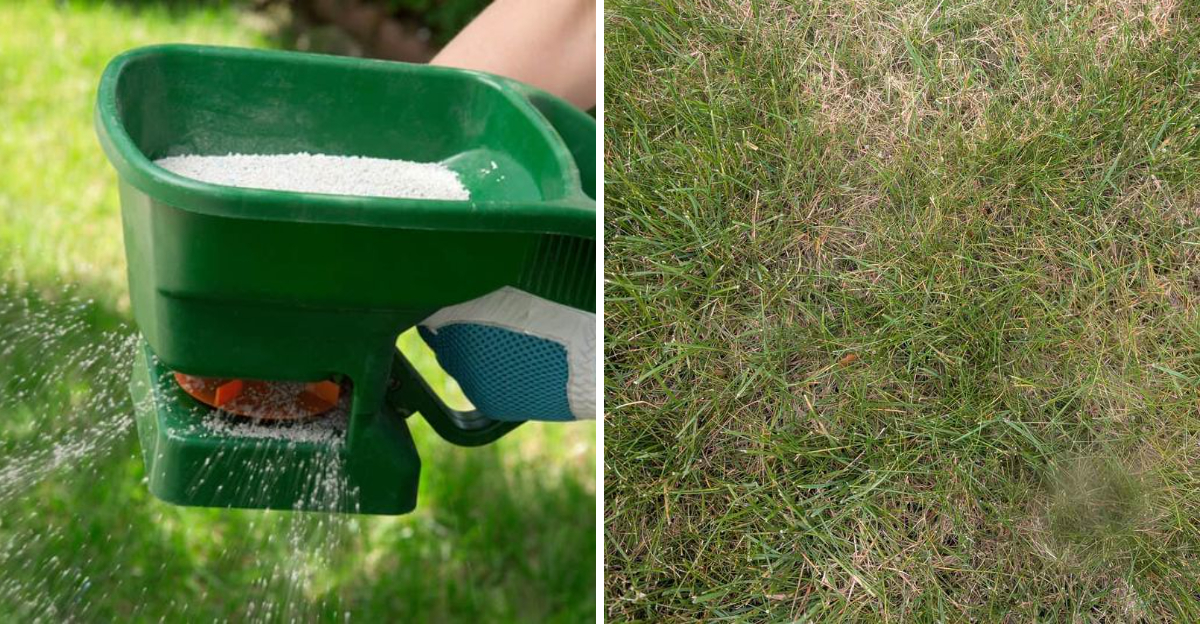
Summer can leave a fescue lawn looking thin and tired, but September brings an important chance to support its comeback. Cooler conditions encourage this grass to become active again after months of stressful heat.
Georgia homeowners should pay attention to what their lawns need as fall growth begins. Feeding at the right time can support stronger grass, but simply grabbing any fertilizer from the garage is not enough.
Check your lawn and understand what you are applying before spreading anything across the yard. Proper timing matters just as much as choosing the right product.
Too much fertilizer will not make stressed grass recover faster.
Your goal is to support healthy new growth without pushing the lawn too hard.
Getting this September step right can help fescue move into fall looking stronger and better prepared.
1. Mid-September Can Bring The First Fall Feeding
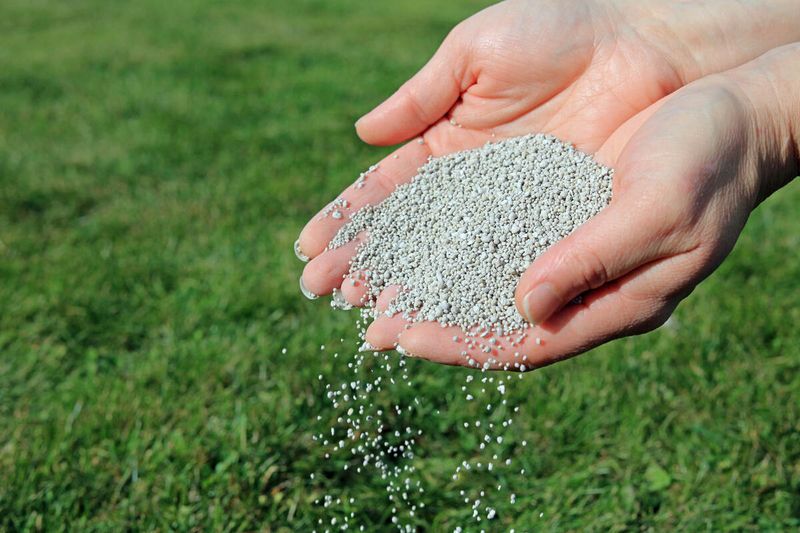
Timing matters more than most people realize when it comes to fall lawn care. Mid-September is often when soil temperatures in Georgia begin to drop below 70 degrees Fahrenheit, which signals fescue to shift into active growth mode.
Feeding the lawn right at this point can give the grass a strong head start.
Fescue roots absorb nutrients more efficiently when the soil is cooler. Applying fertilizer too early in September, when the ground is still warm from summer, may not deliver the same results.
Waiting until nighttime temperatures consistently stay in the mid-60s or lower is a practical guide.
Granular slow-release fertilizers tend to work well for this first fall application. They release nutrients gradually, which matches the steady growth pace fescue follows in early fall.
Fast-release products can sometimes push too much top growth too quickly, which may stress the grass rather than help it.
Checking a local weather forecast before applying is a smart habit. Rain within a day or two after spreading granular fertilizer can help work it into the soil.
Dry spells right after application may slow things down, so timing around moisture helps get the most from the feeding.
2. Summer Stress Often Leaves Fescue Thin And Tired
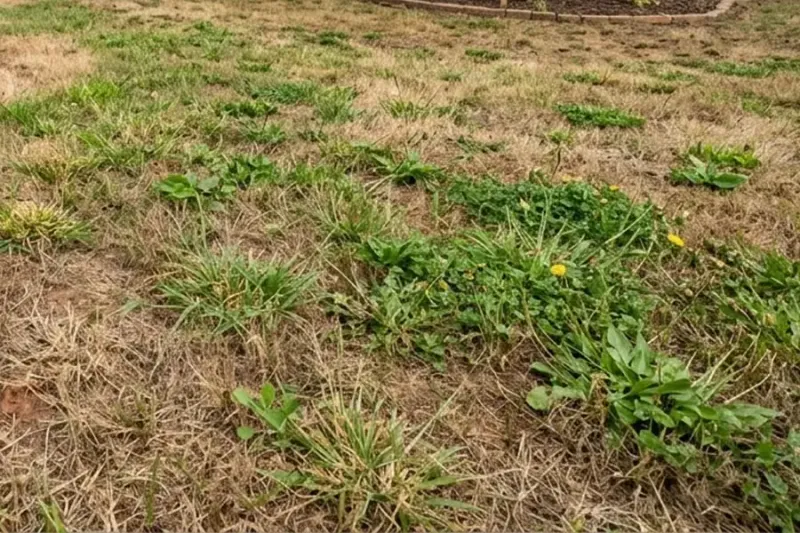
Few things wear out a fescue lawn faster than a Georgia summer. Heat, drought, and heavy foot traffic can leave the grass sparse and uneven by the time September arrives.
Bare patches and thinning areas are common signs that summer took a toll.
Fescue is a cool-season grass, which means it naturally struggles when temperatures climb into the upper 80s and 90s for weeks at a time.
Reduced root depth, slower recovery from wear, and increased vulnerability to pests are all typical results of prolonged summer heat.
Understanding this stress helps explain why fall feeding matters so much.
Thin areas in the lawn are not just an appearance issue. Sparse grass allows weeds to move in and take hold before the fescue can recover.
Getting nutrients into the soil in early fall gives the existing grass the energy it needs to spread and fill those gaps.
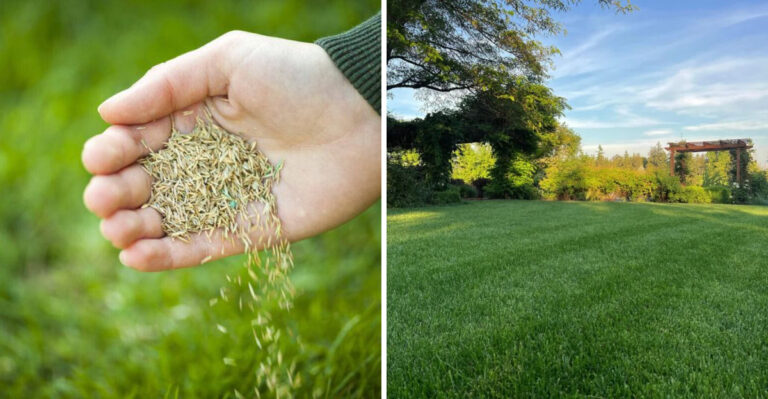
Overseeding bare spots in combination with fall fertilizing is a strategy many Georgia homeowners use. Seed needs nutrients nearby to germinate and establish well.
Your Georgia Garden Changes Every Week. Your Plan Should Too.
Gardening in Georgia changes quickly throughout the season. Every Friday you’ll receive a simple weekly plan showing exactly what to plant, prune, fertilize, harvest, and protect so you never miss the right timing.
Coordinating the feeding with any overseeding efforts, usually done in mid-September to early October, can improve results across both efforts and help the lawn look noticeably fuller by late fall.
3. Nitrogen Supports New Growth As The Weather Cools

Nitrogen is the nutrient fescue leans on most during fall recovery. Without enough of it, the grass may stay pale, grow slowly, or struggle to thicken up before winter.
A well-timed nitrogen application in September can visibly shift the lawn’s color and density within a few weeks.
Not all nitrogen sources behave the same way. Slow-release forms, like sulfur-coated urea or polymer-coated products, feed the lawn gradually over several weeks.
Quick-release sources like ammonium nitrate act faster but can fade out sooner. Most lawn care professionals suggest a blend of both for fall applications.
Application rate matters just as much as product type. Applying too little nitrogen may not produce the recovery results you are hoping for.
Going too heavy increases the risk of pushing excessive blade growth at the expense of root development, which can leave the grass less prepared for winter.
A general guideline for fescue is about one pound of actual nitrogen per 1,000 square feet for a fall feeding. However, this can vary based on soil conditions and current lawn health.
Reading the fertilizer label carefully and calculating the correct amount for your lawn size helps avoid common mistakes and gets better results from the application.
4. Soil Test Results Help Set The Right Fertilizer Rate

Guessing at fertilizer rates is one of the most common lawn care mistakes. A soil test takes the guesswork out of the process by showing exactly what nutrients your lawn already has and what it needs.
Most county extension offices in Georgia offer affordable soil testing services.
Soil pH plays a big role in how well fescue absorbs nutrients. Fescue generally prefers a pH between 5.8 and 6.5.
Outside that range, even a well-timed fertilizer application may not perform as expected because the grass cannot take up nutrients efficiently when pH is off.
Test results typically include recommendations for lime if the soil is too acidic, or sulfur if it is too alkaline. Adjusting pH before or alongside fall fertilizing gives the lawn a better foundation.
Lime applications in fall can take several months to fully affect pH, so applying it early in the season makes sense.
Phosphorus and potassium levels also show up in soil tests. Potassium, in particular, supports root strength and cold tolerance, which matters heading into winter.
If the test shows low potassium, choosing a fertilizer that includes it alongside nitrogen can give fescue a more complete nutritional boost during the fall recovery period.
5. Too Much Fertilizer Can Create Problems Instead
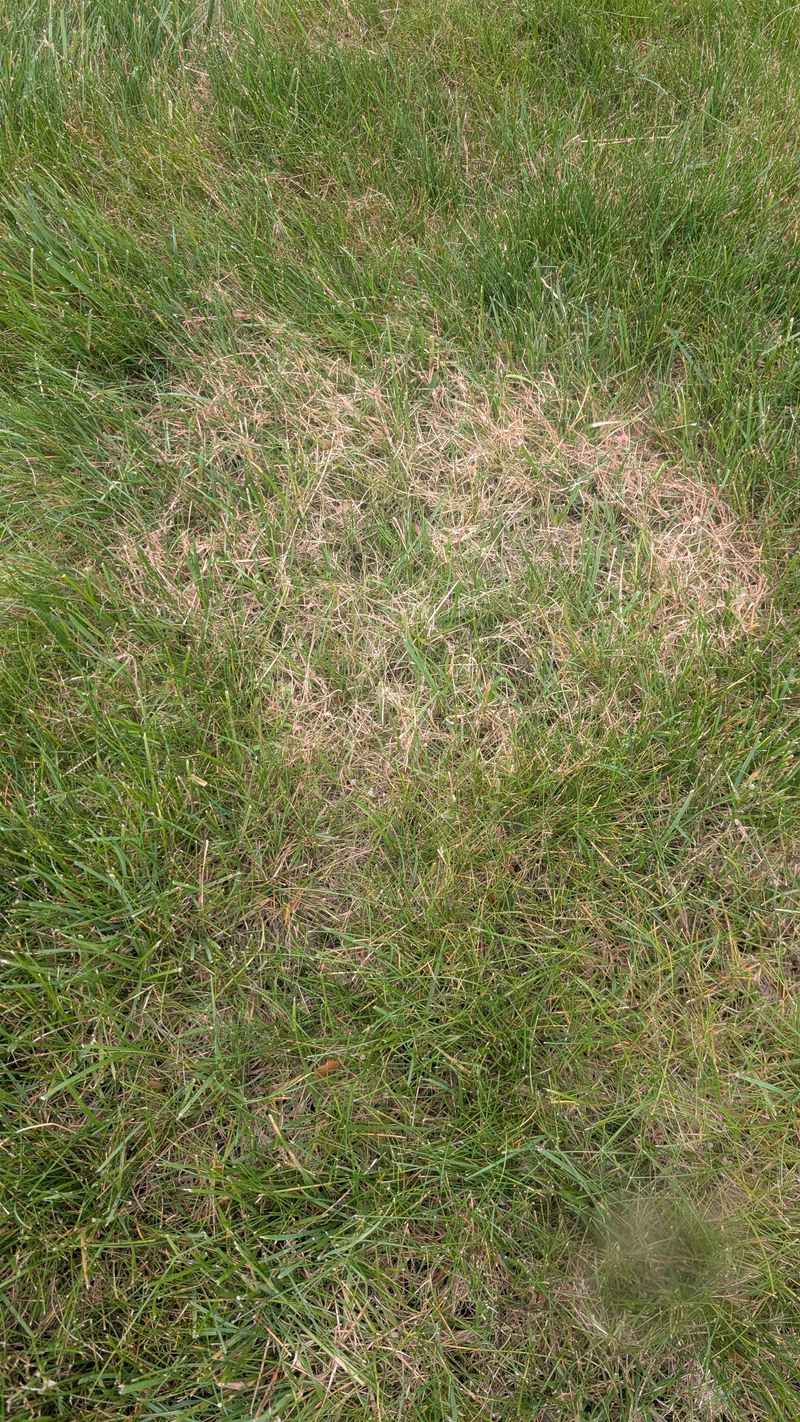
More fertilizer does not mean better results. Overapplication is a real risk, and it can set a fescue lawn back rather than help it recover.
Burning the grass, pushing weak top growth, and contributing to water runoff issues are all possible outcomes of applying too much.
Fertilizer burn happens when concentrated nutrients, especially nitrogen, contact grass blades or roots in amounts the plant cannot process. Yellowing or browning patches that appear within days of a fertilizer application are often a sign of burn.
Watering immediately after applying granular products helps reduce this risk.
Excessive nitrogen in fall can also push rapid blade growth that looks lush at first but may not be backed by strong roots.
Fescue heading into winter with shallow roots and soft top growth can be more vulnerable to cold damage and slower to recover in spring. Balance between top growth and root development is the goal.
Sticking to the recommended rate on the fertilizer label, or better yet, using your soil test results as a guide, helps avoid these pitfalls.
Splitting the fall nitrogen into two lighter applications, one in mid-September and one in October or November, is a method some lawn care professionals suggest as a safer way to feed without overdoing it.
6. Regular Moisture Supports The Lawn During Fall Growth
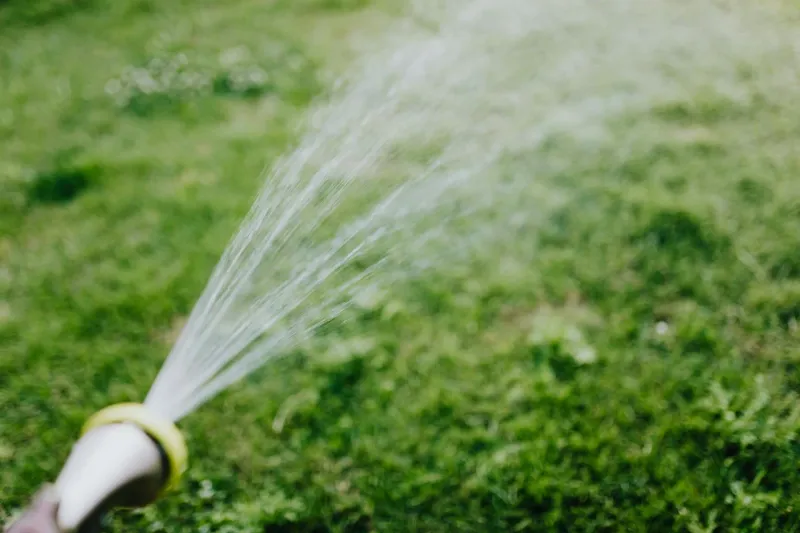
Fertilizer works best when moisture is part of the picture. Fescue roots take up dissolved nutrients from the soil, and without adequate water, even a well-timed feeding may not deliver the results you expect.
Fall watering habits matter more than many homeowners assume.
Rainfall in Georgia during September and October can be inconsistent. Some years bring regular rain that supports fall growth naturally.
Other years stay dry well into fall, putting the pressure on irrigation or hand watering to keep the lawn adequately moist. Watching the forecast and checking soil moisture helps fill the gaps.
Fescue generally needs about one inch of water per week during active growth periods. This can come from rain, irrigation, or a combination of both.
Watering deeply and less frequently encourages roots to grow downward, which builds a stronger, more resilient lawn over time.
Overwatering is also a concern. Soggy soil can promote fungal issues, especially in fall when temperatures are cooling and moisture lingers longer.
Watering in the morning gives the grass blades time to dry before nightfall, which lowers the chance of disease problems.
Keeping an eye on soil conditions rather than following a fixed schedule tends to produce the best outcomes during the fall growth window.
7. October And November Bring More Feeding Opportunities
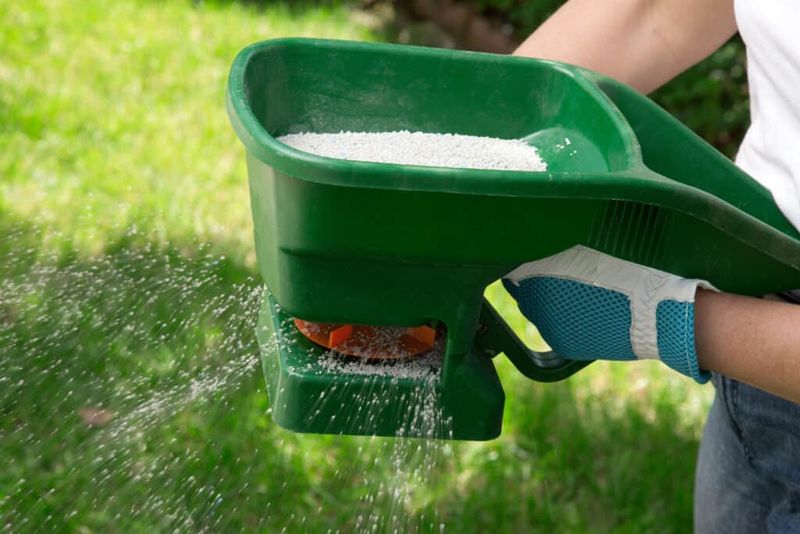
September is just the starting point, not the finish line. October and November offer additional chances to strengthen fescue before winter sets in.
A well-planned multi-application approach across the fall season tends to produce better results than a single heavy feeding in early September.
A second application in late October can help fescue build carbohydrate reserves in the roots. Roots store energy during fall that the grass draws on when spring arrives.
Feeding at this point supports that process and can contribute to a faster, fuller green-up in late February or March.
November feeding, sometimes called winterization, is a strategy that focuses on potassium and lower nitrogen rates. Potassium helps strengthen cell walls and may improve cold hardiness.
Some lawn care guides suggest reducing nitrogen in the final fall feeding to avoid pushing new growth that frost could damage.
Knowing when your first expected frost typically arrives in your area helps with timing. In many parts of Georgia, the first frost often occurs somewhere between late October and mid-November, though this varies by location and year.
Planning the final feeding at least three to four weeks before expected frost gives the grass time to use the nutrients without producing frost-sensitive new growth right before cold weather arrives.