The Meaning Behind A Skunk Digging More Aggressively In Pennsylvania Lawn
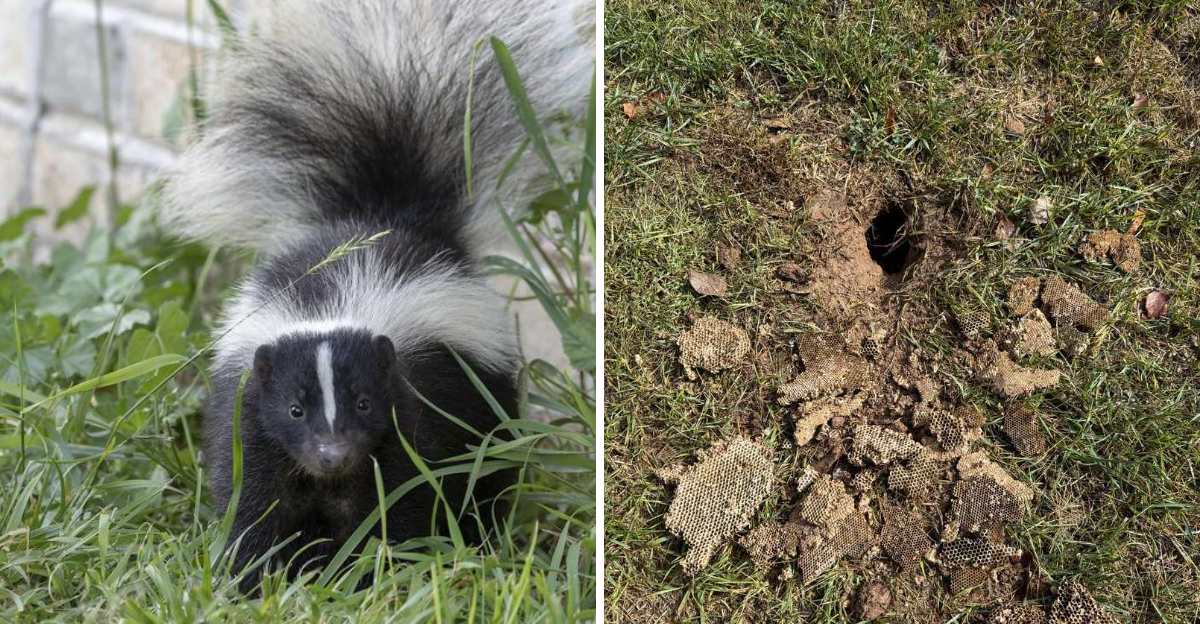
Waking up to find your Pennsylvania lawn dug up overnight is frustrating under any circumstances.
But when the culprit is a skunk, and the digging is becoming more aggressive rather than occasional, the situation tends to prompt a specific kind of anxiety that goes beyond typical yard pest concerns.
The digging you can see is one problem. The potential for a defensive encounter if you surprise the animal is another entirely.
But the digging itself is telling you something specific, and understanding what it is changes how you approach the situation.
Skunks don’t dig aggressively without a clear reason. When the digging intensifies, it almost always reflects a change in conditions just below the surface of your lawn.
Something that has increased in availability, concentration, or accessibility in a way that makes your yard significantly more rewarding for a skunk to investigate than it was before.
Reading that signal correctly is the most effective first step in addressing the problem, because the solution that works depends entirely on what’s driving the behavior.
Here’s what aggressive skunk digging in a Pennsylvania lawn is really telling you and what to do about it.
1. White Grubs May Be Hiding Under Your Grass
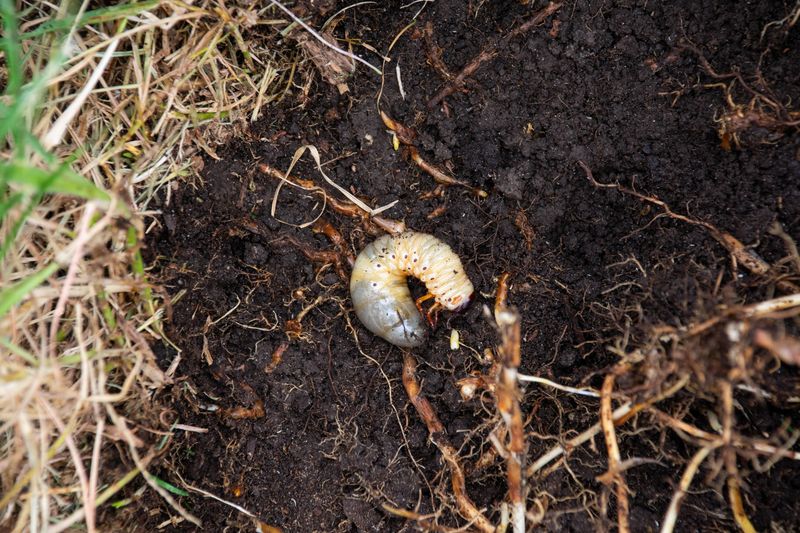
Picture waking up to find your lawn looking like something dug a dozen small holes overnight. That is exactly what happens when a skunk catches the scent of white grubs hiding just beneath your turf.
These soft, C-shaped larvae are the young form of beetles like Japanese beetles and June bugs, and they live in the soil feeding on grass roots.
Skunks have a powerful sense of smell. They can detect grubs even when the insects are several inches underground.
When a skunk starts digging small, neat holes across your lawn, it is almost always chasing these larvae. The more grubs there are, the more motivated the skunk becomes to keep searching.
Heavy digging is a strong signal that your grub population has grown large enough to attract serious attention. A few grubs per square foot is normal and usually harmless.
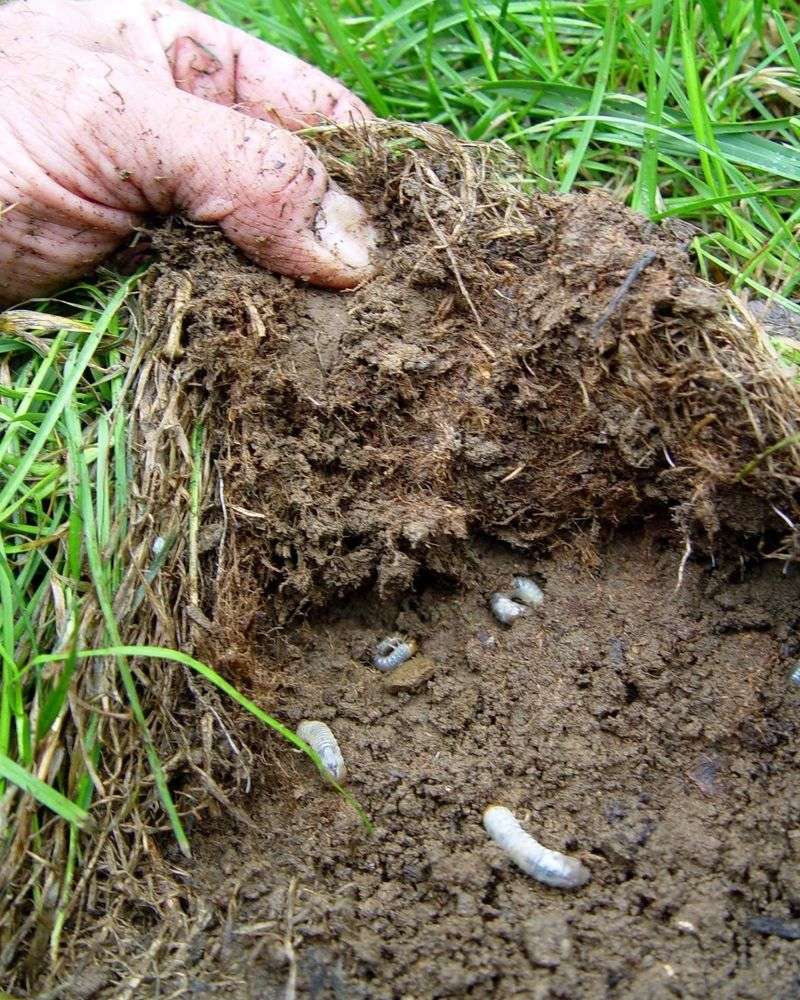
But once that number climbs higher, your lawn becomes a buffet that skunks cannot resist. Checking for grubs is simple. Pull back a small section of sod in an area where the skunk has been digging.
Count how many grubs you see in a one-square-foot patch. Finding more than five to ten grubs in that space usually means you have an active infestation worth addressing.
Treating the grub problem often reduces skunk activity naturally, without needing to chase the animal away directly.
Grub control products are widely available at garden centers across Pennsylvania and can be applied in late summer or early fall for the best results. Dealing with the root cause is always smarter than just trying to stop the skunk.
2. Late Summer Is Prime Grub-Feeding Season
Late summer in Pennsylvania brings warm nights, drying grass, and a hidden surge of activity just below the soil surface. Around July through September, white grubs that hatched earlier in the season begin growing fast.
Your Pennsylvania Garden Changes Every Week. Your Plan Should Too.
Gardening in Pennsylvania changes quickly throughout the season. Every Friday you’ll receive a simple weekly plan showing exactly what to plant, prune, fertilize, harvest, and protect so you never miss the right timing.
As they grow, they move closer to the top of the soil to feed on tender grass roots. That upward migration is exactly what makes this time of year so busy for hungry skunks.
When grubs are close to the surface, they are much easier for skunks to reach. A skunk does not need to dig very deep at this point, which means it can cover more ground in a single night.
You might notice the digging spreading across wider sections of your lawn during late summer, and that pattern makes total sense once you understand the timing.
Skunks are most active at night, so the damage often seems to appear out of nowhere by morning. Homeowners sometimes blame other animals, but the small, round, shallow holes left behind are a classic skunk signature.
Raccoons tend to peel back larger sections of sod, while skunks leave more targeted, cone-shaped digging spots.
Knowing that late summer is peak grub season helps you stay one step ahead. If you treated your lawn for grubs in spring and still see skunk activity now, it might mean the treatment wore off or was not fully effective.
Reapplying a grub control product in late summer can help reduce the larva population before it gets out of hand. Keeping an eye on your lawn during this seasonal window is one of the smartest things a Pennsylvania homeowner can do.
3. Moist Soil Is Making Digging Easier
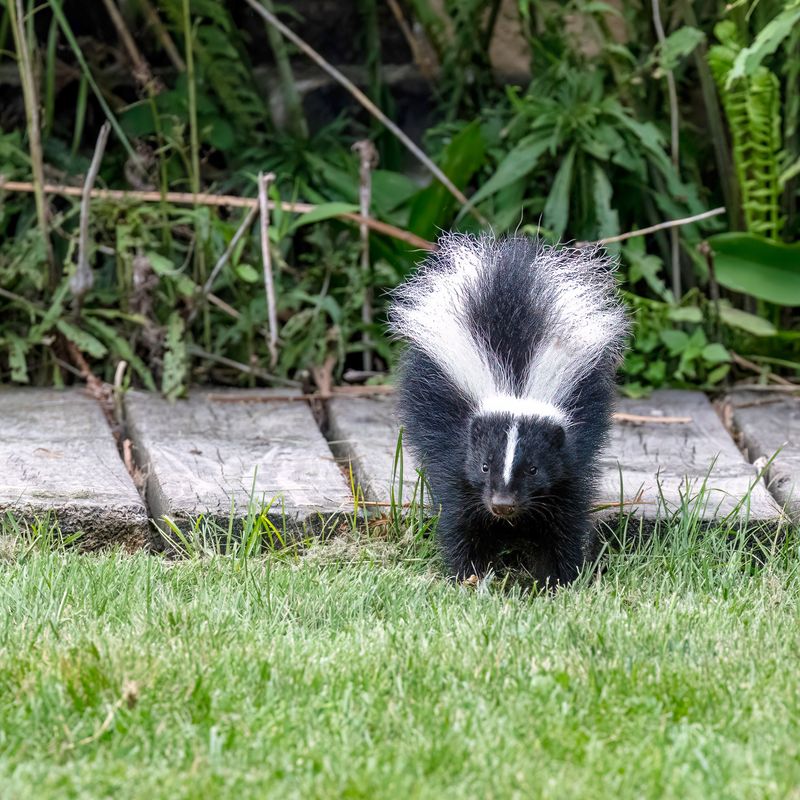
Rain changes everything for a skunk on the hunt. After a good soaking or a round of heavy irrigation, the soil softens up considerably.
What was once firm and compact becomes loose and easy to push through. For a skunk searching for grubs, moist soil is a golden opportunity because it takes far less effort to reach the insects hiding below.
Pennsylvania summers often bring stretches of rain followed by humid, warm days. That combination creates perfect conditions for both grubs and skunks.
Grubs thrive in moist soil because it keeps them hydrated and comfortable. Skunks benefit because the soft ground lets them dig quickly and efficiently without wearing themselves out.
You might notice that skunk activity on your lawn spikes after rainy nights or following a long watering session. That is not a coincidence.
The timing lines up directly with how easy the soil is to work through. If you water your lawn heavily in the evening, you may actually be making your yard more attractive to foraging skunks without realizing it.
One practical adjustment is to water your lawn in the early morning instead of at night. Morning watering gives the soil time to firm up slightly by evening, which can make digging a little harder for nocturnal visitors.
It also helps your grass stay healthier by reducing overnight moisture that can lead to fungal problems.
Managing your irrigation schedule is a small change that can make a real difference in how often skunks choose your yard as their go-to feeding ground. Pair that habit with grub control treatments for the best results this season.
4. Your Lawn Has Become A Reliable Feeding Spot
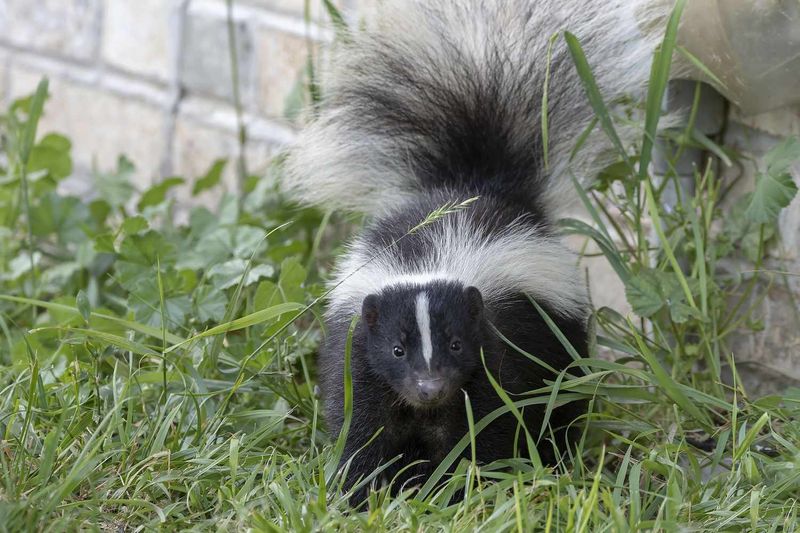
Skunks are smarter than most people give them credit for. Once a skunk finds a yard with plenty of grubs, it does not forget.
Animals that forage for food develop mental maps of reliable feeding areas, and skunks are no exception. If your lawn delivered a good meal last week, there is a strong chance that same skunk will come back tonight looking for more.
Repeated visits mean repeated damage. What starts as a few scattered holes can turn into widespread digging across your entire yard if the skunk keeps returning night after night.
The animal is not being destructive on purpose. It is simply following its instincts and going back to a place that has fed it before.
Homeowners sometimes try to scare skunks away with lights or noise, and those tactics can work temporarily. But if the food source is still there, the skunk will almost always return once things quiet down.
Removing the grubs is the most effective long-term solution because it takes away the reason the skunk is showing up in the first place.
You can also make your yard less inviting by removing other attractants. Fallen fruit, open compost bins, and unsecured garbage cans can all bring skunks into your yard even before they discover the grubs.
Cleaning up those extras reduces the overall appeal of your property. Think of it as cutting off multiple reasons for the skunk to visit, not just one.
Addressing both the grub problem and the other food sources gives you the best shot at breaking the skunk’s pattern of returning to your Pennsylvania lawn.
5. Small Cone-Shaped Holes Point Toward Skunks
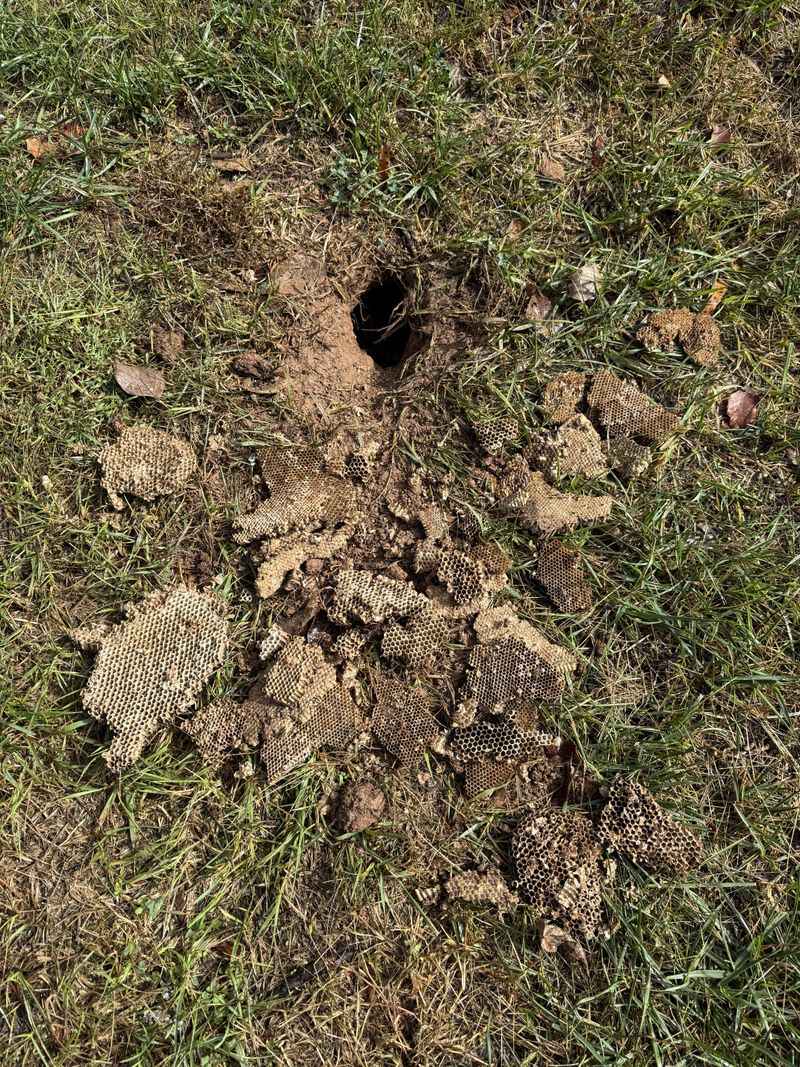
Not all lawn damage looks the same, and knowing what to look for can save you a lot of guessing. Skunk feeding leaves behind a very specific calling card: small, shallow, cone-shaped or circular holes scattered across the grass.
These holes are usually about three to four inches wide and only an inch or two deep. They look almost like someone poked the ground with a short, thick stick.
Raccoons and armadillos also dig in lawns, but their damage tends to look different. Raccoons often peel back large sections of sod, flipping it over like a rug.
Skunks are more surgical. They target specific spots where they smell grubs and dig just deep enough to grab the larvae before moving on to the next scent.
When the grub population is especially high, skunk digging can escalate. Instead of a few neat holes, you might see larger torn-up patches where the skunk has been working harder to get to a dense cluster of insects.
The scale of the damage often reflects how many grubs are present in that particular area of your lawn.
Photographing the holes before filling them in can be a helpful habit. Comparing photos over several nights lets you track whether the damage is spreading or staying in one area.
That information helps you decide where to apply grub treatment most effectively. If the holes are concentrated in one corner of your yard, start your grub inspection and treatment there first.
Identifying skunk damage correctly means you can respond with the right solution instead of spending time and money treating the wrong problem entirely.
6. The Grass Itself May Already Be Under Attack
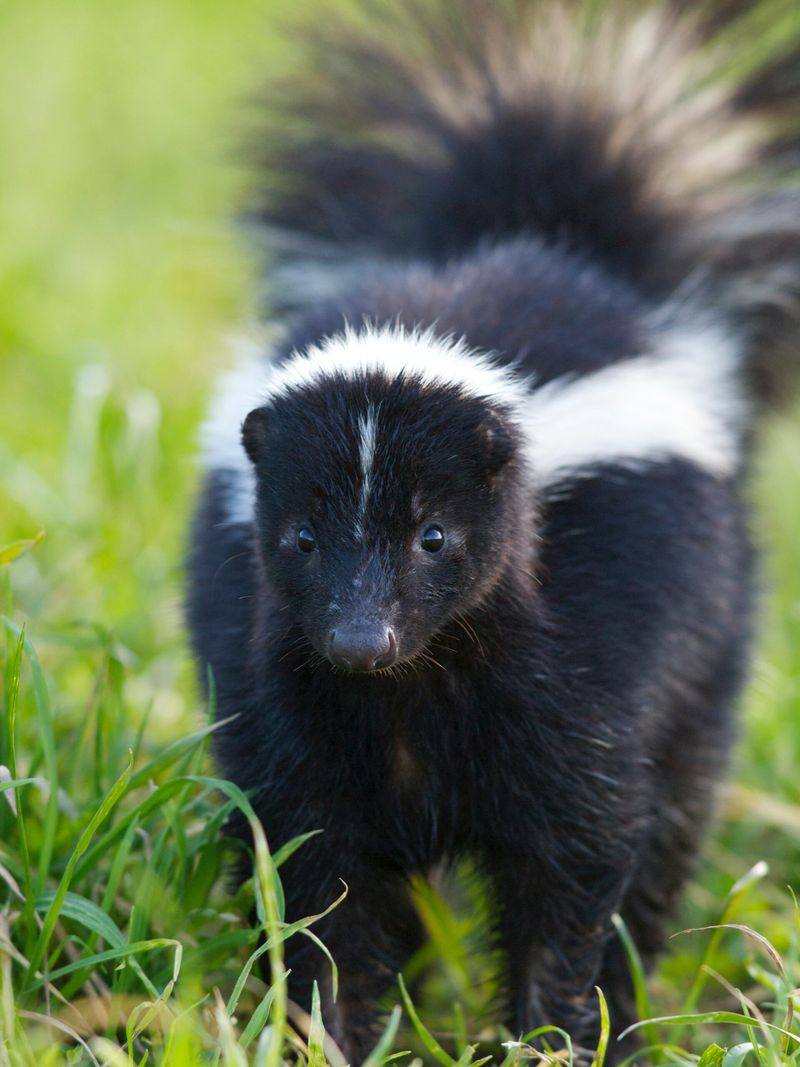
Here is something many homeowners overlook: by the time a skunk starts digging aggressively, the grass may already be struggling. White grubs feed on turf roots from below, cutting off the plant’s ability to absorb water and nutrients.
Patches of lawn that look brown, spongy, or easy to pull up like a loose mat are often signs that grubs have already been busy for weeks.
Skunk activity draws attention to the surface, but the real damage is happening underground. Grass that loses too many roots cannot survive drought, foot traffic, or heat stress.
A lawn that looks thin or patchy in late summer might be suffering from grub feeding rather than just lack of rain or poor fertilization.
Checking beneath damaged sod is a step that many people skip, but it is one of the most useful things you can do. Grab the corner of a brown or spongy patch and try to lift it.
Healthy grass resists because its roots anchor it to the soil. Grub-damaged turf lifts easily, almost like a piece of carpet that has come loose from the floor.
Finding grubs underneath confirms the source of the problem. Once you know grubs are present, you have a clearer path forward. Grub control products, both chemical and organic options, are available at most Pennsylvania garden centers.
Applying them correctly and at the right time of year gives your lawn the best chance to recover. Reseeding damaged patches after treatment helps your turf bounce back faster.
Addressing both the grub infestation and the resulting lawn damage sets your yard up for a much healthier season ahead.