This Fast-Growing Ohio Native Tree Fills A Bare Fence Line Fast
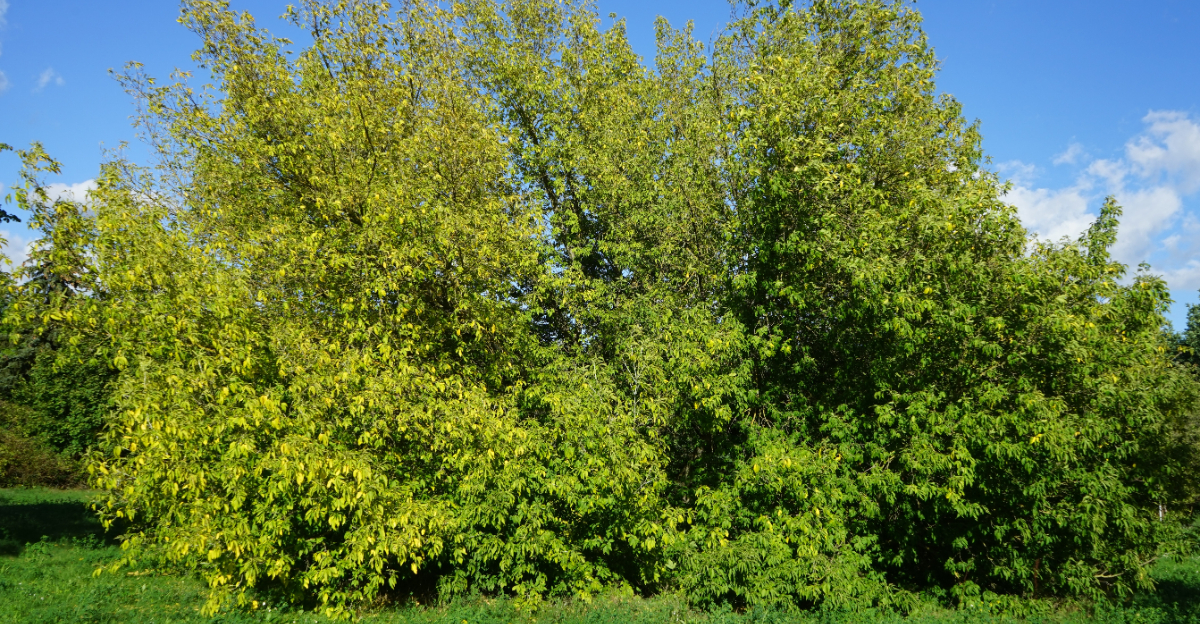
A bare Ohio fence line can make the whole yard feel unfinished, especially when you want privacy or shade without a decade-long wait. One native tree can change that picture surprisingly fast.
It puts on height quickly, handles tough spots, and can soften a long stretch of fence before slower landscape trees have made much progress. That speed sounds perfect, but it comes with traits worth knowing before you plant one near a property line.
Fast growth can mean weaker wood, messy seed drop, or roots that need more room than expected. Still, for the right yard, this tree can solve an awkward open space with impressive speed and very little fuss.
Its value comes down to placement, space, and how much upkeep you are willing to accept later. For Ohio homeowners tired of staring at an empty fence, this native option can change the view much faster than most landscape trees.
1. Boxelder Turns Bare Fence Lines Green Fast
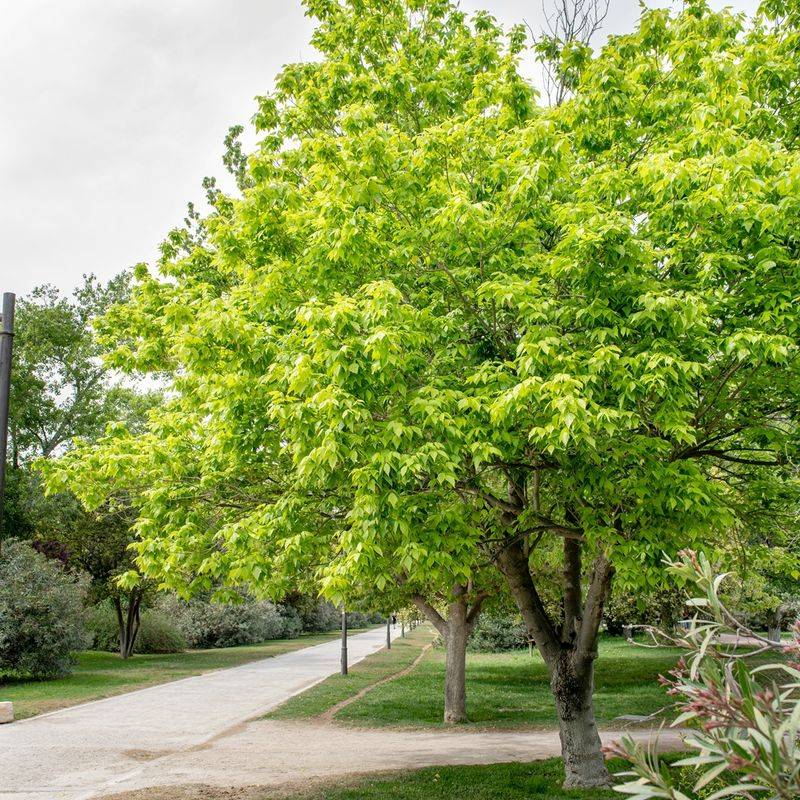
Planting along a bare fence can feel like a waiting game that never ends. Boxelder, Acer negundo, is one native tree that tends to shorten that wait noticeably.
Ohio State University Extension recognizes it as a fast-growing native species suited for windbreak and screening use in the state. Young trees can establish a meaningful leafy presence in the landscape well before slower-growing natives reach any real height.
Spacing plays a big role in how quickly a line of trees fills in. Trees planted too far apart will leave visual gaps for years.
Sunlight, soil moisture, and consistent watering during the first season all affect how well each tree establishes. A tree stressed by drought or compacted soil will not grow at the same pace as one planted in a well-prepared site.
No single tree will hide an entire fence on its own. Planting multiple trees at appropriate intervals gives the best chance of building a leafy buffer over time.
Boxelder’s value here is real, but it works best as part of a thoughtful planting plan rather than a guaranteed instant fix. Filling visual gaps is exactly what it does well, as long as site conditions support healthy growth from the start.
2. Young Trees Put On Growth In A Hurry
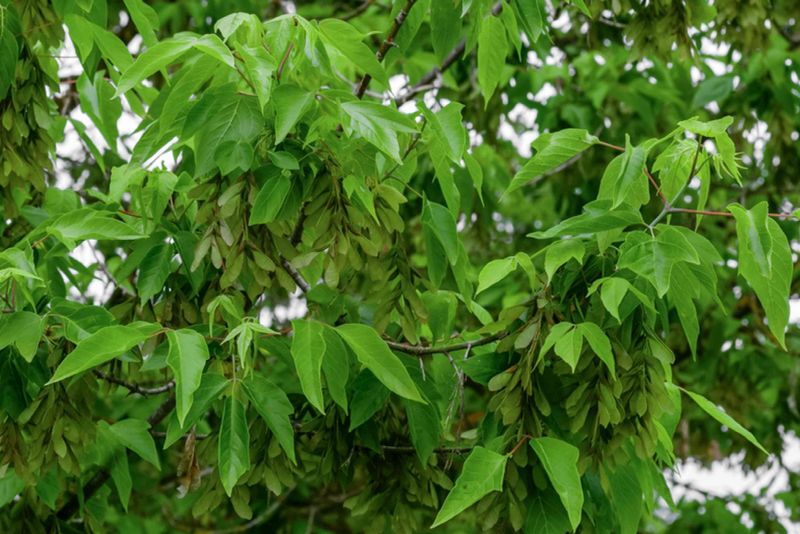
Watching a sapling change from one season to the next can be genuinely surprising. Boxelder is known for putting on noticeable growth during its early years.
That fast start appeals to homeowners who want quicker results than many native trees provide. That early vigor is one of its most recognized characteristics among horticulturists and extension specialists who work with native plantings.
Rapid juvenile growth makes the tree appealing for anyone who does not want to wait decades before meaningful shade or cover develops along a fence. Young trees can add height and spread at a pace that makes seasonal progress visible.
That kind of momentum is encouraging, especially in the first few growing seasons after planting.
Growth speed is not guaranteed on every site, though. Drought stress, compacted soil, poor planting depth, and limited moisture can all slow a young tree down considerably.
Your Ohio Garden Changes Every Week. Your Plan Should Too.
Gardening in Ohio changes quickly throughout the season. Every Friday you’ll receive a simple weekly plan showing exactly what to plant, prune, fertilize, harvest, and protect so you never miss the right timing.
A tree planted in a dry, rocky corner without follow-up watering will not perform the same way as one given proper establishment care. The fast start Boxelder is known for depends on reasonable growing conditions.
Giving young trees a good foundation in their first season is the most reliable way to keep that early momentum going through the years ahead.
3. Fence Rows Match Its Natural Habitat
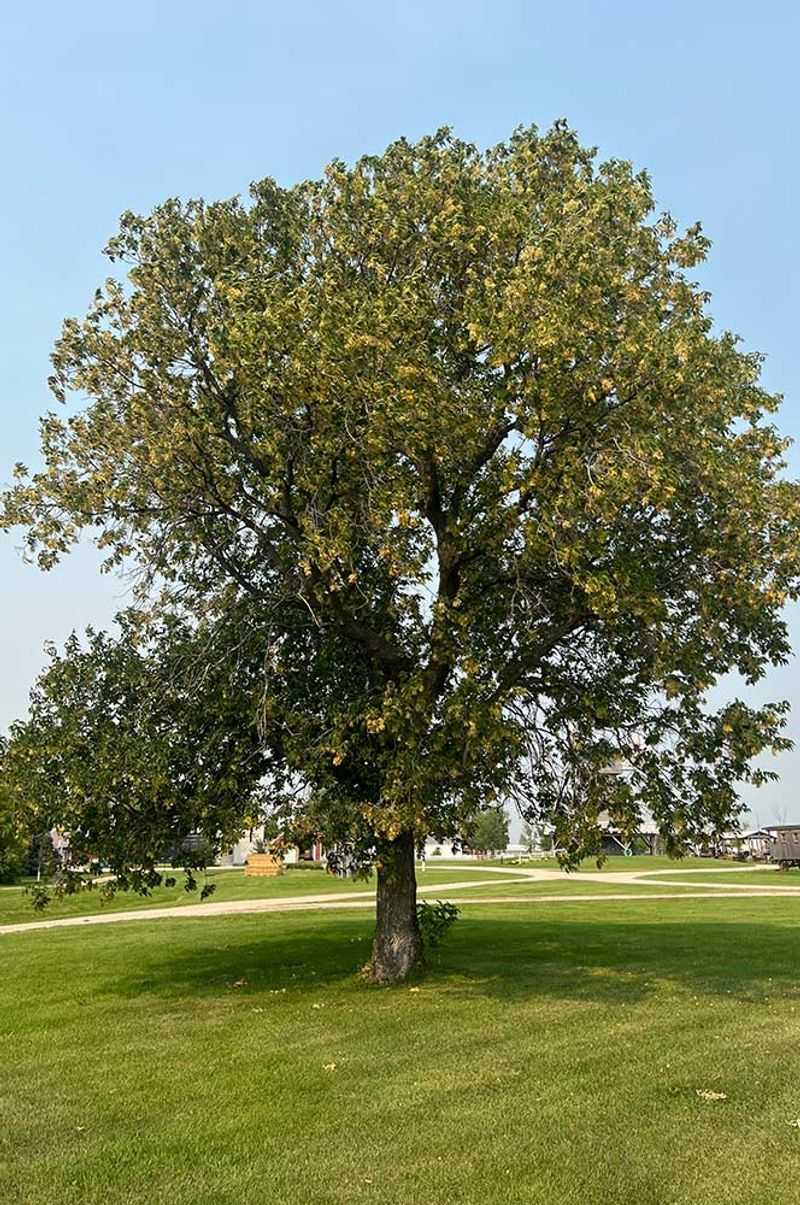
Drive along almost any rural road in the region and you will likely spot Boxelder growing right along old fence lines without anyone having planted it there.
The species naturally colonizes boundary areas, streambanks, woodland edges, and disturbed open ground.
That tendency is not accidental. Fence rows offer the kind of transitional space where Boxelder tends to thrive on its own.
The Ohio Department of Natural Resources confirms Boxelder as a native species found throughout the state. Its natural occurrence along fence rows and woodland margins is also well documented.
That natural fit means the tree does not have to fight its surroundings the way a non-native species might. It already belongs to these edge environments in a biological sense.
Not every fence line is automatically a good planting site, though. Overhead utility lines, nearby structures, drainage issues, and the tree’s eventual mature spread all deserve consideration before planting.
Boxelder can reach a substantial size at maturity, so planting too close to a fence or building can create problems down the road.
Giving each tree enough room to grow without crowding structures or each other will make the planting easier to manage long-term.
The species suits boundary areas naturally, but thoughtful placement still matters for a result that works well for years.
4. Tough Sites Rarely Hold It Back
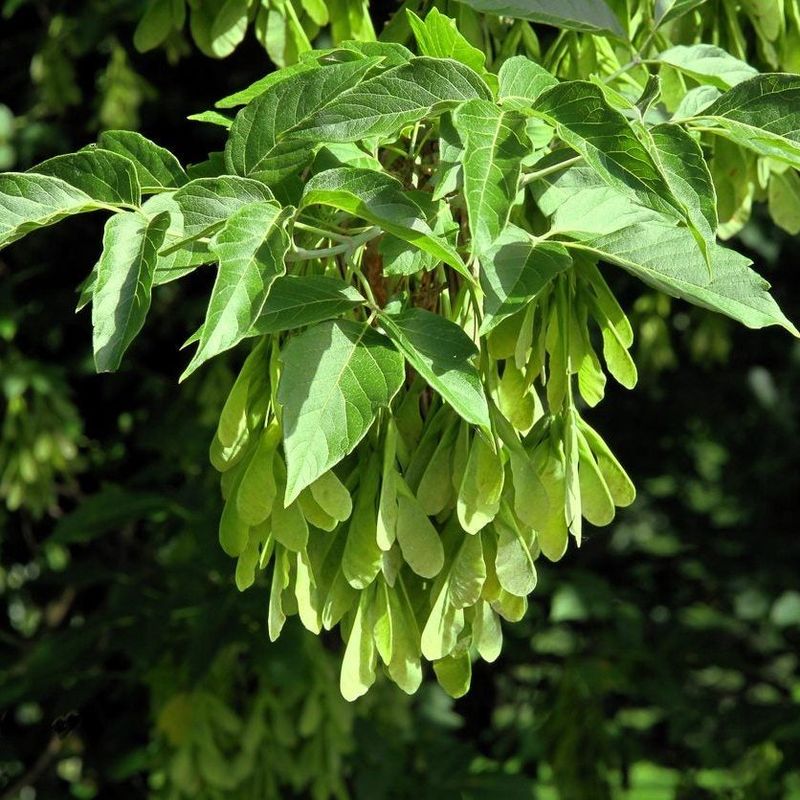
Every yard has at least one difficult corner. Maybe the soil is heavy clay, the drainage is poor, or the light is inconsistent.
Plenty of desirable trees simply will not perform well under those conditions. Boxelder occupies a different category when it comes to site tolerance, and that flexibility is part of why it appears so widely across varied landscapes.
Ohio State University Extension notes that Boxelder tolerates a range of soil types and moisture conditions, including sites that would challenge more demanding species. It can handle periodic wet conditions that would stress many other trees.
That tolerance makes it a practical option for fence lines where soil quality is not ideal and where improving conditions significantly is not realistic.
Tolerance is not the same as thriving, though. A tree growing in genuinely poor conditions will still perform better with some basic care than one left entirely to struggle alone.
Standing water for extended periods, severe compaction, or prolonged drought can still cause problems. Distinguishing between what a tree can survive and what actually supports its best growth is useful for any homeowner making planting decisions.
Boxelder offers more flexibility than many species. Still, matching it to a reasonable site produces better results than assuming any corner will work without preparation.
5. Volunteer Seedlings Can Fill Open Gaps
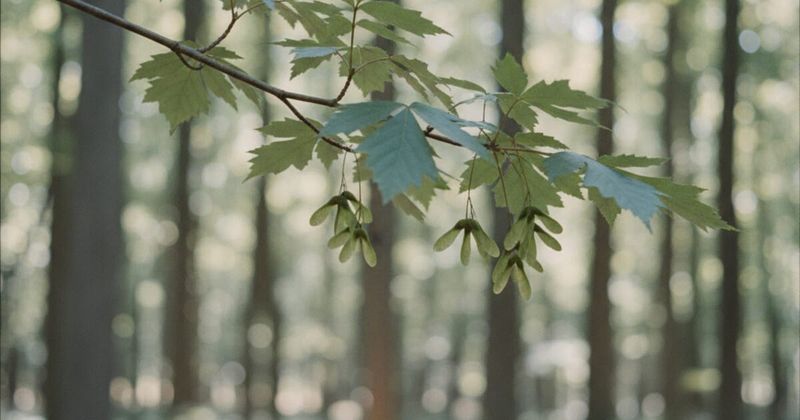
A seedling popping up where no tree was planted can catch you off guard. Boxelder is a prolific seed producer, and its winged seeds, called samaras, travel easily on wind.
Volunteer seedlings appear along fence lines, property edges, and neglected corners with regularity. In some situations, those volunteers can actually help fill gaps in a planting without any additional effort from the gardener.
Botanically, Boxelder is dioecious, meaning male and female flowers grow on separate trees. Only female trees produce seeds.
A planting made up entirely of male trees will not generate volunteer seedlings, while female trees can produce seeds in large quantities. Understanding which type you have or are planting helps you anticipate how much natural reseeding to expect over time.
Not every volunteer seedling is welcome, of course. Young seedlings that sprout in garden beds, paved cracks, or other unsuitable spots should be removed while they are still small and easy to pull.
Letting them establish in the wrong place creates more work later. The practical takeaway is that natural reseeding can be a useful characteristic along an open fence line, but it does require some seasonal attention.
Checking for volunteers in unwanted spots once or twice a year keeps the planting tidy without much extra effort.
6. Winter Takes Away The Leafy Screen
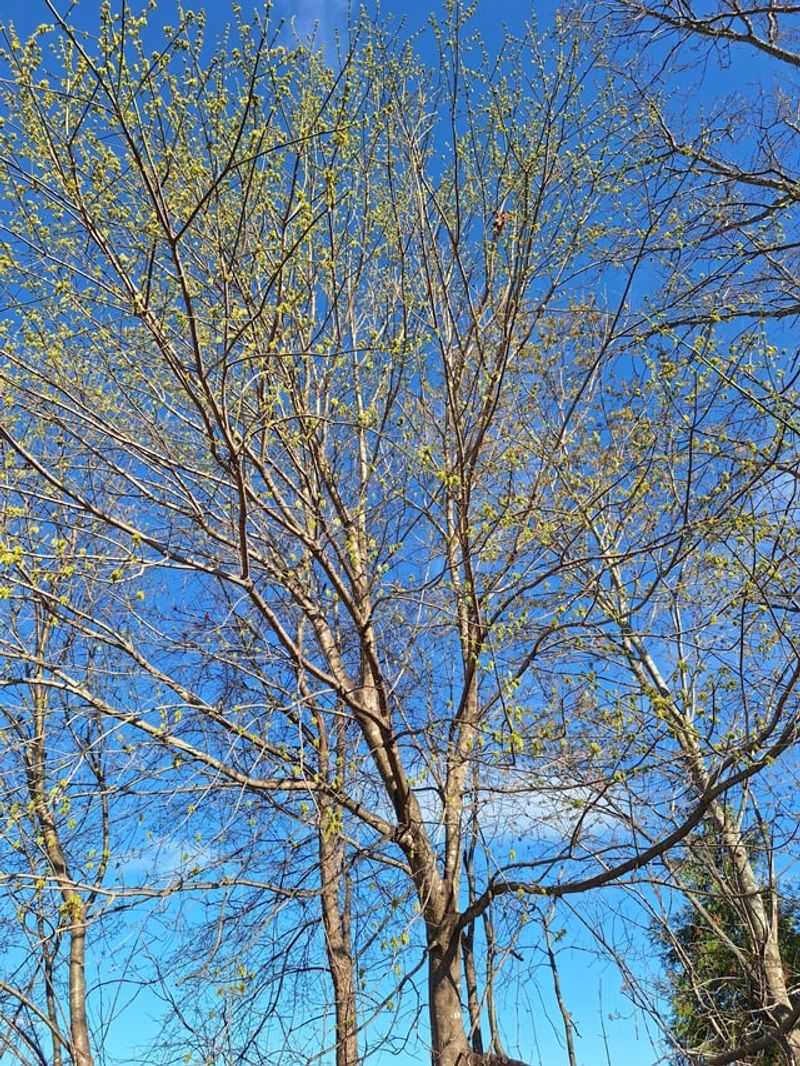
The first hard frost of late fall changes everything along a Boxelder fence line. Leaves that built up a full, leafy buffer through spring and summer drop relatively quickly, and the branches that remain are bare.
What felt like a green wall just weeks earlier suddenly opens up again. The newly exposed fence line can surprise homeowners experiencing that seasonal change for the first time.
Boxelder is fully deciduous. There is no partial leaf retention, no semi-evergreen quality, and no year-round screening to count on.
Anyone who needs consistent visual separation from a neighbor, road, or adjacent property through all four seasons will find that Boxelder alone does not meet that need. Setting that expectation clearly before planting prevents real disappointment later.
Combining Boxelder with native evergreen shrubs or other structural planting can help maintain some visual separation through the colder months.
Eastern red cedar, Juniperus virginiana, is one verified native option that holds its foliage year-round and is well documented for use in the state.
Layering deciduous and evergreen plants along a fence gives you the fast summer presence of Boxelder while the evergreens carry some screening through winter.
That combined approach works better than relying on a single species to do everything across every season of the year.
7. Storm Damage Is The Biggest Tradeoff
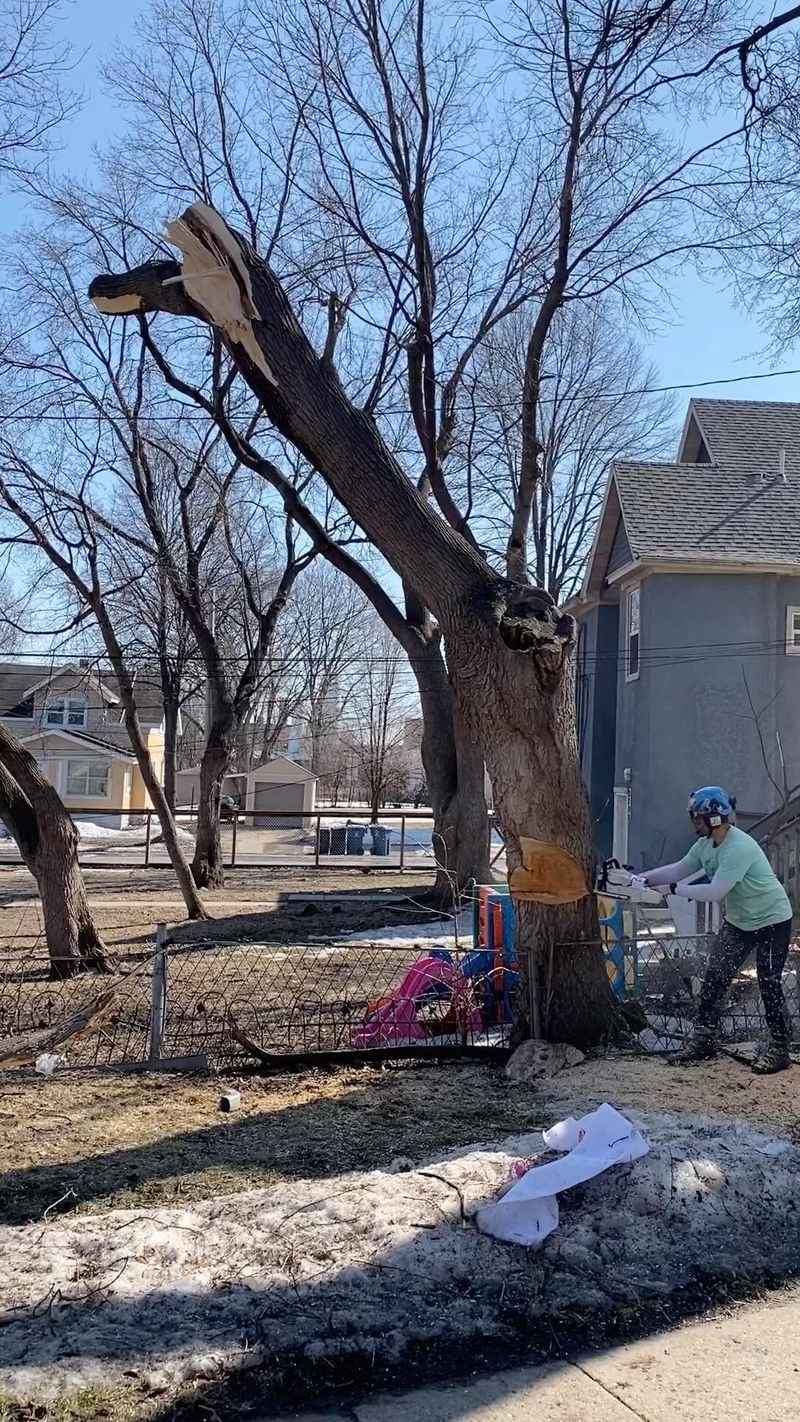
Strong wind meeting fast-grown branches is not always a good combination. Boxelder is widely noted for its relatively weak wood, and Ohio State University Extension acknowledges its susceptibility to storm damage and branch breakage.
Rapid early growth can produce a branching structure that lacks the density and strength found in slower-growing hardwoods. That is a real consideration for any homeowner thinking about placement.
Branch failures during ice storms, high winds, or heavy snow events are more common with this species than with many other native trees. That does not mean every tree will lose major limbs in every storm.
Placement matters a great deal. Site Boxelder away from rooftops, parked vehicles, play areas, and other potential targets.
That reduces the consequences if a branch comes down during severe weather.
Regular visual inspection of established trees helps catch obvious structural concerns before a storm makes the decision for you. Looking for deceased wood, included bark at branch unions, or leaning trunks gives you useful information about a tree’s condition.
Sensible placement and occasional monitoring matter more with a species known for weaker wood than with a long-lived hardwood that rarely drops branches. The goal is not alarm but awareness.
Understanding this characteristic going in lets you make smarter decisions about where along the fence line each tree belongs.
8. Quick Cover Comes With A Shorter Lifespan
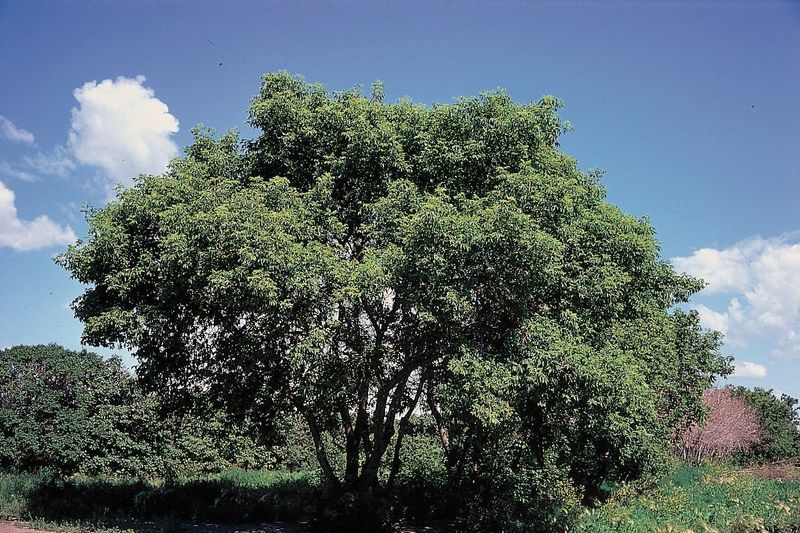
Fast cover rarely comes without a cost measured in years. Boxelder is generally considered shorter-lived than many classic native shade trees.
Specific lifespan figures vary by source and growing conditions. Still, Boxelder is generally considered shorter-lived than oaks, hickories, or maples that can anchor landscapes for generations.
That distinction matters when you are planning for the long term.
Relying on a single Boxelder tree as a permanent fixture along a fence line can lead to a gap in your planting sooner than a longer-lived species would create. Treating it as part of a layered planting strategy makes more practical sense.
Planting it alongside slower-growing, longer-lived natives gives you quick cover now while building a more durable framework that will outlast the Boxelder over time.
None of this makes Boxelder a poor choice. Plenty of planting situations call for fast native cover, and this species delivers that reliably when sited and maintained with reasonable care.
The honest picture is that it works best when chosen with full awareness of what it offers and what it does not. Fast establishment, native origin, and fence-row adaptability are genuine strengths.
Deciduous habit, weaker wood, and a shorter expected lifespan are genuine limitations. Knowing both sides clearly is what turns a good planting decision into one you will still feel confident about years from now.