What Happens To Maine Blueberry Fields The Week After The Last Harvest
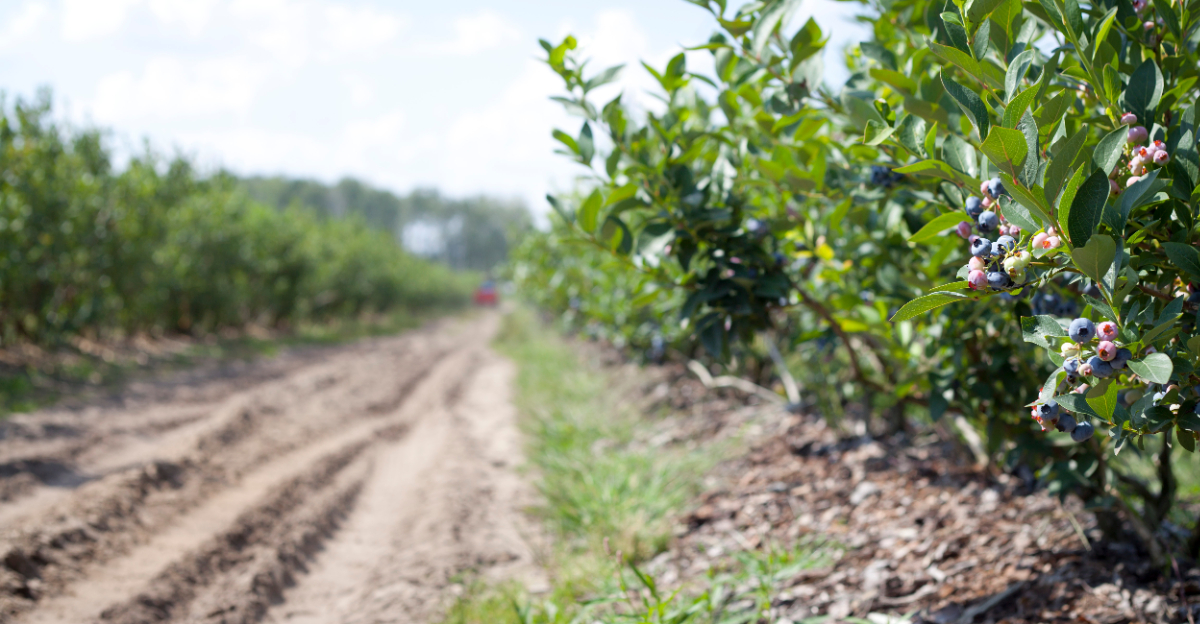
Silence falls over Maine’s blueberry fields the instant harvest ends, but you’d be mistaken to call it empty.
Behind that stillness, you’ll find an intense chain of activity most people rarely witness. Workers move within days, because these plants need attention before you expect it.
Soil crews test nutrient levels while you still smell the last truckload leaving. Pruning windows open and close fast, and missing one costs you next year’s entire crop.
Maine’s growers treat these weeks as more decisive than harvest itself, and you’re only starting to see why. Few outsiders grasp how much chemistry, timing, and risk collide here, right in front of you.
What unfolds across these fields in the next several days decides if next year’s harvest exists at all, and you’re about to see exactly how.
Cut Fields Enter The Second Half Of A Two Year Cycle
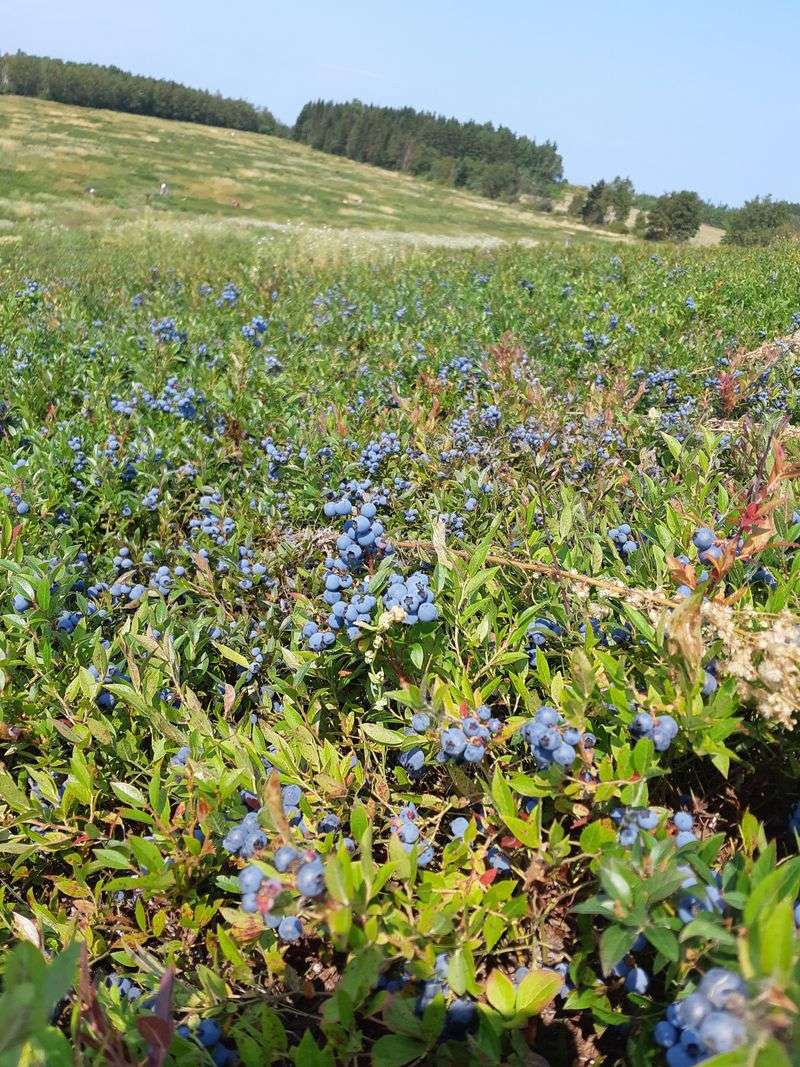
Most people think the story ends when the last berry is picked. Actually, the real work is just beginning for these ancient low-bush plants.
Maine blueberry fields operate on a strict two-year rotation. One year the field produces fruit, and the next year it rests and rebuilds.
The week after harvest, the “fruiting” field officially flips to its off-year status. Farmers call this the “vegetative” year, and it changes everything about how the land is managed.
During this vegetative phase, plants push energy downward into their root systems. Underground rhizomes spread quietly, setting the foundation for the next big crop.
This transition is almost invisible to the untrained eye. Yet beneath the soil, thousands of root tips are stretching outward.
The two-year cycle is not a human invention. These wild plants evolved this rhythm long before commercial farming arrived. Farmers simply learned to work with it rather than against it.
Fields that skip the rest year tend to produce smaller, lower-quality berries. Respecting the cycle is the single most important rule in lowbush blueberry farming.
Farmers mark their calendars carefully, rotating adjacent fields so that roughly half are producing in any given year. The whole system depends on this carefully timed handoff between neighbors.
Mowing Or Burning Resets The Plants For Next Season
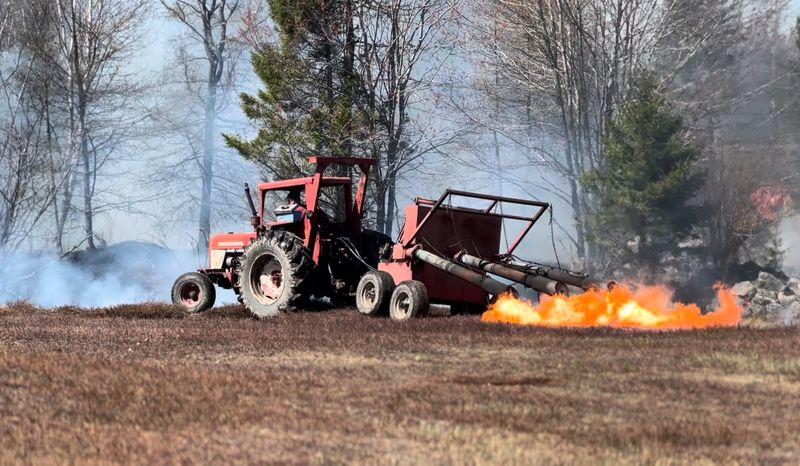
Smoke or steel, farmers have two choices after harvest ends. Both methods do the same dramatic job: strip the field down to the ground.
Mowing is the more modern approach. Heavy mechanical mowers cut the blueberry stems right down to an inch or two above the soil.
Burning is the old way, and many growers still swear by it. A controlled fire sweeps through the field, clearing decayed stems and reducing pests hiding in the plant debris.
Both methods sound brutal, but these plants are built for it. Lowbush blueberries have survived wildfires and harsh winters for thousands of years without human help.
The heat from burning helps reduce weed seeds and fungal spores in the topsoil. This gives the blueberry plants less competition during regrowth.
After mowing or burning, the field looks almost bare. Visitors often mistake a freshly cut barren for an abandoned lot, not a carefully managed growing system.
Your Maine Garden Changes Every Week. Your Plan Should Too.
Gardening in Maine changes quickly throughout the season. Every Friday you’ll receive a simple weekly plan showing exactly what to plant, prune, fertilize, harvest, and protect so you never miss the right timing.
Within days of the reset, tiny green shoots begin pushing up from the root system below. The speed of this regrowth surprises almost everyone who sees it for the first time.
Farmers choose between the two methods based on weather, field conditions, and personal preference. Either way, the goal is the same: give the plants a clean, fresh start heading into their vegetative year.
The Barrens Turn Deep Red Through October
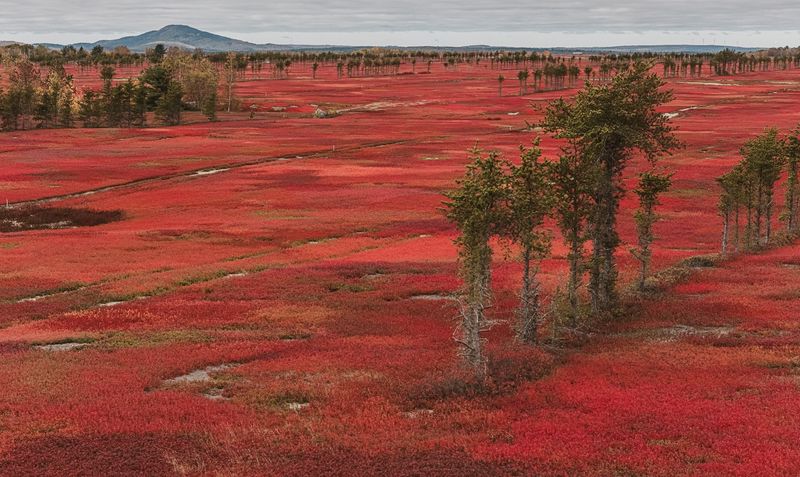
Forget the fall foliage tours on the highway. The most jaw-dropping color show in New England is happening low to the ground.
After harvest ends, blueberry leaves begin their annual transformation into shades of red, orange, and burgundy. The timing lines up perfectly with October in the northeast.
The color change is triggered by shorter days and cooler nights. As chlorophyll breaks down, the plants reveal the anthocyanins underneath, which are the same compounds that make the berries blue.
On a sunny October morning, a cut blueberry barren can look like the hillside has been set aglow. The low-growing carpet of color stretches across rocky hillsides in every direction.
Washington County in eastern Maine is the heart of this display. The barrens there cover tens of thousands of acres and peak color usually hits in mid-October.
Photographers drive hours to capture this scene, yet it remains far less crowded than traditional foliage destinations.
The red color also signals something important to the plant. Anthocyanins help protect the leaves as chlorophyll breaks down and temperatures drop.
By late October, the leaves fall and the field goes dormant. But for a few weeks, the barrens offer one of the most vivid natural spectacles the northeast produces all year.
Wild Berries Differ From Cultivated Varieties In Growth And Yield
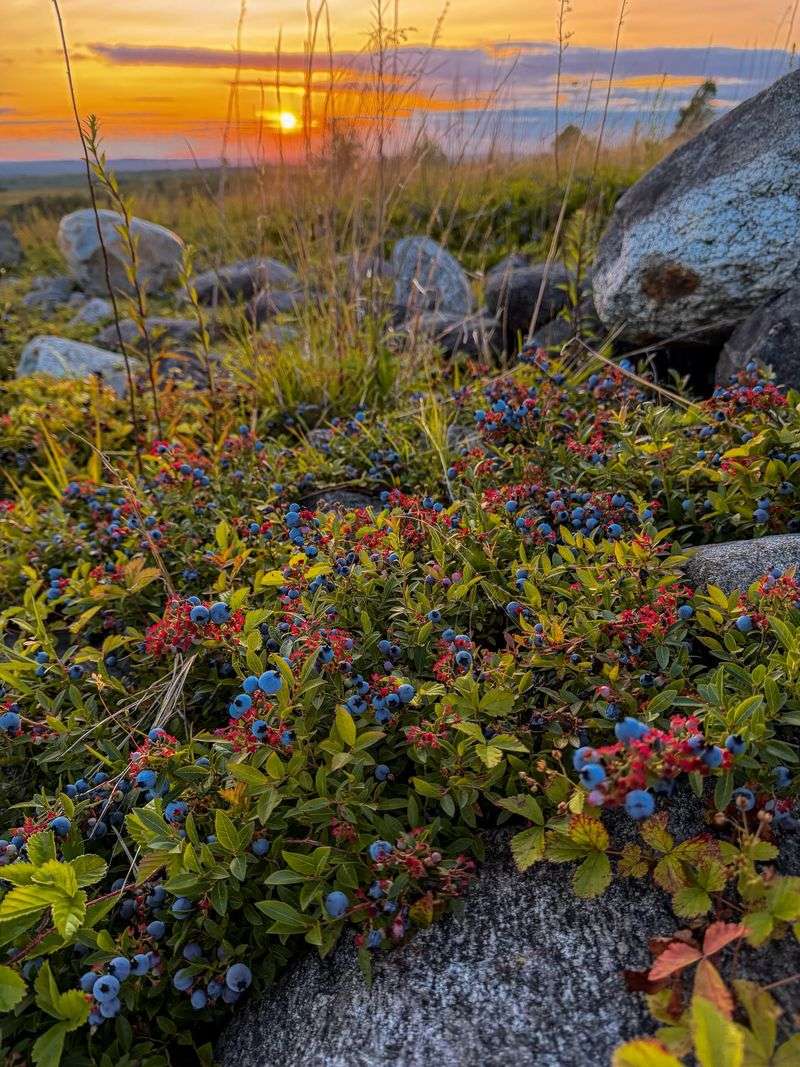
Walk into a Maine blueberry field and you are not looking at rows of planted bushes. You are standing inside a wild ecosystem that humans have learned to manage, not manufacture.
Lowbush blueberries spread entirely through underground rhizomes. Nobody plants seeds or starts seedlings the way you would with tomatoes or corn.
This is a key difference between Maine-style barrens and the highbush blueberry farms common in New Jersey or Michigan. Those farms plant individual bushes and harvest them every year.
Wild lowbush plants top out at about a foot tall. They grow in dense, spreading mats that cover the ground completely, which is exactly what makes them so competitive against weeds.
Yield per acre is actually lower with lowbush varieties compared to highbush farms. But the flavor payoff is significant, and the berries are smaller, sweeter, and more intense.
Because the plants are wild clones, individual patches within a Maine blueberry field can technically be a single connected organism, some of them hundreds of years old.
Cultivated highbush farms can be harvested annually without rotation. Wild lowbush fields need that two-year break to sustain productivity over the long haul.
After harvest ends, this difference in growth strategy becomes obvious. While highbush farms prep quietly for next season, Maine barrens go through a full reset that reshapes the landscape and prepares it for another wild cycle.
Pollinators Depend On The Alternating Field System
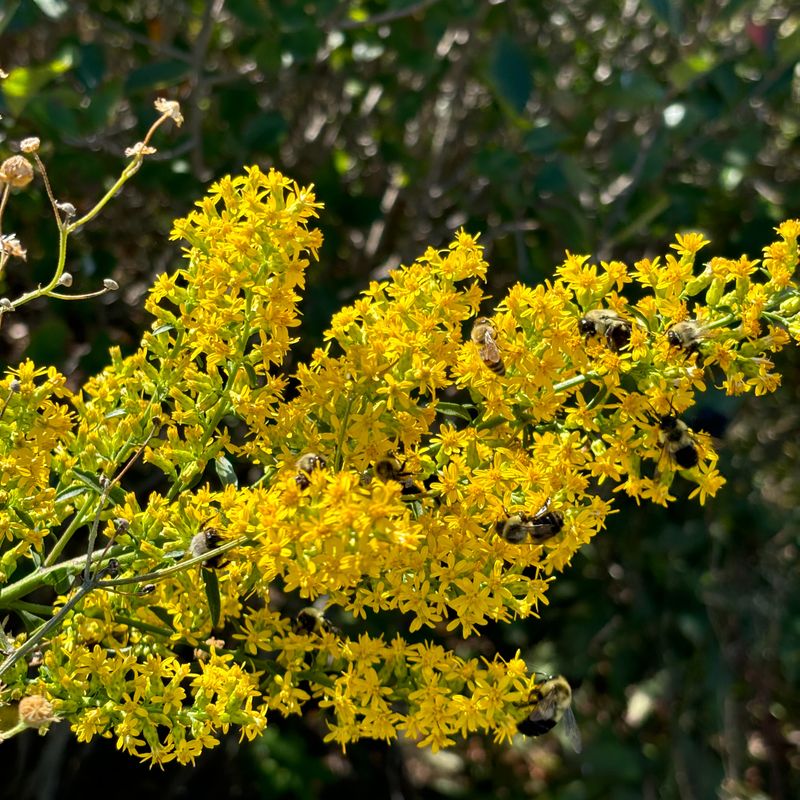
Bees do not just help blueberries grow. In Maine, the whole system is built around keeping pollinators alive and moving between fields year after year.
The alternating harvest schedule creates a patchwork of fields in different stages at any given time. This patchwork is a lifeline for native bees and managed honeybee colonies alike.
When one field is cut and dormant after harvest, the adjacent field is entering its bloom year. Bees simply shift from one zone to the next without losing a food source.
Maine growers rent tens of thousands of honeybee hives every spring during bloom season. These hives are trucked in specifically to pollinate the flowering fields.
Native bumblebees, mason bees, and wild sweat bees also play a huge role. Research shows that wild pollinators often outperform honeybees on blueberry flowers due to a technique called buzz pollination.
After harvest, farmers try to protect any remaining wildflowers at field edges. These late-season blooms give pollinators food as they prepare for winter.
The week after the last harvest is actually a critical window for wild bee populations. Mated queens are feeding heavily and preparing to overwinter alone in the soil and leaf litter nearby.
Damaging that surrounding habitat during post-harvest work can hurt next year’s pollination. Thoughtful farmers leave buffer zones around field edges to protect the overwintering queens that make everything possible.
Visiting The Barrens Without Damaging Plants
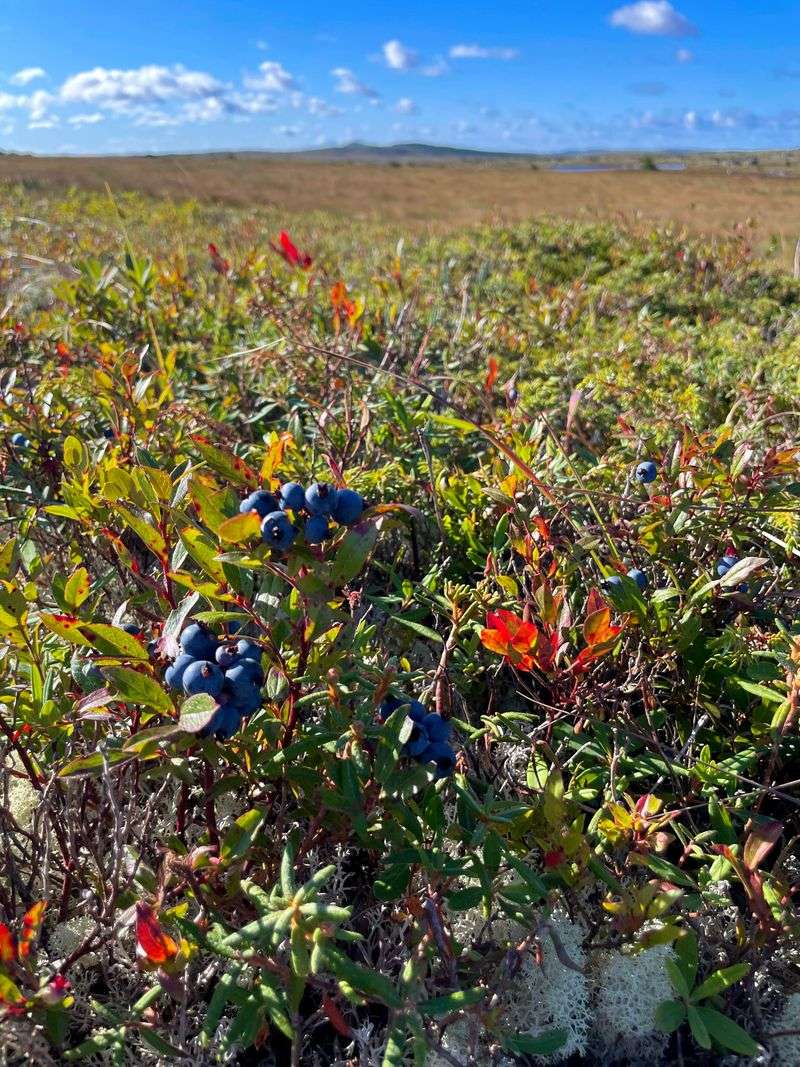
The barrens are open, beautiful, and surprisingly fragile. Knowing how to walk through them makes the difference between a great visit and a damaging one.
Lowbush blueberry stems snap easily underfoot, especially right after mowing or burning. A single careless shortcut across a field can damage dozens of plants that took years to establish.
Stick to the dirt roads and established paths that border most commercial fields. Many of these roads are open to the public, especially in Washington County near Cherryfield and Deblois.
Avoid walking directly onto fields that show fresh mowing or burn marks. Those areas are in active recovery, and foot traffic compacts the soil in ways that slow regrowth significantly.
Bring good boots because the terrain is rocky and uneven. The granite outcroppings that define the barrens look flat from a distance but are surprisingly technical to walk across.
Dogs should stay on leash near active fields. Off-leash pets can disturb ground-nesting bees and overwintering queens just below the surface of the soil.
The best time to visit after harvest is mid-October when the color peaks. Arrive early in the morning for the best light and the lowest chance of running into fog off the coast.
This landscape is worth seeing in person. Treat the barrens with care, and it will reward you with one of the most unforgettable fall experiences the northeast has to offer.