A Ten-Acre Patch Of Nevada Is The Only Place This Flower Exists
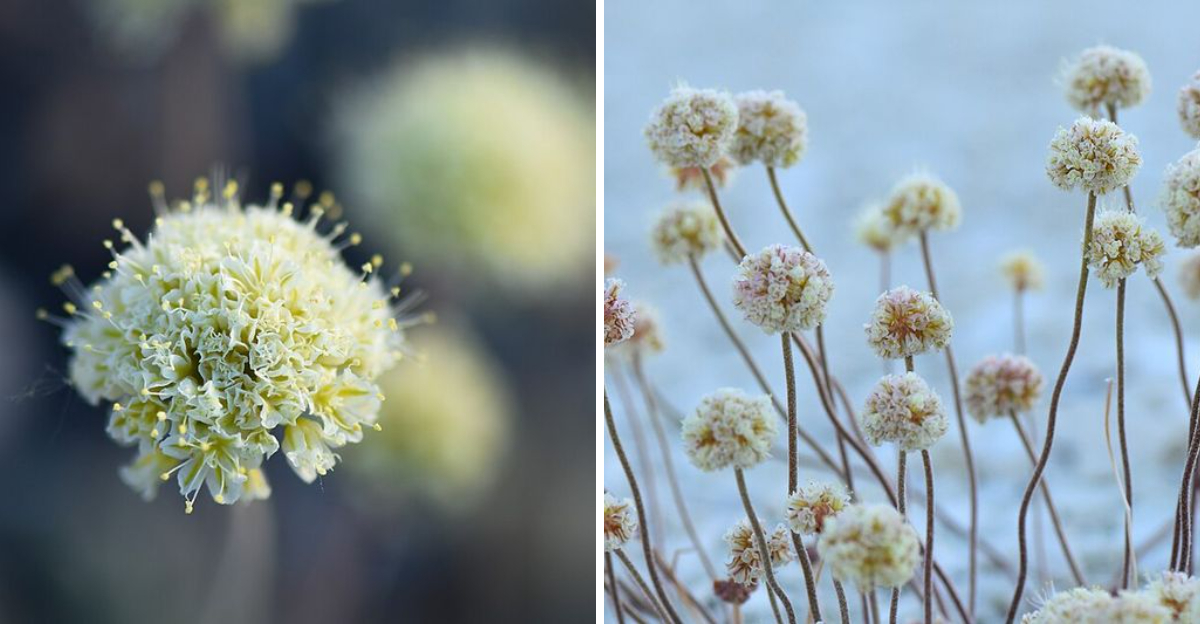
You won’t believe a single flower can spark this much attention. Nevada holds the only known home of a plant found nowhere else on Earth. Botanists warn its population could fade within a few seasons.
This patch of Nevada land sits above a massive lithium deposit. Miners want access to that lithium resting beneath the soil. Conservationists want to protect that ground from disturbance.
Federal regulators just entered a debate nobody expected. Environmental groups have petitioned to pause mining permits entirely. Endangered species status now protects the plant by law.
Curiosity rises fast the moment you learn the real details. Its desert rarely draws this kind of national attention. Every choice made here echoes far beyond state lines.
Lawyers, scientists, and executives are gathering around the same acres. Nobody agrees on what should happen to this land.
You’re watching a rare species navigate an uncertain future. What happens next will shape whether this flower endures.
Nevada’s Rarest Wildflower Exists On Just Ten Acres
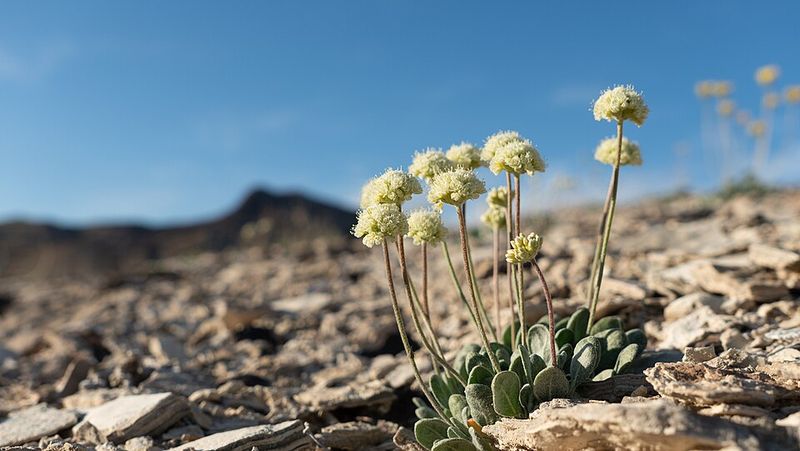
Picture a flower so rare it fits inside a single neighborhood block. Tiehm’s buckwheat grows in one spot on the planet, tucked inside Nevada’s Esmeralda County.
Scientists first identified this plant in 1983. Botanist Arnold Tiehm spotted it during a survey of the remote Silver Peak Range, and the discovery drew attention from botanists.
The plant produces small clusters of cream-colored blooms each spring. It grows low to the ground, almost hugging the rocky soil like it knows how precious its tiny territory is.
What makes this flower truly notable is its exclusivity. No other population exists anywhere else, not in neighboring counties, not in other states, not anywhere on Earth.
That ten-acre patch sits at roughly 7,000 feet elevation. The surrounding landscape is classic Basin and Range terrain, windswept, dry, and fully exposed.
Botanists estimate fewer than 50,000 individual plants exist. For context, your local grocery store parking lot probably holds more cars on a busy Saturday than this flower has individuals on Earth.
Conservation groups have watched this species for decades. Concern has grown steadily in recent years, because outside forces are now circling that ten-acre patch with serious intentions.
Tiehm’s buckwheat became a symbol of fragility overnight. One bad season, one careless decision, and the loss would be permanent.
Why Does This Flower Only Grow On Ten Acres
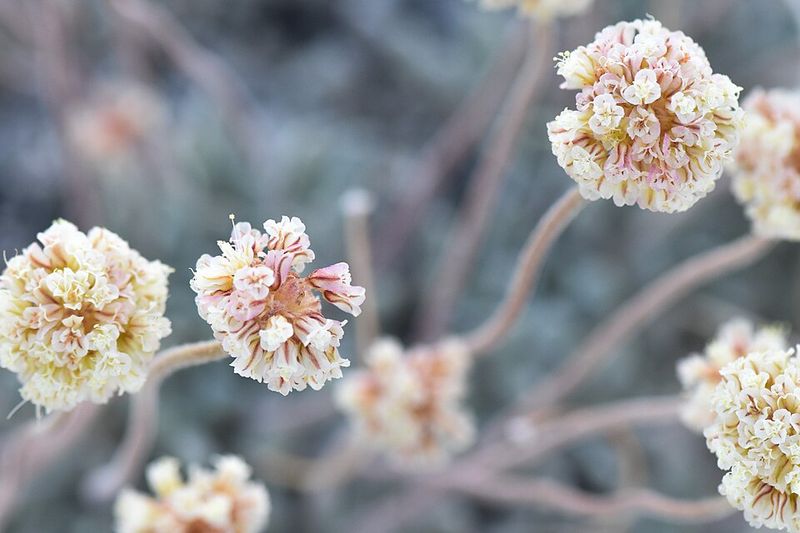
Most plants spread out over time, finding new territory through seeds and wind. Tiehm’s buckwheat never got that memo, and scientists are still piecing together exactly why.
The short answer involves geology. This plant evolved to match one specific set of soil conditions so precisely that nothing else on the planet replicates them well enough.
The Silver Peak Range sits on ancient lake beds and volcanic deposits. Over millions of years, those layers created a chemical fingerprint in the soil that Tiehm’s buckwheat apparently cannot live without.
Pollinators also play a role. The flower depends on native bees and other insects found specifically in that elevation zone. Move the flower, and the pollinator network collapses.
Your Nevada Garden Changes Every Week. Your Plan Should Too.
Gardening in Nevada changes quickly throughout the season. Every Friday you’ll receive a simple weekly plan showing exactly what to plant, prune, fertilize, harvest, and protect so you never miss the right timing.
Researchers have tried transplanting specimens to nearby areas with similar-looking terrain. The plants struggled, failed to thrive, and offered no hope for establishing a backup population.
Climate adds another layer of difficulty. The Silver Peak area gets a specific mix of winter snow and dry summer heat. That rhythm shapes when the plant flowers, sets seed, and goes dormant.
Botanists call species like this “edaphic endemics,” meaning they are locked to one soil type. It sounds like a superpower, but it is actually the opposite. Specialization this extreme leaves no margin for error.
The ten-acre patch is not just a home for Tiehm’s buckwheat. It is the only home, and nothing about that is an accident.
The Lithium-Rich Soil Behind Its Strange Adaptation
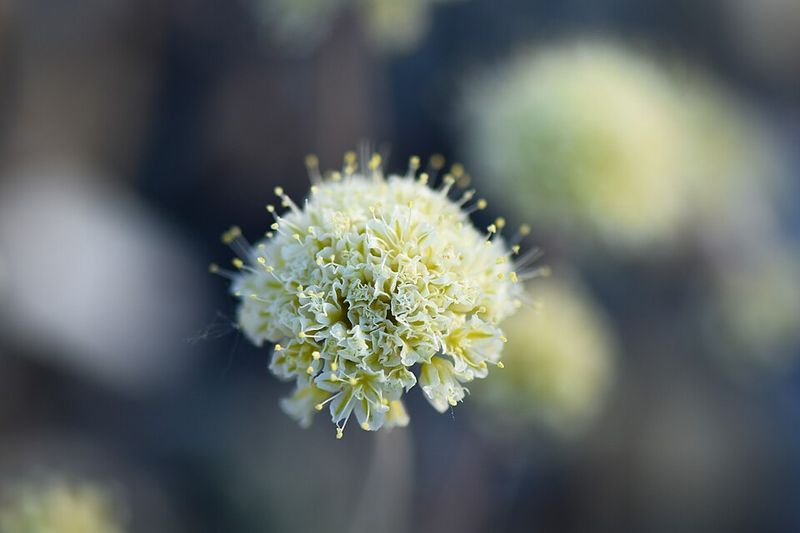
Here is the twist nobody saw coming: the very thing that makes this plant’s soil toxic to most other species is exactly what Tiehm’s buckwheat loves. The ground beneath this flower is loaded with lithium and other heavy metals.
High lithium concentrations in soil typically prevent plant growth. Most species cannot process or tolerate those mineral levels, so they simply do not establish themselves in such places.
Tiehm’s buckwheat evolved a workaround. Over thousands of generations, it developed the ability to grow in soil that acts as a natural barrier against competition. No neighbors means no competition for water or nutrients.
Scientists call this type of adaptation “heavy metal tolerance.” It is more common in certain plant families, but reaching this level of specialization is uncommon among plant species.
The lithium in that soil is also what attracted a mining company’s attention. Lithium is a critical component in electric vehicle batteries, and demand for it has skyrocketed in recent years.
Ioneer Ltd., an Australian mining company, identified the Silver Peak deposit as one of the largest known lithium-boron resources in the United States. The timing could not have been worse for the flower.
The plant essentially planted its roots on top of a fortune. That geological coincidence turned a quiet botanical discovery into a national conservation fight with significant financial interests at stake.
Lithium gave Tiehm’s buckwheat its unique survival edge. Now that same lithium has increased pressure on its habitat.
A Mining Company’s Plans Raise Questions For Its Only Home
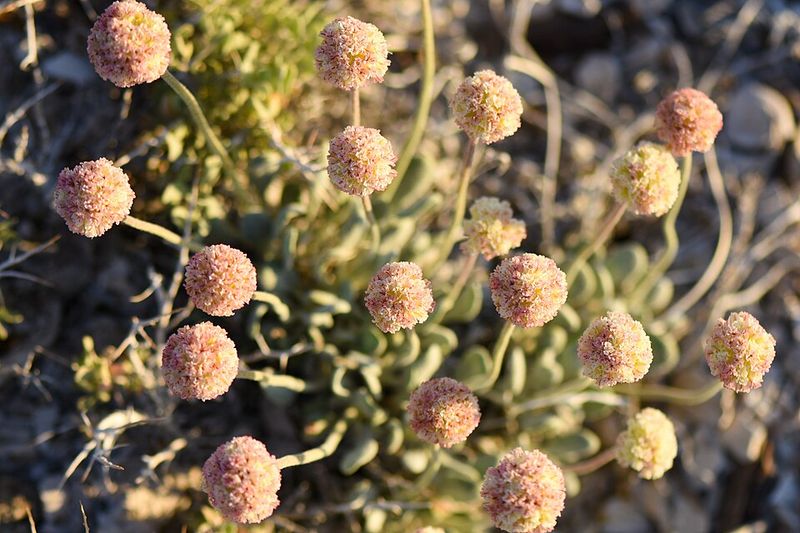
Ioneer Ltd. proposed a lithium-boron mine called Rhyolite Ridge, and the project sits uncomfortably close to the flower’s only known habitat. Close is actually an understatement. Part of the proposed operation overlaps directly with the plant’s range.
The company announced plans in 2020, and the conservation world immediately sounded the alarm. Environmental groups filed petitions, held press conferences, and pushed hard for federal intervention.
Then, in September 2020, something strange happened on the site. Thousands of Tiehm’s buckwheat plants were found damaged or destroyed.
A report attributed the damage to ground squirrels, though the cause remains disputed among researchers.
The incident intensified scrutiny around the project. Whether animals or humans caused the damage, it demonstrated how vulnerable a population this small truly is to any disturbance.
Ioneer pushed back against the framing. Company representatives argued their mine design would protect the core habitat and that responsible lithium extraction could coexist with conservation goals.
Critics were unconvinced. They noted that open-pit mining operations generate dust, vibration, water drawdown, and foot traffic, all of which can affect sensitive plant species even outside direct excavation zones.
The debate put two urgent priorities against each other. Clean energy technology needs lithium.
Biodiversity protection demands that rare species are not sacrificed for short-term resource extraction.
Both sides had legitimate points, and the flower remained at the center of it all, blooming each spring amid the dispute surrounding its ten-acre home.
How The Flower Gained Federal Protection
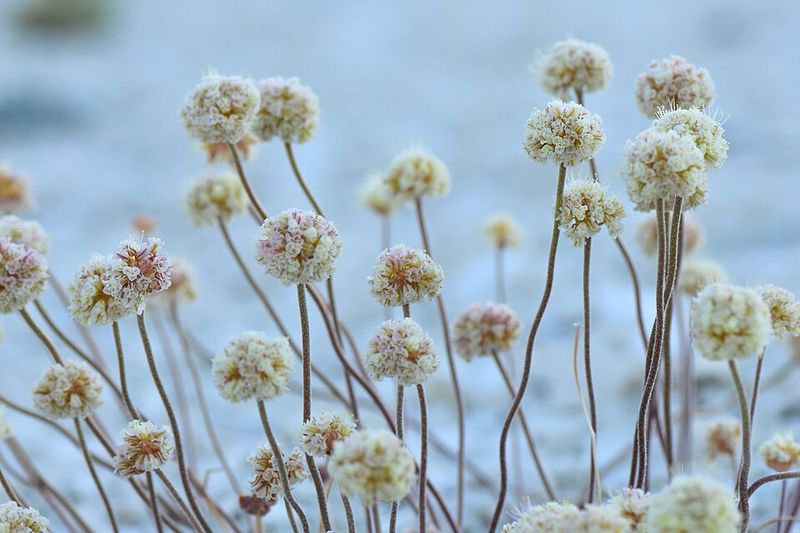
After years of legal pressure and scientific advocacy, the U.S. Fish and Wildlife Service listed Tiehm’s buckwheat as an endangered species in October 2022.
That single designation changed everything about how the mining project could proceed.
The Endangered Species Act is one of the most powerful conservation tools in American law. Once a species is listed, federal agencies must consult with wildlife officials before approving projects that could harm it.
Conservation groups like the Center for Biological Diversity had been pushing for this listing since 2019. They argued the species met every legal threshold for protection and that delay meant risking irreversible loss.
The listing did not stop the mine outright. Ioneer still holds federal permits and continues pursuing its project through a revised plan that attempts to work around the flower’s core habitat zone.
A critical habitat designation followed the endangered listing. That designation formally identifies the specific land areas essential to the species’ survival, adding another legal layer of protection for the ten-acre patch.
Environmental lawyers noted that critical habitat designations make it significantly harder for federal agencies to approve projects that damage protected zones. The bar for approval rises sharply.
The fight moved into courtrooms and regulatory offices after the listing. Legal challenges from both sides created a complicated web of filings, hearings, and agency reviews that continued well into 2024.
For the flower, federal protection was a lifeline. Whether that lifeline holds long enough depends on what happens next in the courts and the desert.
What Losing This Flower Would Mean For Nevada
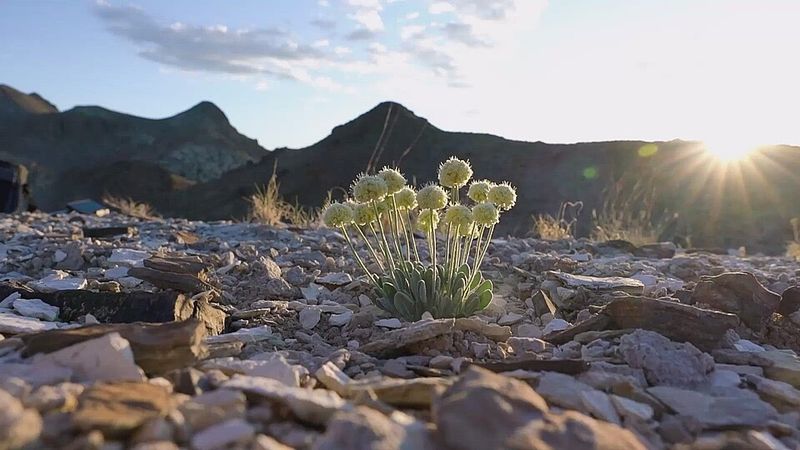
Losing Tiehm’s buckwheat would not just remove a flower from a field. It would permanently erase an entire species from the planet, something that has never existed anywhere else and never will again.
Ecologists talk about “ecosystem threads,” the invisible connections between species that hold a habitat together. Pull one thread, and the fabric weakens in ways that are hard to predict.
The native bees that pollinate this plant are part of that fabric. Lose the flower, and a food source for those pollinators disappears, potentially stressing other plant species in the surrounding area.
There is also a scientific loss to consider. Tiehm’s buckwheat’s heavy metal tolerance could hold clues for bioremediation, the process of using plants to clean contaminated soil. Researchers have barely begun studying it.
Nevada has a complicated relationship with rare species. The state hosts an unusual number of endemic plants and animals, partly because of its extreme geological diversity across its vast interior.
Allowing a listed species to disappear on a state’s watch sends a signal to other landowners, developers, and regulators. It suggests that economic pressure can override legal protections when the stakes are high enough.
Conservation advocates argue that the ten-acre patch of Nevada where Tiehm’s buckwheat grows represents something bigger than one flower. It represents a test of whether endangered species law still has teeth.
A ten-acre patch of Nevada holds a question worth far more than its size suggests: how much is a species worth when something valuable sits beneath its roots?