8 Desert-Proven Sprinkler Rules From Nevada’s Irrigation Experts
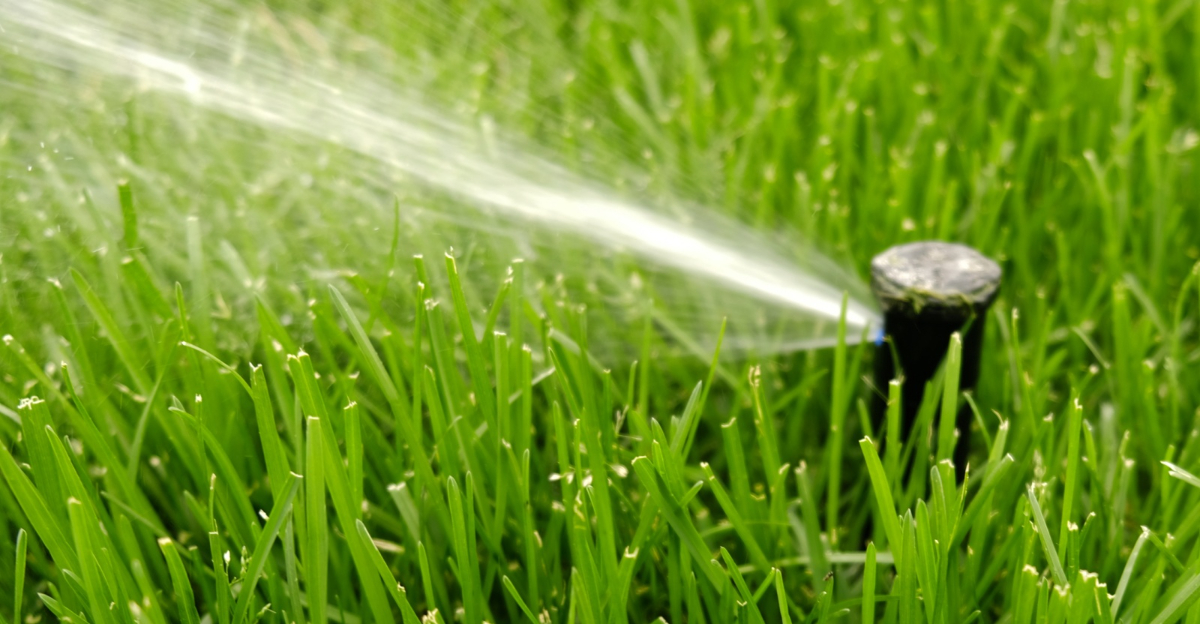
Sprinklers waste far more water than you probably ever realize. Water pools in one corner while your grass slowly fades elsewhere. Nevada soil drains faster than most people ever expect.
Sand pulls moisture away before thirsty roots ever absorb it. Heat lifts water straight from the dry air within minutes. Restrictions here catch anyone who waters carelessly or excessively.
Regulators track your usage closely, and penalties follow quickly, even across Nevada. Timing matters more than volume when temperatures climb this high. Pressure, spacing, and soil type all shift your final results.
Guessing costs money, and guessing costs your lawn its color. Professionals who install these systems daily know exactly where small mistakes hide.
Small adjustments prevent runoff, overspray, and thinning patches entirely. Every drop counts when drought rules tighten steadily around you.
Smart choices now protect your wallet and your landscape. What follows will change how you water for good.
1. Break Sprinkler Time Into Three Short Cycles
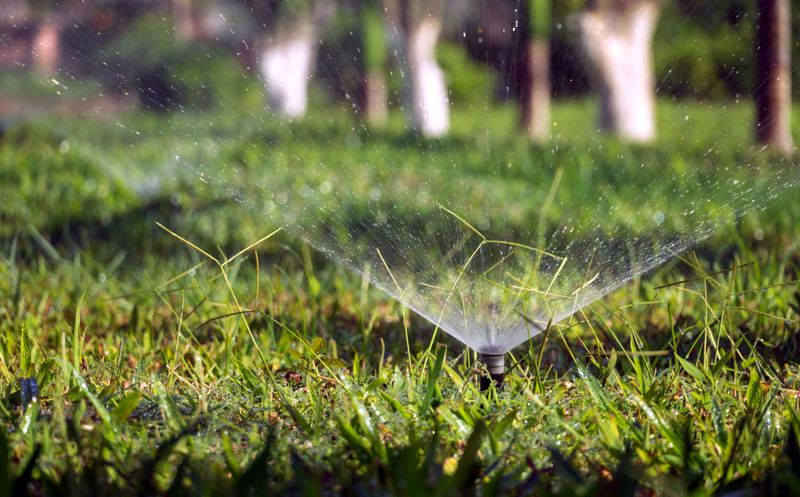
Most homeowners blast their lawn with one long soak and call it done. That single long run actually causes more harm than good, especially in dry desert soil.
When water hits compacted ground all at once, it cannot absorb fast enough. The excess runs off into the street, draining your water bill with it.
Irrigation pros in the region call the smarter method “cycle and soak.” You split your total watering time into three short bursts instead of one big session.
Say your lawn needs twelve minutes total. Run four minutes, pause, then run four more, pause again, and finish with a final four-minute cycle.
Each short burst gives the soil time to pull moisture downward before the next wave arrives. That deeper penetration grows stronger roots and cuts surface runoff significantly.
This approach also prevents the muddy puddles that attract mosquitoes and cause sidewalk staining near sprinkler heads. Your neighbors will quietly thank you for it.
Most modern irrigation controllers have a cycle-and-soak setting built right in. Finding it usually takes about two minutes with the owner manual.
Splitting your sprinkler cycles is one of the simplest changes you can make. Smarter watering starts right here, and the savings show up fast on your next utility statement.
2. Space Each Cycle About An Hour Apart
Timing the gaps between your watering cycles matters just as much as the cycles themselves. Rushing the intervals defeats the whole purpose of splitting your sessions up.
Pros recommend spacing each cycle roughly sixty minutes apart. That window gives sandy desert soil enough time to absorb the first round before the next one begins.
Think of it like watering a dry sponge. If you pour water too fast, it spills right over the sides and soaks nothing useful.
Slower, spaced-out absorption pulls moisture deeper into the root zone. Shallow roots dry out quickly, but deep roots stay hydrated even on scorching afternoons.
Setting those one-hour gaps is easy on most smart controllers. You can program two or three start times in just a few minutes, and the system handles the rest automatically.
Your Nevada Garden Changes Every Week. Your Plan Should Too.
Gardening in Nevada changes quickly throughout the season. Every Friday you’ll receive a simple weekly plan showing exactly what to plant, prune, fertilize, harvest, and protect so you never miss the right timing.
Older dial-style timers can also work with a little creativity. Simply set your first start time early, then manually add a second and third start time an hour each apart.
One common mistake is setting cycles only fifteen or twenty minutes apart. That rushed interval gives the ground almost no recovery time between sessions.
Giving your soil that full hour between cycles is a low-effort change with a high payoff. Your lawn will show the difference within just a couple of weeks.
3. Keep Lawn Watering Capped Near 12 Minutes Total
Twelve minutes sounds surprisingly short for a full lawn session, but desert turf does not need the same amount of water as grass in rainy climates. Overwatering is a common contributor to lawn disease in arid regions.
Local irrigation specialists consistently recommend capping total lawn watering at around twelve minutes per day. That total gets split across your three short cycles, not applied all at once.
Bermuda grass, the most popular turf choice in hot desert yards, thrives with less water than most people assume. It has evolved to stay efficient even during long dry stretches.
Fescue and bluegrass blends do need slightly more moisture, but even those varieties rarely require more than fifteen minutes total in a single day. Going beyond that threshold invites fungal problems.
A quick way to check if your timing is right is to watch your lawn the morning after watering. If the soil still feels soggy, you are running too long.
Dry patches that appear despite regular watering usually signal a coverage problem, not a time problem. Adjusting your sprinkler heads often fixes those bare spots better than adding extra minutes.
Keeping your total lawn time near twelve minutes also aligns with most local water authority guidelines. Staying within those limits helps you avoid fines during drought restrictions.
Less time on the clock often means a healthier, greener lawn. That counterintuitive truth is something every Nevada irrigation pro learns early on.
4. Water Before Sunrise To Reduce Evaporation Loss
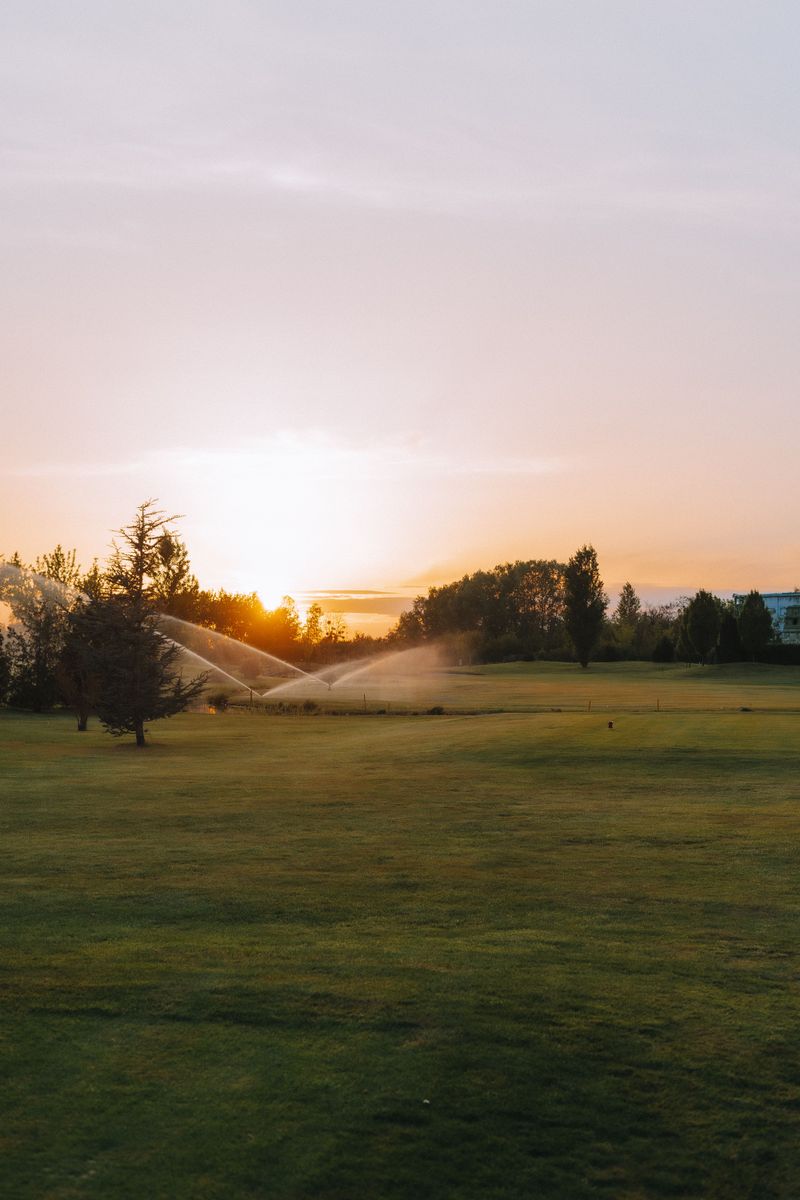
Early morning is the golden hour for irrigation in hot desert climates. Watering before the sun climbs fully above the horizon significantly cuts evaporation losses compared to midday sessions.
When temperatures are still cool and winds are typically calm, water has a real chance to soak into the ground. That moisture reaches the root zone instead of evaporating into the dry desert air.
Most irrigation pros recommend starting your first cycle in the early morning hours, before sunrise. That window gives the grass time to dry slightly before the afternoon heat arrives.
Wet grass that stays damp through the morning can become a breeding ground for fungal diseases. A pre-sunrise start time solves that problem naturally without any extra effort.
Setting your controller to run in the dark might feel strange at first. But your lawn will not complain, and your water bill will reflect the smart scheduling choice.
If you are still using a manual timer or a basic dial controller, consider upgrading to a programmable smart unit. Many affordable models let you set exact start times down to the minute.
Smart controllers can even adjust your schedule automatically based on local weather forecasts. That feature alone can meaningfully cut water use during an unexpectedly cool stretch.
Watering before sunrise is one of the simplest sprinkler rules of thumb with the biggest daily payoff. Start early, save water, and let the desert sun do the rest.
5. Avoid Irrigation Between 11 A.M. And 7 P.M.
Running your sprinklers during the hottest part of the day wastes water through rapid evaporation.
Desert heat between 11 a.m. and 7 p.m. can push temperatures above 100 degrees for weeks at a time in the state’s hotter regions. At those temps, evaporation rates skyrocket and your irrigation system loses serious efficiency.
Wind speeds also tend to peak in the early afternoon hours. That combination of heat and breeze sends fine water droplets drifting far off target, wasting both water and money.
Several local water authorities discourage midday irrigation, and some districts have built afternoon watering bans directly into their seasonal restrictions.
If you notice your yard looking stressed around midday, resist the urge to turn the system on. That wilted look is often just temporary heat stress, not actual drought damage.
Grass blades close their pores during peak heat to conserve moisture. Spraying water on them at that moment does little good and can sometimes cause leaf scorch on delicate plants.
Shifting your schedule to early morning or late evening solves all of these problems at once. Evening watering works in a pinch, though morning is preferred to avoid overnight fungal growth.
Keeping your system off during those scorching afternoon hours protects both your lawn and your wallet. Every gallon saved during peak heat is a gallon that actually does its job.
6. Check Sunday Watering Restrictions In Your District
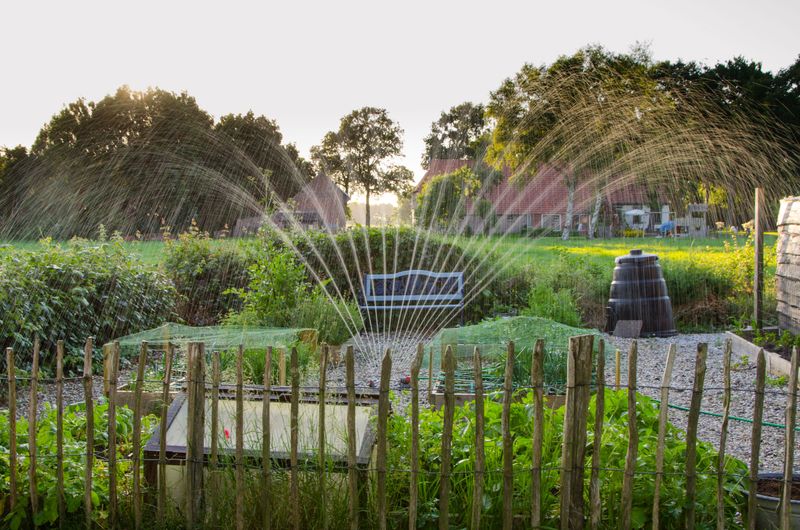
Sunday sprinklers are off limits in many Nevada water districts, and local authorities enforce it strictly. Some regional water authorities have adopted no-irrigation Sunday rules to reduce peak weekend demand on municipal water systems.
Many homeowners are caught off guard by this rule when they first move to the area. Ignoring it can result in fines that vary by district but add up quickly.
The rule applies to both residential and commercial properties in most districts. Checking your local water authority website takes about five minutes and confirms exactly which days apply to your address.
Most smart irrigation controllers allow you to block out specific days of the week with just a few button presses. Setting Sunday as a skip day takes less time than brewing your morning coffee.
Beyond compliance, skipping Sunday actually benefits your lawn more than you might expect. Giving the soil a full rest day encourages roots to push deeper in search of stored moisture.
Deeper roots mean a more drought-resistant lawn that needs less supplemental water over the long haul. That resilience pays off noticeably during the hottest weeks of summer.
Some districts also restrict watering on additional days depending on your address or property type. Some communities also use odd and even address scheduling during peak summer months.
Respecting the Sunday restriction keeps you compliant, keeps your yard healthy, and keeps your neighbors from reporting you to the water district. Following the rules has never looked so green.
7. Run Drip Systems Longer But Far Less Often
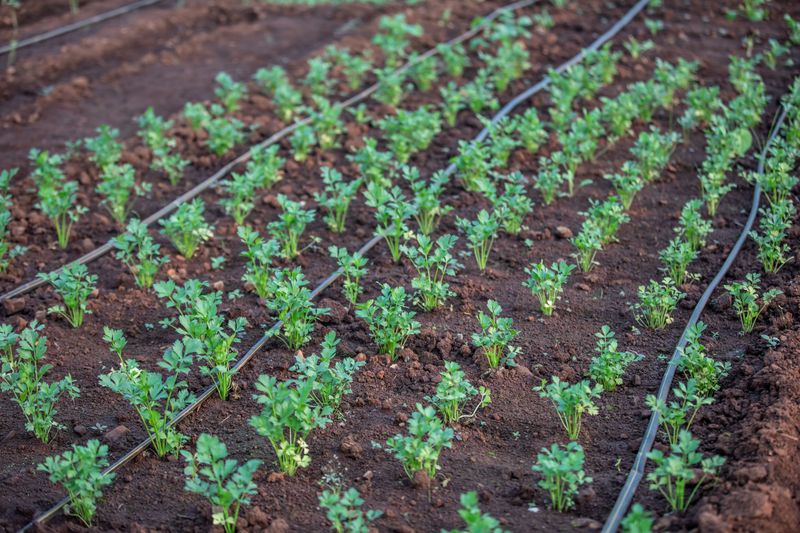
Drip irrigation operates on a completely different logic than spray heads, and mixing up the two approaches is a mistake even experienced gardeners make.
Drip systems deliver water slowly and directly to roots, which changes everything about how you should schedule them.
Where a lawn sprinkler runs in short bursts measured in minutes, a drip system works best in long sessions measured in hours. That slow delivery allows soil to absorb deeply without runoff.
A typical desert shrub or perennial bed benefits from a longer drip session, often lasting an hour or more. The exact duration depends on your soil type and plant maturity.
However, you should run those long sessions far less frequently than your lawn schedule. Most established desert plants need drip irrigation only a couple of times per week at most.
New transplants are the exception to that rule. Fresh plants need more frequent watering for the first few weeks until their root systems establish a solid foothold in the ground.
One helpful trick is to dig a small hole near your emitters the day after a drip session. If moisture reaches six to eight inches down, your timing and duration are working well.
Mulching around drip-irrigated plants reduces surface evaporation and extends the moisture window between sessions. A two-inch layer of wood chips or gravel makes a noticeable difference in dry summer months.
Drip systems reward patience and restraint in equal measure. Master this slow-and-steady method and your desert plants will thrive using notably less water.
8. Increase Watering Days Gradually As Heat Rises
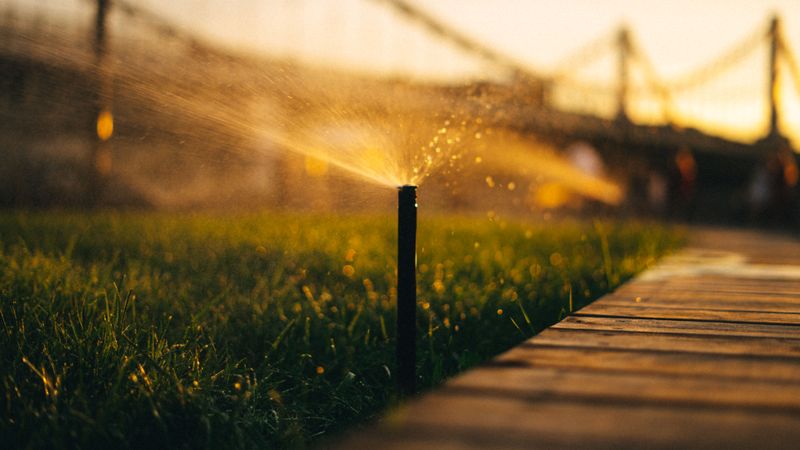
Summer in the desert does not arrive all at once, and your irrigation schedule should not jump straight to maximum output either. Gradual adjustments keep your lawn healthy and prevent wasteful overwatering during mild transition weeks.
Irrigation pros recommend tracking your local forecast and adding watering days incrementally as temperatures climb. A noticeable temperature rise usually warrants adding one extra watering day, not several at once.
Most smart controllers include an ET-based or weather-adjusted mode that handles this scaling automatically. ET stands for evapotranspiration, which measures how much moisture the environment pulls from soil and plants each day.
If your controller lacks that feature, a simple seasonal calendar approach works well. Start spring with two or three watering days per week, then add one day for each significant temperature increase.
By peak summer, many desert lawns need watering on most permitted days of the week. That frequency sounds high, but the short cycle-and-soak method keeps total water use manageable.
When fall arrives and temperatures drop back below 90 degrees, reverse the process. Pull back one watering day at a time to avoid keeping soil too wet heading into cooler months.
Overwatering in fall is a common mistake that weakens grass roots before winter dormancy. Keeping pace with actual weather conditions, not just the calendar, is the smarter long-term approach.
Following these sprinkler rules of thumb from start to finish creates a yard suited to real desert conditions.