Why Some California Gardeners Are Ripping Out Citrus Trees On Purpose
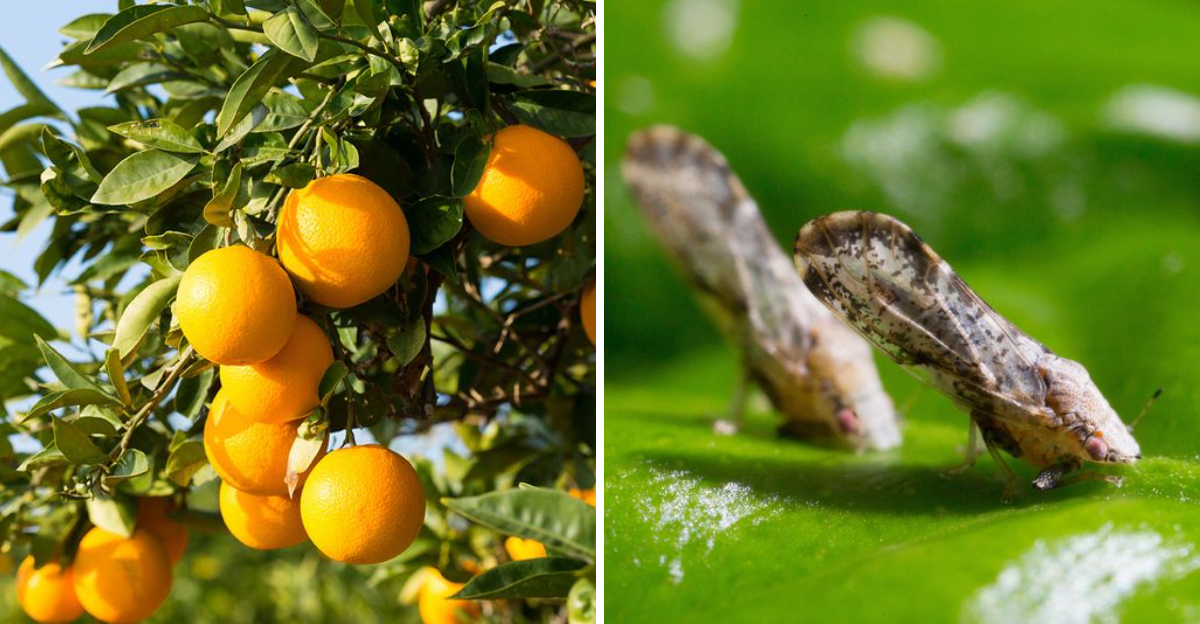
Backyard citrus is basically a California lifestyle staple. Potted Meyer lemons on the patio, navel orange trees in the yard, the kind of setup that makes neighbors genuinely jealous.
So when homeowners start voluntarily pulling out perfectly healthy-looking trees, it understandably raises a few eyebrows. What is actually going on comes down to a very small insect with a very big impact.
The Asian citrus psyllid, known as ACP, is capable of spreading a citrus disease called huanglongbing, or HLB, and once a tree tests positive, California’s response program requires removal.
In communities where the disease has become more widespread, homeowners are facing some genuinely difficult decisions about trees they have grown and loved for years.
Understanding why this is happening and what it means for backyard citrus across the state is more important than ever right now.
1. A Tiny Psyllid Carries A Serious Citrus Threat
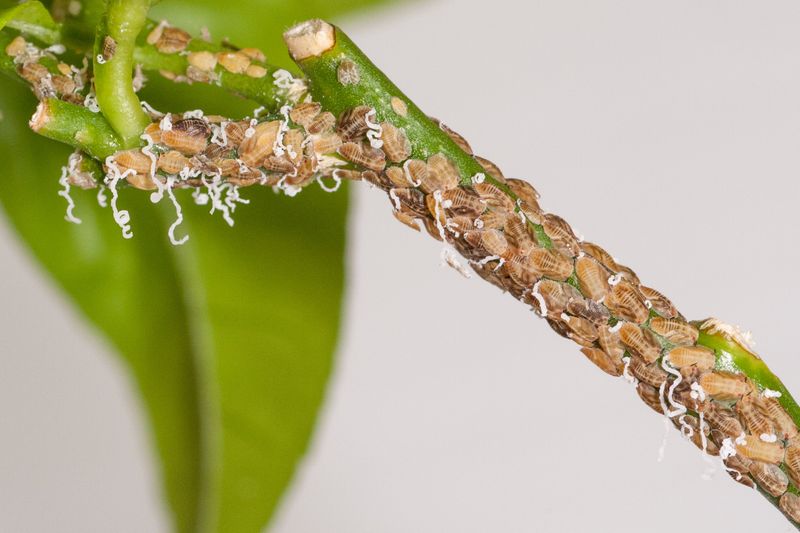
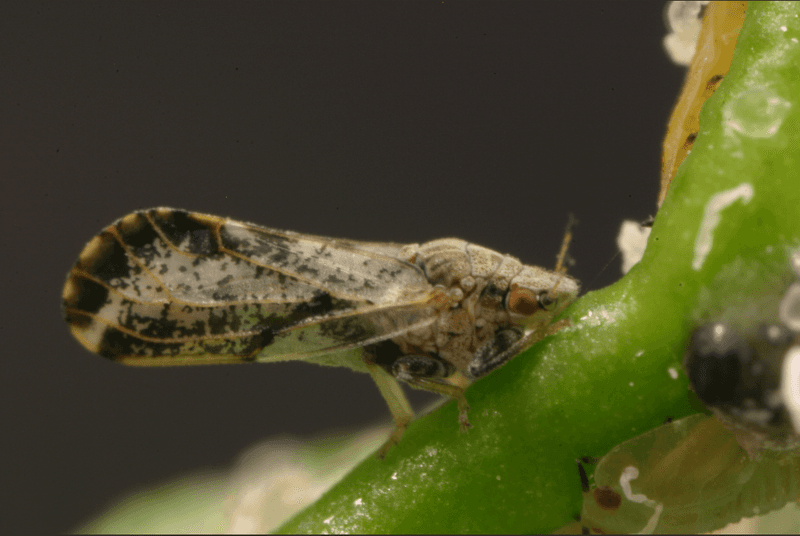
Backyard citrus in California faces a threat that is easy to overlook because it starts with something barely visible to the naked eye. The Asian citrus psyllid, known by researchers as Diaphorina citri, is a small sap-feeding insect roughly the size of a grain of rice.
What makes it genuinely concerning is not just its feeding, but its potential role as a carrier of the bacterium associated with huanglongbing.
When an ACP feeds on a citrus plant infected with HLB, it can acquire the bacterium Candidatus Liberibacter asiaticus. If that same psyllid later feeds on a healthy citrus tree, it may transmit the pathogen.
Not every Asian citrus psyllid carries the HLB-associated bacterium, so finding one on a tree does not automatically mean HLB is present.
Adult psyllids hold their bodies at a distinctive tilted angle while feeding, which can help gardeners recognize them. They tend to favor tender new growth on citrus and closely related plants in the family Rutaceae.
UC IPM guidance notes that both adults and nymphs feed by piercing plant tissue and drawing out sap.
While the feeding itself can cause some cosmetic damage, the bigger concern for California homeowners is the psyllid’s capacity to move the HLB-associated pathogen from one citrus plant to another across a neighborhood.
2. HLB Can Hide Before Symptoms Become Obvious
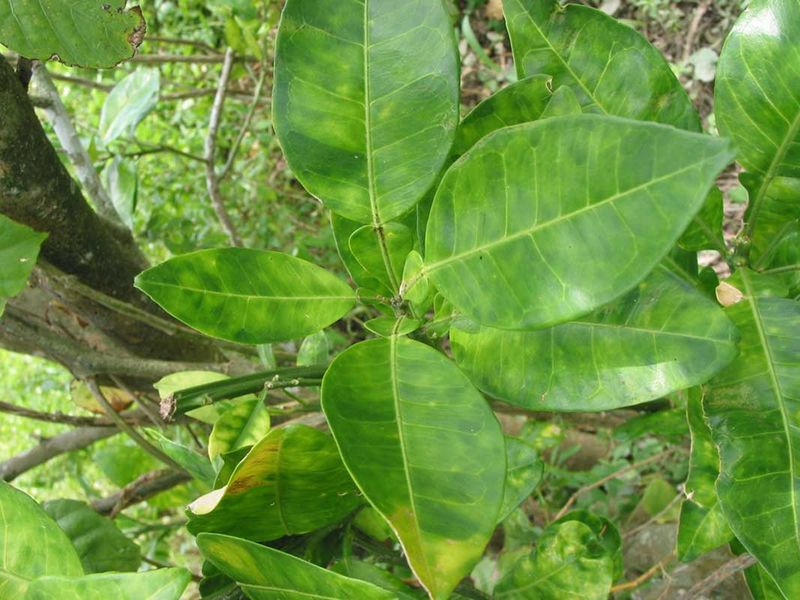
One of the more unsettling realities about huanglongbing is that an infected tree may not show clear warning signs right away.
The pathogen can be present in a tree’s vascular system for months before visible symptoms develop, and during that window, the tree can still serve as a source from which Asian citrus psyllids acquire the bacterium.
When HLB symptoms do appear, they can include a distinctive blotchy mottling of leaves where the yellowing does not follow the typical pattern seen with nutrient deficiencies.
Affected leaves may show asymmetrical discoloration, and fruit from infected trees can be small, lopsided, bitter, and may drop prematurely.
Shoots may also begin to decline and stop producing over time as the disease progresses.
The tricky part is that some of these symptoms can resemble common citrus problems like zinc or iron deficiency, so visual inspection alone cannot confirm HLB.
Your California Garden Changes Every Week. Your Plan Should Too.
Gardening in California changes quickly throughout the season. Every Friday you’ll receive a simple weekly plan showing exactly what to plant, prune, fertilize, harvest, and protect so you never miss the right timing.
A gardener who notices unusual leaf discoloration should not assume the worst, but should also not dismiss it without taking a closer look.
Reporting suspicious symptoms through California’s appropriate channels and allowing trained inspectors to evaluate the tree is the right step.
Testing is required to confirm whether HLB is actually present, because a definitive diagnosis cannot be made based on leaf appearance alone, no matter how convincing the symptoms may look to an untrained eye.
3. Confirmed Trees Have To Come Out
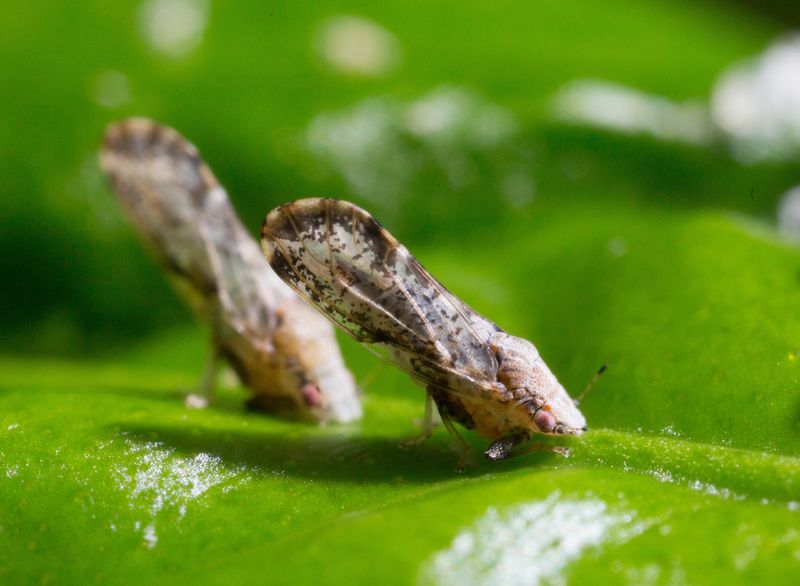
Getting a confirmed HLB diagnosis on a backyard citrus tree is not a situation where a gardener gets to decide what happens next. Under California’s HLB response program, trees that test positive for the disease are subject to mandatory removal.
The state’s approach treats confirmed infected trees as reservoirs that could fuel further spread of the disease through the Asian citrus psyllid vector.
The logic behind mandatory removal is straightforward. An infected tree, even one that still looks partially productive, can harbor the bacterium that psyllids acquire during feeding.
Once those psyllids move to neighboring citrus, the cycle of potential transmission continues. Removing the confirmed source is one part of breaking that cycle within a residential neighborhood.
Homeowners who suspect their tree might have HLB should contact their local county agricultural commissioner or the California Department of Food and Agriculture rather than attempting to remove the tree on their own.
Suspected cases need to go through proper reporting and evaluation before any action is taken.
Removing a tree without confirmation not only skips an important step in the process, but also means missing the chance to have the situation properly documented as part of California’s broader detection and response effort.
Regulatory agencies work with homeowners through the process, including in some cases providing assistance with removal of confirmed positive trees.
4. Nearby Citrus Can Become Part Of The Risk
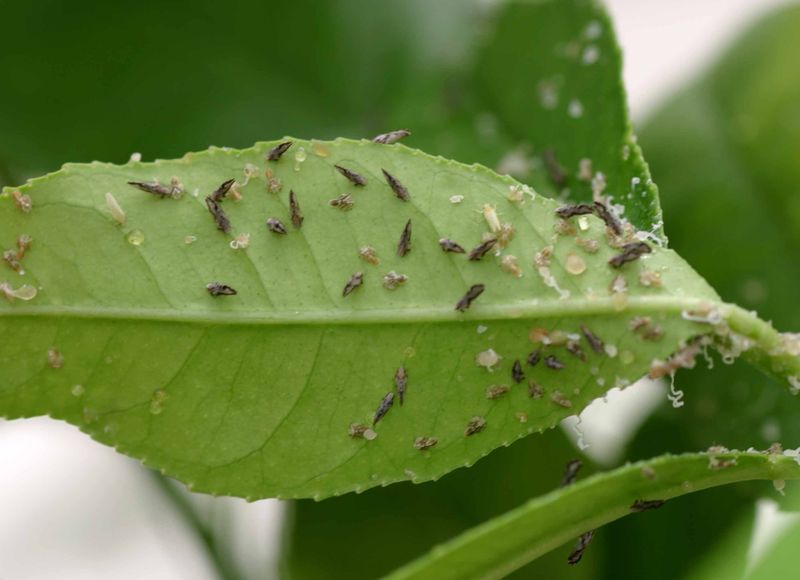
Residential neighborhoods in parts of California can have citrus trees growing in nearly every yard, sometimes just a fence apart.
When HLB has been detected in a community, that density of host plants becomes a meaningful factor in how quickly Asian citrus psyllids can move the pathogen from one property to the next.
UC Cooperative Extension and state guidance have, in some communities where HLB has become widespread, encouraged homeowners to consider proactively removing backyard citrus that could serve as additional host material for the psyllid.
This is not a statewide recommendation, and it does not apply equally to every California gardener.
The situation varies significantly depending on where confirmed detections have occurred and how established the psyllid population is in a given area.
Understanding the difference between mandatory and voluntary removal matters here. Confirmed positive trees must come out under California’s regulatory program.
Removing other nearby citrus is a separate consideration that some homeowners in heavily affected communities are choosing to think about, often after consulting with local agricultural officials or UC Cooperative Extension advisors.
Losing a mature lemon or orange tree that has been in a family for decades is not a small thing, so these decisions deserve careful thought.
Checking with local experts about the actual risk level in a specific neighborhood gives homeowners the clearest picture before making any choice.
5. Quarantines Change What Can Leave The Yard
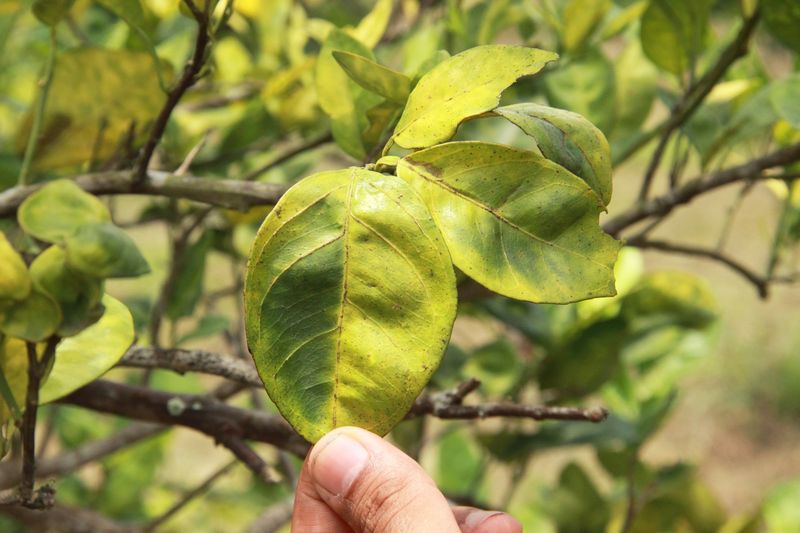
Receiving a quarantine notice from the California Department of Food and Agriculture can feel startling if a homeowner has never encountered one before.
Quarantine areas are established in response to confirmed detections of the Asian citrus psyllid and HLB, and they come with real restrictions on what plant material can be moved out of the affected zone.
Within a quarantine area, regulated materials typically include citrus plants, cuttings, branches, leaves, and other host material from the plant family Rutaceae.
The purpose is to reduce the chance that infected or potentially exposed material gets transported to areas where HLB has not yet been detected, which could introduce the pathogen to new psyllid populations and extend the problem geographically.
Quarantine boundaries and the specific rules attached to them can change as new detections occur or as pest management programs progress.
A restriction that applied last season may be updated, so relying on a general understanding of the rules without checking current CDFA information can lead to unintentional violations.
Before moving any citrus material, even something that seems minor like a cutting or a few branches from a pruning session, homeowners in or near quarantine zones should confirm what current regulations allow.
The CDFA website and local county agricultural commissioners are the most reliable places to get up-to-date quarantine information specific to a given location in California.
6. Fresh Citrus Growth Draws Psyllids In
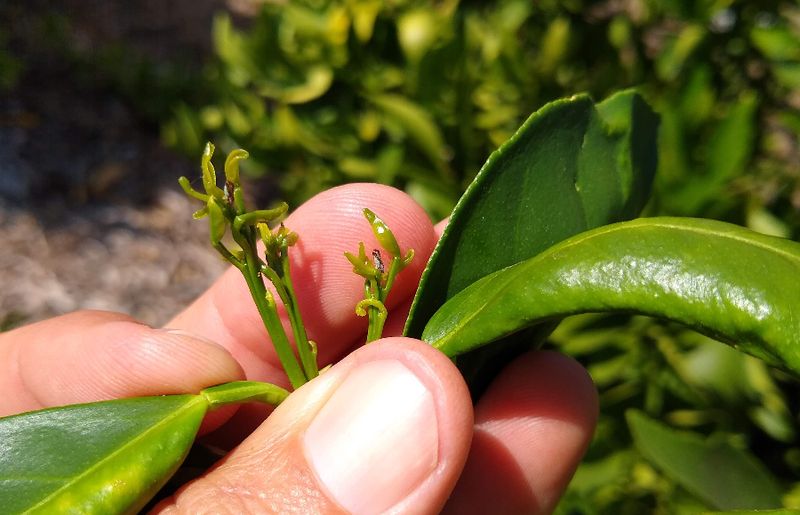
There is something almost exciting about watching a citrus tree push out fresh new growth in spring or after a good watering cycle. Those bright, tender shoots, often called flush, signal that the tree is healthy and active.
For Asian citrus psyllids, that same flush is exactly what they are looking for.
Female ACP lay their eggs on the tips of young citrus shoots, and the nymphs that hatch develop by feeding on that soft, tender plant tissue.
UC IPM notes that psyllid populations are closely tied to the availability of new growth, because the insect depends on flush for successful reproduction.
A citrus tree that produces frequent rounds of new growth throughout the year may attract more psyllid activity than one with less frequent flush cycles.
Knowing this, gardeners who are monitoring their citrus for ACP should pay particular attention when fresh leaves and shoots are emerging.
That is the time when eggs and early-stage nymphs are most likely to be present and easiest to find if you know what to look for.
Nymphs produce a waxy, tubular secretion that can sometimes be spotted on young growth. Checking flush regularly, especially in areas where ACP has been detected, gives homeowners a better chance of catching psyllid activity early.
Preventing normal tree growth is not the goal and is not recommended. Awareness during those active flush periods is what matters most.
7. Moving Citrus Can Spread The Problem
Sharing a cutting from a backyard lemon tree or bringing home a citrus plant from a neighbor a few towns away might seem like a harmless and friendly thing to do.
In parts of California affected by the Asian citrus psyllid and HLB, though, that kind of casual movement of plant material is one of the ways the problem can spread beyond areas where it has already been detected.
Asian citrus psyllids can travel on citrus plants, cuttings, leaves, and branches without being immediately visible.
If infested or infected material moves out of a quarantine zone and into a neighborhood where psyllid populations are not yet established, it can introduce both the insect and potentially the pathogen to a new area.
People often do this without any awareness of the risk involved, which is why education around citrus movement matters so much.
California quarantine regulations restrict the movement of citrus and related host material out of established quarantine zones for this reason.
Obtaining citrus plants from licensed nurseries that follow state regulations is a much safer approach than trading backyard cuttings or transporting plants from areas of concern.
Citrus fruit that has been cleaned and processed for consumption is generally treated differently under regulations than whole plants or unprocessed plant parts, but homeowners should verify current CDFA rules rather than assuming what is and is not permitted in their specific location.
8. Healthy-Looking Trees Still Deserve Attention
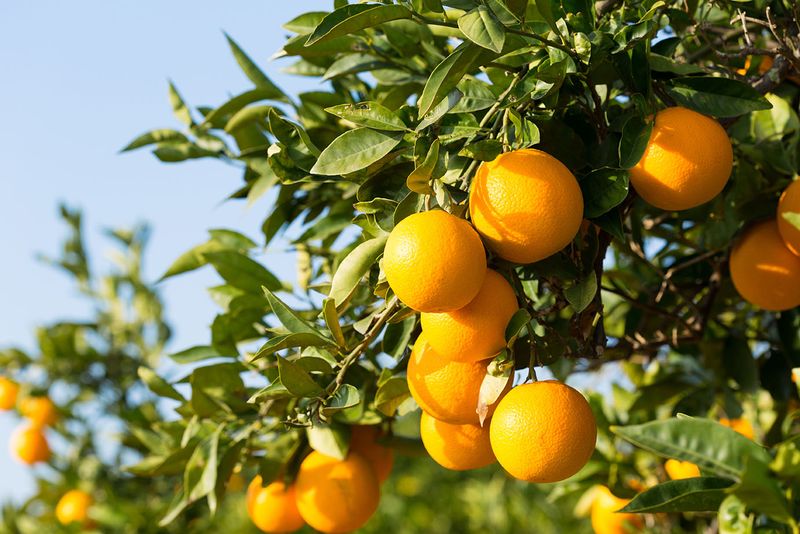
A citrus tree with a full canopy, glossy green leaves, and a good crop of fruit can look like the picture of health while still warranting a closer look.
Visual appearance alone cannot confirm that a tree is free of HLB, especially in communities where the Asian citrus psyllid has been detected.
The gap between what a tree looks like and what may be happening inside its vascular system is part of what makes this situation so challenging for backyard growers.
Monitoring healthy-looking citrus regularly means checking tender new growth for signs of psyllid activity, including the waxy secretions left by nymphs or the tilted resting posture of adult insects on leaves.
It also means staying familiar with what unusual leaf symptoms look like so that anything suspicious can be reported promptly rather than dismissed as a minor cosmetic issue.
Following quarantine rules, reporting possible detections through California’s appropriate channels, and staying connected to current guidance from local UC Cooperative Extension offices or county agricultural commissioners are all practical steps that do not require any drastic action.
Healthy citrus trees are worth caring for and monitoring thoughtfully.
The goal is awareness, not anxiety. Knowing what to look for, understanding the difference between normal leaf variation and something worth reporting, and staying informed about the situation in a specific California neighborhood puts homeowners in the best possible position to respond appropriately if something does come up.