This Low-Maintenance Native Is Becoming Georgia’s Favorite Hydrangea Swap
Hydrangeas can be beautiful, but keeping them happy in the wrong spot can become frustrating fast. Some yards simply need a tougher shrub that asks less from you throughout the growing season.
That is where one native alternative starts looking especially appealing.
Georgia gardeners searching for easier landscaping can find plenty to like about a shrub already suited to local conditions. It can bring seasonal beauty without making you constantly adjust your routine.
Do not assume replacing hydrangeas means giving up the character they brought to your yard.
The right native can create its own impressive display while fitting naturally into a lower-maintenance landscape. Your planting spot still matters, so consider what that area offers before making the switch.
Once you see what this shrub can handle, the swap starts making much more sense.
1. Possomhaw Viburnum Is The Native Behind This Swap
Not every great garden shrub gets the recognition it deserves.
Possomhaw Viburnum, known botanically as Viburnum nudum, grows naturally across the southeastern United States and has been part of this region’s woodlands long before anyone planted a formal garden.
Georgia gardeners are starting to notice it more, especially those who are tired of babying hydrangeas through summer heat. Possomhaw is not a trendy import or a cultivated hybrid chasing a garden show ribbon.
It belongs here, in the clay-heavy, humid, unpredictable growing conditions that define so much of the Southeast.
Nurseries in the region have started stocking it more consistently over the past several years.
Demand has grown as more homeowners look for plants that support local wildlife and fit naturally into the landscape without fighting the environment.
Possomhaw earns its place through four distinct seasons of interest, which is rare for a single shrub. Spring brings flowers, summer transitions into developing fruit, fall delivers berries and leaf color, and winter reveals its clean branch structure.
Swapping it in where a hydrangea struggled makes practical sense. Both shrubs offer white flower clusters and multi-season appeal, but Possomhaw does it while staying better adapted to local soil and moisture conditions.
That is the core reason it keeps showing up in more Georgia yards.
2. White Flower Clusters Open Across The Branches
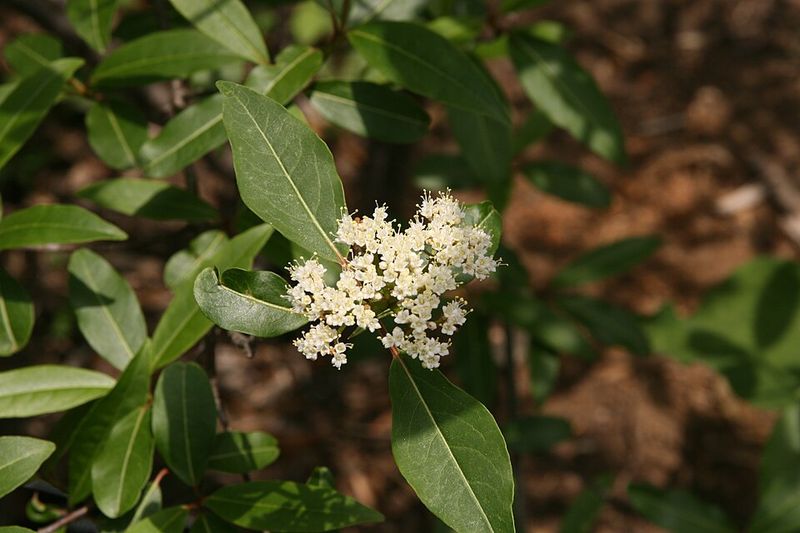
Spring shows up differently when Possomhaw Viburnum is in bloom.
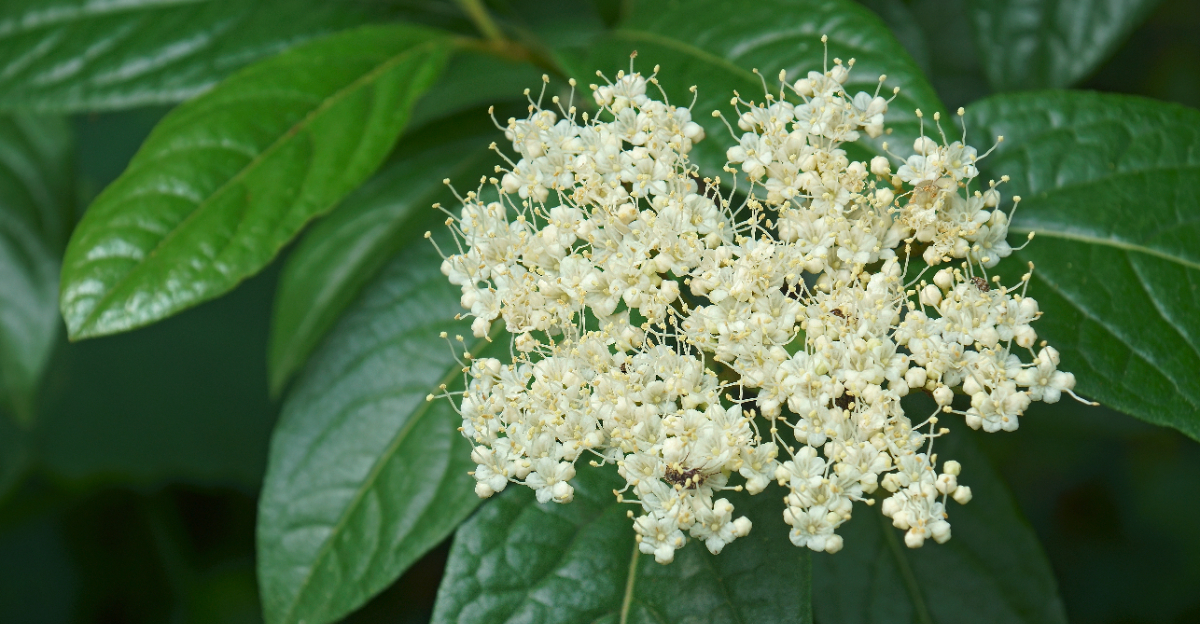
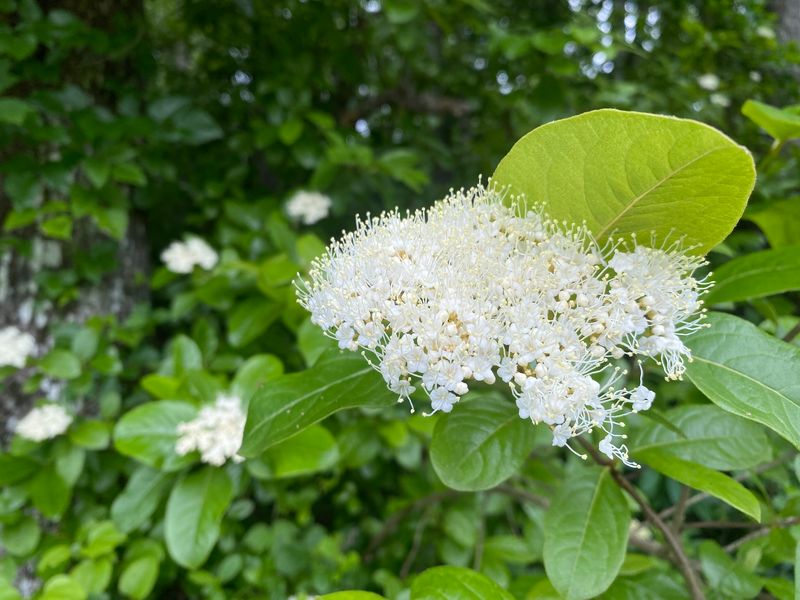
Flat-topped clusters of creamy white flowers open across the branches, usually peaking somewhere between late April and early June depending on local temperatures and elevation.
Each cluster is made up of many small individual flowers packed tightly together.
The overall effect reads as a bold, frothy display rather than a single dramatic bloom. From a distance, the shrub looks almost frosted.
Up close, the flowers have a subtle fragrance that some gardeners describe as mildly sweet.
It is not overpowering, which works well near patios and walkways where strong scents can become unpleasant on warm days.
Pollinators respond well to the blooms. Bees visit consistently during peak flowering, which makes Possomhaw a functional addition to any yard trying to support local insect populations alongside its visual appeal.
Your Georgia Garden Changes Every Week. Your Plan Should Too.
Gardening in Georgia changes quickly throughout the season. Every Friday you’ll receive a simple weekly plan showing exactly what to plant, prune, fertilize, harvest, and protect so you never miss the right timing.
Bloom timing can shift slightly year to year based on spring temperatures. A warmer-than-average March may push flowers out earlier, while a cooler stretch can delay them.
Either way, the display tends to last a couple of weeks before petals drop and the shrub shifts into its next phase.
Flower production is typically stronger on shrubs receiving good light. Partial shade will still produce blooms, but the clusters may be fewer and slightly more spread out across the canopy compared to plants in sunnier spots.
3. Colorful Berries Take Over After Flowering Ends
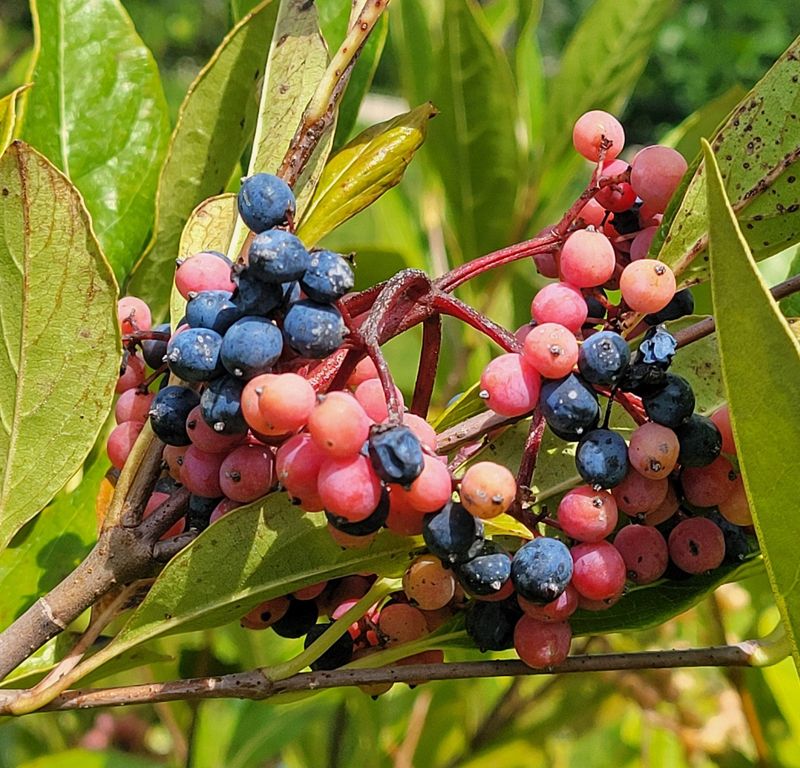
Once the flowers fade, something more interesting begins.
Possomhaw Viburnum develops small, round berries that go through a striking color transformation as they ripen across late summer and into fall.
Clusters start out green, then shift through shades of pink, rose, and deep red before settling into a dark blue-black at full maturity.
Multiple colors often appear on the same cluster at the same time, which creates a naturally varied, jewel-like display that few shrubs can match.
That color overlap happens because individual berries within each cluster ripen at slightly different rates. You end up with pink, red, and blue-black all visible at once, which is genuinely striking against the green foliage of late summer.
Birds are drawn to the fruit quickly. Cedar waxwings, bluebirds, and several thrush species are among the birds known to feed on Viburnum berries in the Southeast.
Planting more than one shrub nearby improves cross-pollination, which can lead to heavier fruit set compared to a single isolated plant.
Berry production is not guaranteed every season. Dry spells during fruit development or poor pollination conditions can reduce the crop.
Planting two compatible cultivars near each other gives the shrub the best realistic chance of a full display in most years.
The fruit typically persists into late fall, offering wildlife food during a period when other sources are beginning to run low.
4. Fall Turns The Leaves Into Another Display
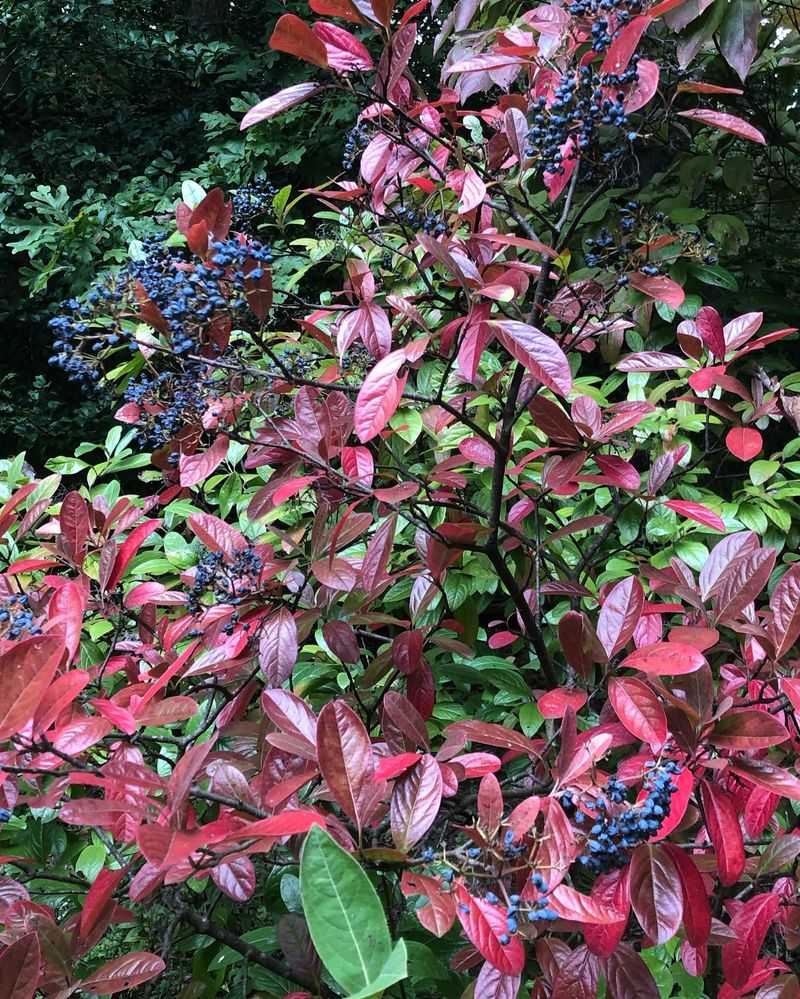
Most shrubs ask you to pick one season and call it good.
Possomhaw Viburnum refuses that compromise. After the berries develop, the foliage steps up with its own show before the growing season wraps up.
Leaves shift from glossy green into shades of deep red, burgundy, and sometimes purple-red as fall temperatures drop.
The intensity of the color can vary from plant to plant and from year to year depending on local conditions.
Cooler nights tend to bring out stronger color.
A stretch of mild, warm fall weather may produce more muted tones, while a sharp temperature drop in October can push the leaves into richer, deeper shades. Neither outcome is bad, just different.
Leaf color usually develops later in the season compared to some other fall shrubs. Expect peak color closer to mid-fall or even into November in many parts of the Southeast, after earlier-coloring trees and shrubs have already peaked.
The glossy leaf surface catches light well, which helps the fall color read clearly from a distance. Paired with the remaining dark berries still clinging to branches, the combination creates a layered seasonal display that earns its space in any yard.
Possomhaw is not the flashiest fall shrub available, but it is consistent and reliable within its natural range.
For a native plant, that kind of dependable seasonal performance adds genuine value to a low-maintenance landscape plan.
5. Moist Ground Matches Where It Naturally Grows
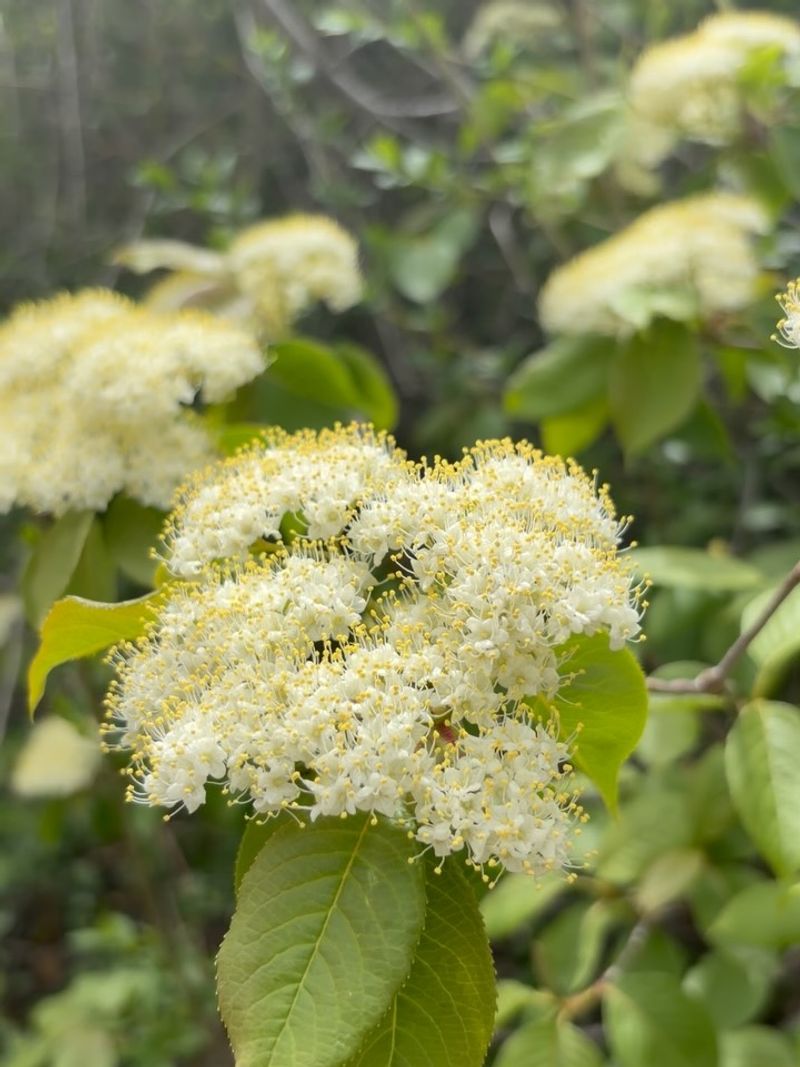
Wet spots in the yard frustrate most gardeners. Possomhaw Viburnum treats them like an opportunity.
In the wild, this shrub grows along stream banks, pond edges, and low-lying woodland areas where moisture stays consistent through much of the growing season.
Planting it in naturally moist ground works well in most cases.
Rain gardens, low areas that collect runoff, and spots near downspouts where water lingers are all realistic candidates. It handles periodic standing water better than many ornamental shrubs.
Soil type matters somewhat. Possomhaw grows in clay and loamy soils across its native range.
Well-draining sandy soils that dry out quickly between rains are less ideal, particularly during establishment.
Established plants develop a more extensive root system and can handle drier stretches better than newly planted ones. During the first year or two, consistent moisture helps the roots settle in and reduces stress during dry summer periods.
Avoid overstating drought tolerance, though. Possomhaw is not a xeric plant.
It performs better with regular moisture access and may show leaf stress during extended dry spells, especially in full sun locations where soil dries faster.
Georgia landscapes often have low areas that sit wet for weeks after heavy rains. Possomhaw fills those spots naturally and productively, turning a drainage problem into a planted feature without requiring raised beds or amended soil to get started.
6. Sunlight Helps Bring Out Its Best Color
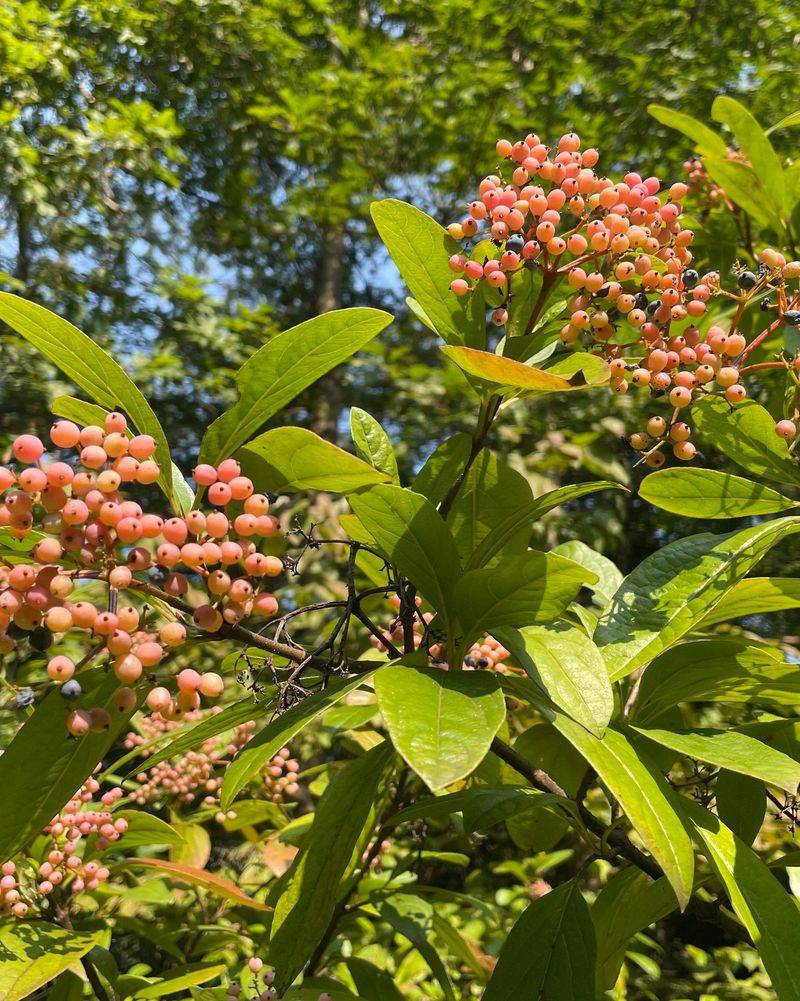
Light placement shapes what this shrub delivers. Possomhaw Viburnum grows in both full sun and partial shade, but the results are noticeably different depending on which you choose.
Full sun, typically six or more hours of direct light daily, tends to produce the strongest flower display in spring. Berry production also tends to be heavier on shrubs receiving consistent sunlight throughout the growing season.
Partial shade works, especially in hot climates where afternoon sun can be punishing. A spot with morning sun and afternoon shade often represents a practical middle ground, particularly in areas with intense summer heat.
Fall leaf color also responds to light.
Plants in brighter locations often develop richer, deeper fall tones compared to those growing in heavy shade. Shade-grown plants may still color up, but the intensity is usually more muted.
Avoid planting in deep, dense shade if the goal is strong seasonal performance across all four phases. Heavy shade reduces flowering, limits berry set, and softens fall color to the point where the shrub’s best qualities become difficult to see.
Reflective heat from walls, pavement, or fences can amplify sun exposure in ways that stress plants during peak summer.
In those spots, some afternoon shade coverage is worth considering, especially if soil moisture is harder to maintain consistently through the hottest months of the year.
7. Give This Shrub Room For Its Natural Size
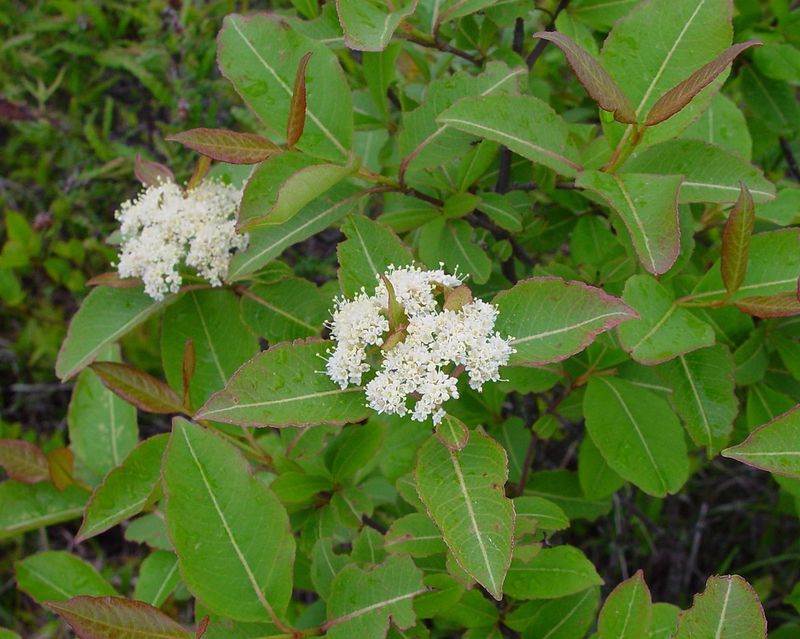
Size surprises people who plant Possomhaw Viburnum without checking the tag first.
Mature plants typically reach somewhere between six and twelve feet tall with a spread that can match or exceed the height, depending on growing conditions and the specific cultivar.
Spacing matters more than most homeowners expect.
Planting too close to a fence, foundation, or walkway creates a maintenance problem within just a few years. Give each shrub a realistic bubble of space based on its expected mature size at your site.
Cultivars like ‘Winterthur’ and ‘Count Pulaski’ tend to stay on the more compact end of the size range, which makes them easier to fit into smaller residential yards. Species plants without named cultivar selection can run larger and wider.
Possomhaw works well as a naturalized screen, a woodland edge planting, or a background anchor in a mixed shrub border.
It is less suited to tight foundation planting right against a house where space is limited and pruning would be constant.
Groupings of two or three plants spaced appropriately create a fuller visual effect and improve cross-pollination for better berry production.
A loose, informal grouping along a property edge or near a pond suits the shrub’s natural character well.