Why Texans Are Sowing Bluebonnet Seed Now For A Fuller Spring Bloom
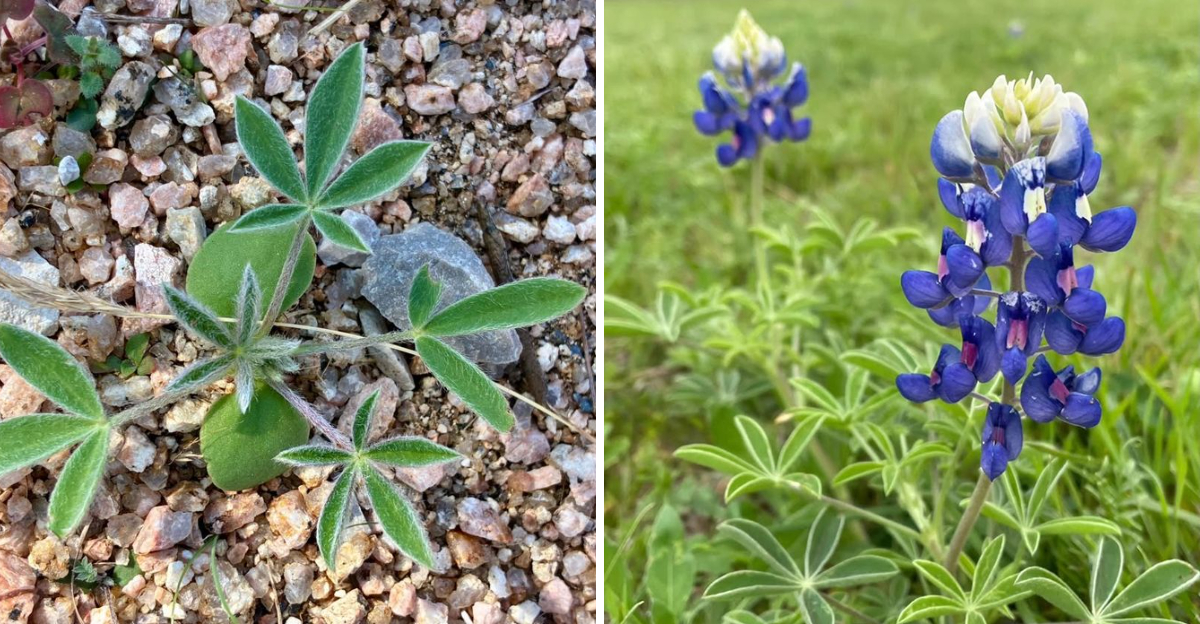
Bluebonnets have a way of making everything in the Texas spring landscape feel like it was worth the wait.
Those dense stands of blue and purple stretching across roadsides and meadows are one of the most iconic natural displays in the state, and for Texas gardeners who want that same effect in their own yard, the window to make it happen is open right now.
Bluebonnet seed sown in fall consistently outperforms seed sown in spring. By a significant margin.
Bluebonnets are winter annuals that evolved to germinate in fall, spend the cooler months developing a root system, and then bloom with the kind of full, dense abundance that fall sown plants reliably produce and spring sown plants rarely match.
The seed needs cool, moist conditions and time to prepare for spring, and fall delivers exactly that natural sequence.
Most Texans who have tried and failed to establish bluebonnets from spring sowing and then switched to fall sowing describe it as the adjustment that finally made everything work.
Here’s exactly why now is the right time to sow bluebonnet seed and how to do it for the fullest spring bloom possible.
1. September Is A Prime Time To Sow Bluebonnets

Ask any experienced Texas gardener when to plant bluebonnets, and they will tell you the same thing: do not wait until spring. September is widely considered the sweet spot for getting bluebonnet seeds into the ground.
The temperatures are starting to drop just enough, and the conditions are close to what the seeds experience naturally in the wild.
Bluebonnets are native wildflowers, and they have been following a very specific seasonal rhythm for thousands of years. In nature, mature seed pods burst open in late summer and early fall.
Those seeds fall to the ground and spend the cooler months slowly preparing to sprout. When you plant in September, you are mimicking that natural process almost perfectly.
Waiting until spring is a common mistake that leads to disappointment. By the time spring arrives, the window for proper germination has mostly passed.
Seeds planted in March or April often struggle to establish before the Texas heat arrives and shuts down their growth cycle entirely.
Planting in September gives seeds several months of cool, moist conditions to work with. That extra time is not wasted.
The seeds are quietly softening, absorbing moisture, and preparing to send out their first tiny roots. Some may even sprout before winter sets in, forming small leafy clusters called rosettes that will be ready to grow rapidly once spring temperatures rise.
Getting your seeds in the ground this month puts you ahead of the curve. A little effort now, while the weather is still warm enough to work outside comfortably, can reward you with a much more impressive bloom next year.
2. Fall Growth Builds Stronger Roots
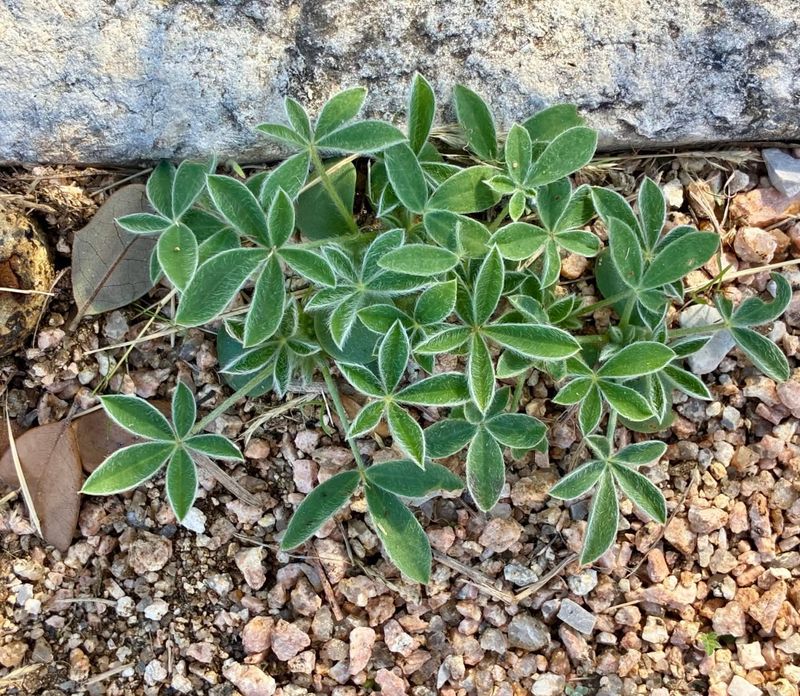
Roots are everything when it comes to wildflowers, and bluebonnets are no exception. One of the biggest reasons fall planting works so well is that it gives young plants an entire cool season to focus on building a strong root system before they ever think about blooming.
Your Texas Garden Changes Every Week. Your Plan Should Too.
Gardening in Texas changes quickly throughout the season. Every Friday you’ll receive a simple weekly plan showing exactly what to plant, prune, fertilize, harvest, and protect so you never miss the right timing.
When a bluebonnet seed sprouts in the fall, the seedling does not rush to flower. Instead, it puts nearly all of its energy into growing downward.
The roots reach deeper into the soil, seeking moisture and anchoring the plant firmly in place. Above ground, the plant forms a low, leafy rosette that stays close to the soil surface throughout winter.
Those rosettes might look small and unimpressive during the colder months, but do not underestimate them. Underground, something remarkable is happening.
The root system is expanding and storing nutrients that will fuel an explosive burst of growth once spring arrives. Plants with well-developed roots tend to grow taller, produce more flower stalks, and bloom for a longer period.
Compare that to a bluebonnet started from seed in spring. That plant barely has time to establish roots before the warming temperatures trigger its bloom cycle.
The result is often a shorter, thinner plant with fewer flowers. It simply has not had enough time to build the foundation it needs.
Fall-planted bluebonnets enter spring with a serious head start. They are already established, already rooted, and ready to channel all their energy into producing the kind of full, vibrant flower display that makes Texas roadsides so famous every year.
3. The Hard Seed Coat Needs Time To Break Down
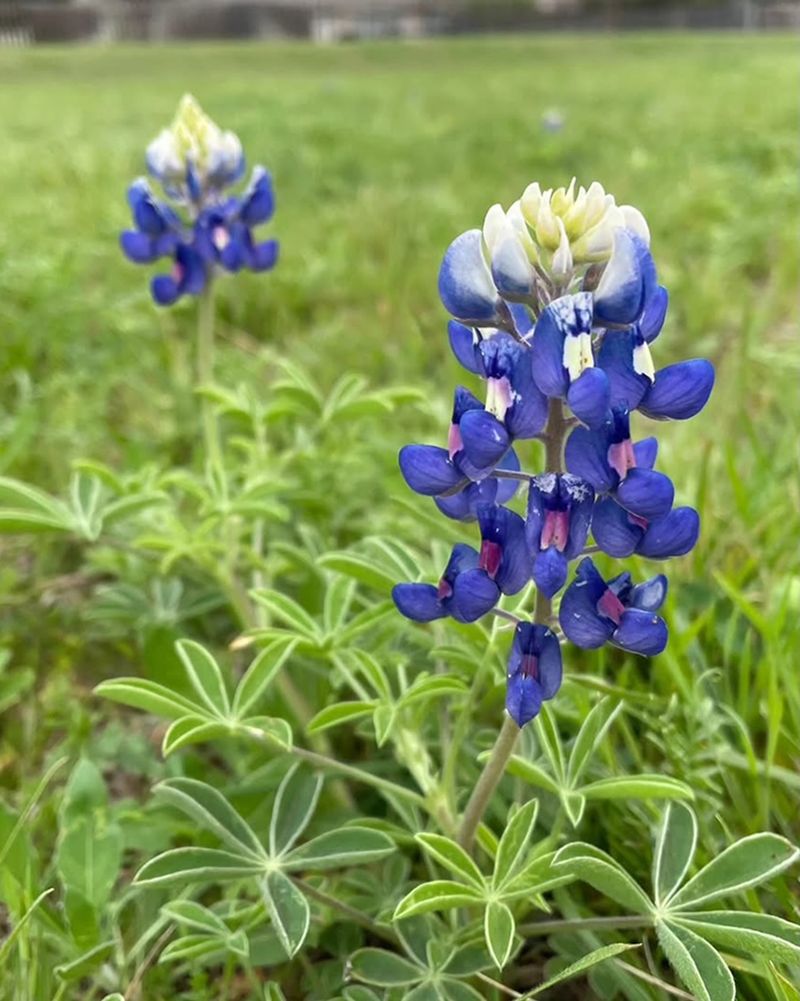
Bluebonnet seeds are built tough. If you have ever held one in your hand, you may have noticed it feels almost like a tiny pebble.
That hard outer shell is not an accident. It is a survival feature that nature developed over a very long time to protect the seed until conditions are just right for sprouting.
This tough coating is called a seed coat, and it is designed to be slow to break down. In the wild, this feature prevents all the seeds from sprouting at once during a brief rainstorm.
Instead, the coating gradually softens over weeks and months as moisture, temperature changes, and soil bacteria work on it. This slow process is called scarification, and it is key to understanding why fall planting works so well.
When you plant in September, you are giving those hard-coated seeds a long runway. The fall and winter months provide exactly the kind of gradual, alternating conditions, cool nights, occasional rain, and fluctuating temperatures, that help break down the seed coat naturally.
By late winter or early spring, many seeds are finally ready to sprout.
You can speed this process up by buying scarified seeds, which have been mechanically treated to weaken the outer shell. But even with untreated seeds, fall planting gives nature enough time to do the work for you.
Trying to plant untreated seeds in spring gives the seed coat very little time to soften before the heat arrives, which is why germination rates tend to be much lower with late planting.
Fall gives the seed coat time to cooperate, and that makes a real difference in how many plants you end up with.
4. Seasonal Rain Can Help Seedlings Establish
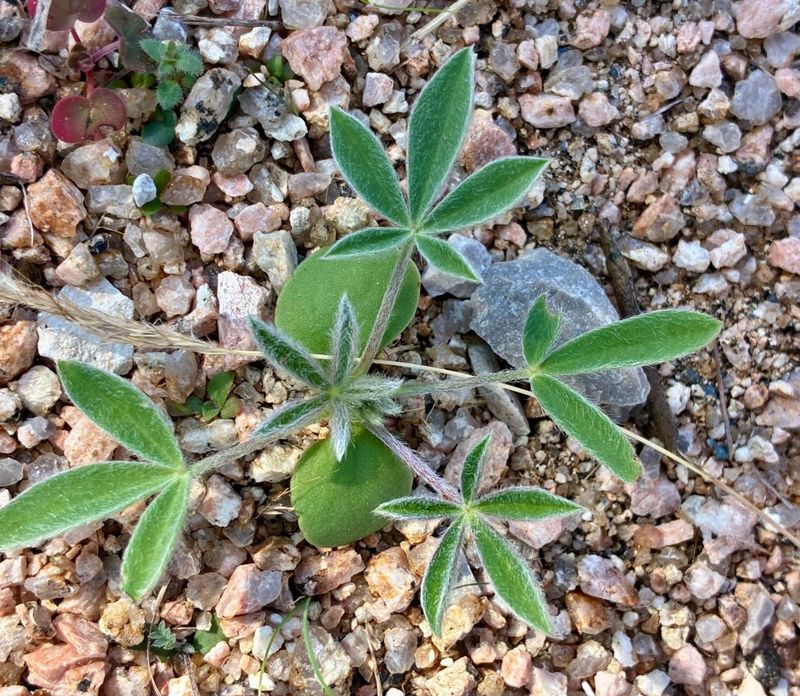
Water is the spark that wakes a seed up. Without enough moisture, even the best-timed planting effort can fall flat.
Luckily, September in Texas often comes with some helpful rainfall, especially as the brutal summer heat begins to ease and weather patterns shift heading into fall.
That seasonal moisture is one more reason why early fall is such a smart time to sow bluebonnets.
When rain arrives shortly after planting, it pushes seeds into good contact with the soil, helps soften the seed coat, and gives newly sprouted seedlings the moisture they need to send out their first tiny roots.
It is a natural head start that spring planting simply cannot count on. Of course, Texas weather is never fully predictable. Some falls are drier than others, and if rain is scarce in your area, you will need to step in and water your seeded area yourself.
The goal is to keep the soil from drying out completely, especially during the first few weeks after planting. You do not need to soak the ground, just enough to keep the top inch or two of soil slightly moist.
Once seedlings are a few inches tall and have developed a small root system, they become much more drought tolerant. Bluebonnets are well adapted to Texas conditions, and established plants can handle dry spells far better than brand-new seedlings can.
Getting them through that early vulnerable stage is the main challenge. A simple garden hose or sprinkler set to a light, gentle setting a few times a week is usually enough to carry seedlings through a dry stretch until natural rains return.
5. Cool Weather Suits Young Bluebonnet Plants
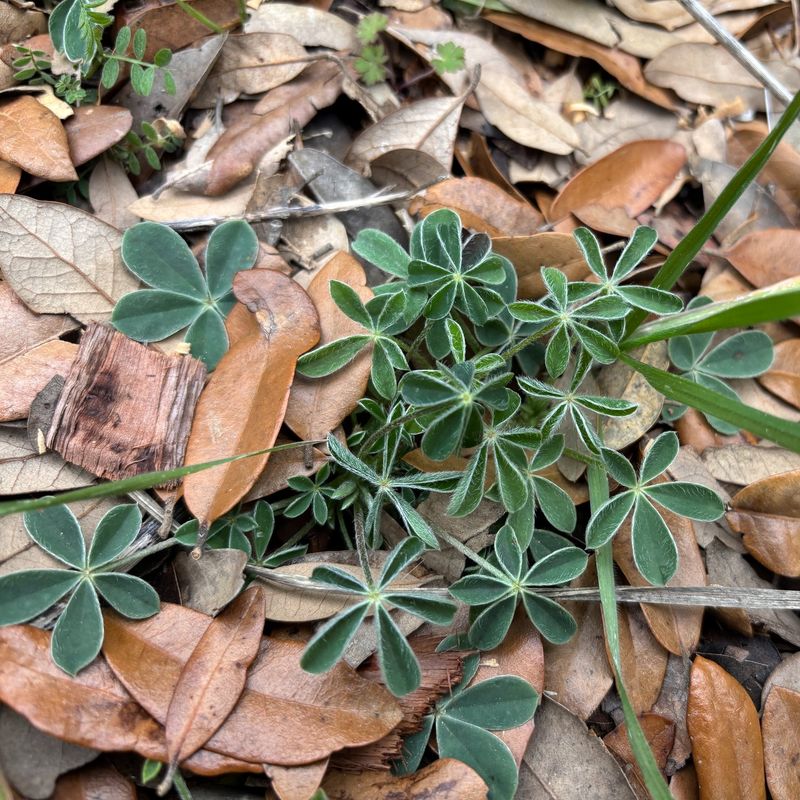
Here is something that surprises a lot of people: bluebonnets are not warm-weather plants. They are cool-season wildflowers, which means they actually prefer growing during fall and winter rather than waiting around for the warmth of spring.
Understanding this changes everything about when and how you plant them. Young bluebonnet seedlings thrive in temperatures that would slow down or stress many other garden plants.
Cool nights and mild days are ideal for their growth during the rosette stage. The cold does not stop them. In fact, a light frost will not cause any serious harm to an established rosette.
These plants have been surviving Texas winters for centuries without any help from gardeners.
What bluebonnets cannot handle nearly as well is extreme heat during their early growth stages. When temperatures climb into the high 80s and 90s, young plants struggle.
That is exactly why spring-planted seeds so often fail to thrive. They sprout just in time to face the rising temperatures of a Texas summer, with almost no time to build up any resilience beforehand.
Fall-planted bluebonnets spend the cool months quietly growing and strengthening. By the time February and March arrive and temperatures start climbing again, those plants are no longer vulnerable seedlings.
They are sturdy, well-rooted rosettes with a full season of growth behind them. The warming weather does not stress them out.
Instead, it acts as a signal to shift gears and start sending up flower stalks.
Cool weather is not the enemy of bluebonnets. For young plants especially, it is actually the most helpful growing condition they can have.
6. Starting Now Can Produce A Fuller Spring Display
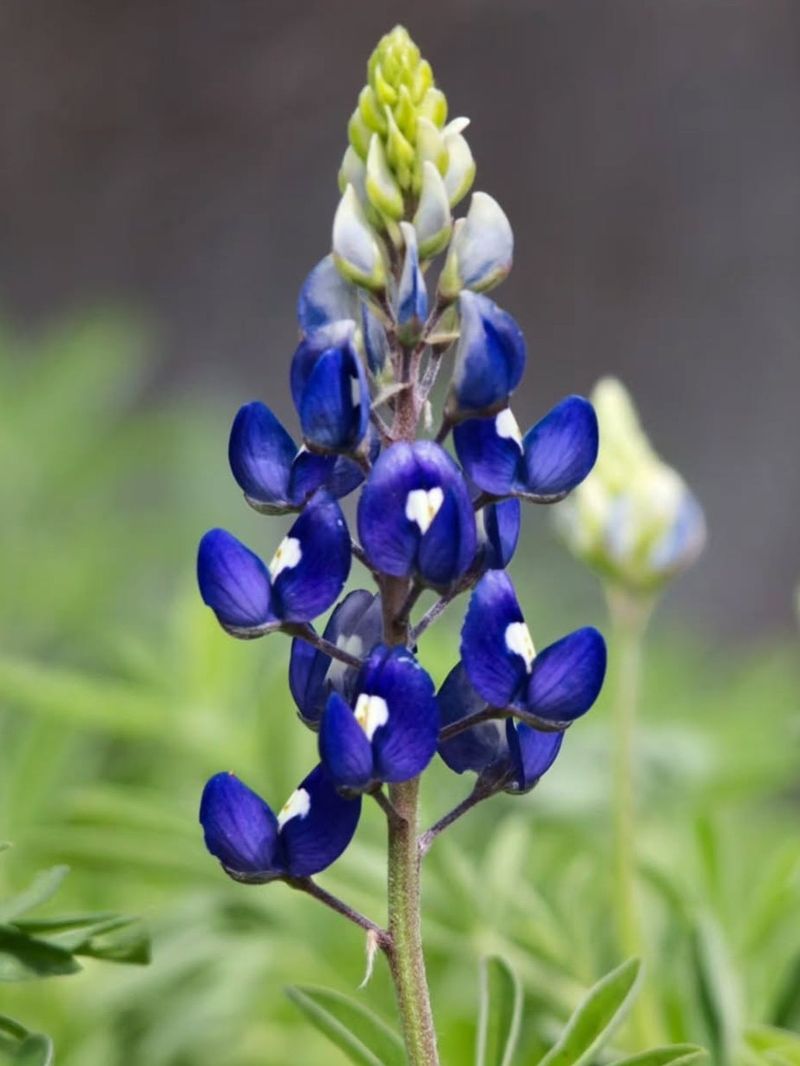
Every gardener wants that postcard-worthy field of bluebonnets, and the secret to getting it is simpler than most people expect. Start early.
The plants that go into the ground this fall will have significantly more time to develop before the flowering season begins, and that extra time shows up in a very visible way come spring.
When bluebonnets have had a full fall and winter to establish, they tend to produce more flower stalks per plant, grow taller, and bloom more densely. A patch planted in September can look dramatically fuller than the same number of seeds planted in February or March.
The difference is not magic. It is just time, and what a plant can accomplish when given enough of it.
To make the most of your fall planting, a few simple steps can boost your results noticeably. Full sun is important.
Bluebonnets planted in shady spots tend to be leggy and sparse. Good drainage matters too.
These plants do not like sitting in waterlogged soil, so avoid low spots where water pools after rain.
Seed-to-soil contact is another factor many people overlook. After scattering your seeds, press them lightly into the soil with your foot or a roller.
Seeds that sit loosely on top of loose, fluffy soil often fail to germinate well. Firm contact helps moisture reach the seed and encourages faster sprouting.
Scatter your seeds now, give them a little water if rain is slow to arrive, and then step back. By late February and into March, all that patient waiting will pay off in a wave of blue that makes every bit of the effort completely worth it.