What Spotting More Birds In Your Arizona Yard Means Before A Heavy Rainstorm
There’s a particular kind of Arizona afternoon where the air shifts, the sky turns that specific shade of gold and gray, and suddenly every bird in the neighborhood seems to show up at once.
If you’ve stood at your back window watching the yard come alive right before a monsoon storm and thought “do these birds actually know something,” you are absolutely not alone in that thought.
It’s one of those observations that feels too consistent to be coincidental. And honestly, it might not be.
Falling air pressure, shifting winds, rising humidity, and a sudden surge in insect activity can all influence how birds behave in the hours before a storm rolls through.
Whether that makes them reliable weather forecasters is a different question entirely, and the answer is a lot more interesting than a simple yes or no.
1. Some Birds May Increase Feeding As Air Pressure Falls
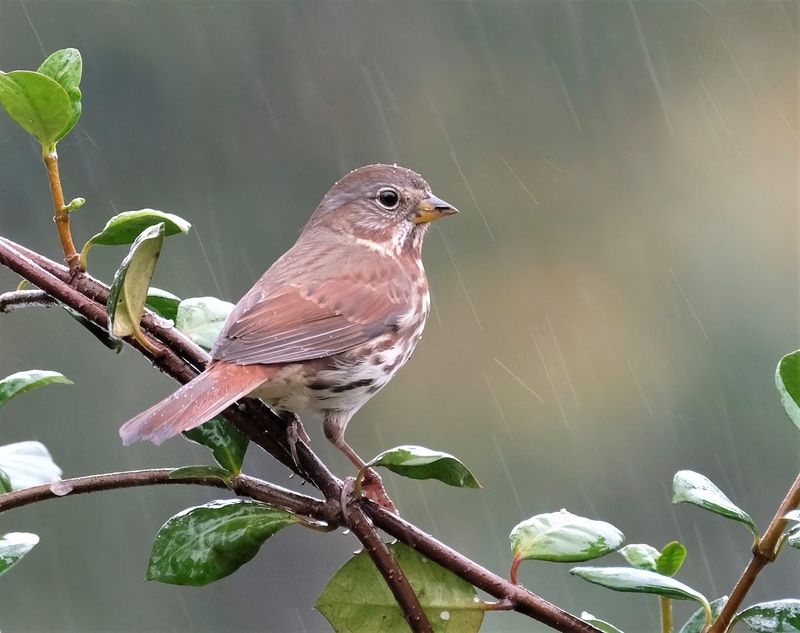
A suddenly crowded feeder area can catch any Arizona homeowner off guard, especially when storm clouds are just beginning to build on the horizon.
Research has found evidence that some birds increase their foraging activity when barometric pressure drops, which often happens before weather systems move through an area.
This behavior has been observed in certain species and appears connected to the challenge of finding food once a storm actually arrives.
When conditions deteriorate, wind and rain can make foraging much more difficult for smaller birds. Feeding more actively before that window closes may help some birds maintain the energy they need.
However, this response is not universal across every species, and not every bird visiting an Arizona yard will behave the same way.
Seeing a busier feeder does not confirm that heavy rain is on the way. Many factors influence how many birds visit a yard on any given day, including the time of day, what food is available, whether a predator recently visited, and what stage of the season it is.
Arizona monsoon activity tends to peak between July and September, so elevated bird movement during those months may simply reflect normal seasonal patterns rather than a storm response.
Watching the behavior with curiosity is worthwhile, but treating it as a weather signal can easily lead to misreading what is actually a routine afternoon in a busy desert yard.
2. Falling Barometric Pressure May Be One Weather Cue Birds Detect
Clouds beginning to pile up over an Arizona neighborhood are often accompanied by a gradual drop in atmospheric pressure, and some birds appear to be sensitive to that shift.
Research has shown that certain bird species can detect changes in barometric pressure, likely through a structure in the inner ear called the Vitali organ.
This sensitivity may allow them to register that atmospheric conditions are changing, even before visible storm signs appear.
What birds do with that information is more complicated. Detecting a pressure drop is not the same as knowing that a heavy thunderstorm will arrive at a specific time or that a particular yard will receive significant rainfall.
Your Arizona Garden Changes Every Week. Your Plan Should Too.
Gardening in Arizona changes quickly throughout the season. Every Friday you’ll receive a simple weekly plan showing exactly what to plant, prune, fertilize, harvest, and protect so you never miss the right timing.
Arizona monsoon storms are famously localized, meaning one area can get drenched while another nearby neighborhood stays dry. A bird responding to falling pressure cannot account for that kind of variability.
It is also worth remembering that pressure changes happen for many reasons and do not always lead to heavy rain.
Birds that shift their behavior during a pressure drop may be responding to a general sense that conditions are becoming less stable, rather than anticipating a specific storm event.
Treating a bird’s behavior as a precise meteorological instrument overstates what the science actually supports.
What the research does suggest is that some birds are more attuned to atmospheric changes than humans typically are, which makes observing them during shifting Arizona weather genuinely interesting.
3. Easy Food Sources Can Make A Yard Busier Before A Storm
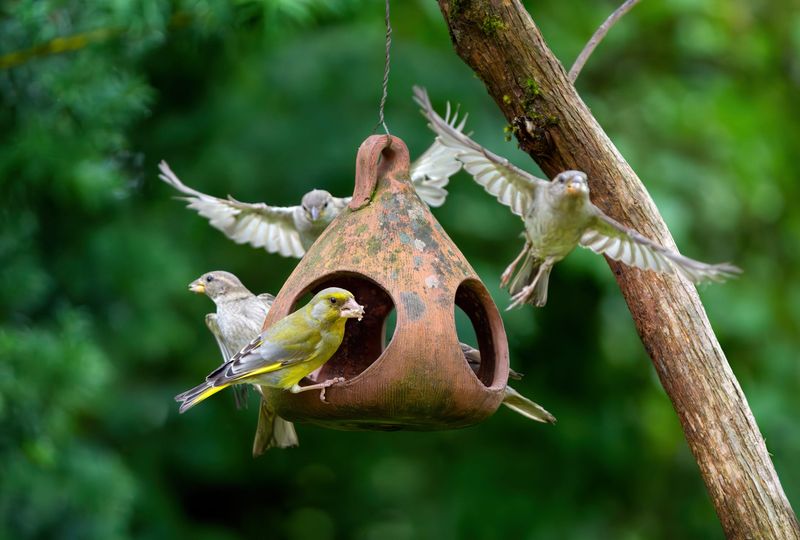
Wind beginning to shift direction and temperatures dropping slightly can push birds toward reliable food sources, and a well-stocked yard can become especially attractive during those moments.
A yard that offers natural seeds, ripe fruits, nectar-producing flowers, or insects hiding in leaf litter gives birds multiple reasons to linger.
When birds are actively feeding ahead of changing weather, a yard with diverse food resources will simply draw more attention than a barren lawn.
Native Arizona plants like palo verde, desert willow, and wolfberry can provide seeds and small fruits that birds recognize as dependable food.
When conditions shift and birds become more motivated to feed, these natural resources may concentrate activity in a visible way.
The yard becomes busier not because rain is imminent, but because it offers something genuinely useful at a moment when birds are inclined to seek it out.
Supplemental feeders can also play a role, though wildlife guidance from the University of Arizona recommends keeping feeders clean and positioned to reduce crowding and disease risk.
A yard that supports bird activity year-round through habitat structure and natural food sources is likely to see more consistent use than one that relies solely on supplemental feeding.
Increased bird presence before a storm may say more about the quality of the yard as a habitat than about the birds’ ability to predict exactly when and where Arizona rain will fall.
4. Dense Trees And Shrubs Can Provide Useful Storm Cover
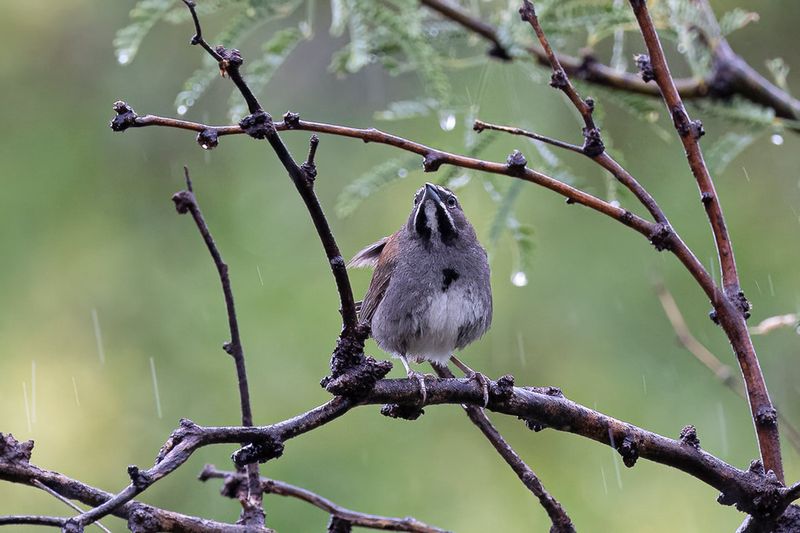
Small birds moving rapidly through shrubs and tucking into the thickest parts of a mesquite or desert hackberry can be an ordinary sign that conditions are becoming less comfortable outside.
Dense vegetation offers protection from wind, reduces exposure to driving rain, and gives small birds a place to wait out difficult weather without expending energy they cannot easily replace.
University of Arizona wildlife guidance recognizes cover as one of the essential elements of bird-friendly habitat, alongside food and water.
Arizona yards with layered plantings, including ground-level shrubs, mid-height trees, and taller canopy plants, can support a wider range of birds seeking shelter.
Species like verdins, curve-billed thrashers, and Gambel’s quail are well adapted to desert vegetation and tend to use dense native shrubs as both foraging habitat and protective cover.
Seeing these birds move toward sheltered spots as weather builds is consistent with normal survival behavior rather than any special predictive ability.
Birds using familiar shelter within their normal home range are simply doing what they do every time conditions become uncomfortable, whether that means a hot afternoon, a gusty wind, or an approaching monsoon.
The fact that a yard offers useful cover year-round means it will naturally attract birds during moments when shelter becomes a priority.
Planting native or desert-adapted shrubs and trees supports this behavior without requiring a yard to become a wildlife sanctuary, and it adds genuine habitat value to any Arizona outdoor space.
5. Changing Weather Can Shift Flying Insect Activity
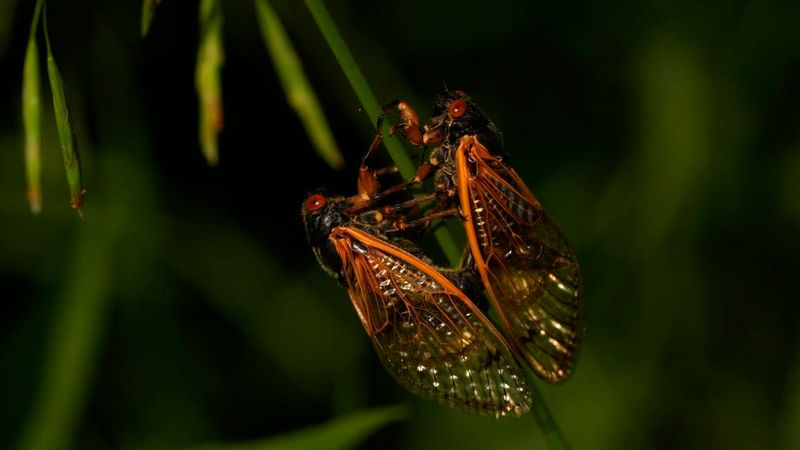
Humidity rising and temperatures shifting just before an Arizona monsoon can change where flying insects are active and how accessible they are to birds.
Atmospheric conditions including temperature, wind speed, and humidity all influence insect flight behavior, which in turn affects the feeding opportunities available to birds that depend on aerial prey.
When those conditions shift, insects may concentrate in different locations or become more active in ways that draw insect-eating birds into new areas.
Insects are highly sensitive to environmental changes, and their movement patterns can respond quickly to shifts in wind and moisture.
Before a storm, some insects may seek lower vegetation or sheltered spots, while others may become temporarily more concentrated in certain feeding areas.
These movements can create short-term feeding opportunities that birds respond to opportunistically, rather than as part of any deliberate storm-prediction strategy.
The relationship between insect activity and changing weather is complex, and researchers continue to study how different species respond to atmospheric shifts.
Some claims about insects flying lower before rain have been repeated as folklore for a long time, but the scientific evidence supporting those specific claims is not always consistent.
What is well established is that insect availability is a major driver of bird foraging behavior in general.
In Arizona yards, where monsoon season dramatically changes temperature and humidity within a short period, insect activity can shift noticeably, and the birds that depend on those insects tend to follow wherever the food leads them.
6. Insect-Eating Birds May Follow Changing Feeding Opportunities
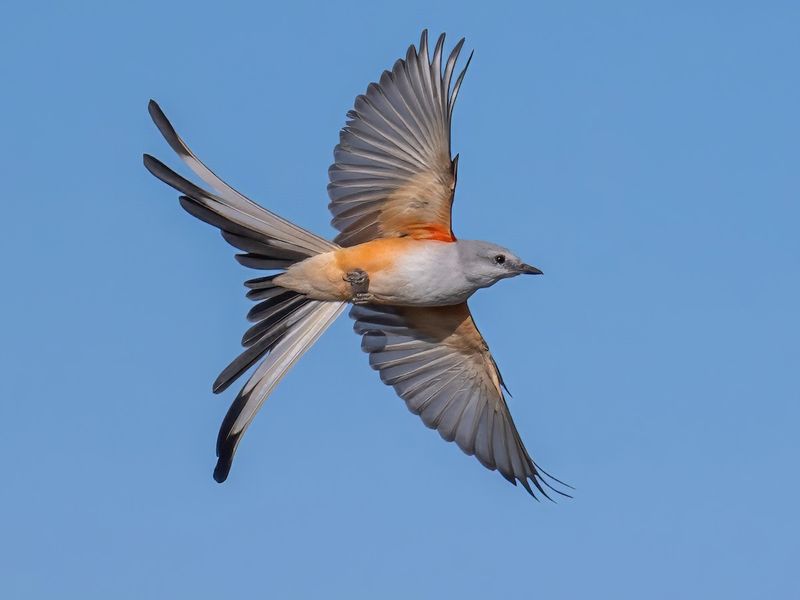
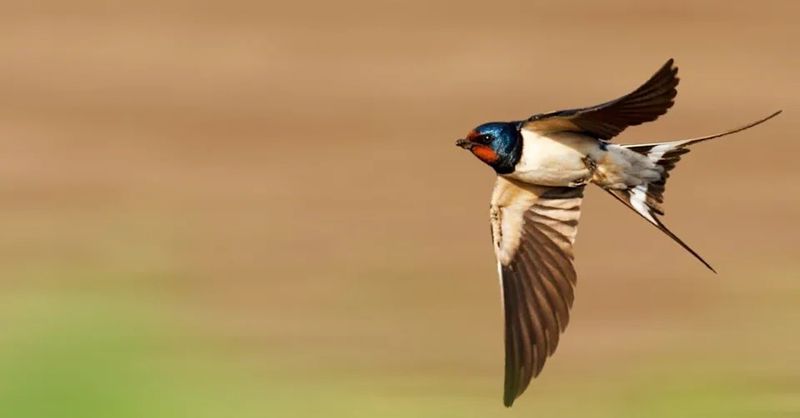
Swallows cutting back and forth across an open Arizona yard at lower altitudes than usual can be a striking sight, especially when the sky behind them is turning gray and heavy.
Aerial insectivores like swallows, swifts, and various flycatcher species adjust their foraging height and location based on where insects are available at any given moment.
When insect concentrations shift because of changing atmospheric conditions, these birds tend to follow.
In Arizona, species like the barn swallow, cliff swallow, and several flycatcher varieties are common sights during and around the monsoon season. Their foraging patterns can shift noticeably when wind, humidity, or temperature change the distribution of flying insects.
A yard that sits near open water, native flowering plants, or other insect-attracting features may suddenly see increased aerial activity as conditions change before a storm.
This behavior reflects the birds’ responsiveness to prey availability rather than a direct awareness that rainfall is approaching.
Swallows and swifts are highly efficient foragers that track insect concentrations with impressive precision, and their movements before a storm may simply reflect where the food happens to be during that particular window.
For Arizona homeowners, watching aerial insectivores work a yard or a nearby open space is one of the more visually dynamic parts of monsoon season.
Their activity offers a real-time view of how quickly the desert ecosystem responds to shifting conditions, even if it says little about exactly when or where the next storm will hit.
7. A Bird-Friendly Yard May Concentrate Activity In One Place
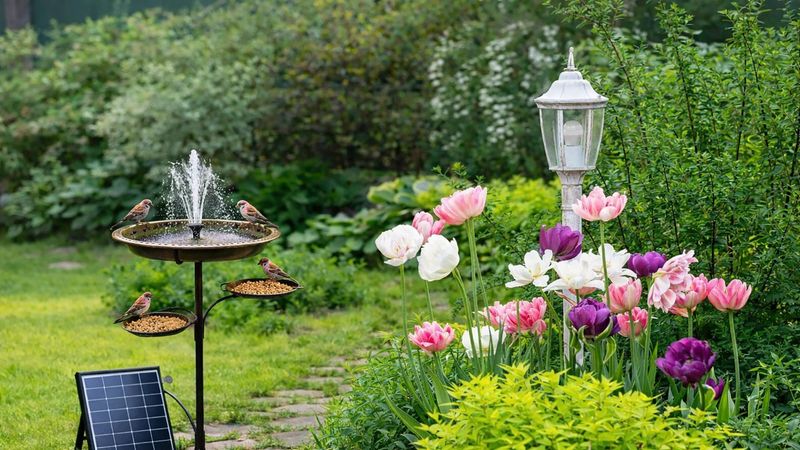
A yard that consistently offers food, water, cover, and open space tends to become a reliable stopping point for local birds, and when conditions shift, that concentration of resources becomes even more noticeable.
Native Arizona landscaping that includes layered vegetation, water-conscious plantings, and natural food sources can support a surprising variety of bird activity throughout the year.
During periods of changing weather, a yard like this may appear to become dramatically busier simply because it already attracts a steady stream of visitors.
Water features like shallow birdbaths can be particularly attractive during hot Arizona days, and University of Arizona guidance recommends refreshing and cleaning them regularly to prevent mosquito breeding and maintain sanitation.
A clean, reliable water source combined with native plants and some dense cover creates the kind of habitat structure that birds use routinely, not just before storms.
The result is a yard that sees concentrated activity under many different weather conditions.
When a gardener notices more birds than usual before a monsoon, the yard’s habitat quality may deserve at least as much credit as the approaching weather.
A space that has been thoughtfully planted with native or desert-adapted species will naturally draw birds seeking food and shelter whenever conditions prompt them to move.
That concentration of activity in one visible location can feel dramatic, but it often reflects the cumulative result of good habitat design rather than birds homing in on a particular yard because rain is coming.
8. A Busy Yard Is Not A Reliable Heavy-Rain Forecast
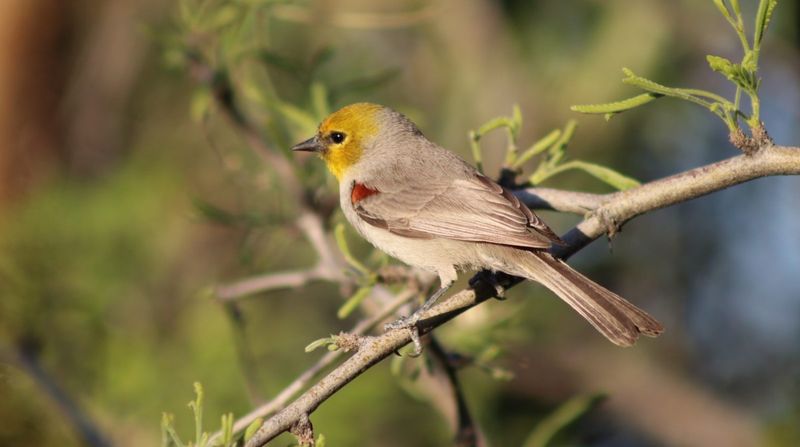
Watching a yard fill with birds as monsoon clouds build overhead is genuinely enjoyable, but it is not a substitute for checking the National Weather Service forecast for your Arizona region.
Bird activity varies with species, time of day, season, food availability, predator presence, temperature, wind, and a dozen other factors that have nothing to do with approaching rain.
Treating a busy yard as a storm signal can easily produce false confidence or unnecessary concern.
Arizona monsoon thunderstorms are famously localized and difficult to predict even with sophisticated meteorological tools. A storm that drenches one neighborhood may completely skip the next one over.
The birds moving through your yard cannot account for that kind of variability, and their behavior before one rainy afternoon will not necessarily match their behavior before the next one.
Individual birds also respond differently based on their species, age, condition, and prior experience with a particular habitat.
What a busy yard can offer is a rewarding window into desert ecology and how birds interact with a changing environment. Noticing that activity shifts before certain weather patterns is a legitimate and interesting observation.
Researchers continue to study how birds respond to atmospheric and environmental cues, and there is real science worth following in that area.
For practical storm preparation in Arizona, though, a weather app or a quick check of the National Weather Service outlook will always be more dependable than counting the birds at your feeder.