What North Carolina Gardeners Should Do With Cannas Now For Better Blooms Next Summer
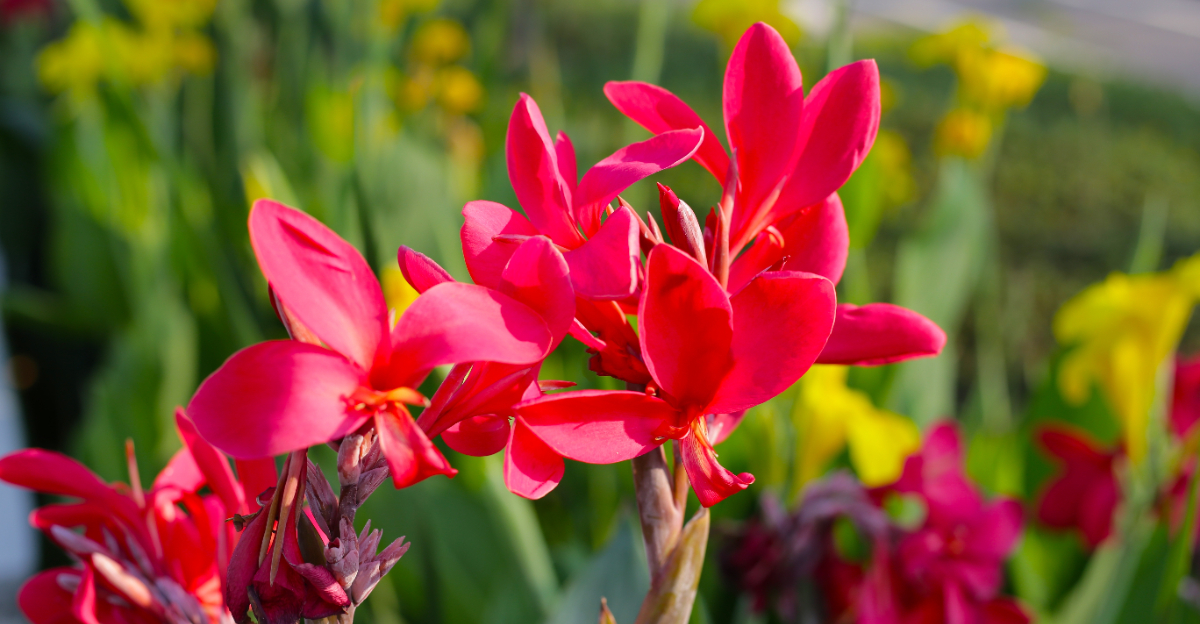
Cannas often get left alone once their summer blooms start fading, with most North Carolina gardeners assuming there’s nothing more to do until next year rolls around.
But what happens to these plants right now actually plays a much bigger role in next summer’s display than most people realize. Skipping a specific task during this window could mean noticeably fewer or smaller blooms compared to what’s actually possible.
It has nothing to do with fertilizer schedules, and everything to do with something most gardeners walk right past without a second thought.
Understanding what cannas genuinely need at this point in the season could completely change how full and vibrant next year’s blooms turn out to be.
Many gardeners only discover this connection after a disappointing summer display leaves them wondering what went wrong. A few minutes of attention now could make all the difference months from now.
1. Remove Spent Flowers Before They Make Seed
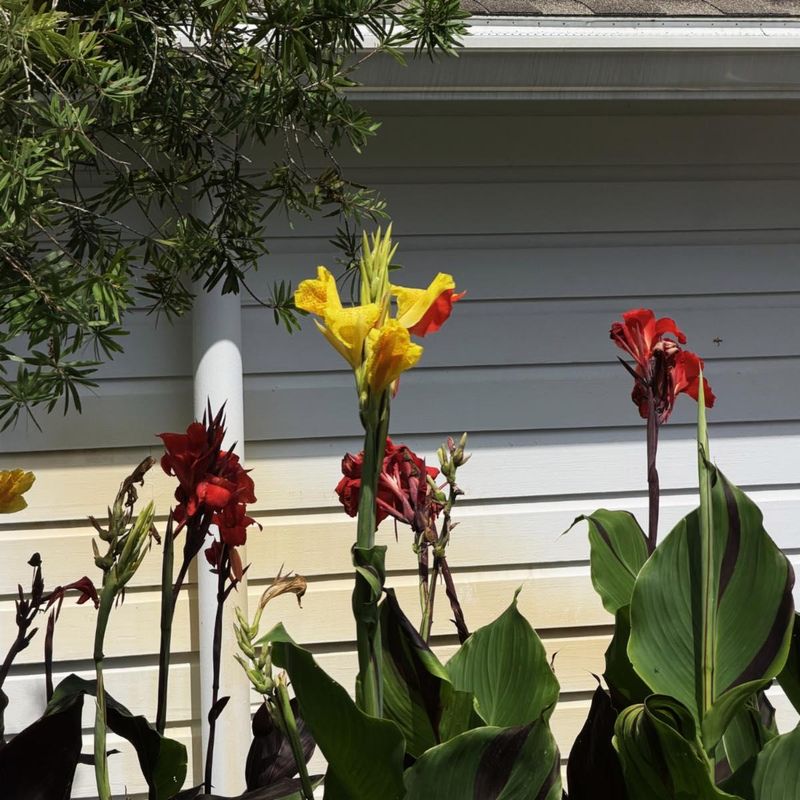
Faded canna blooms may look harmless, but they are quietly pulling energy away from your plant. Once a flower starts fading, it wants to turn into seed pods, and making seed takes a lot of effort.
When you snip off those tired flowers, you send a clear message to the plant. Instead of building seeds, it puts that saved energy into fresh buds and stronger roots below the soil.
Grab a clean pair of pruners and cut the spent bloom just below the flower cluster. Follow the stalk down to where new buds may be forming, and leave those alone so they can open later.
Many North Carolina gardeners find that regular deadheading keeps cannas blooming well into fall. The plant simply keeps trying to flower because you keep removing the parts that would slow it down.
This little habit also keeps your garden looking neat and tidy. Brown, mushy petals hanging on stalks can invite pests and spread spots to healthy leaves nearby.
Try walking through your canna bed once a week with your pruners in hand. A few quick cuts here and there make a big difference over a whole season.
The best part is that all this saved energy travels down into the rhizomes. Stronger rhizomes now mean bigger, bolder blooms when warm weather returns next summer, so your snipping today truly pays off later.
2. Leave The Healthy Leaves Alone
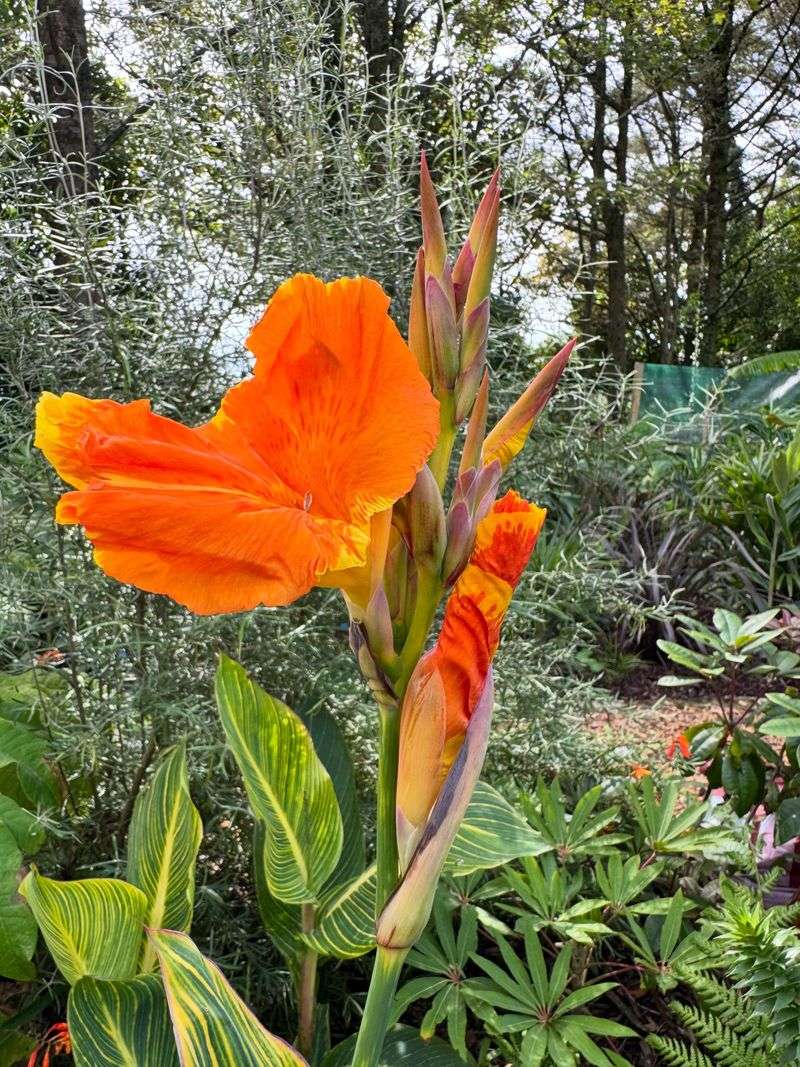
It can be tempting to tidy up your cannas by trimming leaves, but green foliage is doing important work. Those wide leaves act like little solar panels, soaking up sunlight and turning it into food.
All that food travels down to the rhizomes, the fat underground roots that store energy for next year. The more healthy leaves your plant keeps, the more fuel it packs away.
Cutting green leaves too early is like taking away the plant’s lunch. Without enough foliage, the rhizomes cannot grow plump and strong before cooler weather arrives.
In North Carolina, warm days often stretch well into October, so your cannas have plenty of time to keep working. Let them soak up every bit of that late-season sunshine.
Your North Carolina Garden Changes Every Week. Your Plan Should Too.
Gardening in North Carolina changes quickly throughout the season. Every Friday you’ll receive a simple weekly plan showing exactly what to plant, prune, fertilize, harvest, and protect so you never miss the right timing.
Only remove leaves that are truly damaged, spotted, or torn. Trimming away the bad ones helps the plant focus on the good foliage that still has plenty of life left.
Some gardeners worry that leaving big leaves looks messy near the end of summer. A quick cleanup of just the yellow or ragged ones keeps things neat without hurting the plant.
Think of this stage as a savings account. Every green leaf is making a deposit that your cannas will spend next spring.
Patience really matters here. By resisting the urge to prune too soon, you give your rhizomes the best chance to store energy and burst back with taller, fuller growth when the weather warms up again.
3. Keep The Soil Moist During Late Summer Heat
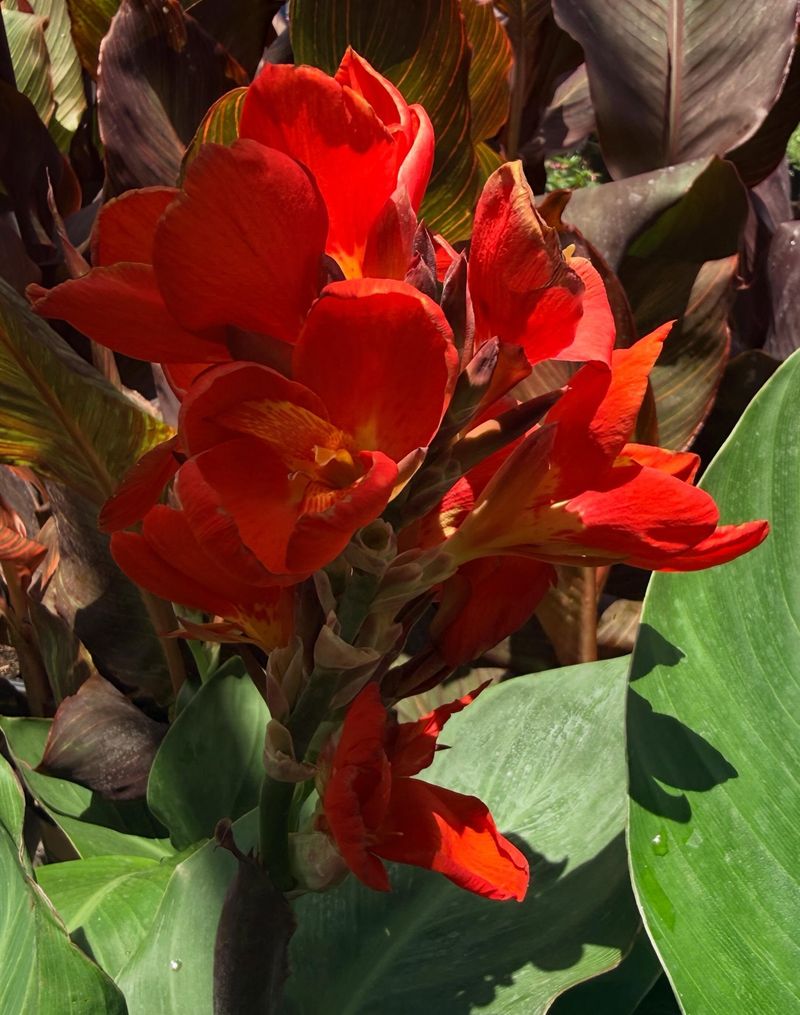
North Carolina summers can turn hot and dry fast, and cannas feel that stress just like we do. These plants love steady moisture, and they slow down when the ground gets too dry.
Native to warm, wet places, cannas thrive when their roots stay cool and damp. During a heat wave, checking the soil every few days helps you catch dryness before your plants wilt.
Stick your finger a couple inches into the soil. If it feels dry down there, give your cannas a deep drink rather than a light sprinkle.
Deep watering encourages roots to grow down where moisture lasts longer. Shallow watering only wets the top and leaves the lower roots thirsty.
Good drainage still matters, though. Cannas like moist soil, but they do not enjoy sitting in a soggy puddle for days, which can rot the rhizomes.
Adding a layer of mulch around the base helps hold water in and keeps the soil temperature steady. Mulch also cuts down on weeds that would compete for that moisture.
Morning is the best time to water because leaves dry out during the day. Wet leaves overnight can invite spots and fungus you would rather avoid.
Keeping your cannas well watered through the hottest weeks keeps them growing strong. Healthy growth now means the rhizomes stay plump and ready, setting the stage for a bright, bold flower show next summer.
4. Do Not Push Them With Heavy Fertilizer
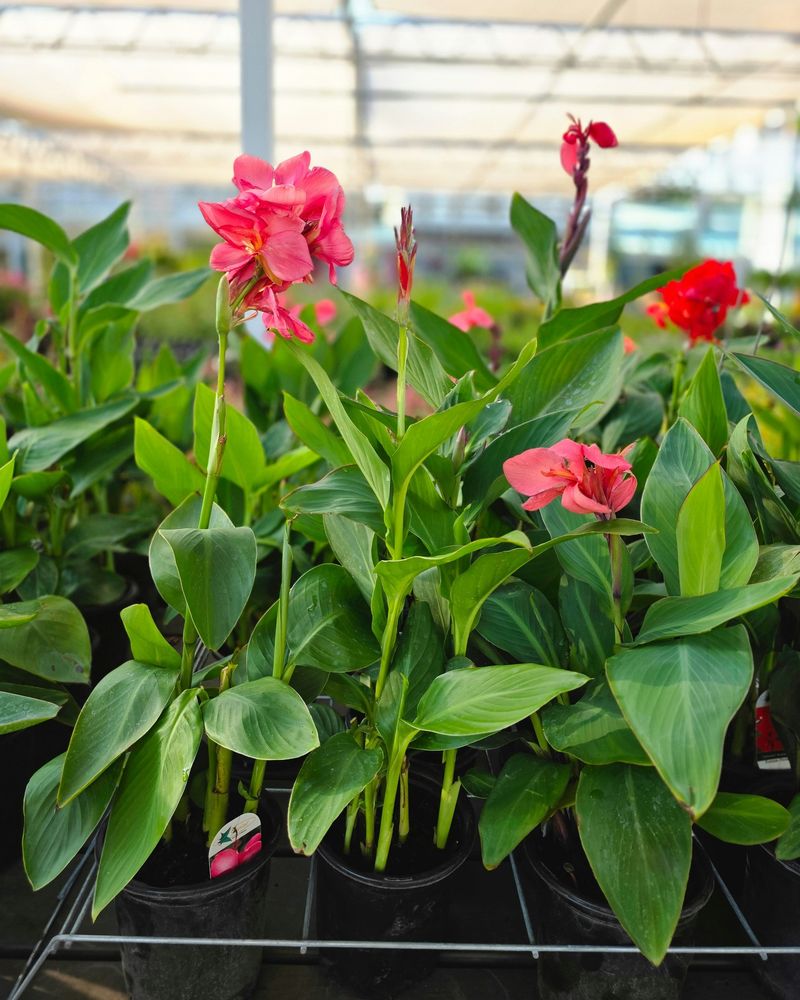
More fertilizer does not always mean more flowers, especially this time of year. Piling on heavy nitrogen in late summer can actually work against your cannas.
Nitrogen tells a plant to grow lots of leaves, but late-season leafy growth often stays soft and weak. That tender new growth struggles when cooler nights arrive.
Instead of feeding on a schedule, let your plants tell you what they need. Look at the color and shape of the leaves before you reach for any fertilizer.
Deep green leaves and steady growth usually mean your cannas are already happy. Pale, yellowish leaves might signal that a light feeding could help.
Your soil condition matters too. Rich, well-loved garden beds often hold plenty of nutrients, so extra feeding may be a waste of money and effort.
If you do decide to feed, choose a balanced fertilizer and use a light hand. A small amount goes further than you might think.
Late in the season, you want your cannas storing energy in their rhizomes, not shooting up floppy new stems. Easing off the fertilizer helps them focus on that underground savings account.
A simple soil test can take the guessing out of the whole thing. It shows you exactly what your garden has and what it might be missing.
By skipping the heavy feeding and reading your plants carefully, you keep your cannas balanced and healthy, ready to burst into a strong bloom when summer comes back around.
5. Check The Leaves For Trouble
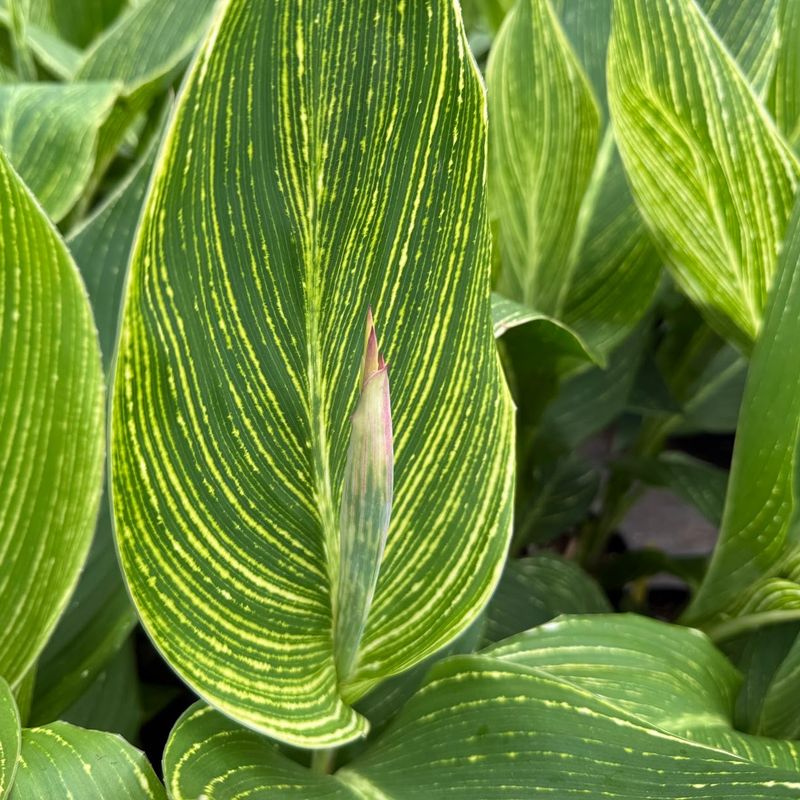
Late summer is prime time for pests to visit your cannas, so a quick inspection pays off. A few minutes of looking can save your plants from bigger problems.
Canna leafrollers are a common troublemaker in North Carolina. These small caterpillars fold leaves over themselves and chew away inside, leaving rolled, ragged foliage behind.
Japanese beetles also love cannas and can chew leaves into lacy skeletons. If you spot them, picking them off by hand and dropping them into soapy water works well.
Slugs come out when things stay damp, leaving slimy trails and chewed holes near the ground. Removing hiding spots like old leaves helps keep their numbers down.
While you hunt for bugs, keep an eye out for disease too. Brown or yellow spots, mushy patches, or a powdery coating can all signal trouble that spreads fast.
Snip off badly damaged or spotted leaves and toss them in the trash, not the compost pile. This keeps problems from moving to healthy plants nearby.
Checking the undersides of leaves matters, since many pests hide where you cannot easily see them. Flip a few leaves over during each inspection.
Catching issues early makes them much easier to handle. A small patch of leafrollers is simpler to fix than a whole bed full of chewed foliage.
Healthy leaves feed strong rhizomes, so protecting them now guards your future blooms. A little watchfulness today keeps your cannas thriving into next summer.
6. Wait For Frost Before Cutting Them Back

Patience really is a gardener’s best friend when it comes to cutting back cannas. As long as the leaves stay green, they keep feeding the rhizomes below.
Every warm day before the first frost gives your plants a chance to store more energy. Trimming healthy foliage early only cuts that process short.
In much of North Carolina, the first frost usually arrives sometime in fall, though the exact date changes by region. Watch your local weather so you know when cold nights are coming.
Once frost touches the plants, the leaves turn brown and soft, and that is your signal to act. At this point the foliage has finished its job for the year.
Grab clean, sharp pruners and cut the stalks down to just a few inches above the ground. Cutting on a dry day helps keep the cut ends from staying too wet.
Rake up and remove the old foliage from the garden bed. Leaving it behind can shelter pests and spores that cause problems next season.
Cleaning tools between plants is a smart habit too. It stops any disease from hitching a ride to healthy rhizomes still resting in the soil.
After cutting back, you can add a layer of mulch for extra protection, depending on where you live. This tucks the rhizomes in for their winter rest.
By waiting for that first frost and then tidying up, you close out the season the right way and set your cannas up for a fresh start.
7. Protect The Rhizomes According To Your Region
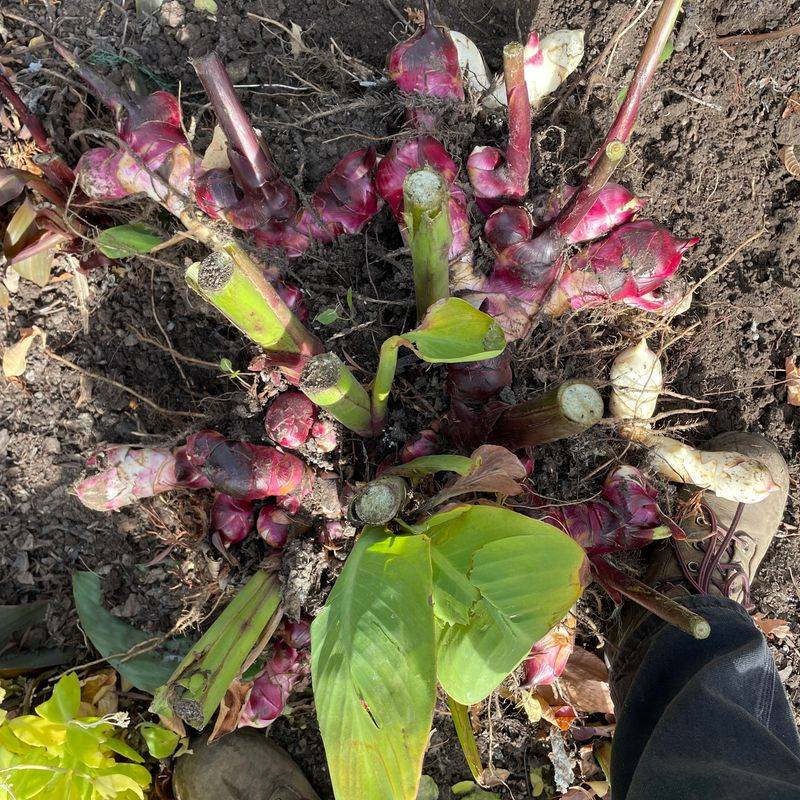
Where you live in North Carolina changes how you handle cannas over winter. The state covers a wide range of climates, from cool mountains to mild coastal areas.
In the colder mountain regions, freezing ground can harm rhizomes left in place. Gardeners there often lift them out to keep them safe through the coldest months.
To lift them, gently dig around the clump with a fork after cutting back the stalks. Shake off the extra soil and let the rhizomes air dry for a day or two.
Store the dried rhizomes in a box filled with peat moss, sawdust, or dry mulch. Keep the box in a cool, dark spot that stays above freezing, like a basement or garage.
Check on them a few times during winter to make sure they stay firm and healthy. Toss any that turn soft or moldy so they do not affect the rest.
In the warmer central and coastal parts of the state, many gardeners simply leave cannas in the ground. A thick blanket of mulch over the bed offers plenty of protection there.
Piling several inches of mulch or chopped leaves over the rhizomes shields them from surprise cold snaps. Pull some of it back in spring once the weather warms.
Knowing your region takes the guesswork out of winter care. Whether you lift and store or mulch and wait, protecting those rhizomes now guarantees a bright, bold return of blooms next summer.