The Ohio Watering Mistakes That Make Your Yard A Hotspot For Fungus After Rain
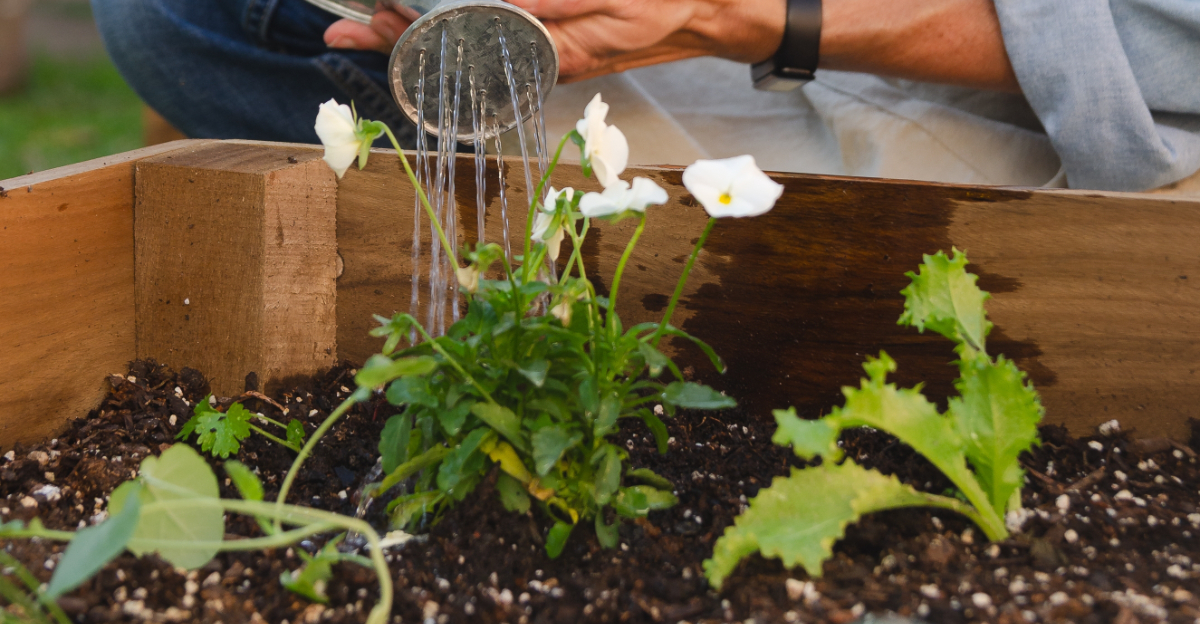
Rain should give your Ohio yard a break from the hose, yet some lawns and garden beds end up wetter than they can handle. The trouble often starts after the clouds clear, when familiar yard routines add more moisture to soil that already holds plenty.
Grass stays damp. Mulch traps water.
Shaded corners refuse to dry as fast as sunny spots. Before long, strange patches, spots, or fuzzy growth can appear where everything looked healthy days earlier.
Extra water may seem harmless during a warm stretch, but fungus thrives when moisture lingers where air and sunlight cannot clear it quickly. The frustrating part is how normal the habits behind the problem can feel.
You may follow the same routine that worked perfectly in June and get a very different result after heavy late-summer rain. Your yard does not always need more water just because the hose schedule says so.
1. Watering Again Before The Soil Dries
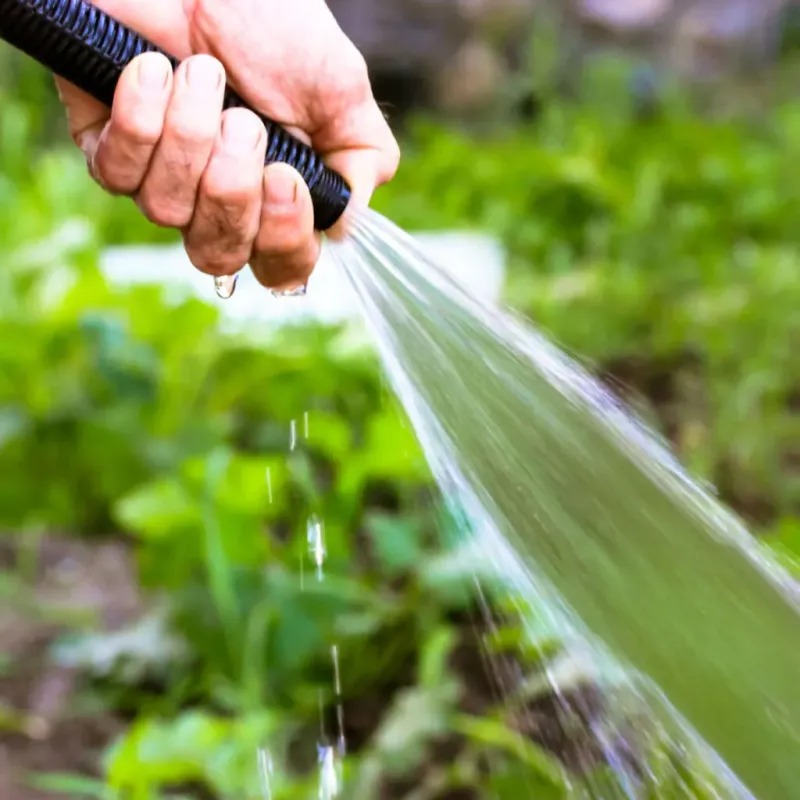
Grabbing the hose right after a rainstorm feels like the responsible thing to do, but it can backfire quickly. Rainfall may have already delivered more moisture than your plants can use.
Adding more water on top of wet soil keeps roots sitting in soggy conditions for longer than they need to be.
Persistently saturated soil can stress plant roots by limiting the oxygen they need to function well. Ohio State University Extension notes that healthy root systems depend on both water and air moving through the soil.
When soil stays waterlogged, roots struggle and become more vulnerable to certain pathogens that prefer wet environments.
Clay soils common across much of the state hold water far longer than sandy or loamy soils. Raised beds and containers drain differently from in-ground garden beds.
A pot sitting in full sun after rain may dry out fast, while a shaded clay bed can stay wet for days.
Rather than watering on a fixed calendar schedule, check actual soil moisture first. Push a finger two to three inches into the soil.
If it feels damp, hold off. A simple moisture meter can also take the guesswork out of the decision and help you avoid adding water your yard simply does not need yet.
2. Running Sprinklers After A Rainy Week
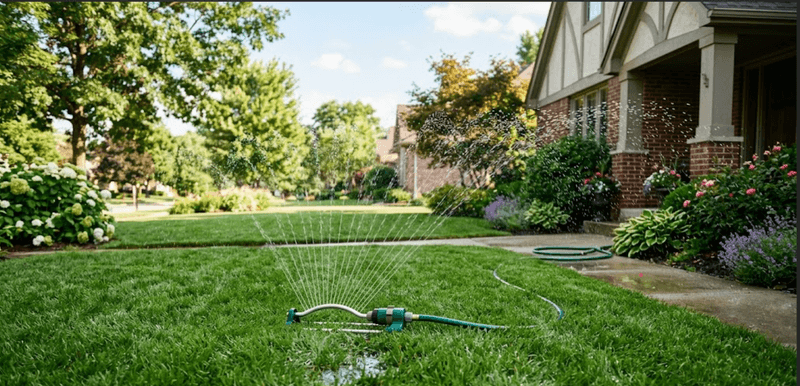
Automatic irrigation systems are genuinely convenient, but they can become a problem when the weather does the watering for you. A preset schedule does not know that it rained two inches yesterday.
Left unchecked, the system runs anyway, piling more moisture onto soil that is already full.
Overwatering after a rainy stretch does not just waste water. Foliage that stays wet for extended periods can face higher disease pressure from foliar pathogens already present in the environment.
Ohio State Extension turfgrass guidance recommends reducing unnecessary irrigation during wet periods. That is a practical step for managing conditions that can favor lawn disease.
Not every rainy week means irrigation should stop for the same number of days. Rainfall totals, temperatures, humidity, soil type, and plant variety all affect how quickly things dry out.
Your Ohio Garden Changes Every Week. Your Plan Should Too.
Gardening in Ohio changes quickly throughout the season. Every Friday you’ll receive a simple weekly plan showing exactly what to plant, prune, fertilize, harvest, and protect so you never miss the right timing.
A warm, breezy day after rain dries foliage and soil much faster than a cool, cloudy stretch.
Rain sensors are one practical solution. These small devices can pause an automatic system when measurable rainfall has occurred.
Some smart irrigation controllers go further by adjusting schedules based on local weather data. You do not need fancy technology to adjust watering after a wet week.
Manually checking conditions before each scheduled cycle puts you back in control.
3. Soaking Leaves Late In The Evening
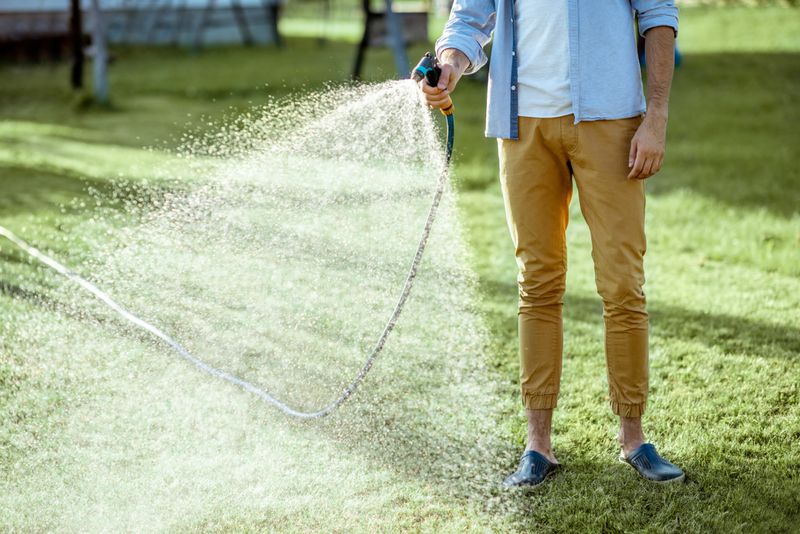
Leaf wetness is one of the most well-documented environmental factors in plant disease development. When foliage stays wet for many hours at a stretch, certain pathogens already present on leaf surfaces have more time to establish and cause infection.
Evening overhead watering is one of the most common ways this happens in home gardens.
Water applied late in the day has nowhere to go quickly. Cooler nighttime temperatures slow evaporation, and without sunlight, leaves can stay wet from evening until mid-morning the next day.
Ohio State University plant pathology resources consistently note that extended leaf wetness periods are a key factor in the development of many foliar diseases.
Morning is the preferred time for overhead irrigation according to Extension guidance. Watering early gives foliage several hours of daylight and airflow to dry before temperatures drop again at night.
This does not guarantee disease-free plants, but it does reduce one of the conditions that favor pathogen activity.
Evening watering does not automatically cause disease. A single late watering on a dry, breezy night may cause little harm.
The concern grows when it becomes a regular habit during wet, humid summers when disease pressure is already elevated. Adjusting your irrigation timer by just a few hours can meaningfully reduce how long leaves stay wet each night.
4. Using Overhead Watering On Dense Plants
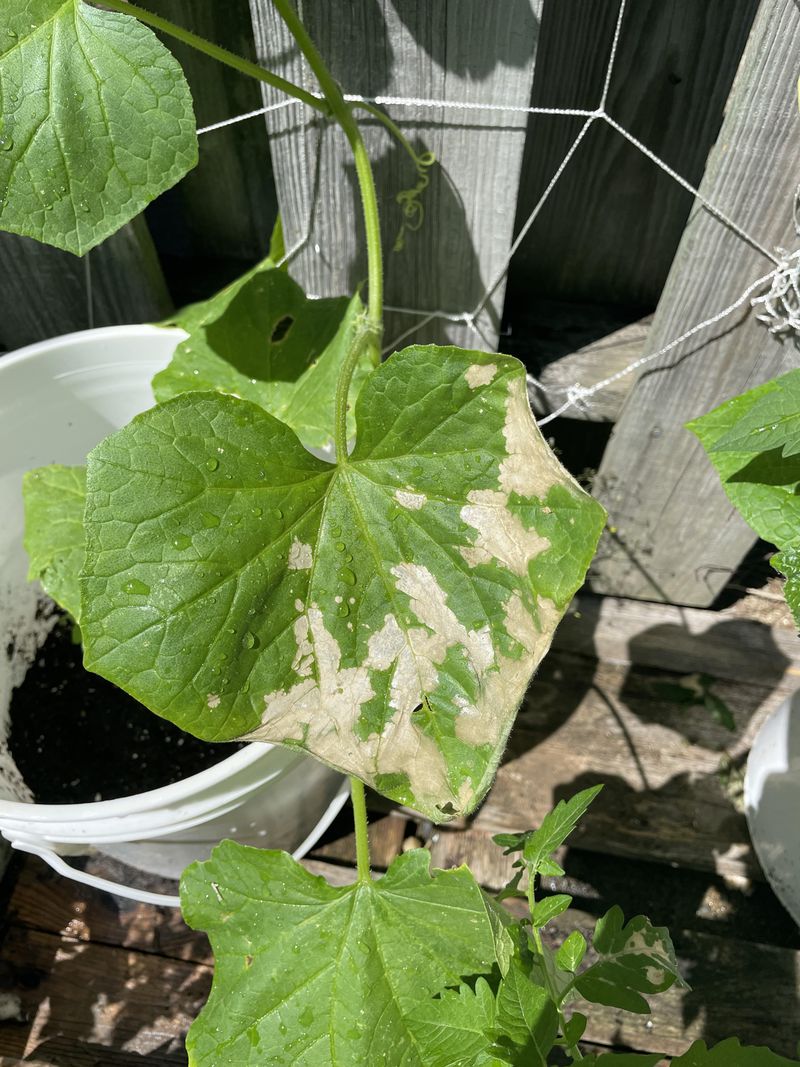
Crowded plantings create their own microclimate. When vegetables, flowers, or shrubs grow close together, air moves through them slowly.
Moisture that lands on the leaves inside a thick canopy has very little chance to evaporate quickly, especially during humid summers.
Overhead sprinklers and spray heads apply water broadly, wetting not just the soil but every leaf, stem, and flower they can reach. In dense plantings, the inner leaves and lower stems can stay wet for hours after watering ends.
Ohio State and other land-grant university resources link prolonged leaf wetness in crowded canopies to disease risk. Keeping foliage wet for long periods can raise the chance of foliar disease.
Drip irrigation and soaker hoses are practical alternatives for vegetable beds and dense flower borders. These methods deliver water directly to the soil near the root zone without wetting foliage at all.
Many Ohio gardeners find that switching to soil-level irrigation in their tomato and pepper beds makes a noticeable difference in leaf health over a full season.
Overhead watering is not always avoidable, and it is not always harmful. Spacing plants according to seed packet or nursery recommendations helps airflow reach inside the canopy.
Pruning lower leaves and thinning crowded growth can also help foliage dry faster after any type of watering or rainfall, reducing conditions that favor disease spread.
5. Giving Plants Tiny Drinks Every Day
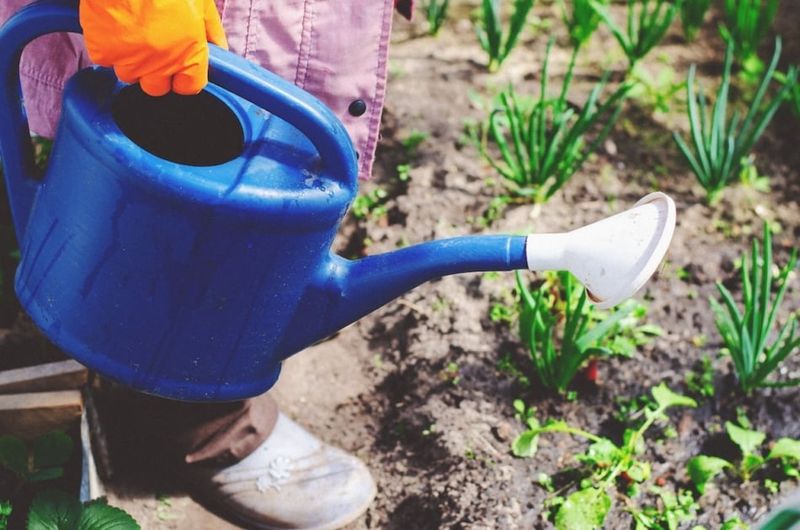
A quick sprinkle every afternoon seems kind, but shallow, frequent watering often does more harm than good over time. Small amounts of water tend to wet only the very top layer of soil, leaving the deeper root zone dry.
Roots naturally grow toward moisture, so they stay shallow when water never reaches deeper into the ground.
Keeping the soil surface constantly damp creates a zone of persistent moisture right where air, soil, and organic matter meet. Certain soilborne organisms and surface pathogens can be more active in that perpetually damp upper layer.
Ohio State Extension guidance on lawn and garden watering generally favors deeper, less frequent irrigation over daily light applications for established plants.
Deep watering encourages roots to follow moisture downward, which builds more resilient plants over time. Deeper roots access a larger reservoir of water and nutrients and are better positioned to handle both dry spells and brief wet periods.
Less frequent watering also gives the soil surface a chance to dry between cycles.
Containers and newly transplanted seedlings are real exceptions here. Pots can dry out much faster than garden beds, and young transplants have limited root systems.
Check them individually rather than applying the same schedule everywhere. Adjusting frequency based on what each plant type actually needs keeps your garden healthier without overcomplicating your routine.
6. Splashing Soil Onto Lower Leaves
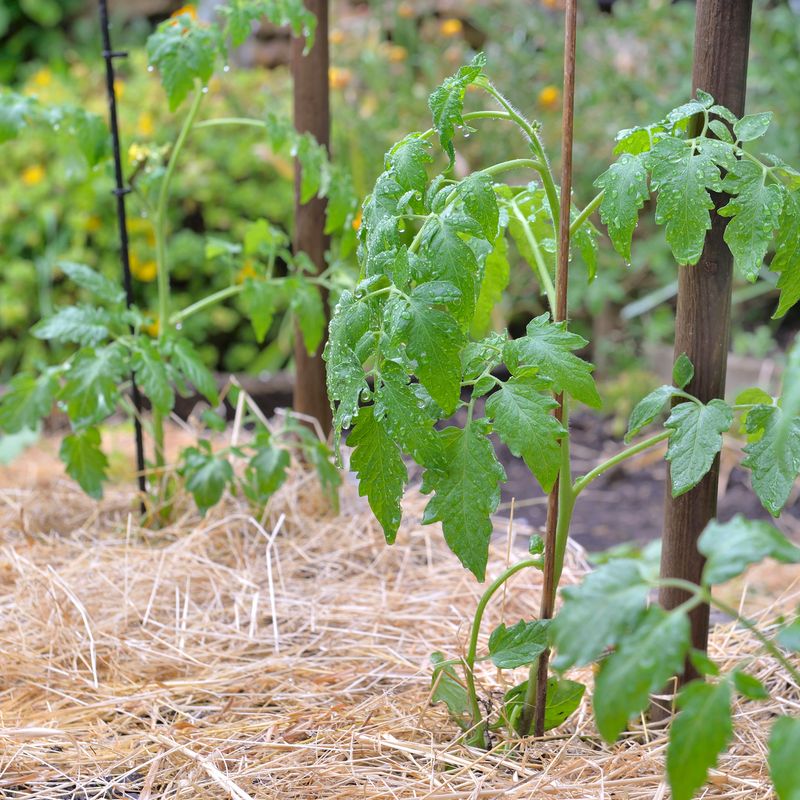
Soil splash may be one of the least noticed ways that disease pressure spreads through a garden. Rain and irrigation water hitting bare soil can fling tiny particles upward onto the lower leaves of nearby plants.
Those soil particles can carry pathogens that were already present in the ground or on decomposing plant material.
Lower leaves are especially exposed to this kind of splash. They sit close to the soil surface and are the first to get hit when water lands hard on bare ground.
Ohio State Extension and other land-grant resources identify splash dispersal as a documented disease pathway. It can carry soilborne and surface-dwelling pathogens onto plant foliage.
Septoria leaf spot on tomatoes is one example where splash is a recognized factor in disease spread, according to Ohio State CFAES resources.
Rainwater and overhead irrigation can both contribute to that movement, particularly on plants with foliage close to the soil.
Keeping lower leaves trimmed back reduces the surface area exposed to direct splash.
Mulch applied around the base of plants can significantly reduce soil splash during heavy rain or irrigation. A two-to-three-inch layer of straw, shredded leaves, or wood chips cushions the impact of falling water and keeps soil from flinging upward.
Using a gentle, soil-directed watering method instead of a strong spray also limits how far particles travel during each watering session.
7. Keeping Poorly Drained Beds Saturated
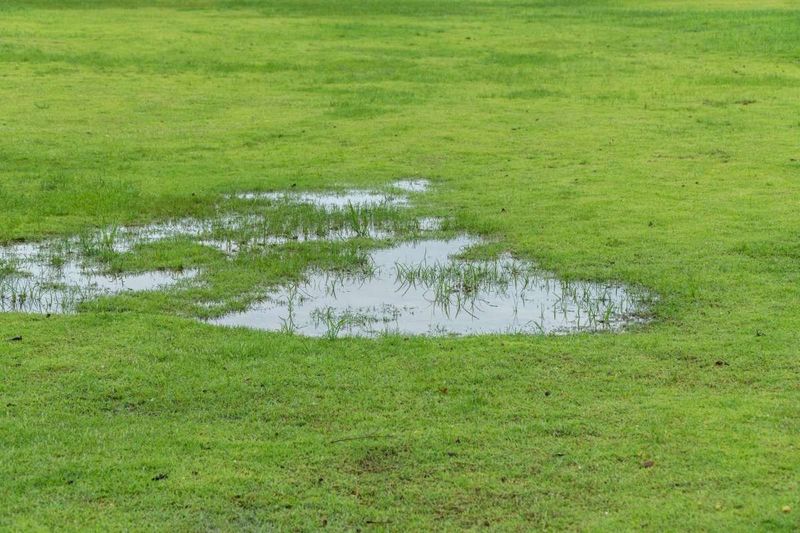
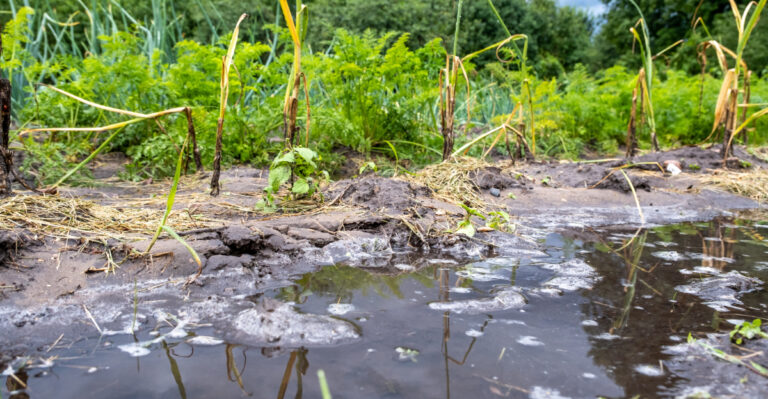
Puddles that linger two days after a storm are a clear sign that something is off with drainage. Low spots, compacted soil, and heavy clay can all slow water movement through the ground significantly.
Add regular irrigation on top of those conditions, and some beds may never fully dry between waterings.
Roots sitting in saturated soil for extended periods face real stress. Oxygen-starved roots become weaker and less able to resist certain pathogens that thrive in persistently wet conditions.
Ohio State University Extension notes that compacted or poorly structured soil has less pore space. That limits how freely water and air can move through the root zone.
Clay soils are common across Ohio and are not inherently unhealthy. Managed well, clay holds nutrients effectively and supports strong plant growth.
The problem arises when clay combines with low spots, heavy rainfall, and continued irrigation to create beds that stay soggy far longer than plants can tolerate.
Reduce or pause irrigation in low-lying areas after rain and choose plants suited to wetter conditions. You can also improve bed structure over time by adding organic matter.
Raised beds can help in areas with persistent drainage problems. Addressing the drainage itself, rather than just watering less, tends to produce more lasting results for garden beds that flood repeatedly every season.
8. Treating Shade Like A Sunny Garden
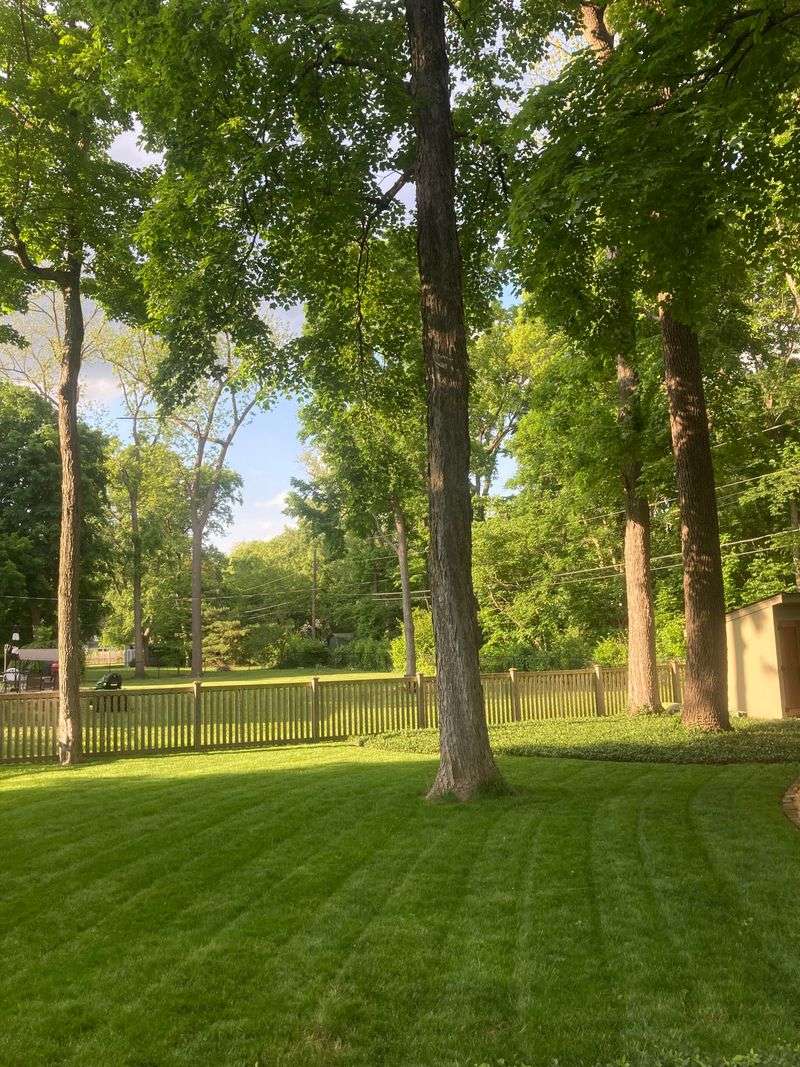
Shaded corners of the yard play by different rules than open, sunny beds. Less direct sunlight means less evaporation, and that adds up quickly after a rainy period.
A bed tucked under a large tree or along a north-facing fence may still feel wet two or three days after rain, even when the sunny garden nearby has dried out completely.
Applying the same irrigation schedule to shaded and sunny areas is a common oversight. Shaded beds often need far less supplemental water than open lawn areas, especially after rain.
Foliage in shaded areas tends to dry more slowly after overhead watering. That can extend leaf wetness and create conditions that favor certain foliar diseases already present.
Shade does not always mean wet, though. Tree roots compete aggressively for soil moisture and can actually leave some shaded beds surprisingly dry.
Slope, wind exposure, and soil type all affect how quickly a shaded spot dries after rain. Assuming every shaded area is either always wet or always dry leads to watering decisions that miss the mark.
Checking actual soil moisture in each distinct area of the yard is the most reliable approach. A finger test or a basic moisture meter takes only seconds and gives you real information instead of guesswork.
Smart watering means responding to the actual condition of the soil. Avoid running every zone on the same schedule regardless of sun, shade, or recent rainfall.