What To Do When Copperheads Start Moving Through Maryland Yards In September
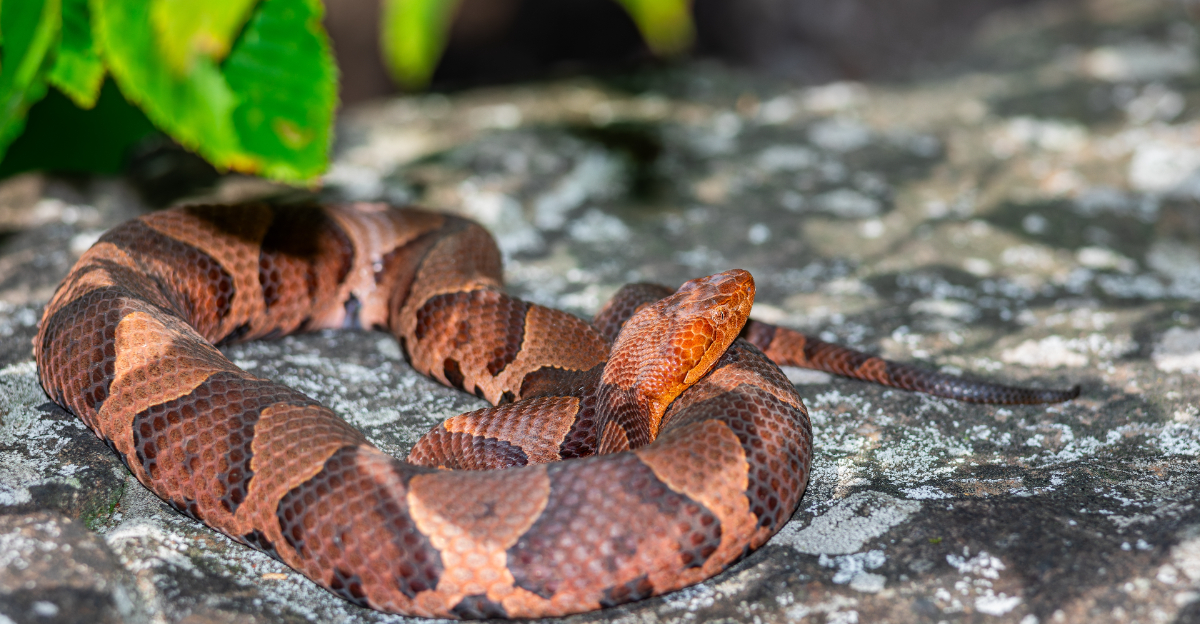
Danger doesn’t knock before it slides quietly into your lawn this month. Copper-toned scales flatten against fallen leaves, vanishing completely before you even notice.
Maryland yards look harmless until you spot the telltale pattern hiding in the mulch. Cooler temperatures turn woodpiles and stone edges into prime, sheltered hiding spots.
Backyard chores suddenly carry far more risk than you expected this season. Raking leaves or reaching blindly under the deck could put your hand exactly where you don’t want it.
Homeowners across Maryland who catch this seasonal timing early stay well ahead of trouble. You need to know exactly what’s moving through your own yard before it finds you first.
1. Clear Brush Piles And Stacked Firewood Away From The House
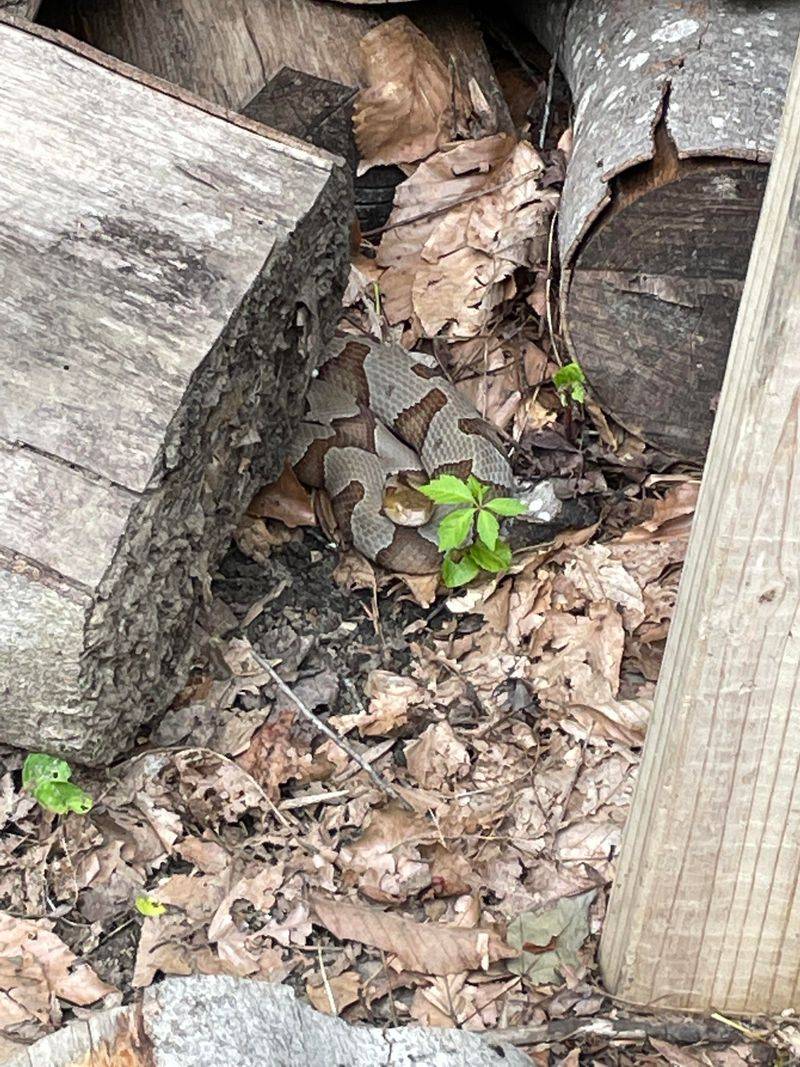
Brush piles are basically five-star hotels for copperheads moving through Maryland yards in September. They offer shade, moisture, and a steady supply of mice and frogs to snack on.
Firewood stacked against your foundation is one of the most common attractants in any suburban backyard. The gaps between logs create perfect hiding spots that snakes can slip into within seconds.
Moving your woodpile at least 20 feet from the house is a simple fix with a big payoff. Stack wood on a raised platform if possible, so airflow runs underneath and rodents cannot nest inside.
Brush piles left over from summer pruning should be bagged and removed, not just relocated to another corner of the yard. Distance alone won’t solve the problem if the pile still offers shade and cover.
Wear thick leather gloves every single time you move debris or handle wood. Snakes rest inside stacks during daylight hours, and your hand reaching in will surprise them fast.
Check the ground around each pile before you grab anything. Look for the hourglass pattern on copper-toned skin before you commit your fingers to the task.
Keeping the area around your home clean and open removes the cover snakes rely on for safety. Less cover means fewer snakes willing to linger near your back door.
Inspect the ground beneath any woodpile you plan to relocate, since copperheads sometimes settle into loose soil for extra cover. A quick visual sweep before you start moving anything keeps your hands out of harm’s way.
Fall cleanup is the perfect time to tackle this task, since fewer bugs and cooler air make yard work more bearable. Clearing debris now also means less to deal with once spring growth picks back up.
2. Cut Back Tall Grass Along Foundations And Fence Lines
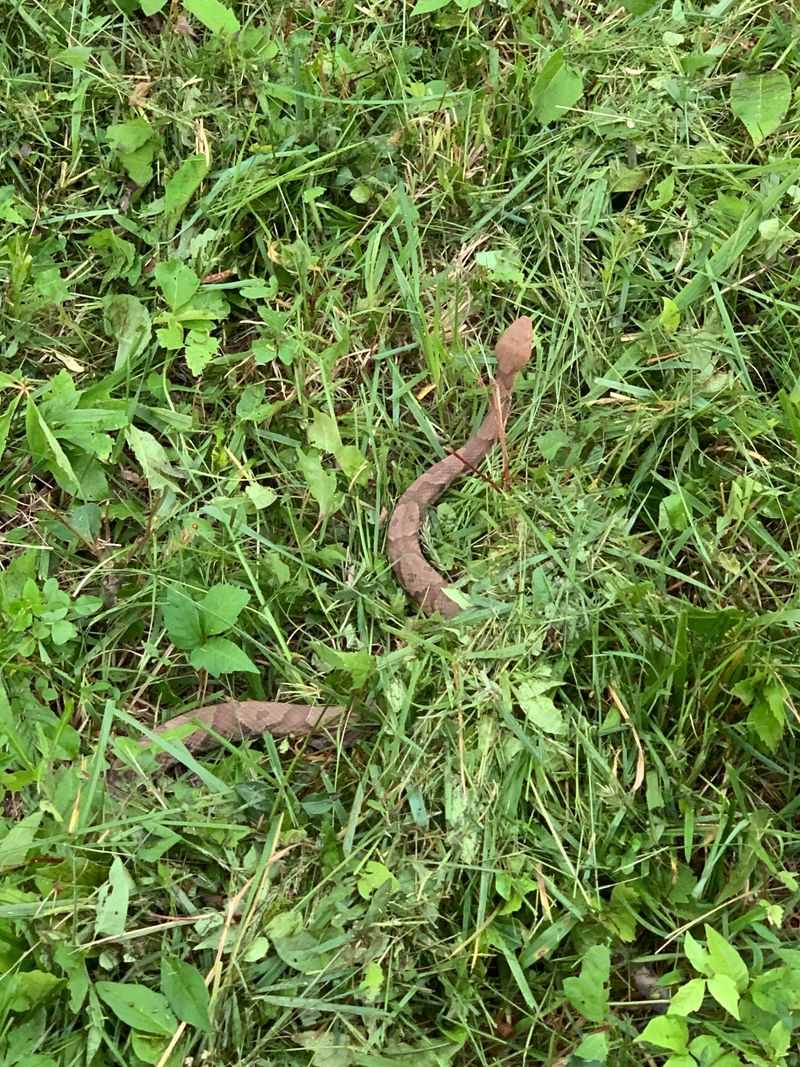
Tall grass is a copperhead’s best friend on a warm September afternoon. The thick blades hold heat, hide movement, and give a snake complete cover while it waits for prey to pass by.
Fence lines are especially tricky because they often get skipped during regular mowing. Grass grows dense and tall along fence posts, creating a corridor that snakes travel through without ever being seen.
Trim everything within three feet of your foundation down to a short, tidy height. Low grass forces snakes into the open, where they feel exposed and tend to move on quickly.
Your Maryland Garden Changes Every Week. Your Plan Should Too.
Gardening in Maryland changes quickly throughout the season. Every Friday you’ll receive a simple weekly plan showing exactly what to plant, prune, fertilize, harvest, and protect so you never miss the right timing.
A string trimmer works well along fence lines where a mower cannot reach. Run it weekly through September, since grass regrows fast and snakes return to familiar paths.
After trimming, rake up all the clippings and remove them from the yard. Clumped grass on the ground acts just like a brush pile and can attract the same unwanted visitors.
Pay close attention to the corners where fences meet the house or meet each other. Those right-angle spots collect leaves and debris and become sheltered resting spots for snakes moving through.
A tidy yard edge is one of the most underrated forms of snake prevention available to any homeowner. The less cover your yard offers, the less reason a copperhead has to stick around and settle in.
Mowing height matters as much as mowing frequency when it comes to snake deterrence. Set your mower blade lower along property edges, since taller grass near structures gives snakes more confidence to linger.
3. Remove Bird Seed And Pet Food That Draws Rodents
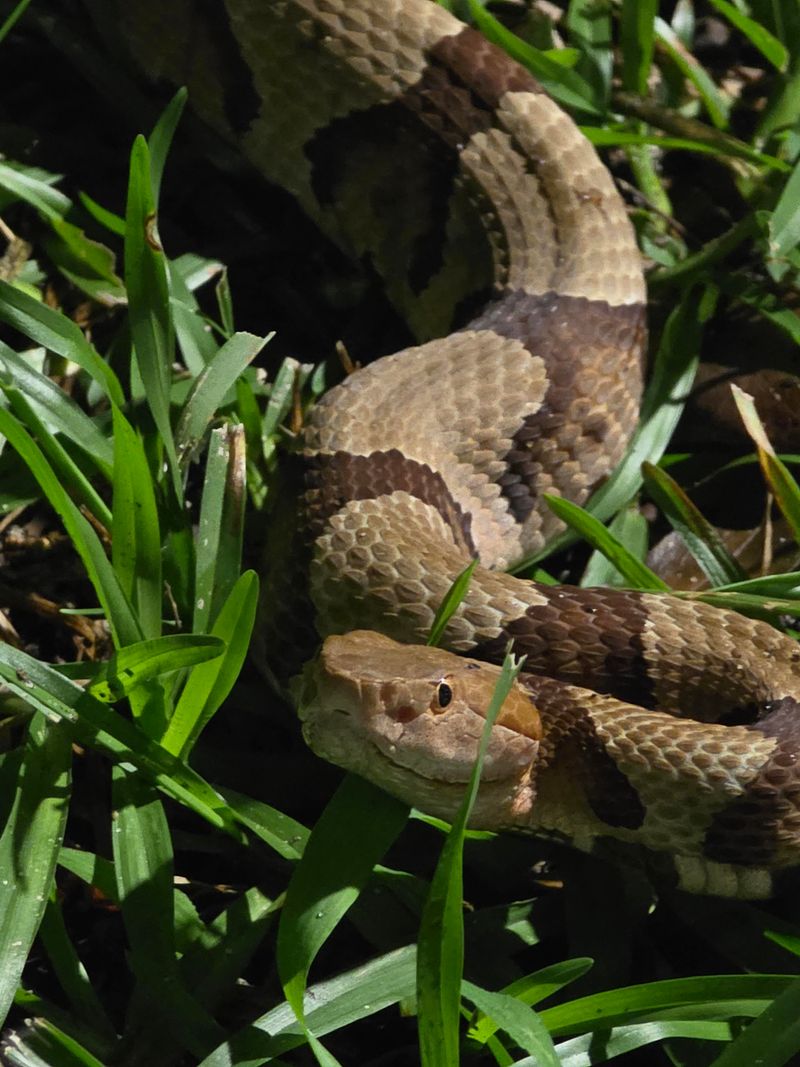
Copperheads do not care about your bird feeder. They care about the mice that show up to eat the seeds spilled underneath it every single night.
Rodents are a primary food source for copperheads moving through yards in September. Wherever mice and voles gather, snakes are not far behind, patiently waiting in the shadows.
Switch to a no-waste birdseed blend that birds actually finish off, leaving nothing behind on the ground. Hull-free mixes are a smart choice because they drop almost no debris for rodents to scavenge.
Pet food left outside is another silent rodent invitation that most homeowners overlook. Even a small bowl of kibble left on the porch overnight can draw mice from several houses away.
Feed pets indoors whenever possible, or pick up the bowl as soon as your dog or cat finishes eating. Avoid leaving food sitting outside after dark, since that is when mice are most active.
Store birdseed in a sealed metal container rather than a plastic bag or cardboard box. Mice chew through soft materials easily, and a breached container becomes a buffet that lasts for weeks.
Cutting off the rodent food supply takes a few weeks to show results, so start now. Fewer mice in your yard means fewer reasons for a hungry copperhead to hang around through October.
Compost piles deserve the same scrutiny as bird feeders, since food scraps draw the same rodent traffic. Turning your compost regularly and covering it with a secure lid keeps mice from setting up a permanent buffet.
4. Seal Gaps Under Sheds, Decks And Crawl Spaces
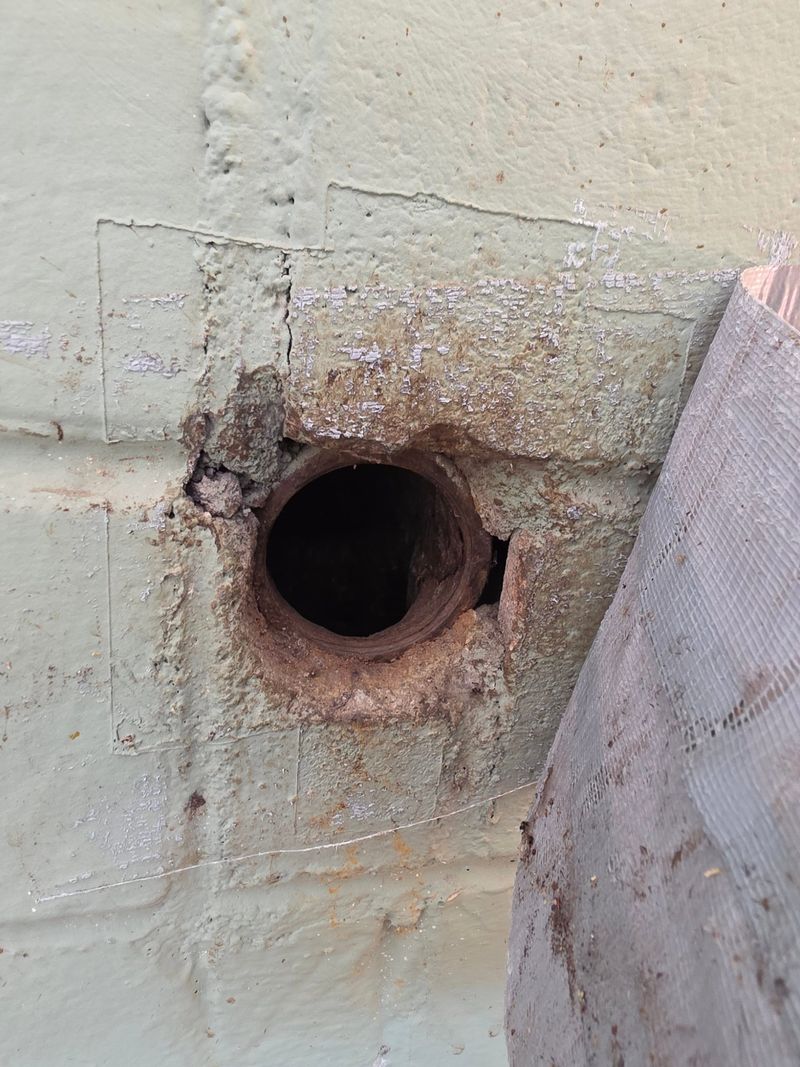
A narrow gap is all a copperhead needs to slip under your deck and disappear. Sheds, decks, and crawl spaces are prime overwintering spots that snakes scout out in September.
Once a snake finds a warm, sheltered void beneath a structure, it may return year after year. Sealing those entry points now prevents a much bigger problem come spring.
Hardware cloth with a quarter-inch mesh is the best material for blocking gaps under sheds and decks. It is sturdy, rust-resistant, and small enough to stop snakes without trapping moisture underneath.
Dig a shallow trench around the perimeter of the structure before attaching the mesh. Burying the bottom edge a few inches underground stops snakes from pushing under the barrier at ground level.
Check crawl space vents for damage or missing screens before October arrives. A broken vent cover is an open invitation that leads straight into the warmest part of your home’s foundation.
Foam sealant works well for small cracks in concrete or wood, but it should be used alongside mesh, not instead of it. Snakes can push through soft foam if they are determined enough to try.
Walk the perimeter of every outbuilding on your property and probe for gaps with a flashlight. Finding and closing one entry point this weekend could keep your shed snake-free all winter long.
Inspect these gaps again after heavy rain or wind, since storms can shift mesh or loosen trench soil. A five-minute check after bad weather saves you from redoing the whole job later in the season.
5. Light The Walkways You Use After Sunset
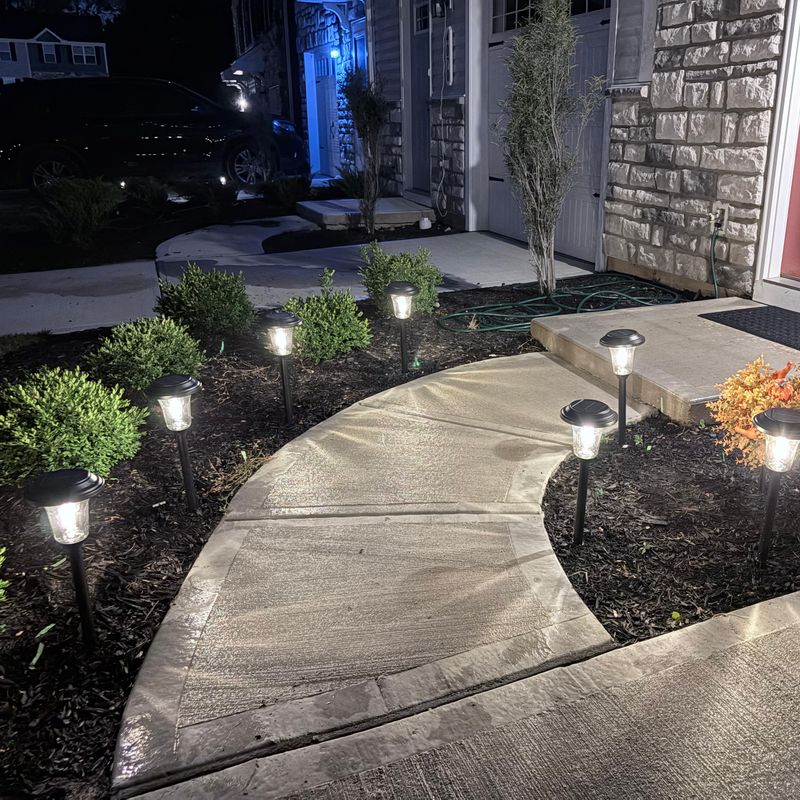
Copperhead bites often happen in low-light conditions when people cannot see where they are stepping. A snake resting on a warm stone path at night is nearly invisible without good lighting.
September evenings cool down fast, and snakes move onto paved surfaces to absorb the heat stored in concrete and stone. Your favorite shortcut to the garage might be someone else’s favorite warming spot.
Solar-powered path lights are an easy, affordable upgrade that requires no wiring or electrician. Place them along every walkway, step, and garden path you use regularly after sunset.
Motion-activated floodlights are worth adding near the back door and around the shed entrance. The sudden burst of light startles snakes and makes it easy for you to spot one before stepping close.
Avoid walking barefoot outside at night during September, even on your own porch or patio. Flip-flops offer almost no protection, so wear closed-toe shoes every time you step outside after dark.
Carry a flashlight or use your phone’s light when heading to areas that are not well-lit. Shining it a few feet ahead gives you enough time to stop and change direction safely.
Good lighting does not just help you spot snakes; it also helps you see where you are placing your hands when setting something down on a ledge or railing. That one extra second of visibility often makes the difference.
Reflective tape along steps and railings can extend the reach of any light source you install. It gives you a split-second head start on spotting movement before your foot ever lands.
6. Check Mulch Beds Before Reaching In With Bare Hands
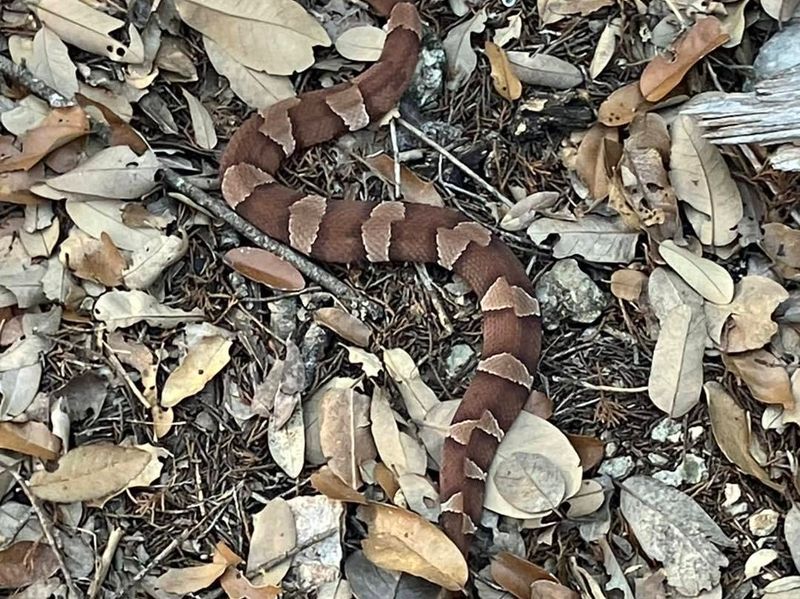
Mulch beds feel like a trap waiting to happen in September, and copperheads take advantage of it. The loose material stays moist and cool on top while holding warmth underneath, which is exactly what a resting snake wants.
Gardeners who love their flower beds often reach in without thinking, pulling weeds or planting bulbs by feel alone. That habit is worth breaking before the season gets any further along.
Wear thick gardening gloves before touching any mulch, leaf litter, or ground cover. Leather or reinforced rubber gloves are better than thin fabric ones, which offer little real protection.
Use a long-handled garden tool to disturb the mulch surface before reaching in with your hands. A rake or cultivator pulled across the bed will prompt any hidden snake to move before you get close.
Work slowly and look before every hand placement. Copperheads are so well camouflaged against brown mulch and dry leaves that even experienced gardeners miss them at first glance.
Keep your beds thinned to no more than three inches of mulch depth. Thick, deep layers create a dark insulated world beneath the surface that snakes find especially appealing during cooler fall nights.
Replacing wood chip mulch with river rock or rubber mulch in high-traffic garden areas is worth considering. Hard, loose stone offers far less shelter and warmth, making those beds much less attractive to any snake passing through your yard this fall.
Rotate which sections of your mulch beds you disturb first, working from the edges inward rather than diving into the center. This gives any resting snake a clear path to retreat before you get close.
7. Know The Steps To Take If Someone Is Bitten
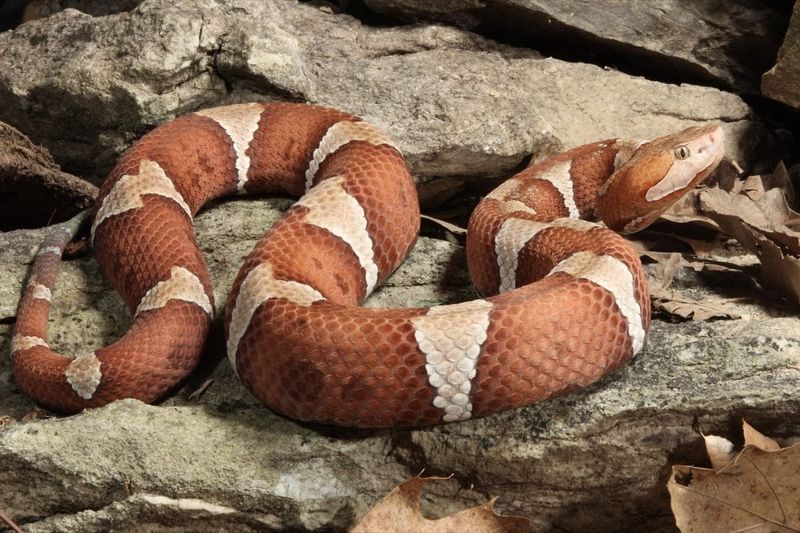
A copperhead bite is serious, but healthy adults rarely face life-threatening outcomes when treated quickly. Knowing exactly what to do in the first few minutes can make a real difference in recovery time.
The moment a bite happens, move the person away from the snake and keep them calm. Panic raises the heart rate, which speeds up how fast venom spreads through the body.
Call 911 or drive directly to the nearest emergency room without stopping. Do not wait to see if symptoms develop, because swelling and tissue damage can begin within minutes of the bite.
Remove any rings, watches, or tight clothing near the bite site right away. Swelling happens fast, and constricting items can cut off circulation to fingers, wrists, or ankles very quickly.
Keep the bitten limb at or slightly below heart level while traveling to the hospital. Raising it above the heart can accelerate venom movement, which is the opposite of what you want.
Avoid cutting the wound, trying to suck out venom, or applying a tourniquet. Those old-school remedies cause more tissue damage and do nothing to remove venom from the bloodstream.
Antivenom is available at most Maryland hospitals and works best when given early, so speed matters above everything else. Your best protection stays awareness, preparation, and a clear plan before anything goes wrong.
Save the Maryland Poison Center number in your phone before an incident happens, not during one. Having it ready removes a step of searching while every second counts.