The Sweet Smelling Pennsylvania Plants For Indoors
There is a particular kind of pleasure that comes from a home that smells genuinely wonderful, not from a candle or a diffuser or a spray, but from something living.
A plant releasing fragrance that drifts through a room on its own, that changes slightly with the temperature or the time of day, that connects the indoor space to something natural and unhurried.
The right fragrant houseplant does this in a way no synthetic scent ever quite replicates. Pennsylvania homes have specific indoor conditions worth considering when choosing fragrant plants.
The long winters, the lower light levels through certain months, the dry indoor air that comes with central heating.
Fragrant plants that thrive indoors in these conditions are a more specific category than most people realize, and knowing which ones deliver both beautiful scent and genuine indoor performance in Pennsylvania removes a lot of the guesswork.
Some of these plants have been perfuming homes for centuries. Others are less familiar but equally rewarding once you know what they need.
Here are the sweet smelling plants that thrive indoors in Pennsylvania homes and exactly why each one earns its place.
1. Gardenia
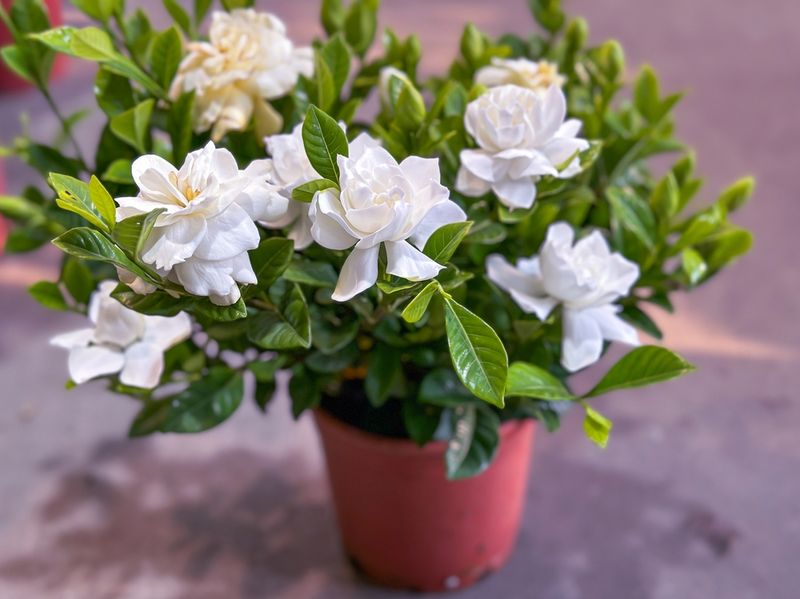
Few scents in the plant world are as instantly recognizable as the rich, creamy perfume of a Gardenia in full bloom. The white flowers are bold and waxy, and just one open blossom can fill an entire room with a sweet, almost tropical fragrance.
Gardenias have long been a favorite for bouquets, corsages, and home gardens, and for good reason.
Growing Gardenia indoors in Pennsylvania takes a little extra effort, but the reward is absolutely worth it. These plants need bright light, so place them near your sunniest window.
A south or west-facing window works best, especially during the shorter winter days when sunlight is limited.
Keep the temperature steady and avoid placing the plant near heating vents or cold drafts, because sudden temperature changes can cause buds to drop before they open.
Humidity is one of the biggest challenges for indoor Gardenias. Pennsylvania homes tend to get dry in winter, so consider using a small humidifier nearby or setting the pot on a tray filled with pebbles and water.
Mist the leaves lightly, but avoid getting water directly on the flowers. Water regularly but carefully, keeping the soil moist without letting it get soggy.
Feed your Gardenia with an acidic fertilizer during the spring and summer growing season. Yellow leaves often signal that the soil pH is too high, so check that as well.
With consistent care and attention, your Gardenia will reward you with blooms that make your whole home smell absolutely wonderful.
2. Arabian Jasmine
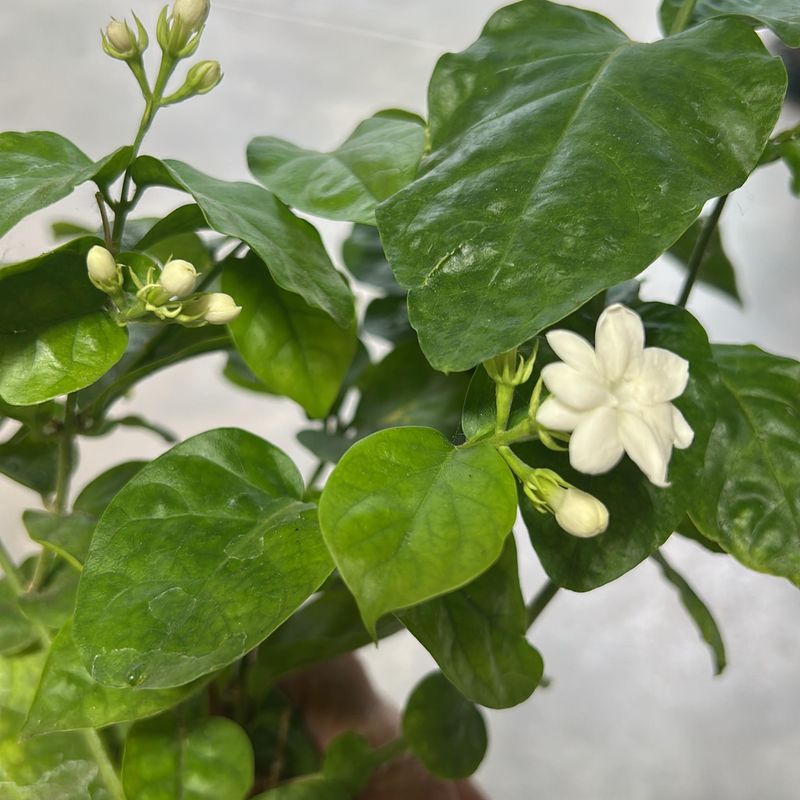
Arabian Jasmine carries one of the most beloved floral scents in the world. The small, star-shaped white flowers release a rich, sweet fragrance that has been used in perfumes and teas for centuries.
In many Asian cultures, the flowers are woven into garlands or floated in water as a symbol of beauty and grace. Bringing this plant indoors gives your Pennsylvania home a touch of something truly special.
Your Pennsylvania Garden Changes Every Week. Your Plan Should Too.
Gardening in Pennsylvania changes quickly throughout the season. Every Friday you’ll receive a simple weekly plan showing exactly what to plant, prune, fertilize, harvest, and protect so you never miss the right timing.
Indoors, Arabian Jasmine performs best near a bright window where it can soak up several hours of direct sunlight each day. A south or east-facing window is ideal.
The plant is a natural climber, so giving it a small trellis or letting it wind around a support adds a lovely visual element to any room. Keep the soil evenly moist during the growing season, and reduce watering slightly in winter when growth slows down.
Temperature matters a lot for this plant. Arabian Jasmine prefers warm conditions and does not like cold drafts or temperatures below 55 degrees Fahrenheit.
During Pennsylvania winters, keep it well away from cold windowpanes and exterior doors. A little warmth goes a long way in keeping it happy and blooming.
Fertilize every two weeks during spring and summer with a balanced liquid fertilizer to encourage strong growth and plenty of blooms. Pruning after the flowering period helps keep the plant tidy and promotes new growth.
Once you experience the sweet, heady scent of Arabian Jasmine drifting through your home, you will understand why it has been cherished for thousands of years.
3. Meyer Lemon
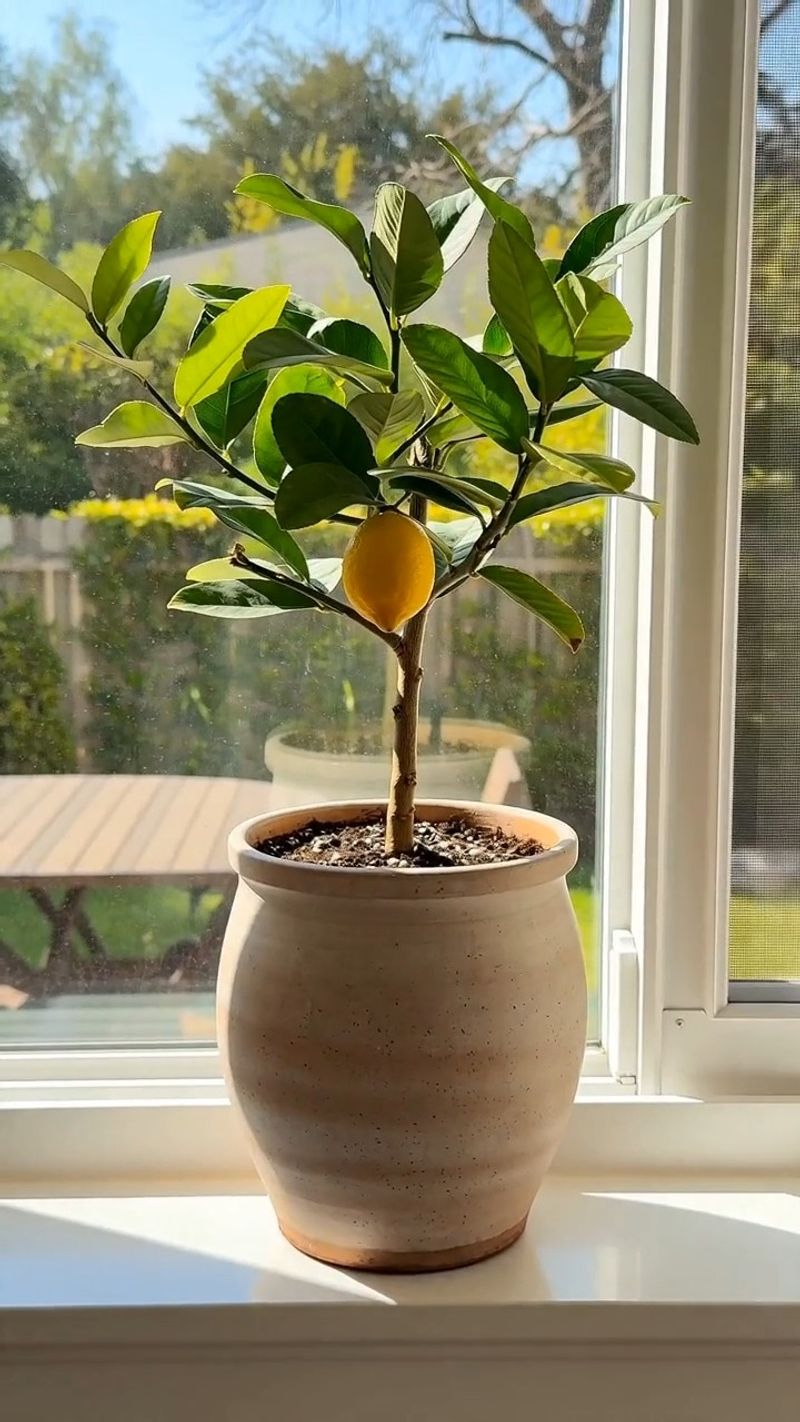
There is something almost magical about walking past a Meyer Lemon tree when it is in bloom. The white blossoms carry a sweet, citrusy fragrance that can perfume an entire room almost instantly.
Unlike other citrus trees, Meyer Lemons are a natural hybrid that tends to be smaller and easier to manage indoors, making them a surprisingly practical choice for Pennsylvania homeowners.
Sunlight is the key to keeping a Meyer Lemon happy inside. A sunny south-facing window is ideal, especially during Pennsylvania’s cold winters when daylight hours are short.
If your home does not get enough natural light, a grow light can make a big difference. Aim for at least eight hours of bright light per day to keep the tree healthy and encourage it to bloom.
Watering needs to be consistent but not excessive. Let the top inch of soil dry out before watering again, and make sure the pot has good drainage holes.
Meyer Lemons do not like sitting in soggy soil, and overwatering is one of the most common mistakes people make with citrus trees indoors. Use a well-draining potting mix designed for citrus or cactus plants for best results.
Feed your Meyer Lemon with a citrus-specific fertilizer every few weeks during the spring and summer. In winter, cut back on feeding since growth slows.
One fun bonus of growing Meyer Lemons indoors is that you may actually get fruit. The lemons are sweeter and less tart than store-bought varieties, and they make a wonderful addition to cooking, baking, and drinks right from your own windowsill.
4. Hoya
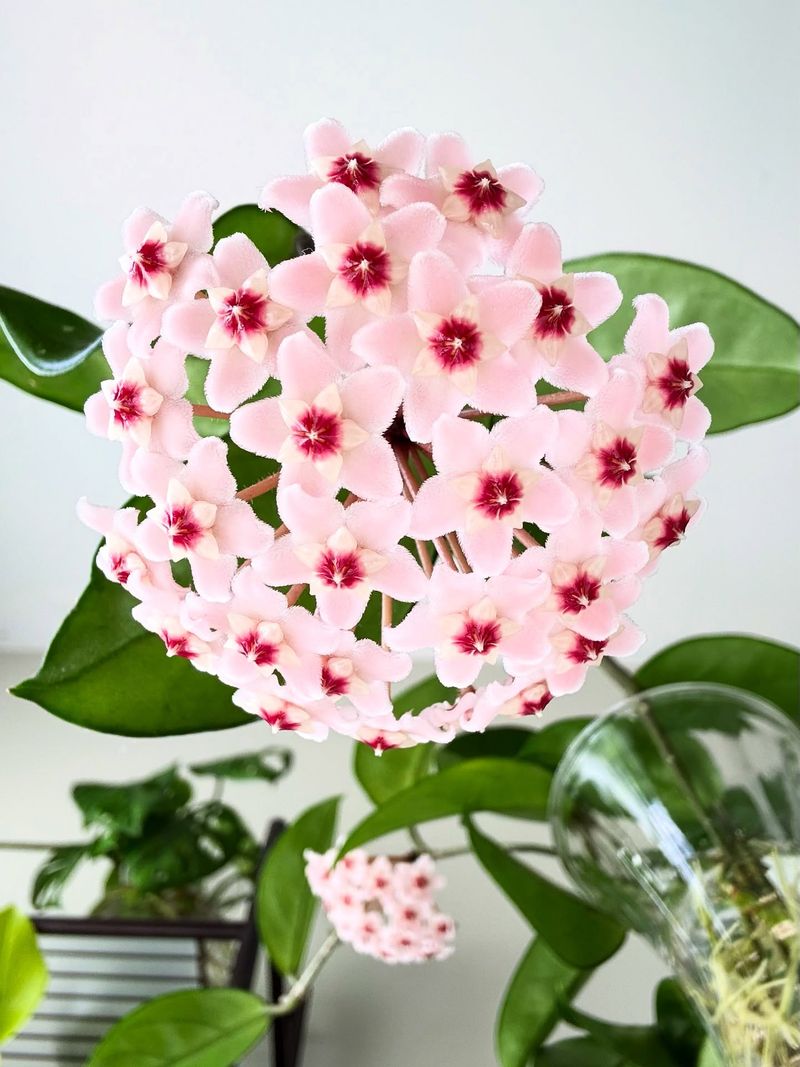
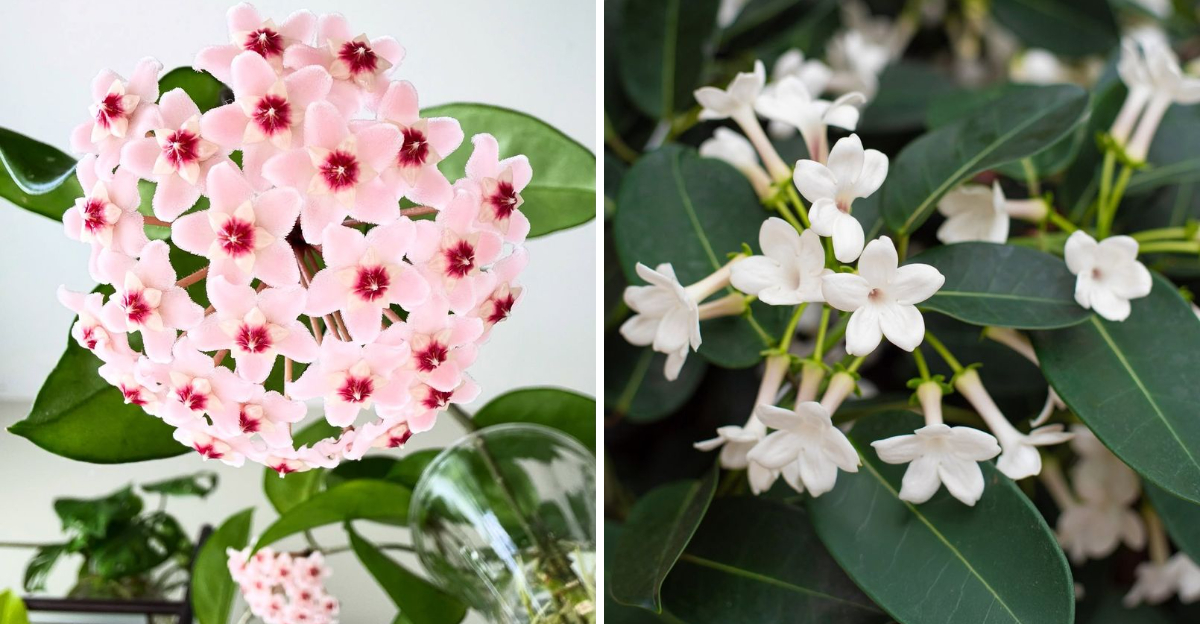
Hoya plants have a quiet kind of charm that sneaks up on you. You might not notice them much during the months when they are just growing their thick, waxy leaves, but then one day you walk into the room and catch a sweet, almost candy-like scent drifting through the air.
That is the moment a Hoya blooms, and it is genuinely delightful.
Also called wax plants, Hoyas come in many varieties, and quite a few of them produce clusters of small, star-shaped flowers with a rich, sweet fragrance. Some varieties smell like chocolate, others like vanilla or honey.
The flowers often appear in round clusters called umbels, and they look almost too perfect to be real. They are also long-lasting, which means you get to enjoy the scent for an extended period.
One of the best things about Hoyas is how forgiving they are. They prefer bright indirect light, which makes them great for rooms that do not get direct sun all day.
A spot near an east or north-facing window works well. Let the soil dry out slightly between waterings, as Hoyas do not like overly wet conditions.
Overwatering is the fastest way to run into problems with this plant. Hoyas are slow growers, so be patient. Once they are established and comfortable in their spot, they tend to bloom more reliably each year.
Avoid moving the plant once it starts to set buds, since changes in light or temperature can cause the buds to drop. With a little patience, a Hoya becomes one of the most rewarding fragrant plants you can grow indoors in Pennsylvania.
5. Scented Geranium
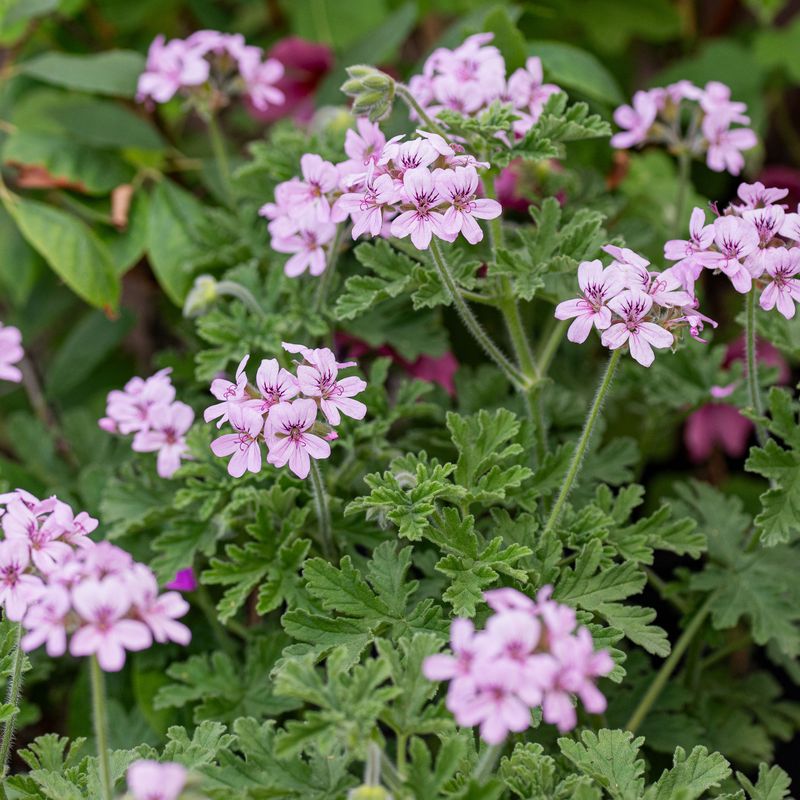
Scented Geraniums are one of the most underrated fragrant plants you can grow indoors. Unlike regular geraniums that are prized for their colorful blooms, scented geraniums are all about the leaves.
Brush your fingers across one and you might smell roses, lemons, mint, coconut, or even nutmeg, depending on the variety. It is like having a little scented garden right on your windowsill.
These plants are surprisingly easy to care for, which makes them a great choice for beginners or anyone who does not have a lot of time to fuss over their houseplants.
They love bright light and do very well in a sunny Pennsylvania window, even during the winter months.
In fact, scented geraniums are one of the easiest plants to overwinter indoors in this region. Just bring them in before the first frost, give them a bright spot, and they will keep going strong all season long.
Water scented geraniums when the top inch of soil feels dry. They are fairly drought-tolerant and actually prefer to dry out a little between waterings rather than sitting in wet soil.
Good drainage is important, so make sure your pot has holes at the bottom. Feed lightly with a balanced liquid fertilizer every few weeks during the growing season.
Scented geraniums also have practical uses beyond just smelling good. The leaves can be used in cooking, baking, and herbal crafts.
Rose-scented varieties are popular for flavoring sugar and baked goods. Lemon-scented types work well in teas.
Growing scented geraniums indoors means you always have a fresh, natural fragrance within arm’s reach, along with a useful herb right in your own home.
6. Stephanotis
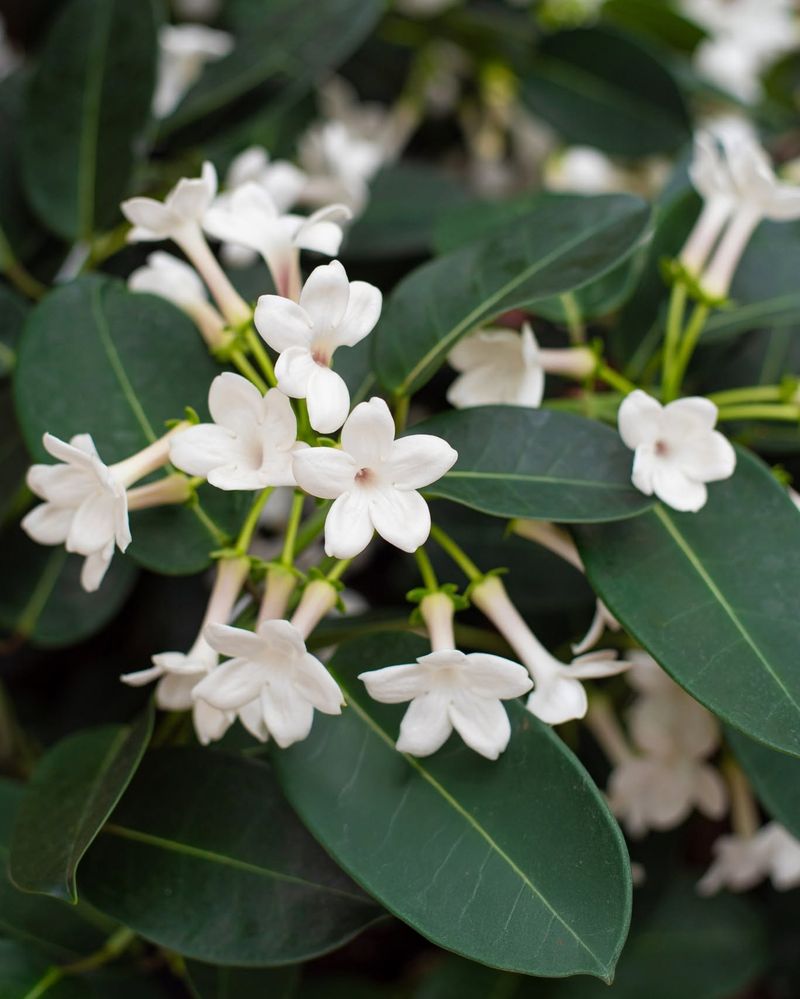
Stephanotis is the kind of plant that makes people stop and ask, “What is that incredible smell?”
Also known as Madagascar Jasmine, it produces clusters of waxy, white, star-shaped flowers with a strong, sweet fragrance that is often compared to traditional wedding flowers.
In fact, Stephanotis blooms are a classic choice for bridal bouquets, and growing one indoors brings that same elegance right into your everyday life.
Getting Stephanotis to thrive indoors requires some attention to its basic needs, but it is not overly complicated. Bright light is essential.
Place it near your brightest window, ideally one that gets several hours of direct or near-direct sun each day. During Pennsylvania winters, a south-facing window is your best option.
The plant is a climber by nature, so giving it a small trellis or hoop to grow on keeps it looking tidy and encourages better air circulation around the leaves.
Warmth and moderate humidity are also important for Stephanotis. It does not like cold temperatures or dry air, both of which are common in Pennsylvania homes during winter.
A small humidifier or a pebble tray with water can help keep the air around the plant moist enough. Keep it away from cold drafts and heating vents, which can stress the plant and cause bud drop.
Water consistently during the growing season, allowing the top layer of soil to dry slightly before watering again. Reduce watering in winter when growth slows.
Fertilize monthly during spring and summer with a balanced fertilizer. With the right conditions, Stephanotis will reward you with blooms that fill your home with an unforgettable, intoxicating fragrance.
7. Sweet Alyssum
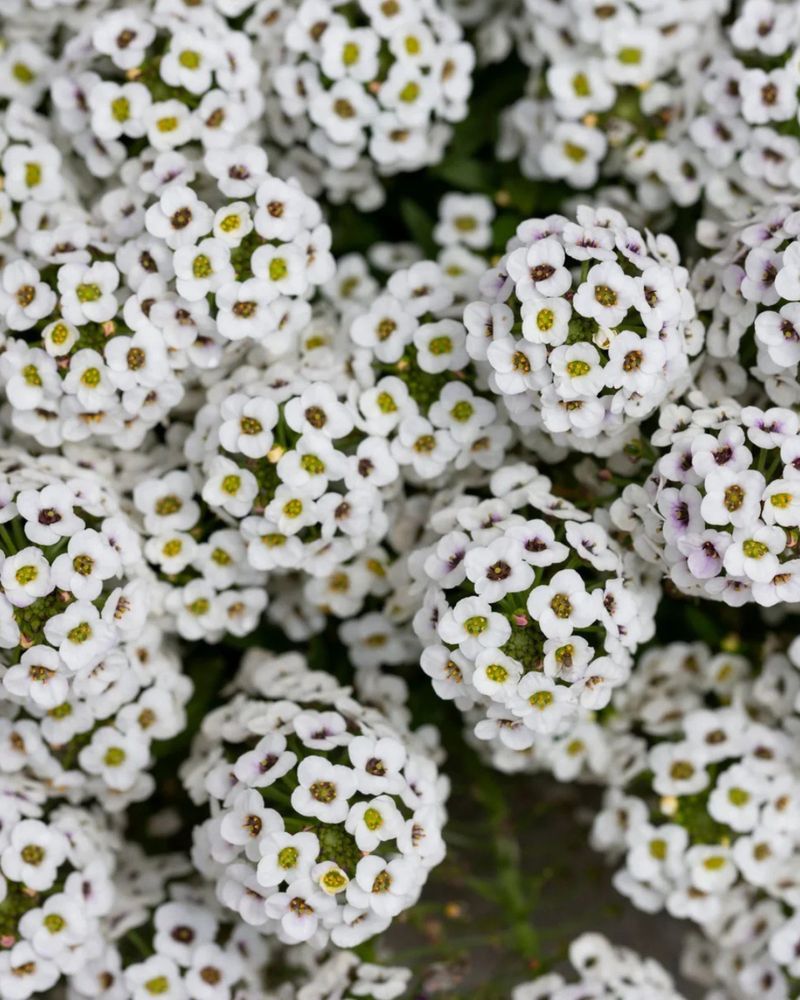
Sweet Alyssum might be small, but it packs a surprisingly pleasant punch when it comes to fragrance. The tiny flowers, which come in white, pink, and purple, release a soft, honey-like scent that is light and fresh rather than heavy or overwhelming.
If you prefer subtle fragrances over bold ones, Sweet Alyssum is probably your perfect match.
Most gardeners know Sweet Alyssum as an outdoor annual, but it can also be grown indoors temporarily in Pennsylvania, especially during the cooler months.
It actually prefers cooler temperatures, which makes it a nice option for a bright but cool room or a sunroom that does not get too warm in winter.
A very bright window is a must, since Sweet Alyssum needs plenty of light to bloom well indoors. Without enough light, the plant will grow leggy and produce fewer flowers.
Keep the soil evenly moist but never waterlogged. Sweet Alyssum has fairly shallow roots, so it dries out faster than larger plants.
Check the soil every couple of days and water when the top feels dry to the touch. A small pot with good drainage holes works perfectly for this plant.
One of the most charming things about Sweet Alyssum is how quickly it grows and blooms. You can start seeds indoors and have blooming plants within just a few weeks.
It is a great project for kids and adults alike. While it may not last as long indoors as some other plants on this list, the cheerful little flowers and their gentle honey fragrance make it a wonderful short-term addition to any Pennsylvania home during the colder months.