Pennsylvania Plants You Should Buy Before Nurseries Run Out This Fall
Fall nursery stock in Pennsylvania doesn’t wait around. The native shrubs, shade trees, and perennials that establish best in cooler conditions tend to disappear from shelves faster than most homeowners expect.
Once they’re gone, they’re gone until next year. The gardeners who walk away with the best plants are almost always the ones who showed up early and knew exactly what they were looking for.
Fall planting is genuinely one of the best things you can do for a Pennsylvania garden. Plants put in the ground now have warm soil beneath them and months of quiet root development ahead before spring arrives.
That head start shows clearly in how they perform the following year. Here’s what to buy before Pennsylvania nurseries sell out this fall.
1. Mountain Laurel, The State Flower Everyone Wants
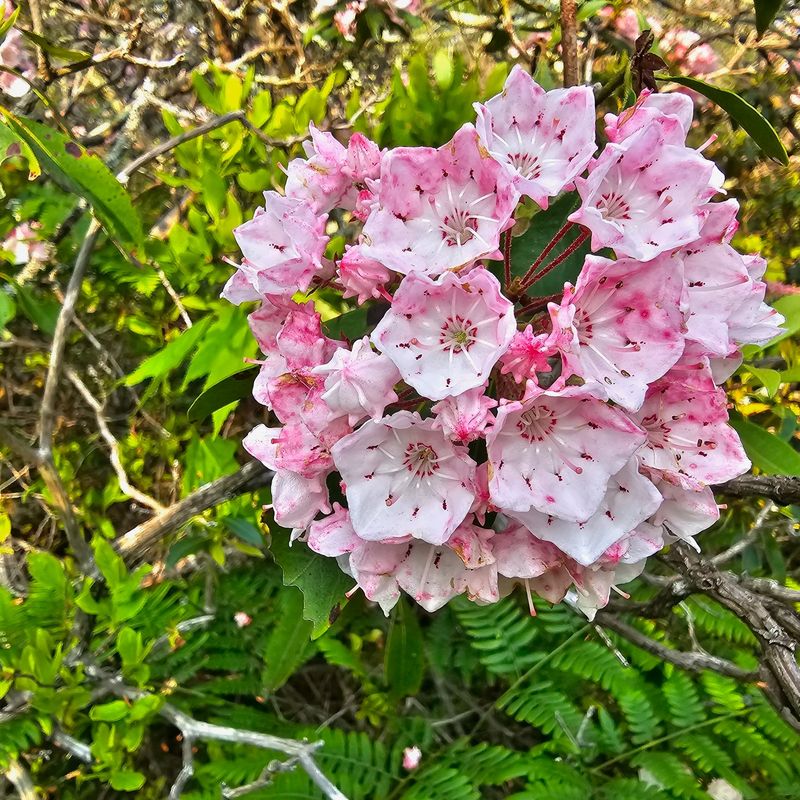
Every June, the woods of Pennsylvania burst into pink and white clouds of blossoms. Those clouds come from mountain laurel, our official state flower since 1933. Once you see it in bloom, you will want one in your own yard.
Here is the catch. Nurseries often sell out of good mountain laurel shrubs by early fall. Many local growers only raise a small number each year because the plant grows slowly.
Fall is a smart time to plant it. The soil is still warm, so roots can spread before winter. Cooler air also means less stress on the leaves.
Mountain laurel likes acidic soil, which is great news for most of Pennsylvania. Pick a spot with partial shade, like the edge of a wooded area or the north side of your house. Morning sun with afternoon shade works best.
Dig a hole twice as wide as the root ball but no deeper. Mix in some shredded leaves or pine bark to keep the soil loose. Then spread two inches of mulch around the base, keeping it away from the stems.
Water deeply once a week until the ground freezes. Young shrubs need steady moisture to settle in. After the first year, they can handle dry spells much better.
One quick warning: every part of mountain laurel is toxic if eaten. Keep it away from spots where pets or small kids like to chew on plants. Deer usually leave it alone for the same reason, which is a nice bonus.
Look for cultivars like Olympic Fire or Pinwheel if you want brighter colors. Grab one soon, before the good ones are gone.
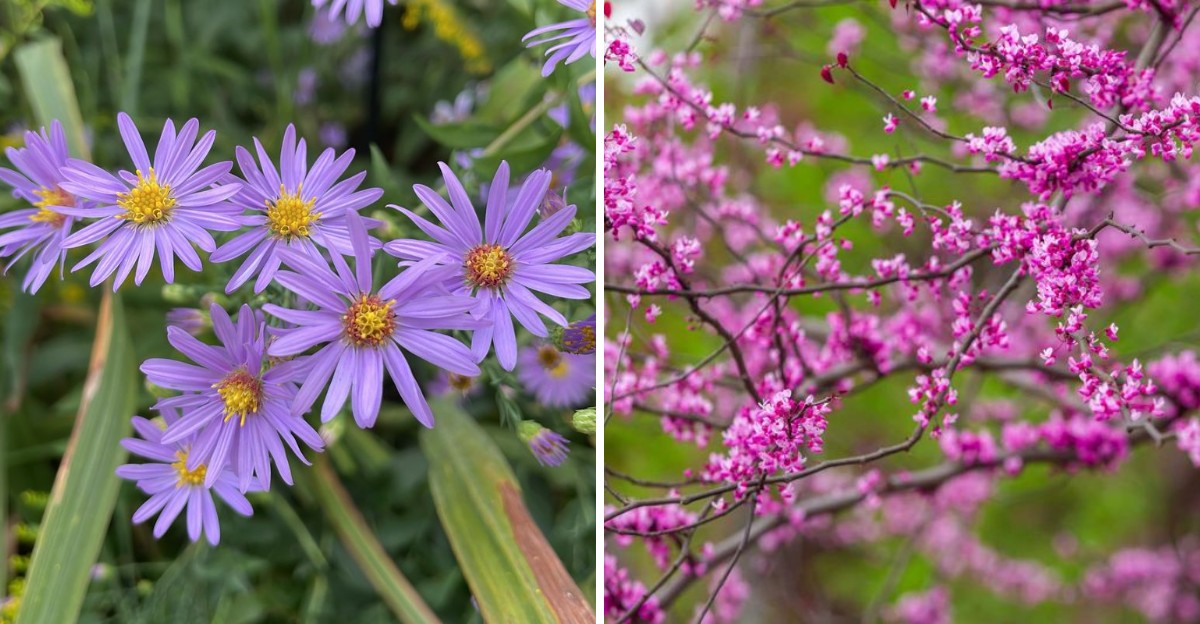
2. New England Aster Throws A Purple Party For Pollinators
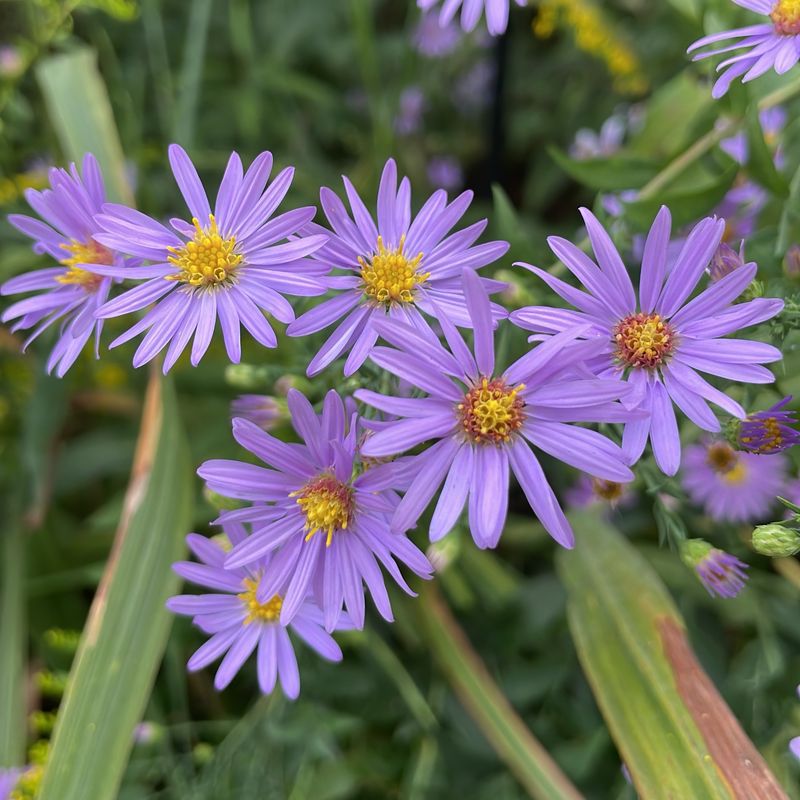
Picture a sunny September afternoon with bees buzzing like tiny airplanes over a sea of purple.
That busy scene happens around New England aster, one of the best late-season flowers in the state. When most gardens start looking tired, this native plant is just getting started.
Asters are a big deal for monarch butterflies. The orange travelers stop to sip nectar on their long trip to Mexico. Your yard can become a snack bar on their journey.
So why rush to the nursery? Potted asters in full bloom fly off the shelves in early fall. Shoppers see the bright flowers and grab them fast, especially at native plant sales.
Your Pennsylvania Garden Changes Every Week. Your Plan Should Too.
Gardening in Pennsylvania changes quickly throughout the season. Every Friday you’ll receive a simple weekly plan showing exactly what to plant, prune, fertilize, harvest, and protect so you never miss the right timing.
Planting is simple. Choose a spot with at least six hours of sun each day. New England aster is not picky about soil, and it even handles clay, which is common across Pennsylvania.
Plants can grow three to six feet tall. To keep them from flopping over, trim the stems by about a third in early June next year.
Gardeners call that the Chelsea chop, and it makes the plant bushier with even more flowers.
Water new plants every few days for the first couple of weeks. After that, rain usually does the job. Skip heavy fertilizer, since rich soil makes the stems weak and floppy.
Leave the stems standing over winter instead of cutting them down. Birds like goldfinches will pick at the seeds. Some helpful insects also hide inside the hollow stems until spring.
Fun fact: each purple bloom is actually dozens of tiny flowers packed together. No wonder the bees can’t stay away!
3. Winterberry Holly Lights Up Snowy Yards
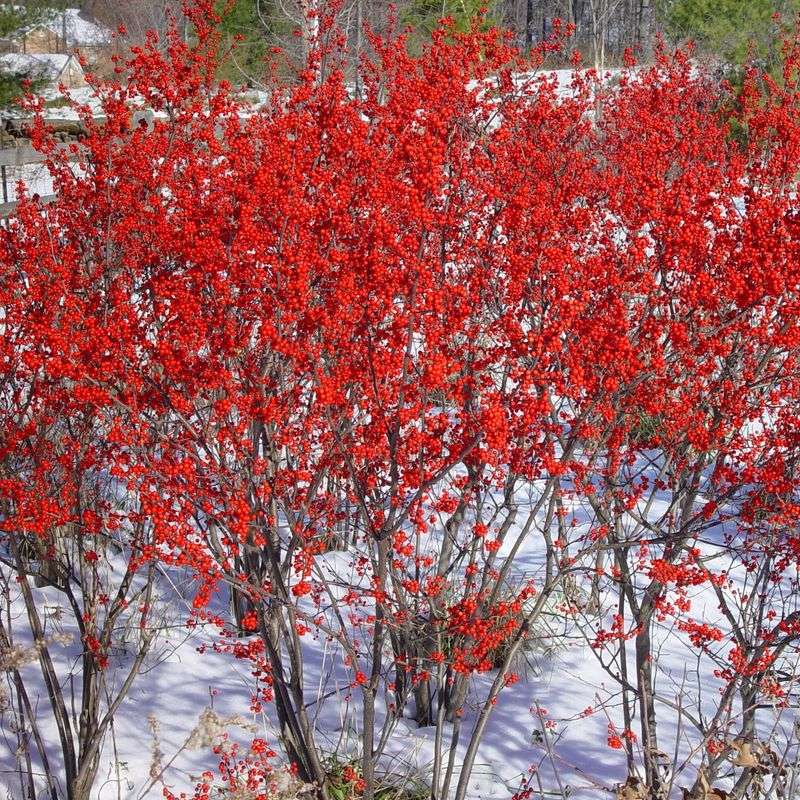
Remember the thrill of seeing bright red berries poking through fresh snow on a winter walk? Chances are, you were looking at winterberry holly.
This Pennsylvania native drops its leaves in fall and shows off branches covered in glowing red fruit.
Nurseries tend to sell out of winterberry in October and November. Why? People want those berry-loaded branches for holiday decorating. Once the berries turn red, shoppers snap up every pot they can find.
There is one secret that many first-time buyers miss. Winterberry plants are either male or female, and only females grow berries. You need at least one male plant nearby so bees can carry pollen to the females.
One male can take care of up to ten females. Ask the nursery staff for a matching pair, since the male has to bloom at the same time. Popular pairs include Red Sprite with Jim Dandy, or Winter Red with Southern Gentleman.
Winterberry loves wet feet. It grows naturally in swamps and along streams, so it handles soggy spots where other shrubs struggle. It also grows fine in regular garden soil, as long as it gets watered during hot, rainless weeks.
Give it full sun or light shade for the best berry show. More sun means more fruit. Plant it where you can see it from a window, because the red color really pops against gray winter skies.
Birds are big fans, too. Robins and bluebirds often feast on the berries in late winter when food is scarce.
Watching them visit is a sweet reward on a cold morning. Clip a few branches for your porch pots, and the shrub will happily grow more.
4. Serviceberry Offers Four Seasons Of Beauty
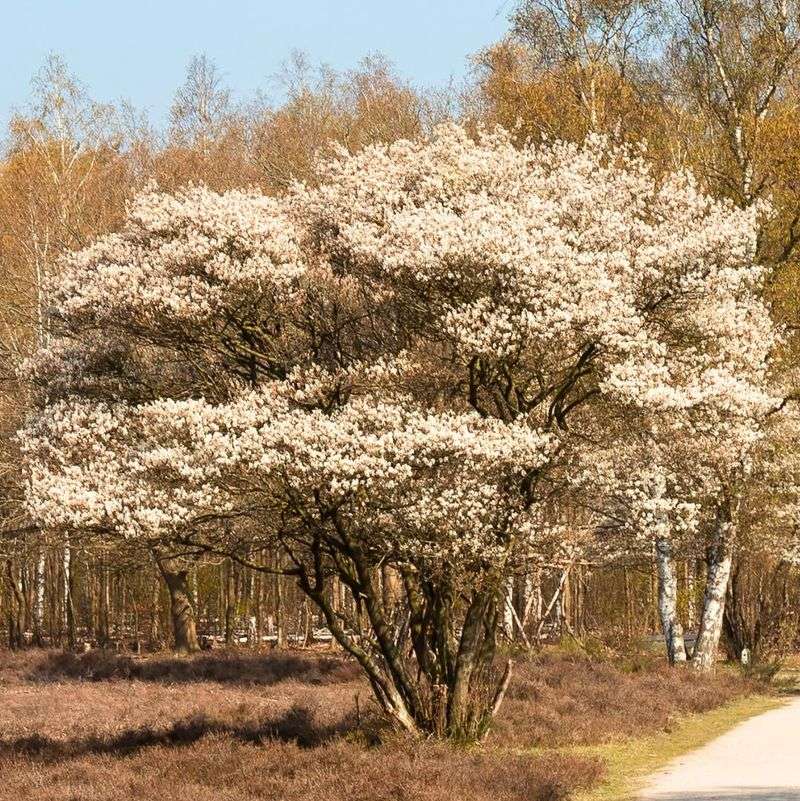
Long ago, Pennsylvania settlers noticed a small tree that bloomed right when the ground thawed in spring.
Legend says that timing matched when traveling preachers could reach remote towns again for church services. That story may explain how serviceberry got its name.
Today, gardeners love it for a different reason. It looks good all year long. You get white flowers in April, sweet berries in June, fiery orange leaves in fall, and smooth gray bark in winter.
The berries taste a bit like blueberries with a hint of almond. You can eat them fresh, bake them into muffins, or make jam. Just be quick, because birds will try to beat you to them!
Fall is when many nurseries run low on serviceberry trees. The colorful leaves catch shoppers’ eyes, and landscapers buy them in bulk for fall projects. If you wait until spring, you might end up on a waiting list.
Serviceberry usually grows 15 to 25 feet tall, so it fits nicely in small yards. You can buy it as a single-trunk tree or a multi-stem clump. The clump style looks more natural and works well near patios.
Plant it in full sun or part shade with soil that drains well. Water it deeply every week through fall. A ring of mulch around the base helps hold moisture and keeps the mower from bumping the trunk.
Hunt for Allegheny serviceberry if you want a true local variety. It grows wild in forests across the state.
Autumn Brilliance is another popular pick, known for its bold fall color and strong branches. One tree gives you something new to enjoy every few months.
5. Eastern Redbud Paints Spring In Bright Pink
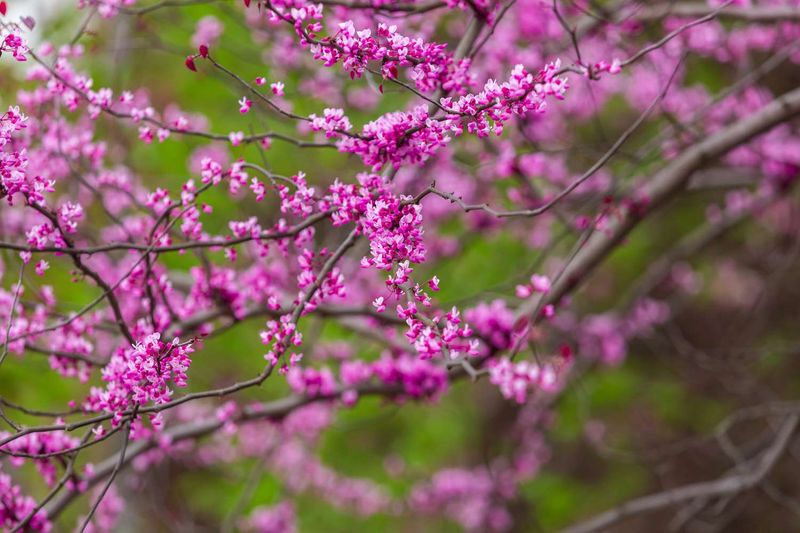
Few trees announce spring louder than the eastern redbud. In April, tiny pink-purple flowers pop right out of its bare branches and even its trunk.
Drive along any Pennsylvania highway that month and you will spot them glowing at the edge of the woods.
After the blooms fade, heart-shaped leaves fill in. They create soft, dappled shade that feels perfect for a garden bench. In autumn, the leaves turn a buttery yellow.
Redbuds are one of the hottest sellers at fall tree sales. Newer types like Forest Pansy, with deep purple leaves, and Ruby Falls, a weeping form, disappear quickly. Growers can only produce so many each season.
Buy a young tree if you can. Redbuds have long taproots and do not like being moved once they get big.
A small tree, around four to six feet tall, will settle in faster and often catch up to larger ones within a few years.
Find a location with full sun to part shade and soil that drains well. Redbuds hate sitting in soggy ground. Keep them at least eight feet away from your house so the branches have room to spread.
Water once or twice a week during the first fall, then let winter rain and snow take over. Next spring, keep an eye on moisture during hot weeks. By year two, your redbud should be pretty tough.
Did you know redbud flowers are edible? They have a slightly sour, pea-like taste. Some people toss them into salads for a pop of color.
Redbuds belong to the pea family, which explains that flavor. Early bees depend on their flowers for food, too.
6. Pennsylvania Sedge Makes Mowing Optional
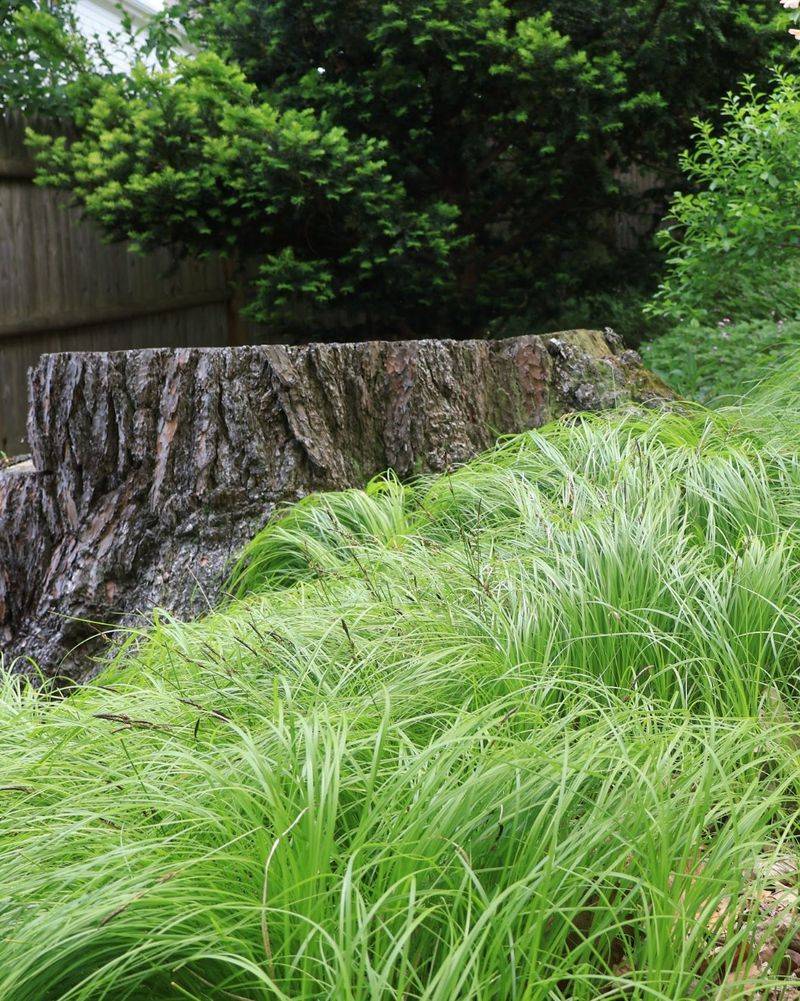
Tired of mowing every Saturday? Meet Pennsylvania sedge, a soft, grassy plant that can replace lawn in shady spots. It even carries our state’s name, so it’s a true hometown hero.
Imagine fine, bright green blades that grow only six to eight inches tall. They arch over gently, like a shaggy green carpet. You can mow it a couple of times a year if you want a neater look, or never mow it at all.
Grass struggles under big trees, and bare patches of dirt are no fun. Pennsylvania sedge loves those shady spots. It grows naturally on forest floors under oaks and maples all over the state.
Now for the tricky part. Sedge spreads slowly, so you need a lot of plants to cover an area. Landscapers and homeowners buy flats of plugs by the dozen in fall, and supplies run thin fast.
Space the plugs about 8 to 12 inches apart. Closer spacing fills in faster but costs more. Most gardens look full after two or three growing seasons.
Clear away weeds before planting, and tuck the plugs into loose soil. Water them every few days until the weather turns cold. A thin layer of shredded leaves helps block weeds while the sedge gets established.
Sedge does not like heavy foot traffic, so skip it for play areas or dog runs. It works best along walkways, under trees, and on shady slopes where mowing is a pain. Pair it with ferns or wild ginger for a woodland look.
Bonus points: it needs no fertilizer, no sprays, and very little water once settled. Your weekends just got a lot freer.
7. Virginia Bluebells Give You A Spring Surprise
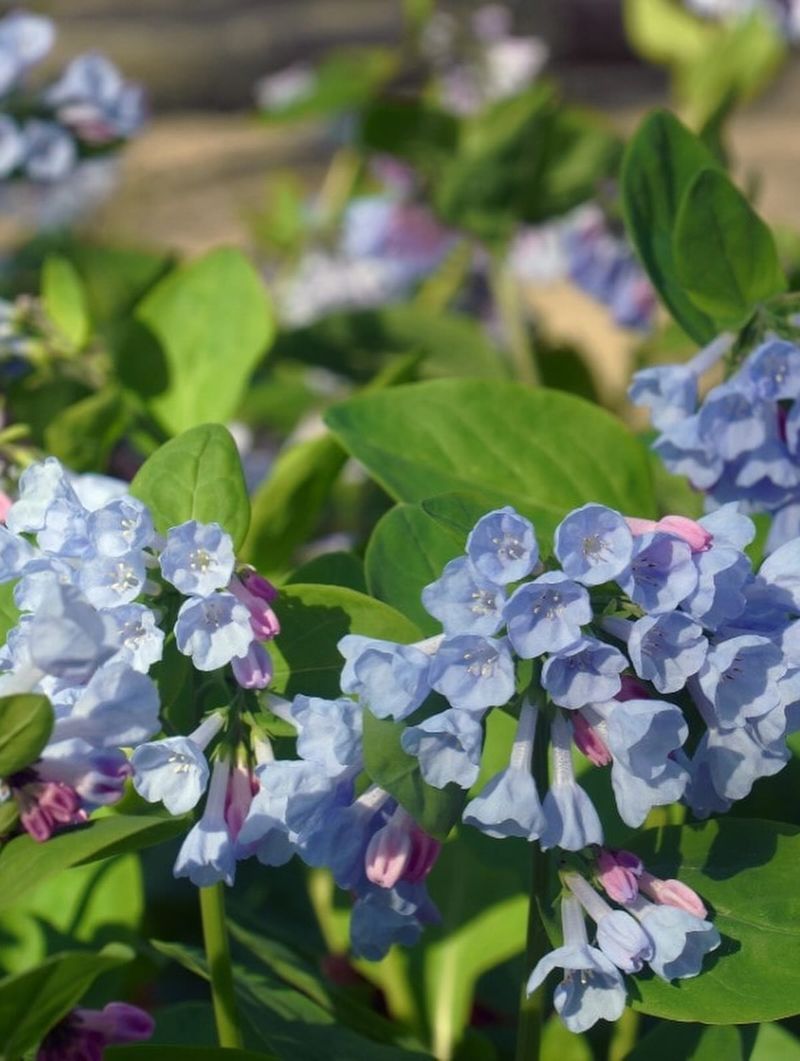
Walk through a Pennsylvania river valley in late April and you might feel like you stepped into a fairy tale.
Carpets of sky-blue, bell-shaped flowers cover the ground as far as you can see. Those are Virginia bluebells, and they are one of the loveliest spring wildflowers in the state.
Despite the name, bluebells grow wild all over Pennsylvania. Stream banks in places like the Brandywine Valley put on famous shows each spring. Many families make a yearly trip just to see them.
The timing might surprise you. Fall is the best time to buy and plant them, even though they bloom in spring. Bluebells go dormant by early summer, so nurseries sell them as bare roots or potted plants in autumn, and quantities are small.
Native plant sellers often run out by October. Order early or visit fall plant sales as soon as they open.
Bluebells love rich, moist soil in part shade. A spot under tall trees that lose their leaves is ideal, since the flowers get spring sunshine before the canopy fills in. Plant the roots about two inches deep with the buds pointing up.
Watch the buds open pink before turning blue. By June, the leaves turn yellow and vanish underground. Don’t panic, because the plant is simply resting until next year.
Mark the spot with a small stake so you don’t dig there by accident. Plant ferns, hostas, or foamflower nearby to fill the gap in summer. Over time, bluebells spread by seed and form bigger patches.
Bumblebees adore them, too. Watching those fuzzy visitors bounce from bell to bell is pure springtime joy.