Why Florida Crepe Myrtles Can Look Suddenly Worse After Weeks Of Late-Summer Rain
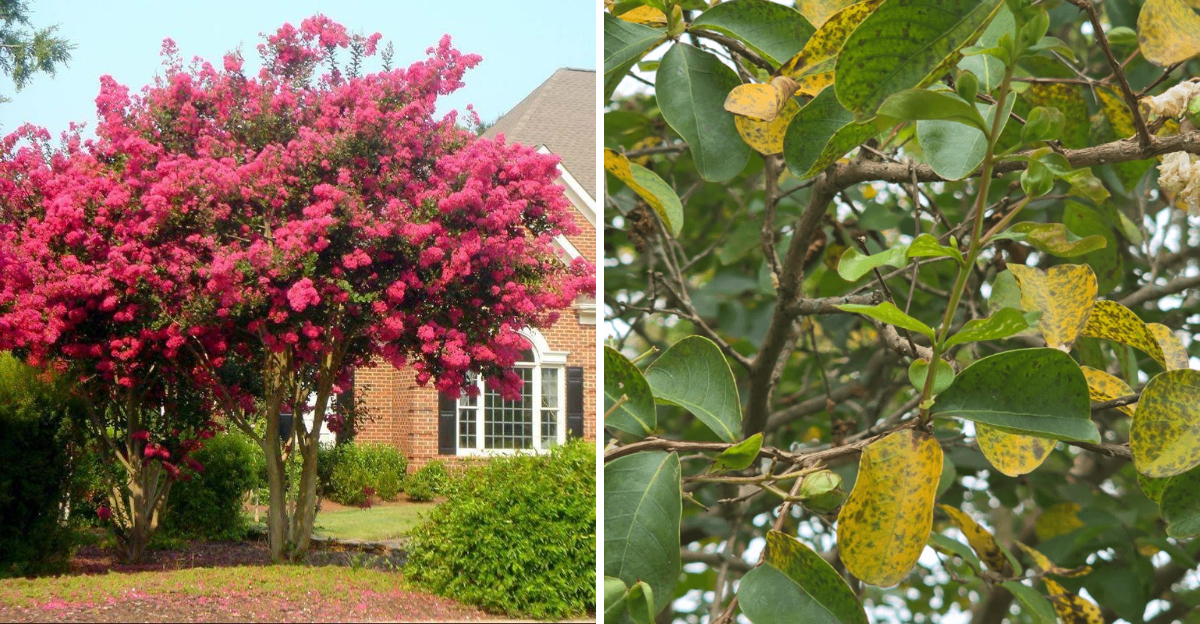
A few weeks of heavy late-summer rain can do a number on a crape myrtle that looked perfectly fine just days before.
Spotted leaves, black coatings on stems and foliage, a canopy that suddenly looks thin and tired, drooping branches that have seen better days, it can feel like the tree went downhill almost overnight.
The reality is that Florida’s warm, humid summers create ideal conditions for certain pests, fungal issues, and drainage problems to build up quietly in the background before they become obvious.
Rain does not automatically cause these problems, but a stretch of repeated showers has a way of making them impossible to ignore all at once.
Figuring out what is actually going on takes a closer look than most homeowners expect, and jumping to the wrong conclusion can lead to fixes that miss the mark entirely.
1. Cercospora Leaf Spot Can Become More Noticeable In Wet Weather
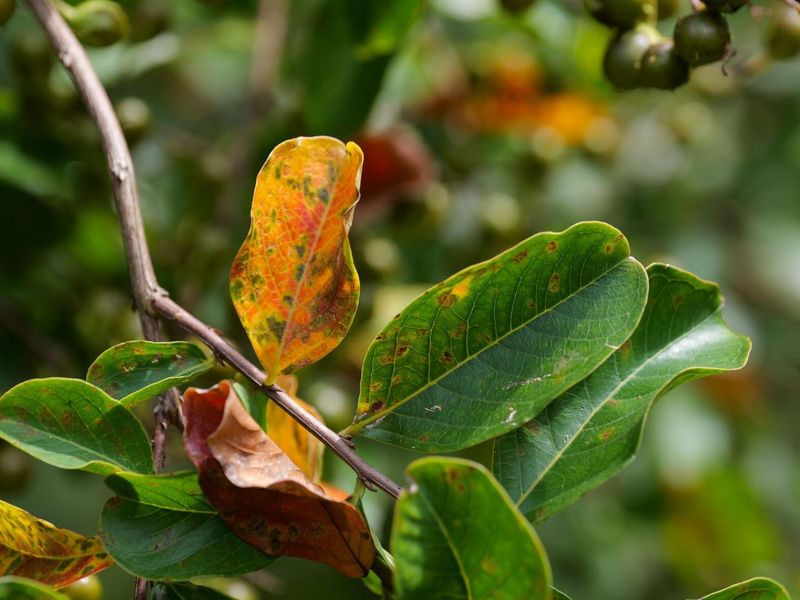
Spotted leaves on a crape myrtle can be startling, especially when they seem to appear after a stretch of rainy weather. One possible explanation is Cercospora leaf spot, which is associated with a group of fungal pathogens that can affect a range of ornamental plants.
Warm temperatures combined with frequent rainfall and high humidity can create conditions that favor Cercospora activity, and Florida’s late-summer weather often fits that description closely.
That said, not every spotted crape myrtle has Cercospora, and not every case of Cercospora is serious. UF/IFAS describes leaf spots on crape myrtle as generally a minor concern and does not recommend routine treatment for them.
Leaf spot severity can vary depending on the cultivar, the overall health of the plant, and how wet conditions have been over a given period.
What rain can do is make existing spots more visible, particularly when wet foliage reflects light differently and draws the eye toward discoloration.
A homeowner may walk past a crape myrtle for weeks without noticing small spots, then suddenly see them clearly after a heavy rain.
Before reaching for a fungicide, it helps to check how widespread the spotting is, whether it appears on most leaves or just a few, and whether the tree otherwise looks healthy.
Spotted leaves alone are rarely enough reason to treat a crape myrtle in a Florida landscape.
2. Prolonged Leaf Wetness Can Favor Fungal Problems
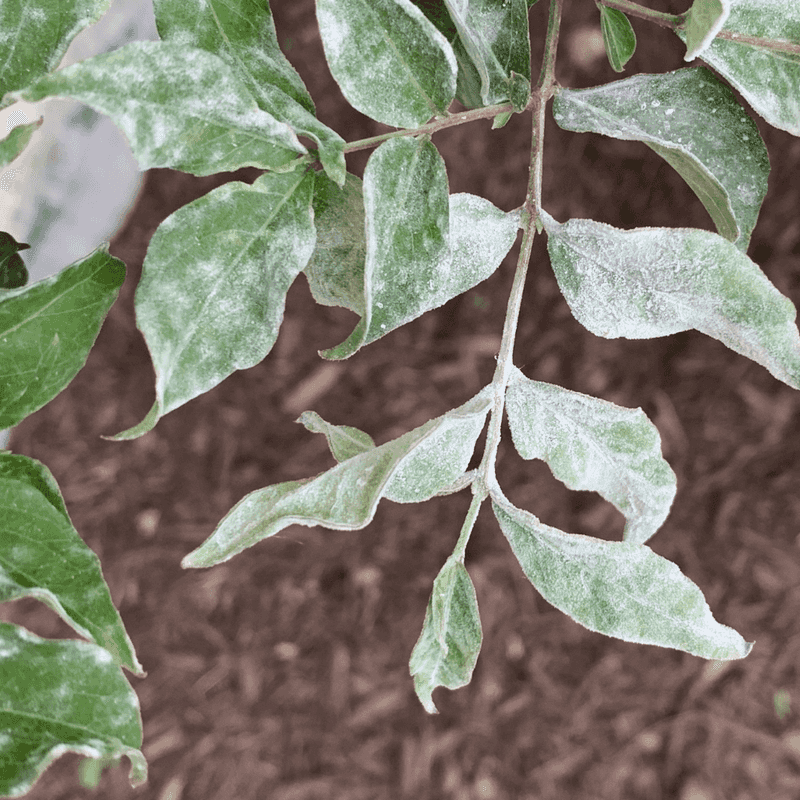
Wet leaves sitting in warm, humid air create a very different situation than simply high humidity alone.
When foliage stays wet for extended periods, it can create surface conditions that some fungal pathogens find favorable for spreading and infecting plant tissue.
Florida’s late-summer rain patterns, where showers can fall repeatedly over days or even weeks, can leave crape myrtle leaves damp for much longer than a single afternoon storm would.
Prolonged leaf wetness and high humidity are related but not the same thing. High humidity means moisture in the air, while prolonged leaf wetness means actual water sitting on the leaf surface.
Both can play a role in fungal disease development, but leaf wetness tends to be the more direct factor for many common plant pathogens.
Your Florida Garden Changes Every Week. Your Plan Should Too.
Gardening in Florida changes quickly throughout the season. Every Friday you’ll receive a simple weekly plan showing exactly what to plant, prune, fertilize, harvest, and protect so you never miss the right timing.
When rain follows rain and drying time between storms is short, foliage may stay wet long enough to shift conditions in ways that favor certain problems.
Repeated exposure to wet foliage conditions does not guarantee that a crape myrtle will develop disease, because plant resistance, cultivar choice, and overall tree health all play a part.
Homeowners who notice symptoms after a rainy stretch should consider whether the foliage had adequate time to dry between storms.
Choosing planting sites with good sun exposure and air movement can help foliage dry more quickly after rainfall, which may reduce the window of opportunity for some fungal issues to develop.
3. Aphids Can Leave Leaves Covered In Sooty Mold
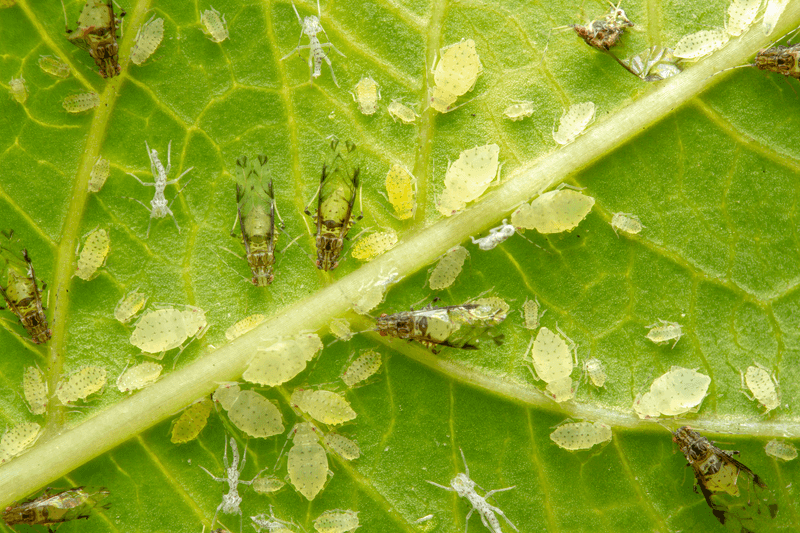
Black-coated leaves on a crape myrtle are one of the most striking and confusing sights a homeowner can encounter after a rainy stretch. The black material is sooty mold, and while it looks alarming, it is not feeding on the leaves directly.
Sooty mold grows on a sticky substance called honeydew, which is excreted by sap-feeding insects, and crape myrtle aphid is one of the most common culprits in Florida landscapes.
UF/IFAS identifies crape myrtle aphid as an important pest associated with this plant. These small insects feed on plant sap from tender shoots and leaves, and as they feed, they produce honeydew that coats the foliage below.
The honeydew creates a perfect surface for sooty mold fungi to colonize, and the result can be a thick black coating that makes the tree look far worse than it actually is.
Heavy infestations can contribute to early leaf drop and extensive mold coverage, though UF/IFAS notes that aphid feeding generally does not produce permanent damage or lasting effects on plant vigor.
Rainy weather does not cause aphid infestations, but it can make sooty mold more visible by keeping surfaces moist and dark. Before treating, it helps to look carefully at the undersides of leaves for live aphids, since the mold itself is secondary.
Identifying the insect producing the honeydew matters because crape myrtle bark scale can also cause sooty mold, and the management approach may differ.
4. Dense Foliage Can Slow Drying After Rain
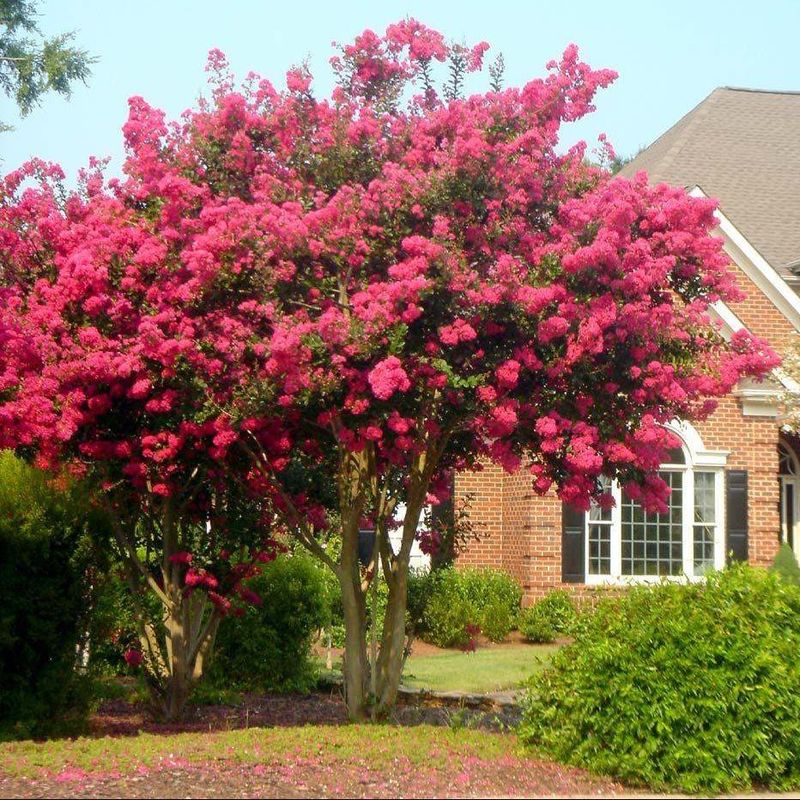
Walking up to a crape myrtle with a thick, full canopy after a heavy rain, you might notice that the interior leaves are still dripping long after nearby open-grown plants have dried.
Dense canopies can trap moisture, reduce air movement through the branches, and create pockets where foliage takes much longer to dry after rainfall.
When late-summer rain falls repeatedly, that delayed drying can add up over time.
Good air circulation is one of the general principles behind healthy plant spacing in Florida landscapes. When branches overlap closely and shade builds up inside the canopy, the conditions for moisture to linger become more favorable.
This does not mean that a full, lush crape myrtle will automatically develop disease, but it does mean that drying time is one factor worth considering when evaluating why certain symptoms appear after wet weather.
Pruning is sometimes suggested as a way to improve airflow, but UF/IFAS recommends pruning crape myrtles primarily during late winter or early spring before new growth begins.
Cutting into a crape myrtle during late summer is generally not recommended and can create additional stress for the plant.
If airflow is a concern, the better approach for now is to monitor the tree, note where symptoms are concentrated, and consider appropriate pruning at the right time of year.
Planting future crape myrtles with adequate spacing from the start can help avoid this situation in later seasons.
5. Poor Drainage Can Keep The Root Zone Too Wet
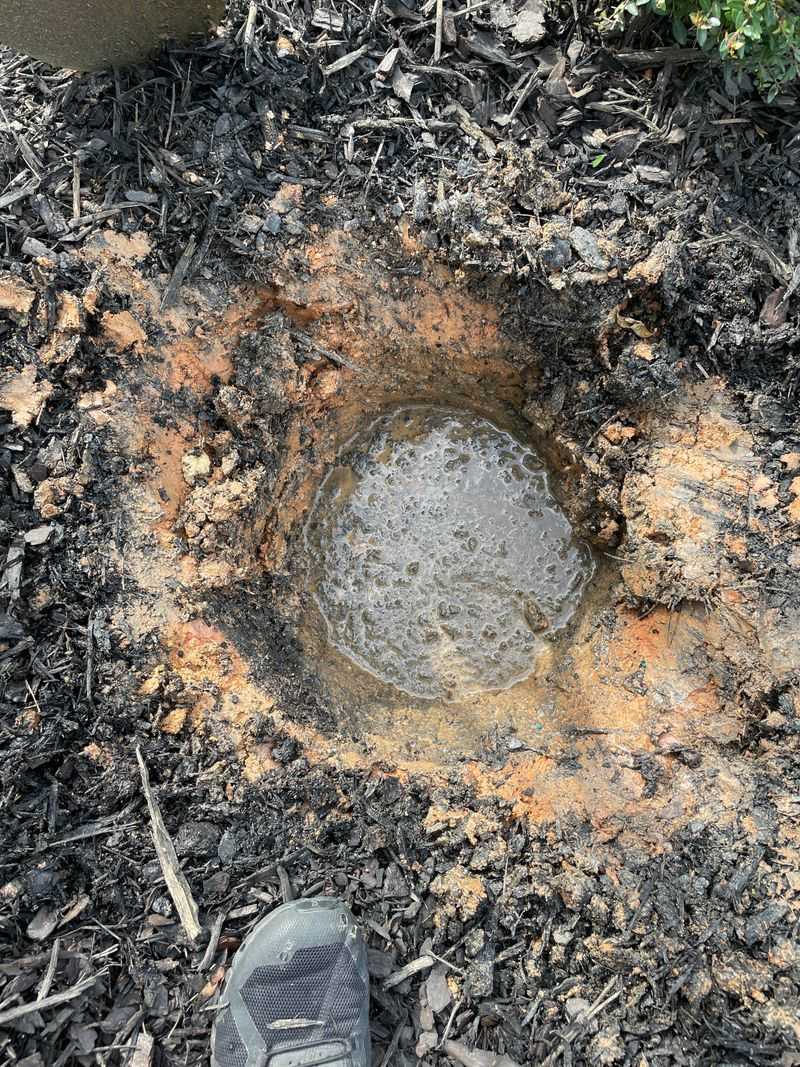
After weeks of late-summer rain, the ground in many yards can stay saturated far longer than most people expect.
Florida soils vary widely, and areas with heavier clay content, compacted ground, or low-lying planting sites can hold water for extended periods after repeated storms.
When the root zone stays wet for too long, it can affect how well roots function and how healthy the tree appears above ground.
Crape myrtles are generally drought tolerant once established and can handle a range of soil conditions reasonably well. However, persistent saturation is a different situation from normal seasonal rain.
Roots need both water and oxygen, and when soil pores stay filled with water for extended periods, root-zone conditions can become unfavorable.
Stress from poor drainage may contribute to symptoms like wilting, leaf discoloration, or a generally tired-looking canopy, even though the soil is technically wet.
Homeowners can check drainage by observing whether water puddles near the base of the tree after rain and how long it takes to absorb.
Noticing standing water that lingers for more than a day or two around a crape myrtle is worth paying attention to, particularly if the tree has been showing other signs of stress.
Improving drainage at the planting site, rather than adding water or fertilizer, is often the more appropriate first step when root-zone saturation is suspected as a contributing factor.
6. Leaf Drop Can Make A Tree Look Suddenly Thin
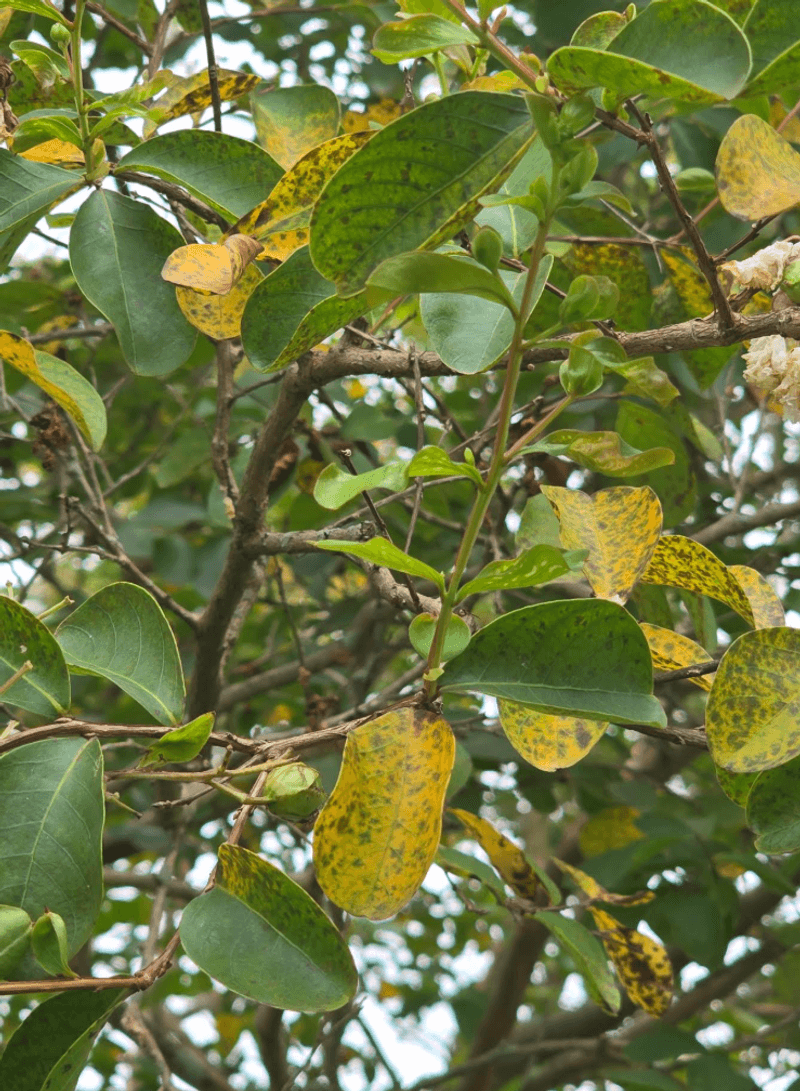
Few things are more surprising than looking at a crape myrtle that seemed full and healthy just a week ago and noticing that the canopy looks suddenly open and thin.
Leaf drop can happen quickly, and when it follows a stretch of wet Florida weather, it is easy to assume that the rain caused it.
The relationship is rarely that direct, and several different factors can contribute to premature leaf loss in late summer.
Aphid infestations are one possibility worth checking. UF/IFAS notes that heavy crape myrtle aphid infestations can contribute to early leaf drop, even though the long-term vigor of the plant is generally not permanently affected.
Disease pressure, environmental stress from saturated soils, and the natural progression of the season are also possibilities that should be considered before drawing conclusions.
Crape myrtles do change foliage as seasons shift, and some late-summer leaf drop can be a normal part of the plant’s cycle rather than a sign of serious trouble.
The key question is whether the leaf loss is happening faster or more extensively than expected for the time of year.
Significant early leaf loss concentrated on specific branches, combined with other symptoms like sooty mold, spots, or sticky residue on leaves, suggests that a pest or disease issue may be contributing.
Taking a careful look at the whole tree, including the undersides of remaining leaves, can help narrow down what is actually going on before any treatment decision is made.
7. Rainy Weather Can Make Existing Problems More Visible
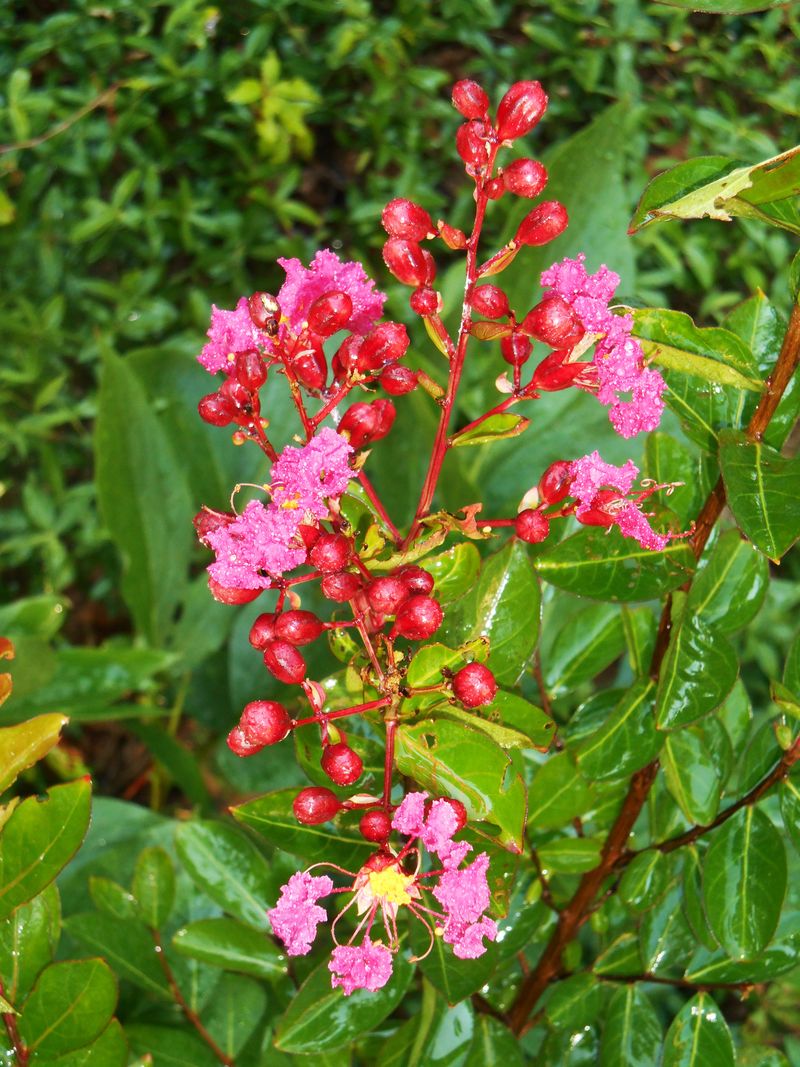
Sometimes a crape myrtle does not suddenly get worse after rain. Sometimes rain just makes it easier to see what was already there.
Wet foliage tends to reflect light differently, colors appear more saturated, and surfaces that were previously dry and dull can become more visually prominent when wet.
Sooty mold that blended into bark or shadowed leaves may stand out sharply after a rain wets the surface and darkens it further.
A homeowner who walks past the same tree every day may not notice gradual changes until something shifts the visual experience, and a rainy period can do exactly that.
Spots that developed slowly over several weeks may become obvious only when the foliage is wet and the eye is drawn to texture and color differences.
Honeydew deposits that were faintly sticky and nearly invisible can appear glossier and more noticeable after rain wets the leaf surface.
Rainfall can also wash some materials around, redistributing honeydew or debris across leaves in ways that change how symptoms appear. A problem that seemed minor may look more widespread simply because rain moved surface residue to new areas.
Keeping this in mind helps Florida homeowners resist the urge to treat immediately after a rainy stretch. The rain may have revealed a real issue that developed over time, or it may have amplified the appearance of something relatively minor.
Either way, a careful look at what is actually present on the tree is a much better starting point than a quick trip to the garden center.
8. The Symptoms Need A Closer Look Before Treatment
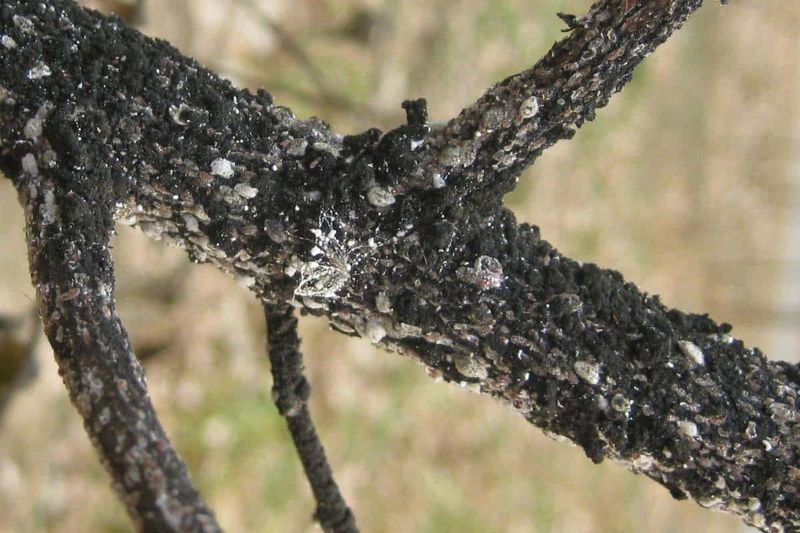
Standing back and looking at an unhappy crape myrtle from a distance can give a general impression that something is wrong, but it rarely tells the full story.
Getting closer and examining the tree carefully before deciding what to do is one of the most practical steps a homeowner can take.
Spotted leaves, black coatings, thin canopies, and sticky residue can all look similar from a few feet away but have very different causes that call for different responses.
Checking the undersides of leaves is a good starting point. Crape myrtle aphids tend to cluster on tender shoots and the undersides of leaves, and finding live insects there helps confirm that aphid activity is part of the picture.
Sooty mold can be associated with more than one type of honeydew-producing insect, including crape myrtle aphid and crape myrtle bark scale.
UF/IFAS recommends inspecting crape myrtles carefully when sooty mold is present because the insect causing the honeydew should be identified before any treatment is considered.
Bark scale appears on woody stems and branches rather than on leaves, which helps distinguish it from aphids.
Checking soil moisture and drainage near the tree is also worth doing, particularly after a long wet spell in Florida. Pressing a finger a few inches into the soil near the root zone can reveal whether the ground is still saturated.
A tree that looks stressed but has wet, poorly drained soil around its roots may need drainage attention rather than pesticide or fertilizer applications. Identifying the actual cause first leads to a far more effective response.