The Porch Light Rule South Carolina Beach Towns Follow Until October
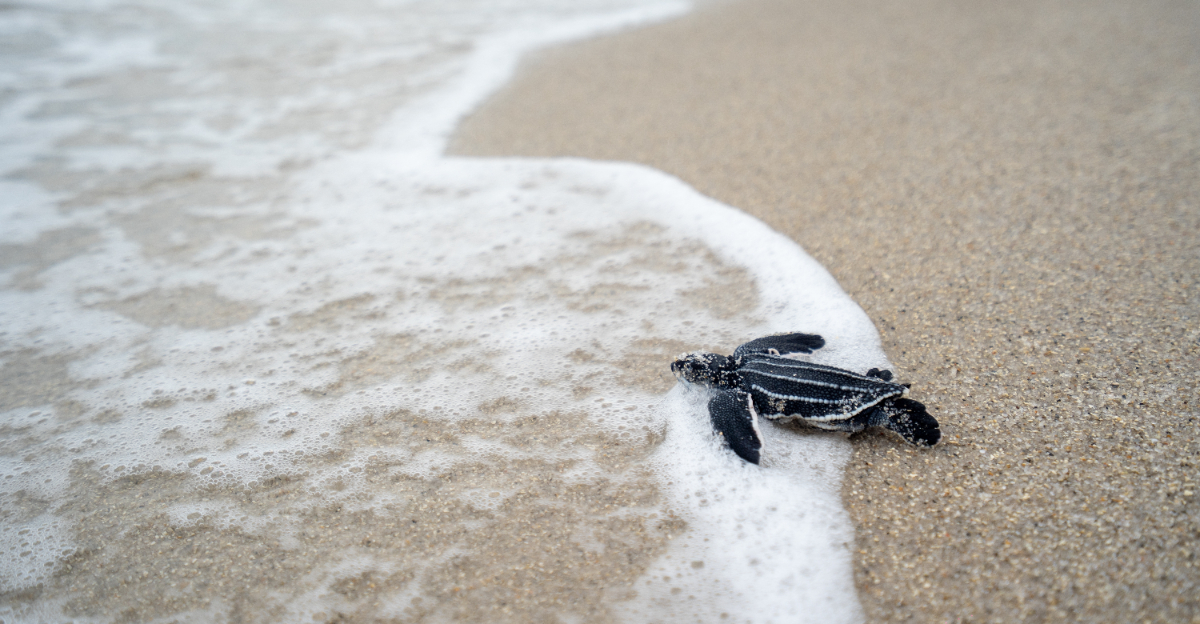
A single porch light left burning above your door can pull a hatchling away from the surf and straight into a driveway. Every wrong turn ends the same way, and you are the one holding the switch.
South Carolina lawmakers did not write this rule for decoration. Coastal towns from Myrtle Beach to Hilton Head treat this seasonal shift as something closer to law than suggestion.
Officers patrol, fines get written, and your property sits squarely inside the zone they watch closest. Nobody expects a lightbulb to carry that much weight until it does.
Renters assume the rule belongs to owners, and owners assume tourists will not notice. Both groups are wrong, and South Carolina inspectors do not care who flipped the switch.
Your name on the lease or the deed makes you responsible either way. What actually counts as a violation might surprise you enough to check your porch tonight.
Coastal Lighting Ordinances Protect Hatchlings Into Mid-Fall
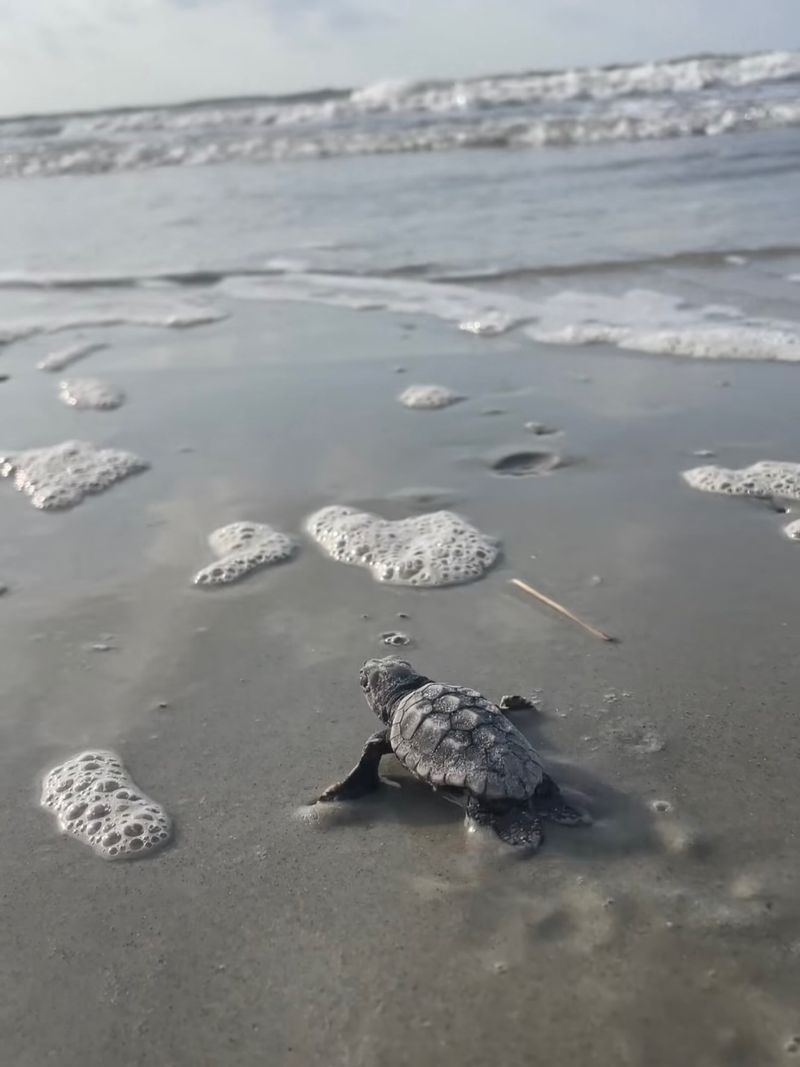
Most people assume turtle season wraps up after Labor Day. That assumption costs hatchlings their lives every single year.
South Carolina’s coastal ordinances stay active from May 1 through October 31. That full six-month window covers every stage of nesting and hatching along the shoreline.
Towns like Isle of Palms, Folly Beach, and Edisto enforce these rules with real teeth. Fines for violations can reach hundreds of dollars per offense.
The porch light rule is the centerpiece of these local codes. Beachfront homes must keep all visible artificial light off or shielded during nighttime hours.
Ordinances vary slightly by municipality, but the core idea stays consistent. No bright white light should spill onto the sand between dusk and dawn.
Enforcement officers patrol beaches after dark during peak season. Neighbors and renters are both expected to follow the same standards.
Property managers in rental markets now include lighting rules in lease agreements. Guests who ignore them risk losing deposits or facing direct fines.
The science behind these laws is solid and well-documented. Hatchlings use the natural brightness of the open horizon to find the sea.
When artificial light competes with that horizon glow, the turtles lose their way. A simple porch bulb can redirect an entire clutch away from the water.
Understanding the ordinance is the first step toward real protection. Knowing why it exists makes following it feel less like a rule and more like a choice you actually want to make.
Nesting Season Runs Later Than Most Visitors Expect
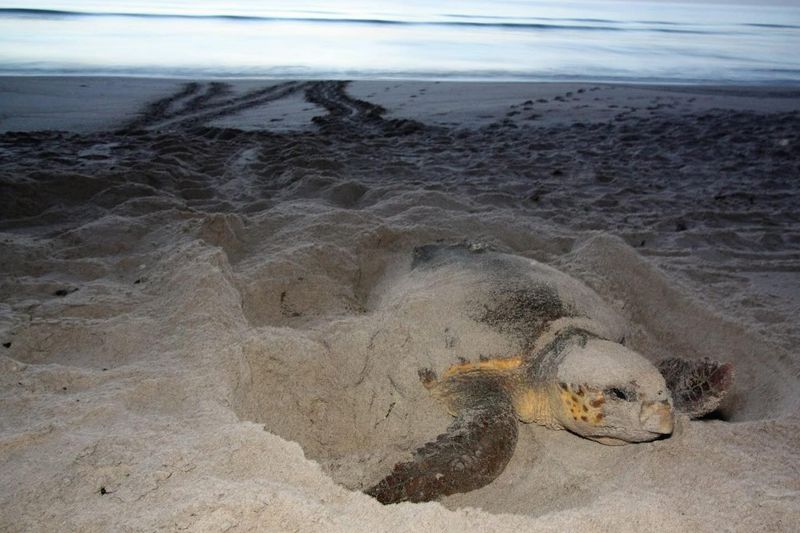
Loggerhead sea turtles do not read vacation calendars. Nesting activity along South Carolina beaches regularly pushes deep into September and sometimes October.
Female loggerheads can lay multiple clutches in a single season. Each nest takes roughly 60 days to hatch after the eggs are laid.
A nest deposited in late August will hatch in late October. That timing catches a lot of seasonal visitors off guard.
Many renters believe the rules relax once summer crowds thin out. That belief is wrong, and acting on it can cause serious harm to hatchlings.
South Carolina’s nesting numbers have trended upward over the past decade, even with sharp swings from one year to the next. The state now records thousands of nests annually along its barrier island coastline.
Your South Carolina Garden Changes Every Week. Your Plan Should Too.
Gardening in South Carolina changes quickly throughout the season. Every Friday you’ll receive a simple weekly plan showing exactly what to plant, prune, fertilize, harvest, and protect so you never miss the right timing.
Leatherback and green turtles also appear occasionally, though loggerheads dominate the count. Each species follows its own schedule, adding complexity to the protection effort.
Nest markers appear on beaches as early as May. By mid-summer, orange stakes and tape dot the shoreline from Myrtle Beach down to Hilton Head.
Late-season nests are especially vulnerable because foot traffic increases near the water during fall festivals. Awareness drops just when protection matters most.
Volunteer nest monitors walk the beaches at dawn throughout the season. Their early-morning counts help wildlife officers track which nests are close to hatching.
Knowing the season extends well past summer changes how you plan your beach evenings. Keeping lights low in September feels easy once you picture a nest full of eggs just a few feet away.
Artificial Light Pulls Hatchlings Away From The Water

Picture a newborn turtle no bigger than your palm, fresh out of the sand, trying to find the ocean. Now picture a glowing vacation home behind it, pulling it the wrong direction.
Hatchlings navigate using light intensity and horizon brightness. The open sky above the ocean is naturally brighter than the sky over land at night.
Artificial lights on porches, pools, and parking areas mimic that brightness. A confused hatchling follows the wrong glow and ends up on a road or in a yard.
Disorientation events happen every season along the South Carolina coast. Hatchlings are found wandering inland every season, sometimes in numbers far higher than most visitors assume.
Exhaustion sets in fast for a hatchling moving across dry sand in the wrong direction. Dehydration and predator exposure follow quickly after that.
White and blue-spectrum lights cause the most disruption. These wavelengths are highly visible to sea turtles and override their natural navigation instincts.
Even indoor lighting can be a problem. Light leaking through open doors and uncurtained windows reaches the beach and confuses hatchlings just as easily.
Closing blinds and using interior amber bulbs at night reduces that risk significantly. Small changes inside your rental make a measurable difference outside on the sand.
The porch light rule exists precisely because of this biological vulnerability. Hatchlings have no ability to adapt mid-crawl, so the environment has to be right before they even emerge.
Getting the lighting right on your first night at the beach protects every clutch within range of your property.
Amber Bulbs And Shielded Fixtures Meet Local Requirements
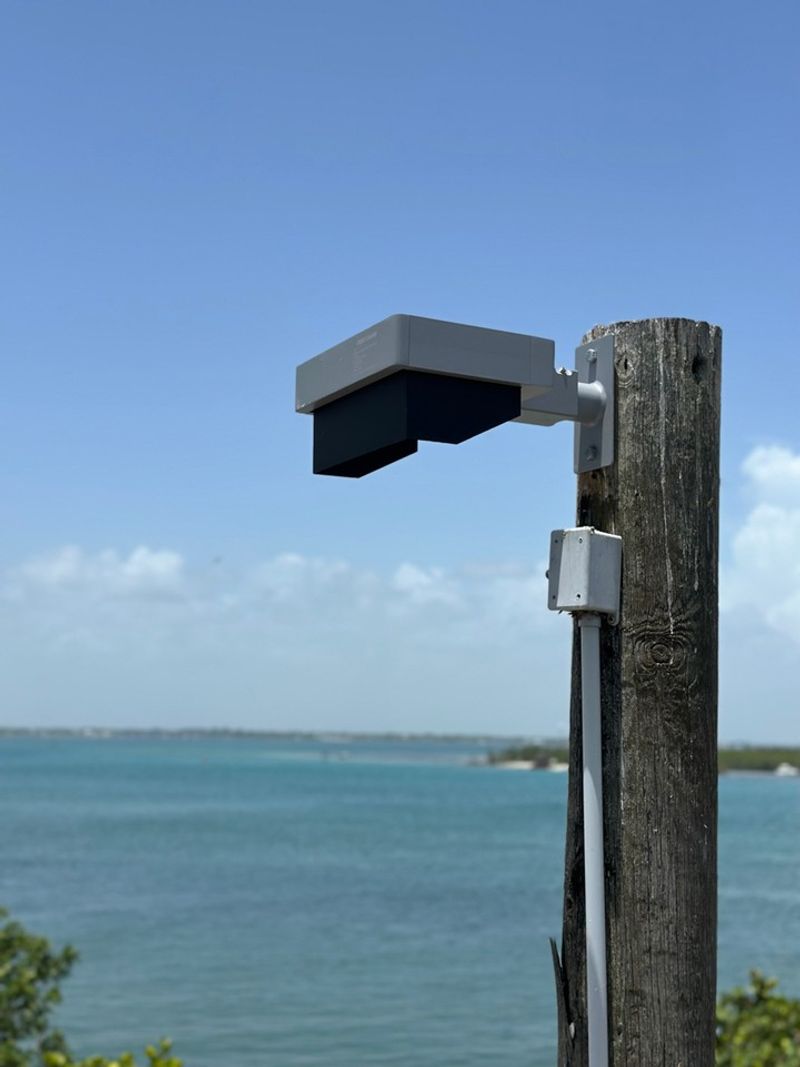
Swapping out one bulb takes about 30 seconds. That 30 seconds could protect an entire nest of 100-plus hatchlings from getting lost on the beach.
Amber and red-spectrum bulbs are the gold standard for turtle-safe lighting. These wavelengths fall outside the range that disrupts sea turtle navigation.
Most hardware stores and online retailers now carry turtle-safe bulbs specifically labeled for coastal use. They look warm and cozy from inside the house, which is a bonus.
Shielded fixtures direct light downward rather than outward toward the beach. A fixture without shielding can send light horizontally across the sand even with the right bulb installed.
The combination of amber spectrum and downward shielding is what local ordinances actually require. Meeting only one condition is not enough to stay compliant.
Vacation rental owners have started pre-installing compliant fixtures to avoid liability. Guests arrive to a setup that is already code-ready and easy to use.
Motion-sensor lights are a popular workaround, but they still need to use amber bulbs. A white motion light flashing on and off can still disorient hatchlings nearby.
Pool lights present a separate challenge since they sit close to ground level. Submerged pool lights should be turned off or covered after dark during the nesting season.
String lights along railings are charming but often non-compliant. Replacing white string lights with amber versions keeps the ambiance without breaking the rules.
Making these upgrades before your trip begins means you never have to scramble at sunset. Preparation is the easiest form of protection available to any coastal visitor.
Beach Habits That Matter As Much As Lighting Choices
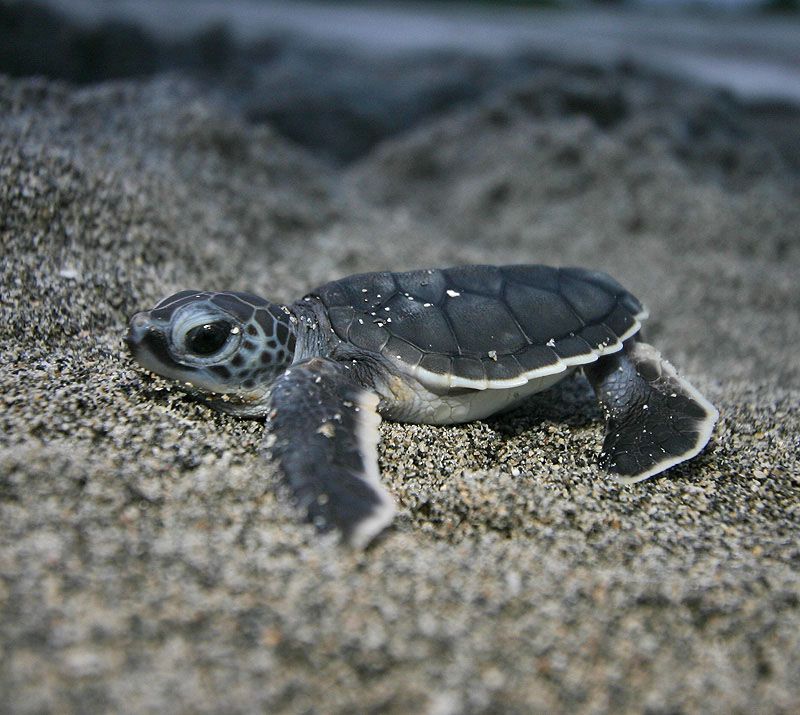
Lighting is not the only thing hatchlings need from beachgoers. What you do with your body, your gear, and your trash matters just as much after dark.
Chairs and umbrellas left on the sand overnight create physical obstacles for emerging hatchlings. A nest can produce over a hundred babies in a single night, all moving at once.
Beach towns along the coast ask visitors to clear the sand before nightfall. Leaving equipment out past that hour puts crawling hatchlings at real risk of getting trapped.
Holes dug in the sand during the day should be filled before you leave the beach. A hatchling can fall into a foot-deep hole and struggle for hours trying to climb back out.
Flashlights are another common hazard during nighttime beach walks. Standard white flashlights should be replaced with red-filtered versions during the nesting season.
Red light is far less disruptive to turtle vision and navigation. You can still see where you are going, and the hatchlings stay on course toward the water.
Bonfires on the beach are heavily restricted near nesting zones. The bright flame and scattered embers create the same disorientation problem as artificial porch lighting.
Fireworks shot off from private properties compound the issue significantly. Multiple light sources firing at once can scatter an entire emerging clutch in different directions.
Keeping noise low near nesting areas also helps, since heavy foot traffic and activity near a nest can disturb hatchlings as they emerge. Gentle, aware behavior on the beach costs nothing and protects everything.
These habits, paired with the porch light rule, create a beach environment where turtles actually have a fighting chance every October night.
Reporting Nests And Disoriented Hatchlings
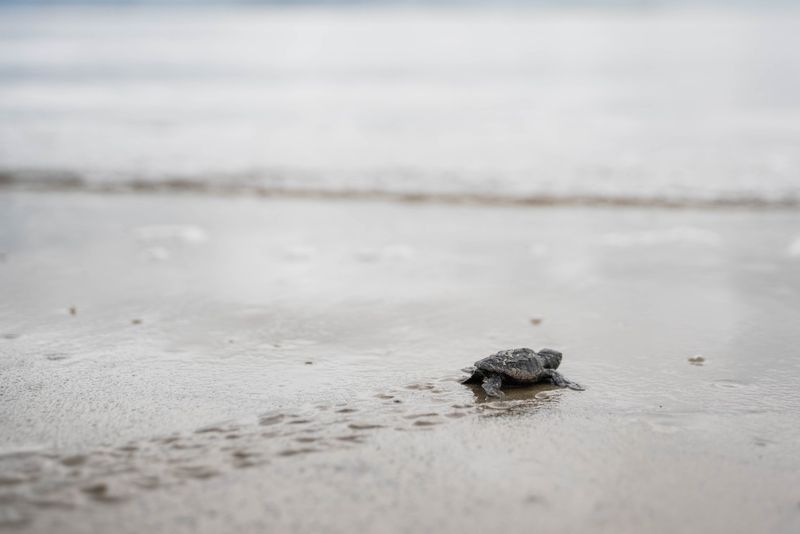
Spotting a disoriented hatchling is one of those moments that stays with you. Knowing what to do next is what separates a witness from a rescuer.
South Carolina’s sea turtle stranding network operates around the clock during nesting season. A single phone call can get a trained responder to your location within minutes.
The South Carolina Department of Natural Resources runs the primary reporting hotline. Their number is widely posted at beach access points and on local town websites.
Avoid picking up a hatchling and carrying it to the water yourself. Well-intentioned handling can cause injury and skips a critical crawl that helps the turtle build muscle strength.
The beach crawl from nest to water is not just a journey, it is a workout. Hatchlings need that physical effort to prepare for open-ocean survival.
If a hatchling is heading toward a road or structure, you can gently guide it with your hands without lifting it. Keep your movements slow and your flashlight pointed away from the turtle.
Nest discovery should also be reported rather than handled independently. Fresh nests are marked and monitored by permitted volunteers who know exactly how to protect them.
Photographing a nest or a hatchling for social media seems harmless but can cause real problems. Flash photography and screen glare are just as disruptive as a porch light.
Your local beach patrol or town’s environmental office can connect you with volunteer programs. Getting involved as a monitor is one of the most rewarding ways to spend an October morning on the coast.
The porch light rule and the reporting network work together as one system, and your participation makes both stronger every single season.