The Bermuda Grass Mowing Mistake South Carolina Homeowners Keep Making

Those perfect green stripes hide a problem most homeowners miss. South Carolina lawns are quietly weakening from a disguised mistake. Bermuda grass forgives almost everything except this single habit.
Blade height matters more than you think during scorching weeks. Crowns left exposed cannot shield themselves from relentless sun. Brown patches spread fast once that protective canopy disappears.
Heat finds every weakness you accidentally created with a mower. Roots slow, growth stalls, and color fades within days. Nobody warns homeowners that a clean cut costs more than looks.
Neighbors nearby compare lawns while yours quietly falls behind. Effort poured into mowing should build strength, not weaken it. Summers in South Carolina test sloppy mistakes without mercy or delay.
Recovery becomes much harder the longer trouble goes unnoticed. Answers exist, but only if you understand what actually happened. You need to know exactly what your lawn is fighting before it’s too late.
Why Bermuda Grass Owners Chase A Shorter Cut In Summer
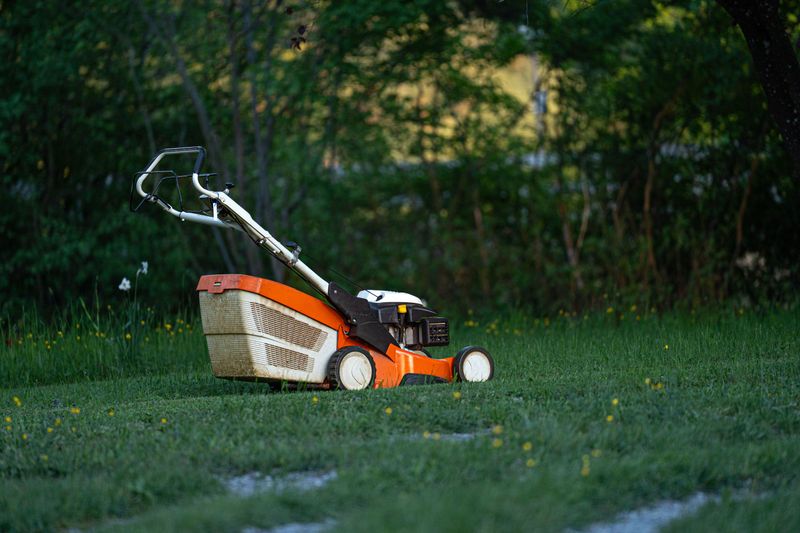
There is something satisfying about a freshly cut lawn that looks tight and trim. Bermuda grass owners often chase that low, carpet-like look they see on golf courses and baseball fields.
The logic seems simple enough: cut it short, and it stays neat longer. Fewer mowing sessions sounds like a win during a busy summer schedule.
That golf course look comes from professional turf managers who use specialized reel mowers and grass cultivars specifically bred to tolerate very low cutting heights. They also follow strict height schedules that most homeowners never see or hear about.
Bermuda grass mowing done too aggressively strips the lawn faster than it can recover. The grass needs some leaf blade left above the soil to stay healthy and green.
Many homeowners also believe a shorter cut helps the lawn fight off weeds. That idea has some truth to it, but only when the grass is already thick and healthy.
Cutting too low actually weakens the turf and opens gaps where weeds love to move in. The shorter the cut, the more vulnerable the lawn becomes during hot, dry stretches.
Homeowners also tend to lower the mower deck when they skip a week of mowing. They figure one aggressive cut will make up for lost time.
That kind of thinking leads directly to scalping. Removing more than one-third of the blade at once puts serious strain on any grass type, especially Bermuda.
Understanding why the urge to cut short exists is the first step to breaking the habit for good.
Scalping Happens When Mowing Goes Too Low
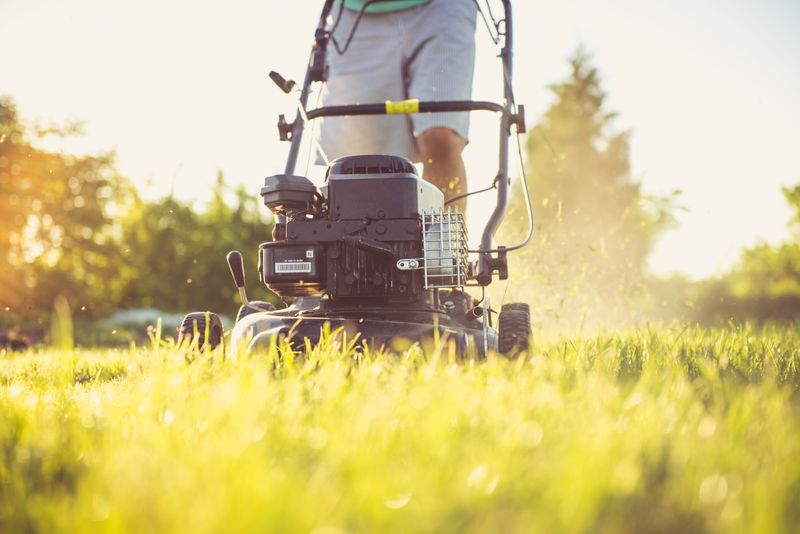
Scalping is not just an aggressive mow. It is what happens when the mower blade removes the green leaf tissue and exposes the brown, woody stems underneath.
Those brown stems are called stolons. They run along the soil surface and are the backbone of how Bermuda grass spreads and grows.
When the green blades are gone, the plant loses its ability to capture sunlight. No sunlight means no food production, and the lawn quickly depletes its stored energy reserves.
Your South Carolina Garden Changes Every Week. Your Plan Should Too.
Gardening in South Carolina changes quickly throughout the season. Every Friday you’ll receive a simple weekly plan showing exactly what to plant, prune, fertilize, harvest, and protect so you never miss the right timing.
Bermuda grass mowing that drops below one inch for home lawns causes this kind of damage quickly. Most rotary mowers found in garages are not even designed to cut that low cleanly.
A dull mower blade makes things worse by tearing the grass instead of cutting it. Torn edges dry out faster and invite disease into the open wound.
The mower deck height is often set by feel rather than measurement. Homeowners eyeball it and assume they are in a safe range, but the actual cut can be far lower than expected.
Uneven ground also plays a role. A yard with slight slopes or bumps will cause the deck to scalp low spots even when the overall height setting looks fine.
Tree roots pushing up under the turf create high spots that get buzzed clean with every pass. Those areas experience repeated scalping without the homeowner even realizing it.
Scalping is a form of physical damage to the lawn, and like any damage, it recovers best when caught early.
South Carolina Heat Makes Scalping Stress Worse
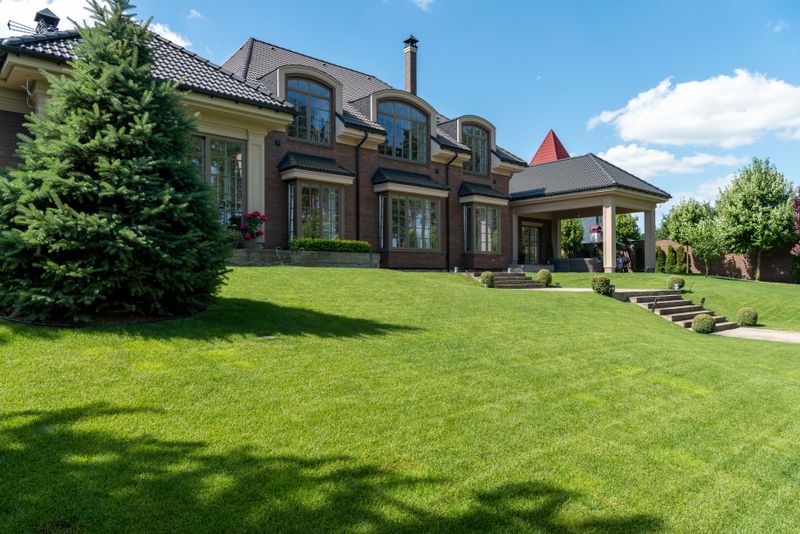
Summer heat in South Carolina is no joke. Temperatures regularly climb above 95 degrees Fahrenheit, and humidity makes the air feel even heavier.
Bermuda grass is a warm-season turf that actually thrives in heat, but only when it has enough leaf blade to protect itself. Scalped grass loses that protection instantly.
When the green canopy is removed, the soil surface is exposed directly to the sun. Soil temperatures in a scalped area can spike sharply within hours of a hot afternoon.
Those extreme soil temperatures damage the roots that live just below the surface. Shallow, heat-stressed roots cannot pull in water efficiently, even when irrigation is running.
The combination of a bad Bermuda grass mowing session and a week of 95-degree days can set a lawn back by weeks. Recovery slows down when the plant is fighting heat and drought at the same time.
Coastal areas deal with salt air on top of the heat, which adds another layer of stress to already struggling turf. Inland regions face dry spells that drain soil moisture fast.
Afternoon thunderstorms offer some relief, but they are unpredictable. A lawn that was scalped before a dry stretch has no buffer against the heat.
The timing of the mow matters as much as the height. Cutting during the hottest part of summer requires more caution than cutting in spring or fall. Heat and a low blade are a difficult combination, and the lawn often struggles as a result.
Signs Your Lawn Has Already Been Scalped
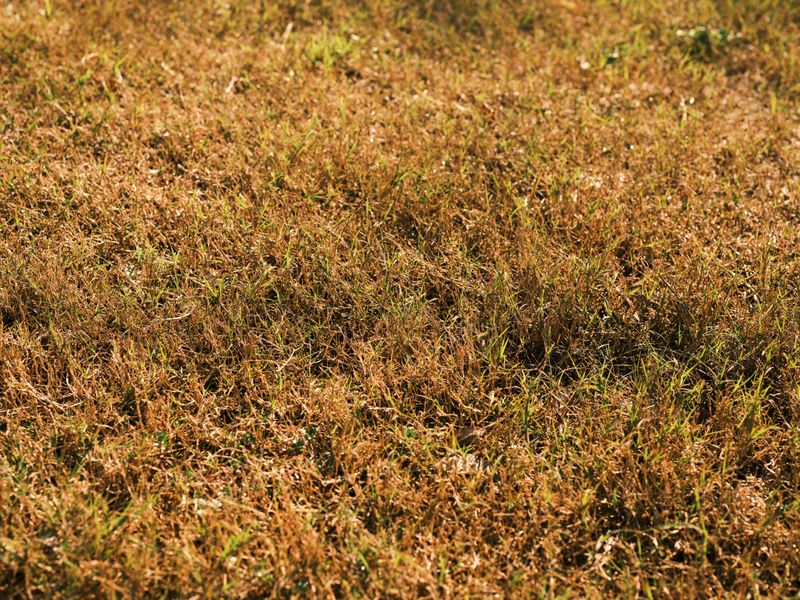
Brown patches that appear right after mowing are one of the clearest signs of scalping. If the lawn looked green before you cut and tan afterward, the blade went too low.
The brown color comes from the exposed stolons and crowns that have no green tissue left. Those woody stems do not reflect light the same way healthy blades do.
Another sign is a spongy, matted texture underfoot. When the leafy canopy is gone, the remaining stems flatten and compress under foot traffic.
Thinning areas that seem to spread over a week or two after mowing also signal scalp damage. The stressed turf pulls back rather than pushing new growth outward.
Weed seedlings popping up in the thin spots are a secondary symptom. Open soil with weakened competition is an open invitation for crabgrass and other summer weeds.
Bermuda grass mowing damage can also show up as uneven color across the lawn. Some sections stay green while others turn pale, creating a patchy, inconsistent look.
Dry, crispy edges along the stolons are another clue. Healthy stolons stay flexible and light-colored, but scalped ones dry out and feel rough to the touch.
Slow regrowth is perhaps the most frustrating sign. A healthy Bermuda lawn bounces back quickly after a proper cut, but a scalped one seems to stall for days.
Catching these signs early gives you the best shot at recovery before the damage spreads further across the yard.
Finding The Right Mowing Height For Summer
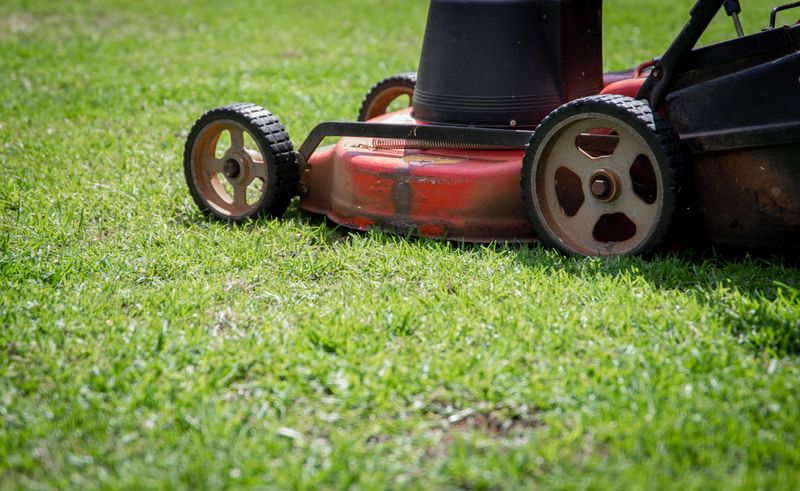
Getting the height right is the single most important part of a healthy summer mowing routine. For home lawns with Bermuda grass, the sweet spot sits between one and two inches.
Most lawn care professionals recommend staying closer to one and a half inches during peak summer. That height keeps the lawn looking trim without exposing the crowns to direct sun.
Check your mower deck setting before every mow, not just at the start of the season. Decks can shift after hitting curbs, roots, or rough terrain during a previous session.
Use a ruler to measure the actual cut height rather than trusting the numbered dial alone. Mow a small test patch, then measure the remaining grass with a tape measure.
The one-third rule is your best friend here. Never remove more than one-third of the total blade length in a single mowing session.
If the lawn got away from you and grew tall, bring it down gradually over two or three sessions. Dropping it all at once causes the same damage as intentional scalping.
Bermuda grass mowing frequency matters just as much as height. Mowing every five to seven days during active growth keeps the lawn at a manageable level.
Sharp blades make a noticeable difference in cut quality. A sharp blade slices cleanly, while a dull one tears and shreds, leaving jagged edges that brown quickly.
Consistent height management is the foundation of a lawn that stays thick, green, and weed-resistant all summer long.
Recovering A Lawn After Scalping
Recovery starts the moment you stop making the same mistake. The first step is to resist the urge to mow again until the lawn shows visible green regrowth.
Give the turf at least two weeks before cutting again. The grass needs time to push new leaf blades up from the crowns before another mow makes sense.
Water consistently during the recovery window. Bermuda grass roots are shallow after scalping, and they need frequent, lighter irrigation rather than one heavy soak per week.
Early morning watering works best because it gives the soil time to absorb moisture before the afternoon heat kicks in. Evening watering can leave the lawn damp overnight and invite fungal problems.
A light application of a balanced fertilizer can help speed up the bounce-back. Look for a product with a moderate nitrogen level to encourage leaf growth without overloading the plant.
Avoid heavy foot traffic on recovering areas. Kids, pets, and lawn furniture all put pressure on stressed turf that is trying to rebuild its canopy.
Bermuda grass mowing can resume once the lawn reaches about two inches of height again. At that point, bring it back to your target height gradually using the one-third rule.
Overseeding thin or bare spots with Bermuda seed or plugs can help fill in areas that are slow to recover on their own. Patch work now saves a full renovation later. A little patience and the right care plan will bring most scalped lawns back to full health.