What’s Really Behind Minnesota’s Sudden Backyard Bird Boom
Wings are filling your porch from Duluth to Rochester now. Feeders you ignored all summer are suddenly full of color. You are noticing a rare overlap most birders never expected. Minnesota sits on a migratory route you rarely notice.
Cooler air up north is nudging songbirds toward you early. Warblers, finches, and sparrows now share branches near you. Thin seed crops farther north are guiding detours through Minnesota. Sudden cold snaps squeezed weeks of migration into days.
Rare species seldom seen together are landing side by side. Photographers near you are heading outside daily. Experts call this overlap unusually rich and unpredictable. Your binoculars might not be ready for what shows up.
Nothing about this surge is ordinary or easily explained. Every yard near you could hold a discovery worth chasing. Local birding groups are humming with sightings you should see. Blink and you might miss this wave entirely.
A Sudden Surge Backyard Birders Can Not Ignore
Your feeder isn’t malfunctioning, activity has simply increased. Backyard birders across Minnesota are watching notably high numbers of birds show up seemingly overnight.
This sudden backyard bird boom has caught even seasoned watchers off guard. Species that rarely visited before are now regulars at the seed tray.
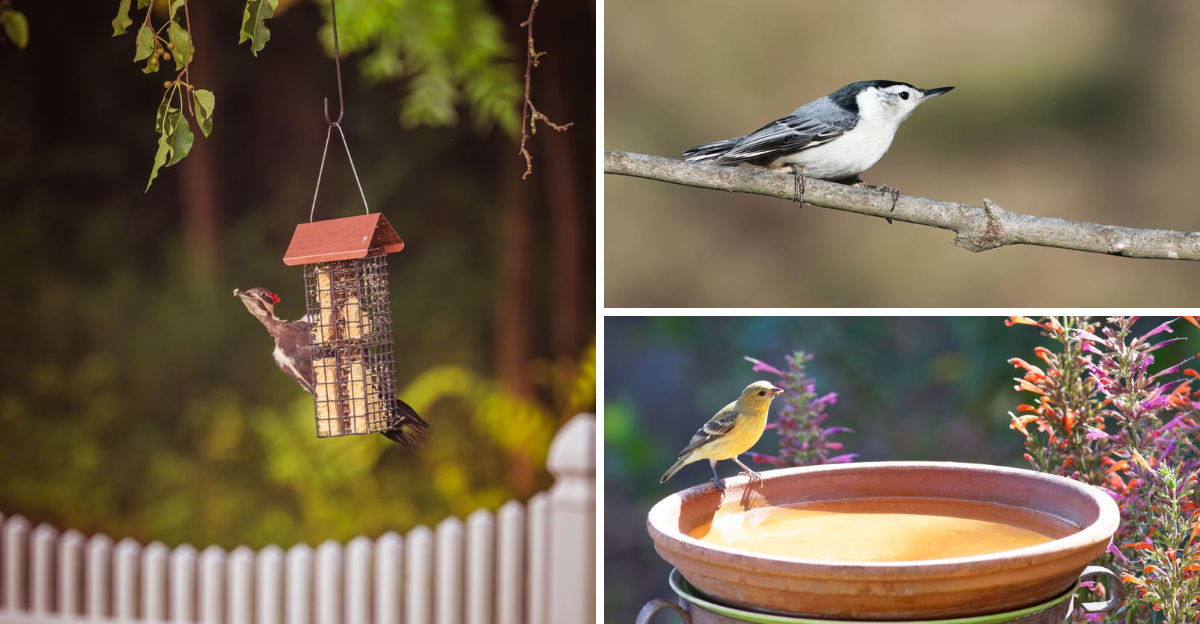
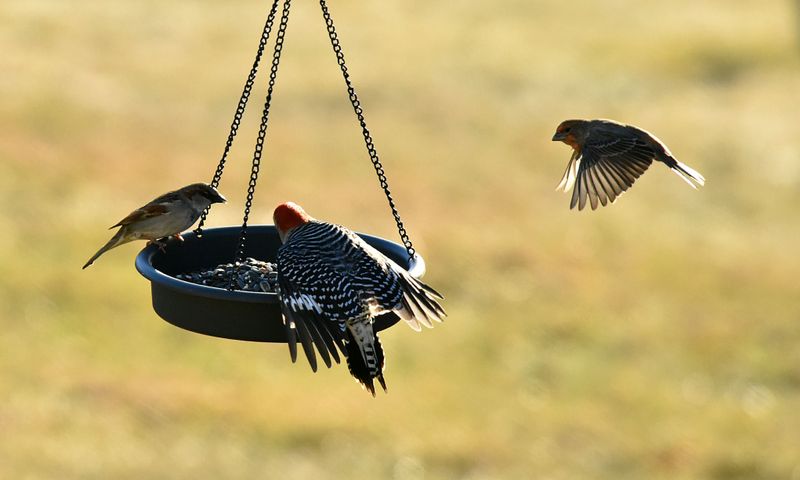
Part of what makes this surge so striking is the sheer variety. Finches, sparrows, nuthatches, and woodpeckers are all competing for the same real estate.
Neighborhoods near wooded edges are seeing the biggest spikes. Yards with mature trees and water sources are drawing in far more visitors than open lawns.
Citizen science platforms like eBird have logged a noticeable rise in checklists across the state this season. Observers are submitting reports faster than ever before.
What is driving all of this? The answer is not just one thing but a mix of forces all colliding at once.
Habitat changes, weather shifts, and smarter feeding setups are all playing a role. Understanding what is behind the boom makes watching even more rewarding.
Grab your binoculars and keep reading, because the reasons behind this surge are worth understanding.
Why Fall Migration Fuels This Feeder Frenzy
Every autumn, the sky over Minnesota becomes a major migration corridor. Millions of birds push south, and many of them stop to refuel along the way.
Fall migration is the single biggest driver of the backyard bird boom happening right now. Feeders become rest stops for birds traveling hundreds of miles.
Birds need serious calories before and during long flights. A well-stocked feeder can offer meaningful support to birds during a demanding migration.
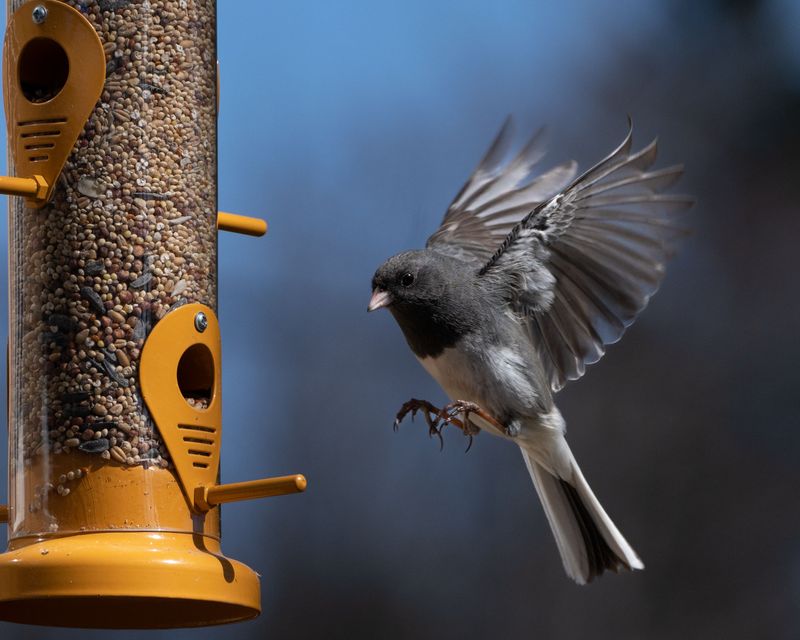
Dark-eyed juncos are often the first sign that migration is in full swing. When those little gray-and-white birds appear, things are about to get very busy.
White-throated sparrows follow closely behind, scratching through leaf litter under feeders. Their whistled song is one of autumn’s most recognizable sounds.
Migration does not happen all at once, which is why the boom feels like it builds in waves. New arrivals keep showing up as northern birds push through.
Your Minnesota Garden Changes Every Week. Your Plan Should Too.
Gardening in Minnesota changes quickly throughout the season. Every Friday you’ll receive a simple weekly plan showing exactly what to plant, prune, fertilize, harvest, and protect so you never miss the right timing.
Timing matters a lot for backyard birders hoping to catch peak activity. Mid-September through late October is typically the sweet spot in this region.
Keeping feeders clean and stocked during these weeks pays off in a big way. Birds often return to reliable feeding spots season after season.
Which Species Are Showing Up Most Right Now
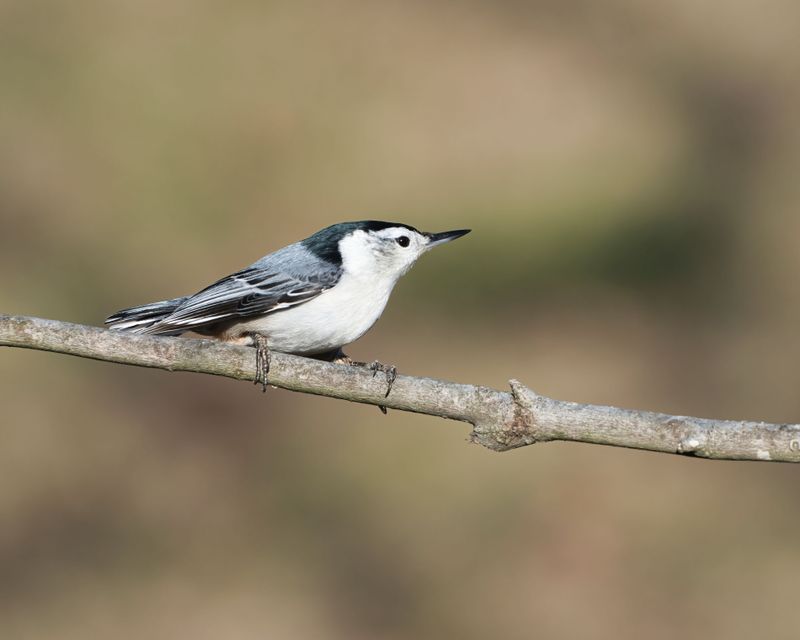
Not every bird in the boom is passing through. Some are settling in for the long haul, and knowing who is who adds a whole new layer of fun.
Purple finches are turning heads this season with their raspberry-red plumage. Many birders confuse them with house finches, but the color is noticeably richer and deeper.
White-breasted nuthatches are another crowd favorite showing up in higher numbers. These upside-down walkers creep down tree trunks headfirst with impressive confidence.
Downy woodpeckers are practically everywhere right now, tapping away at suet cages. Their small size and bold black-and-white pattern make them easy to spot and love.
Pine siskins have been making surprise appearances at nyjer feeders. When these streaky little finches arrive, they tend to come in rowdy flocks.
American tree sparrows are just beginning to filter in from their northern breeding grounds. They look similar to chipping sparrows but sport a rusty cap and a dark chest spot.
Chickadees, always a staple, seem bolder than usual this time of year. They are busy caching seeds for winter, making dozens of trips a day.
Spotting a new species at your feeder for the first time is one of birding’s greatest small joys. Right now, the chances of that happening are higher than they have been in years.
How Weather Patterns Push Birds Into Yards
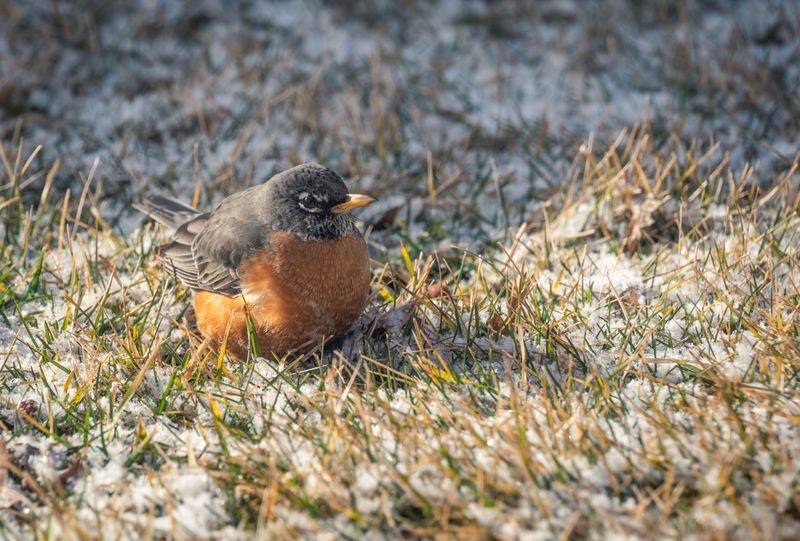
Cold fronts often trigger large-scale bird movement. When a strong system pushes through from the north, birds get moving fast and in huge numbers.
Weather is one of the most underrated forces behind the backyard bird boom. A single overnight cold snap can triple the number of species at your feeder by morning.
Birds are incredibly sensitive to pressure changes and temperature drops. They read the atmosphere like a forecast and respond before most humans even check the weather app.
Tailwinds from northwest systems help birds cover massive ground overnight. By dawn, they land hungry, tired, and very interested in whatever you have set out for them.
Rain events also concentrate birds in unexpected ways. During heavy precipitation, birds seek shelter near structures and dense shrubs, which often means backyards.
Drought conditions in other regions can redirect migration routes toward areas with better food and water. Minnesota’s lakes and rivers make it a reliable stopover corridor.
Unusual warmth in September can actually delay migration, bunching birds together. When the cold finally hits, they all move at once in a concentrated wave.
Paying attention to the forecast is genuinely useful for birders. If a cold front is due overnight, set your alarm early and get outside before the rush fades.
Feeder Setups That Keep The Crowds Coming
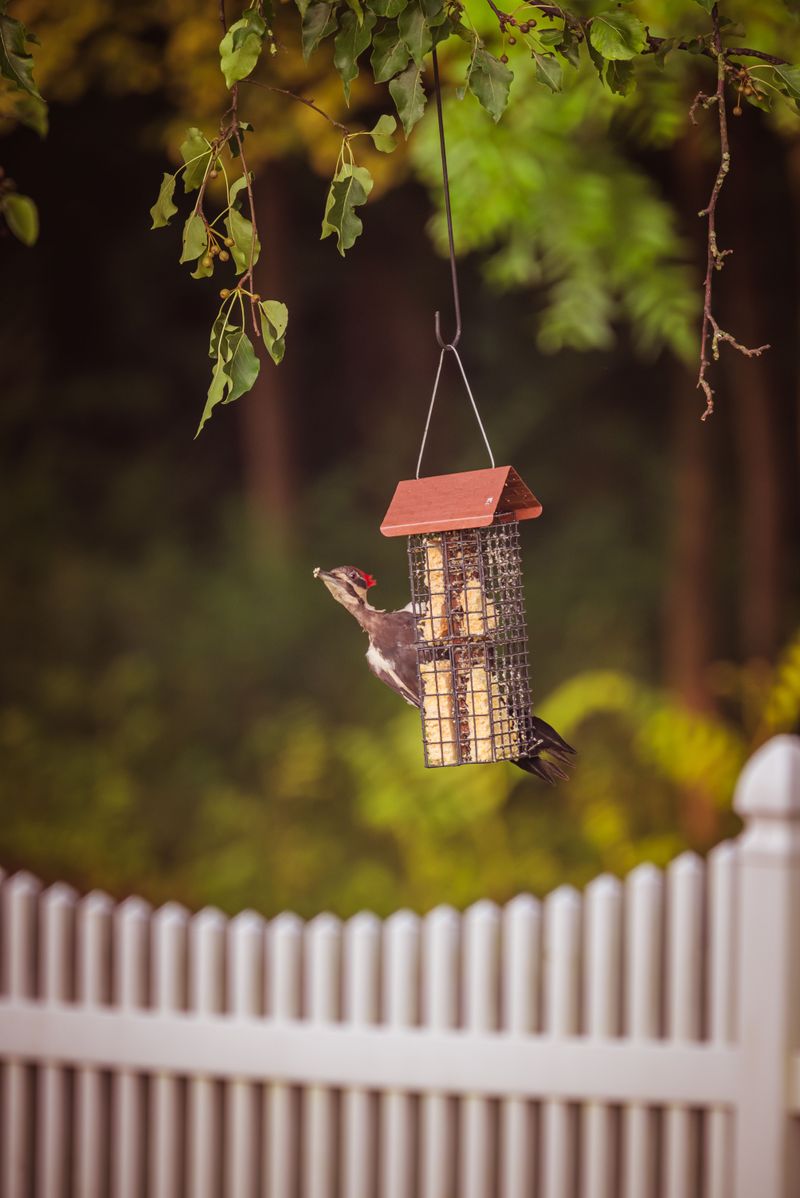
A single tube feeder is a good start, but a smart setup makes a meaningful difference. Birds have preferences, and matching the feeder to the species makes all the difference.
Platform feeders attract the widest variety of ground-feeding birds like juncos and sparrows. Spread white millet or sunflower chips across the flat surface and watch the action begin.
Suet cages are essential if you want woodpeckers and nuthatches sticking around. High-fat suet is exactly what these birds need to build energy reserves for colder months.
Nyjer seed in a sock or tube feeder is a reliable option for finches. Pine siskins and goldfinches will drain a nyjer feeder faster than you expect.
Placement matters just as much as the food itself. Feeders placed near shrubs or brush piles give nervous birds a quick escape route, making them feel safer.
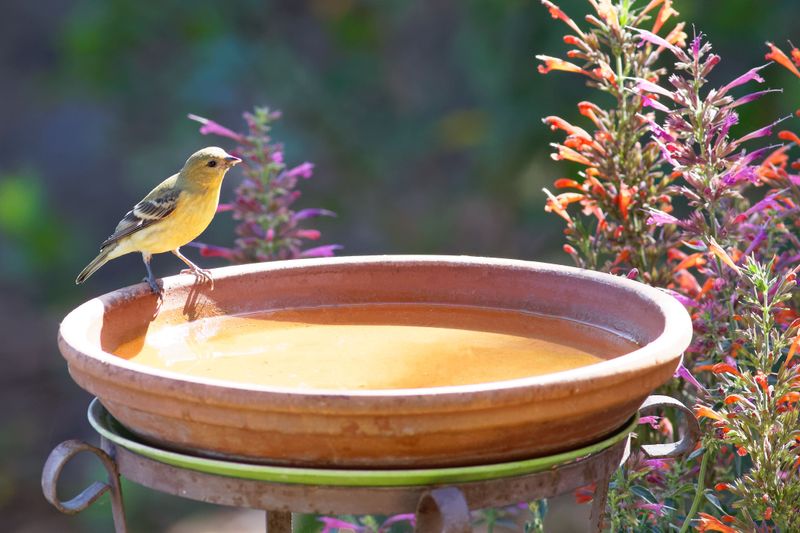
Water is often an overlooked element of a successful feeding station. A heated birdbath in cooler months draws in species that rarely touch seed at all.
Keeping feeders clean prevents the spread of disease among crowded flocks. A quick scrub with hot water every week or two keeps your station healthy and active.
Layering your setup with different heights and food types creates a miniature ecosystem. Birds that would not normally share space end up coexisting beautifully when resources are well-distributed.
What This Boom Signals About The Season Ahead
Some birders believe bird behavior can hint at the season ahead, though it isn’t a scientifically confirmed predictor. When flocks bulk up early and move fast, many take it as an informal sign that winter may arrive sooner.
Chickadees caching seeds at a frantic pace is a behavior worth watching closely. They do not store extra food unless their instincts are telling them something important.
Irruption years, when northern species like redpolls and crossbills push far south, tend to follow poor food crops up north. Birch and spruce seed failures send these birds searching.
Watching which species arrive and how quickly they move through tells a story. Birds that linger rather than push on may be sensing stable conditions worth settling into.
Feeder traffic patterns can also hint at incoming storms. A sudden spike in feeding activity right before a system arrives is something experienced birders notice every season.
Keeping a simple journal of who visits and when builds a personal data set over time. Year-over-year comparisons reveal patterns that no app can replicate for your specific yard.
The backyard bird boom is more than a fun spectacle, it is a window into something larger. Paying attention now means you will be ready for whatever the season decides to bring.
Simple Habitat Tweaks That Attract Even More Birds
You do not need acres of land to create great bird habitat. Even a small suburban yard can attract significantly more birds with a few smart changes.
Native plants are the single most powerful upgrade any birder can make. Species like winterberry, elderberry, and dogwood produce fruit that dozens of bird species depend on.
Leaving your garden a little messy on purpose actually helps a lot. Seed heads from coneflowers and black-eyed Susans feed goldfinches and sparrows well into winter.
Brush piles are another underrated habitat booster that costs nothing to create. Stack fallen branches and twigs in a corner, and you give ground birds a place to hide and forage.
Standing trees, called snags, are valuable habitat for cavity-nesting and bark-foraging species. If an aging tree is safe to leave standing, woodpeckers and nuthatches will thank you for it.
Reducing or limiting pesticide use is one of the most impactful steps a yard owner can take. Insects are a critical food source for many of the same birds visiting your feeders.
Adding a simple motion-activated sprinkler near a birdbath keeps water fresh and deters cats. Birds are drawn to the sound of moving water more reliably than to any feeder.
Small changes stack up fast, and within a season your yard can feel completely transformed. This backyard bird boom is the perfect motivation to start building something worth coming back to.