The Famous Minnesota Apple Was Nearly Thrown Away And Half Of Its Family Tree Is Still A Mystery
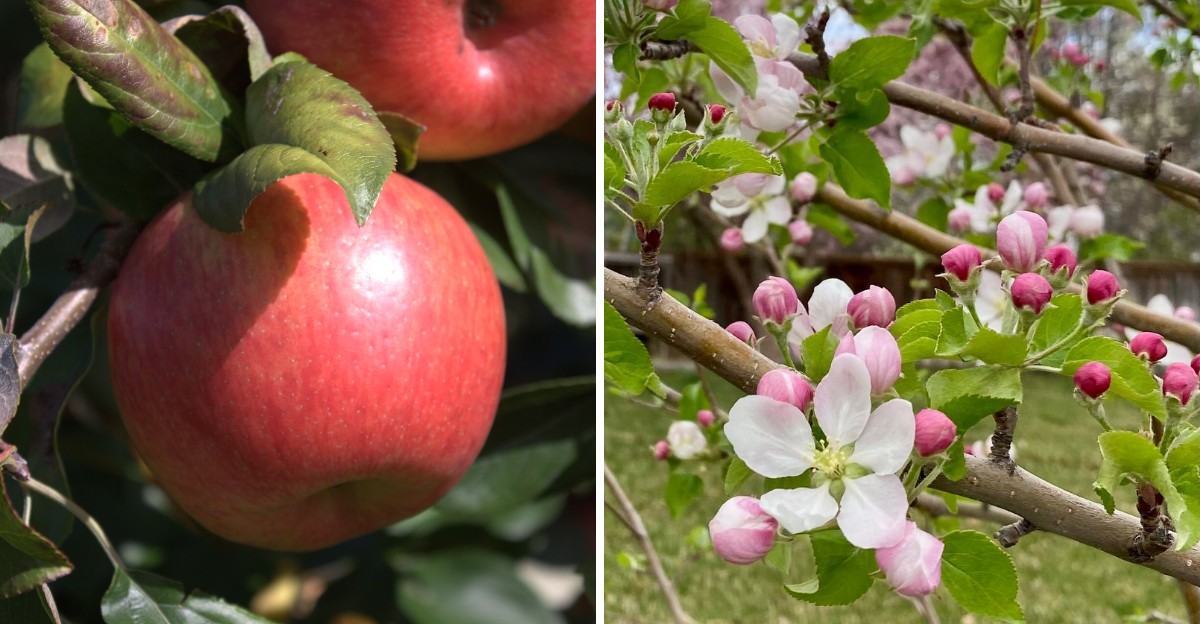
You hold a Honeycrisp, and a discard list nearly claimed it. Picture a Minnesota research farm where you eye a spindly seedling marked for rejection.
Your hero is a persistent scientist who spares it. Thanks to that choice, you taste a supermarket star.
Yet for decades, the records you trusted listed the wrong parents, and nobody noticed. Decades of muddled paperwork hand you a puzzle with missing pieces.
Then geneticists step in, and you watch DNA expose a surprise. Macoun, the parent named on paper, is absent from the results.
Keepsake, a Minnesota creation, does turn up as a parent. The other parent cannot be sampled today.
Imagine that missing sample, a gap tucked inside your snack. Answers matter to you, and the hunt grows sharper daily. Strong flavor, a loud snap, and a secret ancestor await your next bite.
A Timely Rescue From The University Of Minnesota Discard List
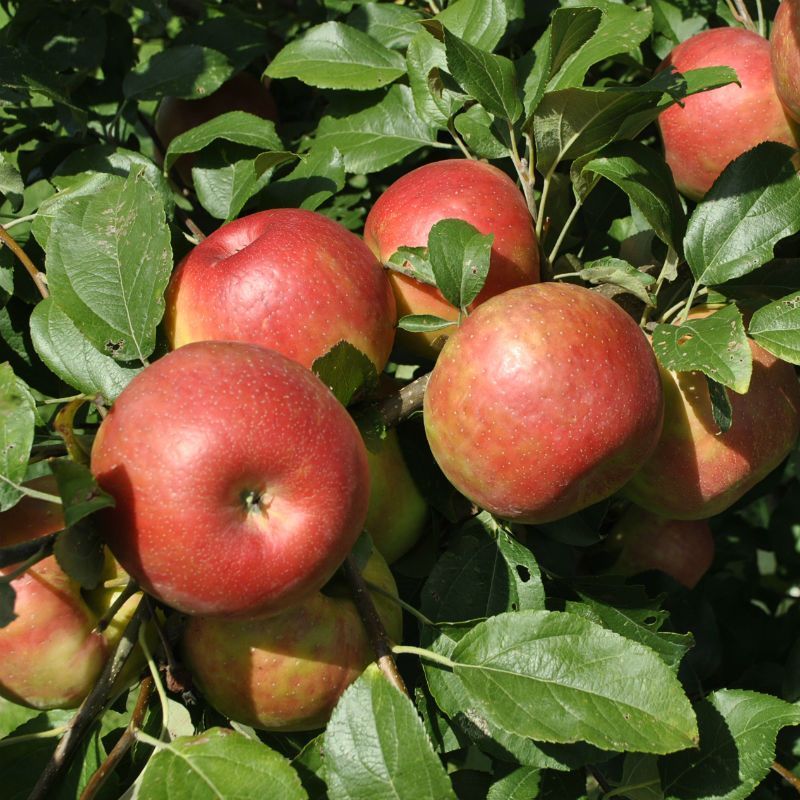
According to University of Minnesota accounts, researcher David Bedford spotted a seedling on a list of trees marked for removal. One seedling, tagged MN1711, caught his eye even though it looked scraggly.
Breeders at the time planted thousands of seedlings, and many were removed after testing. Only a tiny handful ever earn a name and a spot in grocery stores.
Earlier notes suggested the tree might not be worth keeping. Bedford tasted its fruit anyway and noticed something special about the texture.
That bite was very crisp, juicy, and sweet with a hint of tartness. He argued the tree deserved more time, so it stayed in the test orchard.
Testing a new variety takes patience, often twenty years or more of careful notes. The team watched how MN1711 handled harsh Minnesota winters, pests, and storage.
Year after year, the fruit kept its snap even after months in cold storage. Its texture kept standing out in evaluations, a positive sign in apple breeding. Cite a source or delete the sentence.
In 1991, the University of Minnesota finally released it to the public as Honeycrisp. Growers paid extra for young trees, and the variety’s popularity grew steadily in the following years.
By 2006, Minnesota lawmakers named it the official state fruit. A notable outcome for a tree once listed for removal.
Next time you crunch into one, thank a curious scientist who trusted his taste buds. Second chances can produce good results in plant breeding.
The Original Cross Of 1960 And Its Muddled Records
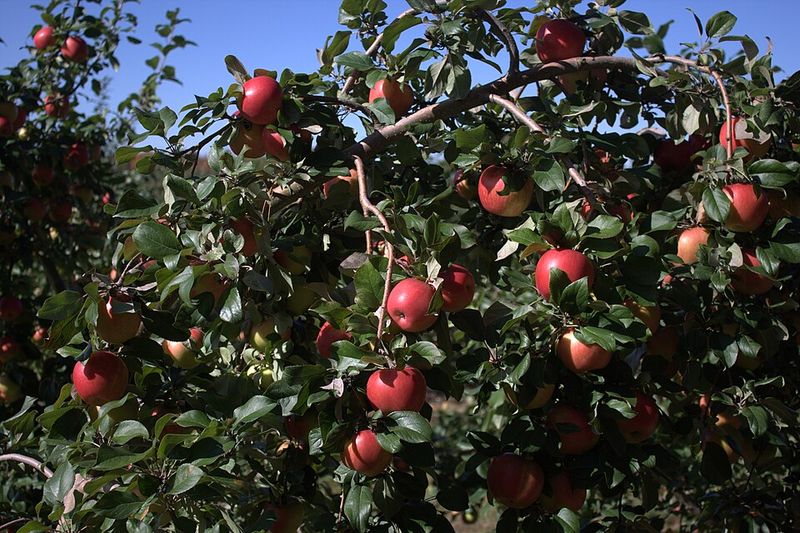
Back in 1960, breeders at the Minnesota Agricultural Experiment Station made a cross between two apple trees. They moved pollen by hand, bagged the flowers, and wrote down the parents.
At least, that was the plan. For decades, official records listed the parents as Macoun and Honeygold.
Honeygold was released around 1970, though it could have existed as an unreleased selection in 1960.
Seeds from that cross were planted around 1962 in the university’s test orchard. Thousands of other seedlings grew nearby, each with its own tag and number.
With so many trees, labels could fade, notebooks could be misplaced, and simple mix-ups could happen. Researchers suspect a tag or record got switched, though pollen contamination is another possible explanation.
Your Minnesota Garden Changes Every Week. Your Plan Should Too.
Gardening in Minnesota changes quickly throughout the season. Every Friday you’ll receive a simple weekly plan showing exactly what to plant, prune, fertilize, harvest, and protect so you never miss the right timing.
Think of it like a school picture day with hundreds of kids and a few smudged name cards. One wrong label, and suddenly a student ends up in the wrong class photo.
Breeders back then had no quick way to test DNA. They trusted handwriting, memory, and careful habits, which worked well most of the time.
The mistake stayed hidden for about forty years. Plenty of books and websites repeated the Macoun and Honeygold story as plain fact.
For curious gardeners, the lesson is simple and practical. Label your plants with weatherproof tags and keep a backup list somewhere safe.
A garden journal might feel fussy today. Future you, or a future scientist, will be grateful for clear notes.
DNA Detective Work On A Famous Family Tree
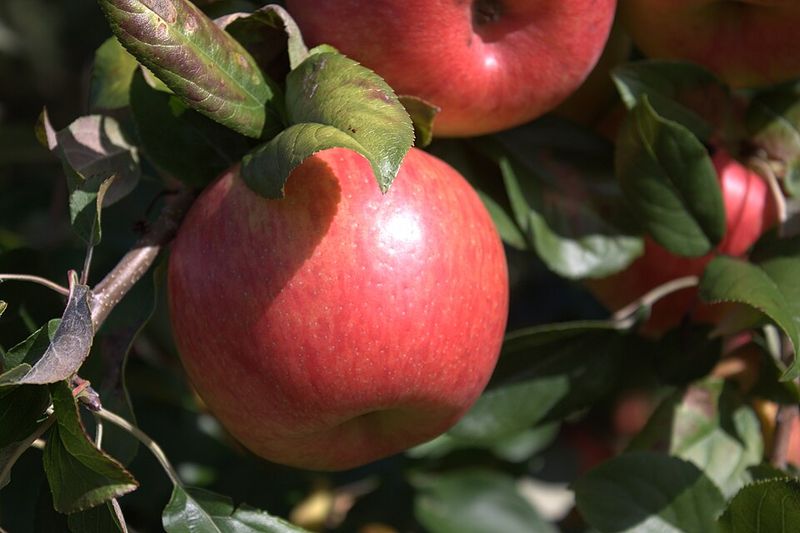
Genetic testing resolved part of the question in the early 2000s. Scientists compared Honeycrisp DNA to many apple varieties stored at the University of Minnesota.
The results ruled out both Macoun and Honeygold as parents. Instead, one parent turned out to be Keepsake, another Minnesota apple known for storing well.
Keepsake came from a cross of Frostbite and Northern Spy. That side of the family tree is clear, tidy, and well documented.
The other parent was trickier to trace. Later research pointed to a numbered breeding selection called MN1627, a test tree that stayed out of stores.
The next complication concerns apple historians. According to published research, the original MN1627 tree no longer exists, so scientists cannot sample it directly.
Researchers made educated guesses by studying the genes Honeycrisp carries that Keepsake could not have supplied. According to published genetic studies, those clues hint at ancestors such as Duchess of Oldenburg and Golden Delicious.
Still, a hint is not the same as proof. Without the actual tree, the second parent’s own ancestry remains uncertain.
It reads a bit like a family tree website, where one branch is filled in nicely. The other branch has a name, a number, and then a big question mark.
Apple DNA is surprisingly complicated, since every seed is a brand new genetic mix. Plant a seed from your Honeycrisp, and the tree will grow something different.
Orchards copy favorite varieties by grafting branches onto rootstock instead. Every Honeycrisp tree you see is a clone of that one rescued seedling.
A Crunch Built From Unusually Large Cells
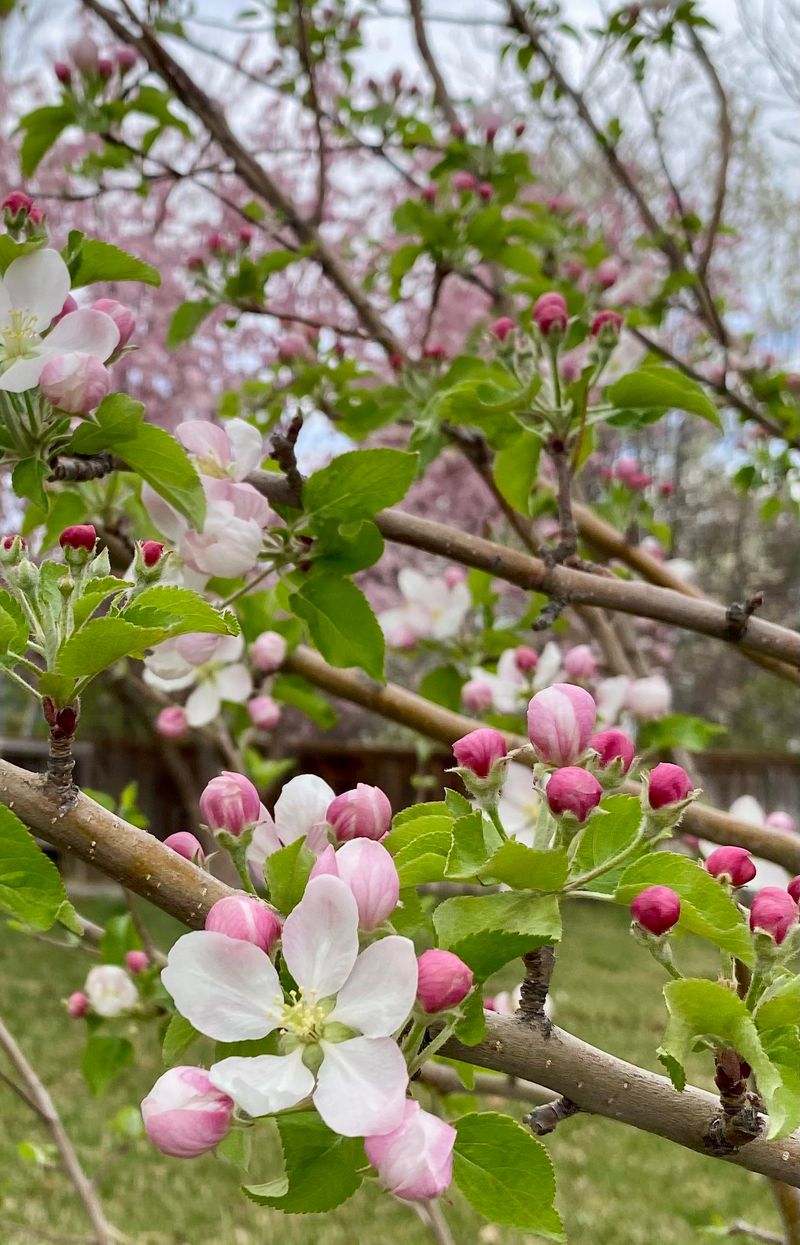
Snap one in half and you can almost hear the crunch across the kitchen. That sound comes from cells much bigger than those in most apples.
Large cells hold more juice, like tiny water balloons packed tightly together. When your teeth break them, they release juice and flavor.
Many apples get mealy because their cells pull apart instead of breaking. Honeycrisp cells tend to crack cleanly, which keeps the bite crisp and juicy.
Food scientists sometimes describe this as a very crisp texture. It sounds technical, but anyone who has tasted one fresh in October understands the idea.
Flavor matters too, and Honeycrisp balances sugar with a gentle tang. The taste is sweet without being syrupy, which makes it popular with picky kids.
Its skin is thin, so you notice the inside more than the peel. Each fruit is red over a yellow background.
Texture also lasts a surprisingly long time. Properly stored fruit can stay crisp for several months, comparable to other good storage varieties.
Teachers and parents can turn this into a quick kitchen experiment. Bite a Honeycrisp, then a softer variety, and compare the sounds and juiciness.
You might even record the crunch on a phone and play it back. Kids usually laugh at how loud a single bite can be.
That signature crunch helped the variety stand out in crowded grocery bins. Shoppers who remembered the texture kept coming back for more.
Growing Pains For Orchards And Home Gardeners
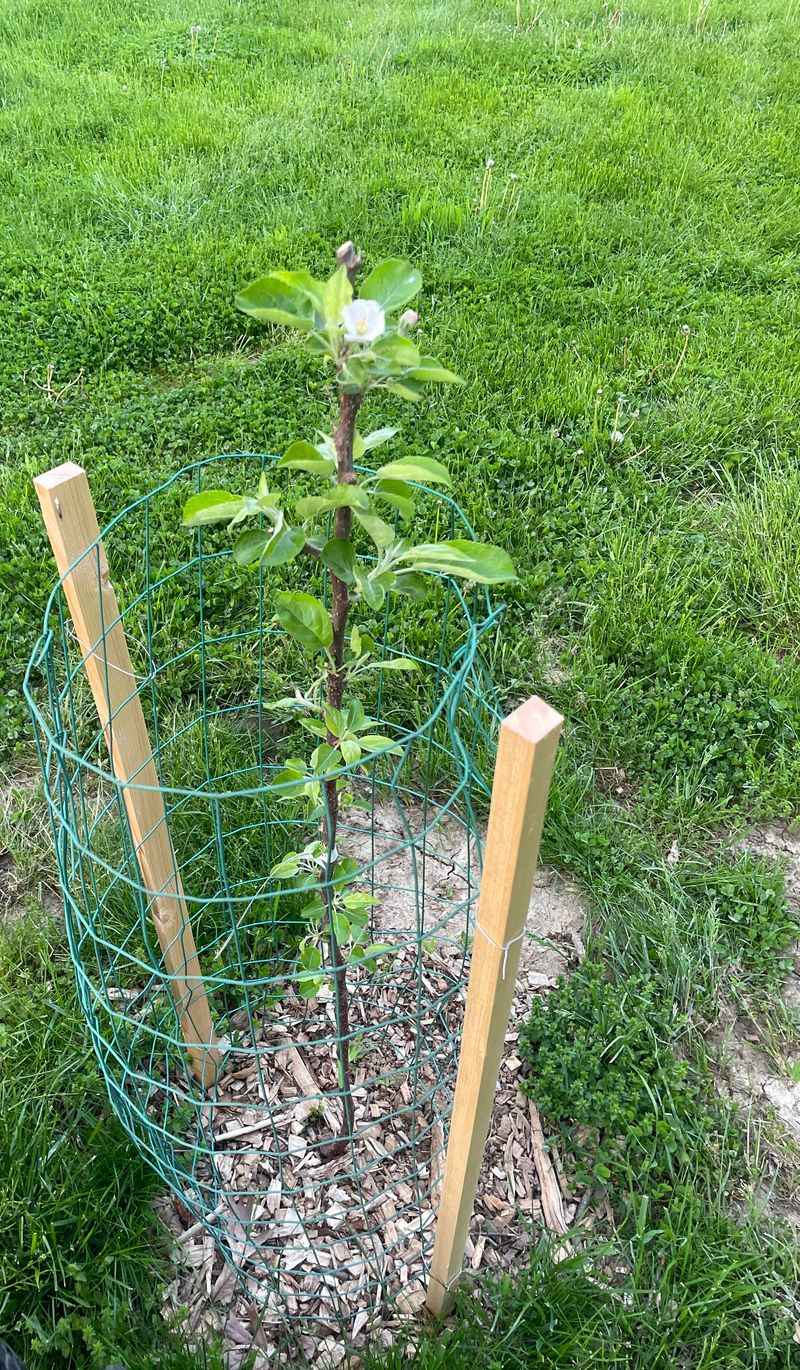
Ask any orchard owner about Honeycrisp, and you might hear pride mixed with caution. The tree is known for being demanding, even though shoppers like its fruit.
One common problem is bitter pit, which causes small brown spots on the skin. It happens when the fruit does not get enough calcium during growth.
Growers respond with calcium sprays during summer. They also avoid heavy fertilizer, since too much leafy growth can divert calcium from the fruit.
Another challenge is uneven cropping. A tree may load up with fruit one year, then produce very little the next.
Thinning the tiny fruit in early summer helps balance things out. Removing extras feels wasteful, but the remaining apples grow bigger and the tree stays steadier.
Honeycrisp also bruises easily and has stems that can puncture neighboring fruit. Many pickers clip stems short by hand, which slows the harvest and raises prices.
Fruit can ripen unevenly on the same tree, so pickers often harvest in several passes. Each round adds labor, which is another reason these apples cost more.
Home gardeners can grow it too, especially in cold areas, since it is generally hardy in USDA zone 3, where winter lows can reach minus 30°F to minus 40°F. Choose a sunny spot with well-drained soil and plan for another variety nearby for pollination.
Test your soil before planting to check calcium levels. Your local extension office can usually help for a small fee.
With some care, a backyard tree can start producing within three to five years. Patience pays off with fruit that can match store-bought quality.
October Shopping And Storage Tips For Peak Crunch
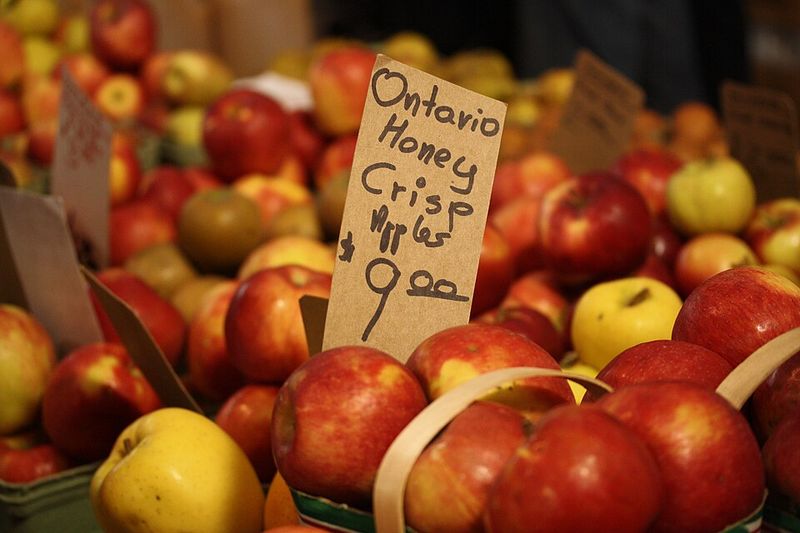
October is prime time for Honeycrisp, with fresh crops filling farm stands and grocery bins. Harvest usually starts in September, so this month offers the widest selection.
Look for firm fruit with a bright yellow background color under the red blush. Green patches suggest the apple was picked early and may taste less sweet.
Give each apple a gentle squeeze before buying. Soft spots or wrinkled skin mean it has been sitting around too long.
At home, skip the fruit bowl if you want them to last. Apples soften about ten times faster at room temperature than in the fridge.
Store them in the crisper drawer inside a plastic bag with a few small holes. The bag holds moisture, while the holes let extra gas escape.
Keep apples away from leafy greens and carrots. Apples release ethylene gas, which can make carrots bitter and cause leafy greens to yellow or spoil faster.
Commercial packers condition Honeycrisp at about fifty degrees for a week before chilling. That step helps prevent soft scald, a browning problem caused by cold shock.
Apple picking is a classic fall outing in Minnesota and many northern states. Call ahead, since some popular orchards may sell out earlier in the season.
Buying a whole half-bushel is tempting when prices drop at the orchard. Just plan your fridge space first, since a half-bushel weighs around twenty pounds.
Try slicing one into thin rounds with peanut butter for an easy after-school snack. A spritz of lemon juice keeps slices from browning in lunch boxes.