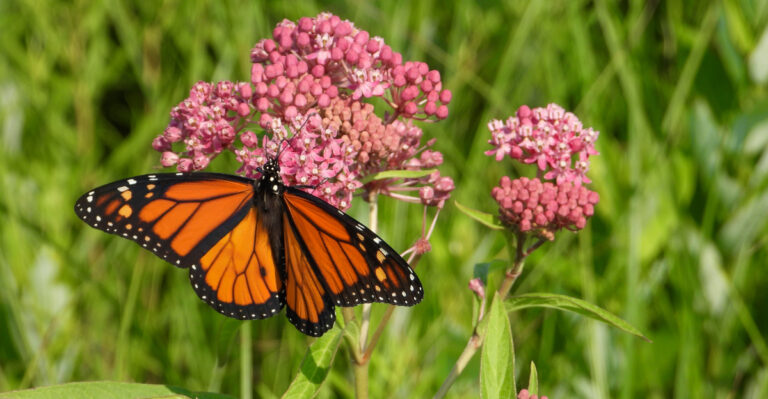
The Native Michigan Perennial That Feeds Migrating Monarchs Into October
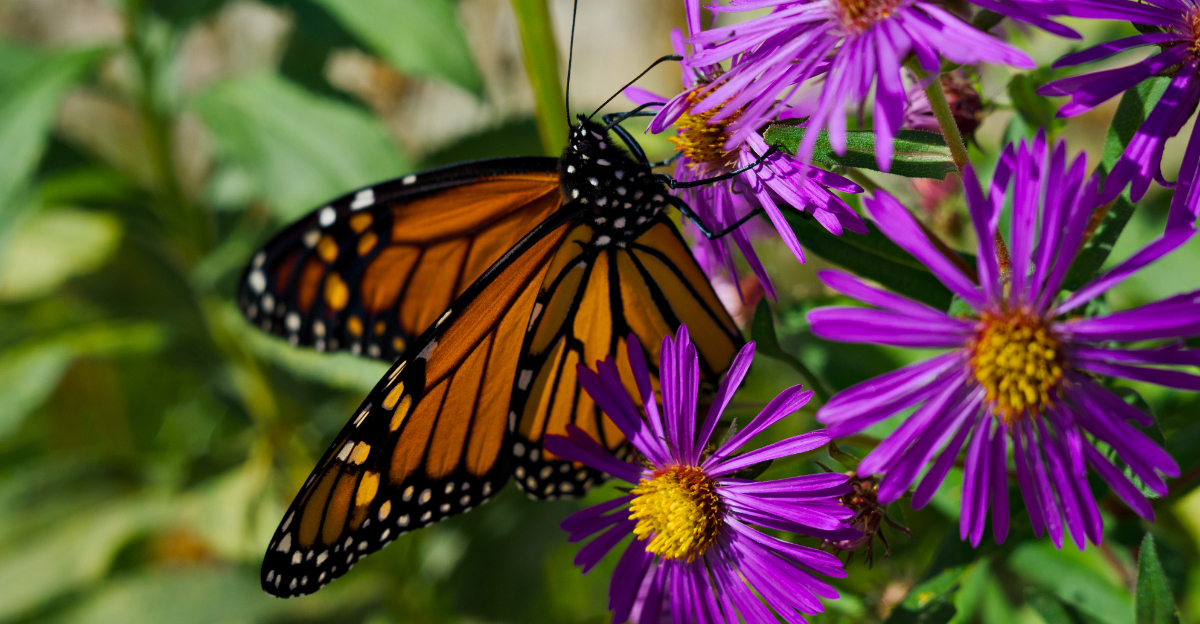
Monarch butterflies rely on a very specific window of available nectar as they make their long journey south each fall, and most Michigan gardens run out of options well before that migration actually finishes.
Most people assume their garden’s usefulness to monarchs ends once typical summer blooms fade away in early fall.
But one native perennial keeps blooming right through this critical stretch, offering exactly what migrating monarchs need when so many other nectar sources have already disappeared.
Understanding why this particular plant blooms so late changes how you might think about supporting monarchs through their entire fall journey.
Many gardeners have never considered how much of a difference a single well timed plant can make for migrating wildlife. Once you know what to add to your garden, you could become an essential stop along their journey south.
This plant could turn your yard into exactly the kind of support monarchs are searching for every October.
1. New England Aster Is The Plant To Know
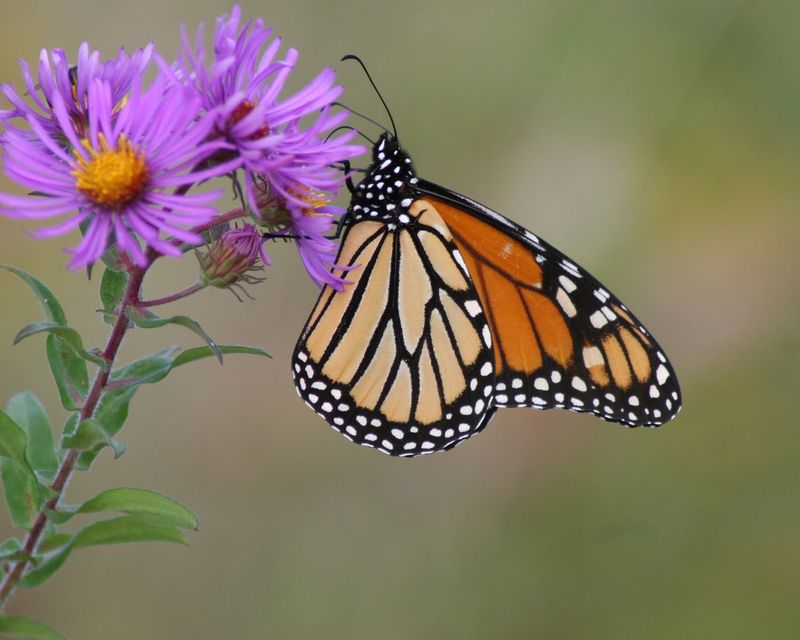
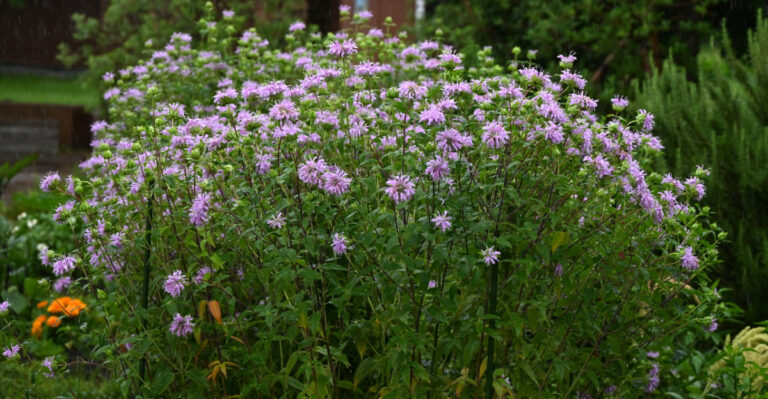
Meet a plant that quietly steals the show in fall. New England aster, known to scientists as Symphyotrichum novae-angliae, grows wild across Michigan and shows off bright purple petals surrounding sunny yellow centers.
While summer blooms are winding down, this native perennial is just getting started. That timing matters more than you might think.
Monarch butterflies passing through Michigan in autumn are searching for food, and this aster serves it up right when the buffet is nearly empty everywhere else.
What makes it special is how well it fits the local landscape. Because it belongs here naturally, it handles Michigan weather without much fuss.
You will not need fancy tricks to keep it happy, and once it settles in, it comes back year after year.
Gardeners love it for another reason too. The flowers attract bees, butterflies, and other helpful insects, turning a quiet corner into a busy, buzzing patch of life.
Fun bit of history: settlers and Native people knew this plant long ago, and it has grown in American meadows for centuries. Today it remains a favorite for people who want beauty and purpose in one plant.
If you are new to native gardening, this aster makes a wonderful starting point. It rewards you with color, wildlife, and easy care.
Learning about it first gives you a strong foundation before the tips ahead, where you will find out how to help it thrive and support monarchs during their amazing fall journey.
2. Its Flowers Can Last Into October
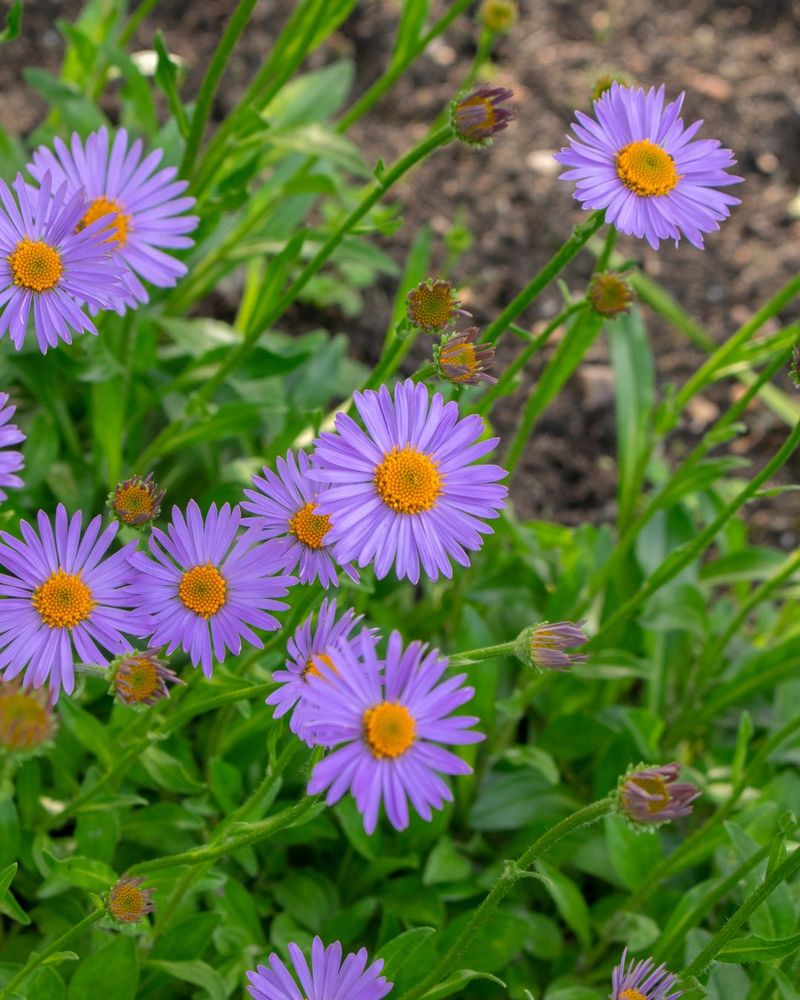
Timing is everything for this plant, and it has perfect timing. New England aster starts blooming in late summer and keeps flowering well into fall, often carrying its color straight through October in Michigan.
Most garden flowers give up long before then. By the time cool nights arrive, many beds look tired and bare.
That is exactly when this aster shines brightest, filling gaps with waves of purple just as the rest of the yard settles down.
Why does it bloom so late? The plant is built to respond to shorter days and cooler temperatures. Instead of slowing down, it bursts into flower, making it one of the last big food sources of the year for pollinators.
Your Michigan Garden Changes Every Week. Your Plan Should Too.
Gardening in Michigan changes quickly throughout the season. Every Friday you’ll receive a simple weekly plan showing exactly what to plant, prune, fertilize, harvest, and protect so you never miss the right timing.
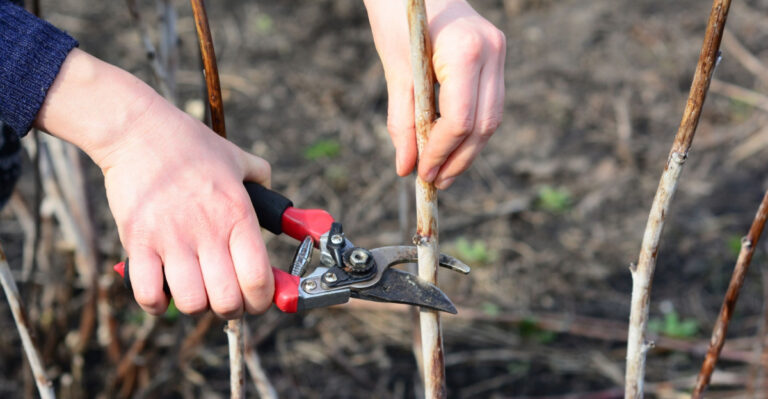
You can stretch the blooming season even longer with a simple trick. Pinching back the stems in early summer, around June, encourages bushier growth and more flower buds later on.
It feels strange to trim a plant you want blooms from, but the payoff is worth it.
Some gardeners plant a few asters in different spots that get slightly different amounts of sun. That small change can spread out the flowering so some plants peak earlier and others hold on longer.
Watching those purple flowers hang on while frost creeps closer feels a little magical. Each late bloom is a gift, both for you and for the monarchs still fluttering through your neighborhood.
Few plants can promise color this deep into the season, and that is what makes this one truly stand out.
3. Monarchs Need Fuel For Their Fall Journey
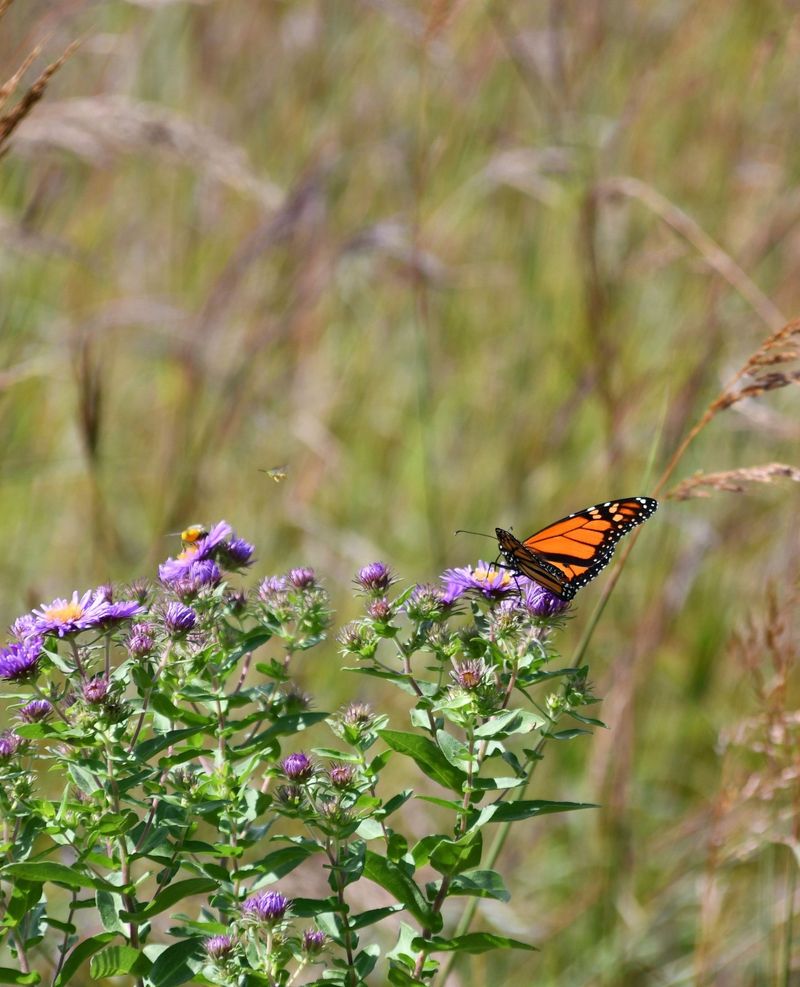
Picture a butterfly flying thousands of miles. That is exactly what monarchs do every autumn, traveling all the way from Michigan down to warm forests in Mexico. Such a huge trip takes serious energy.
Nectar is their fuel. Adult monarchs sip the sweet liquid from flowers, turning it into the strength they need to flap their wings mile after mile. Without enough food stops along the way, the journey becomes far harder.
Fall is a tricky time for these travelers. Many summer flowers have already faded, so the butterflies must hunt for whatever blooms remain.
Late flowering plants like New England aster become lifesavers, offering rich nectar right when it counts.
Monarchs also store energy as body fat for the trip. That fat helps them survive the long flight and even the winter months once they arrive. Every flower they visit adds a little more to their reserves.
Your garden can become a rest stop on this incredible route. When you plant late blooming asters, you are basically setting out snacks for weary travelers passing through. They land, refuel, and continue on their way stronger than before.
Here is something amazing to remember: the monarchs making this fall trip are a special generation. They live much longer than their summer relatives, sometimes several months, just so they can complete the migration.
By understanding what monarchs need, you can see why late flowers matter so much. A single patch of asters might help dozens of butterflies reach their winter home safely.
4. Purple Flowers Become A Late Season Feeding Station
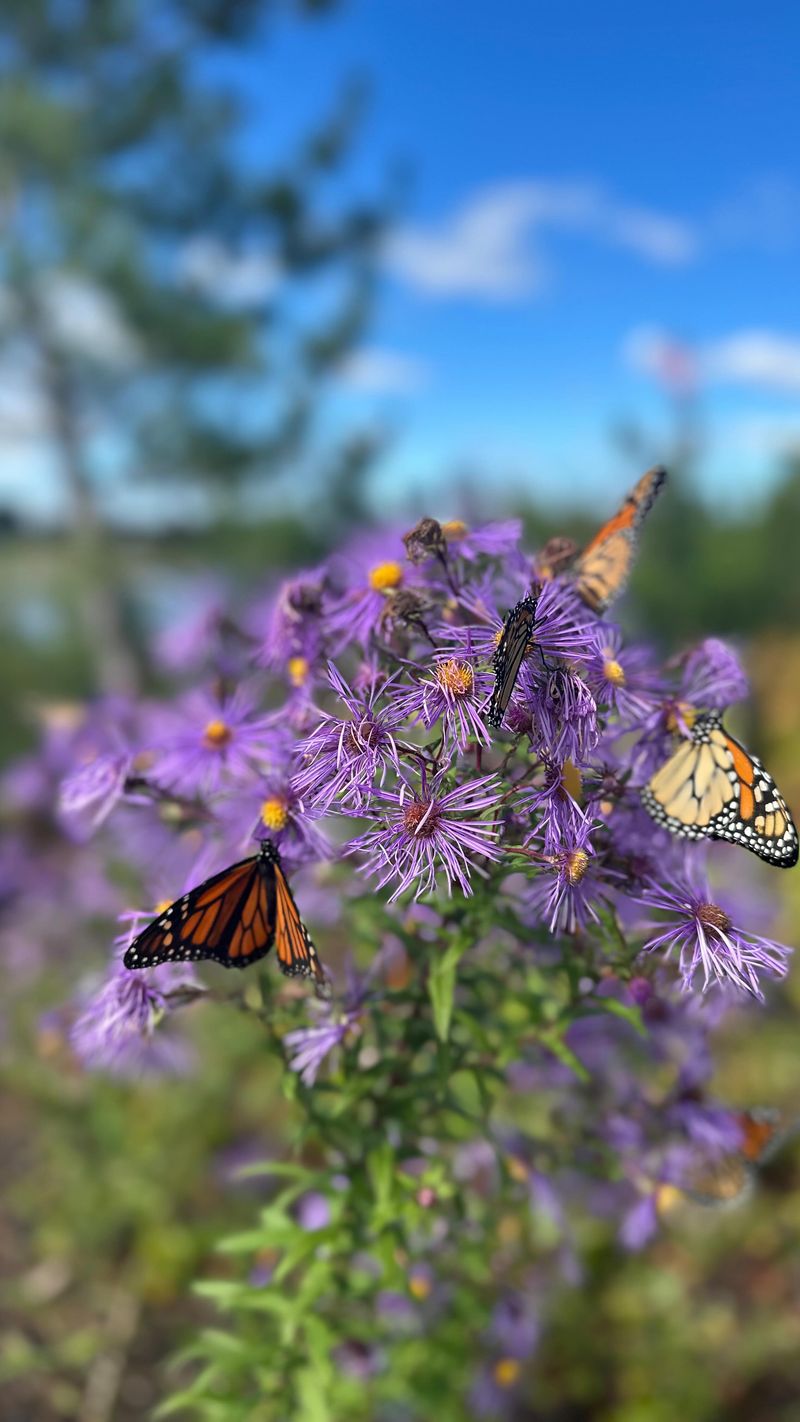
Imagine a crowded restaurant just for pollinators. That is what a patch of blooming New England aster looks like in early fall, packed with bees, butterflies, and other insects all fueling up.
The secret is in the flowers themselves. Each plant produces loads of small purple pink blooms, and every single one holds nectar.
With so many flowers clustered together, visitors have plenty of landing spots and endless sips to enjoy.
Monarchs especially love the wide, open flower heads. They can perch easily, spread their wings in the sun, and drink at their own pace. The bright color acts like a signal, helping butterflies spot the food from far away.
It is not just monarchs that show up. Native bees, honeybees, hover flies, and even smaller butterflies gather around, turning the plant into a lively hub of activity. Watching them work is one of gardening’s great joys.
Planting asters in groups makes the feeding station even better. A single plant is nice, but a cluster of three or five creates a big splash of color that pollinators cannot miss. More flowers mean more food and more visitors.
Try placing your asters near a sunny spot where you can watch from a window or bench. You will see the buffet come alive on warm autumn afternoons.
Every flower you grow adds to the feast. By offering so many blooms at once, this plant helps the greatest number of pollinators, making your yard a true refueling station during the busy fall travel season.
5. Give It Plenty Of Sunshine

Sunlight is this plant’s best friend. New England aster loves a spot that soaks up rays all day long, and the more sun it gets, the better it blooms.
Aim for at least six hours of direct sunlight, though full sun for most of the day is even nicer. In those bright conditions, the plant grows sturdy, stands tall, and covers itself in flowers when fall arrives.
What happens with less light? The aster will still grow, but it may stretch toward the sun, flop over, and produce fewer blooms. Weak, leggy plants also tend to look messy and need more support.
Good news for tricky yards: it can handle a little partial shade. If your garden gets morning sun and some afternoon shade, the aster will usually manage just fine, even if it flowers a bit less.
When choosing a spot, watch how the sun moves across your yard during the day. Pick the sunniest open area you have, away from tall buildings or trees that cast long shadows.
Sunshine does more than boost flowers. It also helps keep the leaves dry, which lowers the chance of mildew and other leaf troubles that asters sometimes face in damp, shady corners.
Giving this plant the light it craves pays off in a big way. Strong sun means more nectar rich blooms, and more blooms mean more food for hungry monarchs passing through. A bright, sunny home is the simplest gift you can offer this cheerful native.
6. It Handles More Moisture Than Many Prairie Flowers
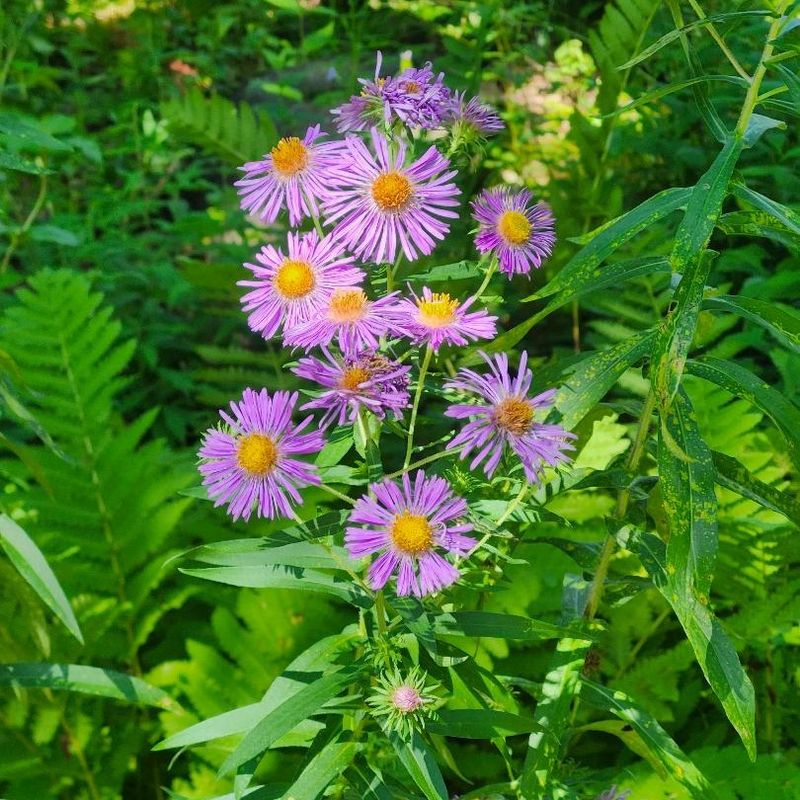
Not every flower likes wet feet, but this one does not mind them. New England aster grows naturally in a wide range of Michigan places, from dry fields to damp meadows and even soggy shorelines.
That flexibility makes it a standout. Many prairie flowers demand dry, well drained soil and sulk when things get too moist. This aster shrugs off extra water and keeps right on growing.
You will find it thriving in wet prairies, along stream banks, and near ponds and lake edges. Those naturally moist spots suit it perfectly, though it also does well in average garden soil that stays a bit damp.
For gardeners, this means fewer worries. If you have a low corner of the yard that collects water after rain, this plant might be the answer. It fills tricky wet areas where fussier flowers refuse to grow.
It still handles drier ground too, especially once its roots are settled. That wide comfort zone, from fairly dry to fairly wet, gives you lots of freedom when picking a planting spot.
During hot, dry spells, a little extra watering keeps it looking fresh. Young plants especially appreciate steady moisture in their first season while they build strong roots.
Because it adapts so well, this aster fits into rain gardens, meadow plantings, and pond borders with ease. Wherever there is enough sun, moist ground is a bonus rather than a problem.
Such an easygoing nature makes it one of the friendliest natives you can grow for both beauty and butterflies.
7. Give This Tall Native Some Room
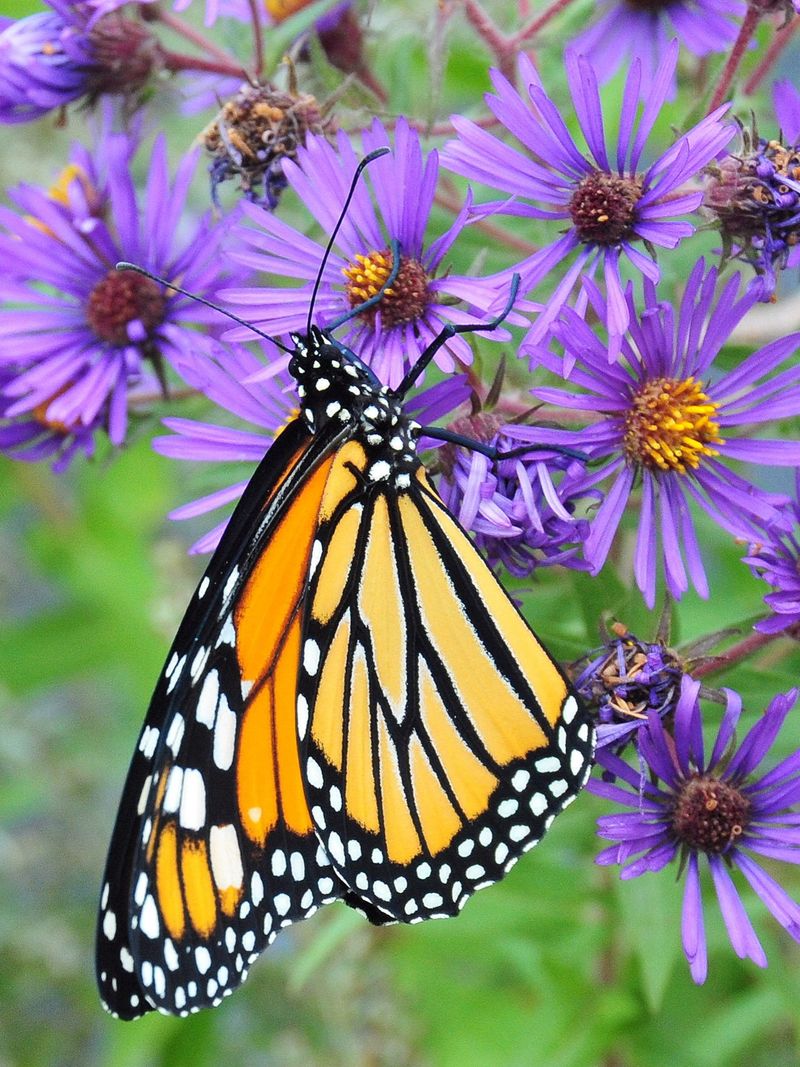
This plant likes to reach for the sky. New England aster can shoot up several feet tall, sometimes topping four or even five feet by the time fall rolls around.
With that kind of height, placement really matters. Tucking it toward the back of a flower border keeps it from hiding shorter plants in front.
From there, its tall stems and purple blooms create a lovely backdrop for the rest of your garden.
Naturalized plantings are another great fit. In a meadow style garden or a wildflower patch, this aster can spread out and mingle with other tall natives like goldenrod, creating a stunning autumn scene bursting with color.
Room to grow also means healthier plants. Crowded asters compete for light and air, which can lead to floppy stems and leaf trouble. Spacing them out lets air move freely and keeps them standing strong.
If your plant grows too tall and starts leaning, do not worry. Pinching the stems back in early summer keeps it bushier and shorter, so it holds itself up better later in the season.
You can also pair it with sturdy neighbors that help hold the stems in place. Grasses and other upright plants act like natural supports, keeping everything tidy without stakes.
Giving this native the space it needs turns a possible sprawler into a showstopper. Placed thoughtfully, its towering purple flowers become the crown of your fall garden and a high, easy to spot beacon for monarchs searching from above.
8. Keep The Late Flowers Safe For Monarchs
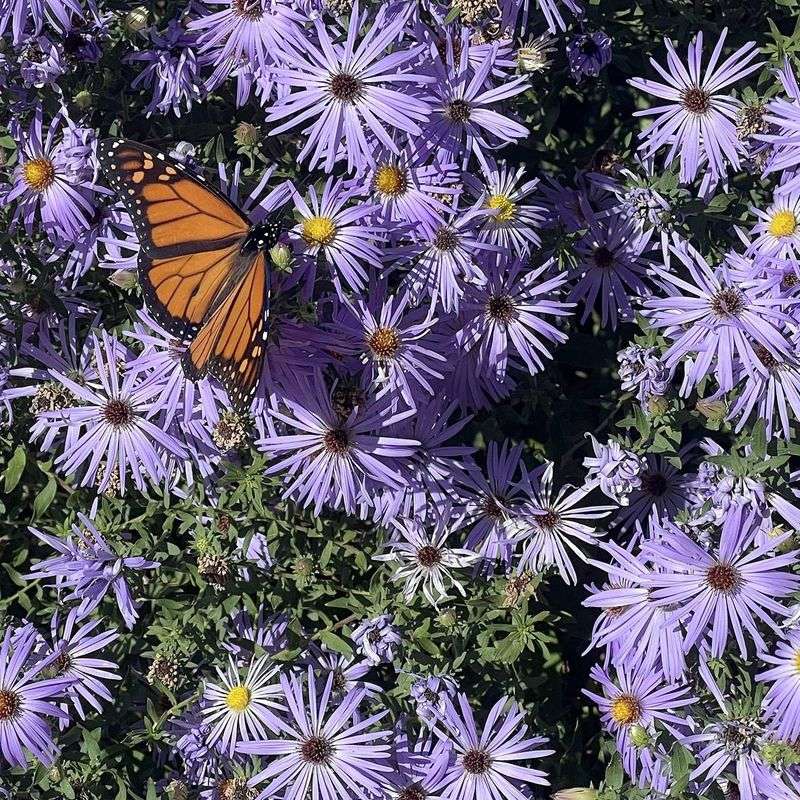
Your asters can only help monarchs if the flowers stay safe to visit. That means skipping bug sprays and chemical insecticides, especially while the plant is in bloom.
Insecticides do not tell the difference between pests and helpful visitors. A treated flower can harm the very butterflies and bees you are trying to feed, turning a rest stop into a risky place.
Instead, let nature handle most problems on its own. Ladybugs, birds, and other helpers usually keep pests in check, and a healthy native plant can shrug off minor nibbling without any trouble.
Timing matters too. Try to resist the urge to cut down or clean up your asters while monarchs and other pollinators are still stopping by. Leaving the flowers standing gives travelers food for as long as possible.
Waiting to trim also helps beyond the blooming season. Aster stems and seed heads shelter insects through winter, and the seeds feed birds during cold months when food is scarce.
If you must deal with a pest problem, choose gentle methods. A strong spray of water or simply picking bugs off by hand keeps your flowers chemical free and welcoming.
Think of your garden as a safe haven along a long and tiring route. Every clean, untreated flower gives a monarch one more chance to refuel and continue its amazing journey south.
Small choices add up to something big. By keeping your late blooming asters safe and untouched, you become part of the effort to protect these beautiful travelers for many autumns to come.