Iowa Mice Move Toward Houses The Moment The Corn Comes Down
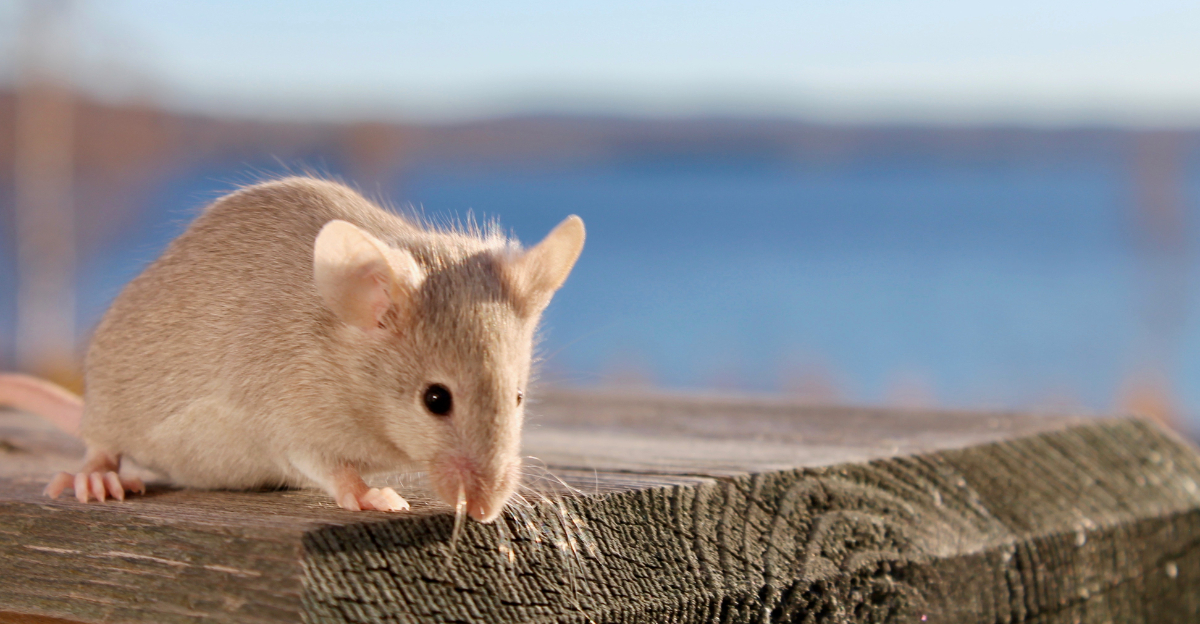
Combines aren’t the only thing moving through your Iowa fields this time of year. Underneath the stubble, thousands of tiny bodies scramble for a new address, and yours tops the list.
Cooler nights strip away the cover you never think about until it’s gone. Cracks thinner than a pencil become the doors you didn’t know you left open.
Iowa homeowners like you rarely notice until skittering sounds start echoing behind the walls. Attics, basements, and wall voids offer exactly the warmth your house provides for free.
Insulation pockets and stacked firewood outside your door work as staging grounds before the real move begins. Waiting past the first frost hands them the advantage over you.
Every gap you ignore now becomes an entry point you’ll regret later. What happens next inside your walls depends entirely on what you do before the temperature drops.
Harvest Removes The Cover Field Mice And Voles Have Used All Summer
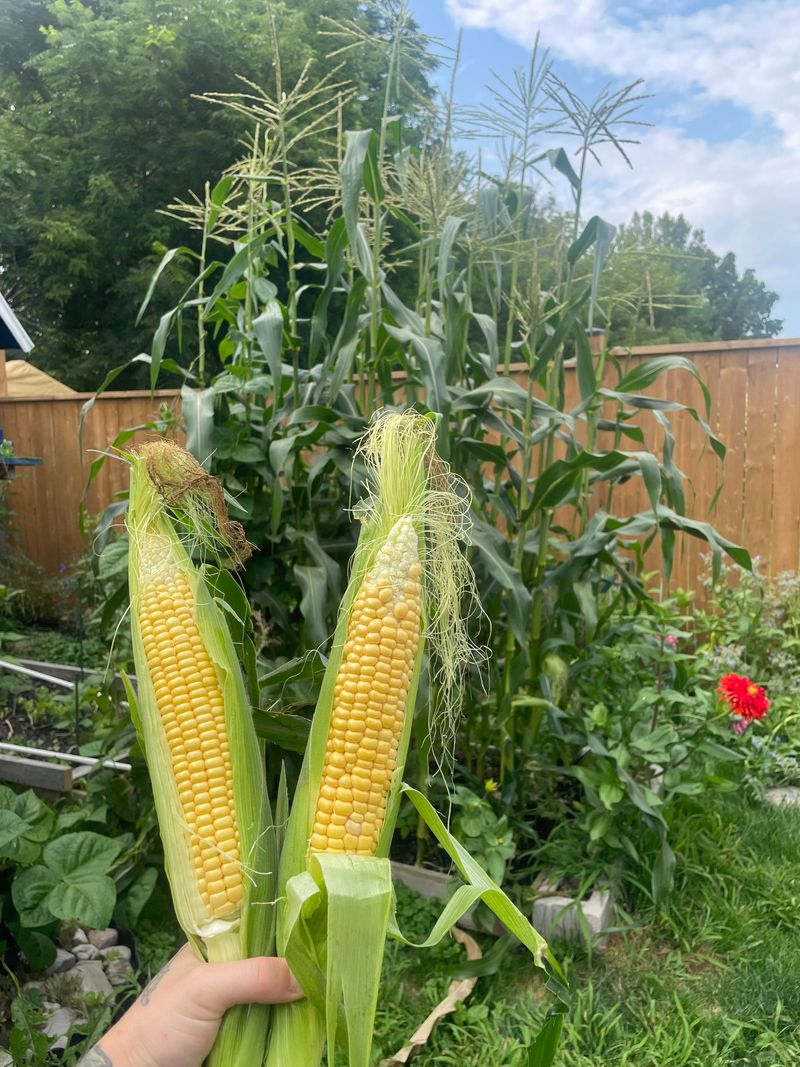
All summer long, standing corn works as an ideal shelter for small rodents. Dense stalks, fallen leaves, and thick ground cover give mice and voles everything they need: shelter, food, and protection from hawks.
When the combines move in, that world collapses fast. A field that took months to grow gets stripped in hours, leaving nothing but short stubble and open sky.
Mice are not slow to react. Rodent movement is known to spike sharply within days of harvest, as researchers who study field rodents have observed. The instinct to find new shelter kicks in almost immediately.
Voles, which tunnel just beneath the soil surface, are especially vulnerable after corn comes down. Their shallow runs get exposed, and predators can spot them easily from above.
Grain bins, machine sheds, and windbreaks near cropland feel the same pressure once the stalks are down. Any structure offering warmth and cover becomes a target the moment open ground stops providing it.
The fields closest to homes become the first stop. Mice move outward in every direction from the cut zone, and houses sitting near field edges are the first ones they reach.
Understanding this pattern is the first step toward keeping rodents outside where they belong. Once you know the trigger, the timing stops being a surprise and starts being something you can plan around every single year.
The Move Toward Buildings Happens Within Days Of Cutting
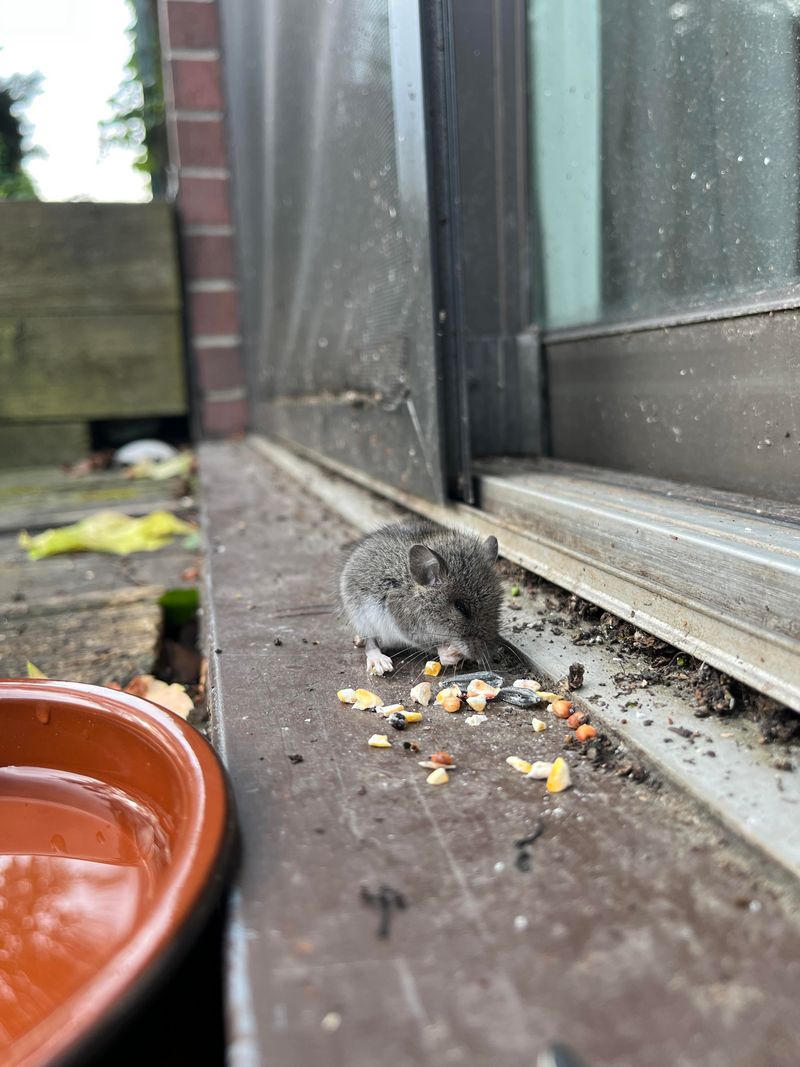
The migration is not a slow drift. Mice and voles move toward buildings with surprising urgency once the corn is gone. Most of the movement happens within the first few days after cutting.
Field rodents are known to relocate toward field borders within about a week of harvest. The animals follow fence lines, drainage ditches, and grass strips like highways.
Houses closest to a harvested field face the highest risk. The closer your home sits to the field edge, the faster the pressure arrives at your foundation.
Temperature also plays a role. If harvest lines up with the first cool nights of October, mice feel the pull of warmth at the same time they lose their outdoor cover. That combination accelerates everything.
Your Iowa Garden Changes Every Week. Your Plan Should Too.
Gardening in Iowa changes quickly throughout the season. Every Friday you’ll receive a simple weekly plan showing exactly what to plant, prune, fertilize, harvest, and protect so you never miss the right timing.
Iowa mice move toward houses along the most sheltered paths they can find. Tall grass along driveways, wood piles stacked against siding, and overgrown garden beds all act as corridors that funnel rodents straight to your walls.
Clearing those corridors before harvest ends gives mice fewer safe routes to travel. A mowed buffer zone between your lawn and the field edge can slow the advance and buy you critical time to seal entry points before the first wave arrives.
Gaps Around Foundations, Vents, And Utility Lines Let Them In
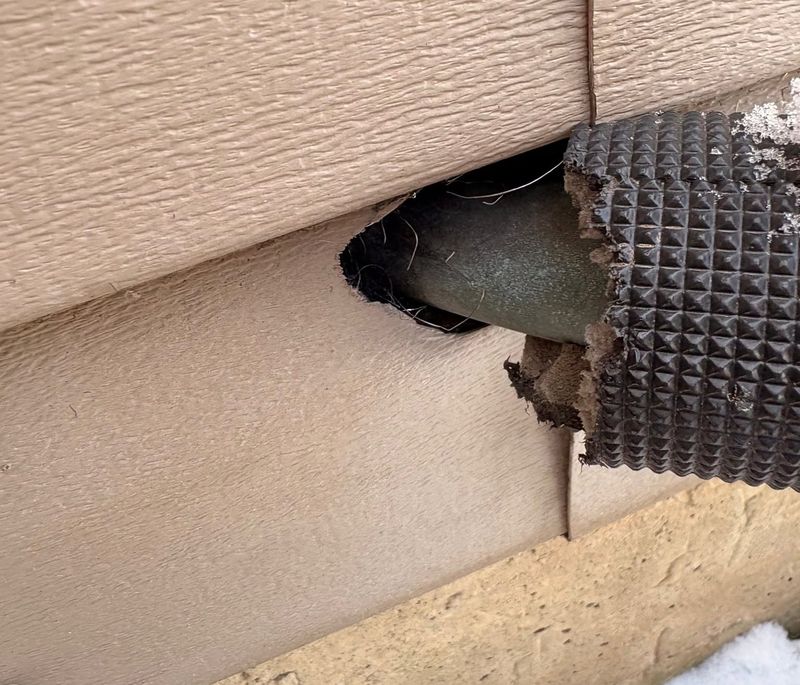
A mouse needs a gap no bigger than a dime to squeeze through a wall. That sounds impossible until you walk your foundation and actually look. Most homes have several openings that size or larger.
Utility lines are among the worst offenders. Gas pipes, electrical conduits, and water lines all pass through your foundation wall, and the holes cut around them are rarely sealed tight.
Dryer vents are another common entry point. The flap that covers the outside opening can stick open or get pushed aside easily by a persistent rodent sniffing warm air from inside.
Crawl space vents with damaged screens let in whole families at once. Plastic vent covers crack over time, and wire mesh screens rust out faster than most people expect in Iowa’s wet springs and cold winters.
Foundation cracks that seem cosmetic are not cosmetic to a mouse. Even a hairline crack that has shifted slightly over the years can offer enough space for a young rodent to push through.
Iowa mice move toward houses along the bottom of walls, so low gaps matter most. Check the full perimeter of your home at ground level, paying extra attention to corners, where two foundation walls meet and small voids often open up over time.
Sealing Work That Holds Up Before The First Cold Nights
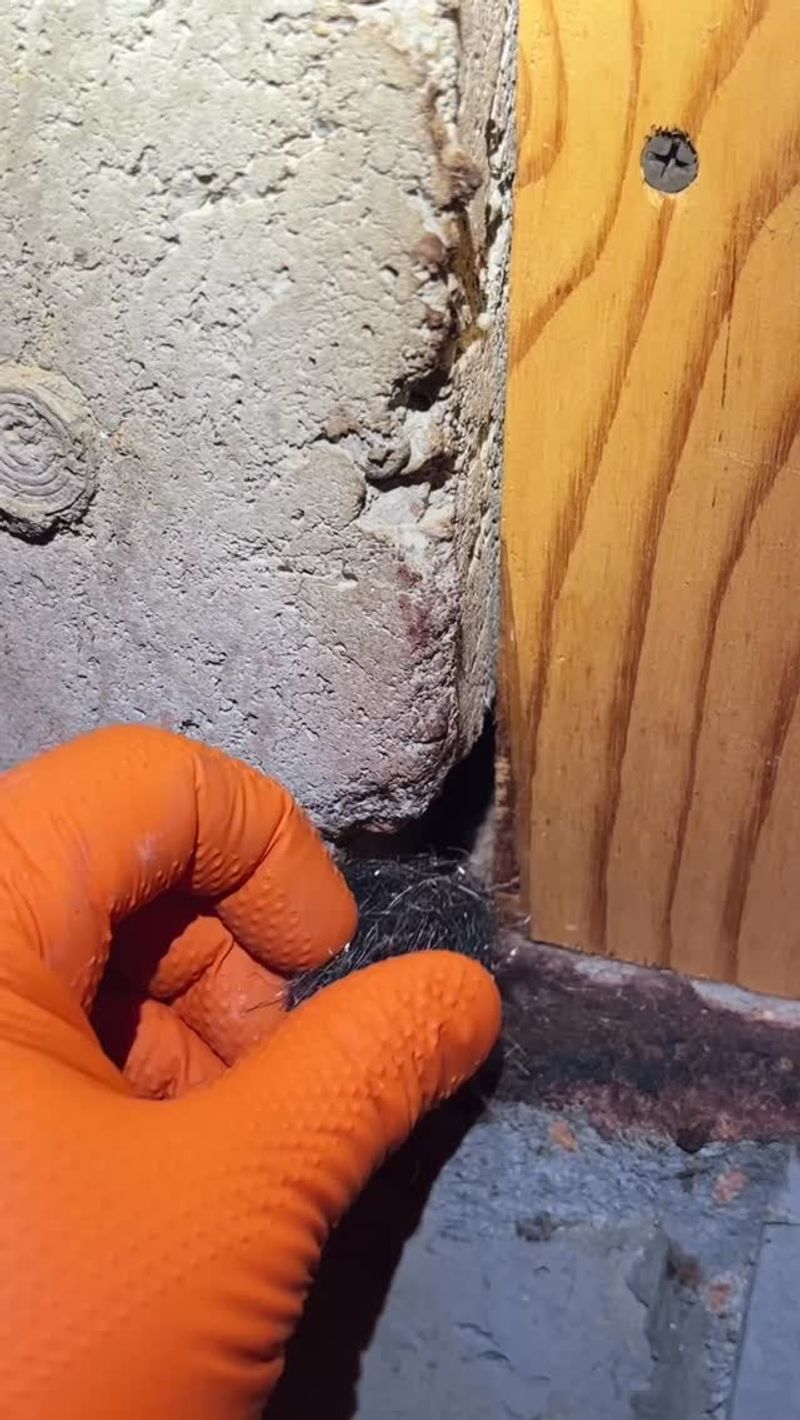
Caulk alone will not stop a determined mouse. Rodents chew through standard latex caulk without much effort, especially when they can smell warmth on the other side. You need materials they cannot gnaw past.
Steel wool packed tightly into gaps before caulking is one of the most effective combinations available. Mice dislike chewing through the sharp metal fibers, and the caulk holds the wool in place so it does not shift over time.
Copper mesh works even better in wet areas where steel wool might eventually rust and stain your siding. It is flexible enough to stuff into irregular gaps and holds its shape after installation.
For larger openings around pipes and vents, hardware cloth with a quarter-inch mesh is the right choice. Staple or screw it directly over the opening rather than just pressing it in place.
Expandable foam spray is popular, but use the pest-block formula specifically. Standard foam is soft enough for rodents to chew through, while the pest-block version is formulated to be far less appealing to gnaw through.
Time your sealing work to finish before the first sustained cold snap arrives. Once mice are actively seeking warmth, they push harder at every gap they find.
Getting ahead of that pressure, before harvest ends and cold arrives together, is the move that actually protects your home this fall.
Garages, Sheds, And Parked Vehicles Draw The Same Traffic
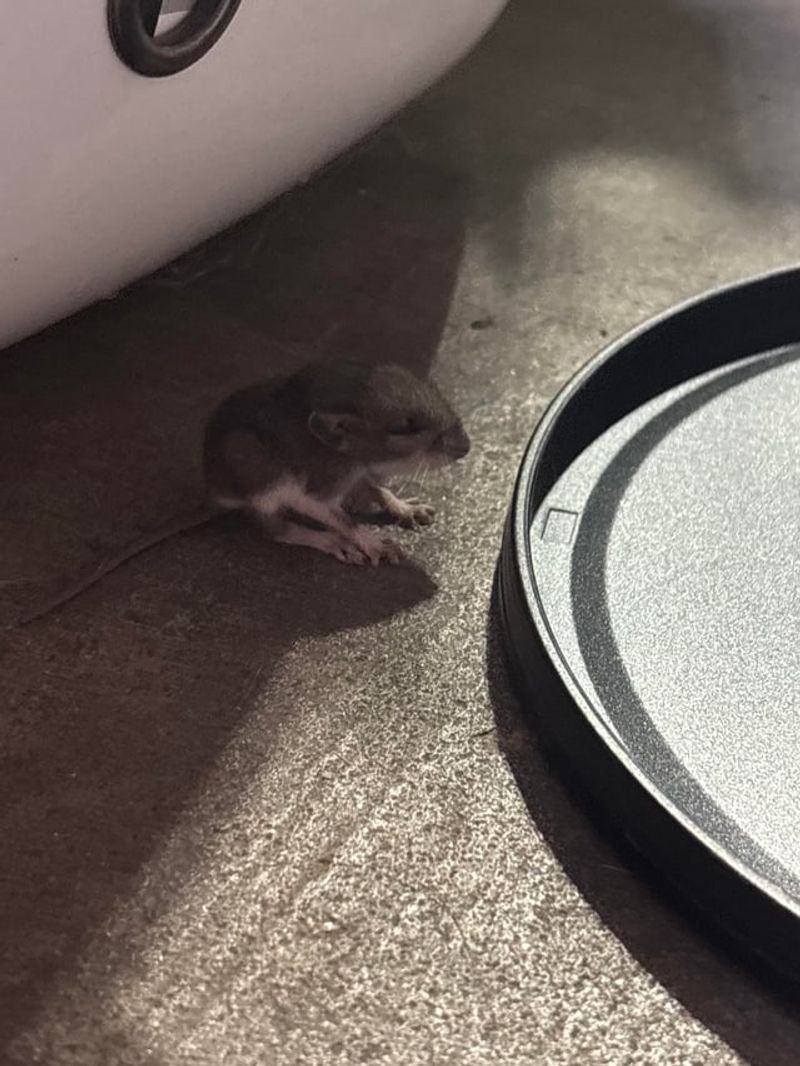
Your house is not the only target. Garages and sheds offer warmth, stored food, and far fewer disturbances than a busy living space. For a mouse fresh out of a cornfield, a detached garage feels like a jackpot.
Bags of grass seed, birdseed, and pet food stored in garages are among the top attractants. Rodents can smell grain through thin plastic bags from a surprising distance, and they will chew through packaging to reach it.
Parked vehicles also draw attention during harvest season. Mice nest inside engine compartments, under seats, and inside air filter housings. The damage they cause to wiring insulation can lead to expensive repairs that most owners never connect back to harvest season.
Trucks and tractors parked near field edges are especially vulnerable. A vehicle sitting still for even a few days during harvest becomes a warm, quiet shelter for a mouse looking for a new home.
Store all grain-based products in sealed metal or heavy plastic containers with locking lids. Move anything edible off the floor and onto shelving if possible, reducing the ground-level scent trail that draws rodents inside.
Check your garage door seal along the bottom edge. Rubber seals crack and compress over time, leaving gaps wide enough for mice to slip under.
Replacing a worn door seal costs very little compared to rewiring a vehicle damaged by a winter rodent tenant.
Droppings, Chewed Insulation, And Other Signs To Check Weekly
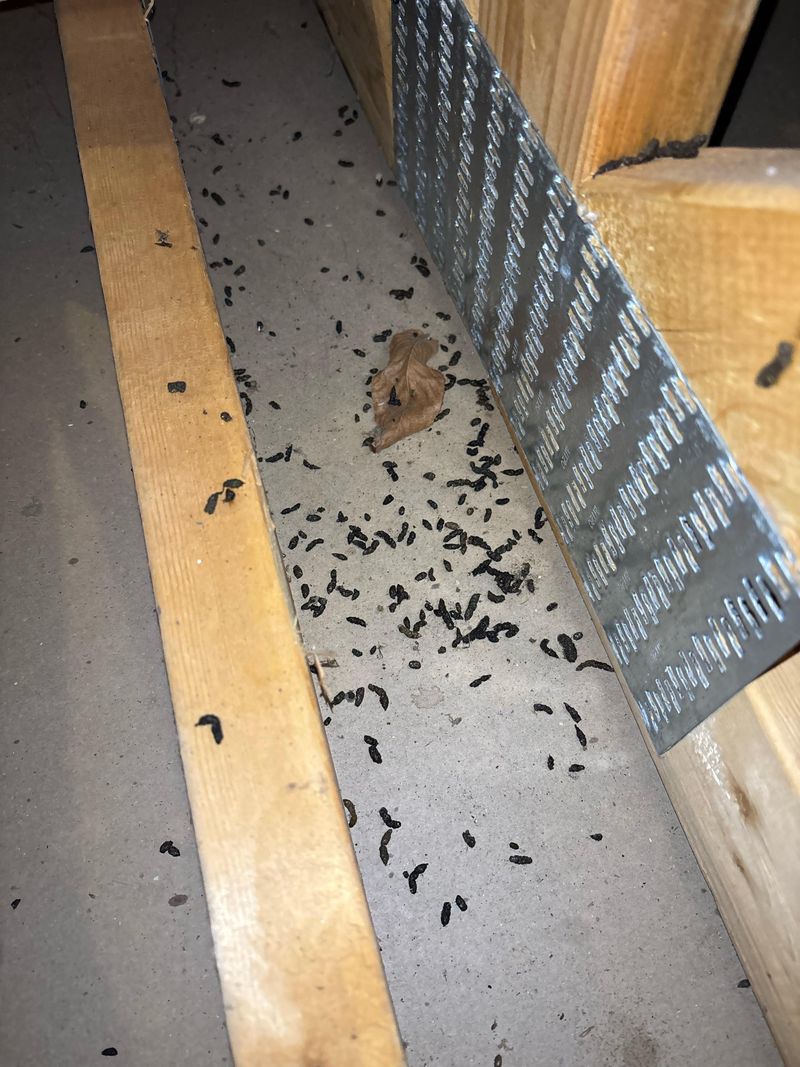
Catching a mouse problem early makes everything easier. By the time you hear scratching in the walls at night, a small group has often already become a settled population. Weekly checks during October and November change that outcome.
Droppings are the clearest sign. Fresh droppings are dark and moist, while older ones turn gray and crumble. Finding fresh droppings tells you an active animal visited that spot recently, not weeks ago.
Chewed insulation is another reliable indicator. Mice pull fiberglass batting apart to build nests, leaving ragged edges and scattered fibers near wall penetrations, pipes, and corners of crawl spaces.
Grease marks along baseboards and wall edges are subtle but telling. Mice travel the same paths repeatedly, and the oils from their fur leave faint smudges on surfaces they brush against regularly.
Check behind appliances, inside kitchen cabinet toe kicks, and along the back walls of closets on exterior walls. These quiet, low-traffic spots are where mice settle in first, long before they venture into open living areas.
Set a reminder on your phone for every Sunday in October and November. A ten-minute walkthrough with a flashlight, checking the spots listed above, gives you a real-time picture of whether Iowa mice have moved toward your house and made it inside.
Early action is usually faster and cheaper than a full infestation response.