Iowa Boat Owners Are Being Asked To Check Their Docks For One Tiny Invader Before Winter
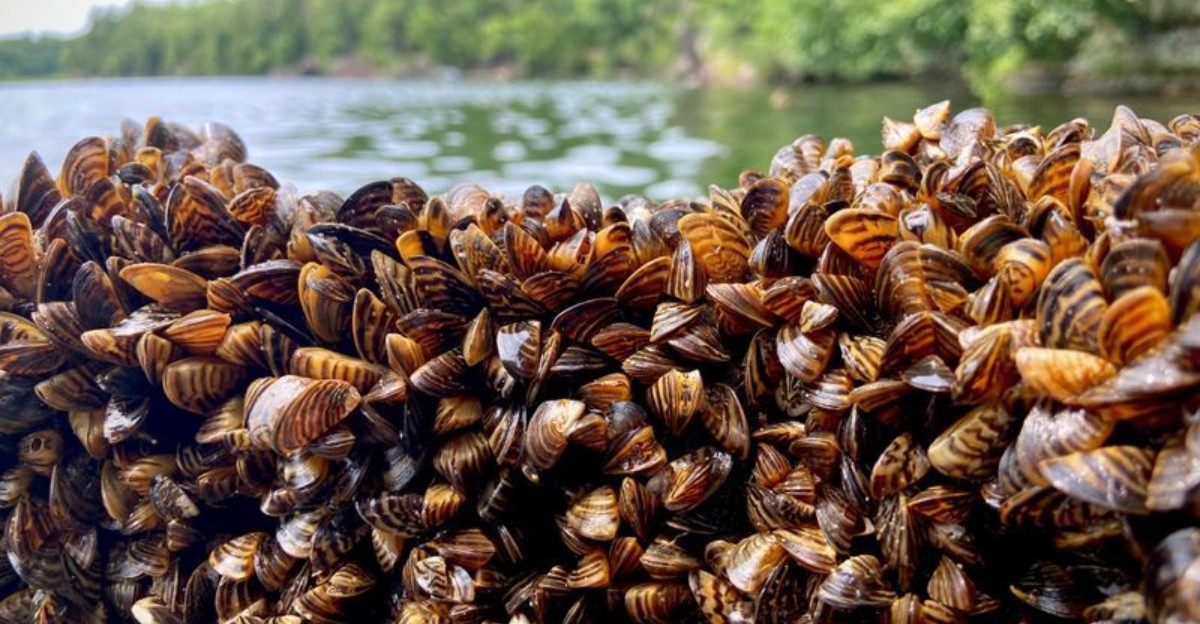
Hidden tenants may be gripping your dock right now. You are dealing with striped invaders, stubborn hitchhikers from Eastern Europe.
They anchor with tough threads, gripping the plastic, metal, and wood you own. Iowa lake officials want you to inspect docks and lifts before winter storage. Pulling equipment out this month gives you a rare, clear view underneath.
Run your fingers along crossbars, wheels, and posts, feeling for sandpaper grit. That grit could signal a colony your lake has not recorded yet.
Females can produce staggering numbers of eggs, hatching larvae too tiny for you to spot. Those larvae ride in the bilge water and live wells you haul between lakes.
Adults clog your intakes, crust your hulls, and cut bare feet on the shore. Before you haul that dock ashore, you need to know exactly where these squatters hide.
Zebra Mussels, The Striped Stowaways Clinging To Iowa Docks
Imagine a creature the size of your pinky fingernail causing costly damage to water systems and shorelines across the Midwest. That tiny troublemaker is the zebra mussel, and Iowa officials want you to spot it.
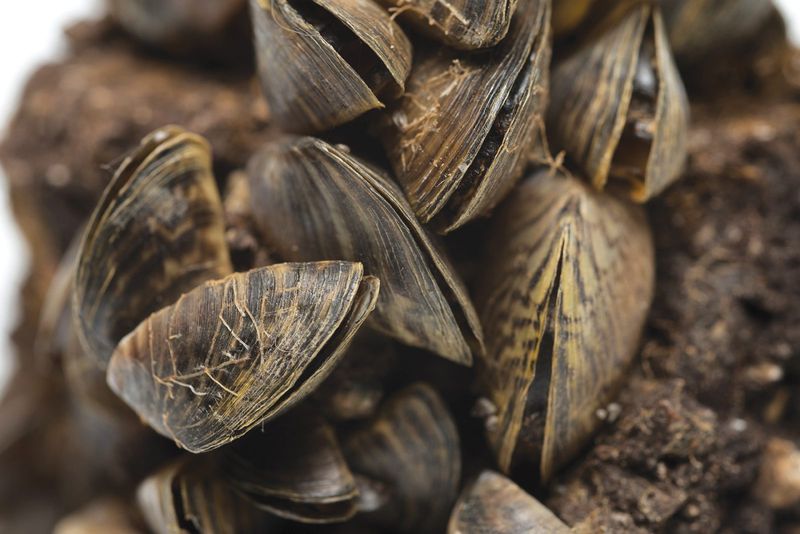
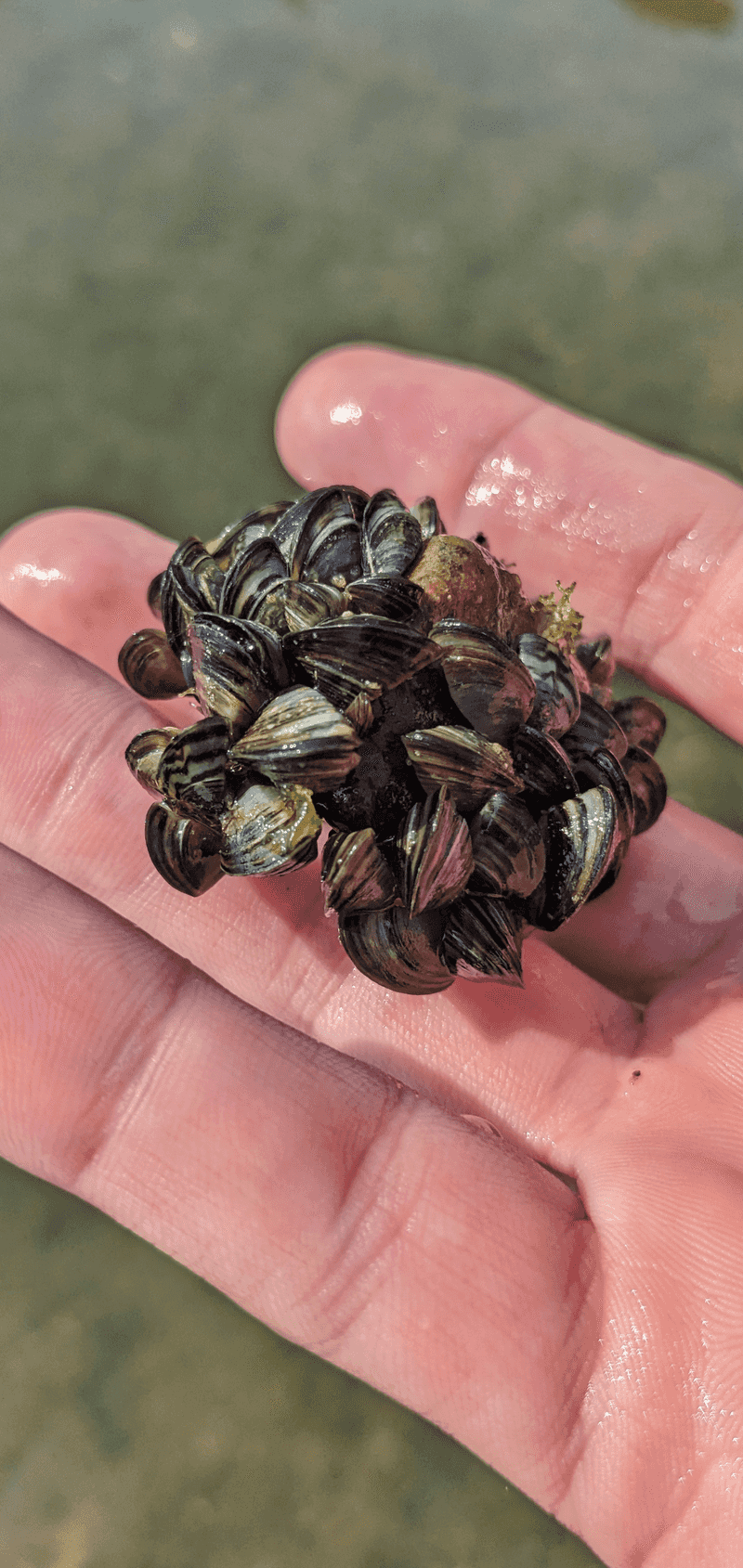
Zebra mussels are freshwater shellfish with light and dark stripes that zigzag across their shells. Most adults stay under an inch long, though some reach about an inch and a half.
They are not from around here, not even close. Scientists trace them to lakes and rivers near the Black Sea and Caspian Sea in Eastern Europe.
Ships carried them to the Great Lakes in the late 1980s, hidden in water pumped aboard for balance. From there, they spread down rivers like the Mississippi and into Iowa.
Today, zebra mussels live in more than a dozen Iowa lakes and several rivers, including Clear Lake, West Okoboji, and the Mississippi River. The Iowa DNR keeps an updated list of infested waters on its website.
Their secret weapon is a bundle of sticky threads, called byssal threads, that glue them onto hard surfaces. Docks, boat lifts, rocks, and even the shells of other mussels make perfect homes.
Once settled, they filter huge amounts of water and pile up in crowded clusters. Those clusters can clog water intakes, crowd out native mussels, and slice bare feet on the beach.
So when officials mention a tiny invader on your dock, this striped shellfish is the one they mean. Knowing its striped face is the first step toward keeping your favorite lake healthy.
Hitchhiking Habits That Carry Them From Lake To Lake
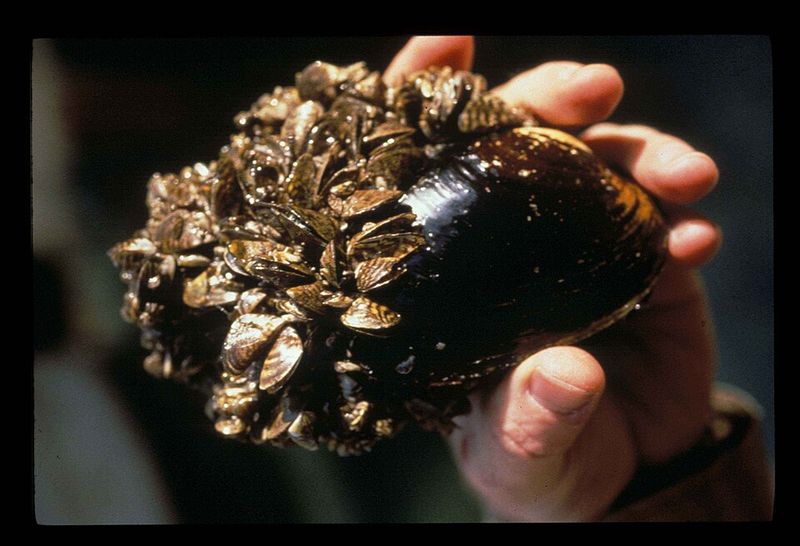
Zebra mussels are lousy travelers on their own but world-class hitchhikers when people are around. They cannot crawl from one lake to another, so they catch rides with people instead.
Many start the trip as babies, called veligers, too small to see without a microscope. Veligers drift in the water for a few weeks before they settle down and grab onto something solid.
That tiny size is what makes them so sneaky. A bit of lake water left in a live well, bilge, or bait bucket can carry many.
Your Iowa Garden Changes Every Week. Your Plan Should Too.
Gardening in Iowa changes quickly throughout the season. Every Friday you’ll receive a simple weekly plan showing exactly what to plant, prune, fertilize, harvest, and protect so you never miss the right timing.
Adults have a different trick for getting around. They clamp onto hulls, motors, trailers, and anchors, then ride along quietly to the next boat ramp.
Docks and boat lifts are a special risk because they sit in the water all summer long. By fall, one section can carry a crusty crowd of mussels you might not notice.
Here is the sneaky part that surprises many lake owners. Used docks and lifts often get sold, loaned, or hauled to a cabin on a different lake.
If mussels are still clinging on, they can start a brand-new colony in clean water. Under ideal conditions, one female can release up to a million eggs in a single year.
That potential explains how one overlooked dock section can change a whole lake. Many people who spread them have no idea they are doing it.
That is good news, in a way, because simple habits can break the chain. A little attention at the ramp and the shoreline goes a long way.
Early Fall, The Best Window Before Docks Leave The Water
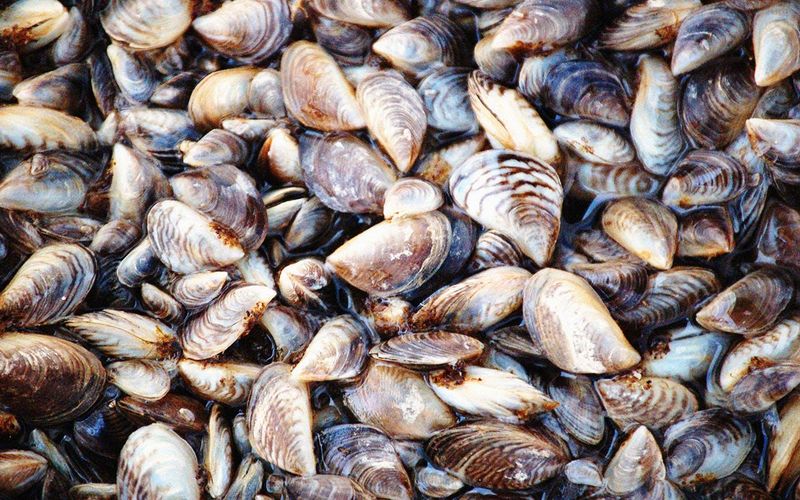
Every fall, Iowa lake shores turn into a busy parade of docks, lifts, and boats heading to shore. That yearly shuffle is the perfect moment to catch hitchhiking mussels before they settle in for winter.
By September, mussels that hatched in early summer have had months to grow. They are bigger, easier to see, and easier to feel with your fingers.
Water in Iowa lakes also starts cooling off as the nights get longer. Cooler water slows mussels down, but it does not stop them from hanging on tight.
Pulling equipment out gives you a rare look at surfaces hidden underwater since spring. Legs, wheels, floats, and the bottoms of boat lift bunks are all fair game.
Waiting until the first snowfall can backfire, though, for a couple of reasons. Once a dock sits on shore for months, shells can dry out and fall off, making a new infestation harder to confirm.
Cold hands and gloomy light also make a careful check much harder. Nobody enjoys running fingers across an icy dock leg in late November.
A smart plan is to mark your calendar for late September or early October. Pick a sunny afternoon, grab a helper, and make the job part of your fall routine.
Checking right as equipment comes out means you can report a find while the lake is open. Biologists can respond faster and learn more before ice covers the water.
Think of it like checking pockets before tossing jeans in the wash. A few minutes now saves a soggy surprise later, and your lake will thank you for it.
Costly Mistakes With Stacked, Unchecked Docks
One Saturday in fall, a cabin owner hauls every dock section onto the lawn and calls it done. Months later those same sections get sold to a neighbor on another lake with hidden passengers aboard.
It sounds harmless, but it is the kind of slip that spreads zebra mussels across Iowa. Skipping the inspection is one mistake biologists really hope people will avoid this fall.
Many folks assume mussels will just drop off and disappear once a dock dries. Adults can actually survive out of water for days, especially in cool, damp weather.
September and October in Iowa often bring exactly that kind of weather. Shaded spots under dock frames stay moist, giving clinging mussels a better chance to hang on.
Another common slip is stacking wet sections tightly together in one big pile. Stacked pieces trap moisture and block sunlight, so hidden mussels stay comfortable much longer.
Some people also scrape shells straight back into the lake instead of bagging them. The DNR asks that you seal them in a trash bag so no living mussels return to the water.
Then there is the used dock sale, a common way equipment changes hands before spring installation. Trading equipment without checking it first can move an infestation many miles overnight.
In Iowa, it is illegal to possess or transport zebra mussels, and fines can follow. Nobody wants a ticket tucked in with their fall cleanup chores.
Luckily, this mistake is one of the easiest to dodge. Slow down, look closely, and treat every piece like it might have company.
A Hands-On Dock Check And A Quick Call To The Iowa DNR
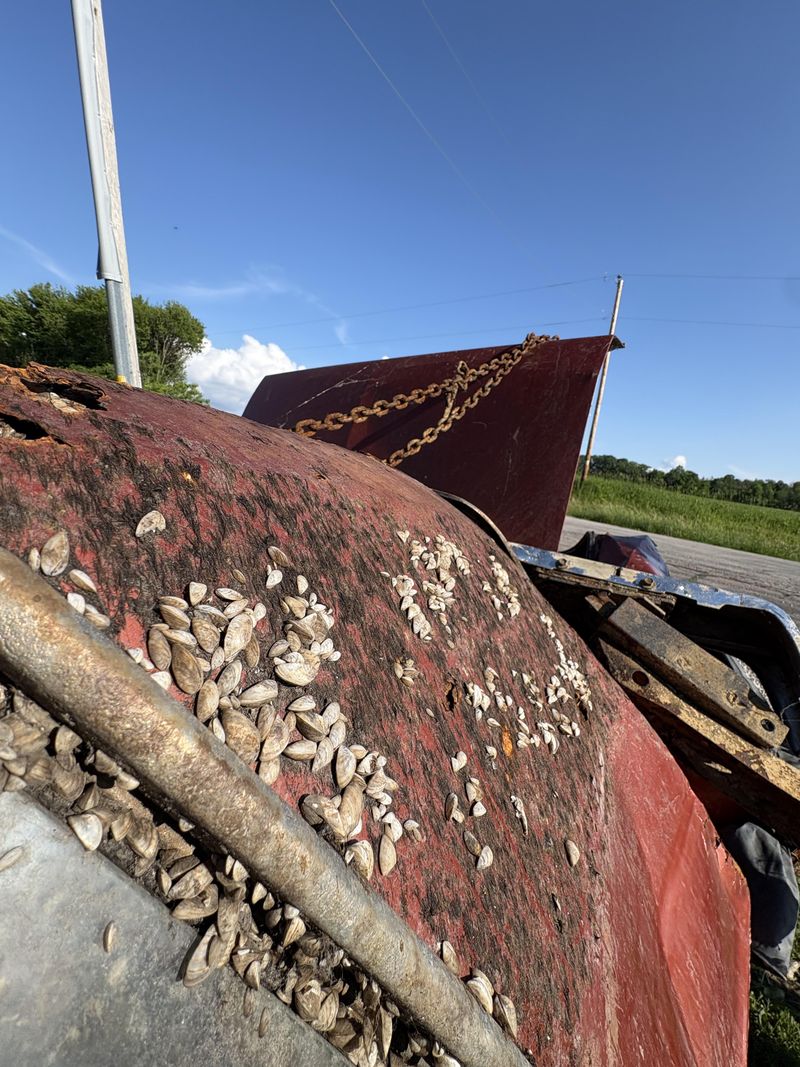
Grab a flashlight, some sturdy gloves, and your phone, because inspection day has arrived. Think of yourself as a lake detective hunting for clues on every surface that touched water.
Start with spots that stayed underwater the longest, like dock legs, wheels, and float bottoms. Boat lift bunks, cables, and swim ladders deserve a careful look too.
Your fingers can be better tools than your eyes here. Young zebra mussels feel like rough sandpaper, even when they are too small to spot easily.
Older ones look like small clams with zigzag stripes, often stuck together in tight clusters. Tug gently, and you will notice they hold on with tough little threads.
If you find something suspicious, snap clear photos and note where the dock was sitting. Leave the equipment on shore instead of hauling it somewhere new.
Next, contact the Iowa DNR aquatic invasive species program or your local fisheries office. Sending photos helps experts confirm quickly whether you found the real thing.
A report from a lake that seemed clean is a very big deal. It helps biologists track the spread, warn boaters, and update the official list of infested waters.
For cleaning, scrape off mussels and seal them in a trash bag far from any water. Then let equipment dry in the sun for at least five days before moving it.
Hot water near 140 degrees or a pressure washer can help with stubborn spots. Your careful work today could be the reason another lake stays mussel-free next summer.
Clean, Drain, And Dry Habits To Stop The Spread Next Season
Some of the best Iowa memories happen at the lake, from sunrise fishing to sticky campfire s’mores. Protecting those waters for the next generation starts with a few simple habits.
The Iowa DNR sums up prevention in three easy words, clean, drain, and dry. Following them every time you leave the water makes it much harder for mussels to travel.
Cleaning means removing plants, mud, and clinging critters from your boat, trailer, and gear. A quick lap around the trailer takes about as long as tying your shoes.
Draining means pulling the plug and emptying live wells, bilges, and bait buckets on land. Iowa law requires plugs out and water drained before a boat leaves the access area.
Drying is the step that makes any leftover stragglers give up their grip. Aim for at least five dry days before launching somewhere new, especially after visiting infested waters.
Dock owners can plan ahead for spring while equipment rests on shore this winter. Give each section one more look before it goes back in, especially anything bought secondhand.
Hiring a dock service to install or remove equipment? Ask the crew how they clean and dry their tools and trailers between different lakes.
Chatting with neighbors helps because one careful family cannot guard a whole shoreline alone. Share what you learned, and maybe host a dock-checking party with snacks and cider.
Zebra mussels are tough, but they cannot outsmart a lake community that pays attention. Small habits repeated every season help keep Iowa lakes ready for swimming, fishing, and fun.