Why Are So Many Bats Feeding Over Arizona Yards At Dusk This Month?
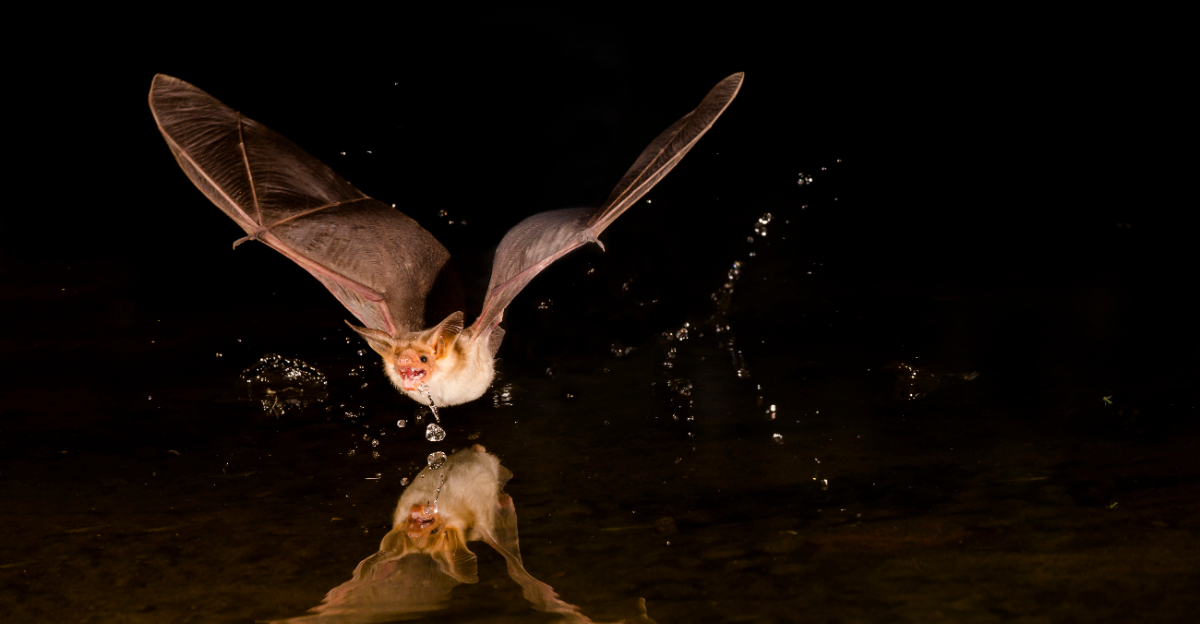
Look toward the evening sky this month, and you may notice bats making quick turns above yards just after sunset. That busy activity usually has a practical reason behind it.
In Arizona, warm evenings can keep flying insects active, giving hungry bats plenty of opportunities to feed. Your yard may simply sit along a productive feeding route.
Do not assume those fast shapes overhead mean bats are trying to approach you. They are usually focused on finding insects while conditions are favorable.
Watch their movements for several minutes, and the pattern becomes easier to recognize. Quick dives and sudden turns often follow insect activity through the air.
Seasonal changes can also influence when certain species become especially noticeable.
Understanding what brings bats overhead can make those dusk visits feel far less mysterious this month.
1. September Is Still An Active Month For Bats
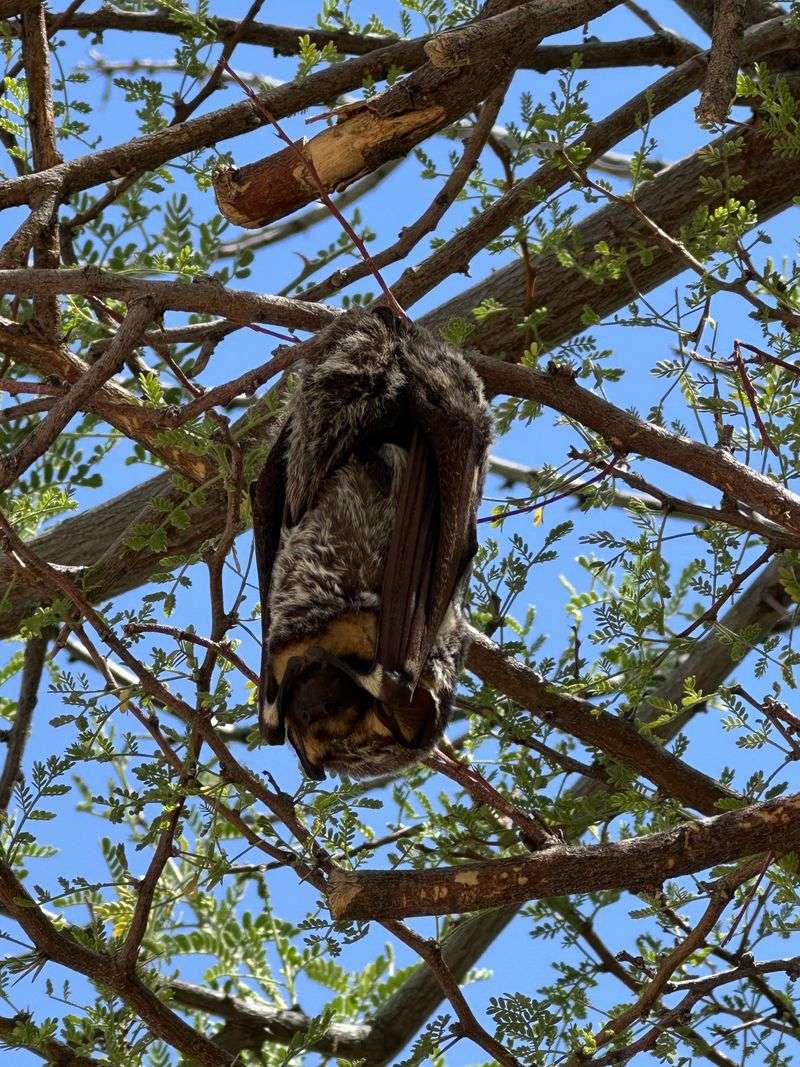
September catches a lot of people off guard. Most folks assume bat activity slows down once summer peaks, but that is not quite how it works here in Arizona.
Bats remain highly active through September because temperatures stay warm and insect populations are still strong. Pre-hibernation feeding ramps up for some species during this period.
Bats need to build fat reserves before cooler months arrive, so feeding intensity often increases rather than drops.
Arizona hosts around 28 bat species, making it one of the most bat-rich states in the country. Several of those species are migratory, passing through during September on their way south.
That migration adds extra bat traffic to local skies that residents might not normally see.
Resident species like the Mexican free-tailed bat are still raising late-season young in some roosts. Those juveniles are learning to hunt and exploring new feeding areas.
Yards with good insect activity become natural training grounds for young bats sharpening their echolocation skills.
Noticing more bats this month is not unusual at all. Seasonal biology, migration patterns, and food availability all line up to make September a genuinely busy time.
If your yard feels like a bat highway right now, that is a sign the local ecosystem is working exactly as it should.
2. Dusk Is When Many Bats Head Out To Feed
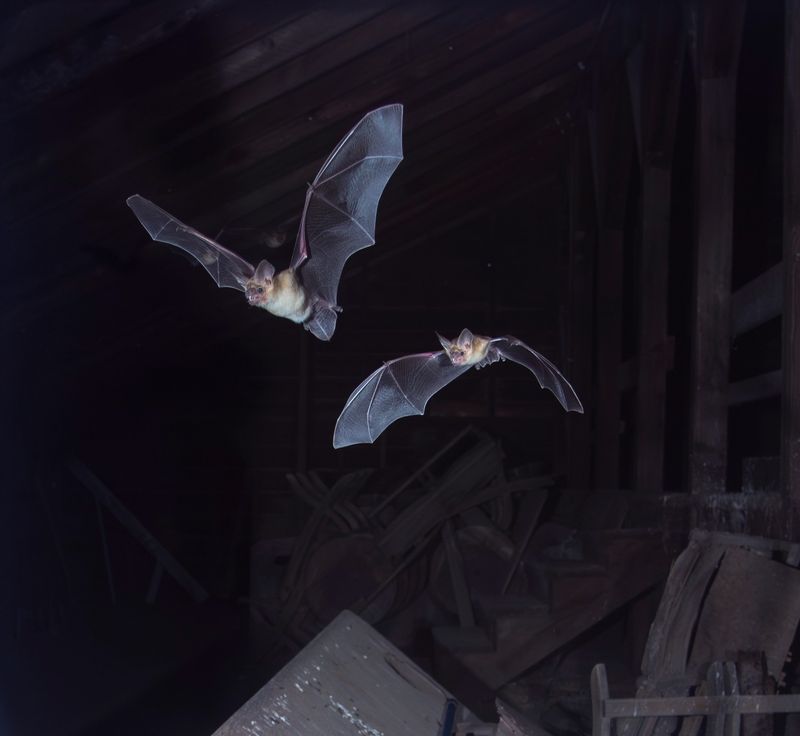
Right as the sun drops below the horizon, something shifts. Bats that spent the day roosting in tight clusters suddenly pour out into the open air, ready to hunt.
Dusk triggers bat activity for practical reasons. Light levels drop just enough that bats can fly without overheating, but insects are still airborne and active.
That narrow window between full daylight and full dark is prime feeding time for most insectivorous bat species found in Arizona.
Echolocation works best when bats can focus on sound without competing noise from daytime birds and other animals. Quieter evening air makes hunting more efficient.
Bats can detect tiny insects mid-flight with impressive accuracy during these calm dusk conditions.
Temperature also plays a role. Late-day warmth keeps insects hovering at low to mid-air heights, which is exactly where bats prefer to hunt.
Your Arizona Garden Changes Every Week. Your Plan Should Too.
Gardening in Arizona changes quickly throughout the season. Every Friday you’ll receive a simple weekly plan showing exactly what to plant, prune, fertilize, harvest, and protect so you never miss the right timing.
As the night cools, insects shift behavior, so bats tend to be most active in that first hour or two after sunset.
Watching from your yard around dusk gives you the best chance of seeing multiple bats feeding at once. Some nights, a single bat might pass through.
Other nights, a whole group sweeps through repeatedly. Either way, dusk is their prime time, and September evenings in the desert offer nearly ideal conditions for a long, productive feeding session.
3. Flying Insects Give Them Plenty To Hunt
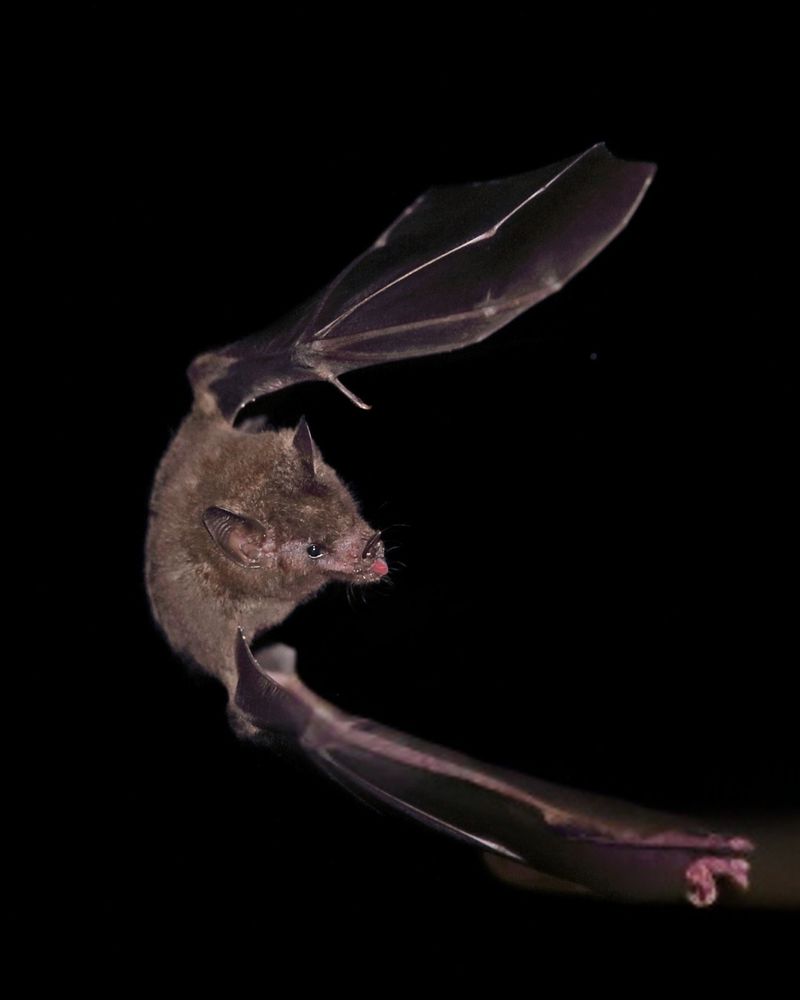
Bats are not swooping through your yard for fun. Every pass, every sharp turn, every sudden dive is part of an active hunt for flying insects.
Arizona yards in September can host a surprisingly wide variety of flying insects. Moths, mosquitoes, beetles, midges, and gnats all remain active through the month.
A single bat can consume hundreds of insects in one feeding session, so a yard buzzing with bug activity becomes a reliable food source worth returning to night after night.
Moths are a particularly important food source for many bat species. Yards with flowering plants, fruit trees, or outdoor lighting tend to attract more moths, which in turn attract more bats.
Vegetable gardens and compost areas can also harbor the kind of insect populations that bats actively seek out.
Bats use echolocation to pinpoint individual insects in mid-air with remarkable precision. Each call bounces back and gives the bat detailed information about size, distance, and movement.
Watching a bat make tight S-curves over a lawn, it is actually tracking specific bugs, not just flying randomly.
Healthy insect populations in your yard signal a healthy local environment. Bats showing up to feed means the food chain is functioning well.
Encouraging native plants and reducing pesticide use can support both insect diversity and the bat activity that naturally follows.
4. Outdoor Lights Can Draw Bats Toward Yards
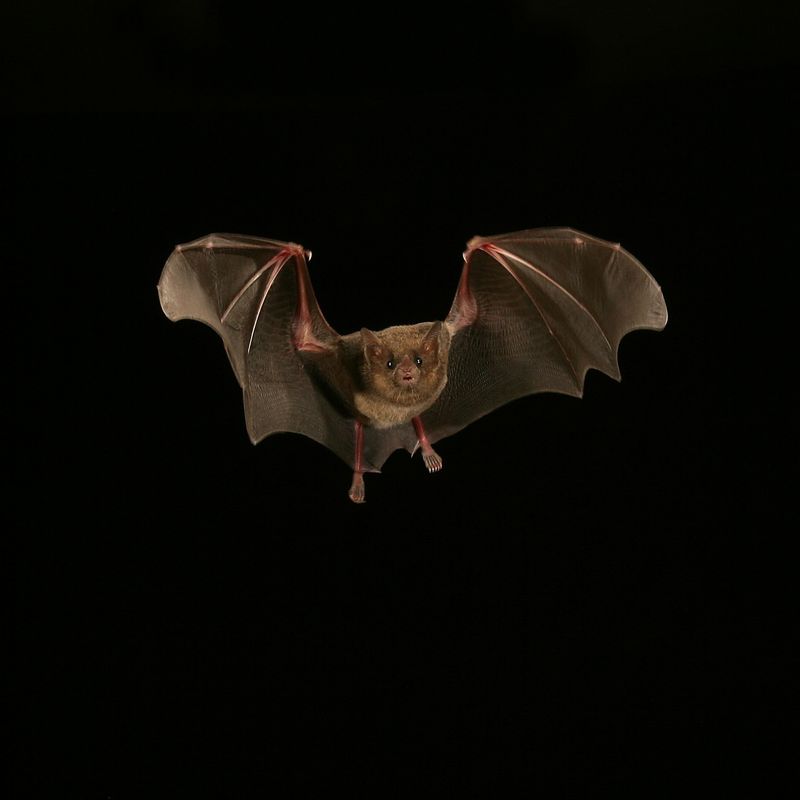
Porch lights do more than help you find your keys at night. Left on through the evening, they quietly turn your yard into an insect gathering spot that bats quickly learn to visit.
Many flying insects are strongly attracted to artificial light. Moths, beetles, and gnats congregate around lit areas in large numbers.
Bats notice these insect clusters and return to the same lit spots repeatedly because the hunting is reliable and concentrated.
Not all light types attract insects equally. Warm white and incandescent bulbs tend to draw more bugs than cool LED or yellow bug-light bulbs.
If your outdoor lights seem to be pulling in a lot of insects each evening, nearby bats have likely already figured that out.
Security lights, string lights, and lit pool areas can all create similar feeding opportunities. Bats will fly in loops around lit zones, picking off insects one by one.
Homeowners sometimes mistake this looping behavior for aggression, but it is simply efficient hunting strategy.
Switching to yellow or amber outdoor bulbs can reduce insect attraction if you prefer fewer bugs around entry points.
That said, if you enjoy watching bats feed, keeping a light on in an open area away from doors can give them a focused hunting zone without sending insects indoors.
It is a simple way to observe bat behavior up close.
5. Nearby Water Can Bring More Feeding Activity
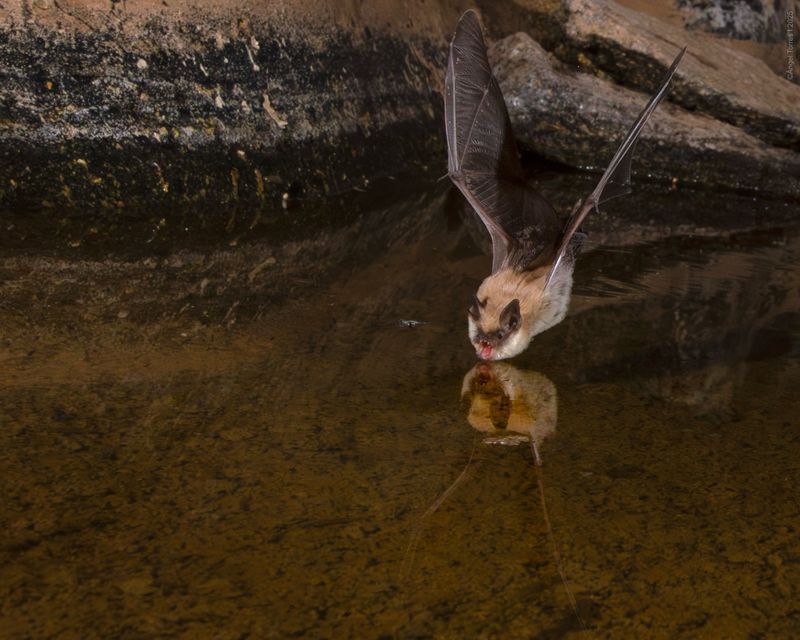
Water is a magnet in the desert. Any standing water in or near your yard, whether it is a pool, a fountain, a birdbath, or a drainage area, can significantly increase bat visits.
Bats need to drink regularly, especially during warm months. They often skim the surface of open water while flying, scooping up a quick drink without landing.
Pools and water features make convenient hydration stops, particularly in dry desert conditions where natural water sources may be limited.
Beyond drinking, water attracts insects. Mosquitoes breed near standing water.
Midges and other small flying insects gather around moist areas at dusk. Bats follow the insects, so a yard with a water feature often sees noticeably more bat activity than a dry yard nearby.
Natural water sources like washes, retention ponds, and irrigation channels nearby can have the same effect. Bats that drink at a wash may fan out into surrounding neighborhoods to feed, bringing them right over residential yards in the process.
Keeping a birdbath or small fountain running in your yard can actually encourage bat visits if that is something you enjoy. Open water with no obstructions overhead gives bats a safe approach path.
Watching a bat skim the surface of a pool at dusk is one of those quiet moments that feels surprisingly rare and worth seeing.
6. Warm Evenings Keep Insects And Bats Active
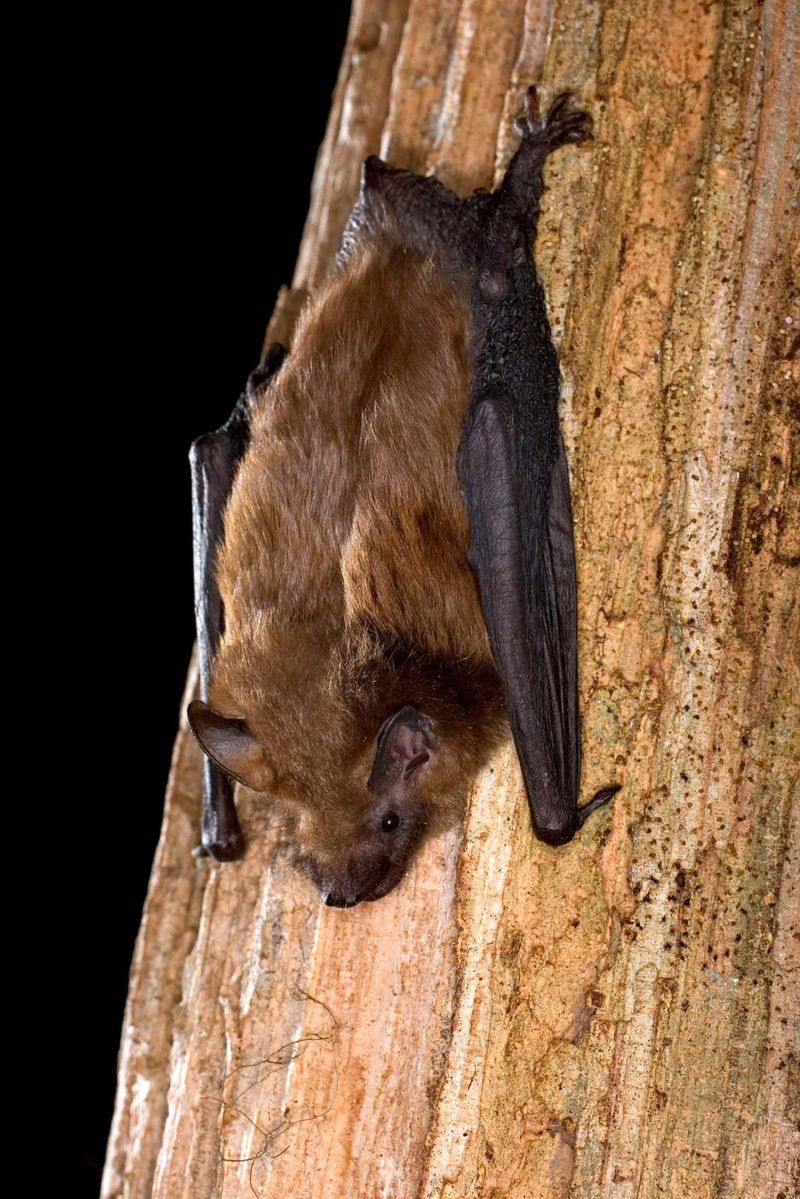
September evenings in the desert still carry real heat. Nighttime temperatures regularly stay above 75 degrees well into the month, and that warmth keeps the whole food chain moving.
Insects are cold-blooded, so warmer air keeps them flying longer and in greater numbers. Cooler nights in fall push insects to the ground earlier, which shortens bat feeding windows.
But warm September evenings extend that active period well past 9 or 10 p.m. in many parts of the state.
Bats are also more comfortable flying in warmer conditions. Sustained warmth reduces energy costs for flight and allows bats to stay out hunting longer before needing to return to roost.
Longer feeding windows mean more passes over your yard and more chances to spot them.
Monsoon season often winds down in September, but residual moisture from late storms can keep vegetation green and insects abundant for weeks afterward. That post-monsoon window is often when insect activity peaks before fall cooling begins.
Bats capitalize on that timing with intense nightly feeding.
If evenings feel especially active with bats right now, warm overnight temperatures are a likely factor. Watching bat activity across different evenings can reveal a pattern.
Warmer nights tend to bring out more bats earlier, while cooler nights may show lighter activity starting a bit later. Temperature shapes their schedule more than most people realize.
7. Most Bats Over Your Yard Are Simply Looking For Food
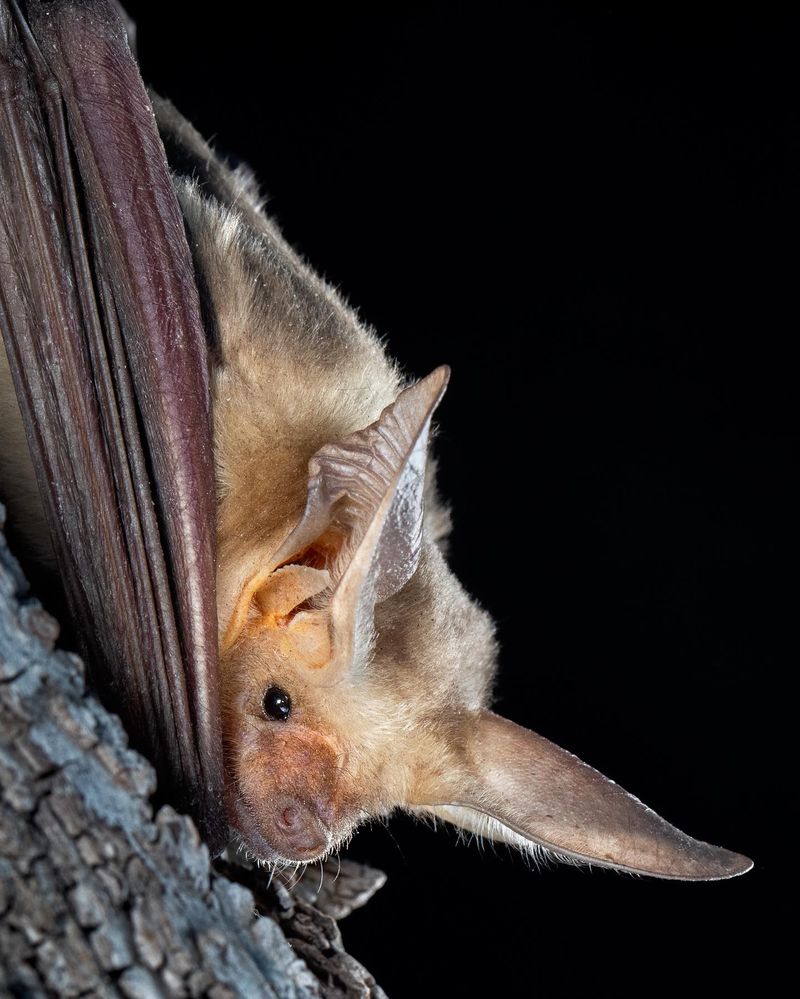
Bats get a bad reputation that they honestly do not deserve. Seeing one swoop close overhead can feel alarming, but that bat is almost certainly focused on a moth or mosquito nearby, not on you.
Insectivorous bats are highly focused hunters. Their echolocation locks onto small flying targets with precision.
A bat flying erratically near your head is most likely chasing an insect that happened to be close to you, not targeting you directly.
Most bat species found over residential yards in Arizona are entirely harmless to people who leave them alone. They have no interest in landing on humans or pets.
Close passes happen because insects congregate near warm bodies, and bats follow the insects wherever they go.
Bats rarely land in open yards. Encounters where a bat lands on the ground or acts disoriented are uncommon and worth noting, since healthy bats avoid ground contact.
A bat behaving normally in flight overhead poses no practical concern for most outdoor activities.
Appreciating bats as natural pest controllers shifts how most people feel about seeing them. Fewer mosquitoes, fewer moths near your produce garden, and fewer gnats around your patio are all connected to bat feeding activity.
Letting them do their job without interference costs nothing and quietly benefits the yard all season long.