How To Stop Arizona Citrus Fruit From Splitting After Sudden Storms
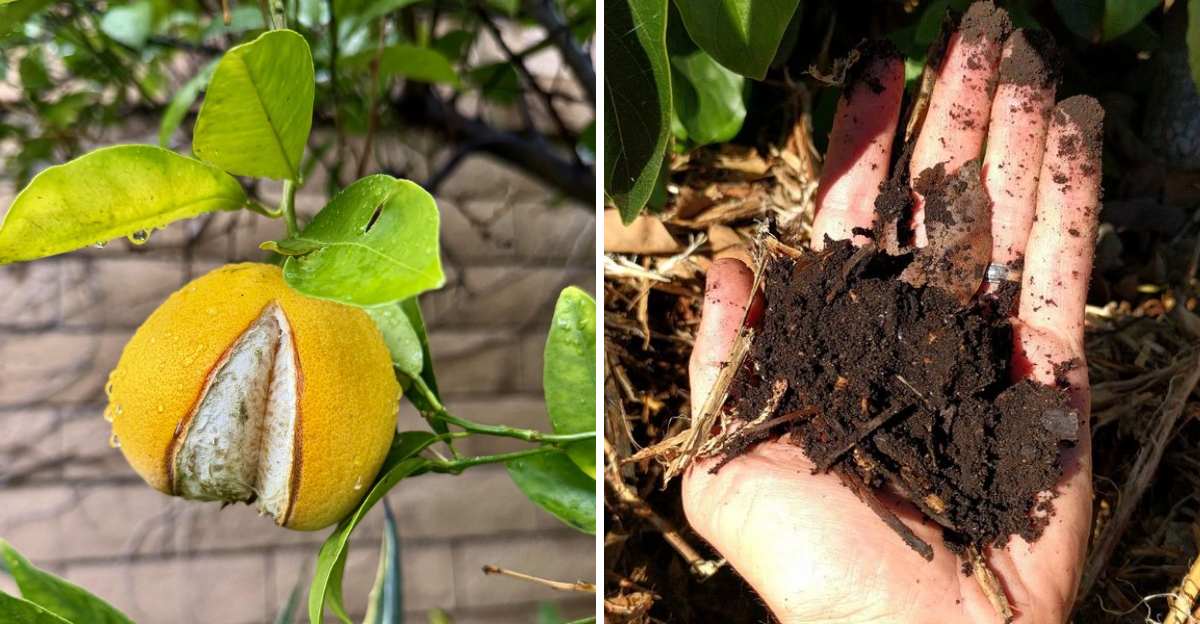
Arizona citrus can look perfectly fine through weeks of brutal heat, then change overnight after one hard summer storm.
The tree is still standing. The leaves may even look refreshed. But several fruits suddenly show deep cracks that were not there the day before.
That damage feels random.
It usually is not.
The real setup often begins long before the rain arrives, when roots move through repeated cycles of dryness, heat stress, and uneven irrigation.
Then one sudden shift in moisture changes the pressure inside developing fruit faster than the rind can comfortably handle.
So what can gardeners do before the next monsoon rolls through?
The answer is less about reacting to the storm and more about keeping the tree from experiencing such dramatic swings in the first place.
A few changes around the root zone can make moisture arrive more steadily, help the canopy stay protective, and reduce the stress that turns one welcome summer rain into a frustrating morning of split fruit hanging open across the backyard tree.
1. Keep Soil Moisture Steady Before Monsoon Storms
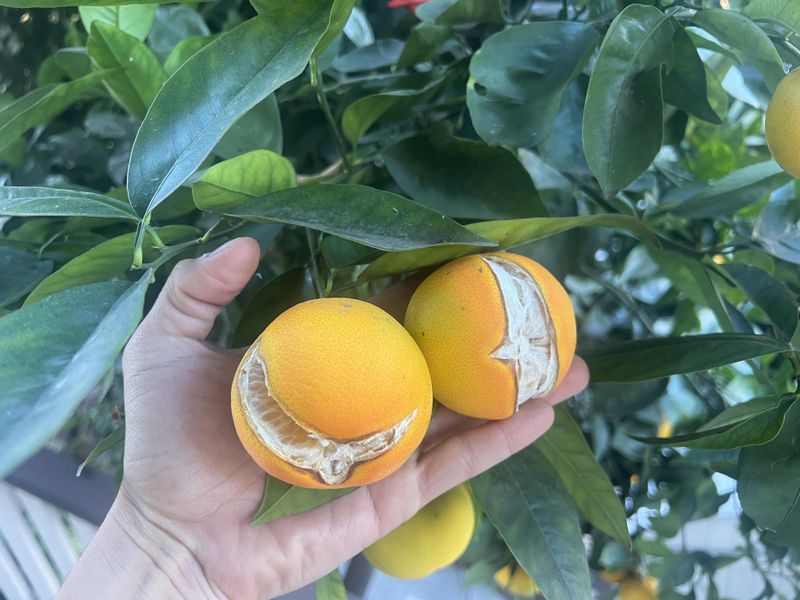
Fruit splitting after a monsoon often starts with a moisture problem that developed before the clouds arrived.
When the root zone stays extremely dry for too long, the tree slows and developing fruit adjusts to that limited water supply.
A sudden soaking can then create a sharp change in water availability. The pulp expands quickly, while the rind may not stretch at the same pace.
That mismatch can end in a crack.
The best defense is steadier soil moisture through Arizona’s hottest stretch. Do not keep the ground constantly wet, but avoid letting the active root zone swing from deeply dry to suddenly saturated.
Check below the surface rather than judging by dusty topsoil.
Use a soil probe, long screwdriver, or narrow trowel several inches into the irrigated zone. Dry soil that resists the tool well below the surface is a stronger warning than a crust that simply looks dry after one hot afternoon.
Adjust irrigation as temperatures rise and tree demand changes. A mature citrus tree can need a different schedule in June than it did in April, especially in exposed desert landscapes.
You cannot control how much rain a monsoon delivers.
You can control how thirsty the tree is when that water arrives.
Keeping the root zone reasonably consistent gives the fruit a gentler transition when the sky finally opens.
2. Water Deeply Instead Of Adding Shallow Extras
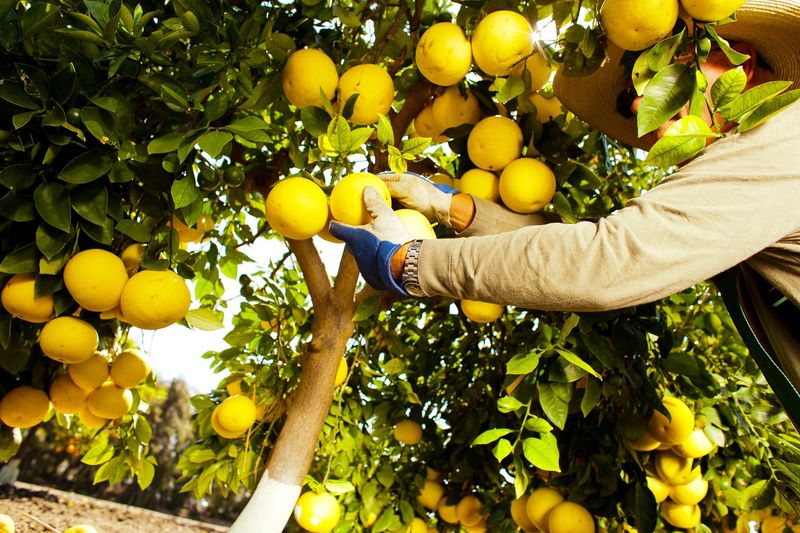
A quick splash around the trunk can make the soil look wet without doing much for the roots that matter.
Citrus benefits from irrigation that reaches a broad, deep portion of the root zone. Repeated shallow watering encourages the upper soil layer to cycle between wet and dry quickly, especially under Arizona summer heat.
That instability is exactly what you are trying to avoid before monsoon season.
Apply water slowly enough that it has time to move downward rather than running across the surface. Drip emitters, bubblers, or basin irrigation can all work when they wet more than one tiny spot beside the trunk.
Your Arizona Garden Changes Every Week. Your Plan Should Too.
Gardening in Arizona changes quickly throughout the season. Every Friday you’ll receive a simple weekly plan showing exactly what to plant, prune, fertilize, harvest, and protect so you never miss the right timing.
As the tree grows, move or add emitters farther outward.
Most feeder roots are not packed against the bark. A mature canopy needs a wider wetted area, so an irrigation setup designed for a young tree may become inadequate later.
Check the soil after a full cycle.
Push a probe into several points around the irrigated zone. You want moisture to penetrate below the surface and spread through a meaningful portion of the roots rather than creating one narrow wet column.
Avoid little emergency sprinkles between proper irrigations unless the tree genuinely needs them.
Deep watering followed by a reasonable drying interval creates a steadier pattern than constant shallow corrections.
The goal is not simply more water.
It is a root zone that changes slowly enough for the fruit to keep up.
3. Reduce Irrigation Frequency After Heavy Rain
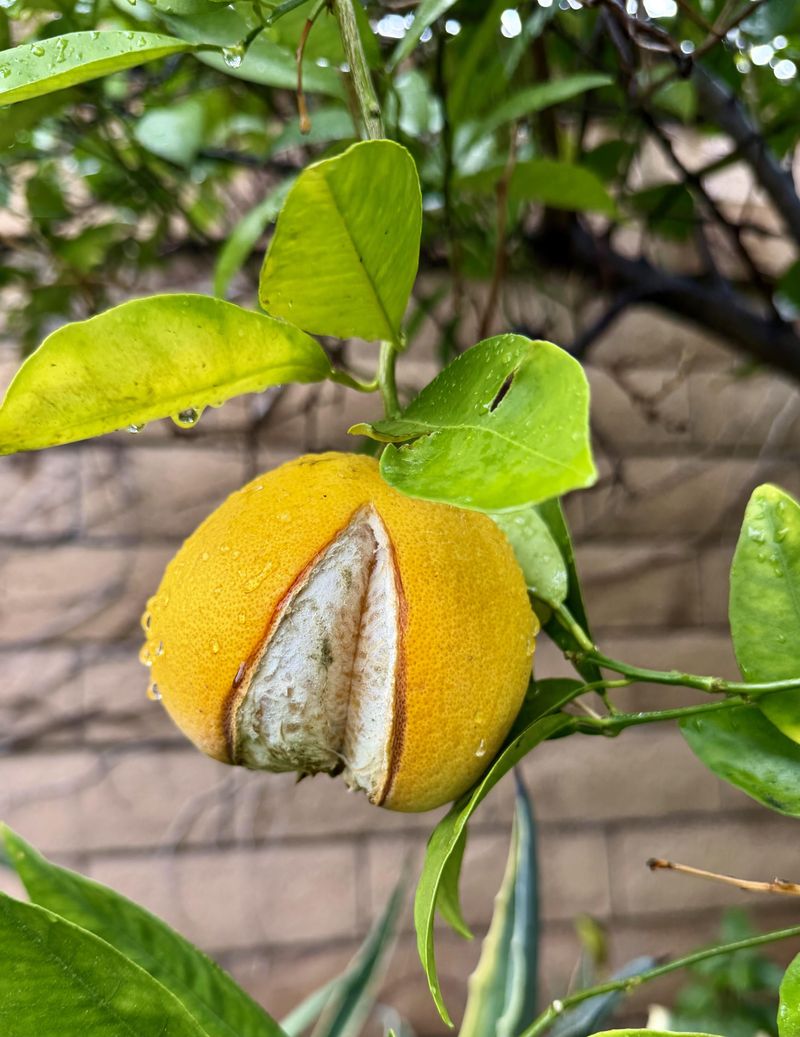
A monsoon storm should change the irrigation schedule, even when the controller has no idea rain happened.
One easy mistake is letting the automatic system run normally the morning after a heavy storm. That can take soil that is already thoroughly wet and push it closer to saturation.
Check first.
Use a soil probe in the outer root zone rather than beside the trunk. When the soil is still moist at depth and the probe moves easily, the tree may not need its next scheduled irrigation.
Delay the cycle until the root zone begins drying again.
How long that takes depends on soil texture, tree size, drainage, temperature, and how much rain actually reached your yard. A dramatic thunderstorm nearby means little when your garden received only a trace.
A simple rain gauge can help.
Rain sensors and soil-moisture sensors can also keep automated systems from watering blindly, but they still need occasional checking to make sure they reflect conditions around the tree.
Avoid the opposite reaction too.
Do not shut irrigation off for a long period simply because one storm was heavy. Arizona soils can dry rapidly after rain once summer heat returns.
Let the storm count as irrigation, monitor the root zone, then resume deep watering when the soil tells you it is time.
Monsoon season rewards flexibility far more than a calendar that never changes.
4. Keep Each Watering Long Enough For Deep Roots
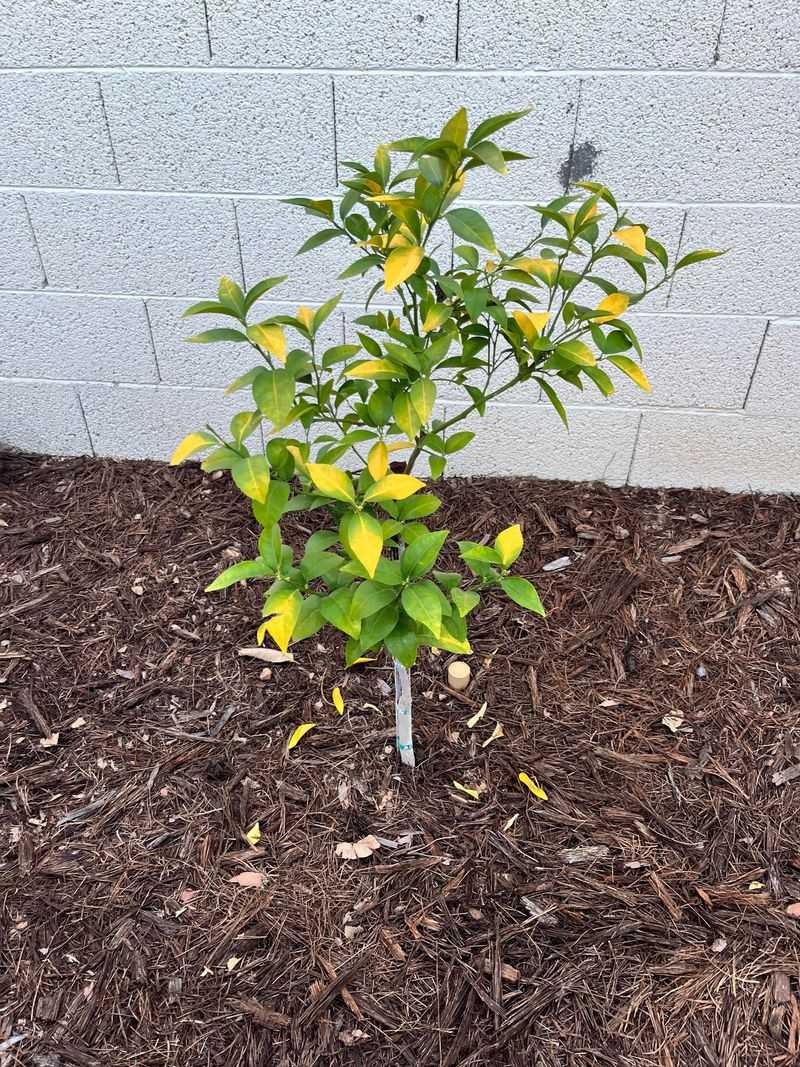
Two citrus trees can need completely different irrigation runtimes even when they grow on the same street.
Emitter flow, soil texture, tree size, basin shape, slope, and irrigation layout all change how quickly water reaches active roots. That is why a universal rule such as running the hose for thirty minutes can be misleading.
Measure the result instead.
After irrigation, let water move into the profile, then check the soil at several depths and locations. A probe that stops at a dry layer tells you the cycle did not reach far enough, even when the surface looks soaked.
Sandy soil usually accepts water quickly but loses it faster.
Clay-heavy soil holds moisture longer, yet it may need slower application or watering in stages to prevent runoff. Caliche or compacted layers can complicate movement further.
Adjust runtime and delivery together.
A longer cycle does not help when one high-flow emitter dumps water into a small spot and sends the rest away. Wider distribution at a slower rate often creates a more even root zone.
Recheck the pattern as the tree matures. Roots expand outward, emitters clog, and landscape changes redirect water over time.
The objective is consistent depth from one irrigation to the next.
When the useful root zone receives a steadier supply, the tree is less likely to face the severe dry-to-wet shock that can contribute to rind splitting after summer rain.
5. Mulch The Root Zone To Buffer Moisture Swings
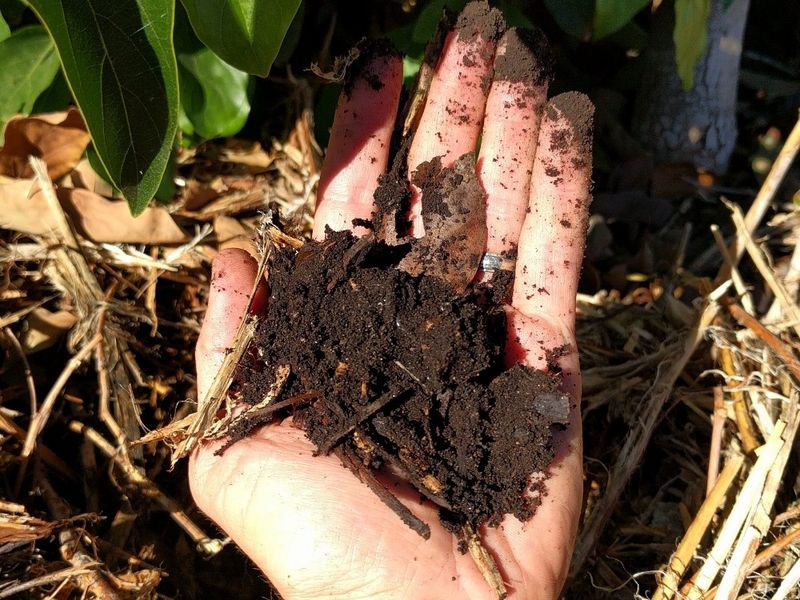
A layer of mulch cannot stop a monsoon, but it can make the days before one much less extreme.
Bare Arizona soil heats quickly and loses moisture from the surface fast. Organic mulch shades that soil, slows evaporation, and helps the root zone stay more even between deep irrigations.
That buffering effect is exactly what a citrus tree needs before sudden rain.
Spread wood chips or another coarse organic mulch several inches deep across the broad root area rather than making a small decorative ring around the trunk. Extending the layer toward the canopy edge protects more soil where feeder roots are active.
Keep the trunk clear.
Mulch piled against citrus bark can hold unwanted moisture around the crown and hide problems. Leave visible space around the trunk while covering the surrounding soil.
Check underneath before watering.
The top of the mulch can feel hot and dry while soil beneath it still holds useful moisture. That difference may let you wait longer between irrigations without pushing the roots into severe drought.
Refresh the layer when decomposition and wind leave bare patches, but do not keep piling fresh material on indefinitely.
Mulch works best as part of a system.
Deep irrigation supplies moisture. The organic cover helps keep it from disappearing so quickly.
That quieter soil environment cannot guarantee perfect fruit, but it reduces one of the biggest moisture swings Arizona citrus faces before monsoon rain arrives.
6. Follow Arizona Citrus Fertilizer Timing
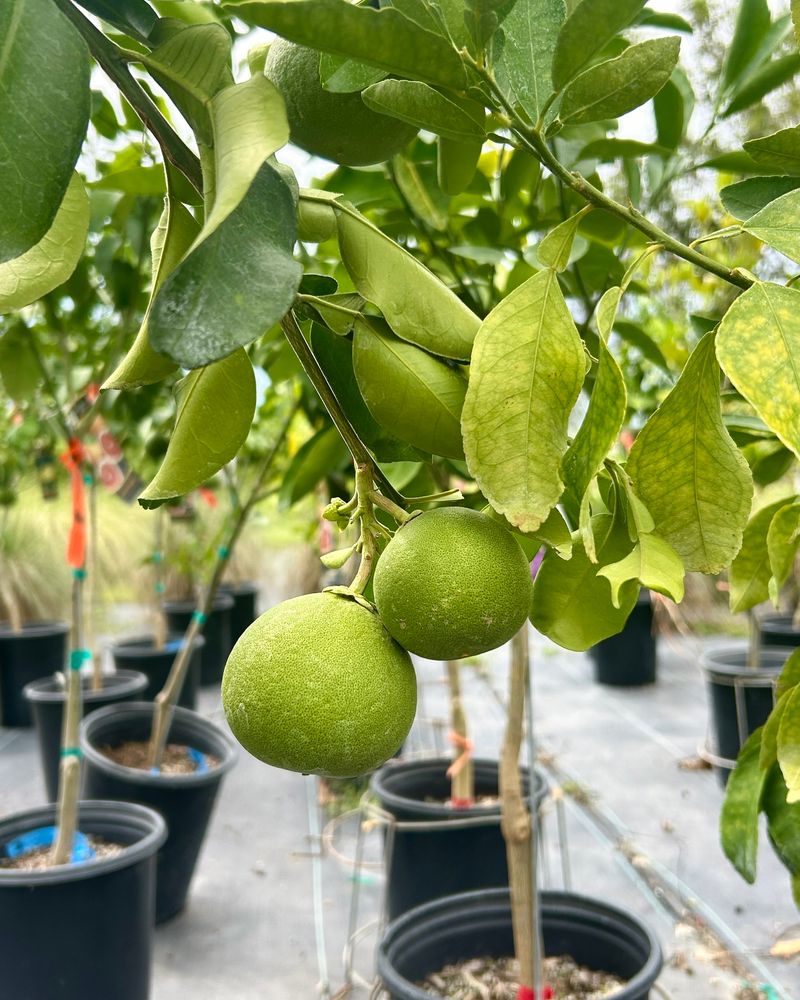
A tree pushed into excessively soft growth can be harder to manage while fruit is sizing and maturing.
That is why summer fertilizer should follow a planned citrus program rather than a reaction to every pale leaf or slow branch.
Extra nitrogen does not fix fruit splitting, and unnecessary applications can push vegetative growth when the tree is already under heat stress.
Use tree age and local citrus guidance to determine how much nitrogen the plant actually needs across the year.
Split applications are generally more sensible than dumping the annual amount into the root zone at once. They support steady growth without creating one dramatic nutritional surge.
Do not guess at potassium or other nutrients either.
Mineral deficiencies can affect fruit quality, but adding a nutrient simply because it is associated with rind strength can create imbalances when the soil already supplies enough. Soil or tissue testing is a better basis for major corrections.
Keep fertilizer away from the trunk and apply it where active roots can reach it. Then irrigate appropriately according to the product and local guidance.
Most importantly, treat nutrition as support rather than a cure.
Irregular moisture remains a major factor behind splitting in susceptible citrus. A well-fed tree can still crack fruit after a severe dry-to-wet swing.
Balanced feeding supports normal development.
Steady irrigation keeps that development from being tested by one sudden flood of water.
7. Avoid Heavy Pruning That Exposes Fruit
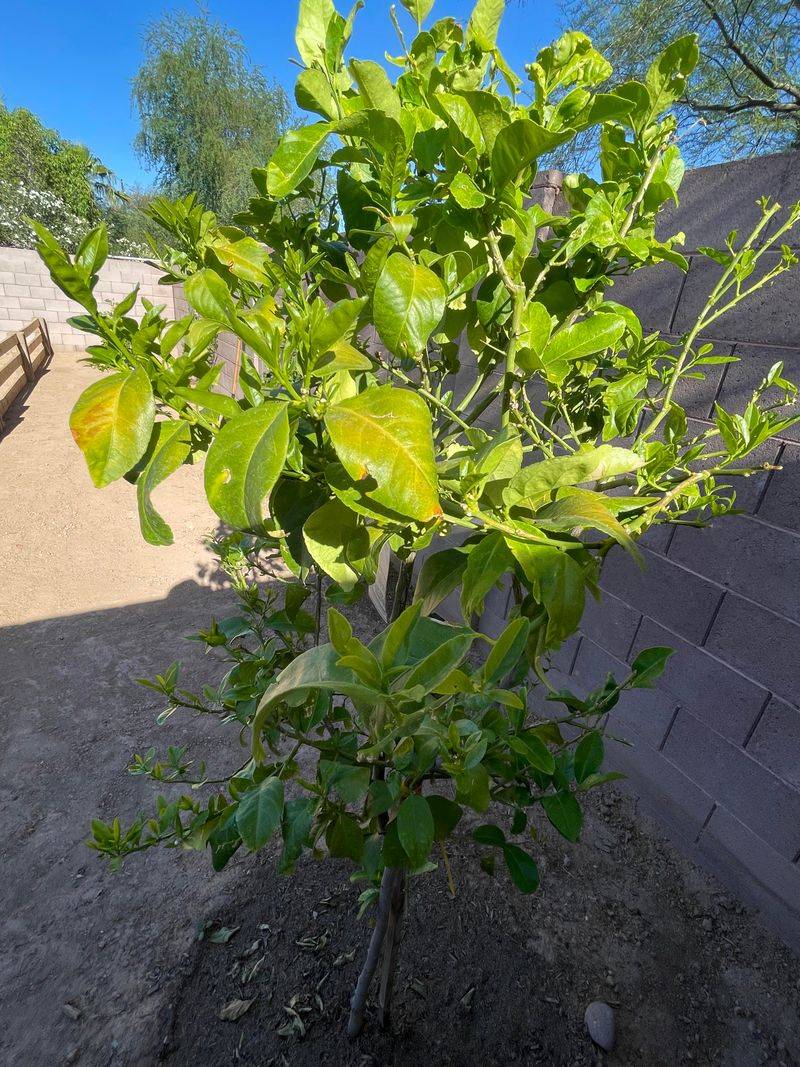
A dense citrus canopy is valuable protection in an Arizona summer.
Leaves shade developing fruit, reduce direct exposure to intense sun, and help create a cooler environment around branches.
Removing too much of that canopy before peak heat can leave fruit exposed to conditions it never had to handle before.
Keep pruning conservative.
Citrus generally does not need the repeated shaping many deciduous fruit trees receive. Remove damaged wood, obvious suckers from below the graft, or branches creating a genuine structural problem, then leave healthy canopy in place.
Avoid opening large holes around fruit clusters.
Sunburn can damage rind tissue on exposed citrus, giving fruit one more stress to manage when moisture conditions change suddenly.
A hard summer cut can also stimulate tender replacement growth that needs additional water during the hottest part of the year.
Storm damage is different.
Broken branches should be addressed cleanly when they create hazards or leave torn wood, but that is not an excuse to reshape the entire tree after every monsoon.
Protect suddenly exposed trunks or major limbs from severe sun using appropriate Arizona citrus-care practices.
Fruit splitting is not caused simply by sunlight, and keeping extra leaves will not guarantee intact rinds.
Still, preserving a stable canopy while keeping water supply steady gives developing fruit fewer simultaneous stresses to handle when monsoon weather arrives.
8. Remove Split Fruit Promptly After Storms
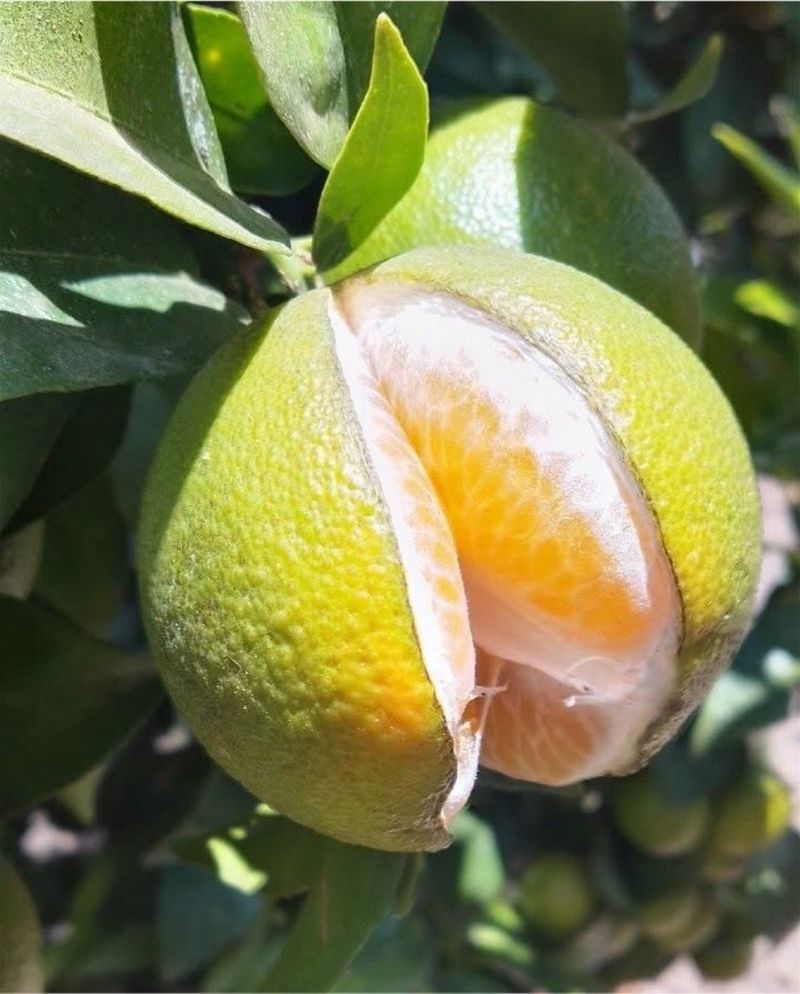
Once a citrus fruit splits, the rind will not knit itself back together.
That makes cleanup the useful next move.
Remove badly cracked fruit from the tree after a storm, especially when juicy pulp is exposed. Open fruit can attract insects and develop decay rapidly in the warm, humid conditions that sometimes follow Arizona monsoon rain.
Check the ground at the same time.
Fallen fruit beneath the canopy can become another food source for insects and other pests, so collect it rather than leaving it to soften around the irrigation basin.
Do not assume every superficial mark requires removal.
Look for true cracks that expose inner tissue, leaking juice, softening areas, or obvious decay. Minor cosmetic rind blemishes are a different problem.
Use the damaged fruit as information.
Walk the irrigation zone after cleanup and check how wet the soil is. Look for emitters that ran during the storm, clogged areas that may have left part of the root zone dry beforehand, or mulch gaps where soil baked between waterings.
Then look at the remaining crop.
Some citrus varieties and individual fruits are more prone to splitting than others, so prevention reduces risk rather than eliminating it completely.
The storm has already happened.
Remove fruit that cannot recover, correct the moisture-management problems you find, and keep the remaining crop on a steadier path toward harvest.
One cracked orange is frustrating.
A better irrigation pattern can keep it from becoming the whole season’s story.