How To Tell If Your Michigan Phlox Has Powdery Mildew And What To Do Next
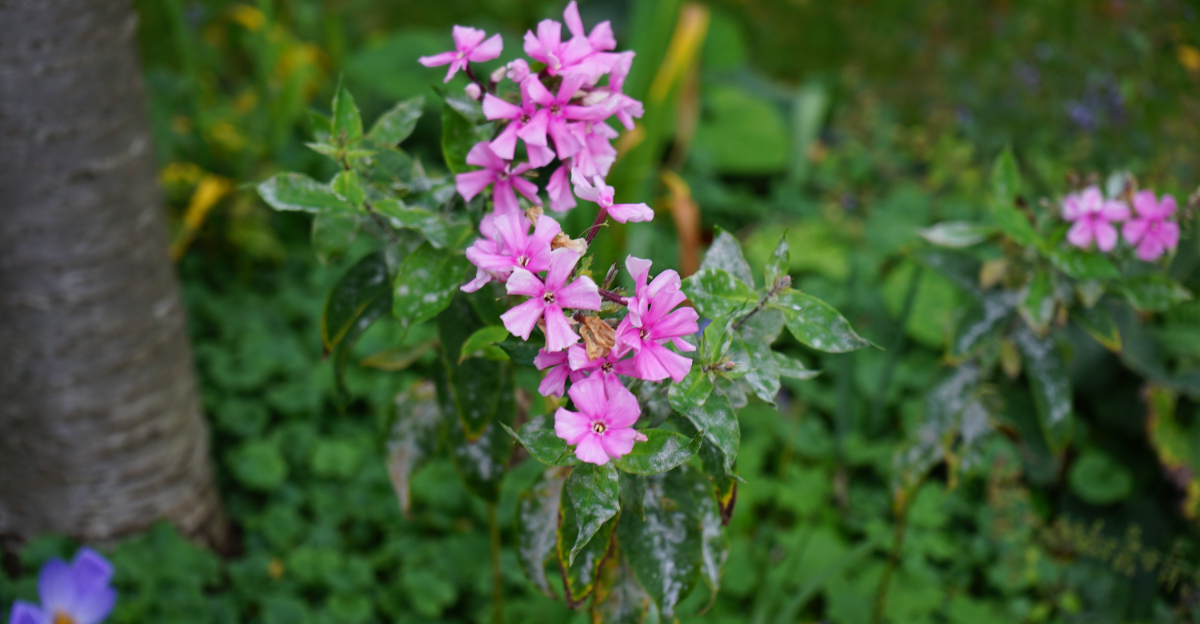
That dusty white coating creeping across phlox leaves catches plenty of Michigan gardeners off guard, especially when the plant seemed perfectly healthy just weeks earlier.
Most people aren’t sure whether this is something serious or simply a cosmetic issue not worth worrying about.
But powdery mildew on phlox comes with specific signs worth knowing, along with a clear set of next steps once you’ve confirmed that’s actually what you’re dealing with.
Understanding exactly what to look for changes how quickly and effectively you can respond before the problem spreads further across the plant.
Many gardeners either overreact to a minor issue or underestimate a problem that needed immediate attention. Once you know what to check and what to do next, managing this common phlox issue becomes a lot less stressful.
This knowledge could protect your phlox from a problem that only gets harder to manage the longer it goes unaddressed.
1. Look For A White Powdery Coating
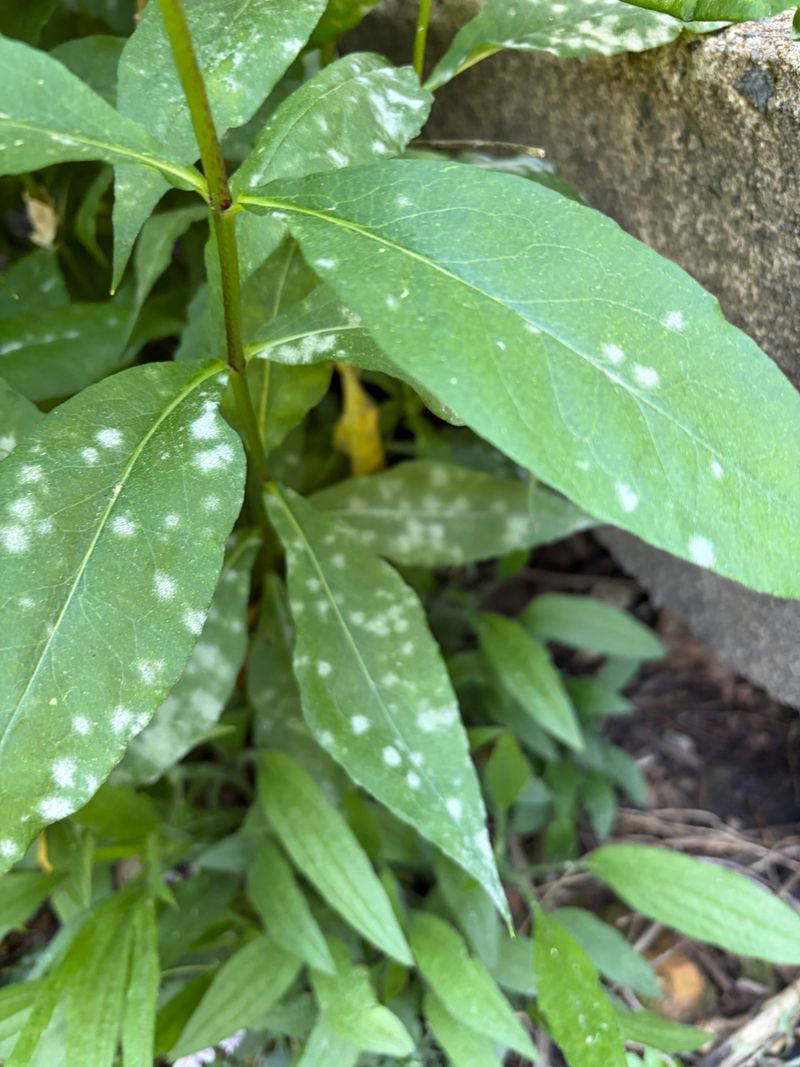
The clearest warning sign shows up as a fine, dusty layer that looks a lot like spilled flour or baby powder. It usually starts as small, round patches and then spreads until whole leaves turn pale and gray.
What makes powdery mildew tricky is how far it can travel across the plant. The coating does not stay on leaves alone.
Over time it can creep onto stems, buds, and even the flower petals themselves. When buds get coated early, they may open oddly or fail to bloom the way you hoped.
Run your finger gently across an affected leaf and you might notice some of the white residue rubs off. That simple test helps you tell mildew apart from other plant problems that stay stuck to the surface.
Healthy phlox leaves feel smooth and look deep green, so any chalky film should grab your attention.
Catching this coating while it is still small gives you the biggest advantage. A few dusty spots are far easier to manage than a plant that has turned mostly gray.
Check your phlox once a week during warm weather, especially when nights feel muggy.
Keep in mind that phlox is one of the most common targets for this fungus in home gardens. Because it shows up so often, learning to spot the coating fast is a skill every phlox grower needs.
The sooner you notice it, the sooner you can slow it down and protect the fresh growth that has not been touched yet.
2. Check The Lower Leaves First
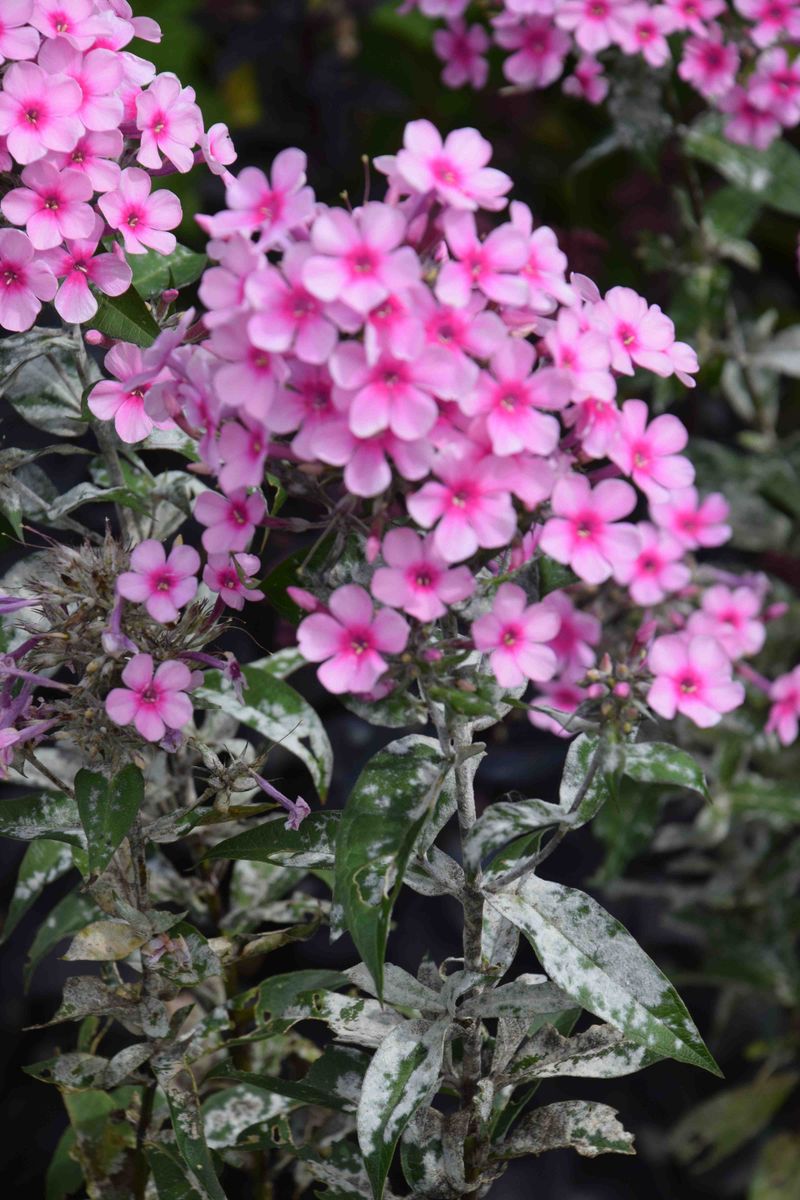
Powdery mildew almost always sneaks in from the bottom of the plant. The lowest leaves sit closest to the soil, where air moves slowly and moisture lingers longer after rain or morning dew.
Because those bottom leaves stay shaded and crowded, they create the cozy conditions this fungus enjoys. That is why smart gardeners bend down and inspect the base of their phlox before looking anywhere else.
If trouble is starting, you will usually spot it there first. Once mildew settles into the lower leaves, it climbs upward using its powdery spores. Wind, watering, and even your hands brushing past can carry those spores to fresh growth higher up.
Your Michigan Garden Changes Every Week. Your Plan Should Too.
Gardening in Michigan changes quickly throughout the season. Every Friday you’ll receive a simple weekly plan showing exactly what to plant, prune, fertilize, harvest, and protect so you never miss the right timing.
Stopping it early on the bottom leaves can slow that whole march up the stem.
Try pulling off the worst lower leaves as soon as you see the coating. Removing them lowers the number of spores floating around and gives the healthier top of the plant a better chance.
Just drop the leaves in the trash rather than your compost pile, since spores can survive there.
Make it a habit to peek under the leaves too, not only at the tops. The undersides often hide the first faint patches before they become obvious. A quick weekly check at ground level takes only a minute.
Watching the base of your phlox turns you into an early responder. By the time the upper leaves show damage, the fungus has already been busy below, so starting your inspection low keeps you one step ahead all season long.
3. Look For Tiny Black Specks Late In The Season
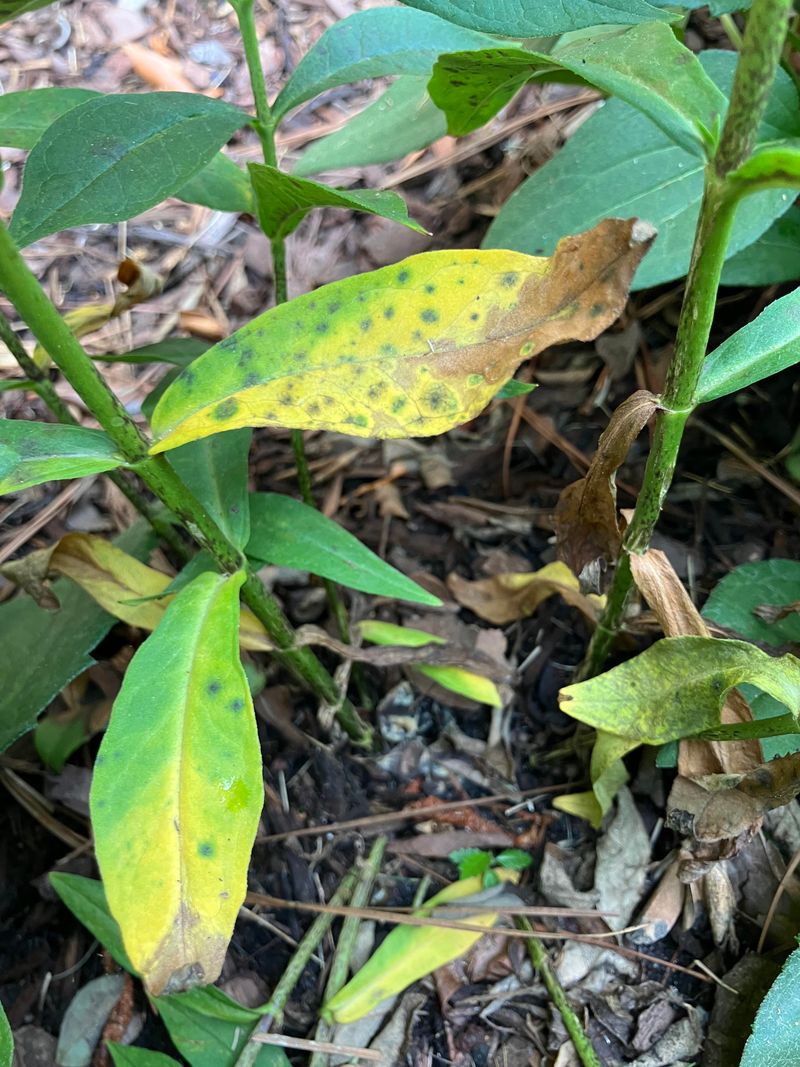
As Michigan summer fades toward fall, the white coating on your phlox can change. Look closely and you may notice tiny dark specks scattered inside those pale patches, almost like ground pepper sprinkled on the leaves.
Those little dots are the fungus getting ready for the next year. They are protective structures that hold spores and can rest through the cold months.
When spring warms up, they release fresh spores that start the cycle all over again.
Spotting these specks tells you the mildew has been around for a while and has matured. It is a signal that your cleanup routine matters more than ever.
Any leaves or stems carrying those dark dots should be gathered up and thrown away, not left lying in the garden.
A magnifying glass makes the specks easier to see, but sharp eyes often catch them too. They usually appear black, brown, or reddish and sit right on top of the older white film.
If you find them, do not panic. Late-season mildew is common and rarely a serious threat to a strong plant.
The real value of noticing these specks is planning ahead. Clearing away infected material in fall removes many of the spores that would otherwise wait out the winter.
Cut your phlox back and clean the area around it once blooming ends.
Think of this step as breaking the chain. Every speck you remove now means fewer surprises when your phlox wakes up and starts growing again next spring.
4. Rule Out Ordinary Leaf Spots
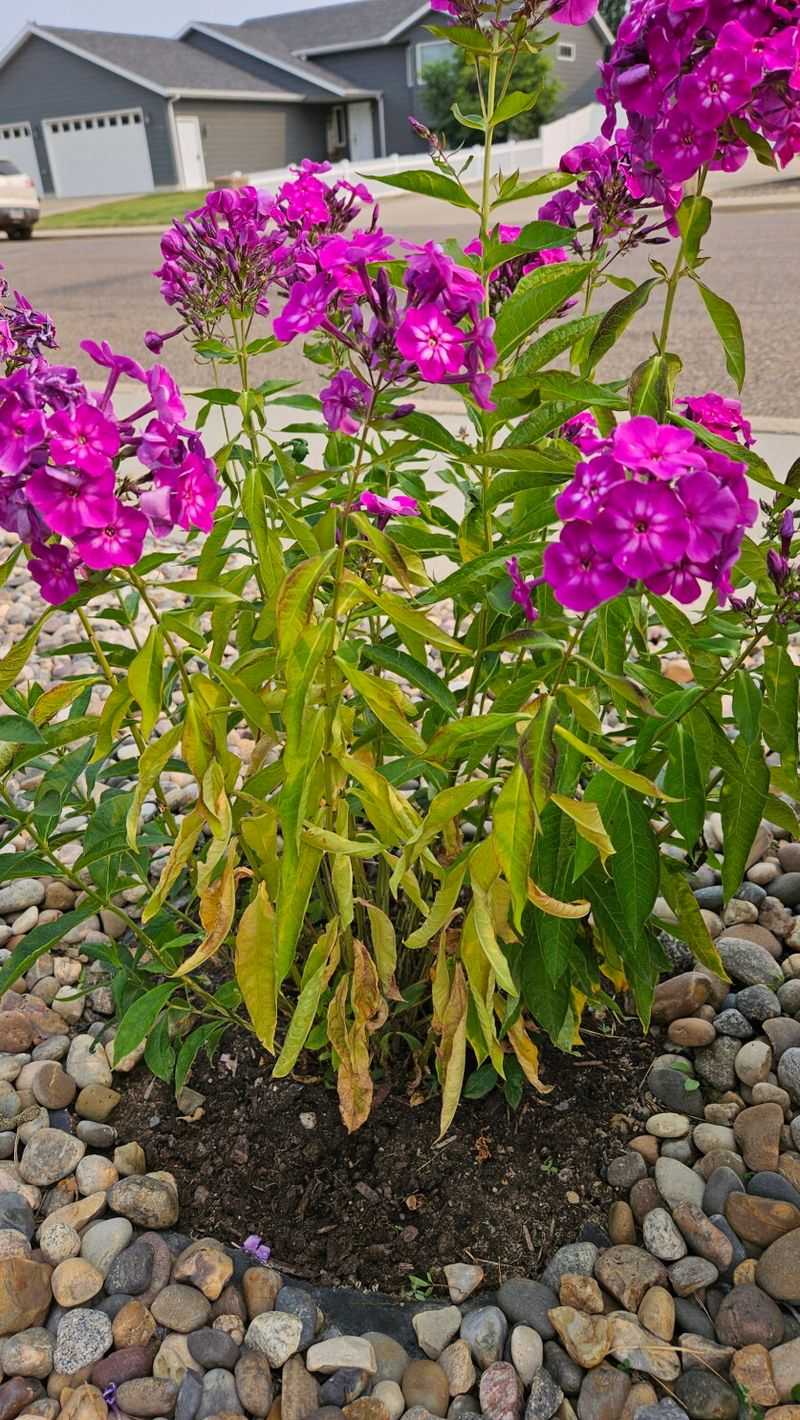
Not every mark on your phlox means powdery mildew. Plenty of leaves pick up ordinary spots that look completely different and need a different response.
Leaf spot troubles usually show up as brown, tan, or purple-bordered circles right on the leaf surface. They often have a clear edge, almost like someone drew a ring around them.
Powdery mildew, on the other hand, looks fuzzy, chalky, and gray-white, and it sits on top of the leaf like dust.
Telling the two apart really matters because the fixes are not the same. Treating a bordered leaf spot as if it were mildew wastes your time and may leave the real cause untouched.
Correct identification saves effort and gives your plant the right kind of care.
One quick trick is the rub test. Powdery mildew smears and partly wipes away under your finger, while leaf spots stay firmly stuck in place. That simple difference clears up most confusion in seconds.
Pay attention to the pattern too. Mildew tends to coat large areas and spread into a hazy film, while leaf spots stay separate and keep their round shape.
Sometimes a plant can even have both problems at once, so look carefully.
When you are unsure, snap a clear photo and compare it with trusted gardening guides or ask your local extension office. Michigan State University Extension is a great resource for gardeners in the state.
Getting the diagnosis right is the foundation for everything else. Once you know exactly what you are facing, choosing the next move becomes much easier and far more effective.
5. Do Not Blame Wet Leaves
Many gardeners assume that soggy leaves cause powdery mildew, but that idea is a myth. This particular fungus actually prefers dry leaf surfaces and can grow even during stretches without rain.
What it truly loves is humidity in the air combined with warm days and cooler nights. Michigan gardens often deliver exactly that mix, especially in late summer.
So the moisture problem is about the air around the plant, not water sitting on the leaves.
Shade plays a big role too. Phlox tucked into a dim corner stays damp in the atmosphere longer and dries out slowly. Those shady, still spots become perfect hideouts for spores to settle and grow.
Crowding makes everything worse. When plants are packed tightly together, air cannot move freely between them, and humidity stays trapped near the leaves.
That stagnant pocket of moist air is the real invitation for mildew. Because of this, spraying your phlox with water to rinse off mildew usually backfires. Wet foliage can encourage other problems and does little to stop this fungus.
It is far better to focus on airflow and light. Understanding this changes how you protect your plants. Instead of worrying about a little dew or rain, watch for muggy weather, deep shade, and tight groupings.
Those are the true warning signs. Once you stop blaming wet leaves, you can aim your energy where it counts. Managing humidity, light, and spacing does far more to keep phlox clear than any amount of leaf drying ever could.
6. Give Crowded Phlox More Air
Air is one of your best tools against powdery mildew, and it costs nothing. When breezes move freely through your phlox, the humid pocket that mildew loves simply cannot build up.
Start with spacing. Plant phlox far enough apart that leaves from neighboring plants do not press together.
A little extra room lets sunlight reach the middle of each clump and helps the whole plant stay drier in the air.
Thinning is another powerful trick. In spring, when your phlox sends up many new stems, snip out some of the weaker ones at the base.
Removing about a third of the crowded shoots opens up the plant so air can flow right through the center.
Location matters just as much. Phlox planted in full sun with open space around it faces far fewer mildew troubles than phlox squeezed against a fence or wall.
If a plant keeps struggling, moving it to a brighter, breezier spot can turn things around.
Keep the area around the base tidy too. Pull weeds that block airflow and clear away fallen leaves that trap moisture. A clean, open base helps everything dry faster after dew or rain.
Dividing large clumps every few years does double duty. It keeps plants vigorous and prevents the overcrowding that invites fungus in the first place.
These airflow habits work quietly in the background all season. By making your garden a breezy, sunny place, you take away the still, muggy conditions mildew depends on and give your phlox a real advantage.
7. Do Not Rush To A Fungicide

When you spot that first dusty patch, reaching for a spray feels like the obvious move. Yet a little mildew is often something a healthy phlox can shrug off without much fuss.
Here is the key thing to understand. Fungicides work by protecting leaves that are still clean.
They do not repair or restore the leaves that already carry the coating. So spraying an infected leaf will not bring back its fresh green look.
That changes how you should think about timing. If mildew has already spread widely, a fungicide mostly guards the newer growth rather than fixing the damage you can see. Many gardeners find that mild cases simply do not need chemicals at all.
A phlox with a bit of powder late in the season usually still blooms and returns strong the next year. The plant may look less than perfect, but its long-term health stays fine. Learning to tolerate small blemishes saves money and effort.
If you do choose to spray, do it early and focus on prevention. Options like sulfur, neem oil, or potassium bicarbonate can shield healthy tissue when applied before the fungus takes over.
Always follow the label directions closely. Before spraying anything, ask yourself whether the problem is truly serious or just cosmetic. Often the answer points toward patience and better plant care instead.
Saving fungicides for real trouble keeps your garden simpler and safer. Combined with good airflow and cleanup, restraint often works just as well as a bottle of spray, and sometimes even better.
8. Choose More Resistant Phlox For The Future
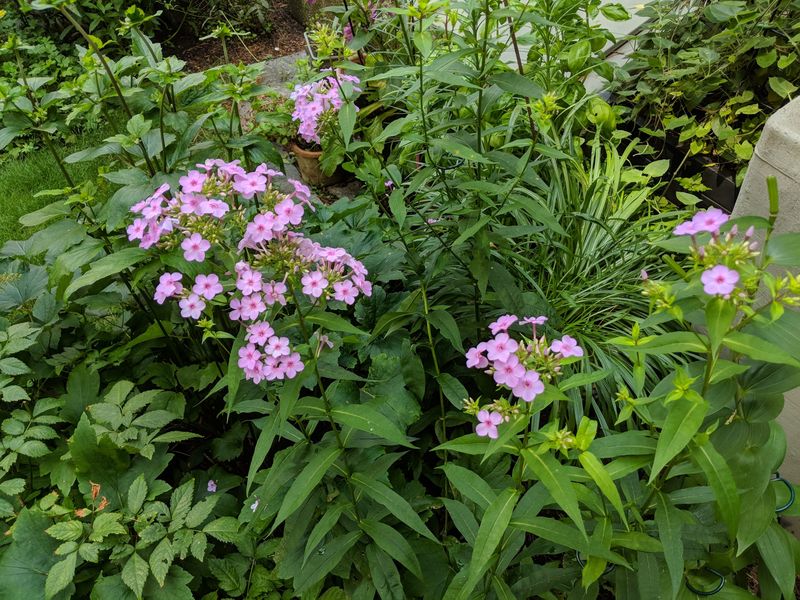
If mildew keeps returning year after year, the smartest fix might be starting fresh with tougher varieties. Plant breeders have created phlox that naturally shrug off this fungus far better than older types.
The variety called David is a famous favorite. Its bright white blooms and strong resistance have made it a go-to choice for gardeners tired of chalky leaves. It even earned a Perennial Plant of the Year honor back in 2002.
Laura is another standout, offering rich purple-pink flowers with a clean, healthy look through the season. For gardeners who want deep color without constant mildew battles, it is a wonderful pick.
Robert Poore rounds out the trio with tall, sturdy stems and fragrant lavender-pink blooms. It holds up well in warm, humid conditions, which makes it a good match for Michigan summers.
Choosing these resistant cultivars does not mean giving up beauty. In fact, they bring big, colorful clusters that pollinators adore, all while staying greener longer than fussier types.
Keep in mind that resistant does not mean fully immune. Even the toughest phlox can pick up a little mildew in a bad year, especially in shady, crowded spots.
Good spacing and airflow still help these plants shine. When you shop, read plant labels and ask nursery staff which phlox handle mildew best in your area. A small choice at planting time can save you seasons of frustration.
Picking the right variety is like solving the problem before it starts. With resistant phlox, you spend less time worrying and more time enjoying the flowers.