Ohio Lawns Need This Before Fall Or Mole Damage Spreads
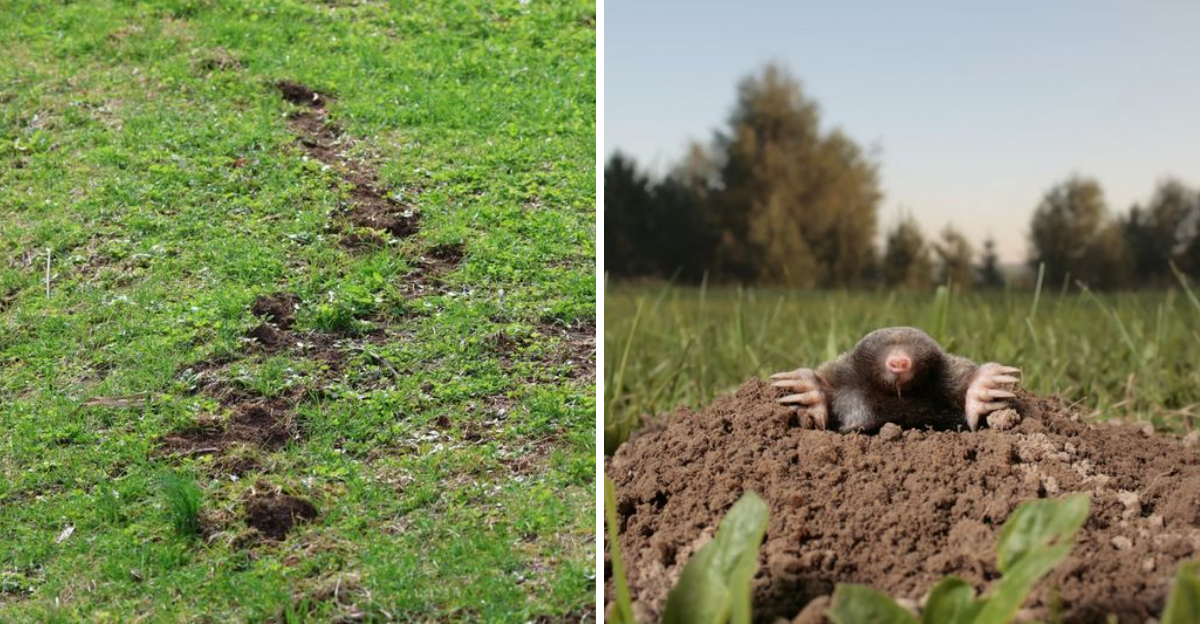
Mole tunnels are already crisscrossing Ohio lawns, and one fall habit decides whether that damage stops here or doubles by spring. Here’s what nobody tells you: moles aren’t digging for fun, and trapping the ones you catch does nothing about the ones still coming.
Something living under your grass right now is pulling them in, and it has nothing to do with the mole itself. Get rid of that, and moles lose their reason to stick around.
Ignore it, and you’ll be resetting traps every week for the rest of the season while the real cause keeps feeding underground all winter. Your lawn’s mole problem was never really about moles.
1. Fresh Ridges Reveal Where Moles Are Working
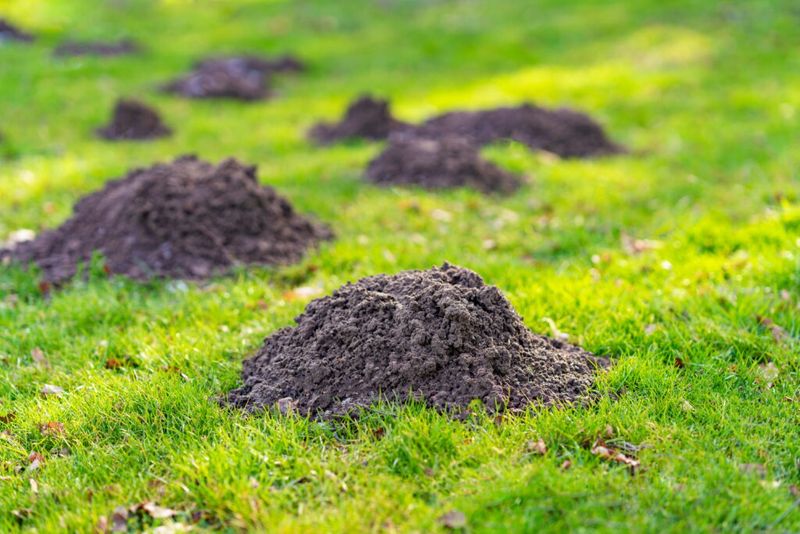
Stepping across your yard and feeling the ground shift slightly underfoot is one of those small moments that stops you in your tracks. Those raised, rope-like ridges running through the grass are surface tunnels.
Fresh ones can show where a mole has been searching for food recently. According to Ohio State University Extension, moles feed primarily on soil animals such as earthworms, grubs, and other insects living in the root zone.
Visible ridges do not mean the animal is eating grass roots or targeting your turf on purpose. Tunneling disturbs the lawn by lifting soil and separating grass roots from firm ground contact, which can stress or thin the turf above.
That physical separation is what causes the spongy feeling and the uneven look across affected areas.
Fresh ridges that still look raised and firm are more useful than old, flattened tunnel patterns when you are trying to locate current activity. Older tunnels that have settled or collapsed are less likely to show you where the mole is working right now.
Focusing your attention on recently pushed-up soil gives you a better starting point for figuring out where action might make the most sense. Not every ridge leads to an active route, but fresh ones are worth a closer look before you decide on your next step.
2. Fall Moisture Brings Tunnels Back To The Surface
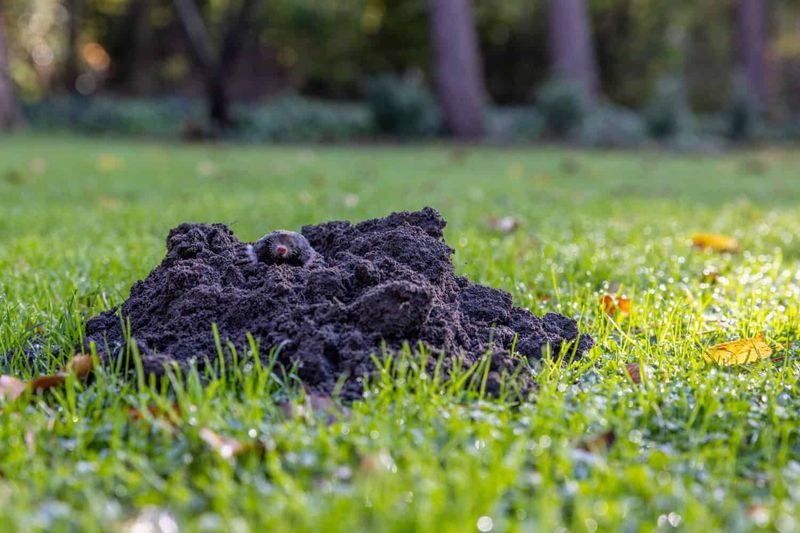
Something shifts beneath an Ohio lawn as summer heat fades and rain returns to the forecast. Soil that baked dry and firm through July and August begins to soften again, and that change matters more than most homeowners realize.
The State University Extension explains that moles often move deeper during hot, dry summer conditions. Soil animals remain more moist and accessible there.
Cooler temperatures and returning soil moisture can bring mole activity back closer to the surface, making tunnels more visible again in fall. Moles do not disappear during summer.
They remain active in deeper tunnels that simply do not show up as obvious ridges in the yard. That underground activity can continue for months without leaving much trace above ground.
Late summer is actually a helpful window for homeowners who want to understand where established runway systems are located. Identifying those routes before fall activity becomes obvious gives you a head start.
Your Ohio Garden Changes Every Week. Your Plan Should Too.
Gardening in Ohio changes quickly throughout the season. Every Friday you’ll receive a simple weekly plan showing exactly what to plant, prune, fertilize, harvest, and protect so you never miss the right timing.
Keep in mind that weather and soil moisture vary across Ohio by location and year, so there is no single calendar date when this shift happens everywhere.
Watching your own yard and noticing when the ground feels softer and fresh ridges reappear is a more reliable signal than any fixed date on the calendar.
Staying observant through this seasonal change puts you in a better position to act thoughtfully.
3. Active Runways Matter More Than Random Mounds
Picture two paths through a neighborhood. One is a well-worn route that connects homes, a school, and a park.
The other is a shortcut someone tried once and never used again. Mole tunnels work in a similar way.
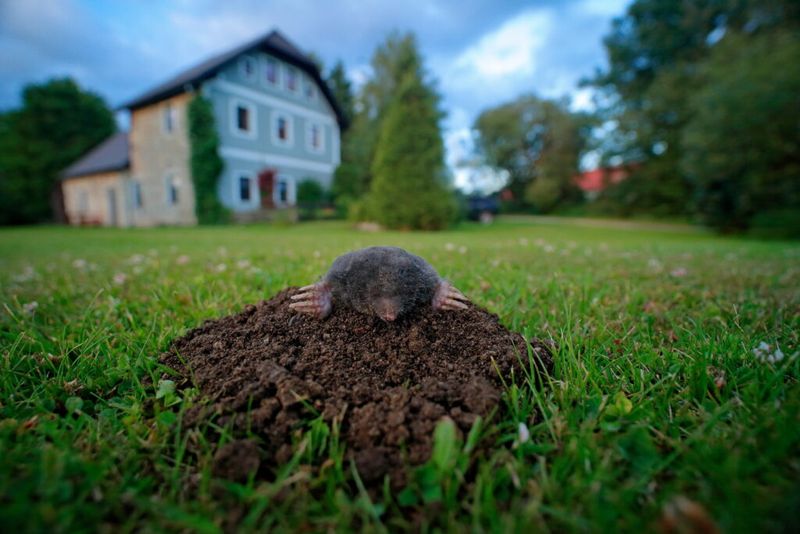
Ohio State University Extension notes that permanent or frequently reused tunnels are more productive locations for mole management than random surface feeding probes.
Main runways often connect nesting areas and feeding zones, making them the busiest underground routes in the yard.
OSU guidance suggests that useful runways may follow walkways, foundations, fences, lawn edges, woody borders, or paths connecting separate feeding areas.
These routes tend to run straighter and deeper than the winding, shallow ridges that appear and disappear across open turf.
Twisting, meandering surface tunnels are often temporary feeding probes. A mole may push through an area once looking for food and never return to that exact path.
Reacting to every new mound can send you running across the yard without getting closer to solving the problem. The goal is not to count mounds or map every ridge.
Figuring out which underground routes the mole continues to use regularly is what makes management efforts more focused and more likely to produce results.
Spending time near lawn edges and structural features is often more productive than watching the center of an open yard.
4. Flattened Tunnels Expose The Busiest Routes
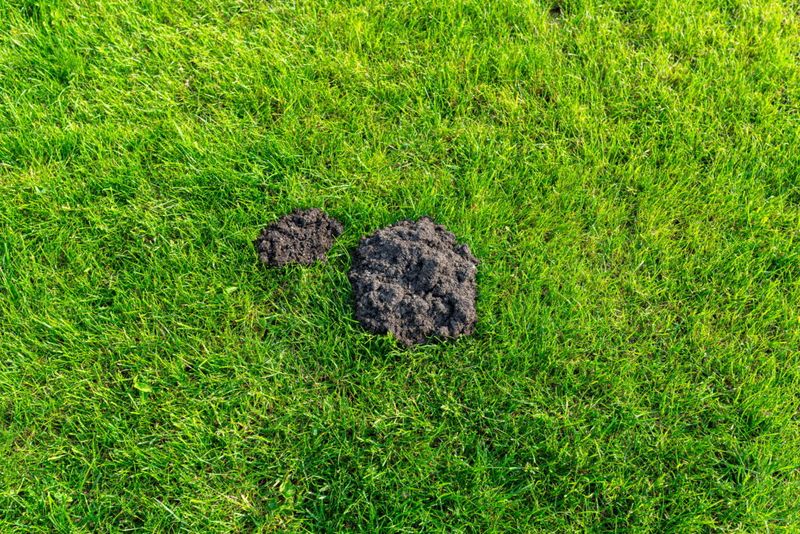
Returning to the same spot in your yard the next morning and finding a ridge raised right back up is surprisingly useful information. That simple observation can tell you more about mole activity than a dozen visible mounds scattered across the lawn.
Ohio State University Extension describes a straightforward method for checking whether a surface runway is still being used regularly.
Gently press down a short section of a suspected tunnel and mark the location so you can find it again easily. OSU guidance indicates that a tunnel reopened within roughly 24 to 48 hours can suggest continued use of that route.
Repeating this test in a few likely locations helps narrow down the most frequently traveled paths without guessing. Randomly flattening the entire lawn is unnecessary and not what this method is about.
Focusing the test on tunnels near lawn edges, foundations, or fences makes sense because those areas are more likely to contain permanent runways. A section of tunnel that stays flat after a day or two is less likely to be an active route.
Connecting this testing method with whatever legitimate mole-control approach you choose makes the effort more targeted. Place control measures along routes that a mole uses repeatedly.
This gives them a better chance of working than reacting to every fresh mound across the yard.
5. Grub Control Won’t Solve The Whole Problem
A lot of homeowners reach for a grub-control product the moment they see mole damage, convinced that removing grubs will send the moles packing.
That logic makes sense on the surface, but Ohio State University Extension points out something that changes the picture.
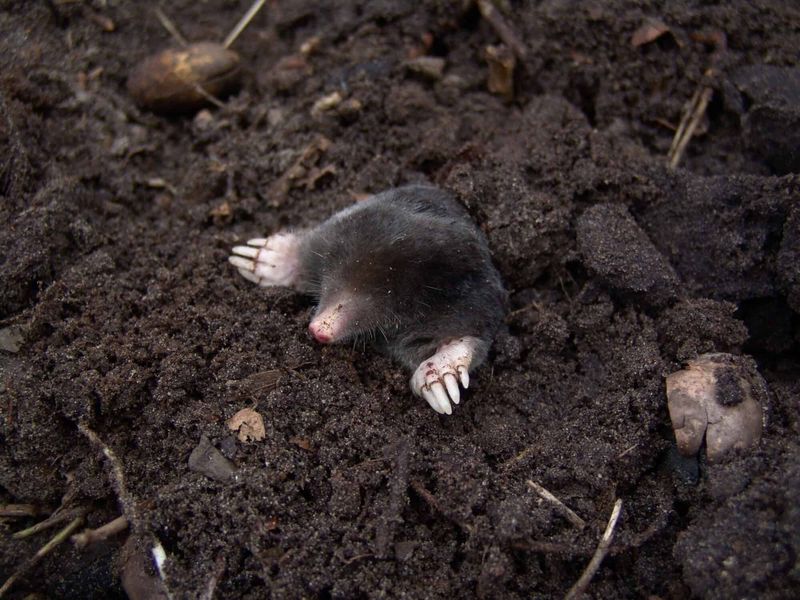
Moles do eat grubs, but earthworms and other soil animals make up a large and important part of their diet as well.
OSU specifically notes that earthworms are a common and significant food source for moles. A yard with few grubs can still support mole activity if earthworms are plentiful in the soil.
Controlling grubs may be completely appropriate when grubs themselves are causing turf damage, but treating for grubs is not the same thing as managing a mole problem. Those are two separate issues that call for different approaches.
Applying an insecticide simply to chase moles away is not a recommended strategy according to reliable guidance. Unnecessary insecticide use can affect other soil organisms and should not substitute for proper mole management.
A healthy lawn with good organic matter and moisture often has abundant earthworms, which is actually a sign of good soil. That same healthy soil can attract mole activity regardless of grub levels.
Moles follow a food supply that includes much more than grubs. Understanding that can help homeowners avoid spending money on treatments that do not address the real problem.
6. Home Remedies Waste Valuable Control Time
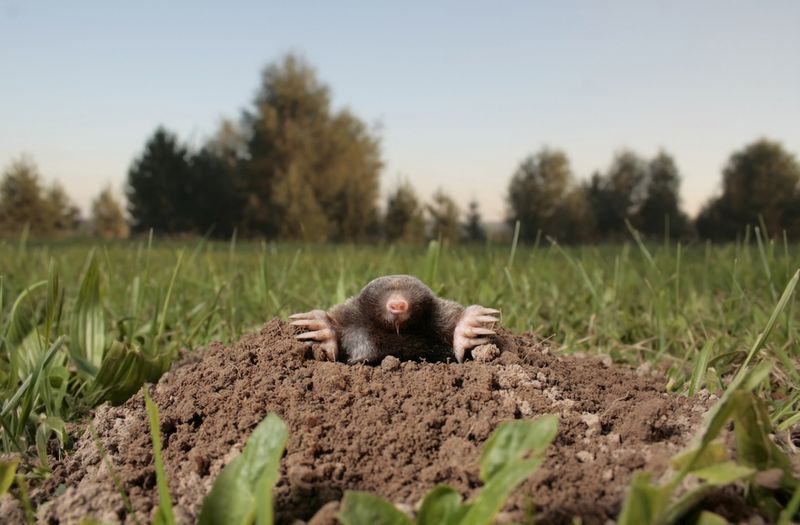
Finding a raised ridge in the yard and immediately heading to the cabinet for a household fix is a completely understandable reaction. Castor oil, hot pepper, vibrating stakes, and various other items get passed around online as mole solutions.
Ohio State University Extension notes that many traditional home remedies and repellents produce inconsistent or poor results. Their effectiveness often does not match how moles actually behave.
Putting random household substances into tunnels does not address the way moles feed or move through the soil. A mole following earthworms through moist ground is not easily redirected by a surface-level product dropped into a tunnel opening.
Apparent success after using a home remedy may actually coincide with seasonal changes. Those changes may already be pushing mole activity deeper underground.
Ohio’s seasonal pattern matters here. A mole becoming less visible in late summer may simply be moving into deeper soil as conditions change, not responding to anything placed in the tunnel.
Spending weeks on remedies that lack reliable support delays the more useful work of identifying active runways and using source-backed management methods. Focus on locating frequently used routes and understanding the tunnel system in your yard.
That is more useful than spending the same time chasing mounds with household products. Getting to the right approach sooner protects more of the lawn before fall activity increases.
7. Traps Work Best In The Right Runways
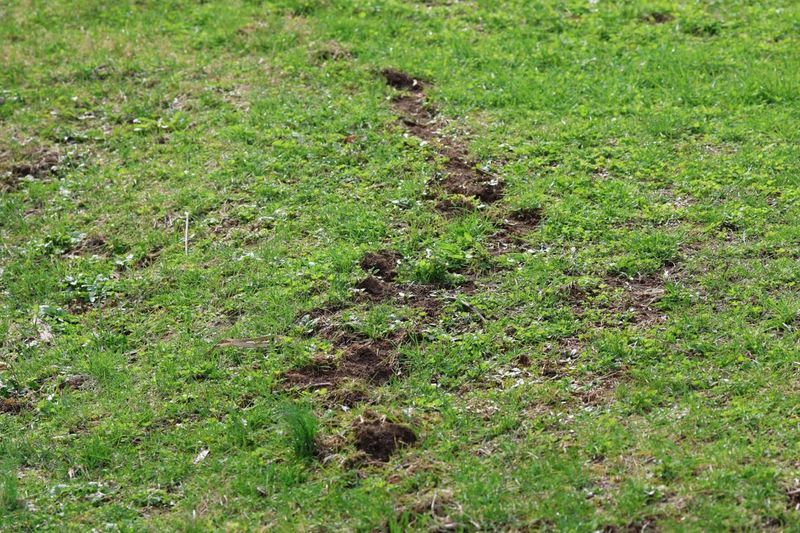
A trap sitting untouched beside fresh mole damage can feel baffling, especially when new ridges keep appearing just a few feet away. The reason is often location rather than the trap itself.
The State University Extension describes trapping in active runways as a practical mole-management option. Proper placement is often what determines whether the effort succeeds.
Permanent runways that a mole uses repeatedly give a trap far better odds than a random surface probe that may never be revisited. OSU guidance identifies spring and fall as productive times for surface trapping.
Cooler, moist soil brings activity closer to the surface, making runways easier to locate and confirm. Using the flattened-tunnel test from the previous section to identify an active route before setting any trap is a logical step that many homeowners skip.
Follow the manufacturer’s directions carefully for any trap you choose to use, and check applicable local rules before using any wildlife-control device in your area. Regulations can vary, so a quick check beforehand is worth the effort.
Avoiding a specific commercial brand recommendation here is intentional. The focus belongs on finding the right runway first, not on any particular product.
A well-placed trap along a confirmed, frequently used route is usually more productive. Several traps scattered near abandoned feeding probes are less likely to work.
8. Lifted Turf Needs Repair Before Cold Weather
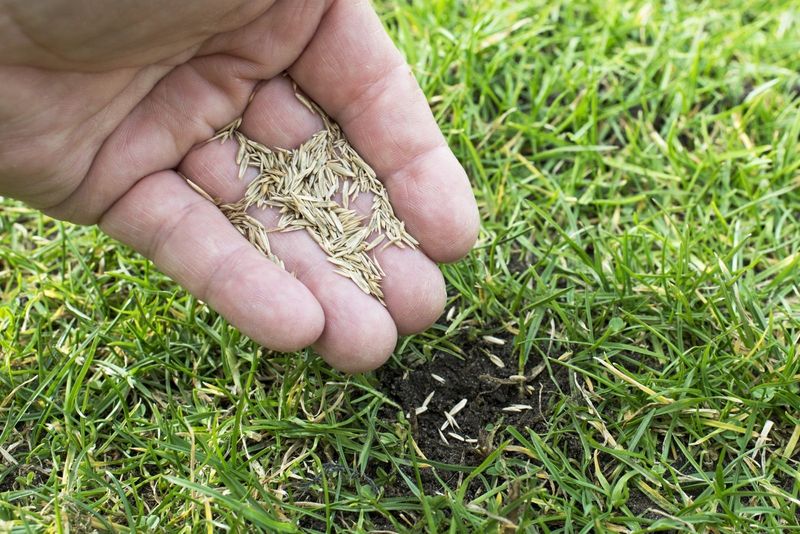
Addressing the mole is only part of the job. The turf left behind after tunneling activity still needs attention, especially before cold weather settles in and limits what you can do to help the grass recover.
Mole activity lifts turf and reduces the contact between grass roots and the soil beneath them. That separation stresses the grass and can leave thin or uneven patches across the lawn.
Gently pressing loosened turf back into contact with the soil is a reasonable first step after tunneling has been addressed. Ohio State University Extension supports early fall as a good time to overseed thin Ohio lawns.
From late August through mid-September, soil temperatures are generally still warm enough for germination.
Checking current OSU lawn guidance for updated timing and seeding recommendations for your specific grass type is always a good idea before starting any repair work.
Dealing with the mole does not automatically restore raised or thinned turf. Reseeding bare or thin spots, pressing lifted areas back down, and watering appropriately can help the lawn fill back in before winter.
Replacing an entire lawn because of a few tunnels is not necessary in most situations. Keeping the bigger picture in mind helps here.
Find active runways before fall activity increases so you can focus your efforts now. Once cooler weather arrives, new surface tunnels can become harder to track.