Why Michigan Gardeners Are Burying Pine Cones In Their Soil This Summer
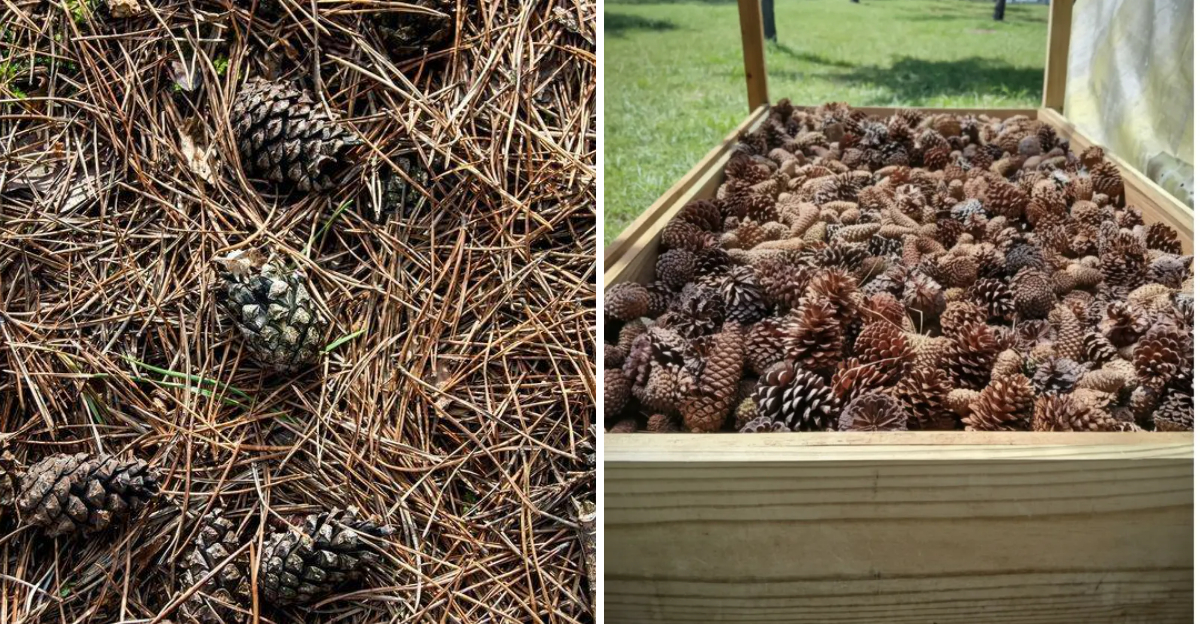
Pine cones seem like something to rake up and toss aside, not bury intentionally in garden soil, yet more Michigan gardeners are doing exactly that this summer.
It sounds like an unusual habit at first, especially with so many conventional soil amendments already available at any garden center.
But there’s a specific reason behind this trend, one rooted in a practical benefit most people have never considered before. Understanding what pine cones actually do once buried changes how you might look at that pile you usually discard.
Some gardeners stumbled onto this trick almost by accident, only to notice a difference they weren’t expecting.
Once you know what’s really happening beneath the soil surface, this odd little habit starts making a lot more sense. It might be the simplest, most overlooked amendment sitting right in your own backyard.
1. Pine Cones Add Slow Organic Matter
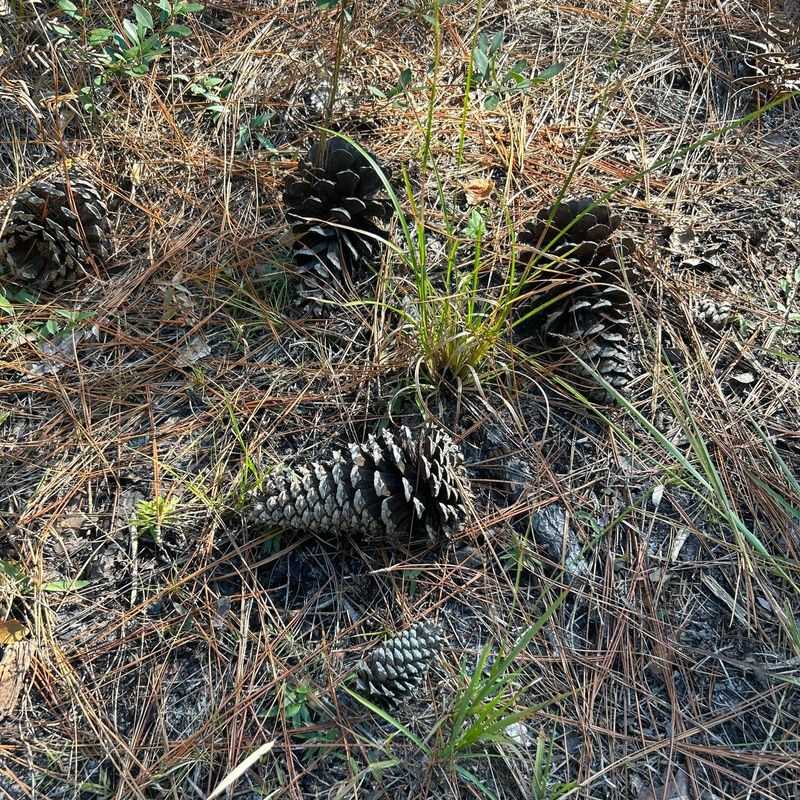
Toss a pine cone into your garden and you will notice something right away. It does not fall apart overnight.
That woody, scaly shape is built to last, which is exactly why gardeners find them so useful in small doses.
Pine cones are made mostly of tough plant fibers called lignin. Lignin breaks down very slowly, so the cone stays whole for a long time before it softens and blends into the earth.
As it slowly changes, it releases a tiny bit of organic material into the soil around it. The word tiny matters here. A single pine cone will not turn your garden bed into rich, dark loam.
What it offers is a slow trickle of goodness that shows up over many months, sometimes even years. Think of it as a slow snack for the soil rather than a full meal.
Because they take their time, pine cones also add a bit of texture underground. Their nooks and gaps let air and water move a little more freely, which soil creatures appreciate as they do their work.
Many Michigan gardeners like this steady, patient approach. They know the cone is not doing anything fast, but it keeps giving in the background while they focus on planting and watering.
If you want quicker results, mix pine cones with faster materials. On their own, though, they still play a gentle, long-lasting part in feeding your ground over time.
2. They Work Better As Mulch
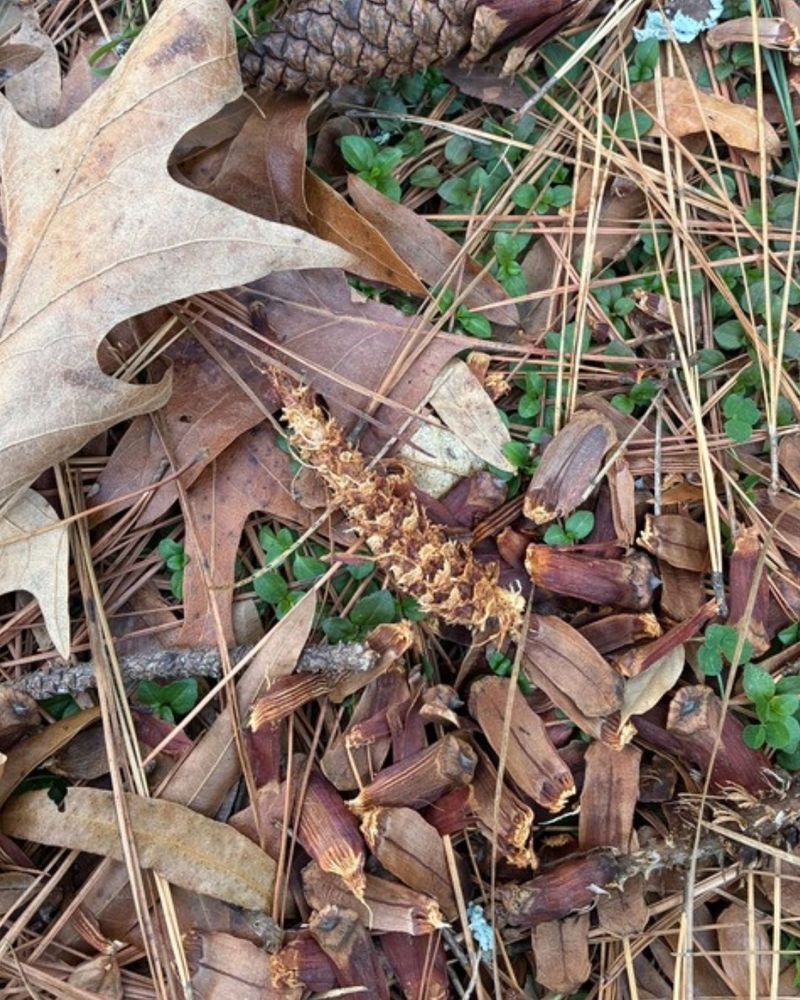
Here is where pine cones really shine. Instead of burying them deep, many gardeners scatter them right on top of the soil as mulch, and the results look wonderful.
A layer of pine cones covers bare ground and gives your beds a tidy, woodland feel. That cozy forest look fits perfectly with Michigan gardens, where pine trees are everywhere and the natural style feels right at home.
Mulch does more than look pretty, though. When rain pours down or your sprinkler runs, water can splash dirt up onto leaves and flowers.
Pine cones break that splash and keep soil where it belongs, which helps plants stay cleaner and healthier.
Your Michigan Garden Changes Every Week. Your Plan Should Too.
Gardening in Michigan changes quickly throughout the season. Every Friday you’ll receive a simple weekly plan showing exactly what to plant, prune, fertilize, harvest, and protect so you never miss the right timing.
They also slow down how fast water leaves the ground. By shading the surface, pine cones help the soil stay cool and moist a little longer between waterings. On hot July days, that small bit of shade goes a long way.
Another bonus is weed control. A thick blanket of cones blocks sunlight from reaching weed seeds, so fewer of them sprout up to bother your plants.
Pine cones last much longer than shredded bark, so you will not need to refill your mulch as often. That means less work and more time enjoying your garden.
For the best look, lay them close together around shrubs, trees, and flower beds. You will get a charming, natural cover that helps your plants and saves you money at the same time.
3. They Create Garden Habitat
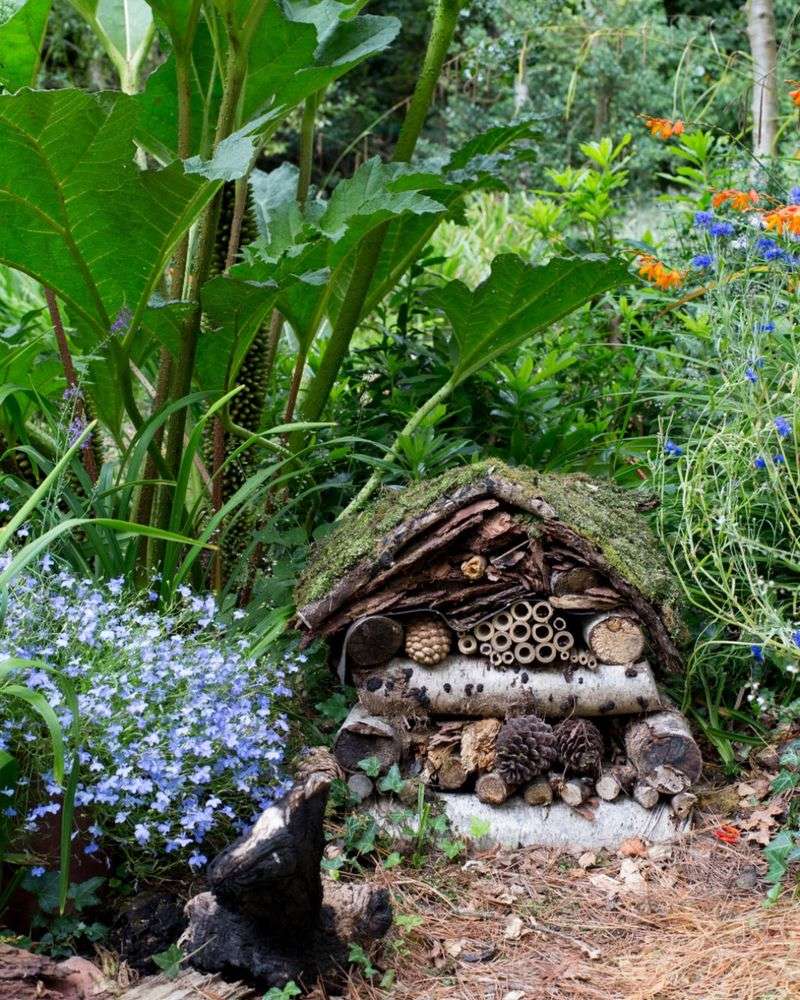
Look closely at a pile of pine cones and you might spot tiny visitors moving through the gaps. Those little creatures are one of the sweetest reasons to keep cones around your yard.
The scales on a pine cone create dozens of small hiding spots. Helpful insects like ladybugs, beetles, and spiders love to tuck themselves into these cozy corners, safe from birds and bad weather.
Many of these bugs are your garden allies. Ladybugs, for example, munch on aphids that harm your plants, so inviting them in gives you natural pest control without any sprays.
Small garden helpers are not the only guests. Little frogs, toads, and even the occasional chipmunk enjoy poking around cone piles for shelter and snacks.
A busy, lively garden is usually a healthy one. Michigan winters can be rough, and cones also give some insects a safe place to rest until spring returns. Leaving a few cones in a quiet corner supports these creatures year round.
To build a mini habitat, gather a small cluster of cones near a shrub or along a fence line. Add a few leaves or twigs and you have made a friendly hideout in minutes.
Watching your garden come alive with beneficial bugs and playful critters feels rewarding. It reminds you that a yard is more than just plants, it is a whole little world. So next time you rake up cones, save a handful and let nature move right in.
4. They Do Not Replace Compost
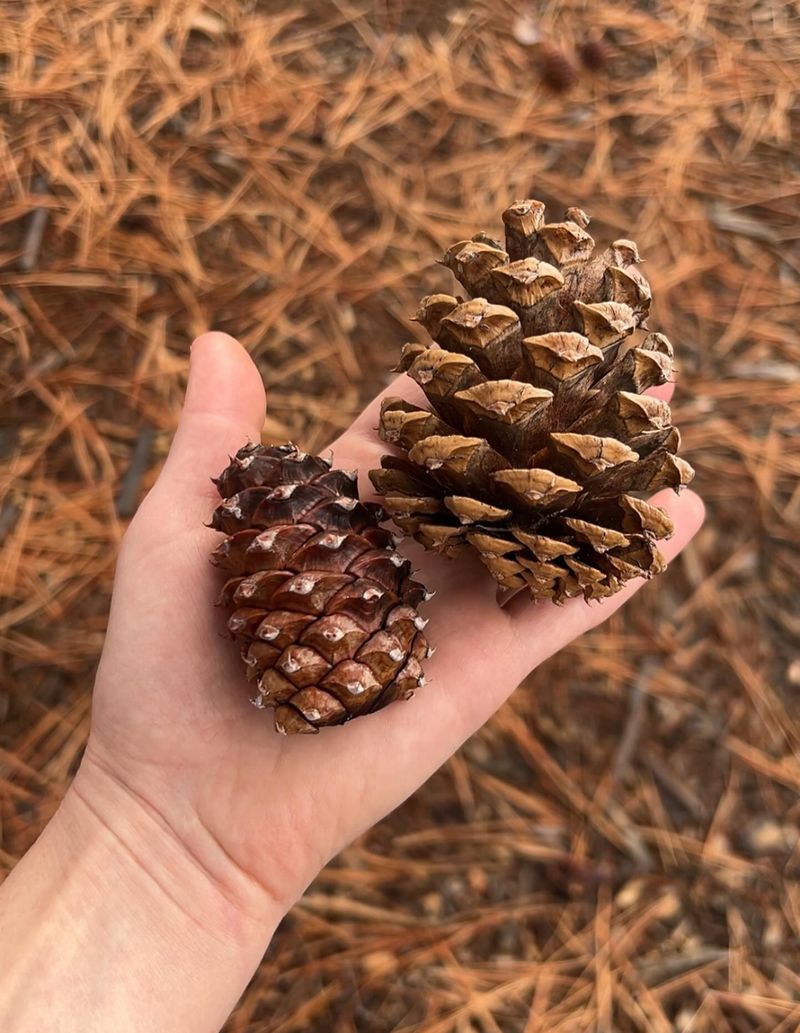
Let us clear up a common mix-up. Pine cones are handy, but they are not a magic soil booster, and they cannot take the place of good compost.
Finished compost is packed with nutrients that plants gobble up quickly. It is dark, crumbly, and full of life, feeding your garden in a way that cones simply cannot match.
The reason comes down to speed. Compost has already broken down, so its goodness is ready for roots to use right now.
Pine cones, on the other hand, take ages to soften and give back very little along the way.
Fallen leaves work wonders too. When shredded and left to rot, they turn into a rich material called leaf mold that loosens soil and holds moisture beautifully.
Other organic matter, like grass clippings, aged manure, and kitchen scraps in a compost bin, all beat pine cones when it comes to feeding Michigan soil. These materials build the deep, healthy dirt that plants crave.
None of this means you should toss your cones aside. They still help as mulch and habitat. Just do not expect them to do the heavy lifting that compost handles so well.
The smartest move is to think of each material for its best job. Use compost to feed, use leaves to enrich, and let pine cones cover and protect.
When you match the right material to the right task, your whole garden grows stronger and greener all season long.
5. They Help Container Drainage
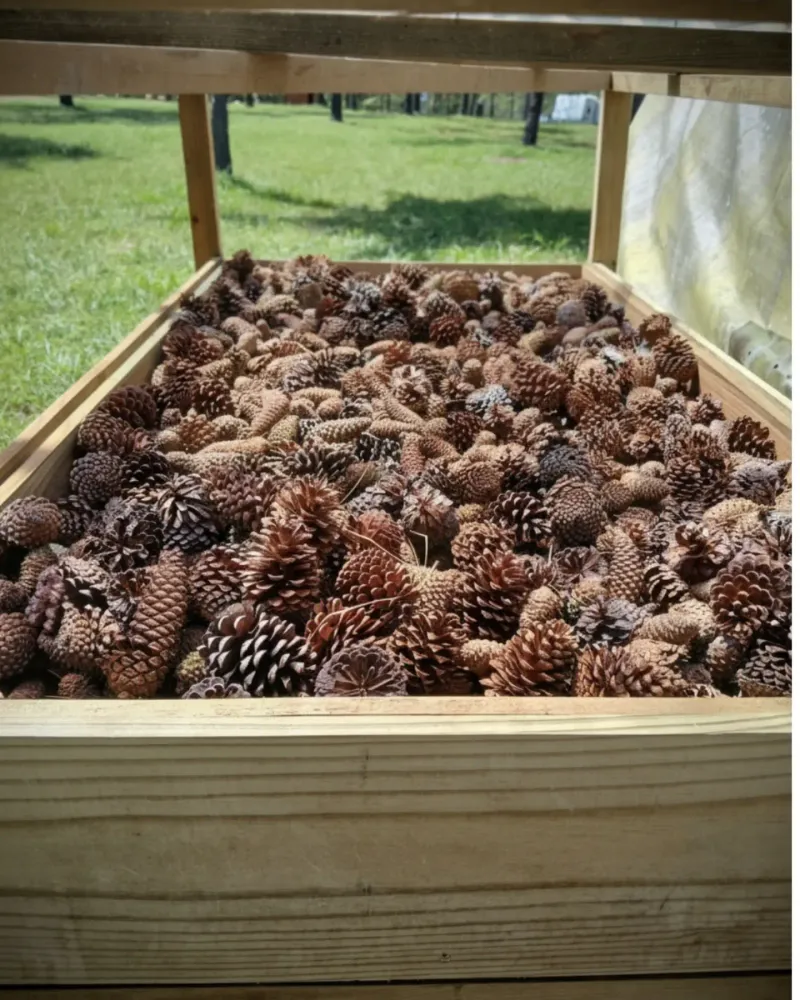
Big pots can be heavy and hungry for soil, so gardeners have long looked for ways to fill some of that space. Pine cones became a popular trick for the bottom of large containers, and it is easy to see why.
By adding a layer of cones at the base of a deep pot, you use less potting mix to fill it up. That saves money and makes the container lighter, which helps a lot when you want to move it around the patio.
The old idea was that cones would also create pockets for water to drain through. Their bumpy shape leaves plenty of gaps, so extra water has somewhere to go instead of pooling at the roots.
Here is the honest update, though. Modern potting mixes are already made to drain well on their own.
They hold just the right amount of water while letting the rest flow out through the drainage holes.
Because of that, you do not truly need pine cones for good drainage anymore. Their main perk today is simply filling empty space and cutting down on how much soil you buy.
If you do use them, keep the layer thin and make sure your pot still has open drainage holes at the bottom. Roots need room to grow, so leave plenty of good soil above the cones.
For giant planters, this simple hack still earns a spot in many Michigan gardens each summer.
6. Pine Cones Are Naturally Abundant
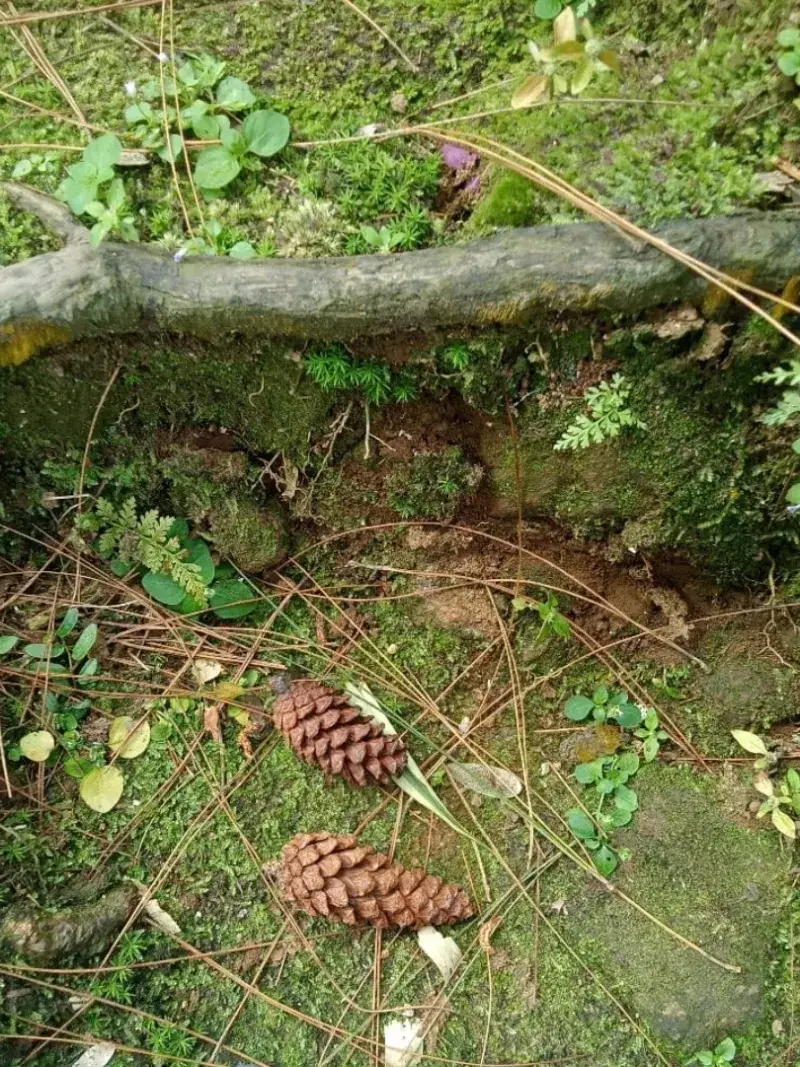
Step outside almost anywhere in Michigan and you will trip over pine cones. That easy supply is a huge reason gardeners reach for them so often.
Michigan is home to loads of pine trees, from towering white pines to sturdy red pines. Each fall and summer, these trees drop cones by the bucketful, right onto lawns, sidewalks, and forest floors.
Best of all, they are completely free. Instead of driving to the store and spending money on mulch, you can gather cones during a simple walk through your yard or a nearby park.
They are also renewable, which means the trees keep making more every single year. You will never run out of this natural resource, and collecting them does no harm to the trees at all.
Gathering cones is a fun family activity too. Kids love hunting for the biggest ones, and it turns yard cleanup into a little outdoor treasure hunt.
Using what nature already provides feels good and smart. You reduce waste, skip the plastic bags from the garden center, and give a second life to something that would otherwise just pile up.
Before using cones from public land, make sure collecting is allowed there. In your own yard, though, grab as many as you like.
A quick tip is to let cones dry out fully before adding them to your garden. Once they open up, they spread nicely and look their best around your plants and paths.
7. Use Them The Right Way
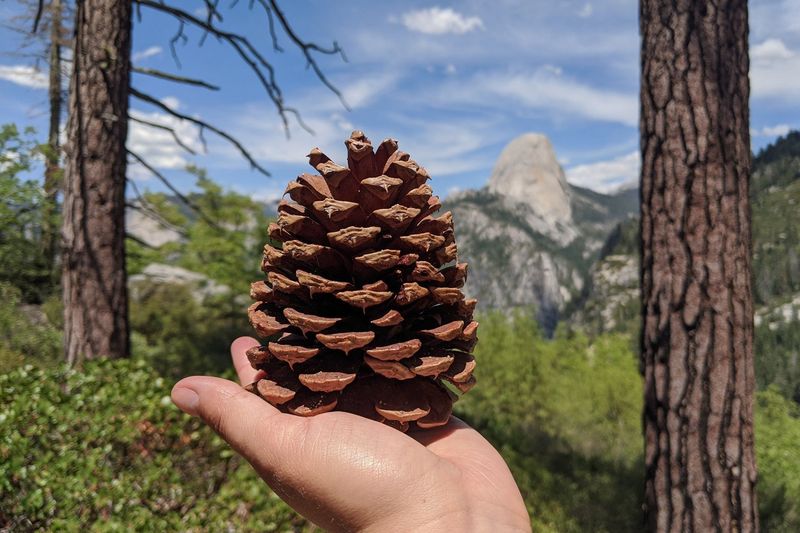
Excitement about a free garden helper can lead to one big mistake. Some folks stuff piles of pine cones into planting holes, hoping they will quickly turn into rich soil, and that plan backfires.
Remember, cones break down painfully slowly. Packing a hole with them leaves big air gaps around the roots, and those spaces can dry out fast, leaving your new plant thirsty and stressed.
There is another catch. As cones slowly change, tiny soil organisms use up nitrogen to do the work. That means less nitrogen for your plant right when it needs food to settle in.
So skip the idea of burying a mound of cones under every new flower or shrub. It simply will not create the fluffy, fertile ground you are picturing.
Instead, use cones where they truly help. Spread them on top as mulch, tuck them into corners for wildlife, or place a thin layer at the bottom of oversized pots.
If you really want to bury a few, keep the amount small and mix them with plenty of compost and good soil. That way the cones add texture without robbing your plants of nutrients.
Whole cones also work better than crushed ones in the ground, since they leave larger, more stable pockets and take even longer to shift.
Using pine cones with a little know-how makes all the difference. Treat them as a helper, not a shortcut, and your garden will thank you with steady, healthy growth.
8. Pair Them With Better Soil Care
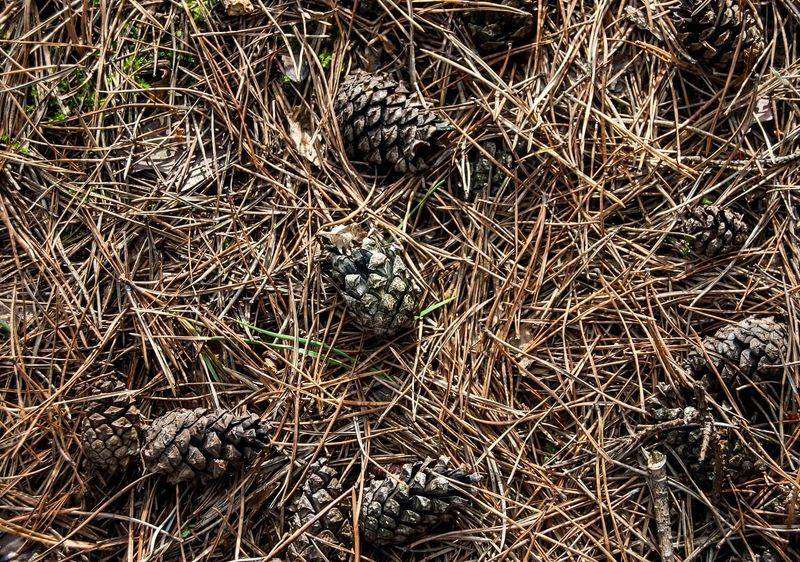
The real secret to a stunning garden is teamwork. Pine cones do their finest work when they team up with other smart soil habits rather than standing alone.
Start with compost as your foundation. Mix rich, crumbly compost into your beds to feed plants and build strong, living soil that holds nutrients well.
Add a good mulch layer next. Whether you use pine cones, bark, or shredded leaves, mulch keeps moisture in, blocks weeds, and protects roots from Michigan’s hot summer sun.
Watering the right way matters just as much. Give your plants a deep drink at the base early in the morning, and they will grow stronger roots that reach far into the soil.
Healthy soil practices tie everything together. Avoid stepping on your beds to keep the dirt loose, and add organic matter each season so the ground stays fluffy and full of life.
When you combine all these steps, pine cones become one helpful piece of a bigger picture. Their mulch and texture support the work that compost, water, and care are already doing.
Think of your garden like a team sport. Every player has a role, and pine cones are a dependable teammate rather than the star of the show.
Gardeners who blend these habits enjoy fewer weeds, happier plants, and soil that keeps getting better year after year.
So gather those cones, but pair them wisely. With the right mix of care, your Michigan garden will flourish beautifully all summer long and beyond.