The Late-Summer Mistakes That Leave California Tomatoes Small Instead Of Full-Sized
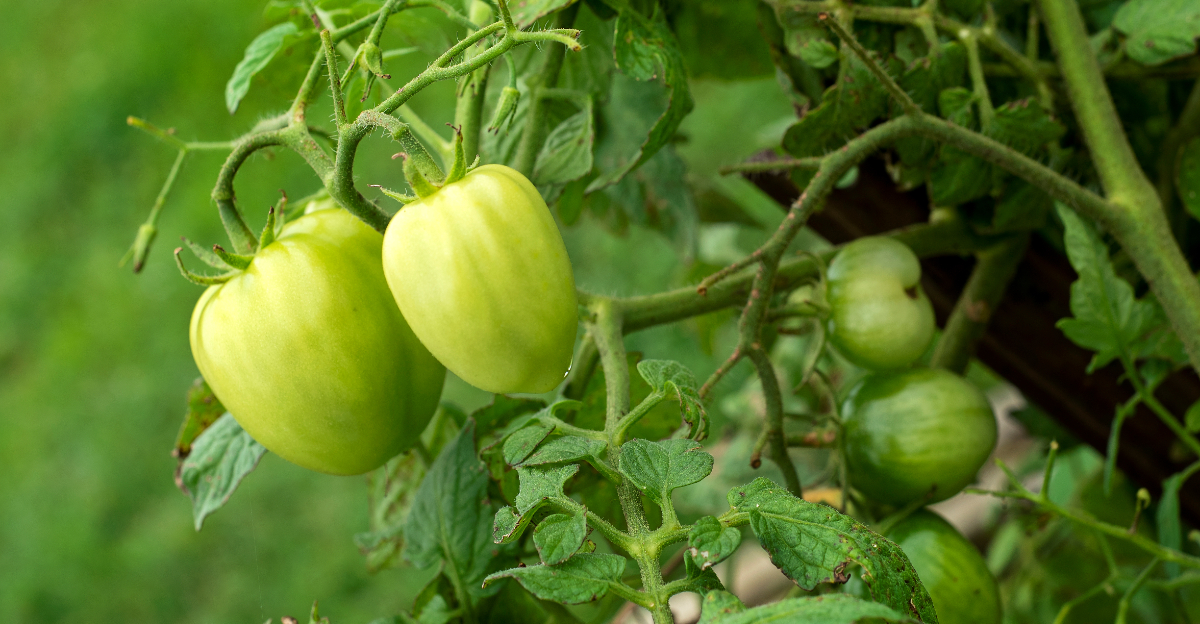
Your tomato plants can look healthy in California gardens and still refuse to size up. Something shifts underground the moment late summer heat arrives, and most gardeners miss it until harvest disappoints them.
Every late-summer choice determines if your vines produce full slicers or disappointing golf balls. Heat waves strain stressed roots fast, pulling energy away from developing fruit.
Small changes in your routine can quietly undercut weeks of growth. Nutrient timing turns unforgiving as California days shorten and temperatures climb.
The fix is simpler than it looks, and it starts with seeing exactly where things go wrong.
1. Inconsistent Watering That Stresses The Roots
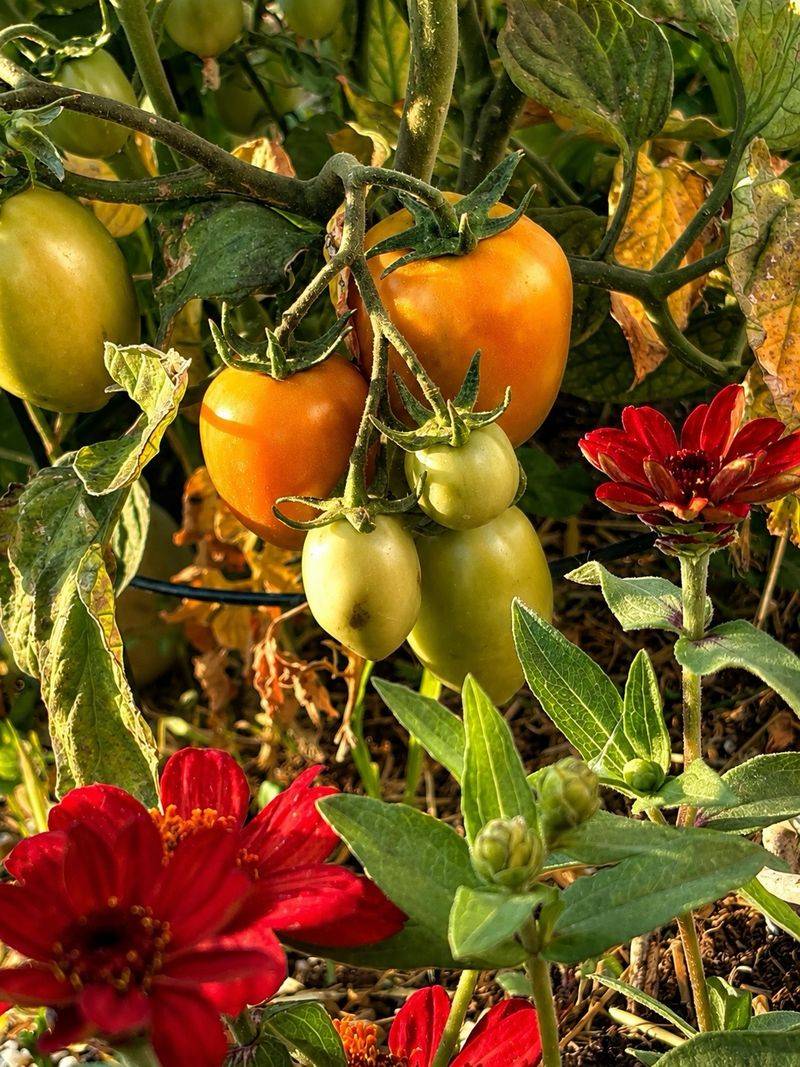
Your tomato plant is basically begging for a schedule. When watering is random, roots panic and fruit development stalls out fast.
Random watering schedules leave roots guessing, and guessing roots rarely produce full-sized fruit. One deep soak followed by three dry days sends mixed signals to the plant.
Roots under stress focus on survival, not fruit production. The plant pulls moisture from developing fruits, leaving them small and sometimes cracked.
Blossom end rot also shows up when water fluctuates, because calcium can’t travel to the fruit without steady moisture. You’ll see dark, sunken spots on the bottom of your tomatoes.
The fix is simpler than most gardeners expect. Water deeply and consistently, aiming for one to two inches per week depending on your soil type and heat level.
Drip irrigation is one of the most reliable upgrades for summer tomato beds. It delivers water directly to the root zone without waste or wild swings in soil moisture.
Mulching around your plants helps lock in moisture between watering sessions. A two-inch layer of straw or wood chips can dramatically reduce soil temperature and evaporation.
Check soil moisture before watering by pressing a finger two inches deep. If it feels dry, water thoroughly and then let it breathe before the next session.
Steady roots produce steady fruit. Get your watering rhythm locked in now, and your tomatoes will reward you with size you can actually brag about.
2. Heavy Nitrogen Feeding Late In The Season
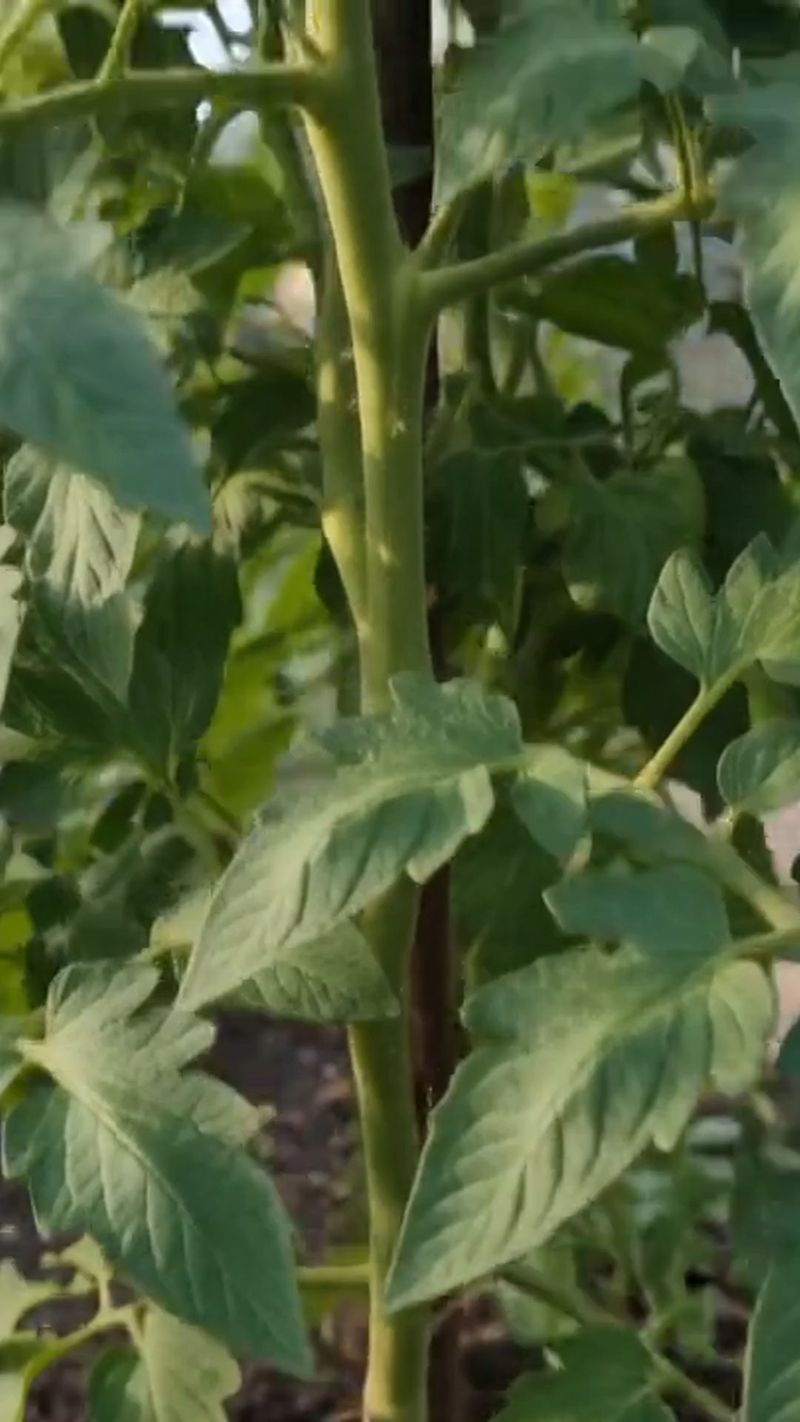
All that gorgeous, dark green foliage might look impressive, but it could be hiding a real problem. Heavy nitrogen feeding late in the season is a classic reason tomatoes stay frustratingly small.
Nitrogen pushes leafy, vegetative growth with serious enthusiasm. When you feed heavily in July or August, the plant puts its energy into stems and leaves instead of swelling fruits.
Think of it like overfueling a car that’s already running hot. The engine floods, and nothing moves the way it should.
By late summer, your tomato plants need phosphorus and potassium far more than nitrogen. These nutrients support fruit development, root strength, and overall plant resilience during heat stress.
Switch to a low-nitrogen fertilizer once your plants are loaded with fruit. Look for formulas labeled as tomato or bloom fertilizers with higher middle and last numbers on the label.
Liquid kelp and fish emulsion are gentler options that provide micronutrients without the nitrogen surge. They support the plant without triggering another burst of leafy growth.
Your California Garden Changes Every Week. Your Plan Should Too.
Gardening in California changes quickly throughout the season. Every Friday you’ll receive a simple weekly plan showing exactly what to plant, prune, fertilize, harvest, and protect so you never miss the right timing.
Compost tea is another smart choice for late-season feeding. It adds beneficial biology to the soil without pushing the plant in the wrong direction.
Skip the all-purpose granular fertilizers after midsummer. They almost always contain too much nitrogen for a plant that should be focused on ripening.
Feed smarter, not harder. The right nutrients at the right time are what push small tomatoes into the full, heavy fruits worth waiting all season for.
3. Skipped Pruning On Indeterminate Vines
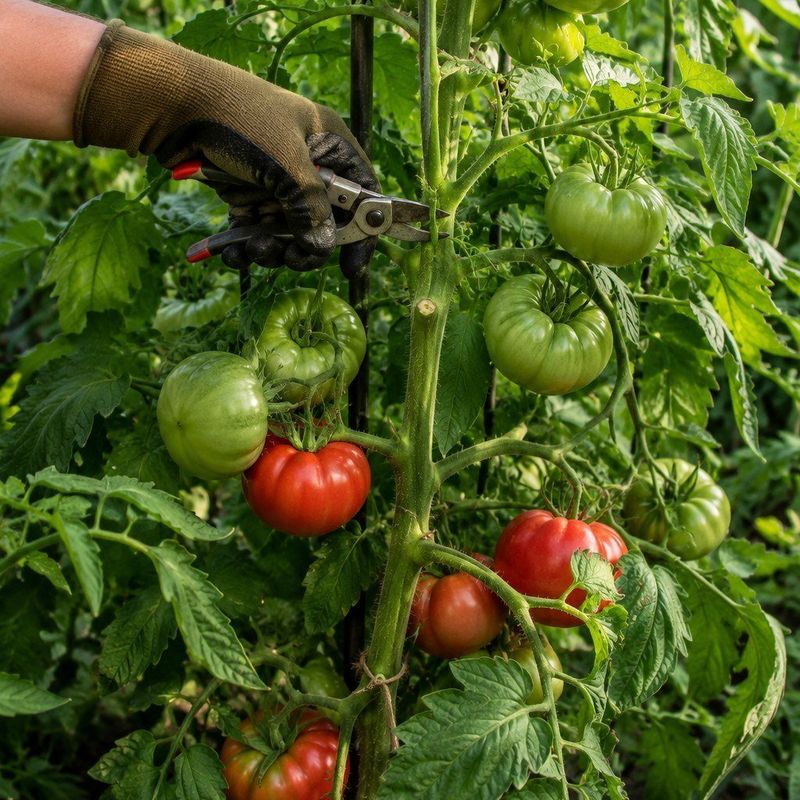
Suckers grow fast, and they grow everywhere. If you’ve been letting your indeterminate tomato vines do whatever they want, the plant is probably exhausted and your fruits are paying the price.
Indeterminate varieties keep growing all season long, sending out new suckers from every leaf axil. Each sucker becomes a full branch that competes for the plant’s energy and resources.
When energy spreads across dozens of growing points, no single fruit gets enough to size up properly. You end up with lots of small tomatoes instead of fewer, full-sized ones.
Pruning suckers redirects that energy into the fruits already forming on the vine. This one overlooked habit undoes weeks of careful growing in a matter of days.
Focus on removing suckers below the first fruit cluster first. These lower suckers drain energy without contributing much to your overall yield.
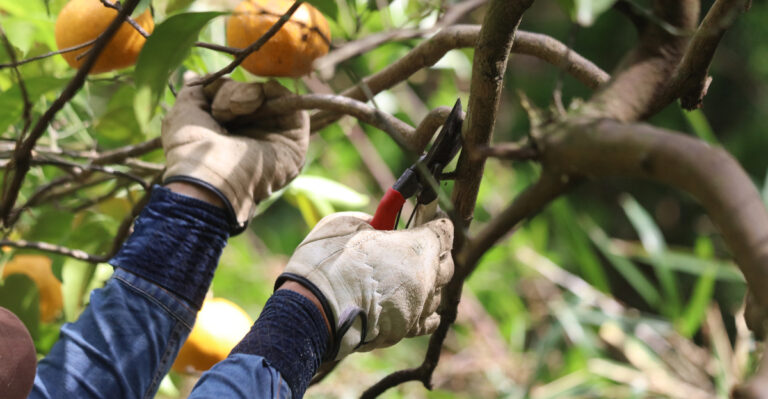
Use clean, sharp scissors or pruning snips to avoid tearing the plant. Pinch small suckers by hand when they’re still under an inch long for the cleanest removal.
Above the top fruit cluster, leave one or two growing points to keep the plant active. Removing everything above can shock the plant and slow ripening.
Aim to prune once a week during peak summer growth. Vines can put out new suckers surprisingly fast when temperatures are high and the plant is actively growing.
A well-pruned vine is a focused vine. Fewer branches mean bigger tomatoes, and that’s a trade most gardeners are more than happy to make.
4. Overcrowded Plants Competing For Light
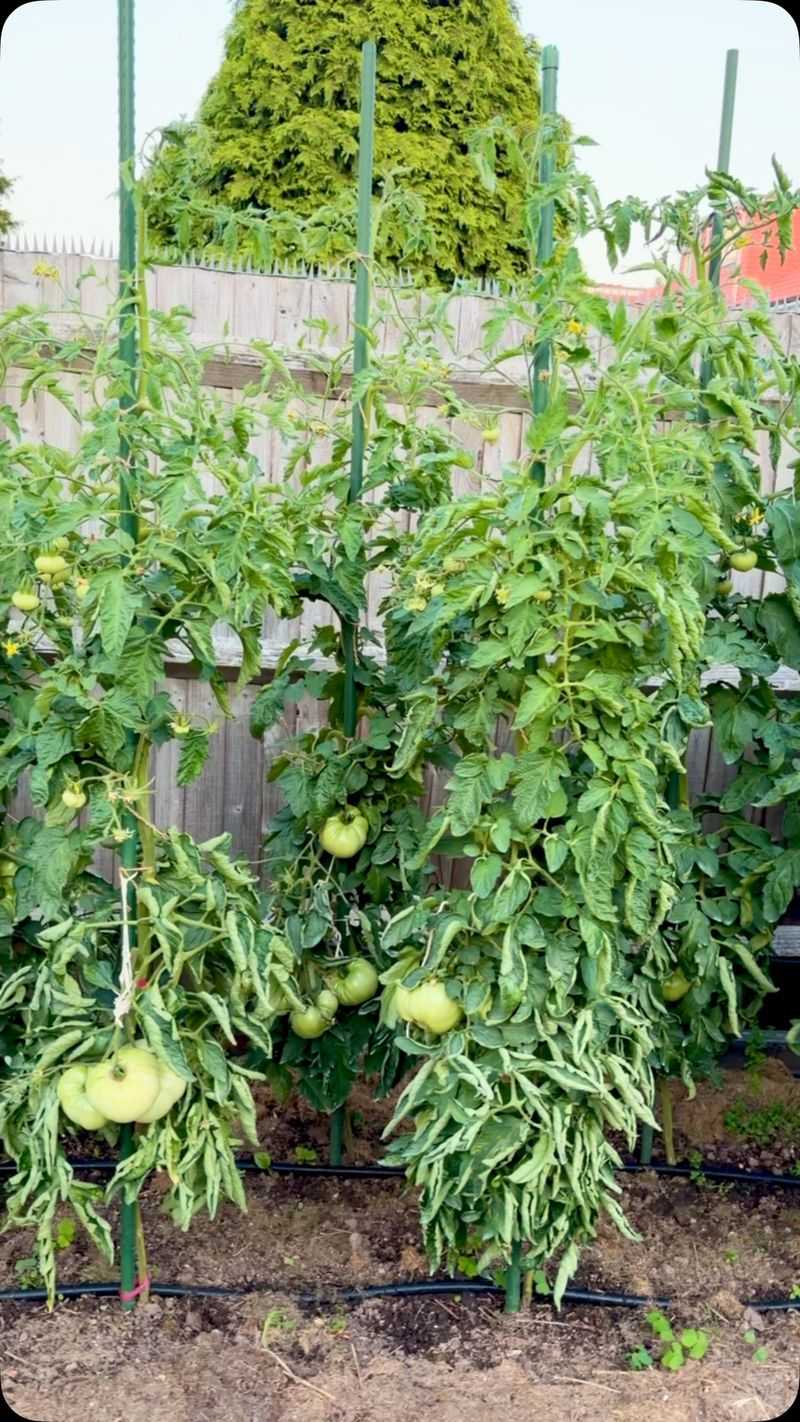
Planting tomatoes close together feels efficient in spring. By August, those same plants are basically competing for every ray of sunlight.
Packed-in plants spend more energy competing than producing. When canopies overlap, interior fruits sit in deep shade and never develop properly.
Tomatoes need full sun, meaning at least six to eight hours of direct light daily. Shaded fruits lag behind, staying green and small while sun-exposed ones slowly catch up.
Poor airflow between crowded plants also creates humidity pockets. Those pockets invite fungal issues that further weaken the plant and reduce fruit development.
The standard spacing recommendation for most varieties is eighteen to thirty-six inches apart. Larger indeterminate types need the wider end of that range to truly thrive.
If your plants are already in the ground and overcrowded, aggressive pruning can help open up the canopy. Removing lower branches and dense interior growth lets light filter through.
Staking and trellising crowded plants upward instead of outward also helps. Vertical growth maximizes the light each plant receives without requiring you to move anything.
Reflective mulch is another smart trick for overcrowded beds. Silver or white mulch bounces light back up into the lower canopy, helping shaded fruits catch up.
Crowded gardens feel productive until harvest day reveals the truth. Give your tomatoes room to breathe, and they’ll give you fruit worth showing off at the dinner table.
5. Extreme Heat Left Unshaded
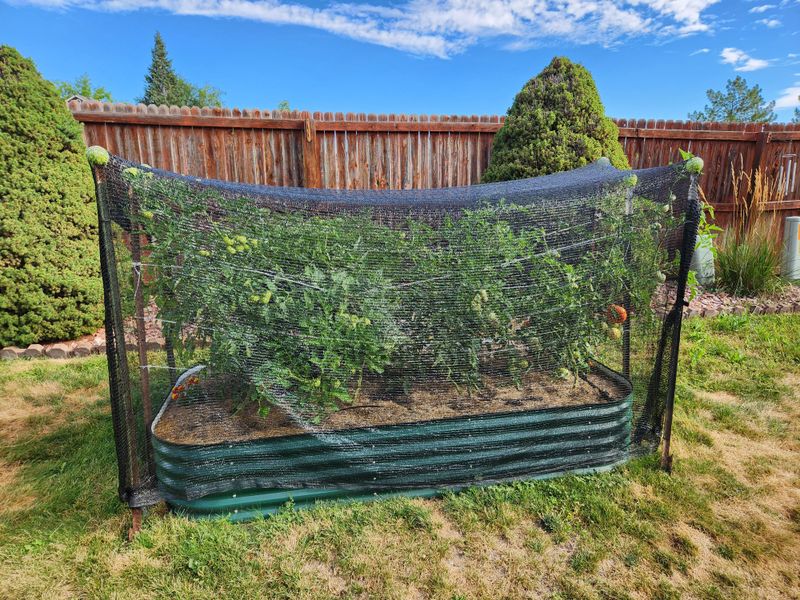
When temperatures push past 95 degrees Fahrenheit, tomatoes basically shut down. Pollination fails, blossoms drop, and fruit that already set stops sizing up the way it should.
Extreme heat is one of California’s biggest late-summer challenges for tomato growers. Without some protection, plants spend all their energy just surviving rather than producing.
Pollen viability drops sharply once temperatures push past 104 degrees, and fewer new fruits set during heat waves.
Shade cloth is one of the most practical tools you can add to a summer garden. A thirty to forty percent shade cloth stretched over your tomato bed can meaningfully cool the soil and air underneath.
Install shade cloth on the south and west sides of your plants to block afternoon heat. Morning sun is gentler and actually beneficial for fruit development and drying off overnight moisture.
Deep watering before a heat wave helps plants build internal reserves. A well-hydrated plant handles heat stress far better than one that’s already running dry.
Foliar sprays of diluted seaweed extract can reduce heat stress at the cellular level. Many experienced growers swear by this trick during California’s intense August heat spikes.
Avoid fertilizing right before or during a heat wave. Pushing growth during extreme temperatures stresses the plant further and can cause more harm than good.
Heat is manageable when you plan ahead. A little shade and smart timing can save your late-summer tomatoes from shrinking into disappointment.
6. Overhead Watering That Invites Fungal Pressure
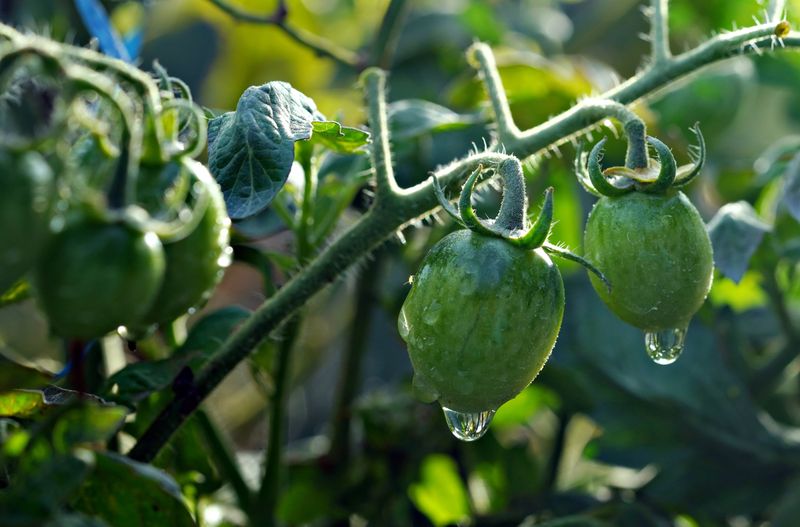
Wet leaves in summer heat sound refreshing, but for tomato plants it’s basically an invitation for trouble. Overhead watering creates the exact conditions fungal diseases love most.
Early blight, late blight, and septoria leaf spot all thrive when foliage stays damp. Once these diseases take hold, leaves yellow and drop, stripping the plant of the energy it needs for fruit development.
A plant losing leaves rapidly cannot photosynthesize efficiently. Less photosynthesis means less sugar production, and less sugar means smaller, less flavorful fruits at harvest.
Switching to drip irrigation or soaker hoses is the single most effective fix. Water goes directly to the root zone, and leaves stay dry throughout the entire growing day.
If you must use overhead watering, do it early in the morning only. Leaves dry quickly once the sun rises, reducing the window for fungal spores to germinate and spread.
Avoid watering in the evening during late summer. Overnight moisture on foliage is a fast track to fungal pressure that can seriously set back a plant within days.
Copper-based fungicide sprays can help protect plants that are already showing early symptoms. Apply them in the morning and follow label directions carefully for the best results.
Removing affected leaves promptly also slows the spread of fungal disease. Drop them in the trash, not the compost, so spores don’t cycle back into your garden soil.
Keeping leaves dry is one of the simplest habits a tomato grower can build. Dry foliage means healthy plants, and healthy plants grow the big, beautiful fruits you’re after.
7. Leaving Too Many Fruits On The Vine At Once
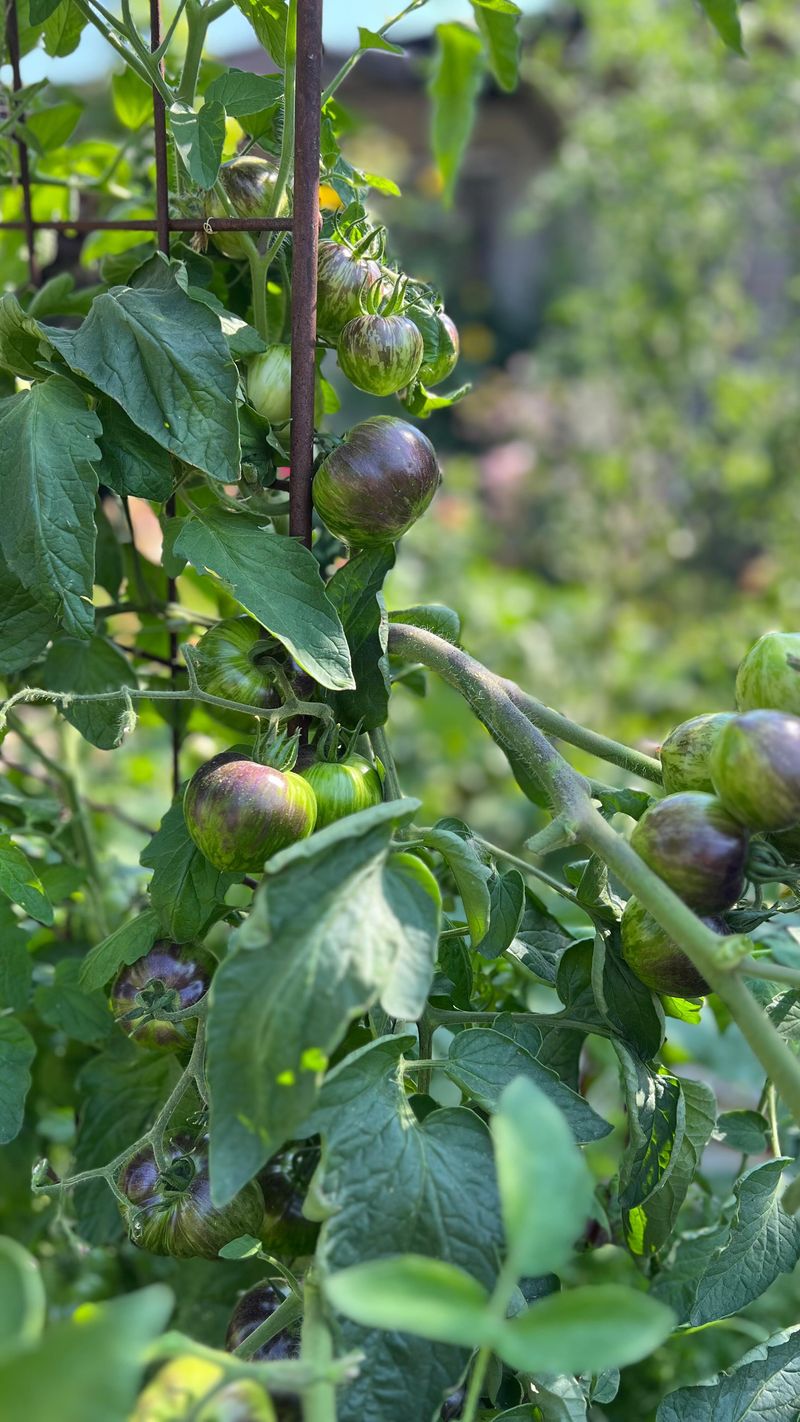
More tomatoes on the vine sounds like a win, but the math doesn’t always work in your favor. A plant carrying too many fruits at once simply cannot size any of them up properly.
Each tomato competes for the same pool of sugars, water, and nutrients the plant produces daily. Spread that pool across fifty small fruits and none of them reach their full potential.
Thinning fruits feels counterintuitive, but it’s one of the smartest moves a late-summer gardener can make. Removing some developing fruits lets the remaining ones grow significantly larger.
Focus on thinning clusters where five or more fruits are bunched tightly together. Leaving two to three fruits per cluster gives each one room to expand without fighting for resources.
Remove the smallest fruits in each cluster first, since they’re already behind developmentally. This redirects energy toward fruits that already have a head start on sizing up.
Late-season thinning also speeds up overall ripening time. A plant carrying fewer fruits can ripen them faster, which matters a lot as fall approaches and temperatures begin dropping.
Cherry tomato varieties are more forgiving with heavy fruit loads than large slicing types. If you’re growing beefsteaks or heirlooms, thinning is especially important for getting full-sized results.
Thinning also reduces branch breakage from heavy fruit weight. Broken branches mean lost production, and supporting the vine with stakes or cages helps keep everything intact.
Trust the process of thinning even when it stings a little. Fewer fruits now almost always means bigger, better tomatoes when harvest day finally arrives.
8. Delayed Harvesting Past Peak Ripeness
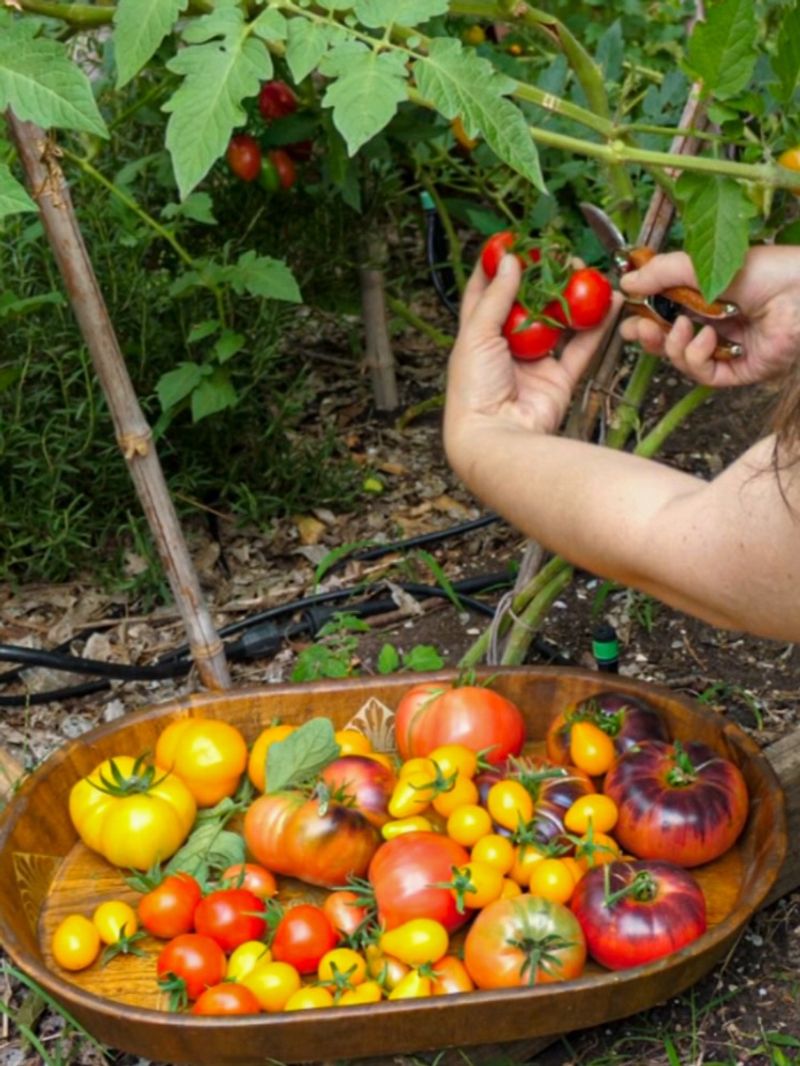
Waiting just a little longer for that perfect tomato seems harmless, but leaving ripe fruits on the vine too long creates a chain reaction you don’t want. The plant keeps pouring resources into fruits that have already peaked, leaving nothing left for the ones still developing.
Overripe tomatoes also become magnets for pests and disease. Cracked skin and soft spots invite insects, bacteria, and mold that can quickly spread to healthy fruits nearby.
This one overlooked habit undoes weeks of careful growing in a matter of days. Growers focus so much on growing that they forget harvesting is just as important.
Pick tomatoes as soon as they reach full color and give slightly to gentle pressure. You don’t need to wait for them to be perfectly soft on the vine to get peak flavor.
Tomatoes continue ripening off the vine at room temperature. Bringing them inside at full color frees the plant to focus on sizing up the fruits still in earlier stages of development.
Avoid refrigerating tomatoes before they’re fully ripe. Cold temperatures break down flavor compounds and leave you with mealy, bland fruit that wastes all your hard summer work.
Check your plants every two to three days during peak season. Late summer in California moves fast, and ripe tomatoes can overripen within a day or two once heat spikes.
Harvesting promptly is the final piece of the puzzle. Stay on top of it, and your vines will keep rewarding you with full-sized, flavorful tomatoes right up until the season ends.