These California Spring-Planted Containers Will Last Into Summer With A Few Easy Tips
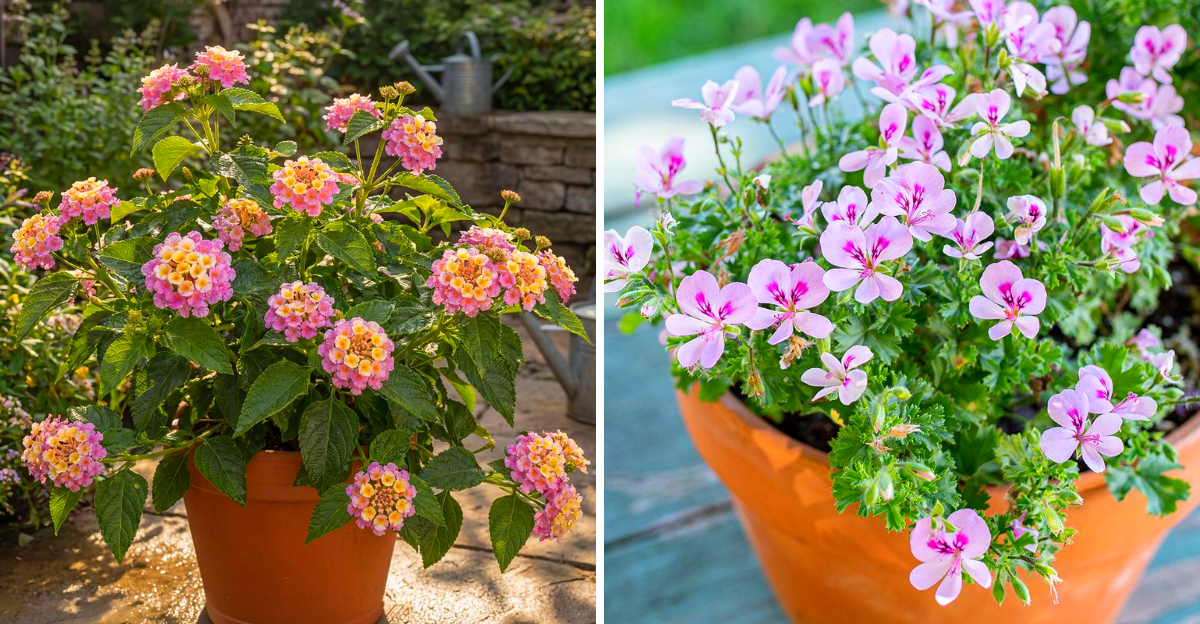
Spring containers in California really know how to make an entrance. One minute your porch is packed with fresh blooms and bright color, and the next, a few hotter afternoons roll in and suddenly that cheerful pot looks like it needs a pep talk.
California spring has a funny habit of speeding straight into stronger sun, warmer air, and much thirstier containers. Pretty rude, honestly.
That is why a little strategy goes a long way. Some plants fade fast once the weather shifts, while others keep right on performing with just a bit of trimming, deadheading, smarter watering, or a better spot on the patio.
No full container overhaul required, which is great news for anyone not in the mood to start over.
With the right spring-planted picks and a few easy care habits, California gardeners can keep pots looking colorful, lively, and full of personality well past those early spring glory days.
That is a very satisfying payoff for such small effort.
1. Lantana Blooms Longer With Deadheading
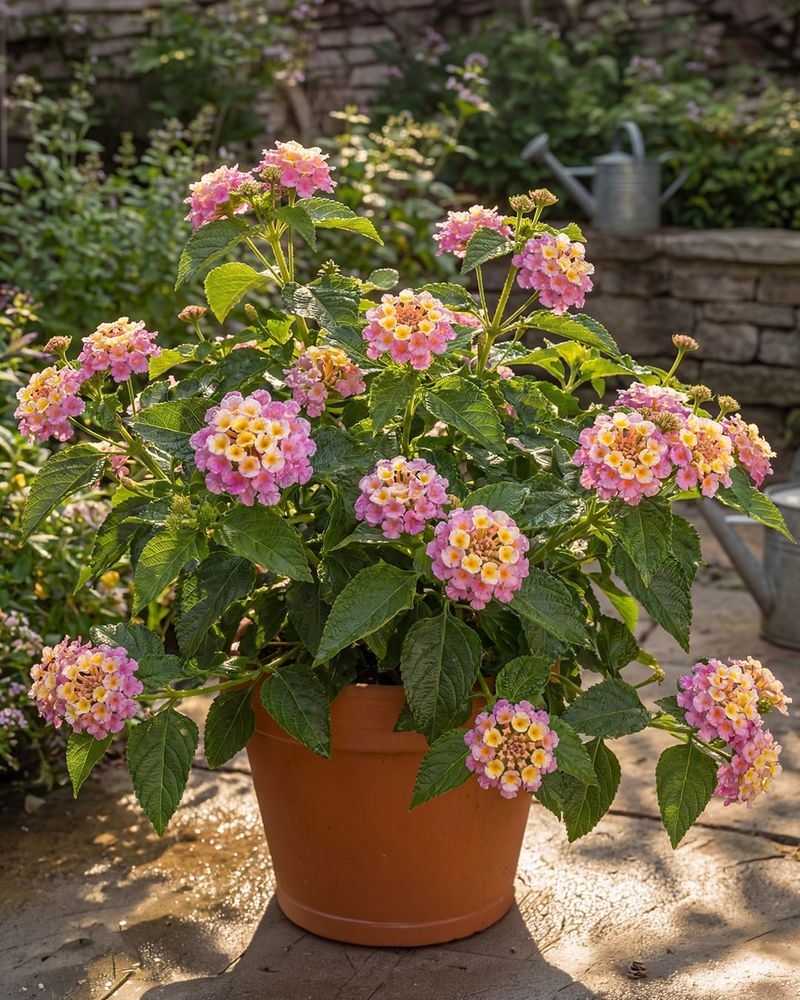
Spent blooms on a lantana container can pile up fast once California afternoons start pushing into the upper 80s.
Those faded flower clusters might look small, but leaving them on the plant signals it to slow down flower production and focus on making seeds instead.
Removing them regularly keeps the plant focused on what you actually want, which is more color.
Lantana is one of the more heat-tolerant options for California containers, and it tends to thrive in full sun situations on exposed patios, courtyards, and south-facing porches.
It handles warm, dry conditions reasonably well once established in a pot, though containers dry out faster than in-ground plantings, so checking soil moisture every day or two during hot spells is a smart habit.
Deadheading lantana is straightforward. Simply pinch or snip off the spent flower heads just above the next set of leaves or buds.
Doing this every week or so during the growing season can noticeably extend the bloom period.
California gardeners who stay consistent with this one habit often find their lantana containers stay attractive from spring well into the warmer months ahead.
2. Verbena Stays Fuller With Trimming
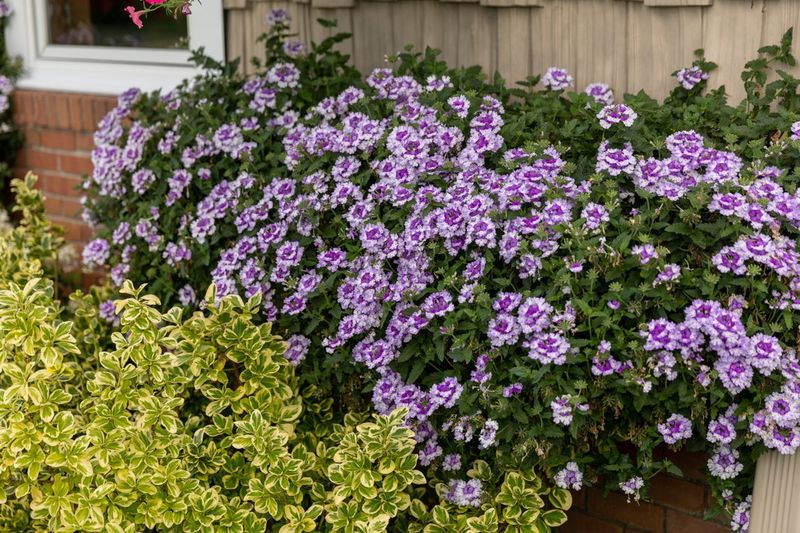
By mid-spring, verbena in a California container can start to look a little stretched out and leggy, especially if it has been sitting in a warm sunny spot for several weeks.
The stems push outward and upward, blooms appear mostly at the tips, and the center of the plant starts looking sparse.
A light trim changes that quickly.
Cutting stems back by about one-third encourages the plant to branch out and fill in rather than just reaching longer.
New growth tends to emerge from the cut points fairly quickly in warm California weather, and those new shoots usually carry fresh blooms within a couple of weeks.
Trimming also helps improve airflow through the plant, which matters more as temperatures climb.
Verbena works well in mixed containers, hanging baskets, and window boxes throughout California. It appreciates regular watering since container soil dries out much faster than garden beds, particularly on warm afternoons.
Your California Garden Changes Every Week. Your Plan Should Too.
Gardening in California changes quickly throughout the season. Every Friday you’ll receive a simple weekly plan showing exactly what to plant, prune, fertilize, harvest, and protect so you never miss the right timing.
Letting the soil get too dry between waterings can cause the plant to drop leaves and look ragged faster than it should.
Keeping moisture consistent and trimming every few weeks gives verbena a real chance of staying full and colorful into early summer.
3. Angelonia Lasts Longer With Steady Water
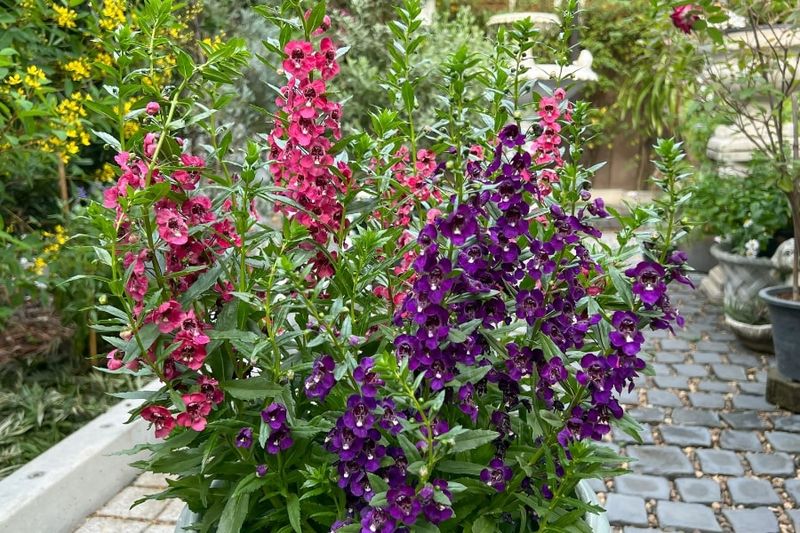
Warm California patios can be tough on container plants that need consistent moisture, and angelonia is one that really shows the difference between steady watering and irregular watering.
When water is consistent, angelonia produces upright spikes of small blooms in shades of purple, pink, and white that look fresh and full.
When the container dries out too often, the plant can start to look thin and stop pushing new flower spikes.
Angelonia is sometimes called summer snapdragon because it tolerates heat reasonably well and keeps blooming during warm stretches that slow down other plants.
In California containers, this makes it a practical choice for porches and balconies that get strong afternoon sun.
The key is making sure the container does not dry out completely between waterings.
Checking soil moisture by pressing a finger about an inch into the potting mix is a reliable low-tech method. If it feels dry at that depth, it is time to water.
Containers in full California sun may need watering daily during hot spells. Angelonia does not need heavy fertilizing, but a balanced slow-release fertilizer worked into the potting mix at planting can support steady growth and flowering through the season.
4. Gaillardia Keeps Going With Deadheading
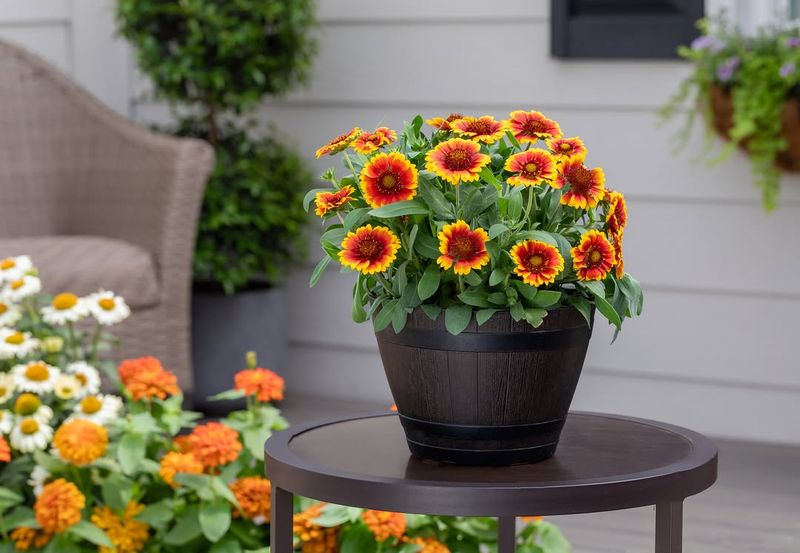
Few container plants match the bold color of gaillardia on a sunny California patio. Those red, orange, and yellow daisy-like blooms look almost like little bursts of fire, and they tend to appear in good numbers from spring onward.
The challenge is that spent blooms can stay on the plant and give it a tired, messy appearance if they are not removed regularly.
Deadheading gaillardia is one of the simplest ways to keep a container looking fresh. Once a flower fades and the petals start dropping, snip the stem back to just above the nearest set of leaves or an emerging bud.
This small action redirects the plant’s energy and typically leads to new blooms forming within a week or two depending on conditions.
Gaillardia handles California heat reasonably well and prefers full sun, making it a solid choice for containers on south or west-facing patios and porches. It does not like sitting in wet soil, so well-draining potting mix matters.
During the hottest stretches, containers may need daily watering, but it is worth checking the soil first rather than watering on a fixed schedule.
Consistent deadheading through spring and into summer can keep gaillardia blooming attractively for a surprisingly long time.
5. Marigold Stays Bright With Deadheading
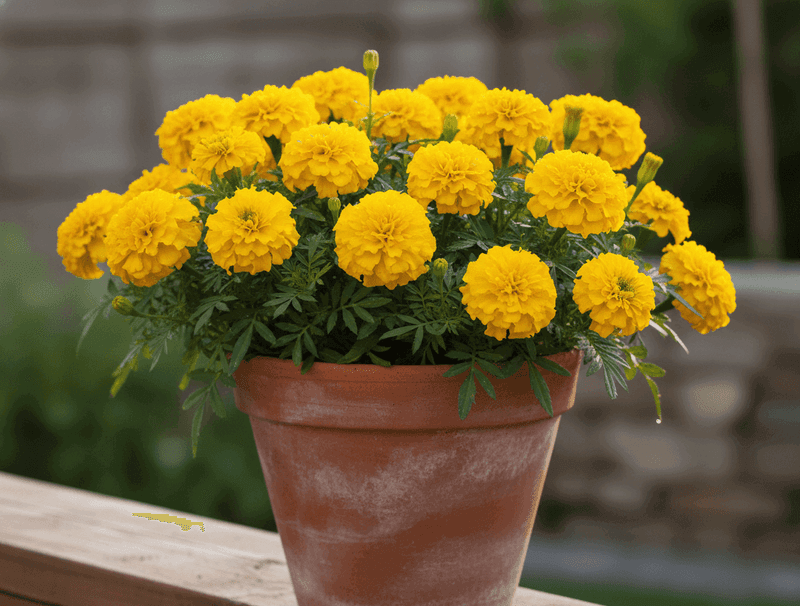
Marigolds are a spring container staple across California, and for good reason. They are affordable, widely available, and produce cheerful orange and yellow blooms that hold up reasonably well in warm weather.
But without a little attention, marigold containers can start looking brown and cluttered as spent flowers pile up and the plant runs out of energy to push new ones.
Regular deadheading makes a noticeable difference. Pinching off faded blooms before they go fully brown and papery keeps the container tidy and encourages the plant to keep producing flowers rather than focusing on seed development.
Some gardeners find that doing a quick deadheading pass every few days during peak bloom time keeps marigold containers looking much better than containers that are left alone.
Marigolds tend to handle California sun well and are not particularly fussy about soil as long as drainage is decent. They can dry out quickly in smaller containers during warm spells, so checking soil moisture regularly is important.
A container that dries out completely several times in a row may start to look stressed faster than one that is watered consistently.
With steady care and regular deadheading, marigolds can stay bright and cheerful from spring well into the warmer months ahead.
6. Gazania Lasts Longer In Full Sun
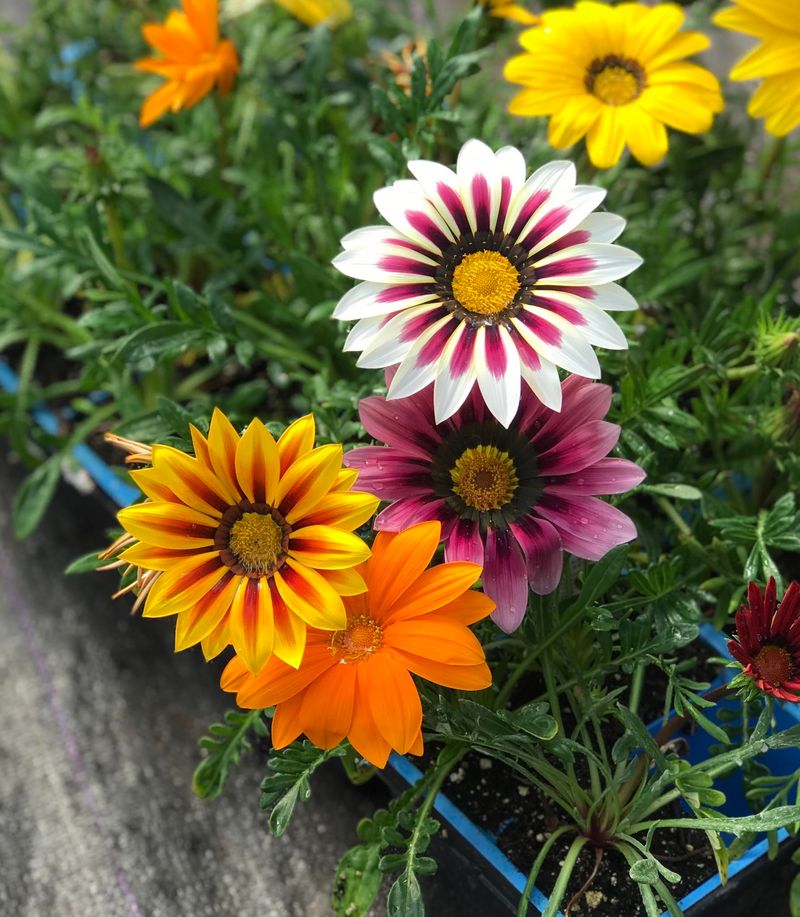
Gazania is one of those plants that seems almost made for California containers. It thrives in full sun, tolerates dry conditions better than many other flowering annuals, and produces vivid daisy-like blooms in shades of orange, yellow, red, and cream.
The catch is that gazania blooms close up in low light and on cloudy days, so placement matters a lot.
Containers placed in spots that get strong direct sun for most of the day tend to produce the best gazania performance.
On shaded balconies or under covered patios, the blooms may not open fully or at all, which can make the plant look like it has stopped flowering even when it has not.
Moving a gazania container to a sunnier location often solves the problem quickly.
California gardeners who grow gazania in containers should use a well-draining potting mix and avoid overwatering, since gazania is more likely to struggle from too much water than too little.
During the warmest stretches of late spring and early summer, containers still need regular watering, but allowing the top inch of soil to dry between waterings is a reasonable approach.
Removing spent blooms as they fade helps keep the container looking neat and can encourage continued flowering through the season.
7. Autumn Sage Benefits From Light Pruning
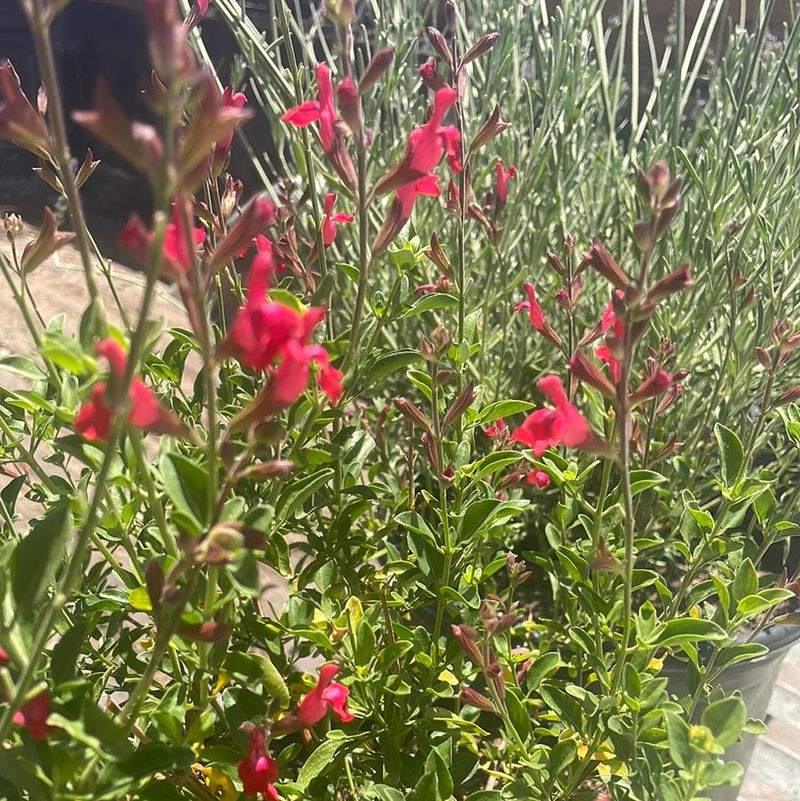
Autumn sage is a California-friendly shrubby perennial that works surprisingly well in containers, especially on patios and courtyards where its red tubular blooms can attract hummingbirds.
It has a reputation for being tough and heat-tolerant, which makes it a smart choice for gardeners who want something that can handle the shift from mild spring weather into the warmer months ahead.
One thing that helps autumn sage stay looking its best in a container is light pruning after the first big flush of spring blooms fades. Cutting the plant back by about one-third encourages fresh new growth and sets up another round of flowering.
Without this pruning, the plant can become woody and sparse in the center, which is less attractive in a container setting where you are seeing the plant up close.
Autumn sage in California containers appreciates well-draining potting mix and moderate watering.
It tends to handle dry spells better than plants that need consistent moisture, but containers do dry out faster than in-ground plantings, so checking soil regularly during warm weather is still a good habit.
Placing the container in full sun or bright partial shade works well for most California exposures, and a little light feeding in spring can support healthy growth through the season.
8. Lavender Needs Sharp Drainage And Careful Watering
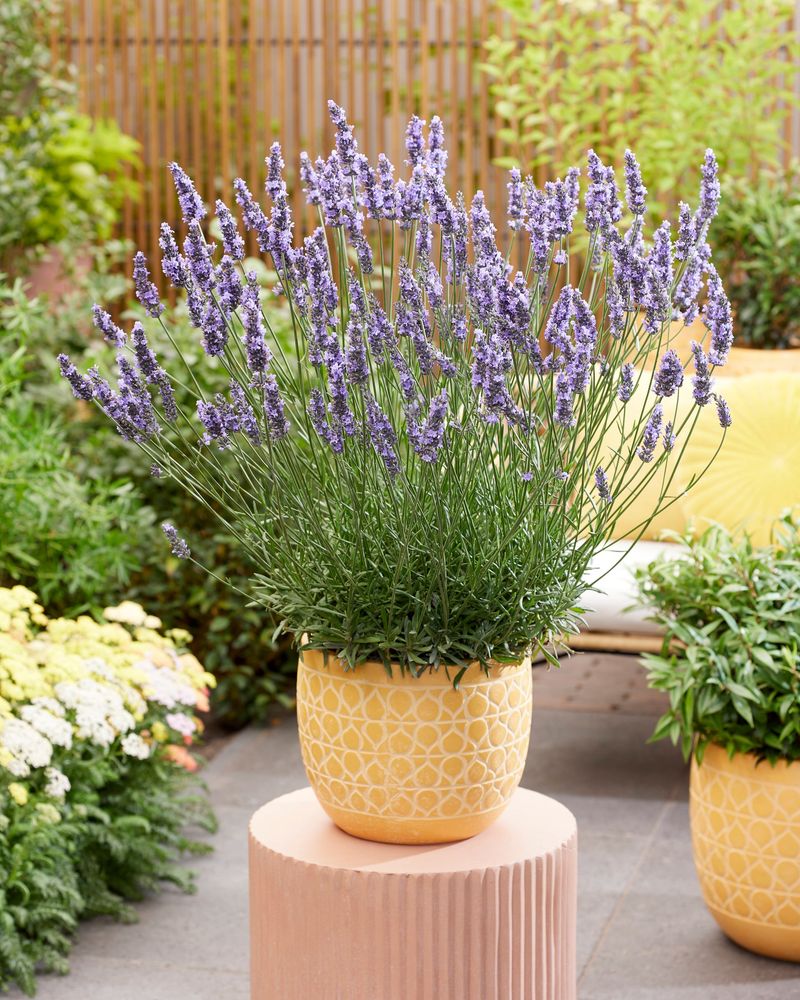
Growing lavender in a California container can be very rewarding, but it requires a different approach than most other flowering plants. Lavender is native to dry, rocky Mediterranean landscapes, and it expects similar conditions in a pot.
The biggest issue most California container gardeners run into is overwatering, which can cause root problems and a rapid decline in plant health.
Sharp drainage is the foundation of successful lavender container growing. Using a potting mix blended with coarse sand or perlite helps water move through quickly rather than sitting around the roots.
Terracotta containers work well for lavender because they allow excess moisture to evaporate through the walls. Plastic containers can hold moisture longer, which requires even more careful watering habits.
In spring, lavender in a California container may need watering once or twice a week depending on the weather and container size. As temperatures rise toward summer, check the soil before watering rather than following a fixed schedule.
Lavender generally does better with slightly drier conditions between waterings than most other container plants.
Placing the container in a spot with strong sun and good airflow gives lavender its best chance of staying healthy and producing those fragrant purple flower spikes from spring into the warmer months.
9. Scented Geranium Stays Fresh With Pinching And Sun
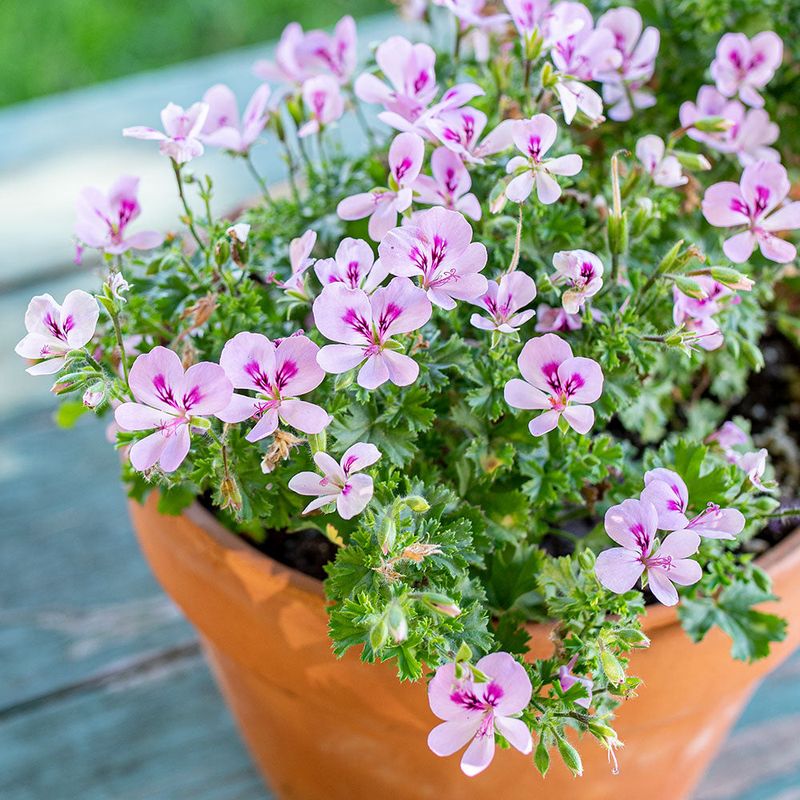
Scented geraniums bring something a little different to California container gardens. Beyond their small blooms, it is the fragrant foliage that makes them interesting, with varieties offering scents ranging from rose and lemon to mint and nutmeg.
They tend to grow quickly in warm California weather, which means they can get leggy and uneven by mid-spring if they are not given a little attention.
Pinching back the growing tips regularly is the main technique for keeping scented geraniums full and bushy in a container.
Removing just the tip of each stem, including a node or two, encourages the plant to branch out from lower points on the stem rather than just continuing to grow taller.
This results in a denser, more compact plant that looks better in a pot and produces more fragrant foliage overall.
Scented geraniums prefer bright sun and do well on California patios and porches that get at least four to six hours of direct light each day. They like well-draining potting mix and moderate watering, similar to other geranium types.
Allowing the soil to dry slightly between waterings tends to suit them better than keeping the container consistently moist.
A light feeding in spring can support healthy growth and help the plant stay attractive as the season progresses into summer.