What Really Happens To Tennessee’s Hummingbirds Every Late Summer
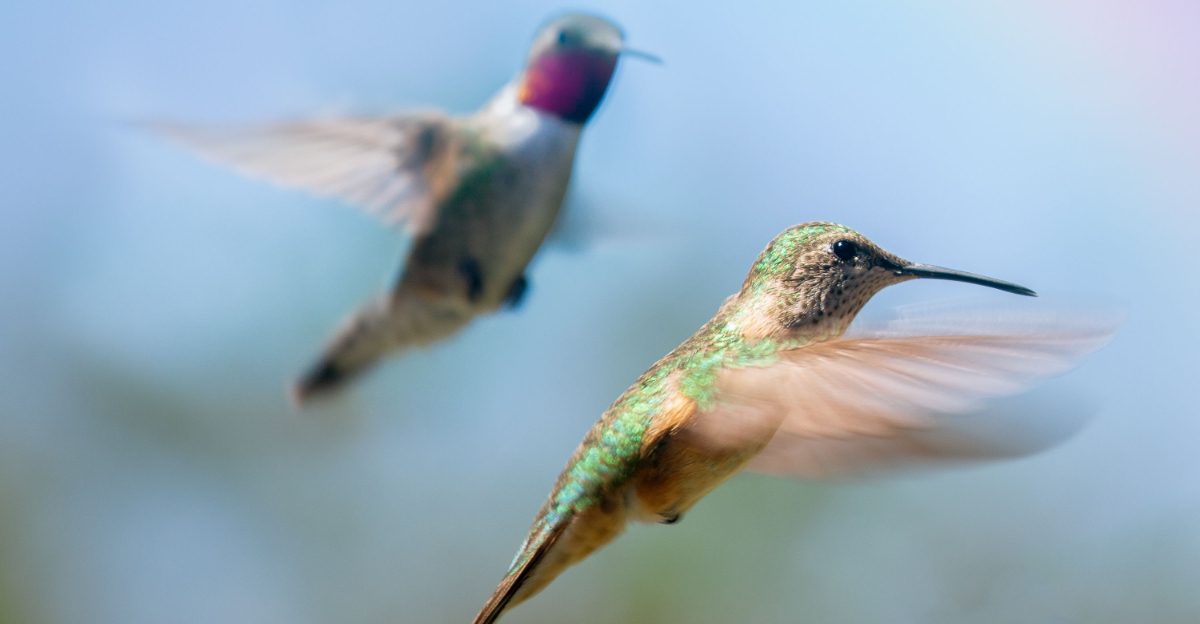
Silence at the feeder signals a change worth chasing. You notice it instantly, the sudden absence of buzzing wings. Tennessee hummingbirds disappear for reasons most people never notice.
Weather shifts, migration timing, and nectar competition play major roles. Blame lands easily on birds, but the deeper truth sits elsewhere entirely. Sugar water left too long quickly turns harmful within days.
Predators lurking nearby scare visitors away for good. Feeder placement matters more than most Tennessee backyard owners realize. Temperature swings disrupt feeding patterns before you even notice.
Flowers blooming close by pull hungry hummingbirds toward richer, wilder sources nearby. Timing your feeder cleaning wrong drives away thirsty travelers fast.
Color choices on feeders influence whether hummingbirds trust your spot. Every decision you make shapes whether wings return next spring.
Nothing about hummingbird behavior happens truly randomly, no matter how small. What you learn next determines whether your feeder buzzes again.
1. Migration Instinct Kicks In Early
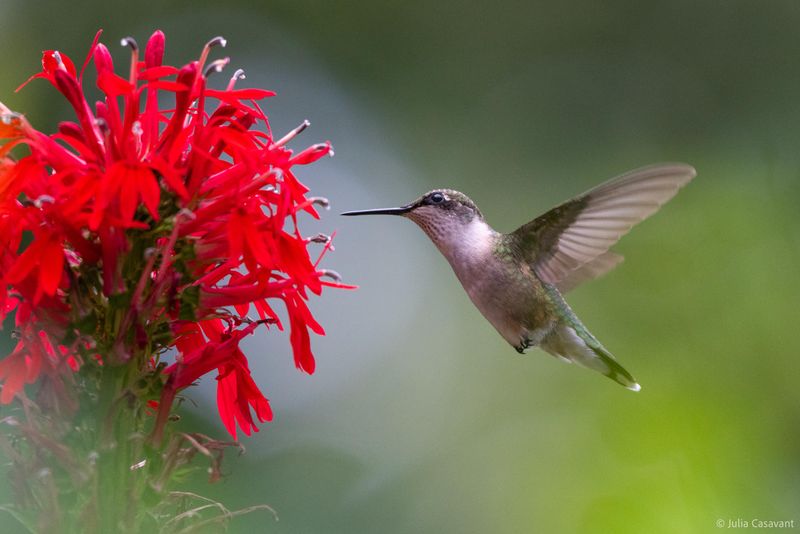
Something ancient stirs inside a hummingbird long before you notice a change. Ruby-throated hummingbirds carry a biological clock that ticks without any outside help.
This internal drive is called zugunruhe, a German word for migratory restlessness. Scientists have studied it for decades and found it is deeply wired into the bird’s nervous system.
Even a well-stocked feeder cannot override what nature has already programmed. The bird feels a pull southward and simply follows it.
What surprises most backyard watchers is how early this instinct activates. Some ruby-throated hummingbirds begin showing restless behavior as early as late July.
That is weeks before most Tennessee residents expect them to leave. You might still have fresh nectar out, but the birds are already mentally checked out.
Interestingly, younger birds often linger a bit longer than adults. Adult males tend to head south first, followed by females and juveniles.
So if you see smaller or duller birds at your feeder in September, those are likely young ones finishing their final meals. They are fueling up for a journey of over a thousand miles.
Keeping your feeders up through October gives late migrants a fighting chance. You are not encouraging them to stay too long; you are helping them survive the trip.
2. Cooler Temps Signal Time To Leave
Feel that first crisp morning in August and know the hummingbirds feel it too. Temperature shifts are one of nature’s most reliable departure cues.
When nights turn consistently cooler, ruby-throated hummingbirds start wrapping up their Tennessee stay. Their bodies are tuned to these seasonal changes like a finely set thermostat.
Cooler air also affects the insects hummingbirds depend on for protein. Fewer bugs mean fewer reasons to hang around any single location.
People often assume nectar is the only food hummingbirds need. Actually, small insects and spiders make up a huge part of their diet.
Without enough protein, a hummingbird cannot build the fat reserves needed for migration. A cold snap that drives away insects also drives away the birds.
Tennessee’s weather in late summer can be unpredictable, which makes hummingbird timing feel random. One warm week might bring a few stragglers back to your feeder.
Your Tennessee Garden Changes Every Week. Your Plan Should Too.
Gardening in Tennessee changes quickly throughout the season. Every Friday you’ll receive a simple weekly plan showing exactly what to plant, prune, fertilize, harvest, and protect so you never miss the right timing.
Then a cold front rolls through and they leave abruptly. That is not a coincidence; it is biology responding to atmospheric pressure and temperature in real time.
Placing your feeder in a sunny, sheltered spot can extend visits by a few extra days. Warmth near a south-facing wall keeps nectar liquid and signals a slightly warmer microclimate to passing birds.
Every extra day at the feeder means more fuel stored for the long flight ahead. Small choices in your yard can make a real difference.
3. Natural Nectar Sources Grow Abundant
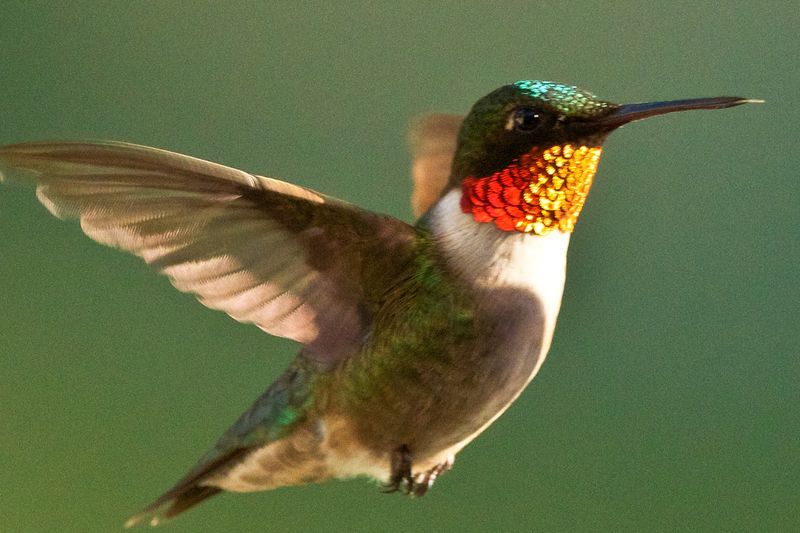
Late summer in Tennessee is basically a hummingbird buffet, and your feeder is just one table. When native plants peak, birds have plenty of choices beyond what you hang on the porch.
Cardinal flower, trumpet creeper, and jewelweed all bloom heavily from July through September. These plants produce nectar that is perfectly matched to a hummingbird’s nutritional needs.
Your store-bought sugar water is convenient, but wild nectar comes with extra nutrients. Natural flowers also attract the insects hummingbirds crave for protein.
A garden full of native blooms becomes a one-stop shop for a traveling bird. Why visit just a feeder when the whole yard is offering something better?
This seasonal abundance actually works in your favor if you plant strategically. Adding native flowering plants near your feeder creates a layered habitat that keeps birds around longer.
Trumpet vine is particularly effective because it blooms right when hummingbirds need the most fuel. Plant it near a fence or trellis and watch the action increase dramatically.
The tricky part is that when natural sources are everywhere, feeder visits drop noticeably. You might panic thinking the birds are gone when they are actually just dining ten feet away.
Take a slow walk around your yard before assuming the worst. You may spot a hummingbird hovering in the garden you planted last spring, fueling up on exactly what nature intended.
4. Dirty Feeders Discourage Repeat Visits
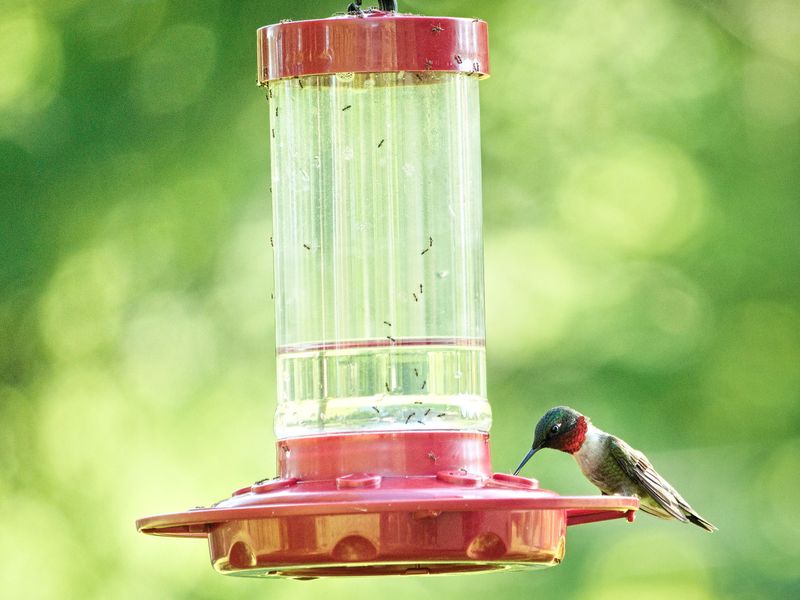
A grimy feeder is basically a closed sign for hummingbirds. These birds have sharp senses and will skip a food source that looks or smells off.
Mold grows inside feeders faster than most people expect, especially in Tennessee’s humid summers. Black spots inside the reservoir are a sure sign the nectar has gone bad.
Hummingbirds have been known to abandon feeders entirely after a bad experience. Once they associate a location with spoiled food, they may not return that season.
Cleaning your feeder every two to three days in summer heat is not optional. Hot weather speeds up fermentation and mold growth significantly.
Use a bottle brush and hot water to scrub every surface inside the feeder. Avoid soap with strong scents, as residue can repel birds.
A diluted white vinegar rinse works well to remove mold without leaving harmful chemicals behind. Rinse thoroughly with clean water before refilling.
Red dye in commercial nectar mixes is completely unnecessary and potentially harmful. Plain white sugar dissolved in water at a four-to-one ratio is all you need.
Never use honey, brown sugar, or artificial sweeteners in a hummingbird feeder. These alternatives can cause serious health problems for the birds.
A sparkling clean feeder with fresh nectar is one of the simplest ways to keep ruby-throated hummingbirds returning to your yard all season long. Make cleanliness a weekly habit and the birds will reward you with regular visits.
5. Competition Pushes Some Birds Away
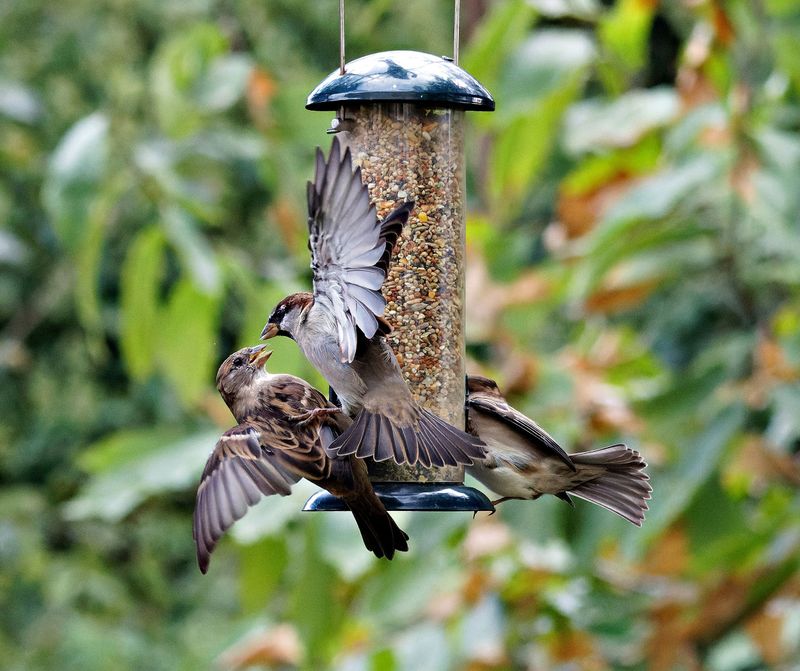
Hummingbirds look delicate, but they are highly territorial birds. A single dominant bird can bully every other hummingbird away from your feeder.
Males are especially aggressive about defending food sources. One bold bird will perch nearby and launch aerial chases the moment a rival approaches.
If you only have one feeder, that dominant bird controls everything. Other hummingbirds get chased off repeatedly until they stop trying altogether.
The fix is surprisingly simple: add more feeders and spread them apart. When feeders are placed out of each other’s line of sight, no single bird can guard them all.
Place one feeder on the front porch and another around the back corner of the house. That physical separation breaks the dominant bird’s grip on the food supply.
Using multiple smaller feeders instead of one large one also helps distribute the population. Four small feeders placed strategically outperform one big feeder in almost every backyard situation.
Juvenile birds and females are most often the ones pushed away by dominant males. By offering more access points, you give younger birds a real chance to fuel up.
Competition also increases as migration approaches because birds are urgently building fat reserves. More birds are traveling through Tennessee in late August and September, all competing for limited resources.
A yard with multiple well-placed feeders becomes a reliable pit stop on the migration route. Word spreads fast in the hummingbird world, and your yard gains a reputation worth visiting.
6. Fermented Nectar Turns Birds Off
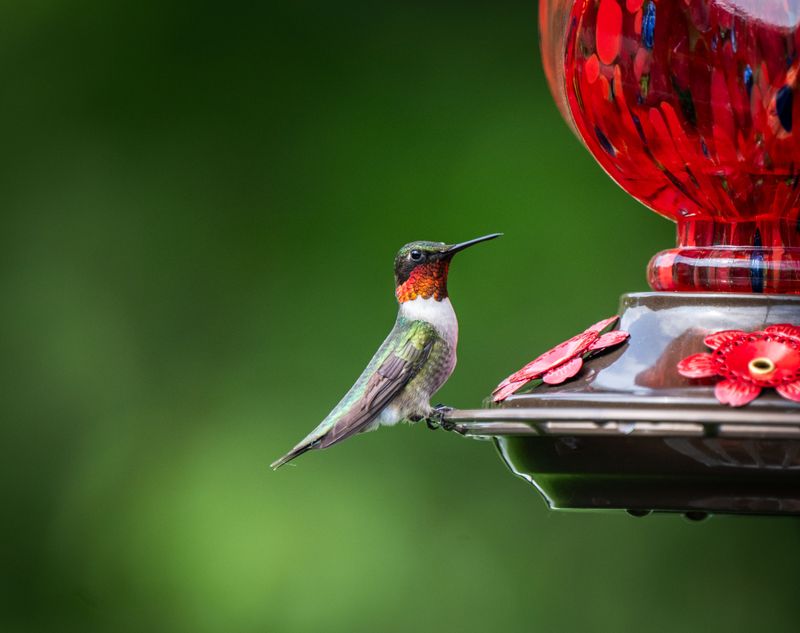
Nectar left in the sun too long stops being food and starts being a problem. Fermented sugar water smells sour and tastes nothing like what a hummingbird expects.
In Tennessee’s summer heat, nectar can ferment in as little as 24 hours on a hot day. That timeline shocks most people who thought they had a few days before the next refill.
Fermented nectar contains alcohol, which is genuinely harmful to small birds. A hummingbird that drinks too much of it can become disoriented and vulnerable to predators.
Cloudy or yellowish nectar is a clear sign fermentation has begun. Fresh nectar should be completely clear, like clean water with dissolved sugar.
Placing your feeder in partial shade dramatically slows the fermentation process. Morning sun is fine, but full afternoon exposure in July or August accelerates spoilage fast.
Smaller feeders are actually smarter in summer because birds empty them before the nectar turns. A large feeder that takes a week to empty spoils nectar faster than it gets used.
Match your feeder size to the number of birds visiting your yard. If you have two or three regulars, a small four-ounce feeder is plenty.
Check nectar clarity every morning as part of your routine. A quick glance takes five seconds and can prevent a bad experience that drives birds away for good.
Consistent nectar quality keeps ruby-throated hummingbirds trusting your feeder as a safe stop. Fresh food equals loyal visitors, and loyal visitors equal a yard full of life.
7. Nearby Predators Make Feeders Unsafe
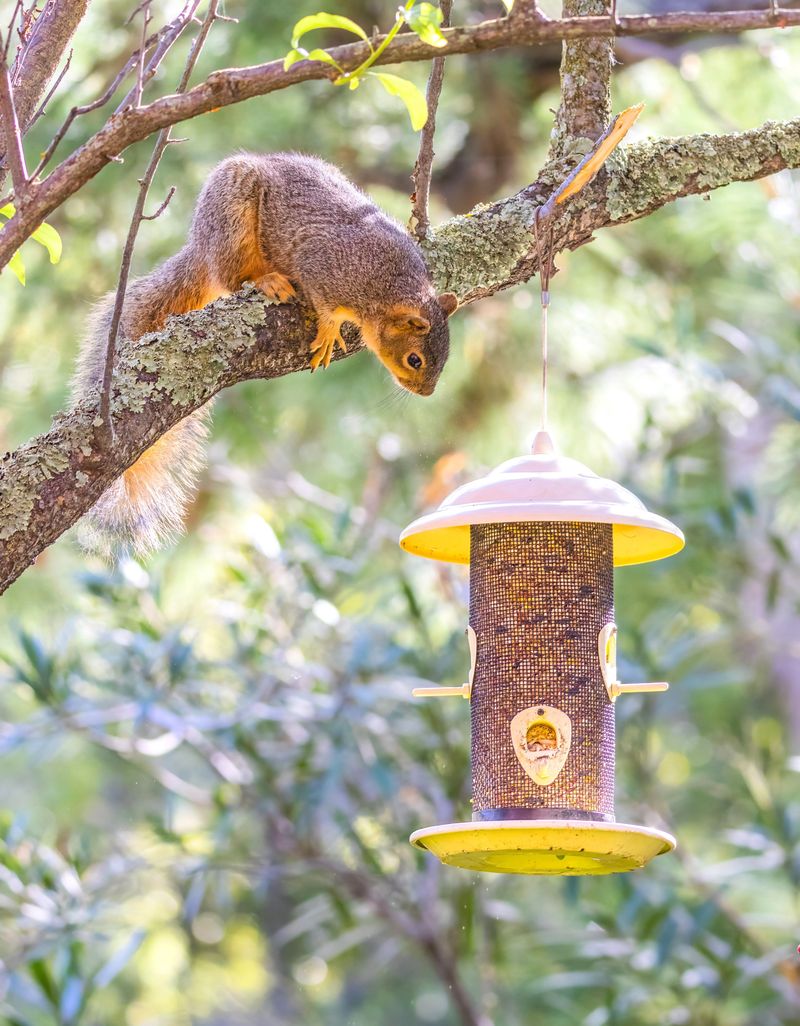
A hummingbird weighs about as much as a penny, which makes almost everything a potential threat. Predators near your feeder can shut down visits faster than any other factor.
Outdoor cats are the number one human-related threat to backyard birds in North America. A single cat stationed near a feeder can make the entire area feel dangerous.
Hummingbirds are alert to predator presence even when the threat is not actively hunting. The mere sight of a cat crouching nearby is enough to reroute a bird’s flight path.
Praying mantises are another surprising feeder threat that most people never consider. These large insects can cling to feeders and snatch hummingbirds mid-hover.
Check your feeder pole and surrounding plants regularly for mantises, especially in late summer. Relocating them to a different part of the garden solves the problem without harming anyone.
Sharp-shinned hawks and Cooper’s hawks also prey on small birds near feeders. If you notice a sudden drop in feeder activity, scan the nearby trees for a perched hawk.
Positioning feeders at least ten feet from dense shrubs reduces ambush opportunities for cats and hawks. Open space around the feeder gives hummingbirds time to spot danger and escape.
Height matters too. Hanging feeders at least five feet off the ground puts them out of easy cat-swipe range.
A safe feeder location is one of the most underrated factors in attracting consistent visitors. Make your yard feel like a sanctuary and the birds will keep coming back.
8. Shorter Daylight Triggers Migration Hormones
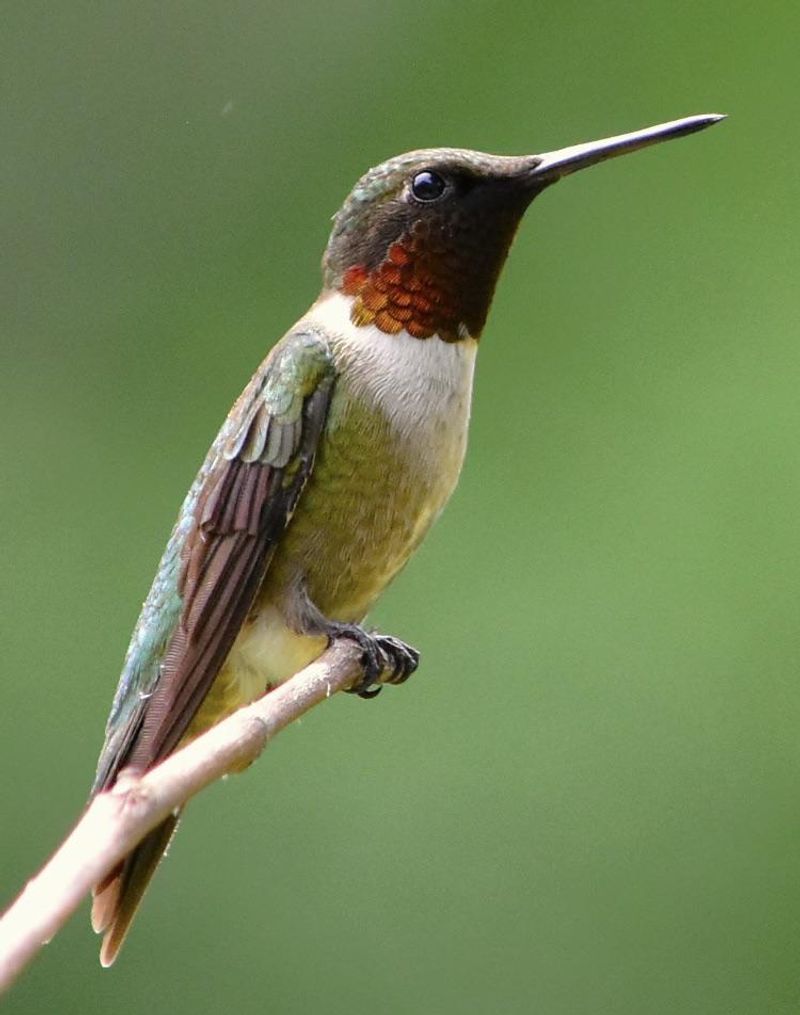
Forget the calendar. Hummingbirds track the sun, and the shortening days of late summer send a powerful hormonal signal. Photoperiod, the length of daylight each day, is the master switch for migration.
As days grow shorter after the summer solstice, a hummingbird’s brain releases hormones that trigger fat storage and restlessness. This process begins in mid-July, weeks before temperatures noticeably drop.
The bird starts eating more aggressively to build fat reserves for the journey ahead. A hummingbird can nearly double its body weight before migration begins.
This fat-loading phase is called hyperphagia, and it is a critical survival strategy. Without enough stored energy, a bird cannot survive the long flight across the Gulf of Mexico.
Keeping feeders full during August and September directly supports this fat-building phase. Every extra calorie you provide could be the difference between a successful crossing and a failed one.
Artificial lighting is known to disrupt photoperiod cues in many migratory songbirds, and researchers suspect a similar effect may apply to hummingbirds.
Bright outdoor lights left on all night could add unnecessary confusion during an already demanding season.
Consider turning off decorative garden lights or using motion-activated options instead. Small adjustments to your outdoor lighting can reduce interference with natural migration timing.
Nothing you do will stop a healthy hummingbird from eventually heading south. But understanding the daylight trigger helps you appreciate why the birds seem to disappear so quickly.
Supporting ruby-throated hummingbirds through their final Tennessee days is one of the most rewarding things a backyard birder can do. Your feeder matters more than you know.