Why Oregon Rosemary Turns Brown In The Middle Even When The Outside Still Looks Healthy
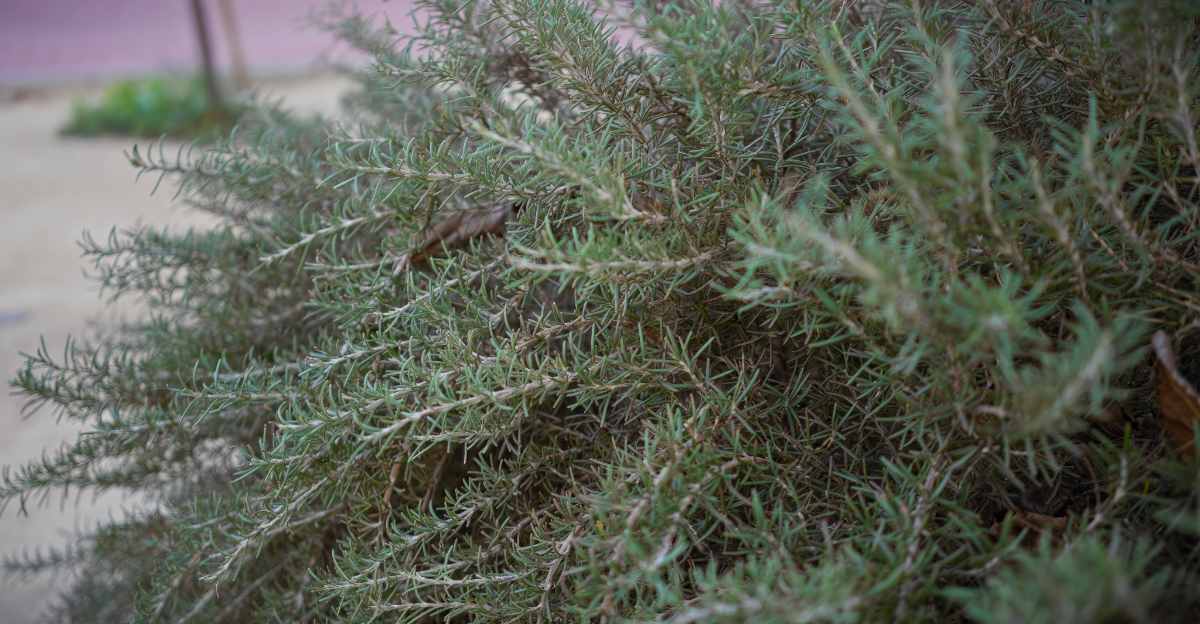
Rosemary can be a master of mixed signals. The outer growth stays green, fragrant, and perfectly respectable, while the center quietly turns brown and scruffy like it has given up on participating.
That contrast can make the plant surprisingly hard to read. At a glance, everything seems fine.
Look a little closer, though, and the interior may tell a very different story. Cue the puzzled inspection and the inevitable question: how can one shrub look healthy and tired at the same time?
Oregon conditions add another layer of complexity. Seasonal moisture, airflow, plant age, growth density, and everyday care can all influence how rosemary develops over the years, especially once a once-compact plant becomes larger and woodier.
The brown center is not always a reason to panic, but it is worth paying attention to the pattern.
Where the discoloration appears, how quickly it spreads, and what the surrounding growth looks like can reveal useful clues.
That healthy green shell may be hiding more than it seems, and a closer look can help make sense of rosemary’s rather dramatic split personality.
1. The Center Gets Less Light As Rosemary Thickens
Over time, rosemary grows into a thick, bushy plant with lots of branches layering on top of each other. When that happens, the outer branches start blocking sunlight from reaching the inner stems.
Without enough light, the center of the plant slowly weakens. Sunlight is not just important for photosynthesis. It also helps keep stems dry and strong.
When the middle of the plant stays shaded and damp, the stems there have a much harder time staying healthy. They can start to look dull, then gray, and finally brown.
This is a slow process, so many gardeners do not notice it until the browning is already quite advanced. The outer part of the plant keeps soaking up sun and looks perfectly fine, which makes it easy to miss what is happening inside.
Checking the center of your rosemary regularly can help you catch this early. Giving your plant a light trim every few weeks during the growing season can open up the center and let more light in. You do not need to cut a lot.
Even removing a few of the thicker outer branches can make a real difference. More light reaching the inside means healthier stems, better airflow, and a stronger plant overall.
Think of it like opening a window in a dark room. A little light goes a long way.
2. Older Inner Stems Naturally Turn Woody
Here is something Oregon gardeners do not realize: rosemary stems naturally get woody as they age.
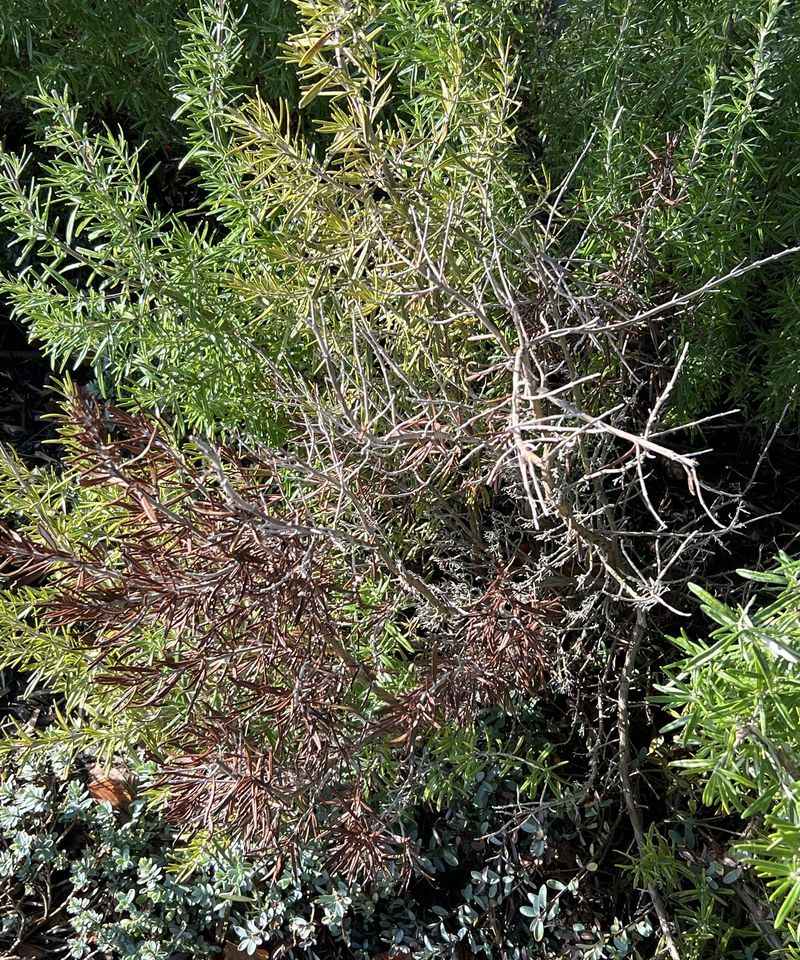
The older a stem gets, the more it loses its green color and becomes rough, stiff, and brown. This is completely normal for the plant.
The newest growth always happens at the tips of the branches, which are on the outside of the plant. That is why the outer part stays green and fresh-looking.
Meanwhile, the inner stems are often the oldest parts of the plant, and they have already gone through their natural aging process.
Your Oregon Garden Changes Every Week. Your Plan Should Too.
Gardening in Oregon changes quickly throughout the season. Every Friday you’ll receive a simple weekly plan showing exactly what to plant, prune, fertilize, harvest, and protect so you never miss the right timing.
Woody stems do not produce leaves the way young stems do. They are mostly there for structure.
But when you have a lot of woody stems packed into the center with no green growth, the plant can start to look like it is struggling even if it is actually fine.
One helpful thing to know is that rosemary does not regrow well from very old, bare wood. So cutting back too far into those brown stems will not bring them back to life.
Instead, focus on encouraging new growth by trimming lightly around the outer edges. This keeps the plant producing fresh, green stems regularly.
Over the years, some woodiness in the center is just part of how rosemary grows. Accepting that and working with it makes caring for the plant a lot less stressful.
3. Poor Airflow Can Make The Middle Decline Faster
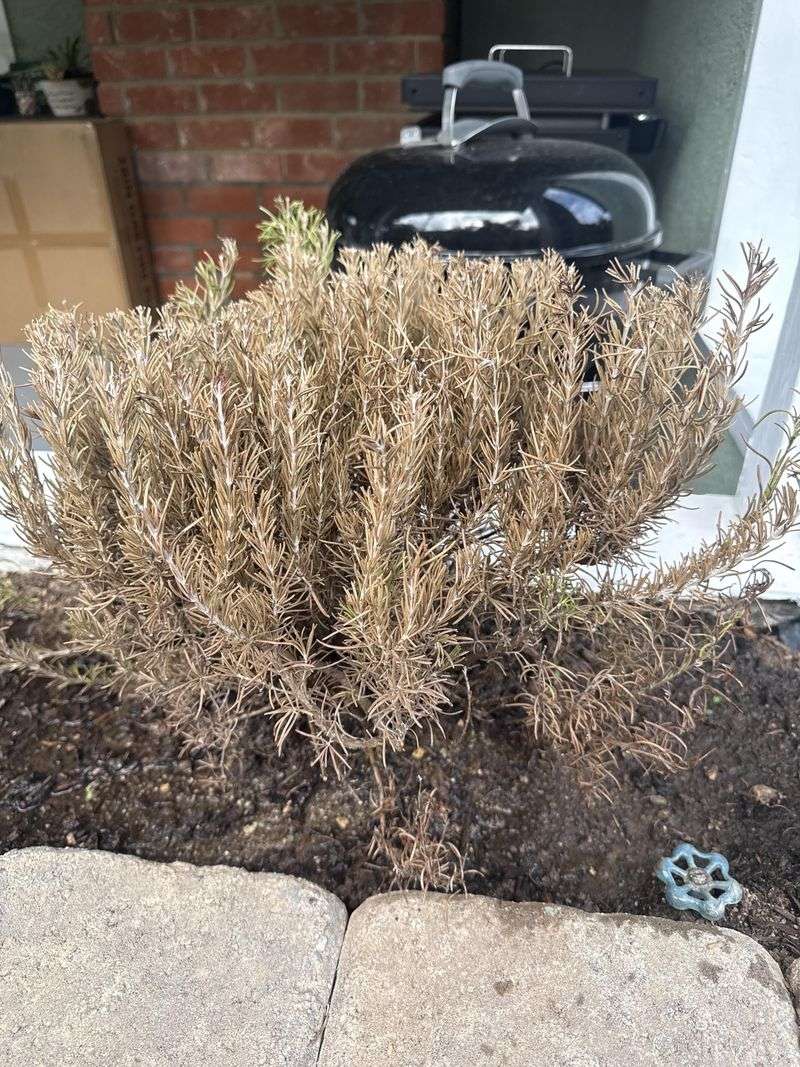
Airflow matters more than most people think when it comes to keeping rosemary healthy. When the plant grows very dense, air cannot move freely through the branches.
That trapped air stays moist, especially after rain or watering. Moisture sitting on stems and leaves for long periods creates a perfect environment for fungal problems.
Botrytis, also called gray mold, is one of the most common issues that shows up when air cannot circulate well.
It starts as a gray fuzz and quickly turns stems brown and mushy. Even without full-blown fungal infection, just the constant dampness alone can weaken inner stems over time.
Rosemary originally evolved in breezy, open coastal areas. It is built for wind and dry air.
When you grow it in a sheltered spot with no breeze, or let it grow so thick that air cannot pass through, you are working against its natural needs.
Thinning out the plant helps a lot. Removing some of the crossing or crowded branches from the inside creates pathways for air to move through.
You do not need to reshape the whole plant at once. A gentle thinning every season can keep airflow steady and reduce the chance of moisture buildup.
Planting rosemary in a spot that gets some natural Oregon breeze is also a smart move from the very beginning. Good placement saves a lot of trouble later on.
4. Too Much Water Can Stress The Roots Below
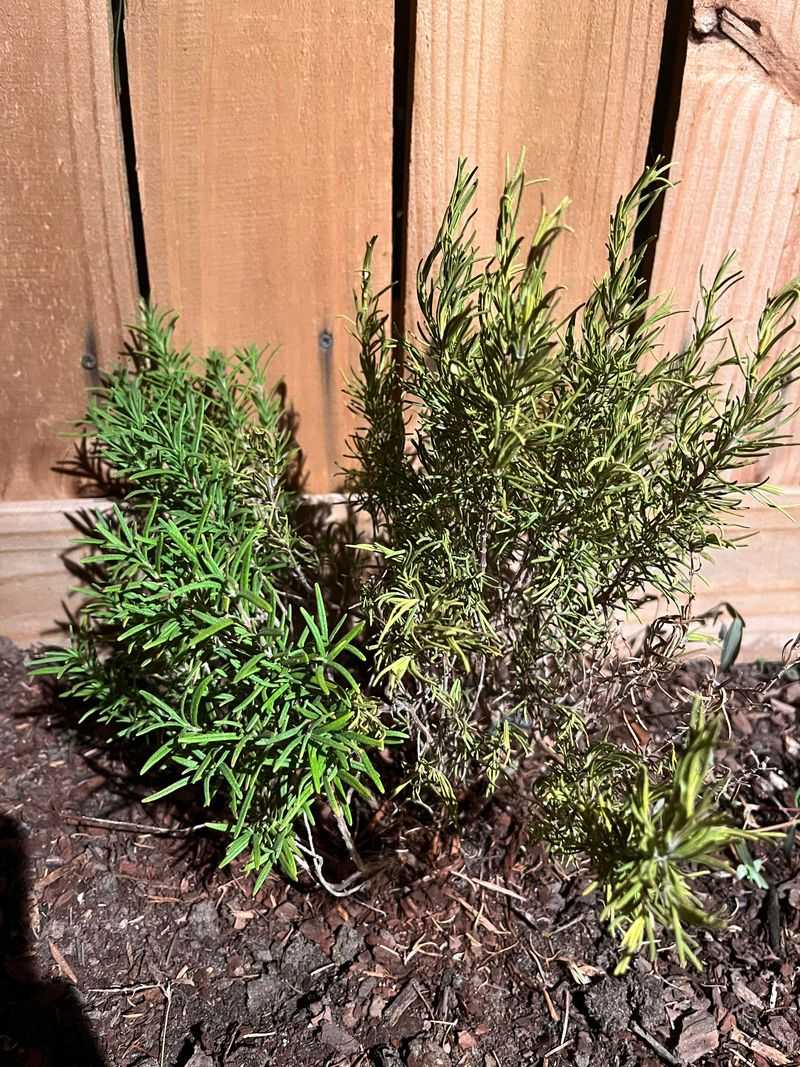
Rosemary does not like wet feet. That is a common saying among gardeners, and it is very true.
The roots of rosemary need well-draining soil to stay healthy. When the ground stays soggy for too long, the roots start to struggle.
Root stress shows up in the plant in sneaky ways. The outer branches, which are closer to the surface and get more sun, can hold on longer and keep looking green.
But the inner parts of the plant, which depend on a strong root system for water and nutrients, start to suffer first.
Brown stems in the center can actually be a sign that something is going wrong underground.
In rainy climates, this is a very real problem. Heavy, frequent rainfall combined with clay-heavy soil keeps water sitting around the roots for days.
Even if you are not overwatering yourself, the natural rainfall can do the same damage.
Improving drainage is the best fix. Raised beds, sandy or gritty soil mixes, and planting on a slight slope all help water move away from the roots faster.
Avoid planting rosemary in low spots where water pools after rain. If your plant is already in a bad spot, consider moving it to a better location during a dry stretch.
Healthy roots lead to healthy stems, and that includes the ones hidden deep in the center of the plant.
5. Dense Growth Can Hide Withered Stems For Months
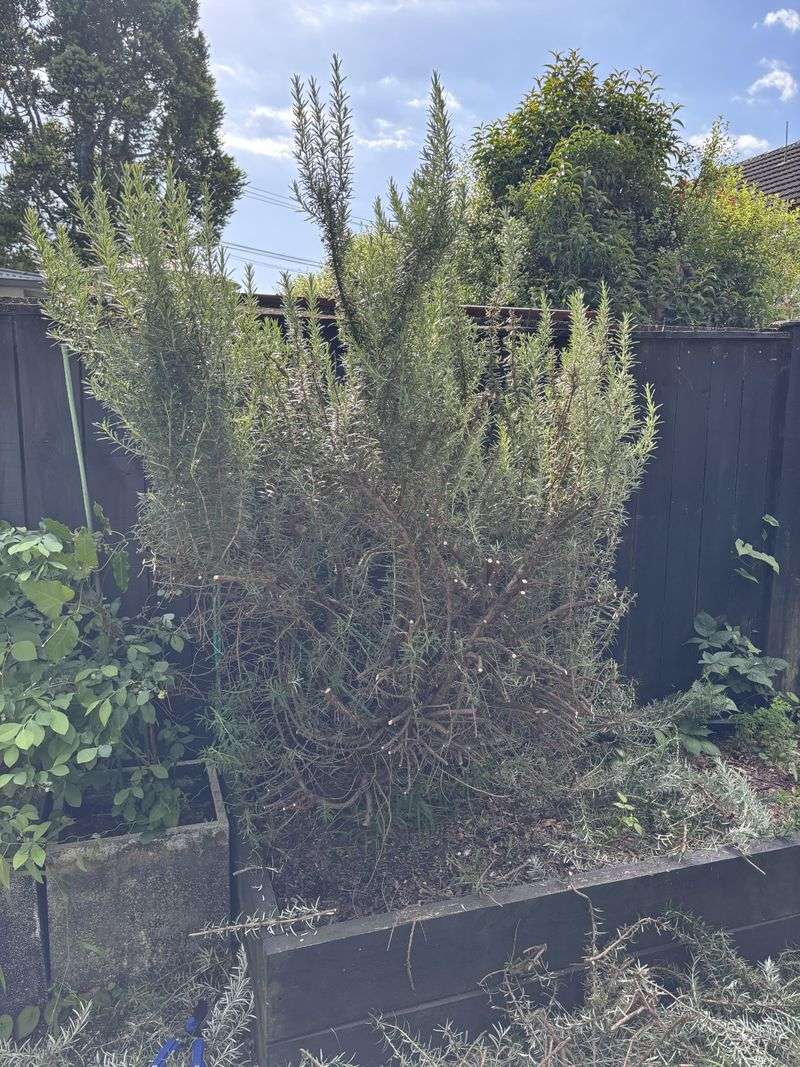
Rosemary can be a bit of a trickster. The outside of the plant looks so green and healthy that it is easy to assume everything inside is fine too.
But thick outer growth can completely hide what is happening in the center for a very long time.
Brown or bare stems can sit in the middle of the plant for months without anyone noticing. By the time the browning becomes visible from the outside, the problem has usually been building for a while.
This is why it is a good habit to gently part the branches and peek inside your rosemary every month or so.
Early detection makes a big difference. If you catch browning stems while they are still isolated to a small area, you can remove them and give the surrounding healthy stems more space and light.
Waiting too long means the problem can spread and become much harder to manage. When you do find brown stems inside, cut them back to where you can see green growth, or remove them entirely if they are fully bare.
Clearing out those old stems gives the remaining healthy ones room to breathe and grow. It also reduces the hiding spots for moisture and pests.
Making this a regular part of your plant care routine keeps you ahead of problems before they get out of hand. A quick check every few weeks is all it takes.
6. The Outside Can Stay Green While The Center Thins Out
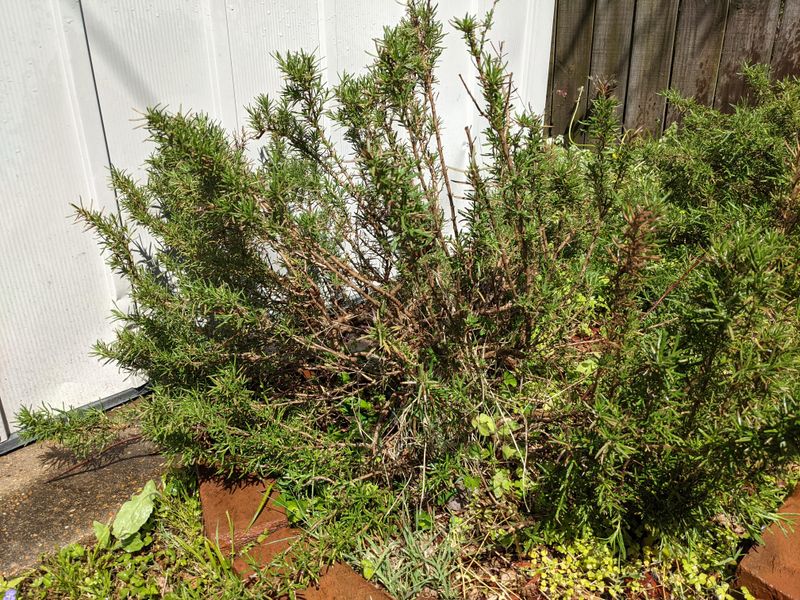
Plants put their energy where they get the most return. For rosemary, that means the outer branches, which get the most sunlight, receive the most resources.
The center of the plant, sitting in shade and low airflow, gets less attention from the plant itself.
Over several growing seasons, this creates a clear pattern. The outside stays green, full, and leafy.
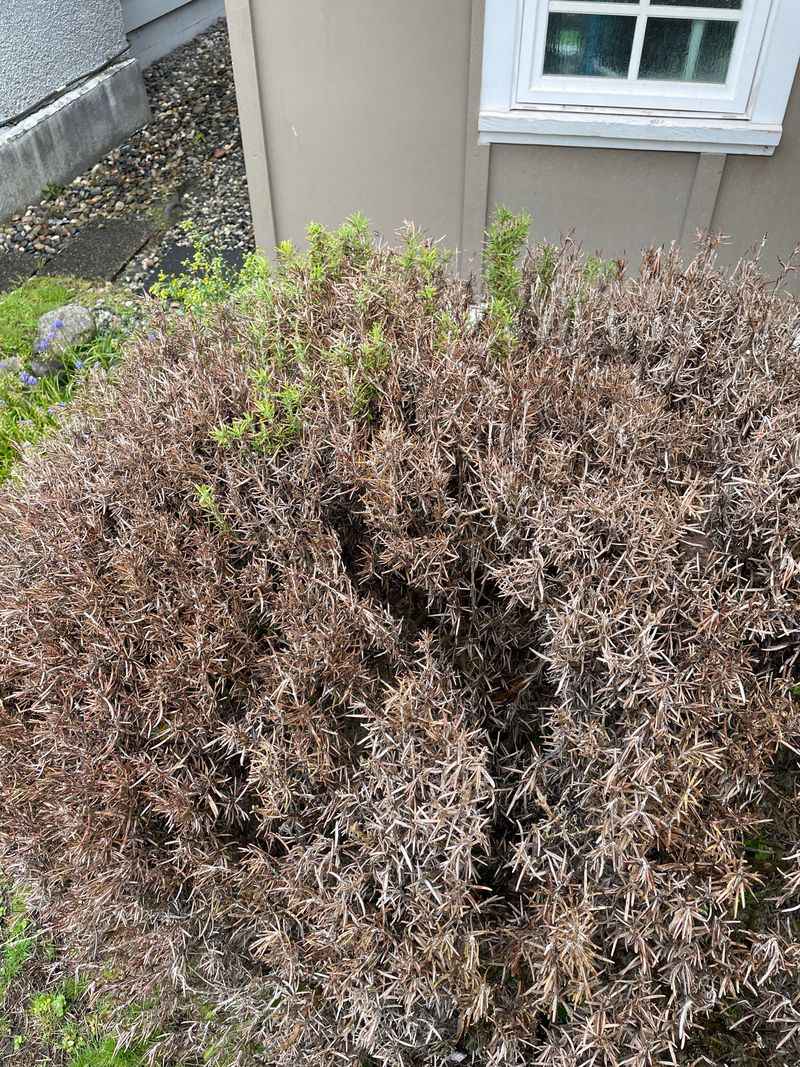
The inside slowly thins out, loses its leaves, and turns woody and brown. From a distance, the plant looks great. Up close, it tells a different story.
This is not a sign that something went terribly wrong. It is actually a natural pattern for many woody herbs, including rosemary, lavender, and sage.
They all tend to put their fresh growth on the outside while the center ages. Knowing this helps you plan your care routine with realistic expectations.
You can slow this process by trimming regularly and keeping the plant from getting too large. Smaller, well-maintained plants tend to have better inner health because light and air can reach more of the stems.
If you inherited a large, neglected rosemary plant, do not try to fix it all at once. Work slowly, trimming a little at a time over several seasons.
Patience is key. Gradual improvement is safer for the plant than drastic cuts, and it gives you better long-term results without shocking the root system.
7. Light Trimming Helps Sun Reach The Inside
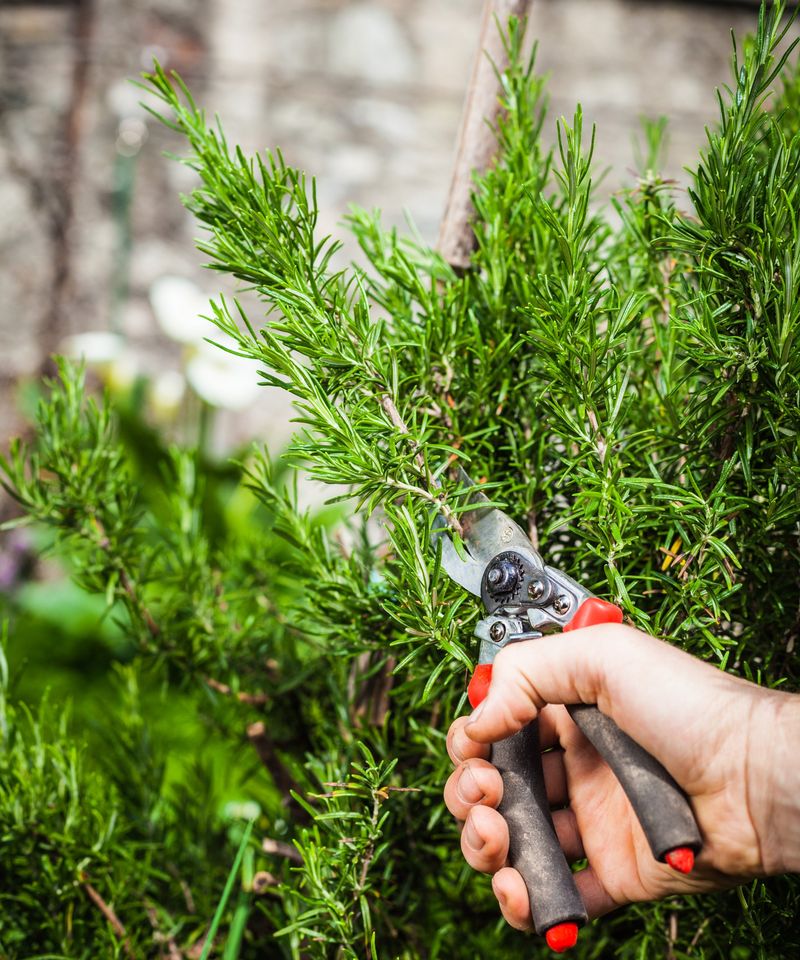
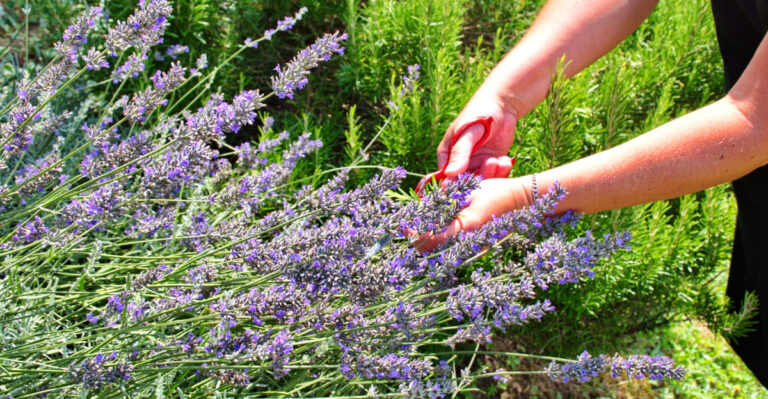
One of the simplest and most effective things you can do for your rosemary is trim it regularly. Not a big dramatic haircut, just small, consistent cuts throughout the growing season.
Light trimming keeps the plant from getting too dense and opens it up to more sunlight.
When you trim the outer tips of the branches, you also encourage the plant to push out new growth in more places. That new growth tends to be greener, softer, and more productive.
It also gives the whole plant a fresher, more balanced look. Regular trimming is basically a reset button for the plant’s growth pattern.
The best time to trim rosemary is in the spring, just as new growth starts to appear. You can also do light touch-ups through summer.
Avoid heavy trimming in fall or winter, especially in cooler climates, because the plant needs time to recover before cold weather sets in.
Use clean, sharp scissors or pruning shears. Dull blades can crush stems instead of cutting them cleanly, which creates entry points for disease.
Cut just above a leaf node, which is the spot where a leaf meets the stem. This encourages branching and fuller growth.
Even trimming just the outermost inch or two of each branch every few weeks can make a noticeable difference in how much light and air reach the center of the plant over time.
8. Avoid Cutting Deep Into Bare Old Wood
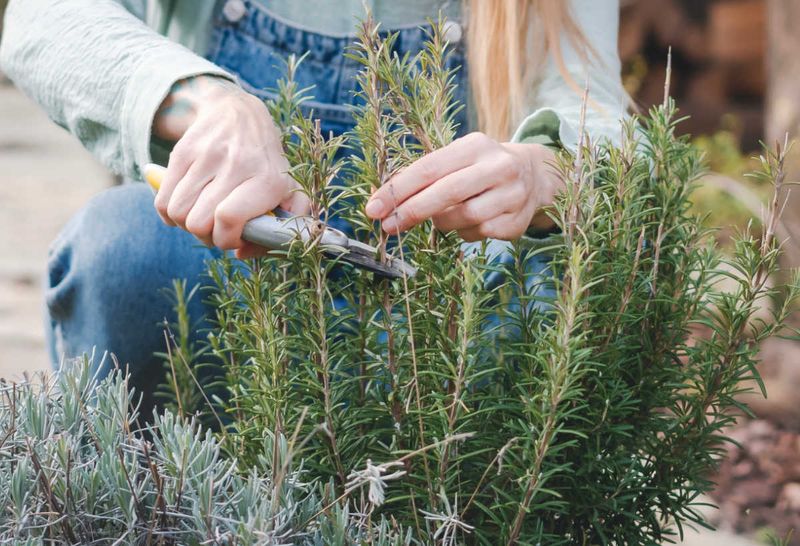
One of the biggest mistakes Oregon rosemary growers make is cutting too far back into the old, bare wood.
It seems logical to think that cutting it all the way back will force new growth. But rosemary does not work that way.
Unlike many other plants, rosemary has a very hard time sprouting new growth from bare, old wood.
If you cut a stem back to a section that has no green leaves or buds, it will most likely just stay bare. That section of the plant will not bounce back the way a rose or a shrub might.
This is why it is so important to always leave some green growth on every stem you prune. The green parts are where the plant stores energy and where new buds can form.
Cutting back to bare wood removes all of that potential and can leave you with a plant that looks worse than before.
If your rosemary has a lot of bare, woody stems in the center, the safest approach is to remove those stems entirely rather than cutting them halfway. Then focus your energy on the healthy green stems that remain.
In the Pacific Northwest, where rosemary can grow large quickly due to mild winters, staying on top of pruning early in the season prevents the plant from ever reaching that overgrown state. A little prevention saves a lot of headache down the road.