What It Means When Toads Start Nesting In Wet North Carolina Garden Beds
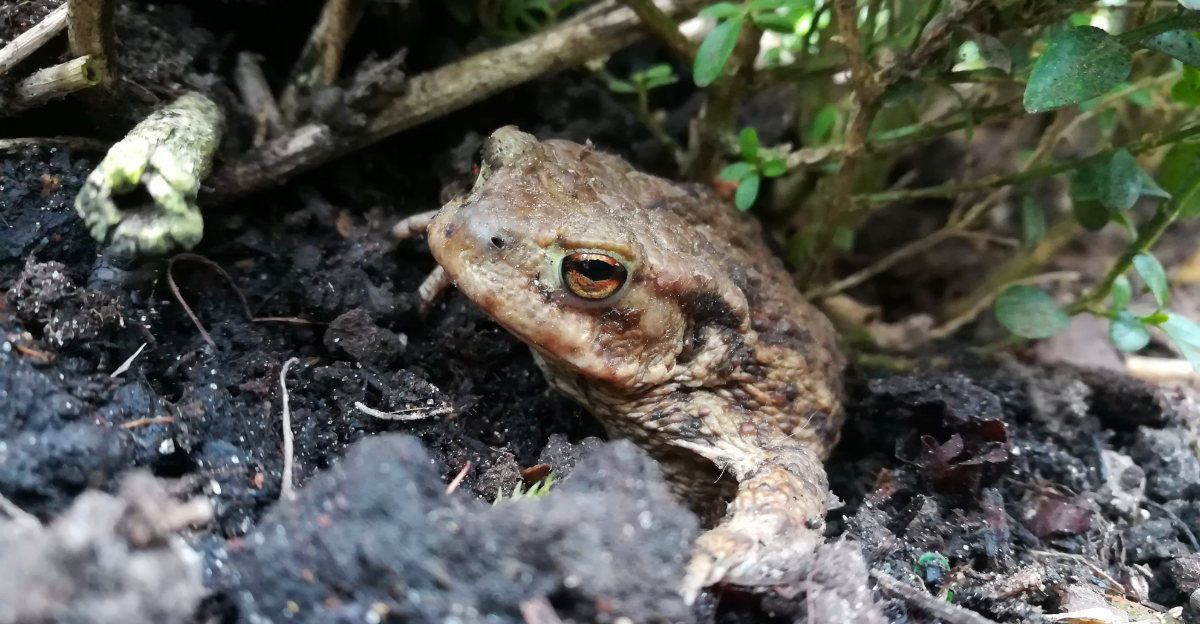
Toads settling into damp, low lying garden beds tend to surprise North Carolina gardeners who assume any unexpected animal activity signals a problem worth worrying about.
Most people aren’t sure whether this visitor is helping or hurting their carefully tended plants. But there’s a clear, practical reason toads choose these exact spots, one that has everything to do with what your garden is unintentionally offering them right now.
Understanding what’s actually drawing them in changes how you might think about that consistently wet corner of your yard.
Some gardeners are surprised to learn their garden is functioning as exactly the kind of habitat toads are naturally drawn to during this time of year. Once you know the real explanation, finding a toad tucked into your beds starts to feel a lot less random.
Their presence might actually be telling you something helpful about your garden’s overall health.
1. The Damp Soil Makes A Good Hiding Place
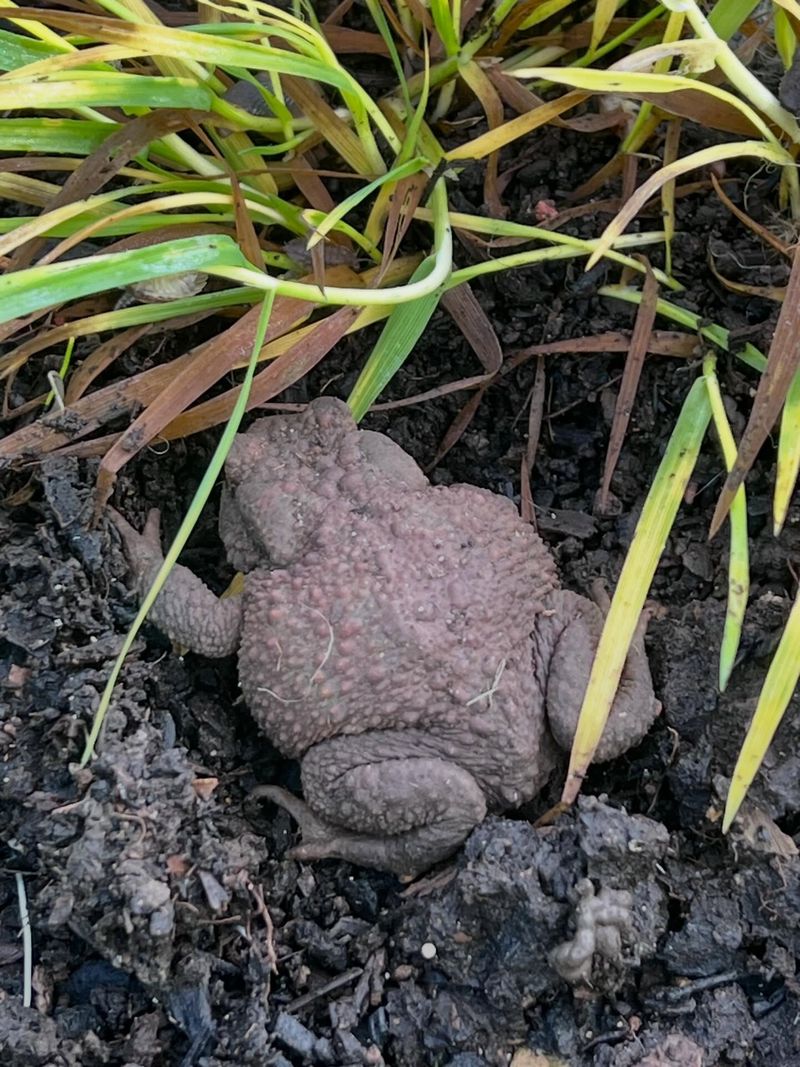
Toads carry a secret you might not expect: their skin needs to stay moist to work properly. Dry air and hot sun can quickly pull water out of their bodies, so they search for spots that stay cool and damp.
North Carolina summers get warm and sticky, and that heat can be rough on a small amphibian. A shady garden bed with soft, wet soil feels like a cozy retreat where they can stay comfortable through the hottest part of the day.
Unlike animals covered in fur or feathers, toads breathe partly through their skin. That skin has to stay a little wet for oxygen to pass through, which is why a dry spot is not a good place for them to rest. Moist soil keeps everything working the way it should.
When you water your flower beds or vegetables, you create the exact kind of spot toads love. The dampness sinks into the dirt and holds there longer than open ground, giving them a reliable place to settle.
You may spot one pressed low into the soil near your tomatoes or under a leafy plant. That is not a sign of trouble. It simply means your garden offers the perfect balance of shade and moisture.
Think of your damp beds as a friendly rest stop. The toad gets a safe, cool place to wait out the heat, and you get a helpful garden guest who happily sticks around because the conditions feel just right.
2. Loose Soil Gives Them Somewhere To Burrow
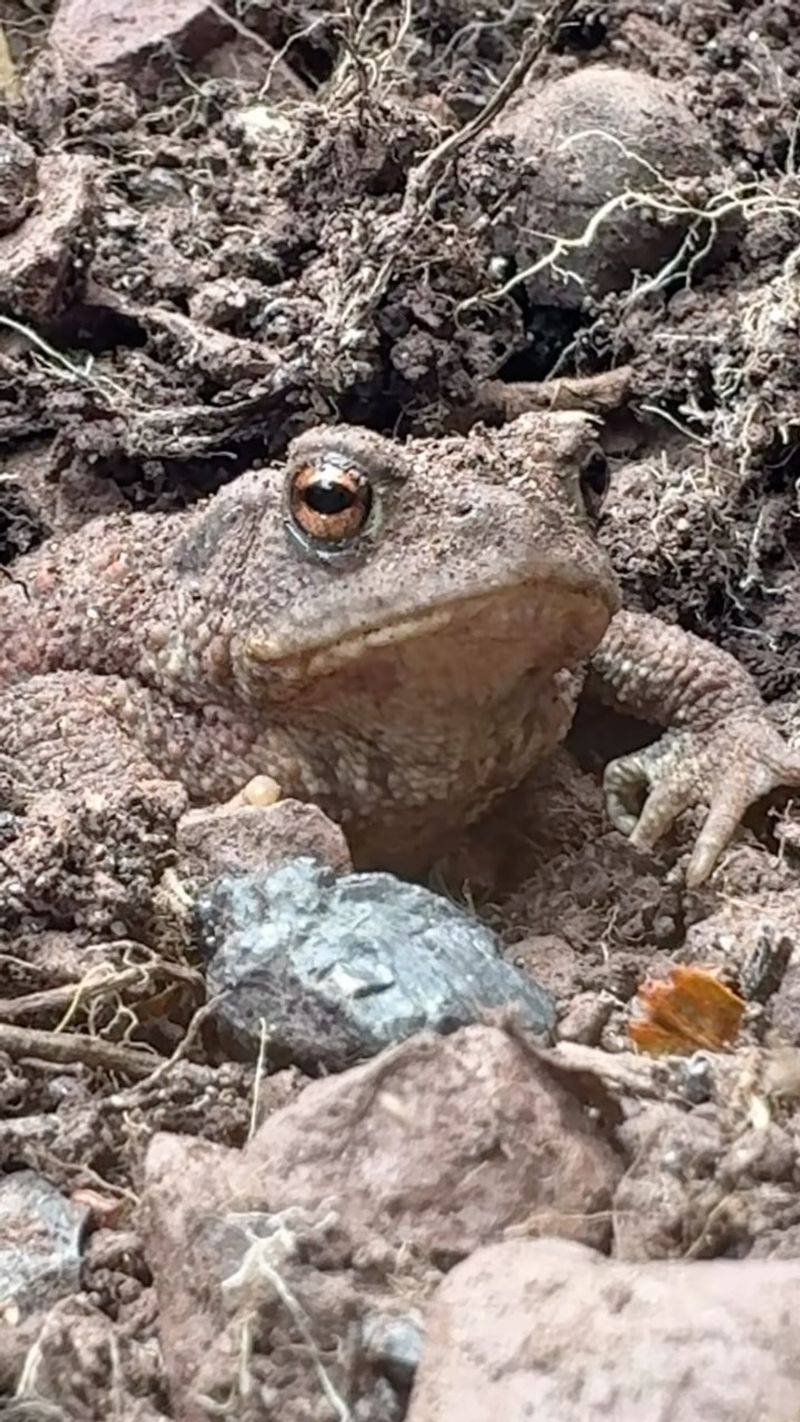
Here is a neat trick most people never see: toads can wiggle themselves down into soft dirt using their back legs. They scoot backward and push the soil aside until they are snugly tucked in with just their eyes peeking out.
Loose, crumbly garden soil makes this easy. Packed, hard ground would be tough to move, but a well-tended bed full of soft dirt lets a toad settle in with hardly any effort at all.
Burrowing gives them more than a comfy bed. It hides them from hungry birds, snakes, and other animals that would love a toad snack. Buried under a layer of soil, they blend right in and stay out of sight.
Your North Carolina Garden Changes Every Week. Your Plan Should Too.
Gardening in North Carolina changes quickly throughout the season. Every Friday you’ll receive a simple weekly plan showing exactly what to plant, prune, fertilize, harvest, and protect so you never miss the right timing.
The dirt also acts like a natural blanket that keeps temperatures steady. When the afternoon sun beats down, the soil below stays cooler, giving the toad a way to escape the worst of the heat.
Gardeners who loosen their beds for planting are unknowingly rolling out the welcome mat. All that fluffy, worked soil is exactly what a burrowing toad wants for daytime shelter.
If you notice a small dip or hole near your plants, take a closer look before assuming a pest dug it. You might find a resting toad who simply wanted a quiet spot to spend the day.
Leaving a few soft, undisturbed patches in your garden gives these diggers a place to call home. In return, they stick close and keep working through your beds night after night.
3. Your Garden May Have Plenty Of Food
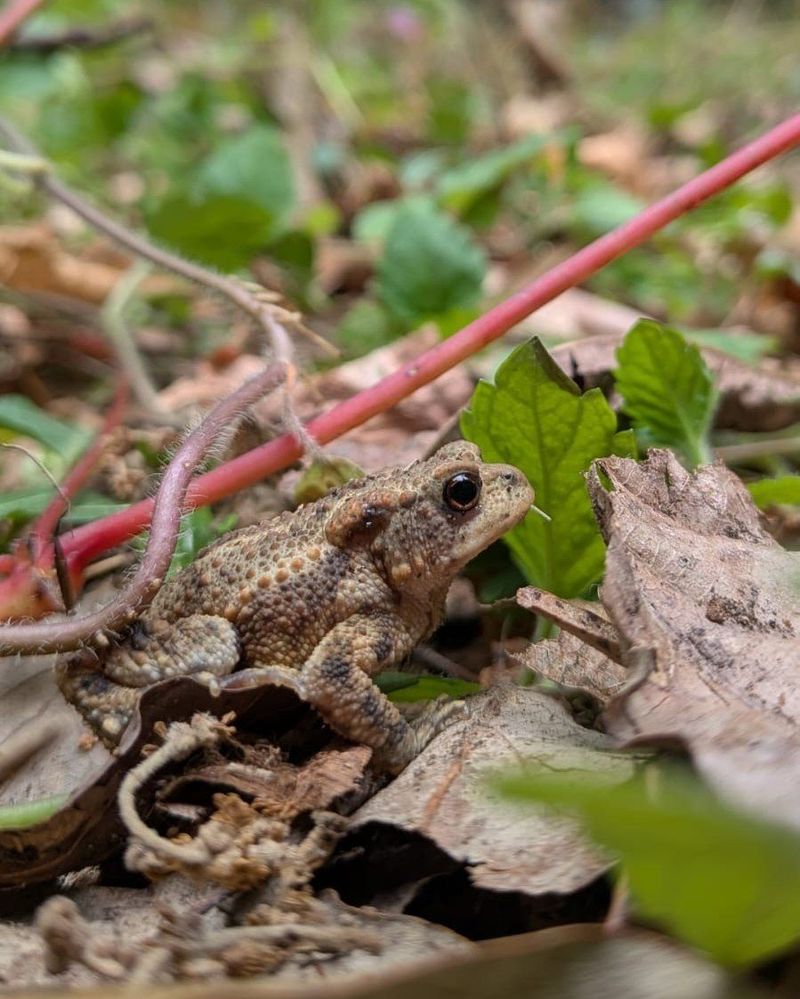
Picture an all-you-can-eat buffet, but for a toad. That is basically what a healthy garden bed becomes once the bugs, worms, and other tiny crawlers move in.
Moist soil pulls in a huge crowd of insects. Beetles, ants, crickets, and slugs all love damp conditions, and where those creatures gather, hungry toads are sure to follow.
Toads have big appetites for their size. A single one can gobble up dozens of insects in one night, snapping them up with a quick flick of its sticky tongue. That makes them wonderful helpers for keeping pest numbers down.
Snails and worms also thrive in wet garden beds, and both are favorite meals. When a toad realizes your garden is full of easy snacks, it has every reason to stick around and settle in.
This is actually great news for you. Instead of reaching for sprays to handle pests chewing on your plants, you have a natural helper doing the work for free.
The more your garden supports insect life, the more appealing it becomes to toads. A messy corner with a little leaf litter or an old log can boost the bug population and draw even more of these helpers in.
So if a toad has claimed your beds, take it as a compliment. It means your garden is buzzing with life and full of the food that keeps these amphibians happy.
Welcoming them is one of the smartest, most natural forms of pest control a gardener can enjoy.
4. Dense Plants Give Them Extra Cover
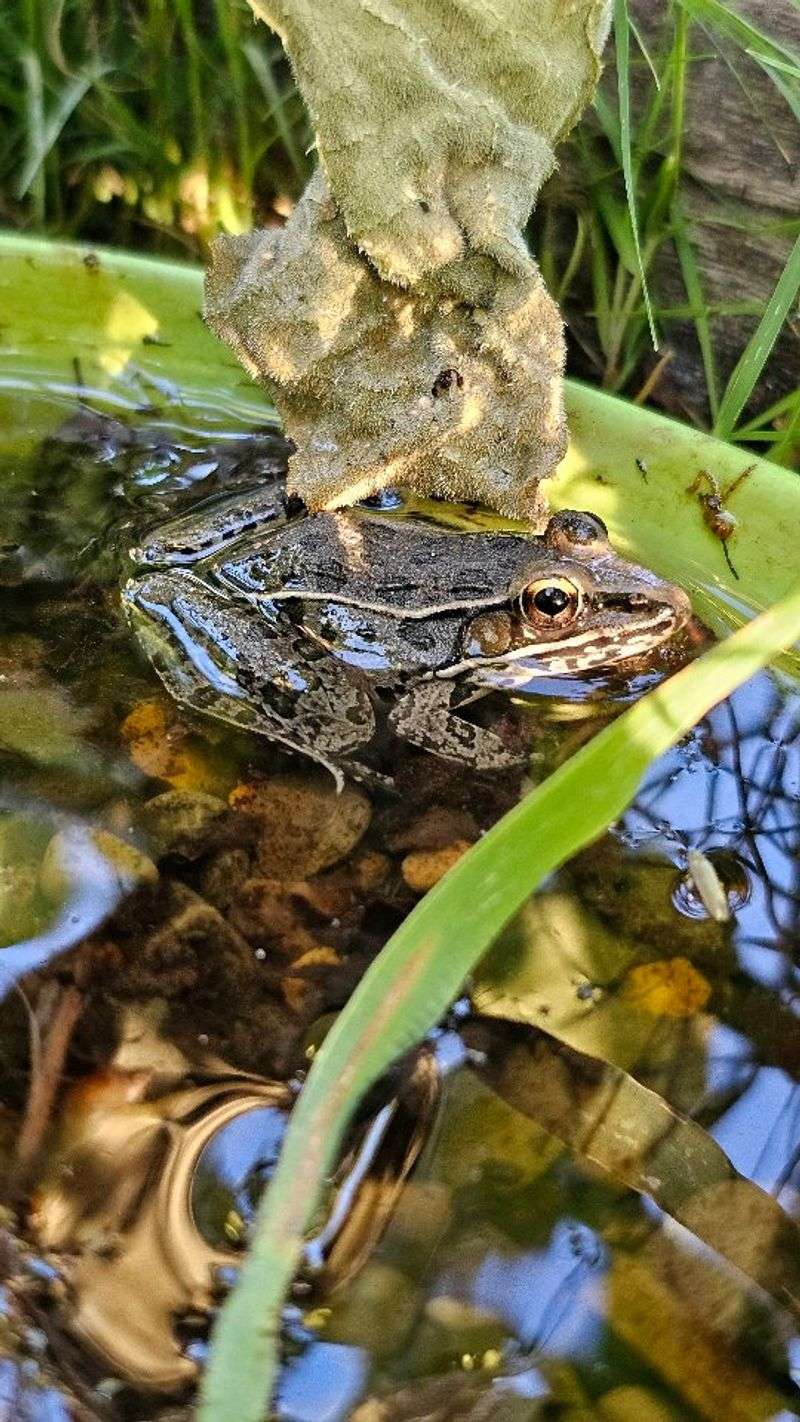
Ever notice how toads seem to appear out of nowhere near your leafiest plants? That is no accident. Thick greenery gives them the perfect place to hide and rest.
Leaves, mulch, and low-growing plants create shady pockets that stay cool and moist. For a toad trying to avoid the sun, that shade is exactly what it needs to stay comfortable all day long.
Cover also keeps them safe. Tucked beneath a broad leaf or buried in mulch, a toad becomes almost invisible to birds and other animals looking for a meal. Blending in with the plants is one of their best defenses.
Leaf litter does double duty. It hides the toad and also attracts the small insects it likes to eat, so a leafy corner becomes both a shelter and a snack station.
Gardeners who spread mulch around their beds are giving toads a real gift. That soft, damp layer holds moisture and offers countless nooks where a toad can settle in and feel protected.
If you want more toads in your yard, resist the urge to clean up every fallen leaf. A little natural mess in the right spots makes your garden far more welcoming to them.
Dense plantings near the edges of your beds work especially well. They form a shady border where toads can rest during the day and slip out to hunt once evening arrives.
By leaving some cover in place, you turn your garden into a friendly hideaway that toads will happily return to again and again.
5. It Does Not Mean They Are Nesting
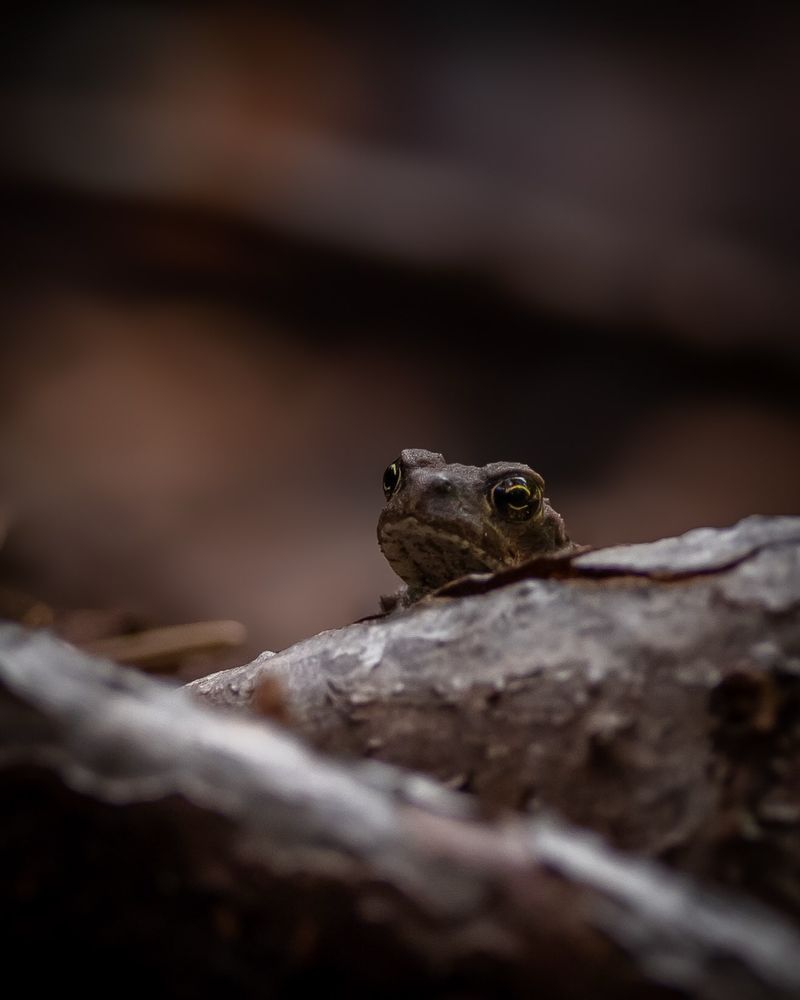
Let’s clear up a common mix-up right away. A toad sitting in your garden bed is almost never building a nest there.
North Carolina toads do not lay their eggs in soil. Instead, they head to water, like ponds, puddles, ditches, or temporary pools that fill up after heavy rain. That is where the next generation actually begins.
Female toads lay long strings of eggs in the water, and those eggs hatch into tadpoles. The little tadpoles swim around until they grow legs and finally hop onto land as young toads.
So when a grown toad hunkers down in your damp garden, it is simply using the spot as a resting place on land. Gardeners call this a terrestrial shelter, which is just a fancy way of saying a home on dry ground rather than in water.
The toad is there to hide, stay cool, and hunt for bugs. It is not guarding eggs or raising babies in your flower bed, so there is no need to worry about a sudden population boom in your soil.
This mix-up happens a lot because people see a toad settled in one spot and assume it is nesting. In truth, it is just a single visitor enjoying the conditions.
Knowing the difference helps you relax. You do not need to move the toad or protect a nest that is not there. Your garden is a comfy rest area for these hoppers, not a nursery for their young.
6. Very Wet Beds May Still Need Attention
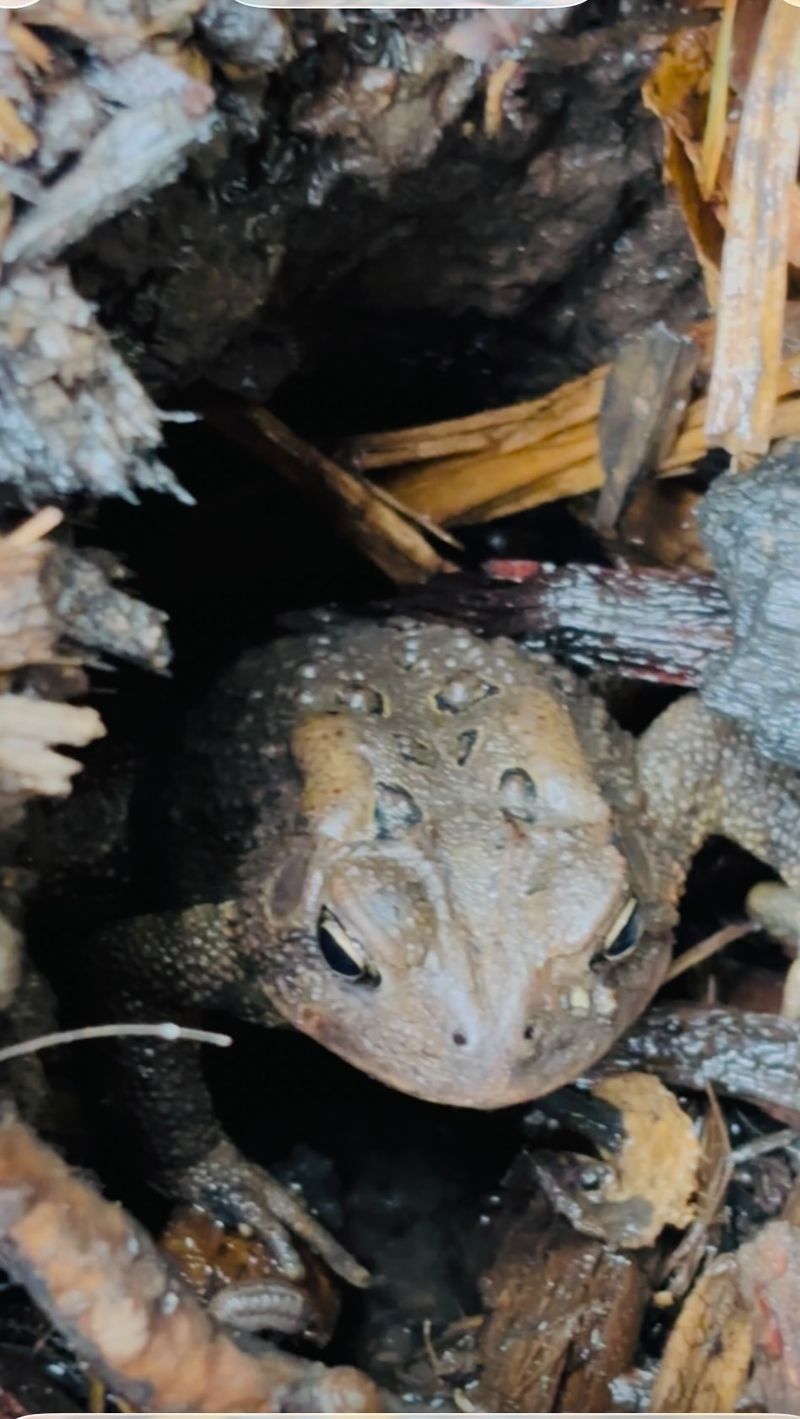
Toads may love soggy soil, but your plants often feel very differently about it. Just because a damp bed pleases your amphibian guests does not mean it is healthy for everything growing there.
Most garden plants dislike sitting in water for too long. Soil that stays soaked can smother roots, since roots need air pockets in the dirt to stay strong and healthy.
When water pools and never drains, roots can start to rot. That leads to droopy leaves, yellowing plants, and weak growth that leaves your garden looking sad instead of lush.
A toad hanging around your wettest bed might actually be a gentle hint. It could mean that spot holds far more water than your plants really want.
Take a moment to check how quickly water drains after you water or after a rain. If puddles linger for hours, your soil may need help moving that extra moisture along.
Adding compost or other organic matter can improve drainage and create a better balance. Raised beds are another smart fix, since they lift roots above soggy ground while still keeping some moisture nearby.
You can keep both your plants and your toads happy at the same time. Aim for soil that stays pleasantly damp but never turns into a swamp.
Watch for signs of trouble like mushy stems or a sour smell in the dirt. Those clues tell you the balance has tipped too far toward wet.
A little attention to drainage keeps your garden thriving while still offering toads the cool, moist corners they enjoy.
7. The Best Response Is Usually To Leave Them Alone
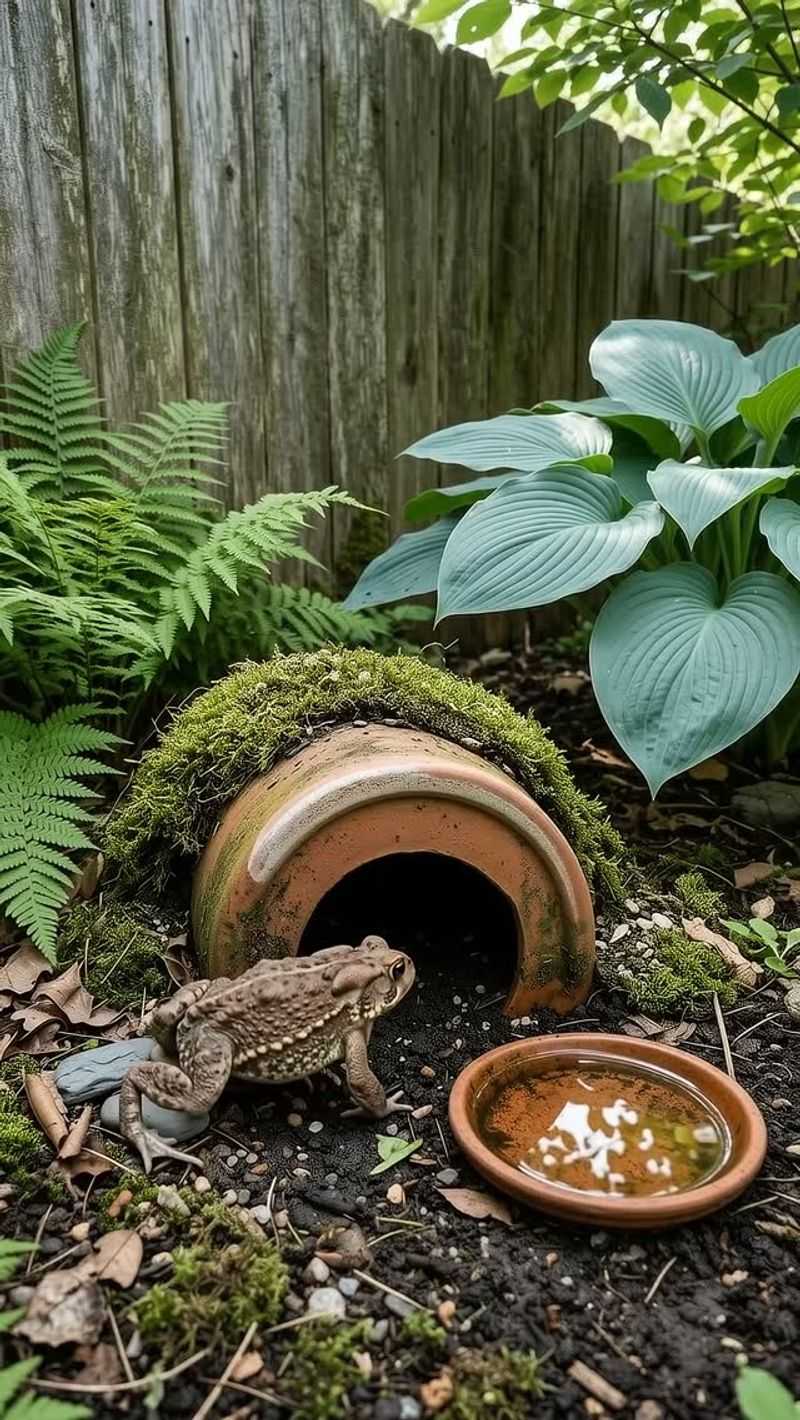
Sometimes the kindest thing you can do is simply nothing at all. When a toad settles into your garden, there is rarely any reason to move it or shoo it away.
These little visitors do not harm your plants. In fact, they spend their nights munching on the very pests that chew holes in your leaves and vegetables, so they earn their keep.
Trying to relocate a toad often does more harm than good. It knows your garden, knows where to hide, and knows where the food is, so letting it stay is the friendlier choice.
One of the best ways to protect these helpers is to go easy on chemical sprays. Pesticides can hurt toads and also wipe out the insects they depend on for meals.
Choosing natural pest control instead keeps your yard safer for amphibians. Toads and other wildlife thrive when the food chain stays healthy and free of harsh chemicals.
Leaving a few shady, undisturbed corners makes a huge difference too. A small pile of leaves, a flat stone, or a shaded patch of mulch gives toads the shelter they crave.
Did you know a single toad can eat thousands of insects over one season? That makes them one of the most useful guests a gardener could ask for.
So next time you spot one nestled in your beds, give it a friendly nod and carry on. By welcoming these hoppers and keeping your garden natural, you build a backyard that supports plants and wildlife alike.