These Are The Low-Maintenance North Carolina Plants That Make A Garden Look Professionally Designed
You know that feeling when you walk past a North Carolina garden and it just looks right? Everything feels intentional, pulled together, and somehow effortless.
Meanwhile your own yard is full of perfectly nice plants that somehow never quite gel into that same polished look.
Here is the thing: that difference almost never comes down to budget or how hard someone worked.
It comes down to plant selection. Gardens that look professionally designed tend to lean on a small number of dependable plants with strong shapes, great texture, and seasonal interest that actually lasts.
In North Carolina, where summers are brutally humid and winters like to keep everyone guessing, tough natives and reliable perennials are genuinely your best design tools.
A few really well-chosen plants can give any yard that intentional, composed look that makes neighbors slow down and stare.
1. Little Bluestem Makes The Planting Feel Intentional
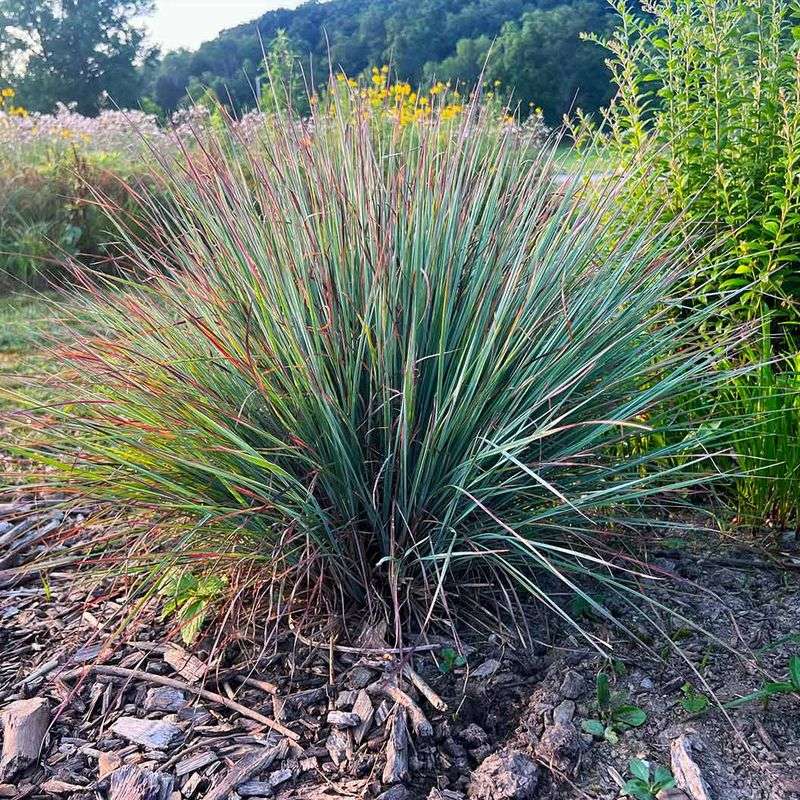
Few plants do more quiet design work in a North Carolina garden than Little Bluestem.
This native grass has a way of tying a planting together without demanding attention, and that understated quality is exactly what makes a border feel considered rather than random.
Its upright, clumping form reads as structure from a distance, while its changing color through the seasons keeps the planting feeling alive and dynamic.
During summer, the foliage holds a distinctive steel-blue tone that contrasts beautifully against green-leaved perennials and darker mulch.
As fall arrives, the blades shift into warm shades of copper, orange, and burgundy that few other plants can match for seasonal drama without any extra effort.
The feathery silver seed heads that follow catch low winter light and add softness to the garden long after most other plants have gone quiet.
In North Carolina landscapes, Little Bluestem performs well in full sun and tolerates dry, lean soils once established, making it a strong candidate for sunny borders, slopes, and naturalistic front-yard plantings.
Drainage matters here, since consistently wet or heavy clay soils can affect its long-term health and upright form.
Spacing plants in drifts or small groupings rather than scattering them individually helps reinforce that intentional, professionally designed quality.
Cutting them back in late winter before new growth emerges keeps the clumps tidy and encourages fresh, vigorous foliage each season.
For gardeners who want structure without constant maintenance, Little Bluestem is a genuinely reliable choice.
2. River Oats Adds Movement Without Fuss
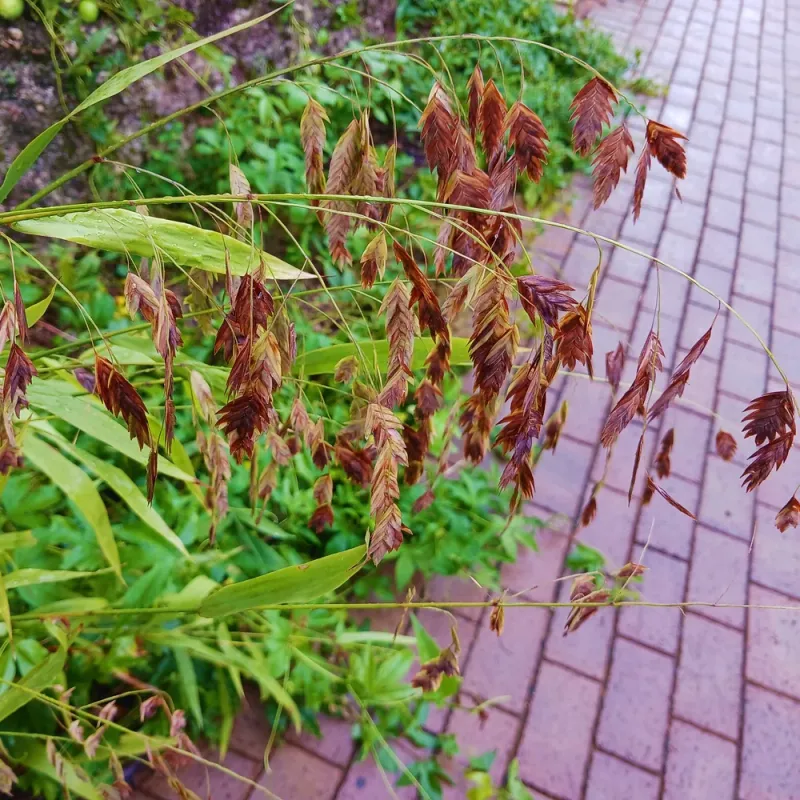
There is something almost theatrical about the way River Oats moves in a breeze.
The flat, paddle-shaped seed heads dangle from arching stems and catch even the lightest wind, creating a constant gentle flutter that brings a garden to life without any intervention from the gardener.
That kind of effortless movement is genuinely difficult to replicate with static plants, and it is one of the reasons River Oats shows up in so many well-composed North Carolina shade gardens.
Native to much of the eastern United States, including North Carolina, this grass thrives in part shade to full shade with moist, well-drained soil, making it a natural fit for woodland borders, shaded foundation beds, and the edges of tree lines.
Your North Carolina Garden Changes Every Week. Your Plan Should Too.
Gardening in North Carolina changes quickly throughout the season. Every Friday you’ll receive a simple weekly plan showing exactly what to plant, prune, fertilize, harvest, and protect so you never miss the right timing.
It handles the humidity and summer heat of North Carolina reasonably well in shadier spots, and its tolerance for lower light levels opens up design opportunities that many ornamental grasses simply cannot fill.
The seed heads emerge green in late summer and gradually shift toward a warm golden tan as fall progresses, extending the plant’s visual interest well into cooler months.
River Oats spreads by both seed and rhizomes, so gardeners should be aware that it can fill in more aggressively than expected in ideal conditions.
Monitoring its spread and editing as needed keeps the planting looking clean and intentional.
Used thoughtfully, though, River Oats delivers consistent texture, graceful movement, and a naturalistic quality that makes shaded gardens feel genuinely designed rather than accidental.
3. Switchgrass Brings Upright Structure That Lasts
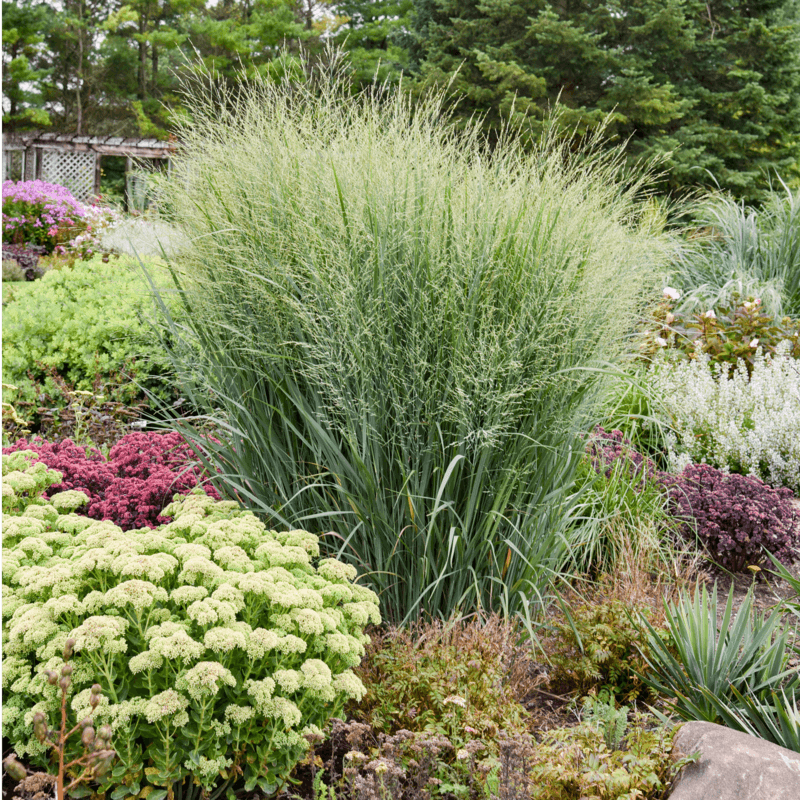
Bold vertical structure is one of the hardest things to maintain in a North Carolina garden through the full arc of the growing season, and Switchgrass handles that job with real dependability.
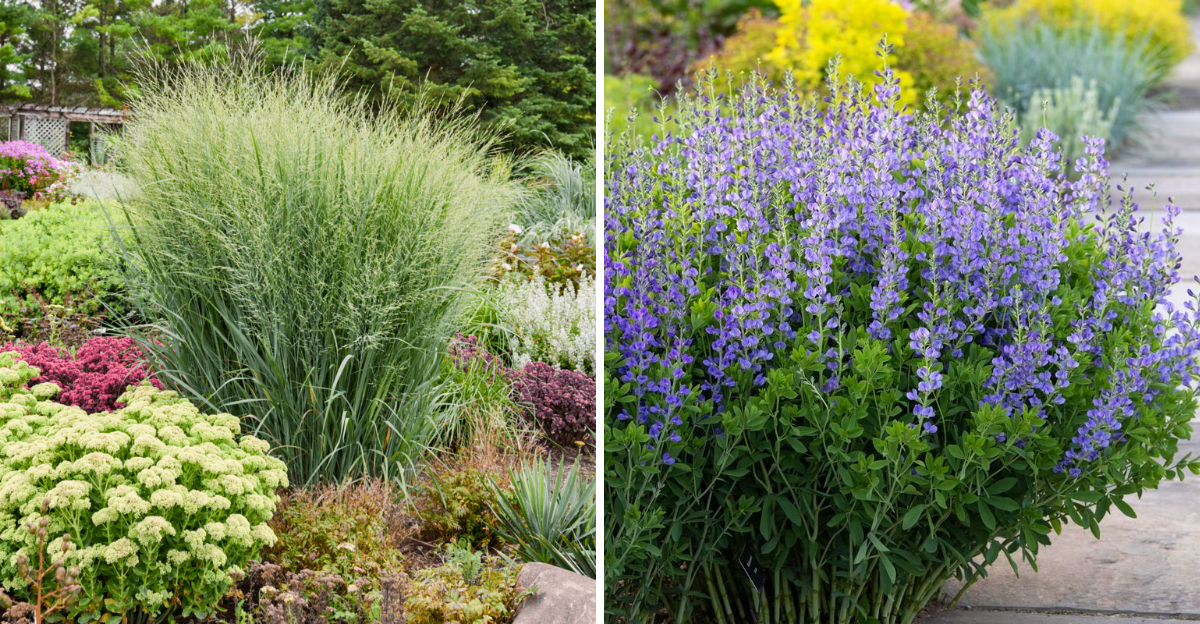
Unlike shrubs that require regular shaping or tall perennials that flop under summer heat and humidity, Switchgrass holds its upright, fountain-like form from spring through winter with very little intervention.
That lasting structure is what makes it such a valuable design anchor in mixed borders and naturalistic plantings.
Several cultivated varieties of Switchgrass are well suited to North Carolina conditions, offering options in height, foliage color, and fall tones ranging from golden yellow to rich red.
The fine-textured, cloud-like seed heads that appear in late summer catch light beautifully and create a sense of airiness that balances heavier-textured plants nearby.
In a border that includes bold-leaved perennials or dense shrubs, Switchgrass provides the visual relief that keeps the composition from feeling heavy or crowded.
Full sun and well-drained soil give Switchgrass its best performance, though it shows reasonable adaptability to a range of soil types common in North Carolina.
Poorly drained or constantly wet sites may cause the clumps to open up and lose their upright character over time, so drainage is worth considering before planting.
Cutting clumps back to a few inches in late winter before new growth begins keeps them looking sharp.
Used in groupings or repeated along a border, Switchgrass creates the kind of rhythm and visual continuity that makes a planting feel professionally composed.
4. Baptisia Gives The Garden A Strong Backbone
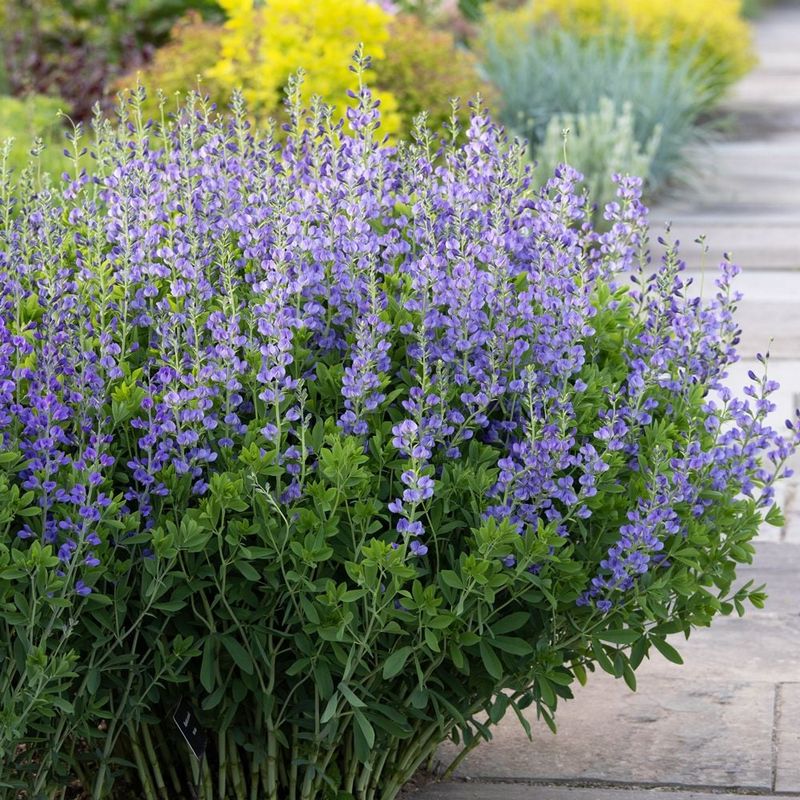
Walk past a mature Baptisia planting in late spring and it is hard not to stop and look.
The tall spikes of deep blue-purple flowers rising above rounded, blue-green foliage create a bold focal point that feels like it belongs in a carefully planned design rather than a casual backyard planting.
What makes Baptisia especially valuable in North Carolina landscapes is that this visual impact comes with very little ongoing effort once the plant is established.
Native to much of the eastern United States, Baptisia australis is well adapted to North Carolina conditions and brings more than just spring flowers to the table.
Its substantial, mounded foliage holds its shape through summer and functions almost like a small shrub, filling space and suppressing weeds while adding a consistent blue-green texture to the border.
The inflated seed pods that develop after flowering add another layer of interest as they darken and rattle in the breeze through fall and winter.
Baptisia is notably slow to establish and may take a few seasons to reach its full, impressive size, so patience is genuinely worthwhile here.
It develops a deep root system that makes it quite drought tolerant once settled, which is a practical advantage during summer dry spells.
Full sun to light shade and well-drained soil tend to give the best results, though soil type can vary. Because it resents disturbance, choosing the right location from the start and leaving it undisturbed pays off considerably over the long run.
5. Dense Blazing Star Adds Vertical Drama Easily
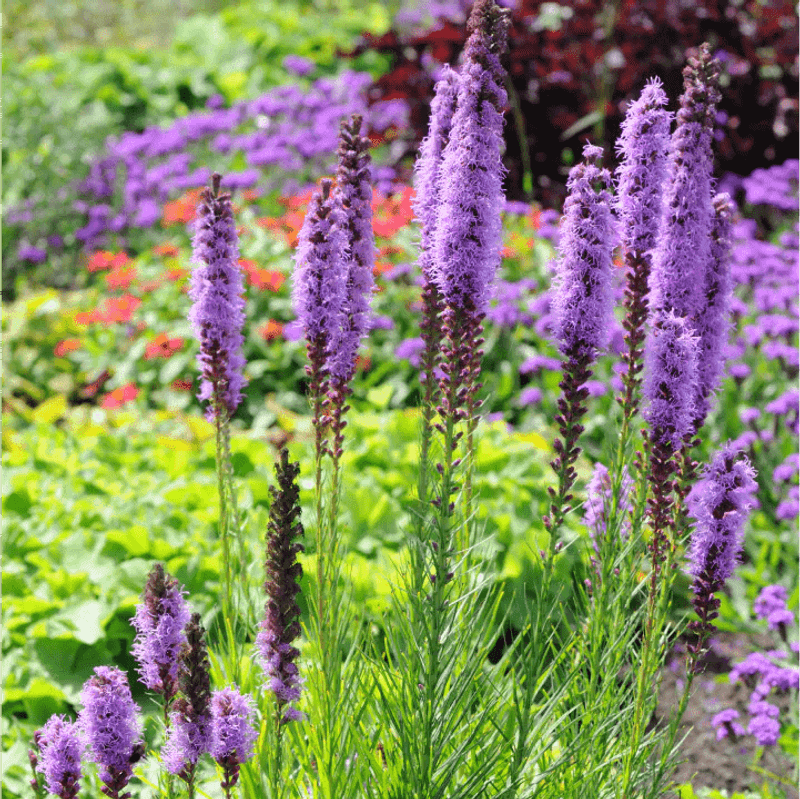
Vertical accents are essential in any planting that wants to feel professionally composed, and Dense Blazing Star delivers that drama in a way that is surprisingly simple to pull off.
The tall, narrow flower spikes rise sharply above the surrounding foliage in midsummer, creating strong upward lines that draw the eye and add height contrast to low or mounded plants nearby.
In North Carolina gardens that can sometimes feel flat or undifferentiated in the heat of summer, that vertical punch is genuinely valuable.
One of the most distinctive things about Blazing Star is the way it blooms from the top of the spike downward, which is the opposite of most flowering plants.
This unusual habit keeps the display looking fresh and interesting over several weeks rather than peaking all at once and fading quickly.
The rosy purple color works well with warm-toned grasses like Little Bluestem and with the cooler blue tones of Baptisia, making it a natural companion in mixed North Carolina perennial borders.
Dense Blazing Star is native to North Carolina and grows from a corm, giving it solid drought tolerance once established in well-drained soil with adequate sun. Poorly drained soils are worth avoiding, as standing water can cause the corms to rot over winter.
Pollinators, including native bees and monarch butterflies, are strongly attracted to the blooms, adding another layer of life and movement to the garden during the peak of summer.
Planting in groupings rather than single specimens tends to create a more confident, designed appearance in the landscape.
6. Sweet Fern Ties The Planting Together Softly
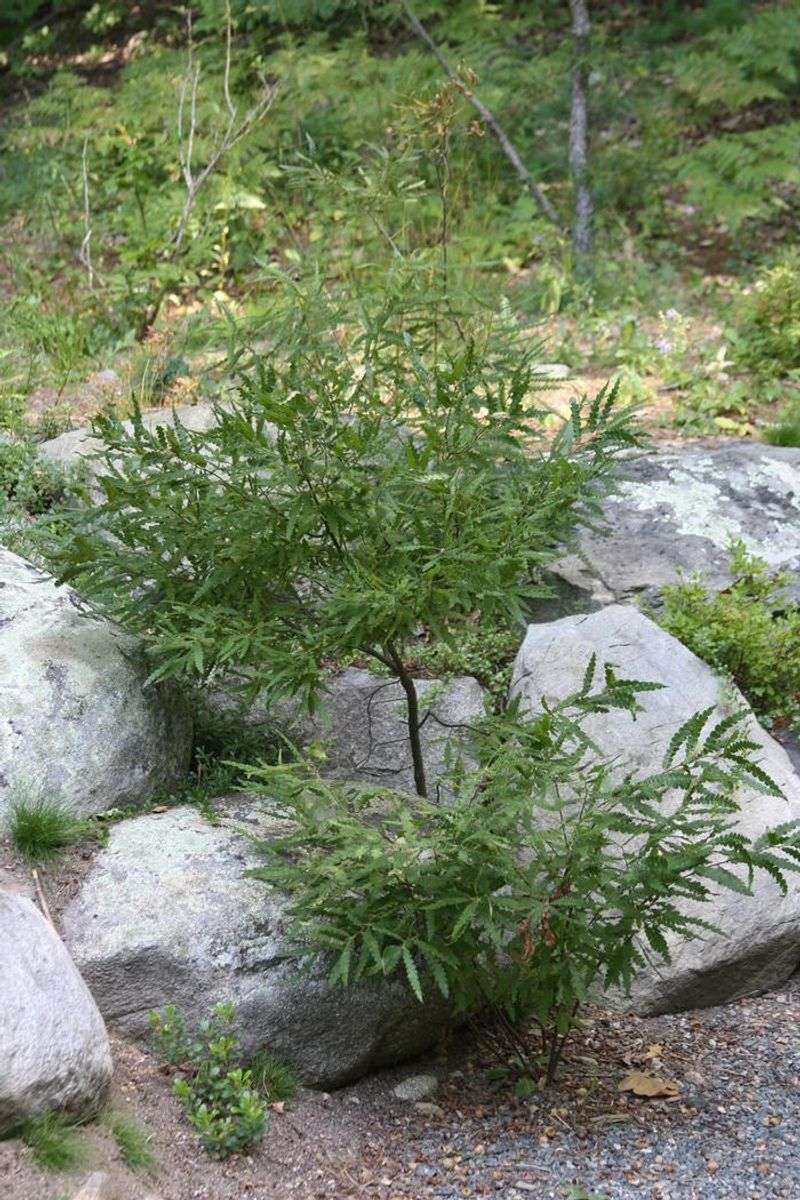
Not every plant in a well-designed garden needs to shout. Sweet Fern plays a quieter role, but it is the kind of role that holds a planting together and gives it a sense of cohesion that more dramatic plants alone cannot provide.
Its deeply cut, aromatic leaves have a fern-like texture that reads as fine and delicate from a distance, creating a soft visual layer that bridges the gap between upright grasses and bold-leaved perennials in a North Carolina planting.
Sweet Fern is actually a low-growing, spreading shrub rather than a true fern, and it spreads gradually by root suckers to form loose, naturalistic colonies over time.
That spreading habit can work beautifully in the right setting, filling in slopes, dry edges, and sandy or lean-soil areas where other plants may struggle.
North Carolina’s Piedmont and coastal plain regions, where sandy or rocky soils are common, can be well suited to Sweet Fern’s preferences for sharp drainage and full to part sun.
The aromatic quality of the foliage is one of its most memorable characteristics. Brushing against the leaves releases a pleasant, resinous fragrance that adds a sensory dimension to the garden that purely visual plants cannot offer.
Sweet Fern fixes nitrogen in the soil through a symbiotic relationship with soil microbes, which can gradually benefit neighboring plants in lean conditions.
Its low profile, spreading form, and fine texture make it a natural unifying element in native North Carolina plantings where a softer, more grounded edge is needed to complete the composition.