8 North Carolina Perennials To Divide In September
September in North Carolina brings a gentle shift in the air, where mornings feel crisp and afternoons still hold summer’s warmth. Gardeners can practically smell the change coming. This stretch of early fall is a quiet gift for anyone who loves working the soil.
The ground stays warm while the harsh heat starts to fade. Splitting up crowded plants right now helps them settle their roots before winter arrives. It also means more flowers spread across your yard next spring.
Grab your garden fork and gloves, because your beds are about to get a refresh. Here are eight favorites worth dividing this month.
1. Hostas
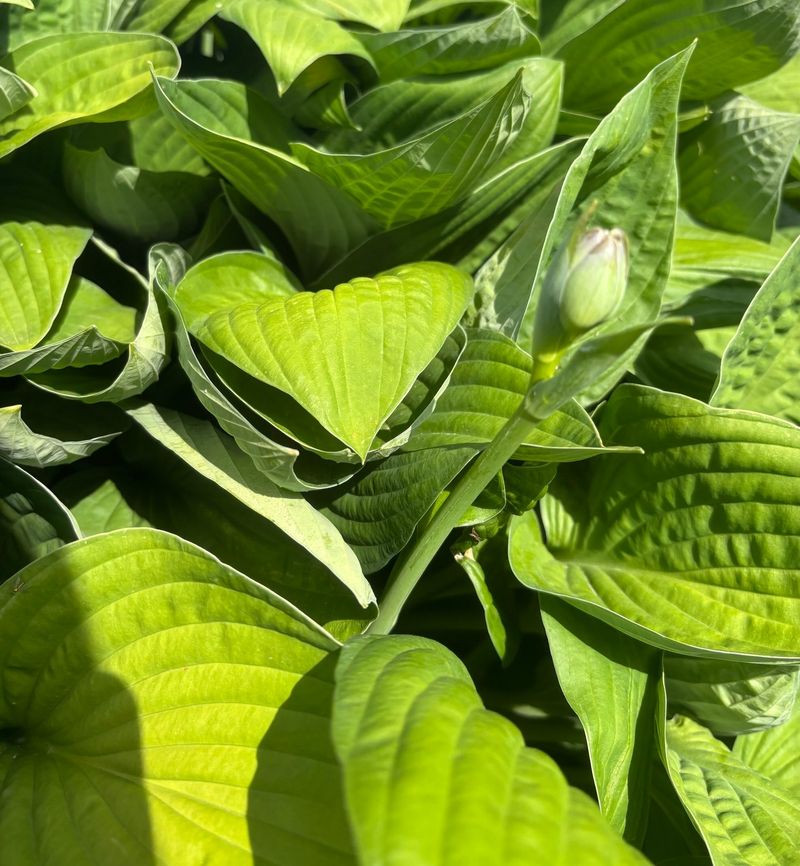
Shade lovers rejoice, because hostas practically beg to be split when their clumps start crowding each other. These leafy champions thrive in the dappled light under North Carolina’s oaks and pines.
By September, the soil still holds enough warmth to help roots take hold before the first frost. Cooler air also means less stress on the plant, so it bounces back faster than it would in the heat of July.
Start by digging a wide circle around the clump and lifting the whole root ball out of the ground. You can shake off loose soil to see where natural divisions form between the crowns.
Use a sharp spade or even a clean knife to cut the clump into sections, making sure each piece has healthy roots and a few leaves. Smaller divisions establish nicely, so do not feel you must keep every chunk huge.
Replant right away at the same depth they were growing before, and water them well. A layer of mulch helps lock in moisture during those warm early autumn days.
Hostas reward patience with fuller mounds and more of those tall flower spikes that hummingbirds adore. Slugs can be a nuisance in our humid climate, so keep an eye out and clear away debris where they hide.
Fun bit of trivia: hostas originally came from Asia and were once grown mostly for their blooms rather than their striking foliage. Today, gardeners across the state prize them for those bold, textured leaves.
2. Daylilies
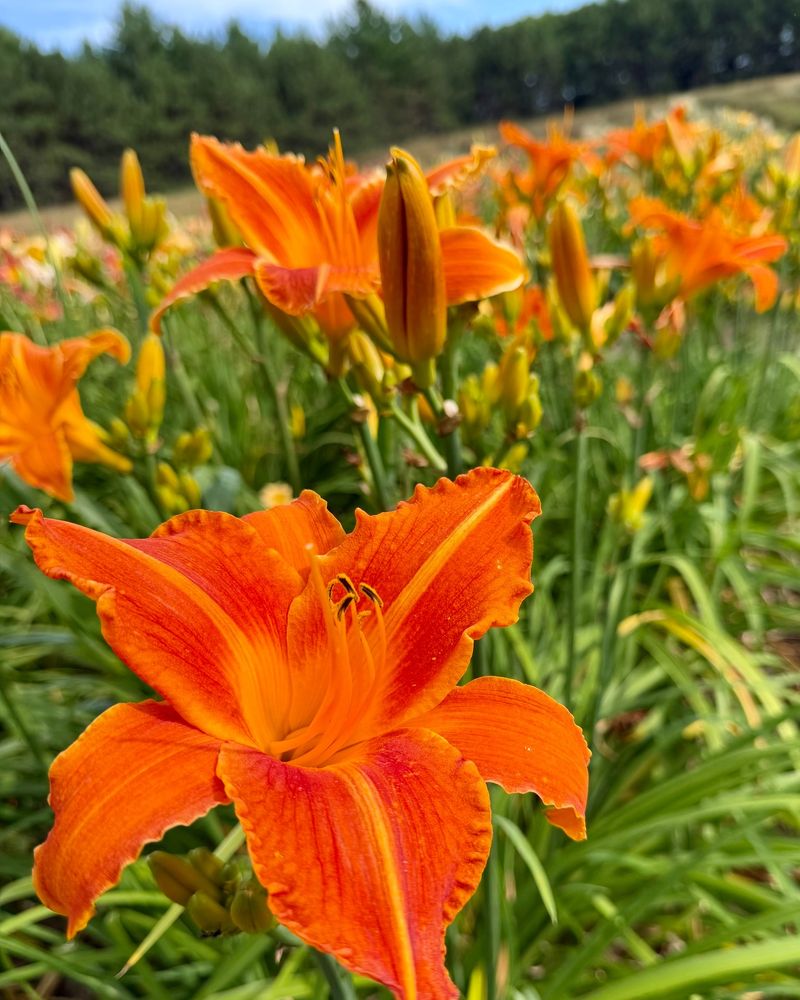
Tough as nails and cheerful as sunshine, daylilies are among the easiest perennials to multiply in a Carolina yard. Their trumpet blooms may last just a single day, but the plant keeps pushing out new ones for weeks.
After several seasons, the clumps grow so dense that flowering slows down. September offers the perfect window to fix that crowding while the weather cooperates.
Dig up the entire clump using a spading fork, working around the outer edge to lift the mass of tuberous roots. You might be surprised how heavy and tangled these get after a few years.
Pull or cut the clump into fans, with each division holding a few leaves and a portion of roots. Trim the foliage back to about six inches so the plant can focus energy on rooting instead of leaves.
Space the new divisions about eighteen inches apart in soil that drains well and gets plenty of sun. Water them thoroughly and keep the ground evenly moist for the first couple of weeks.
Your North Carolina Garden Changes Every Week. Your Plan Should Too.
Gardening in North Carolina changes quickly throughout the season. Every Friday you’ll receive a simple weekly plan showing exactly what to plant, prune, fertilize, harvest, and protect so you never miss the right timing.
These plants shrug off our clay soils and summer humidity better than most, which makes them a smart pick for beginners. Deer sometimes nibble the buds, so you may want a repellent if they wander through.
Here is something neat: daylilies are not true lilies at all, and their scientific name Hemerocallis means beauty for a day. Many varieties are edible too, though it is wise to know exactly which type you have first.
3. Bearded Iris
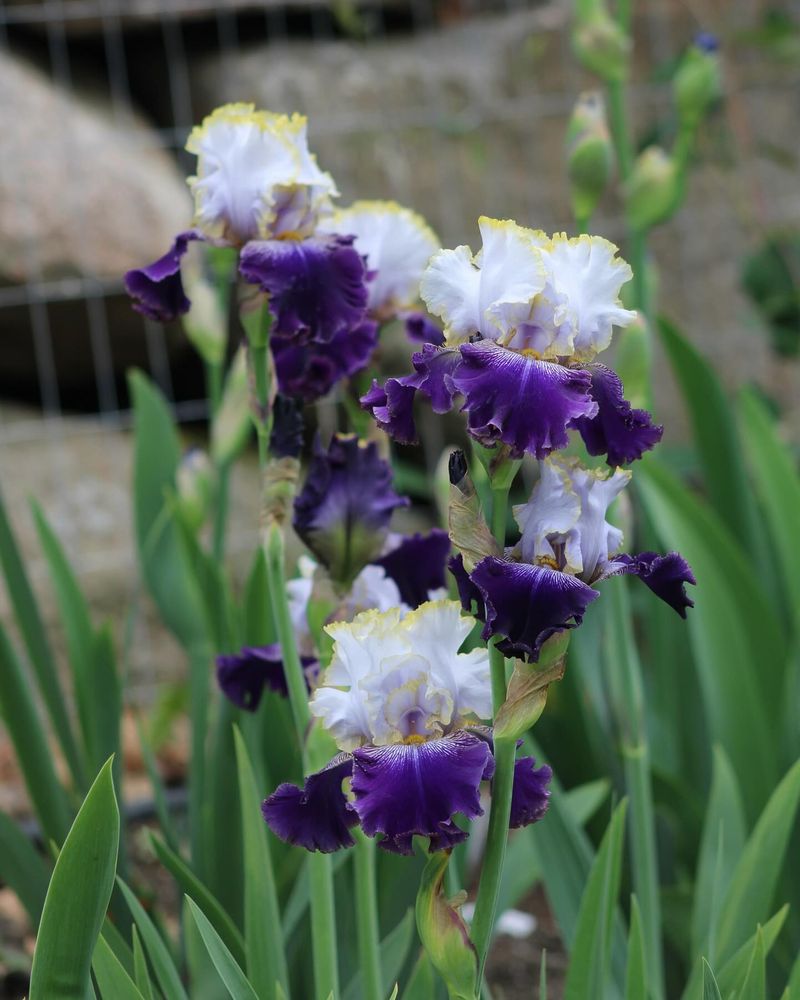
Few flowers command attention like the ruffled, velvety blooms of bearded iris standing tall in a spring border. To keep that show going strong, these beauties need a little elbow room every few years.
Their thick, knobby rhizomes creep along the soil surface and eventually pile up on each other. When the center of a clump stops blooming, that is your signal to step in.
September works well in North Carolina because the roots have time to settle before cold weather arrives. Lift the whole clump with a fork and gently brush away the dirt.
Snap or cut the rhizomes apart, keeping firm sections about the length of your finger with a fan of leaves attached. Toss any soft, mushy, or hollow pieces since those will not perform.
Trim the leaves into a fan shape about six inches tall to reduce wind rocking. Replant so the top of each rhizome sits just at the soil surface, since burying them too deep prevents flowering.
Choose a spot with full sun and soil that drains freely, because standing water invites trouble in our humid summers. Space the divisions a foot or so apart to allow for future spreading.
A curious tidbit: the iris was named after the Greek goddess of the rainbow, a nod to its many colors. Gardeners have treasured these flowers for centuries, and the fleur-de-lis symbol is based on their graceful shape.
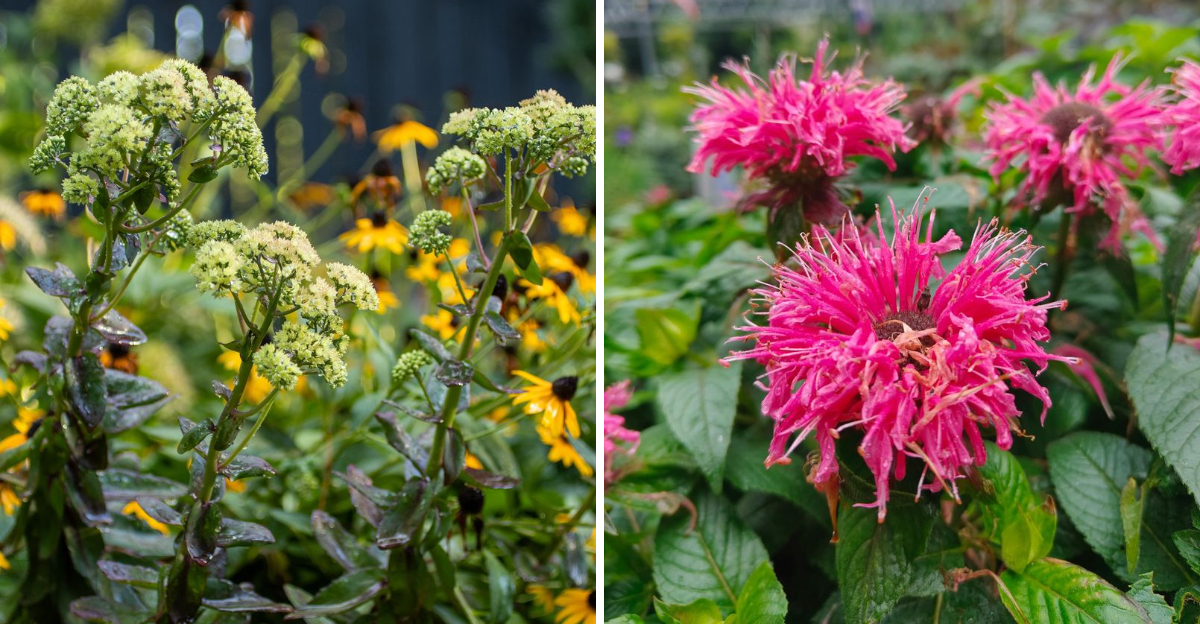
4. Black-Eyed Susan
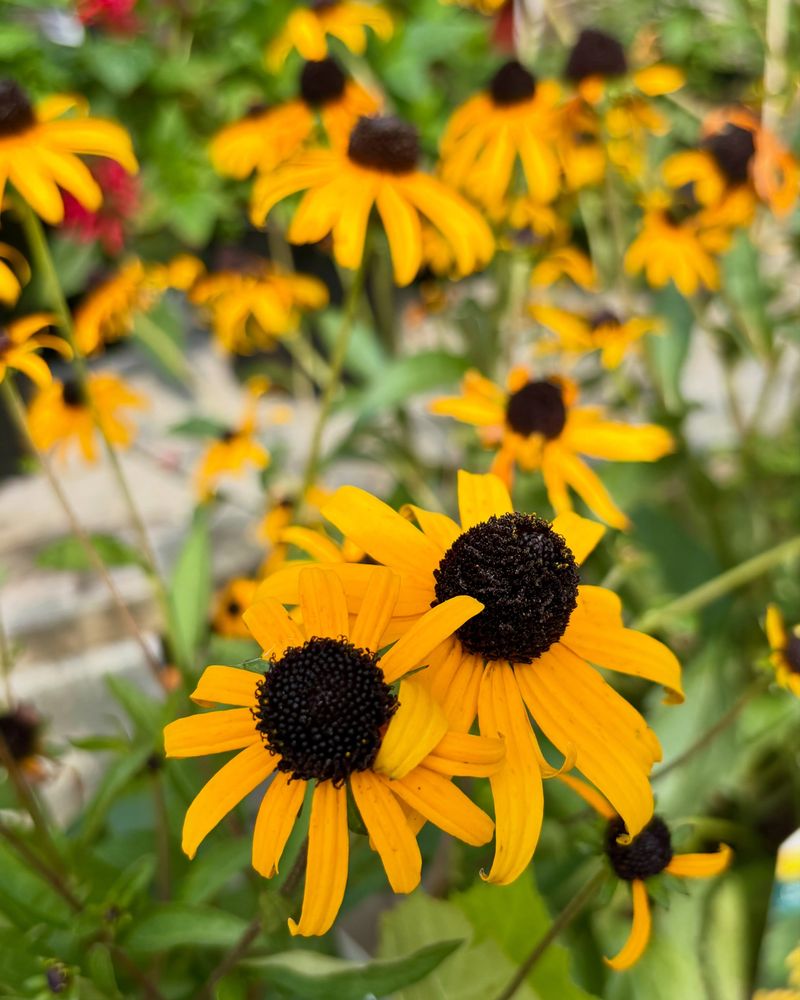
Golden petals circling a dark chocolate center make black-eyed Susans a beloved sight along Carolina roadsides and in home gardens. Pollinators flock to them, and they ask for very little in return.
Over time, a happy patch spreads outward and the middle can thin out. Splitting the clumps refreshes the planting and gives you free plants to share with neighbors.
Wait until the main flush of flowers fades, then dig up the clump with a sturdy fork. The fibrous roots come apart more easily than the thick tubers of some other perennials.
Separate the clump into several sections by hand or with a spade, making sure each piece has roots and a bit of top growth. Even smaller divisions tend to take hold quickly in warm September soil.
Replant in a sunny spot with average, well-drained ground, spacing them about a foot and a half apart. Water them in and add a light layer of mulch to hold moisture.
These natives handle heat, humidity, and even a bit of drought once established, which suits our unpredictable weather. They also self-seed, so you may find surprise seedlings popping up nearby.
A little history for you: black-eyed Susan is the state flower of Maryland, but it grows wild across much of the eastern United States, including North Carolina. Leaving some seed heads through winter feeds goldfinches and other hungry birds when food gets scarce.
5. Coneflowers
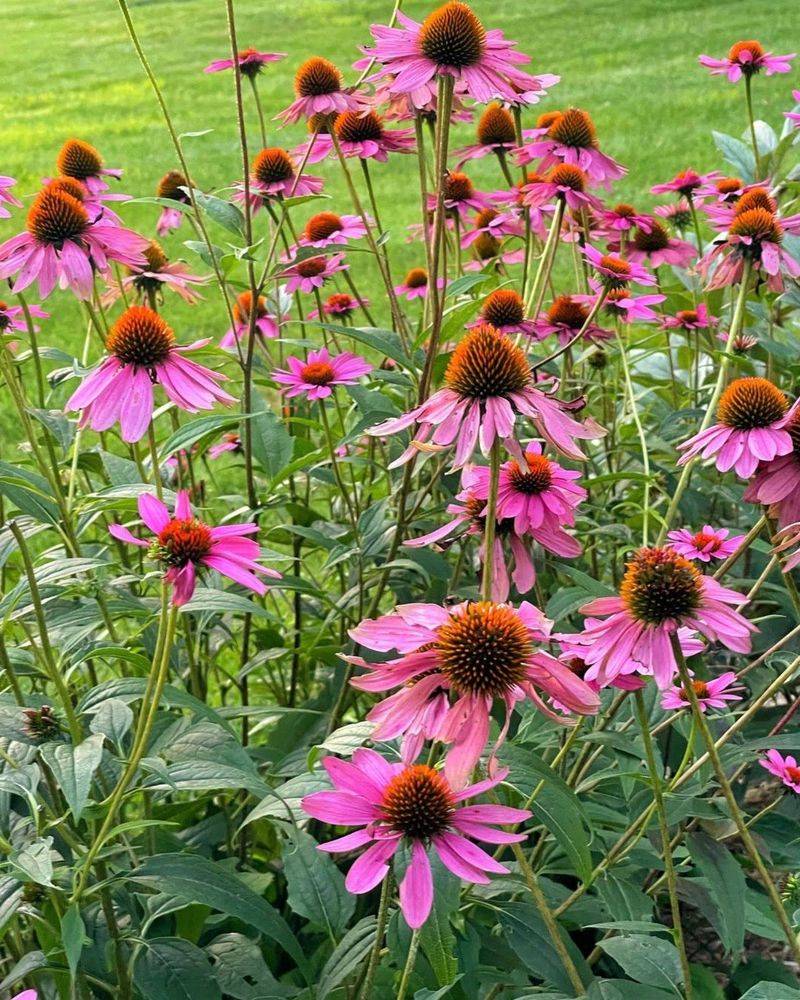
With their daisy-like petals and spiky orange centers, purple coneflowers are butterfly magnets that earn their keep all summer long. Native to the prairies and plains, they feel right at home in Carolina sunshine.
After three or four years, the clumps grow woody in the middle and bloom less freely. Dividing them in early fall gives the roots a chance to knit into the soil before winter.
Dig around the base and lift the plant, being careful with the deep taproot that older coneflowers develop. Younger clumps split more easily, so try not to let them get too established.
Use a sharp spade to cut the crown into two or three chunks, each with roots and buds. Replant them at the original depth in a sunny, well-drained bed.
Give the divisions a good soaking and keep the soil lightly moist while new roots form. Once settled, these plants tolerate dry spells and shrug off our sticky summer humidity.
Leaving the seed heads standing through fall provides a buffet for finches and adds winter interest to your garden. The dried cones look lovely dusted with frost on a chilly morning.
Here is a fun fact worth knowing: coneflowers belong to the genus Echinacea, and the name comes from a Greek word meaning hedgehog, thanks to those prickly centers.
Many folks brew the roots and flowers into herbal teas, a tradition passed down from Native American healers.
6. Shasta Daisy
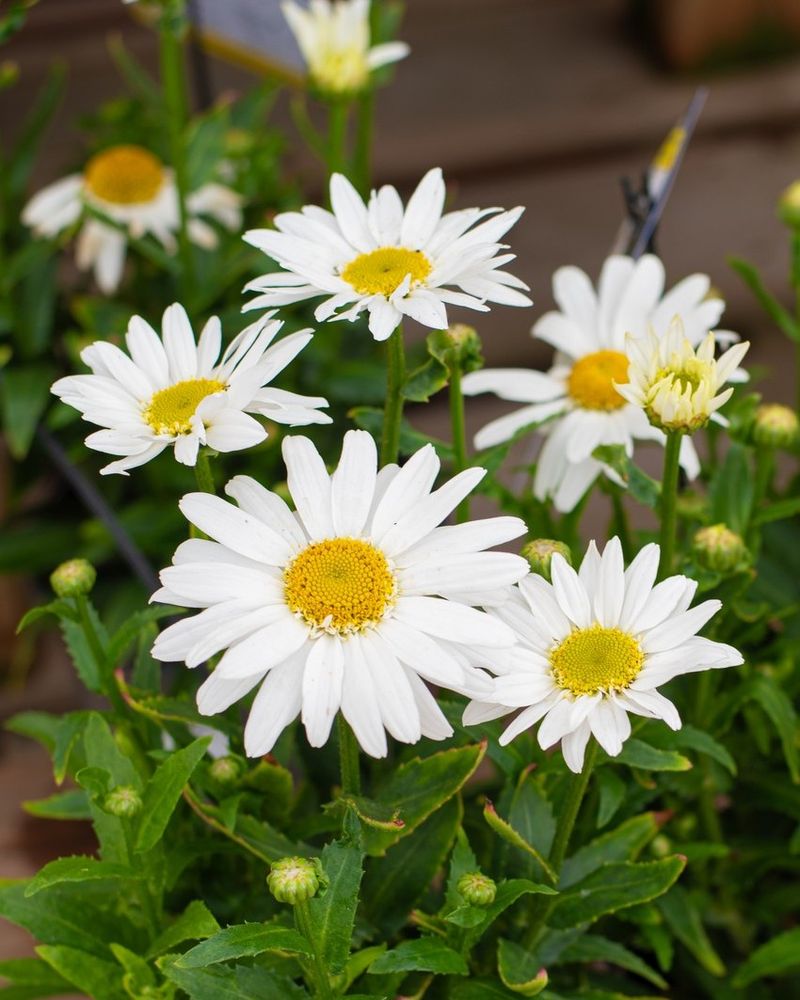
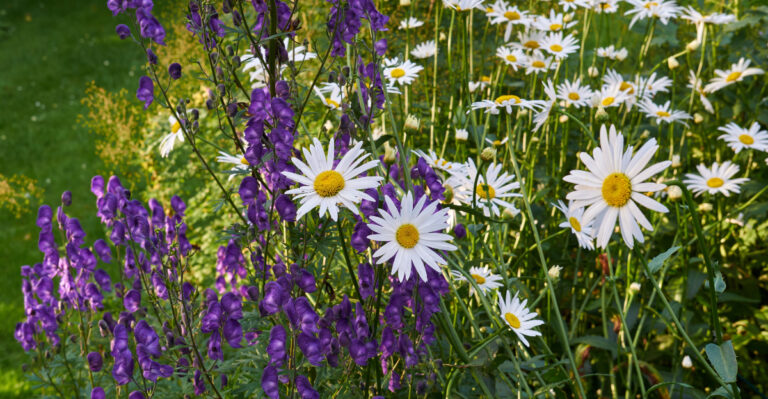
Crisp white petals around a sunny yellow button give Shasta daisies a classic, timeless charm that never seems to go out of style. They brighten borders and make wonderful cut flowers for the kitchen table.
These cheerful bloomers grow fast and can crowd themselves out within a couple of seasons. When you notice the centers looking bare or the flowers shrinking, it is time for a split.
Lift the clump carefully with a garden fork after the blooming slows in late summer. Shake off the soil so you can see the many small crowns clustered together.
Pull the clump apart into fist-sized sections, discarding any tired or hollow centers from the middle. Each new piece should have healthy roots and a few green shoots.
Replant the divisions in full sun with soil that drains well, spacing them about a foot apart. Water them thoroughly and mulch lightly to help them settle through the cooling weeks ahead.
Dividing every two or three years keeps Shasta daisies vigorous and loaded with blooms. Deadheading spent flowers during the growing season also encourages more buds to open.
A quick story behind the name: plant breeder Luther Burbank created the Shasta daisy in the late 1800s and named it after the snow on Mount Shasta in California.
That bright white color really does call to mind fresh mountain snow. These daisies pair beautifully with black-eyed Susans and coneflowers for a lively cottage-garden feel.
7. Sedum (Stonecrop)
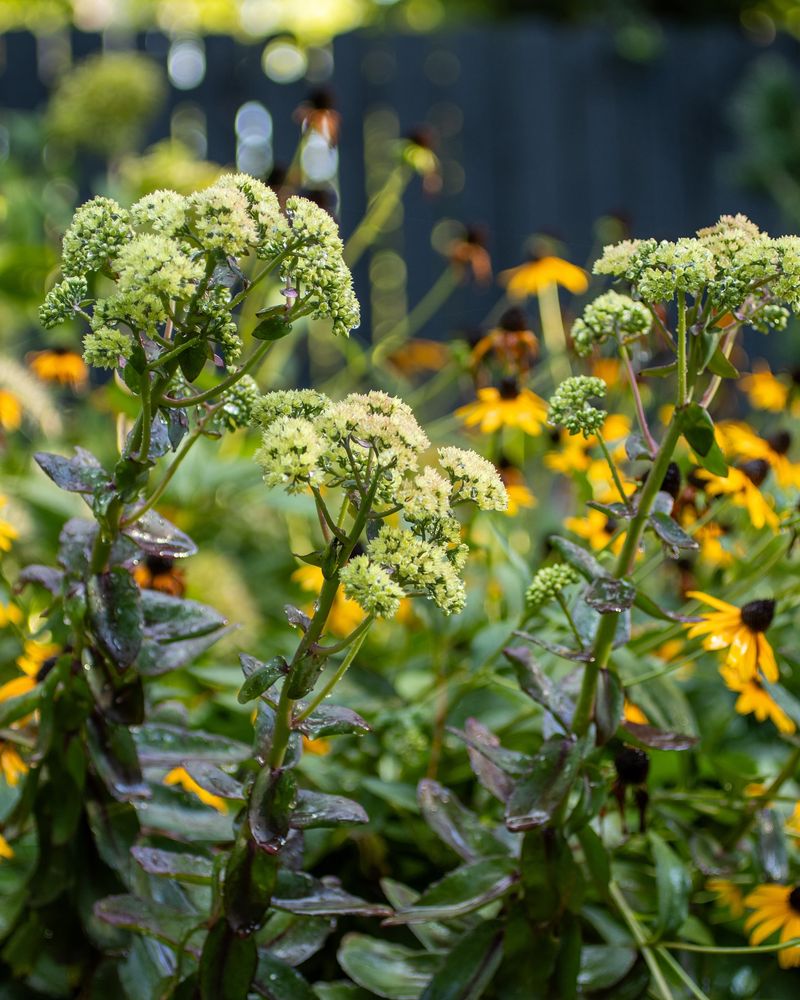
Chunky, succulent leaves and dome-shaped flower heads make sedum a standout that keeps looking good right into fall. The upright varieties like Autumn Joy turn heads when their blooms shift from pink to rusty red.
As clumps mature, the stems can flop open in the middle, leaving a gap that looks a bit messy. Dividing solves that sprawl and gives you extra plants for other beds.
Dig up the clump with a fork and lift the whole thing, roots and all, from the ground. The roots are shallow and fibrous, so this job goes quicker than you might expect.
Slice the clump into several sections with a spade, each holding roots and a handful of stems. Replant them at the same depth in a sunny spot with soil that drains freely.
These plants store water in their fleshy leaves, so they handle dry stretches with ease and dislike soggy feet. Water sparingly after replanting and skip the heavy mulch, which can trap too much moisture.
Bees and butterflies swarm the late-season flowers, making sedum a valuable food source when other blooms fade. The seed heads stand up through winter and catch frost in pretty ways.
Something interesting to remember: sedum belongs to a large family of succulents once used as roof plants in parts of Europe, which is where the nickname stonecrop comes from.
Their toughness makes them a low-fuss choice for busy North Carolina gardeners who still want fall color.
8. Bee Balm
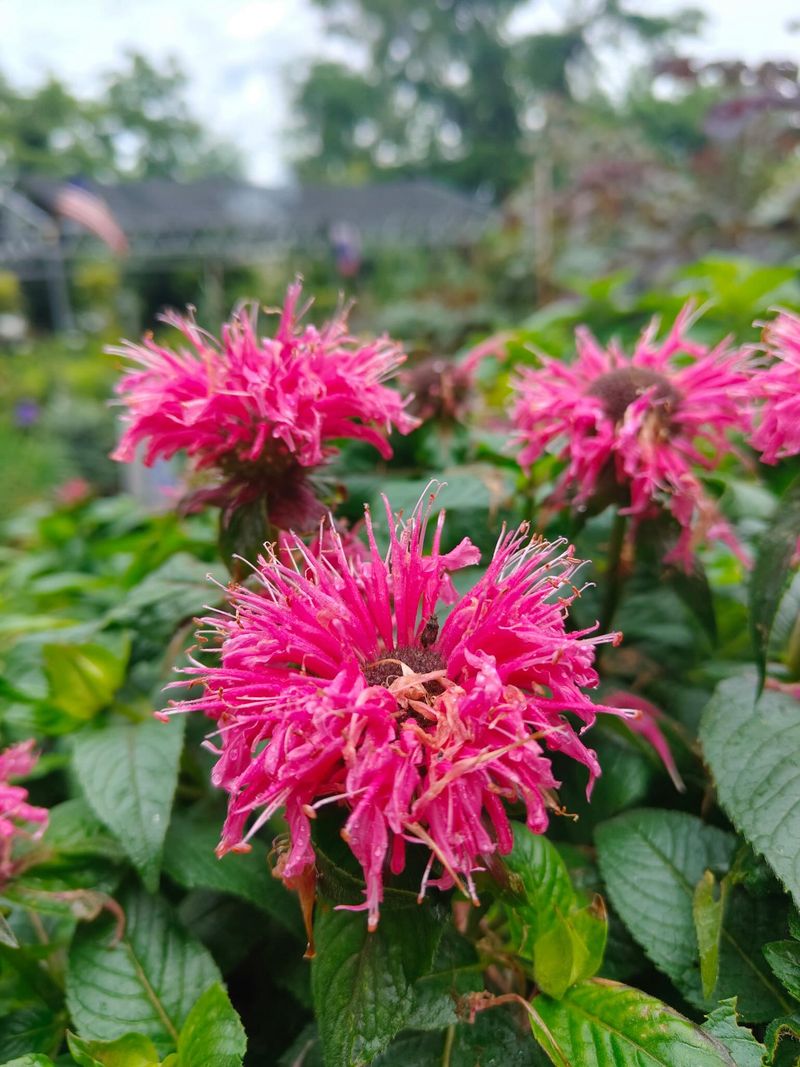
Shaggy, firework-shaped blooms in red, pink, and purple give bee balm a wild, playful look that hummingbirds simply cannot resist. Brush against the leaves and you will catch a minty, herbal scent that lingers on your fingers.
This member of the mint family spreads eagerly by underground runners, so clumps expand fast. Splitting them every couple of years keeps the patch tidy and boosts flowering.
September is a friendly time to divide, since the roots settle well while the soil stays warm. Lift the clump with a fork and you will notice how the outer growth is the healthiest part.
Keep the vigorous edges and set aside the woody center, which tends to slow down. Break the outer ring into sections, each with roots and shoots, then replant right away.
Choose a spot with full sun to light shade and moist, rich soil for the best results. Good air flow matters here, because bee balm can pick up powdery mildew in our humid climate.
Space the divisions about a foot and a half apart to let breezes move between the plants. Water them in and add a bit of mulch to hold moisture through the warm days ahead.
Worth knowing: bee balm is also called Monarda, and early American colonists brewed its leaves into a tea, especially after the Boston Tea Party. Native to North America, it supports pollinators and adds a burst of color that carries a garden into late summer.