The Native North Carolina Perennial That Feeds Migrating Monarchs Into Fall

Monarch butterflies rely on a very specific window of available nectar as they make their long journey south each year, and most North Carolina gardens run out of options well before that migration actually finishes.
Most people assume their garden’s usefulness to monarchs ends once typical summer blooms fade away in early fall.
But blue mistflower keeps blooming right through this critical stretch, offering exactly what migrating monarchs need when so many other nectar sources have already disappeared.
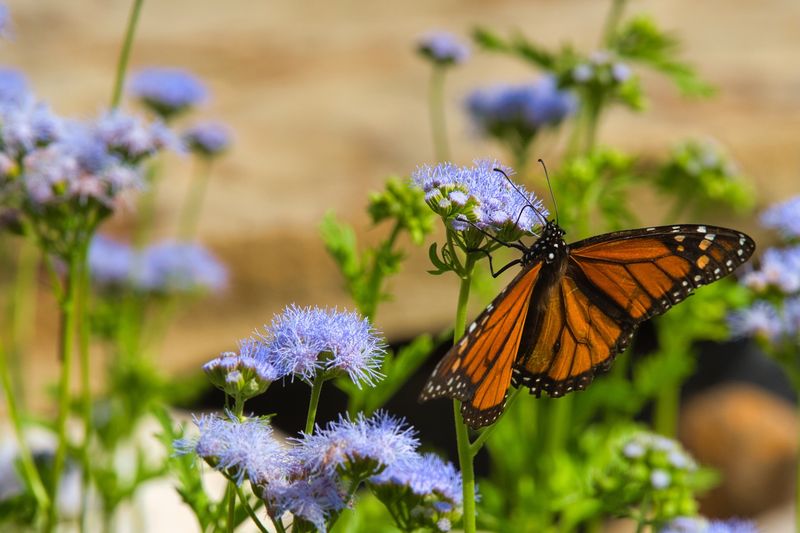
Its clusters of soft blue, fuzzy looking flowers seem almost custom built to catch a monarch’s attention against the fading colors of a late season garden.
Many gardeners have never considered how much of a difference a single well timed plant can make for migrating wildlife passing through. Once you know what to add to your garden, you could become an essential stop along their journey south.
This plant could turn your yard into exactly the kind of support monarchs are searching for every fall.
1. Blue Mistflower Blooms When Monarchs Need Nectar
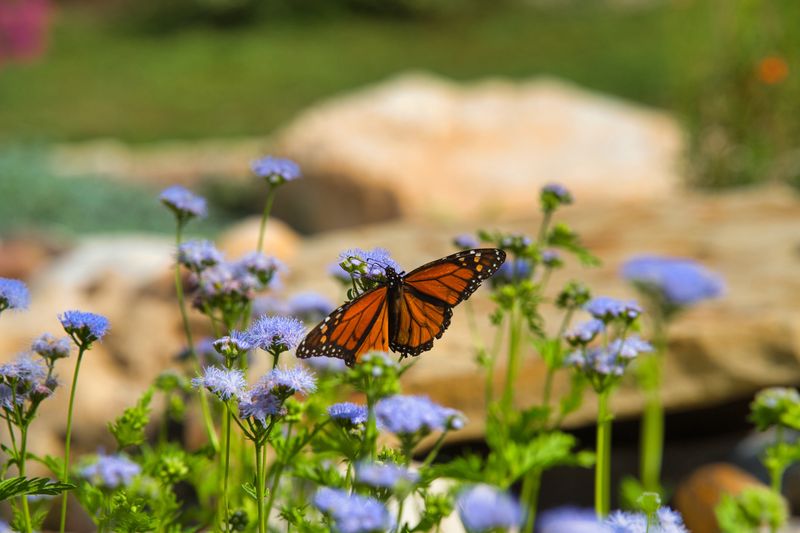
Timing is everything in nature, and blue mistflower has it figured out. While spring flowers have long finished their show, this plant waits until late summer to open its soft, fuzzy blooms. That schedule matches the exact moment monarch butterflies start moving south.
The flowers cluster together in shades of blue and purple, forming little landing pads packed with nectar. When monarchs flutter through, they find a ready supply of food waiting for them. Few plants offer such a reliable feast this late in the season.
What makes it even better is how generous the plant is. Each cluster holds many tiny flowers, so butterflies can sip from one spot for a long time without hopping around. That saves them energy, which matters a great deal during migration.
Gardeners in North Carolina love this natural teamwork. By planting blue mistflower, you give traveling monarchs a rest stop right in your backyard. You also get weeks of gentle color when other beds look tired and plain.
Bees, skippers, and other pollinators show up too, turning your garden into a busy hangout. The steady buzz and flutter make the whole space feel alive and cheerful.
If you want to help wildlife with almost no effort, this is one of the smartest picks around. Plant it once, and it returns each year with perfect timing. Nature and gardener working together, all thanks to one humble native flower that knows exactly when to shine.
2. Its Flowers Can Continue Until Frost
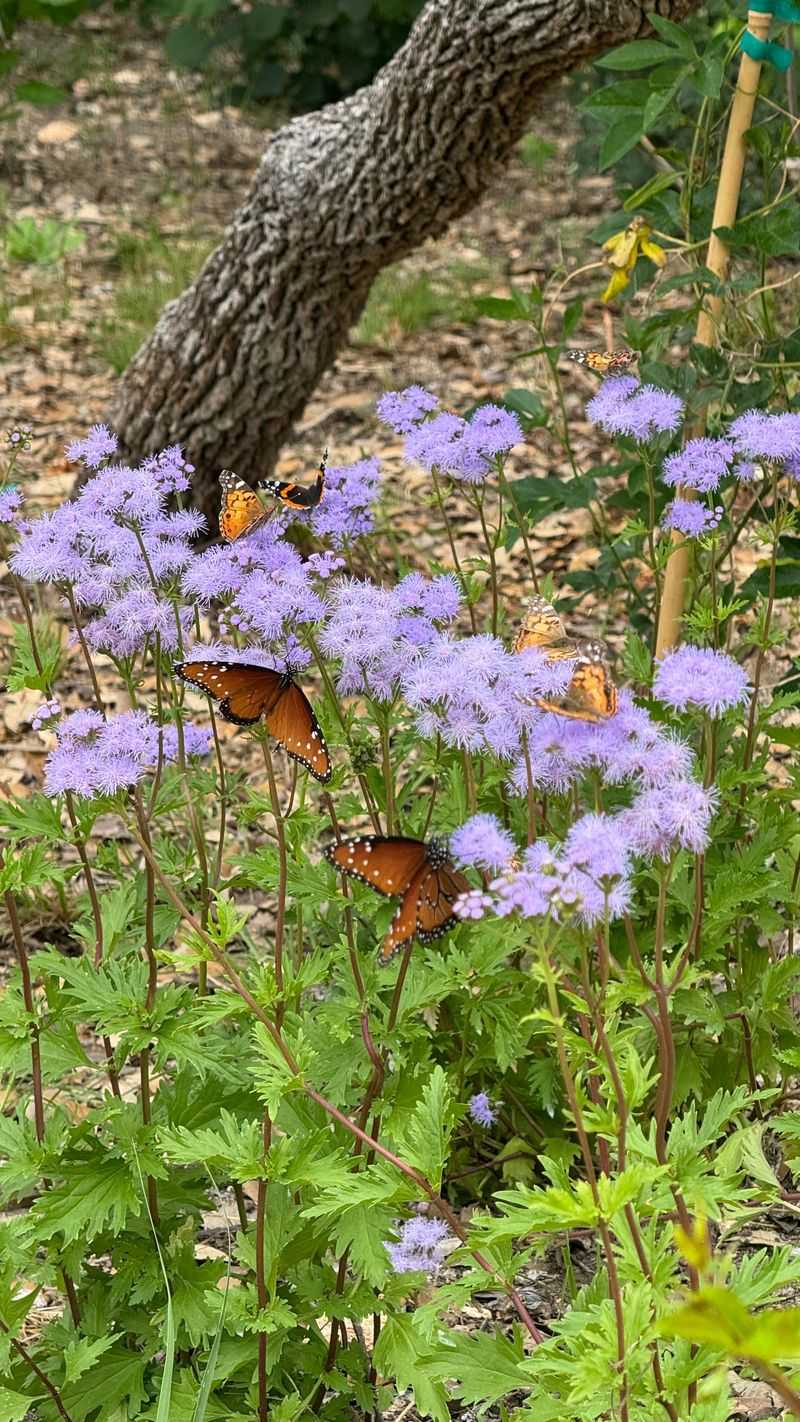
Most flowers pack up early, but blue mistflower likes to stick around. Its blue purple clusters keep opening well into fall, and in North Carolina they sometimes last all the way into November. That long run makes it a standout in any garden.
The secret is a steady stream of fresh buds. As older blooms fade, new ones take their place, so the plant never looks empty. This constant refresh gives pollinators food for weeks longer than most native flowers manage.
Your North Carolina Garden Changes Every Week. Your Plan Should Too.
Gardening in North Carolina changes quickly throughout the season. Every Friday you’ll receive a simple weekly plan showing exactly what to plant, prune, fertilize, harvest, and protect so you never miss the right timing.
Cooler weather does not slow it down much. As long as a hard frost holds off, the soft flowers keep glowing across your beds. For gardeners, that means color during a season when most yards turn brown and quiet.
Late migrating monarchs benefit the most. Butterflies that pass through in October and November often struggle to find nectar anywhere else. Blue mistflower fills that gap and keeps them fueled for the rest of their trip.
You can stretch the bloom time even more by planting it in a spot with steady moisture. Happy roots lead to a longer flowering season and healthier plants overall.
Think of it as a garden gift that keeps giving right up to the edge of winter. While your neighbors clean out fading beds, yours still hums with visitors and soft purple color.
That extra month of beauty is exactly why so many North Carolina gardeners plant this reliable native and never look back once they see it perform.
3. Monarchs Use Nectar To Fuel Migration
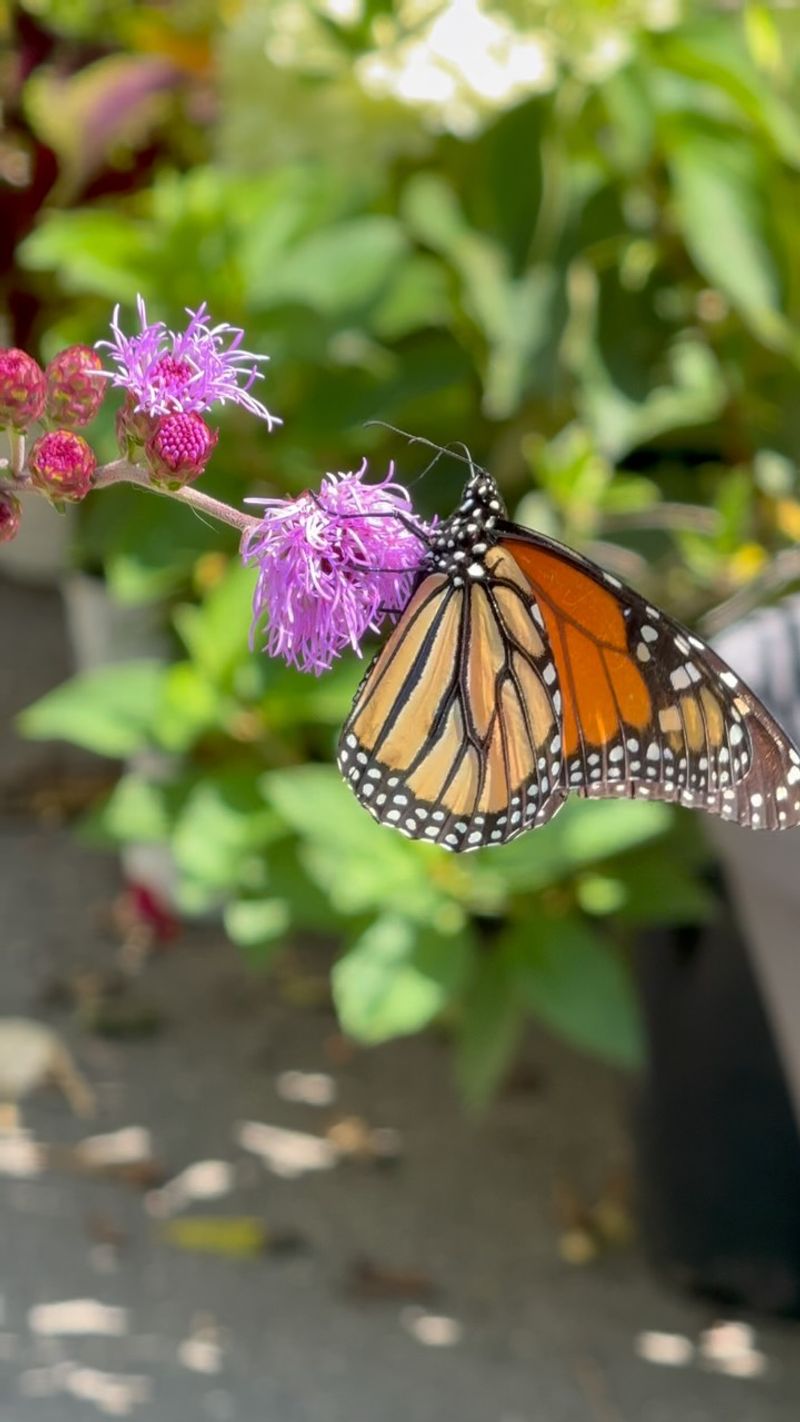
Picture a butterfly flying hundreds of miles without a car, a map, or a snack bar. That is exactly what monarchs do each fall as they head toward warmer places to spend the winter. To make it, they need one thing above all: energy.
Nectar is their fuel. Every sip a monarch takes turns into the power its wings need to keep beating mile after mile. Without enough flowers along the way, the journey becomes far too hard.
Blue mistflower shows up at the perfect moment to help. Its rich nectar gives monarchs a quick and easy energy boost while they travel across North Carolina. A single strong patch can support many butterflies during the busy migration weeks.
These insects also store energy as fat, which they burn slowly on cool nights and long flights. The more good flowers they visit, the better their chances of finishing the trip in strong shape.
That is why your garden choices really matter. By offering blue mistflower, you become part of a giant chain of rest stops stretching across the whole country. Each yard adds up to something huge for the species.
It feels amazing to know a plant in your own beds is helping such an incredible traveler. Watching a monarch pause, feed, and then lift off again is a small reward for a simple act of planting. Give them the fuel, and they keep the migration moving strong.
4. Give It Sun Or Partial Shade
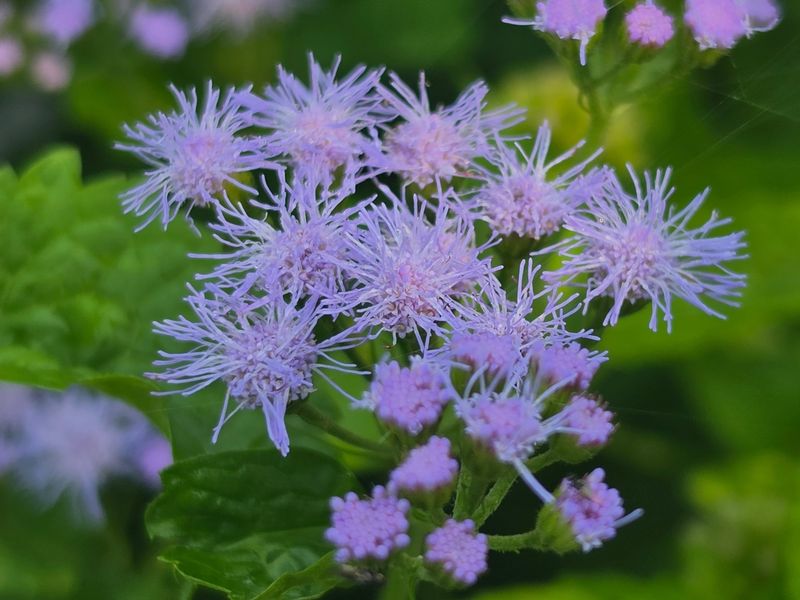
One of the best things about blue mistflower is how relaxed it is about light. Whether your garden bakes in full sun or sits under scattered shade, this plant usually settles right in. That flexibility makes it a favorite for tricky spots.
In full sun, it tends to bloom the heaviest. More light means more flowers, which means more nectar for hungry pollinators. If you want a thick carpet of purple, a bright open area is the way to go.
Partial shade works well too, especially in hot southern summers. A little afternoon shade can keep the plant cooler and help it hold moisture. The blooms may be slightly fewer, but they still put on a lovely show.
This easygoing nature means you can tuck it into many places around your yard. Try it along a fence, under tall trees, or beside a shaded path where fussier plants might sulk.
For the strongest flowering, aim for at least a few hours of direct light each day. Plants stuck in deep, dark shade often grow leggy and bloom poorly, so give them a chance to soak up some rays.
Gardeners who match the plant to the right light are almost always rewarded. Healthy leaves, plenty of buds, and a steady stream of butterflies follow naturally.
So do not stress about finding the perfect sunny corner. Blue mistflower bends to fit your space, which is one more reason it earns a spot in gardens all across North Carolina.
5. Moist Soil Keeps It Happy
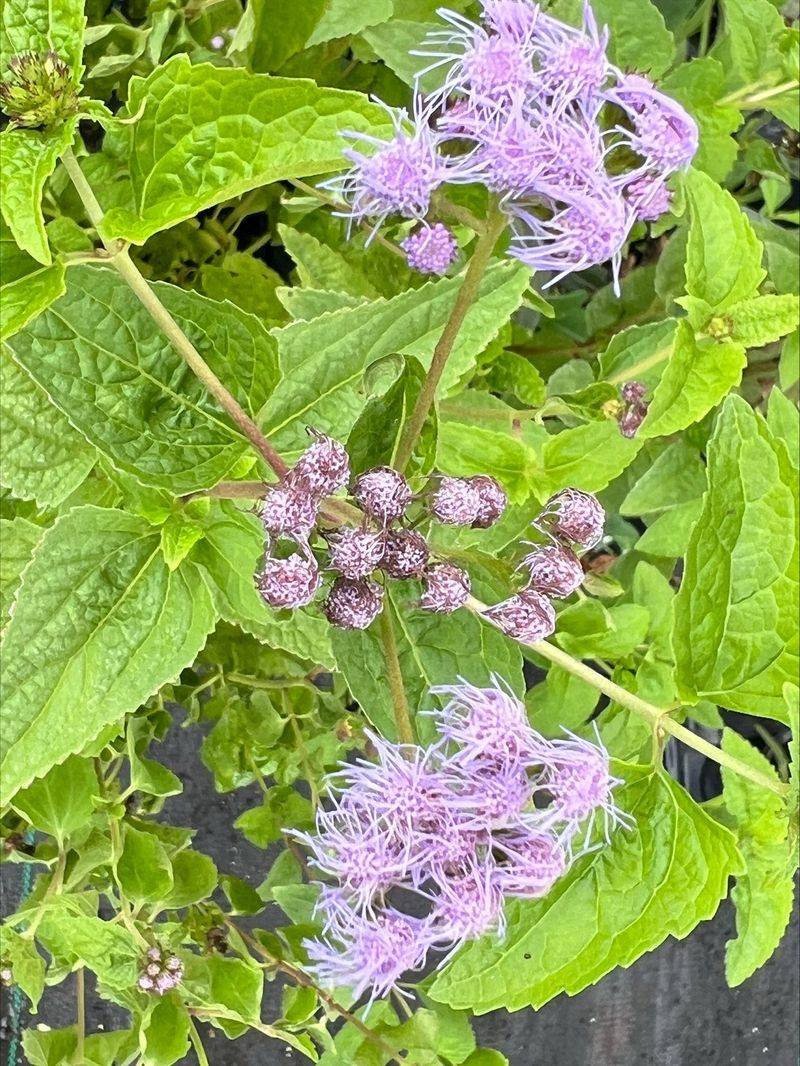
If you have a soggy corner that other plants hate, blue mistflower might become your new best friend. This native loves moisture and truly thrives where the ground stays damp. That makes it a smart pick for spots most flowers avoid.
Rain gardens are a perfect match. These low areas collect runoff after storms, and blue mistflower soaks it all up while looking beautiful. Instead of a muddy problem, you get a bed full of soft purple blooms.
Pond edges and stream banks work wonderfully too. The plant enjoys having steady water nearby, and its roots help hold loose soil in place. That means less erosion and more color at the water’s edge.
Even regular garden beds can suit it, as long as you keep the soil from drying out completely. During hot, dry stretches, a good watering keeps the leaves fresh and the flowers coming.
Dry, sandy spots are the one place it tends to struggle. In those areas, the plant may wilt or bloom weakly, so add mulch or choose a damper location instead.
Matching the plant to moist ground saves you time and effort. When its roots stay comfortable, it grows strong, spreads nicely, and keeps feeding pollinators without much fuss from you.
Think of blue mistflower as the answer to your wettest, trickiest spots. Where puddles once sat, you can enjoy a lively patch of blooms that turns a garden headache into a real showpiece full of butterflies.
6. It Grows Across North Carolina
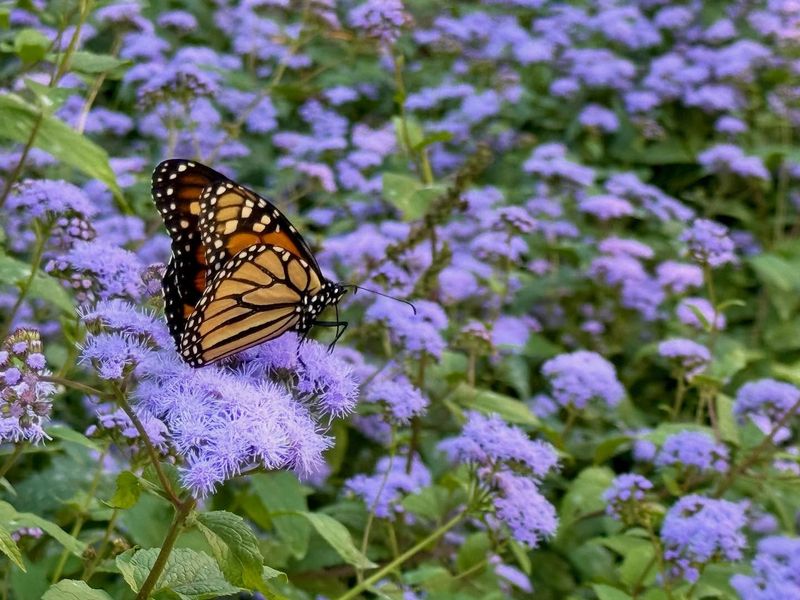
From the misty mountains in the west to the sandy coast in the east, North Carolina covers a lot of ground. The great news is that blue mistflower feels at home in all of it. Few natives are this welcome statewide.
Up in the Mountains, cooler air and rich soil suit it well. Gardeners there enjoy strong plants and vivid blooms, especially in spots that hold a bit of moisture through the season.
Across the Piedmont, with its rolling hills and clay soil, the plant also does nicely. As long as the ground stays somewhat damp, it settles in and rewards you with weeks of purple color.
Down on the Coastal Plain, warmer weather and sandy areas can be trickier. Still, with a little extra water and some mulch, blue mistflower adapts and keeps its flowers coming for local pollinators.
Being a true native gives it a big advantage everywhere. It already knows the local weather, the bugs, and the rhythm of the seasons, so it needs far less babying than exotic plants.
That statewide range means almost any North Carolina gardener can grow it successfully. Whether you live near Asheville, Charlotte, or Wilmington, this flower is ready to join your yard.
Planting natives like this also supports the local web of wildlife that depends on them. By choosing a plant that belongs here, you help butterflies, bees, and birds while enjoying an easy, beautiful bloomer that fits your region perfectly.
7. Give This Native Room To Spread
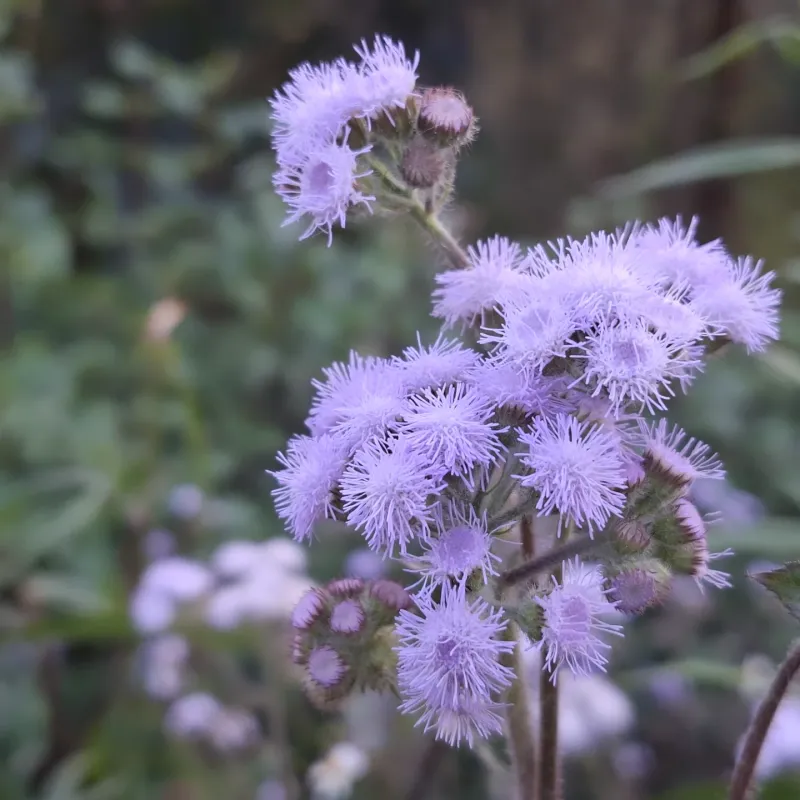
Blue mistflower is not a shy little plant that stays put in one tidy clump. It likes to travel, and it does so in two clever ways. Understanding this habit helps you place it in just the right spot.
First, it spreads underground through rhizomes. These are stems that creep sideways beneath the soil and pop up as new plants. Over time, a single start can grow into a wide, cheerful patch.
Second, it self seeds. After the flowers fade, seeds scatter and sprout nearby, adding even more plants to the mix. Before long, you may have a lovely drift of purple where you began with only a few.
Because of this energy, it works best where you can let it roam. Think large borders, meadow gardens, or wild corners where a spreading patch is a welcome sight rather than a problem.
In small, formal beds, it may crowd neighbors, so give it edges it cannot easily cross. Sidewalks, lawns, or buried barriers can gently keep it in bounds.
The upside of all that spreading is huge for wildlife. A bigger patch means more nectar, which pulls in more monarchs and other pollinators looking for food during migration.
Plan ahead, pick a generous space, and let the plant do its thing. Instead of fighting its nature, you can enjoy watching it fill in and become a buzzing, fluttering hotspot that grows a little larger and livelier each year.
8. Keep The Flowers Safe For Monarchs
All the nectar in the world does no good if the flowers are not safe. That is why the way you care for blue mistflower matters just as much as planting it. Skipping harmful sprays is the kindest choice you can make.
Insecticides are the biggest worry. These chemicals can coat the blooms and harm the very butterflies you are trying to help. A monarch sipping tainted nectar can suffer real trouble, so keep sprays far away from flowering plants.
The good news is that blue mistflower rarely needs them anyway. As a tough native, it handles pests on its own most of the time. Ladybugs, spiders, and other helpers usually keep the balance for you.
If you spot a problem, try gentle fixes first. A strong spray of water, hand picking bugs, or simply waiting often solves the issue without any risk to pollinators.
Be careful with your neighbors’ habits too. Drifting spray from nearby yards can settle on your flowers, so a friendly chat about butterfly safe gardening can go a long way.
Choosing to garden without harsh chemicals turns your yard into a true safe haven. Monarchs, bees, and countless other visitors can feed freely, knowing the food is clean and healthy.
Small choices add up to a big difference for wildlife. By keeping your blue mistflower chemical free, you protect the travelers passing through and set a bright example for everyone who visits your thriving, butterfly filled garden.