Why You Should Stop Fertilizing Bermuda And Zoysia In Alabama Right Now
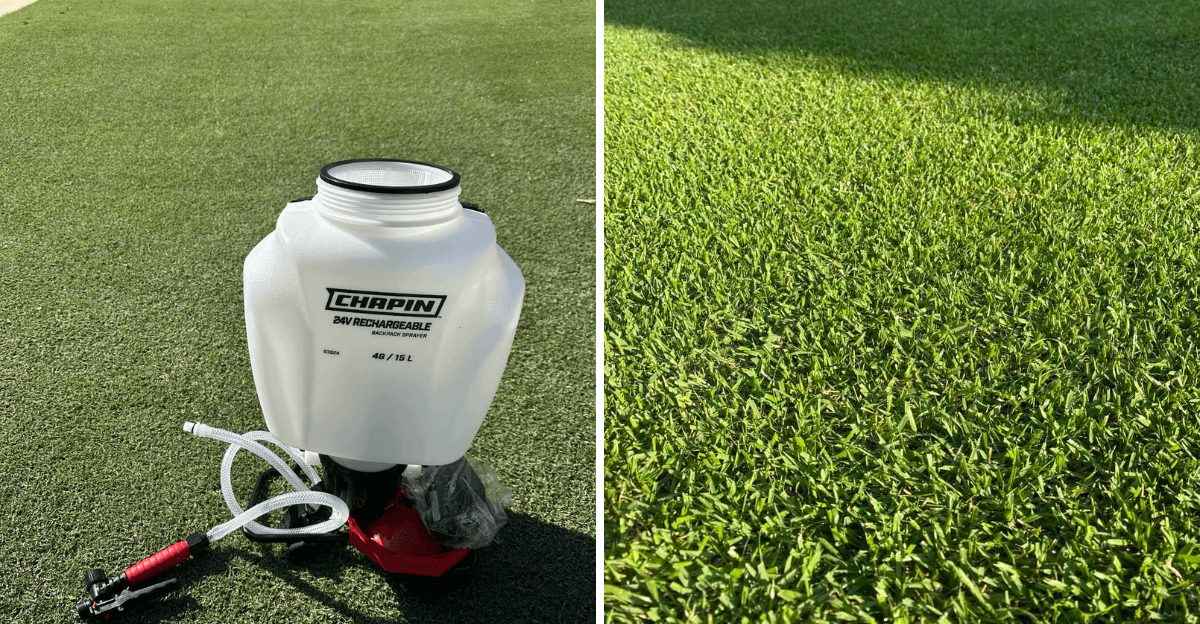
Grabbing that fertilizer bag right now could affect your lawn’s health. Bermuda and Zoysia grasses across your yard shut down as Alabama cools. Feeding your lawn now forces tender new growth that frost will hurt.
Timing decides whether your lawn thrives or struggles through winter. Alabama summers trick you into believing your grass always needs nutrients. Your roots need something completely different the moment fall arrives.
Nitrogen pushed too late weakens your grass before dormancy hits. Disease spreads faster when your lawn stays soft and vulnerable. Poor timing leaves your lawns struggling instead of properly prepared for winter.
Confidence in your routine can quietly undo your yard’s progress. Experts watch you make this mistake every single season. Nobody wants you redoing costly sod over a fertilizer mistake.
Habit alone will not protect your entire lawn this winter. What happens next determines whether your lawn flourishes or quietly struggles before spring.
1. Growth Naturally Slows As Fall Nears
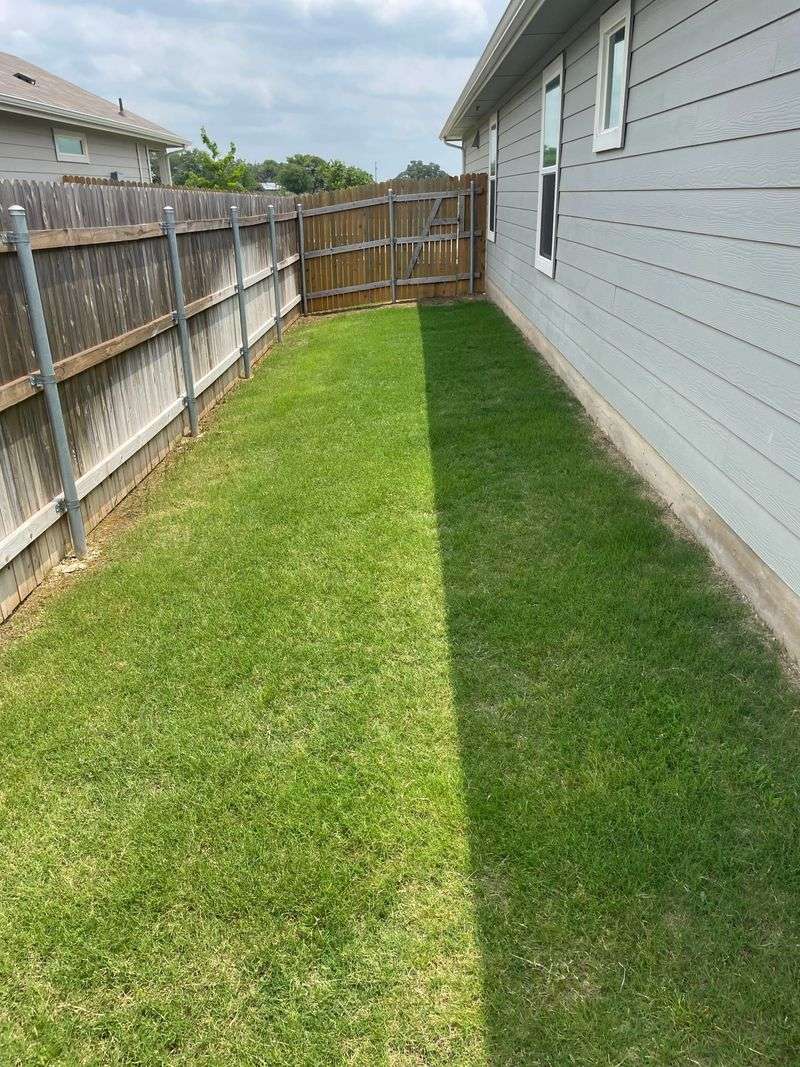
Your lawn is already pumping the brakes. Bermuda and Zoysia grasses are warm-season turf types that follow the sun, and as days get shorter, they start slowing down on their own.
Grass growth is driven by sunlight and soil warmth. When fall creeps in across the South, both of those things begin to fade fast.
Adding fertilizer now is like handing someone a second cup of coffee right before bed. The grass does not need the push, and the extra fuel creates more problems than benefits.
Bermuda and Zoysia are smart grasses in a way. They read the seasonal signals and start preparing for dormancy weeks before you even notice.
Pushing growth during that natural slowdown works against the lawn’s own survival plan. The grass spends energy it should be saving.
Think of your lawn as a bear getting ready to hibernate. Feeding it now just delays the sleep it desperately needs.
Respecting the natural rhythm of warm-season grasses is the foundation of good lawn care. Work with the grass, not against it, and your turf will reward you in spring.
2. Cooler Soil Limits Nutrient Uptake Ability
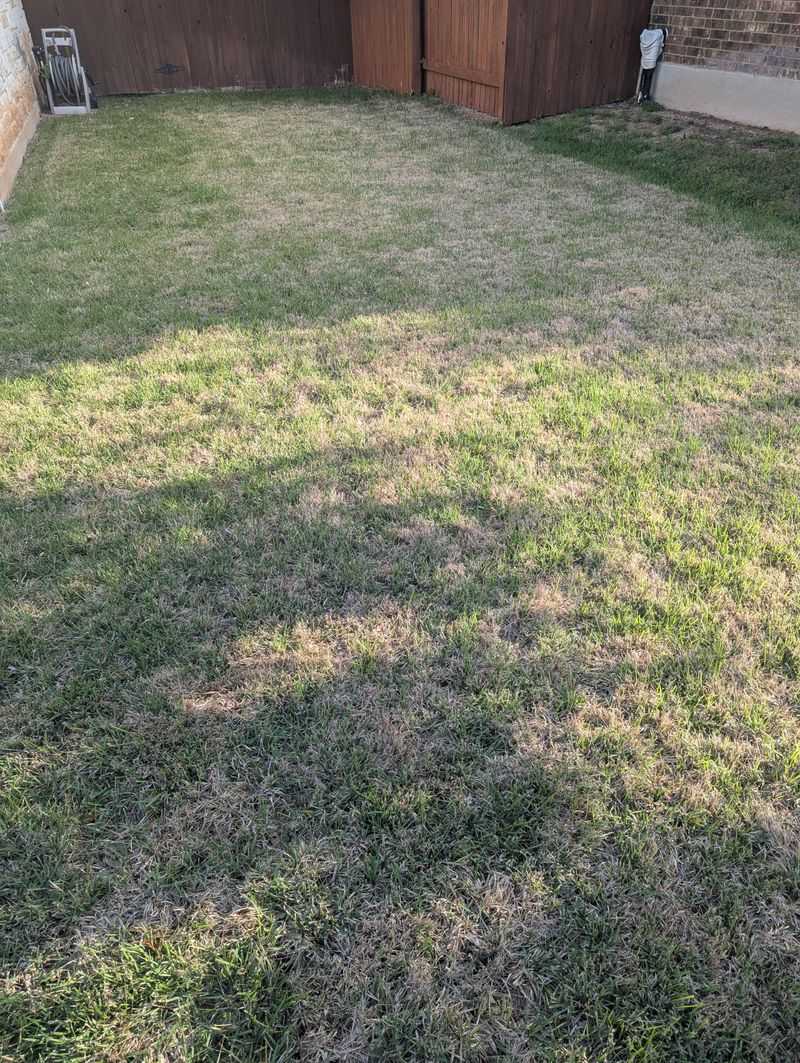
Soil temperature is the real boss of your lawn. When ground temps drop into the mid-50s Fahrenheit, a commonly cited threshold in turfgrass management, Bermuda and Zoysia roots begin absorbing nutrients far less efficiently.
You can pour fertilizer on cold soil all day long, and the grass will barely touch it. The biological activity in the root zone slows to a crawl.
Roots need warmth to drive the chemical processes that pull nutrients in. Without that warmth, fertilizer just sits there waiting for something to happen.
Alabama soils typically start cooling noticeably in October, sometimes earlier in the northern parts of the state, though the exact timing shifts from year to year. By then, the window for effective fertilizing has often already closed.
Wasted fertilizer is wasted money. That bag of granules you spread represents a real cost, and much of it goes nowhere useful.
Microbial activity in the soil also slows when temperatures drop. Those microbes help break down nutrients into forms the grass can actually use.
Your Alabama Garden Changes Every Week. Your Plan Should Too.
Gardening in Alabama changes quickly throughout the season. Every Friday you’ll receive a simple weekly plan showing exactly what to plant, prune, fertilize, harvest, and protect so you never miss the right timing.
Checking your soil temperature before any late-season application is a habit worth building. A simple soil thermometer from a garden center costs less than a bag of fertilizer and could save your lawn.
When the ground tells you to stop, it is worth listening. Cold soil does not lie, and your grass already knows the answer.
3. Late Fertilizing Invites Cold-Season Risk
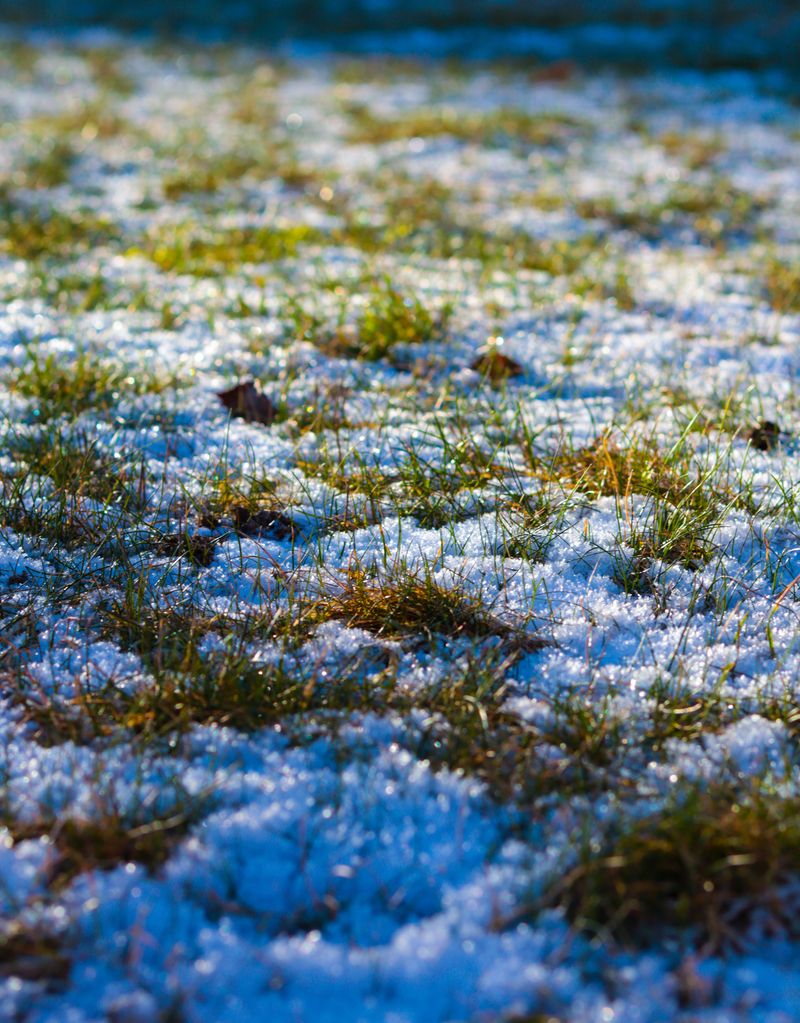
Winter injury is a serious risk for warm-season lawns. It happens when grass is still actively growing when a hard freeze arrives, and the tender tissue struggles to withstand the cold.
Late fertilizing keeps Bermuda and Zoysia in active growth mode far longer than they should be. That sets the lawn up for serious cold damage.
Warm-season grasses need time to harden off before winter hits. Hardening off is a natural process where the grass toughens up its cell walls and prepares for freezing temps.
Fertilizer, especially nitrogen-heavy blends, short-circuits that process. The grass keeps growing soft, lush tissue instead of building cold resistance.
Alabama winters can be unpredictable. A mild October followed by a sharp November freeze has caught many homeowners off guard, and late-fertilized lawns face greater damage.
Damaged turf from winter injury can take months to recover. In severe cases, whole sections of the lawn may not come back at all.
The cost of replanting or reseeding damaged turf far outweighs any benefit from one extra fertilizer application. Protecting what you have is always smarter than fixing what you broke.
Stop fertilizing now, and you give your grass a fighting chance against whatever winter decides to throw at it this year.
4. Excess Nitrogen Delays Dormancy Preparation
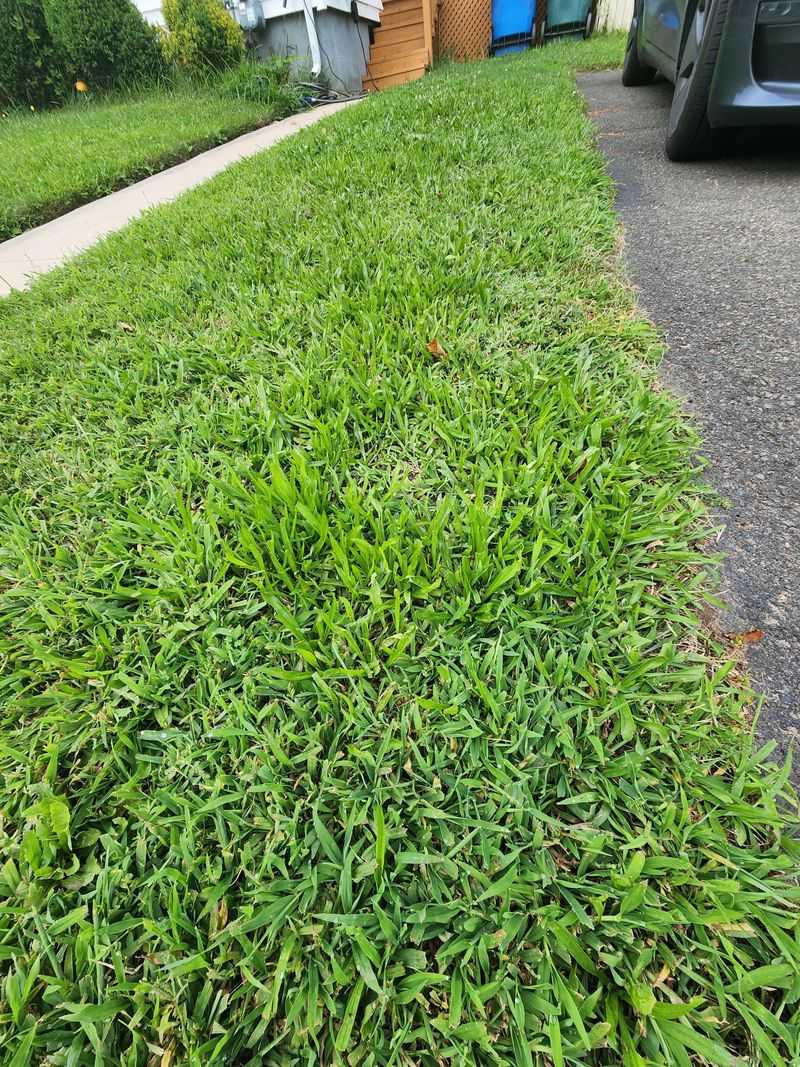
Nitrogen is the gas pedal of grass growth. Press it too late in the season, and you are asking your lawn to run a race it was never meant to run.
Excess nitrogen in fall tells Bermuda and Zoysia to keep producing leafy green growth. That message conflicts directly with what the grass is trying to do naturally.
Dormancy preparation is a serious biological event. The grass is moving carbohydrates and nutrients down into the roots and crown for winter storage.
When nitrogen keeps pushing top growth, that energy transfer gets interrupted. The roots end up with less stored energy heading into winter.
A lawn with poorly stored energy going into dormancy wakes up weak in spring. You end up spending more time and money trying to nurse it back to health.
Phosphorus and potassium, not nitrogen, are what your lawn actually benefits from in late season. Those nutrients support root strength and cold hardiness.
If you feel the urge to do something for your lawn right now, a light potassium application might be appropriate. Skip the nitrogen entirely and let the grass do its thing.
Delayed dormancy from excess nitrogen is one of the quietest forms of lawn damage. You may not see the full consequences until spring rolls around and the recovery is slow.
5. Tender New Growth Can’t Harden Off
Fresh grass growth is soft and fragile. Any new shoots that push up after a late fertilizer application are nowhere near tough enough to handle a frost.
Hardening off requires time and cooler temperatures working together. New growth that pops up in October or November simply does not get enough of either.
Picture new grass blades like seedlings in a greenhouse suddenly moved outside in January. The shock is too much, and the tissue breaks down fast.
Bermuda and Zoysia that are allowed to mature through the natural seasonal slowdown develop stronger cell walls. Those walls hold up better against cold stress.
Fertilizer-forced new growth lacks that structural toughness. One cold night can wipe out weeks of that tender green tissue in just a few hours.
Homeowners sometimes mistake the lush green flush after a late fertilizer application as a good sign. What they are actually seeing is vulnerable growth that is unlikely to survive.
The prettiest lawn in October can become the most damaged lawn in December. Late green flushes often hide the risk building underneath.
Letting your grass mature naturally through fall is the kindest thing you can do for it. Toughness takes time, and time is exactly what late fertilizing reduces.
6. Disease Pressure Rises With Lush Late Growth
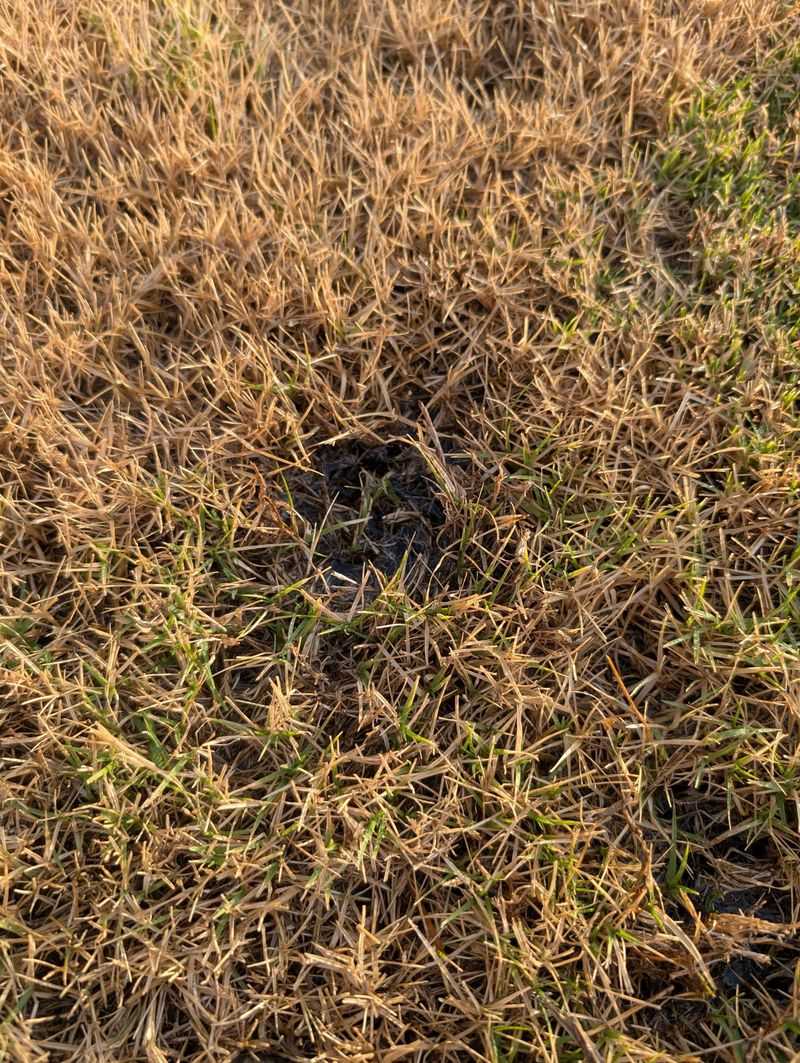
Lush, dense grass sounds like a dream. In fall, though, that thick canopy becomes a welcome mat for lawn diseases that thrive in warm, moist conditions.
Brown patch, large patch, and dollar spot are all common fungal threats in Alabama. They love the combination of warm nights, morning dew, and dense leafy growth.
Late fertilizing creates exactly that kind of environment. Thick growth traps moisture, reduces airflow, and gives fungal spores a cozy place to settle and spread.
Zoysia is especially prone to large patch disease in fall. Fertilizing late creates ideal conditions for that particular fungus to move in.
Treating lawn disease is not cheap. Fungicide applications carry a real cost, and multiple treatments are often needed to get things under control.
Prevention is always easier than treatment. Simply withholding fertilizer removes one of the biggest factors that encourages disease outbreaks in the first place.
Good airflow and drier canopy conditions are your best natural defenses. A lawn that is not being pushed into dense late-season growth stays naturally more resistant.
Fungal damage can leave brown patches that take months to fill back in. One bag of fertilizer applied at the wrong time can mean a summer of ugly repairs.
7. Roots Need Energy Stored, Not Top Growth
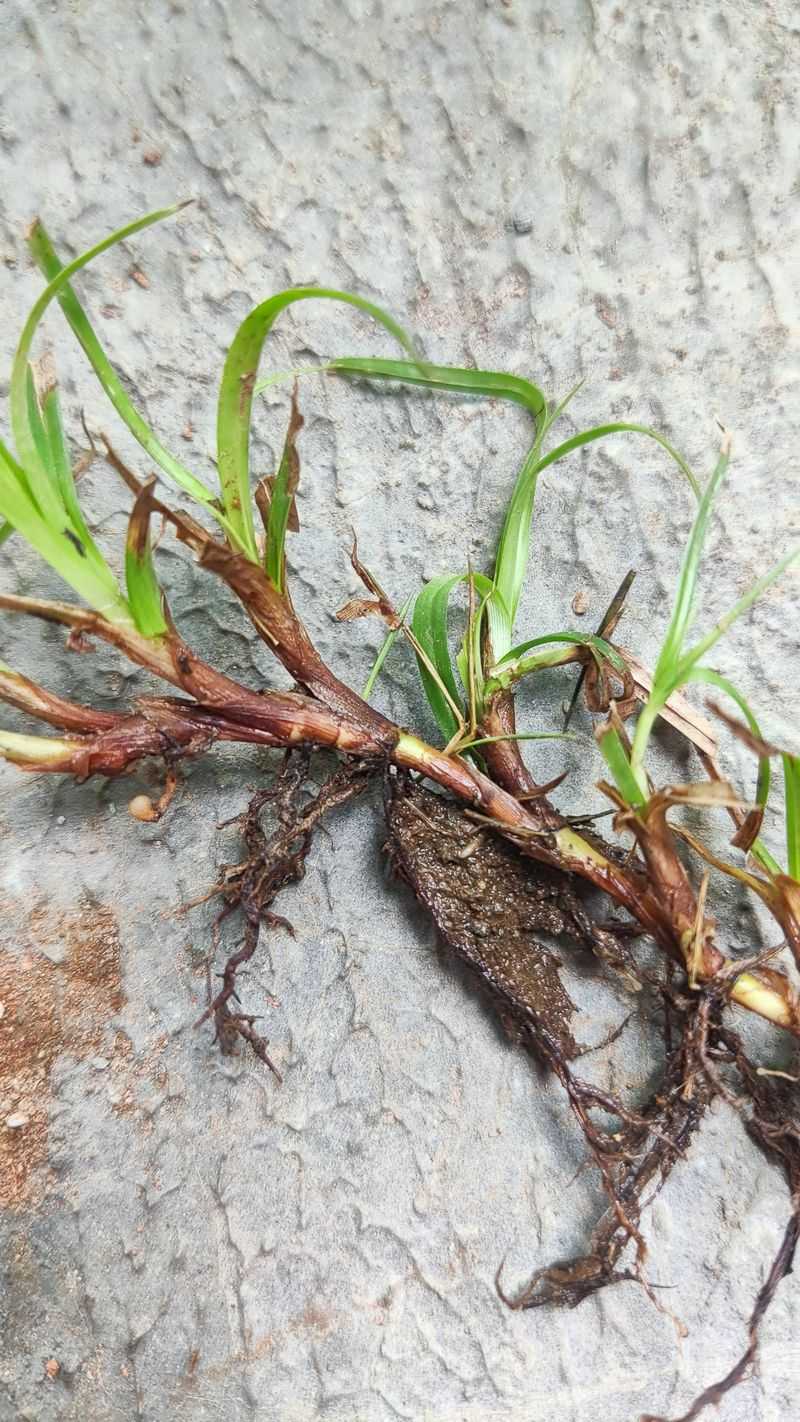
Everything your lawn does in fall should be about the roots. That underground network is where survival happens when temperatures drop and the top growth goes brown.
Carbohydrate storage in the root system is what fuels the spring green-up. Grasses that go into winter with full energy reserves wake up faster and stronger.
Fertilizing late diverts that energy upward. Instead of storing fuel below ground, the plant spends it making leaves that will fade away anyway when frost hits.
Bermuda grass has deep, aggressive root systems when managed well. Those roots can reach several inches down and provide incredible drought and cold resilience.
Zoysia roots are slightly shallower but still rely heavily on stored carbohydrates for winter survival. Both grass types need the same thing from you right now: space to store energy.
The best thing you can do for root health in fall is to stop interfering. Mow at the right height, keep traffic light, and let the grass focus underground.
A lawn with well-stocked roots in winter is a lawn that bounces back fast in April. That spring green-up feels almost magical when you have done everything right in fall.
Strong roots are the payoff for patient fall management. What happens below the surface right now determines everything you see above ground next year.
8. Rainfall Patterns Wash Nutrients Away Unused
Fall rain in Alabama can be substantial. The state often receives meaningful rainfall through October and November, and that water does not just sit on your lawn.
When fertilizer is applied and heavy rain follows, the nutrients move. Nitrogen especially is highly water-soluble and travels quickly through the soil and into nearby waterways.
That runoff is a double problem. You lose the fertilizer you paid for, and those nutrients end up polluting creeks, ponds, and storm drains in your neighborhood.
Phosphorus runoff contributes to algae blooms in local water bodies. What seems like a minor lawn decision actually has real environmental consequences downstream.
Alabama’s fall rainfall patterns can shift quickly, making it hard to time fertilizer applications safely.
Fertilizer sitting on the surface waiting for absorption is at maximum risk during that kind of weather swing. The timing is almost impossible to control.
Responsible lawn care means thinking beyond your property line. Nutrients washing into shared water sources affect fish, wildlife, and neighbors who use those waterways.
Skipping late fertilizing is not just smart for your Bermuda and Zoysia. It is also the right call for the broader environment around your home, and that matters too.
9. Alabama Extension Experts Offer A Simple Fall Checklist
The Alabama Cooperative Extension System has long studied warm-season lawns. Its fall maintenance guidance points homeowners away from late nitrogen and toward a handful of smarter moves.
Those moves include potassium-focused feeding and disease monitoring on Bermuda and Zoysia.
Soil testing tops that list every single year. A simple test reveals your actual phosphorus and potassium levels instead of leaving you guessing with a bag of all-purpose fertilizer.
Testing costs very little through your local county Extension office. Turnaround time varies, but results typically arrive within a few weeks and tell you exactly what your lawn needs heading into winter.
Mowing height adjustments come next on the checklist. Raising your mower blade slightly in early fall helps the grass retain more leaf surface for photosynthesis before dormancy sets in.
Extension-backed turfgrass guidance generally favors these five actions over fertilizing for fall success. Overwatering in fall keeps soil soft and encourages the same fungal problems that late fertilizing creates.
Weed control gets more attention during this window too. Broadleaf weeds germinate readily in cooling soil, and a pre-emergent application often does more good than any fertilizer could.
Aeration is another task commonly recommended by turfgrass extension programs for compacted lawns. Loosening the soil now improves root access to oxygen and water right when the plant needs it most.
Raking up fallen debris matters more than people assume. Leaves and clippings left sitting on Bermuda or Zoysia trap moisture and invite the same diseases that thick, late-season growth attracts.
Extension guidance generally favors these five actions over fertilizing for fall success. Soil testing, mowing adjustments, reduced watering, weed control, and aeration outperform a nitrogen application every time.
Following expert guidance instead of habit is what separates thriving lawns from struggling ones. Your county Extension office can walk you through every step at little to no cost.