Pennsylvania Lawns Need This Before Fall Or Fungus Spreads
Your lawn can look perfectly fine one week and completely different the next.
Late summer in Pennsylvania creates a sneaky setup. Warm soil, cooler nights, heavy morning dew, and sudden rain showers create the kind of conditions lawn diseases enjoy.
The grass may still look green, but trouble can already be starting below the surface.
Have you ever wondered why those strange brown patches seem to appear right when the season begins changing? It is rarely just one thing.
Small habits around watering, mowing, feeding, and soil care can decide how your lawn handles the transition into fall.
The good news is that prevention does not require a complicated routine. A few smart adjustments now can help your grass enter cooler weather stronger and better prepared.
Fall is one of the most important seasons for Pennsylvania lawns. The choices you make before the leaves drop can shape how your yard looks months later.
Before fungus gets comfortable, your lawn needs a little attention.
1. Water Early So Grass Dries Faster
Morning dew already gives your lawn a daily dose of moisture. Adding nighttime watering on top of that can leave grass blades wet far longer than they should be.
Fungal diseases love long periods of moisture sitting on leaves. When grass stays damp overnight, problems like brown patch and dollar spot have a better chance to develop.
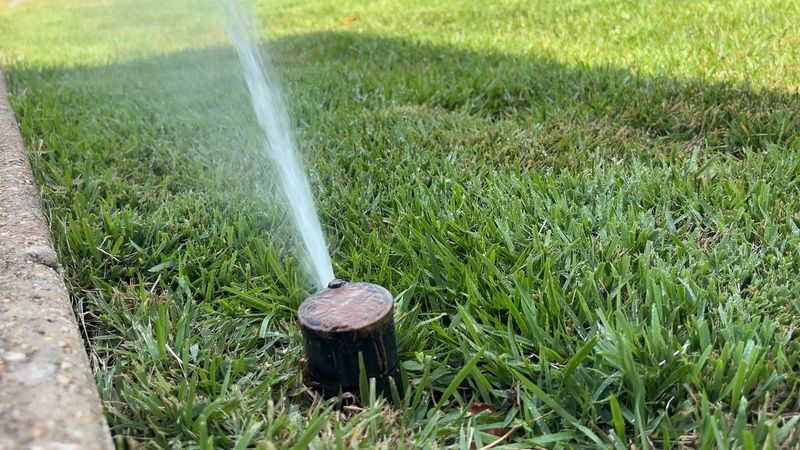
The smarter move is watering early in the morning. A schedule between about 5 and 9 a.m. gives the grass time to dry once the sun rises. Air movement and sunlight help remove excess moisture before evening arrives.
Pennsylvania summers and early falls often bring plenty of humidity. That means the lawn does not need extra hours of wet leaves from poorly timed irrigation.
Deep watering also matters. A quick daily sprinkle may make the surface look wet, but it does little for the roots below. Longer watering sessions encourage roots to grow deeper into the soil.
A healthy root system helps grass handle stress better during changing weather.
Aim for roughly one inch of water per week from rainfall and irrigation combined. A simple rain gauge can make this much easier to track.
Small watering changes can create a big difference. Your lawn does not need a nightly shower. It needs the right drink at the right time.
2. Cut Back Heavy Nitrogen Before Humid Weather
Dark green grass can be tempting. Many homeowners see fast growth and assume more fertilizer means a healthier lawn.
Sometimes the opposite happens.
Heavy nitrogen applications can push grass to grow quickly and produce softer tissue. That fresh growth may look impressive, but it can be more vulnerable when disease pressure rises.
Late summer is a tricky time for Pennsylvania lawns. Cool-season grasses are preparing for fall growth, but hot and humid conditions can still create stress. Adding too much nitrogen during this period can create the wrong balance.
A lawn that grows too aggressively may spend energy producing blades instead of building stronger roots.
Your Pennsylvania Garden Changes Every Week. Your Plan Should Too.
Gardening in Pennsylvania changes quickly throughout the season. Every Friday you’ll receive a simple weekly plan showing exactly what to plant, prune, fertilize, harvest, and protect so you never miss the right timing.
Fall fertilizer timing matters. Cool-season grasses like tall fescue and Kentucky bluegrass usually benefit more from properly timed fall feeding after extreme summer heat begins to fade.
Before applying anything, consider what your lawn actually needs. A soil test can reveal nutrient shortages and prevent unnecessary applications.
Grass types also matter. A fertilizer plan for one lawn may not fit another. Shade, soil type, mowing habits, and grass variety all change the equation.
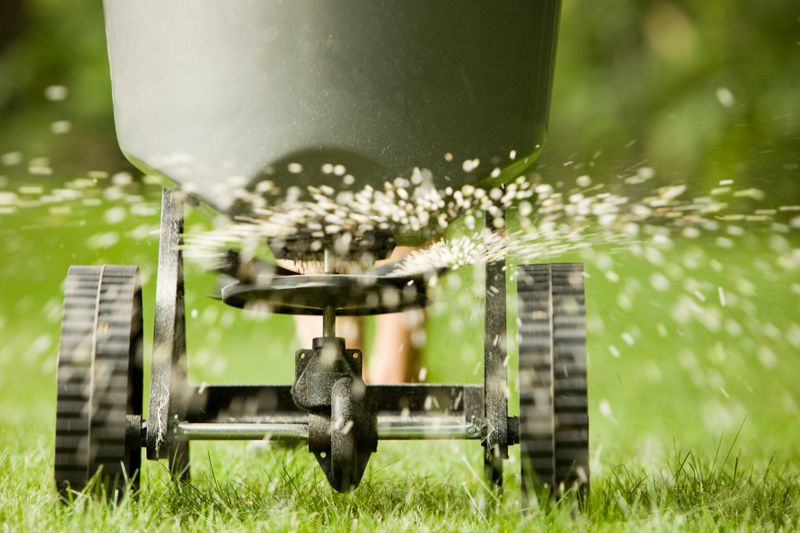
Slow-release fertilizers are often easier for lawns to handle because nutrients become available gradually instead of creating one sudden growth burst.
Think of fertilizer like coffee for your lawn. A little at the right time can help. Too much at the wrong moment can leave things feeling a little out of balance.
3. Remove Excess Thatch In Early Fall
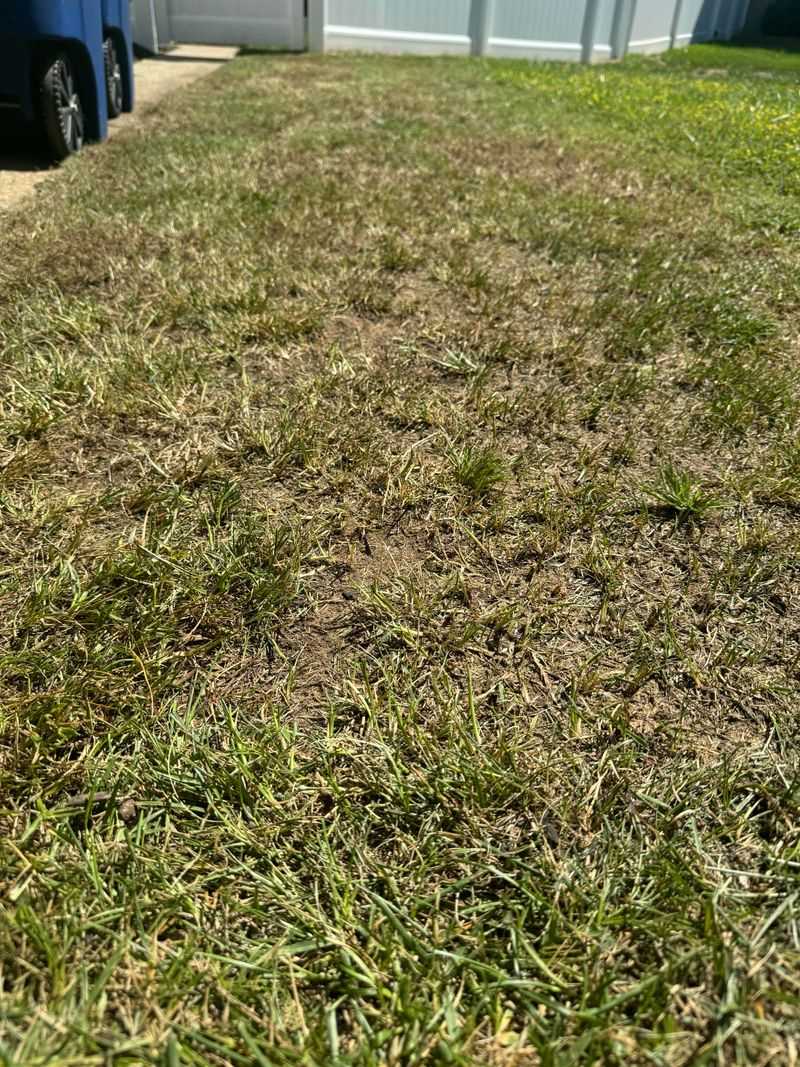
Thatch sounds harmless. A little layer of old grass material under your lawn is actually normal and can even help protect the soil.
The problem starts when that layer becomes too thick.
Excess thatch creates a barrier between the grass roots and the soil. Water may struggle to move downward. Air movement becomes limited. Moisture can stay trapped near the surface for longer periods.
That creates a comfortable hiding place for fungal problems.
A healthy lawn usually has a thin thatch layer. When it grows beyond about half an inch, it may begin causing issues.
One easy clue is how the lawn feels under your feet. A spongy surface that stays wet long after rain may point toward excess organic buildup.
Early fall is a useful time to address thatch in Pennsylvania. Cool-season grasses are entering a period of active recovery and growth, giving them time to bounce back.
A dethatching rake works for smaller areas. Larger lawns may benefit from a vertical mower or power rake. After removing excess thatch, many homeowners combine the process with aeration and overseeding.
The goal is not to strip the lawn bare. It is to help the grass breathe again.
A lawn with good airflow and drainage has fewer reasons to struggle.
Sometimes the best lawn improvement is not adding something new. It is removing what has been quietly blocking progress underneath.
4. Aerate Compacted Soil Before Reseeding
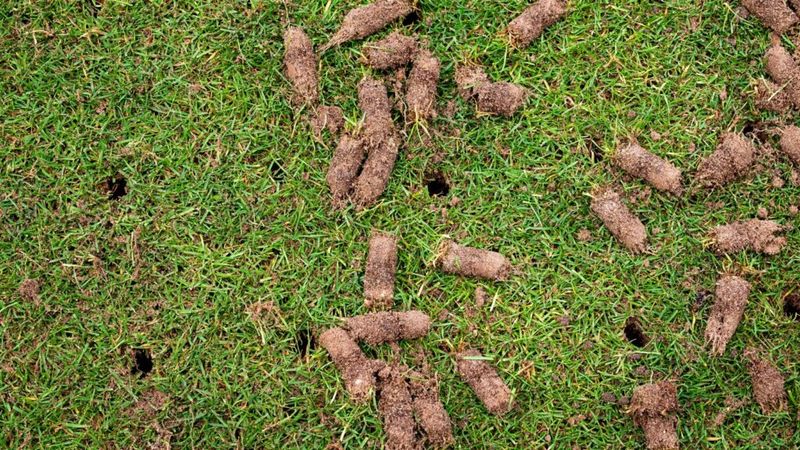
Your lawn can tell you when the soil underneath is struggling.
Thin grass, water sitting on the surface, and areas that feel hard underfoot often point to compaction. Over time, foot traffic, mowing, pets, and heavy equipment can press soil particles tightly together.
Grass roots need space. They need oxygen, water, and nutrients moving through the soil.
Compacted ground limits all three.
Core aeration solves this by removing small plugs of soil from the lawn. Those openings create pathways where air, moisture, and nutrients can move deeper.
The timing makes a difference. Early fall is one of the best periods for aerating Pennsylvania lawns because cool-season grasses are actively rebuilding roots.
Aeration becomes even more valuable before overseeding. The small holes left behind create better contact between grass seed and soil.
That contact is a huge part of successful germination.
Pennsylvania soils vary widely. Clay-heavy areas often compact faster than sandy soils. A lawn near a driveway or frequently used pathway may need attention more often than a quieter area.
After aerating, resist the urge to immediately judge the lawn. Those small soil plugs sitting on the surface may look messy for a short time, but they break down naturally and return organic matter.
A healthier lawn starts below the grass blades.
The surface gets all the attention, but the soil is where the real work happens. Give those roots room to breathe, and your lawn will have a much better chance when fall weather arrives.
5. Fix Drainage In Chronically Wet Patches
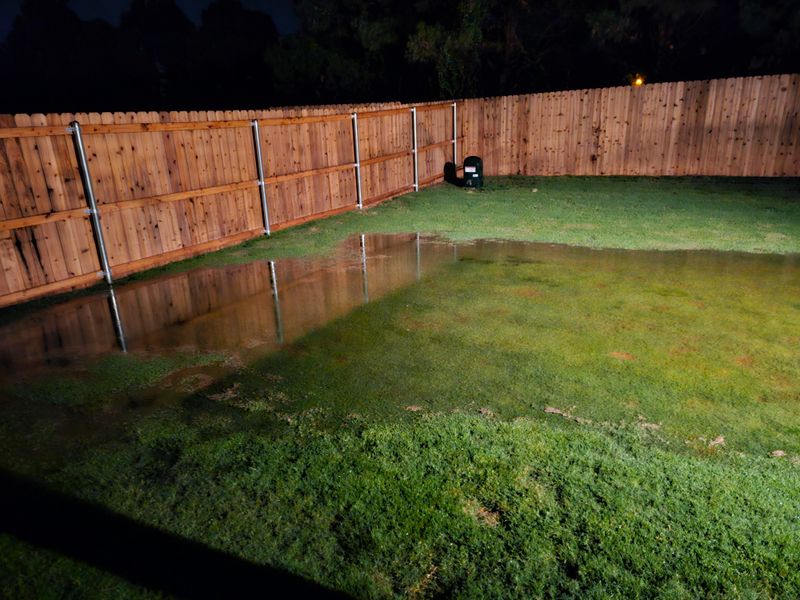
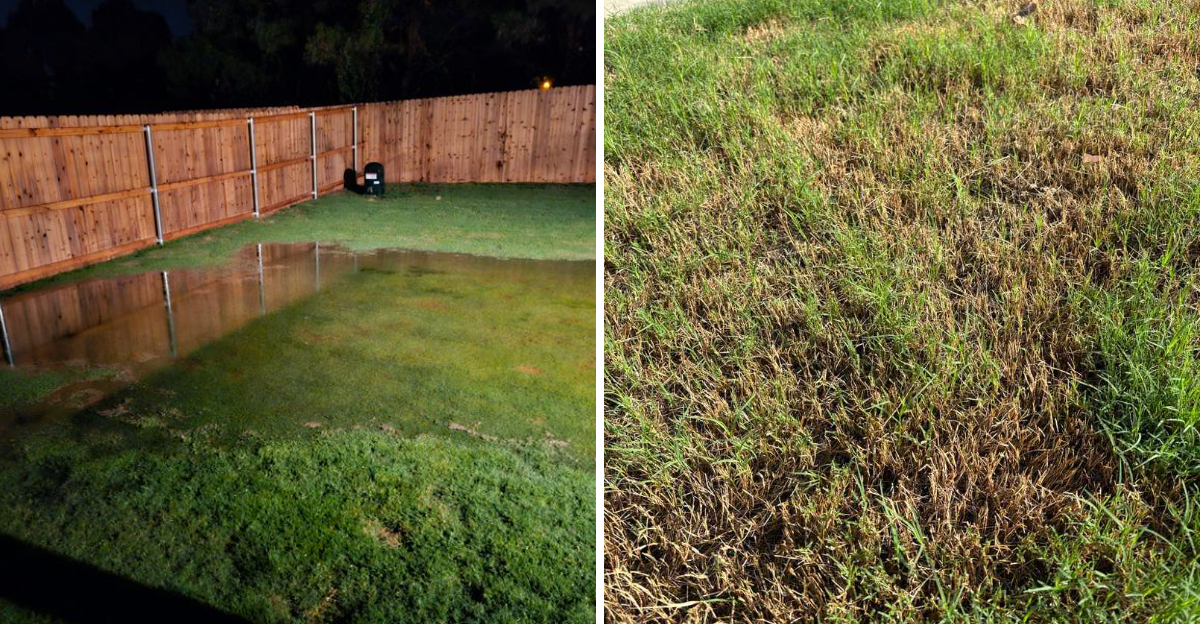
A soggy patch of grass is more than an annoying spot to walk around. It is a warning sign.
When water sits in the same area after rain, the lawn is telling you something is wrong underneath. Poor drainage creates the kind of conditions where fungal problems can settle in and keep returning.
The cause is not always obvious. Some wet areas come from low spots where water naturally collects. Others happen because compacted soil prevents moisture from moving downward.
Even a misplaced sprinkler head or a short downspout can turn one section of grass into a small swamp.
Before treating the lawn, find the reason the water stays there.
A simple walk around the yard after rainfall can reveal a lot. Look for puddles that remain after the rest of the lawn dries. Notice areas where grass looks thin, yellow, or weak.
Small fixes can make a surprising difference. Extending downspouts, adjusting irrigation coverage, and improving soil structure may solve the problem without major changes.
For deeper drainage issues, solutions like French drains or grading adjustments may be worth considering.
Adding fungicide to a constantly wet lawn is like putting a bandage on the wrong problem. The moisture issue will keep creating new opportunities for disease.
Healthy grass needs balance. It needs water, but it also needs air around the roots.
A lawn should drink, not sit in a bathtub.
Fixing drainage before fall arrives gives your grass a better environment and removes one of fungus’s favorite hiding places.
6. Reseed Thin Turf Before Weeds Fill In
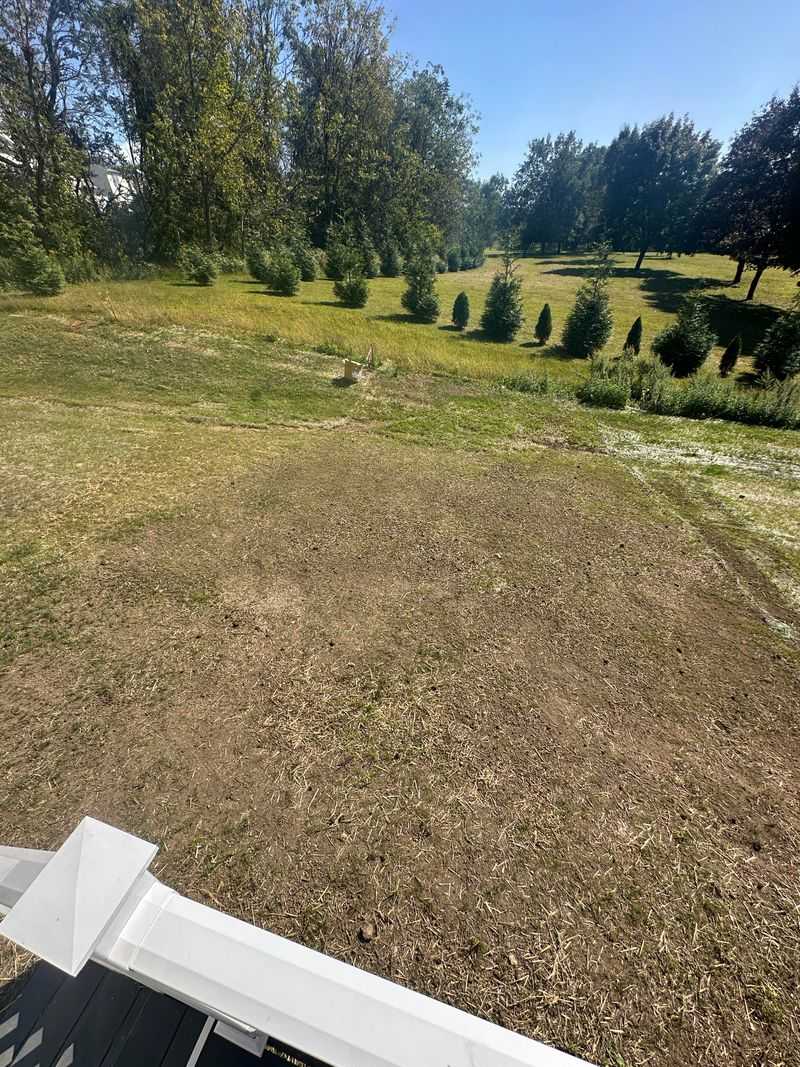
Bare patches never stay empty for long.
A thin area of lawn creates an open invitation for weeds looking for space. Once grass coverage weakens, unwanted plants can quickly move in and claim the available room.
Fall is the perfect time to repair those weak spots in Pennsylvania lawns. Cooler air, warm soil, and fewer summer weeds create excellent conditions for new grass establishment.
Cool-season grasses like tall fescue, Kentucky bluegrass, and perennial ryegrass usually perform best when seeded from late summer into early fall.
Choosing the right seed matters. A shady corner needs a different blend than a sunny area that receives heavy foot traffic. Matching the grass to the location gives seedlings a much better chance.
Before spreading seed, prepare the soil first. Lightly loosen the top layer and remove debris so the seed can touch the ground.
That tiny detail makes a big difference.
Grass seed sitting on top of compacted soil may look ready to grow, but it is missing the connection it needs. Good soil contact helps moisture reach the seed and encourages stronger germination.
After seeding, keep the area consistently moist. The goal is not flooding. It is maintaining the steady moisture young grass needs.
A repaired lawn does not happen overnight. New seedlings need patience, protection, and the right conditions.
Think of fall seeding as giving your lawn a fresh team of players before the next season begins. Fill those empty spots now, and your grass will have fewer openings for unwanted guests later.
7. Keep New Seed Moist Without Saturating It
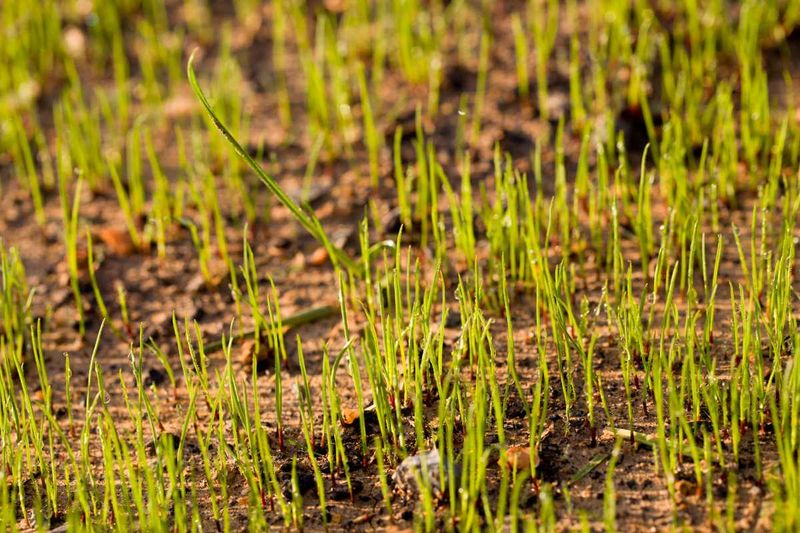
New grass seed has a simple request. It wants moisture, but not a swimming pool.
The first few weeks after overseeding are critical. Grass seeds need consistent moisture to begin growing, especially in the upper layer of soil where they sit.
This is different from watering an established lawn.
A mature lawn benefits from deeper, less frequent watering. New seed needs lighter and more frequent watering because the roots have not developed yet.
The trick is keeping the surface damp without washing seeds away.
A strong stream from a hose can move seeds around and create uneven growth. Gentle watering works much better. A light sprinkler setting or fine spray helps keep the seedbed stable.
Check the soil often during this stage. The top layer can dry quickly during sunny fall days, even when temperatures feel comfortable.
Once seedlings grow taller and begin forming a stronger root system, slowly adjust your watering routine. Longer watering sessions encourage roots to move deeper, creating tougher grass.
Overwatering creates its own problems. Constantly saturated soil reduces oxygen around roots and can increase disease pressure.
The goal is balance.
New grass is a little like a baby plant learning its first steps. It needs support at the beginning, then gradually becomes more independent.
A little attention during the germination period can save a lot of frustration later.
Keep the seed moist. Keep the soil healthy. Let the young grass build its strength before asking it to handle everything a Pennsylvania season can bring.
8. Diagnose The Fungus Before Treating The Lawn
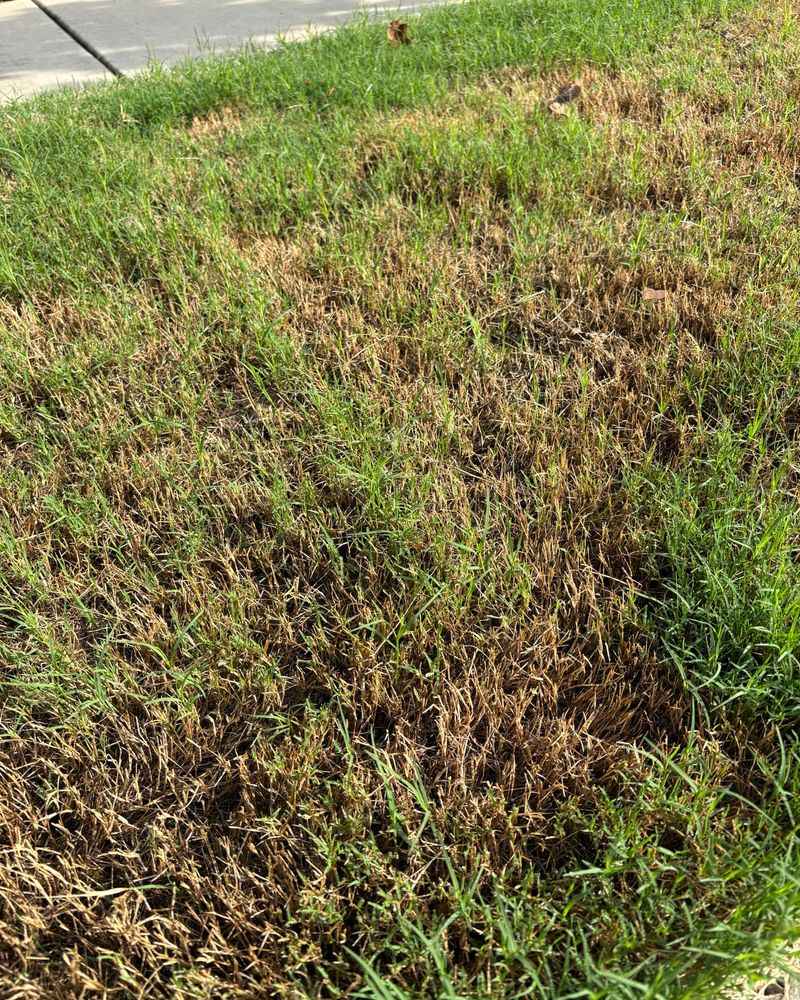
Brown spots create panic quickly.
Many homeowners see damaged grass and immediately assume fungus. Sometimes that is correct. Sometimes the lawn is dealing with something completely different.
Several problems can create similar symptoms. Drought stress, insect damage, compacted soil, pet spots, and disease can all leave behind brown or thinning areas.
The shape of the damage often gives clues.
Brown patch usually creates circular or irregular areas with darker edges. Dollar spot often appears as smaller straw-colored patches. Rust may leave an orange powdery coating on grass blades.
Other problems tell a different story. Grub damage can make turf lift easily because roots have been eaten below the surface. Compaction often creates weak areas where grass struggles despite regular care.
Treating the wrong problem wastes time and money.
Before applying a product, inspect the grass closely. Look at the blades. Check the soil. Pull gently on damaged turf. Small observations can reveal a lot.
Pennsylvania homeowners can also use local plant diagnostic resources when identification becomes difficult. Getting the cause right makes every treatment decision smarter.
Cultural changes often solve many lawn problems. Better watering habits, improved airflow, proper mowing height, and healthier soil can prevent issues before they become serious.
A lawn does not always need a stronger product. Sometimes it needs a better diagnosis.
The healthiest lawns usually come from gardeners who investigate first and act second. A little detective work can save your grass from unnecessary treatments and help you focus on the real solution.