The Michigan Trees To Fertilize In September And The Ones To Skip
September can make gardeners reach for the fertilizer bag. The cooler air arrives. The growing season starts winding down. Suddenly, feeding the trees feels like the responsible thing to do.
But trees do not always need the extra help. Some are already getting everything they need from the soil beneath them.
Others may look like they need fertilizer but are actually dealing with a completely different problem. Have you ever wondered why one tree looks healthy with no special treatment while another struggles nearby?
The answer often starts underground. Roots, moisture, soil conditions, and past care all tell a bigger story than the calendar alone.
A quick fertilizer application may sound like a simple fix, but the wrong choice can push trees in the wrong direction before Michigan winter arrives.
The good news is that knowing what to feed and what to skip does not require complicated tree science. A closer look at your trees can reveal plenty.
Some trees may appreciate a careful nutrient boost. Others are better left alone to keep growing naturally. Before opening that fertilizer bag, let’s find out which Michigan trees deserve attention and which ones are better without it.
1. Oak Trees Benefit From Fertilizer Only When A Problem Appears
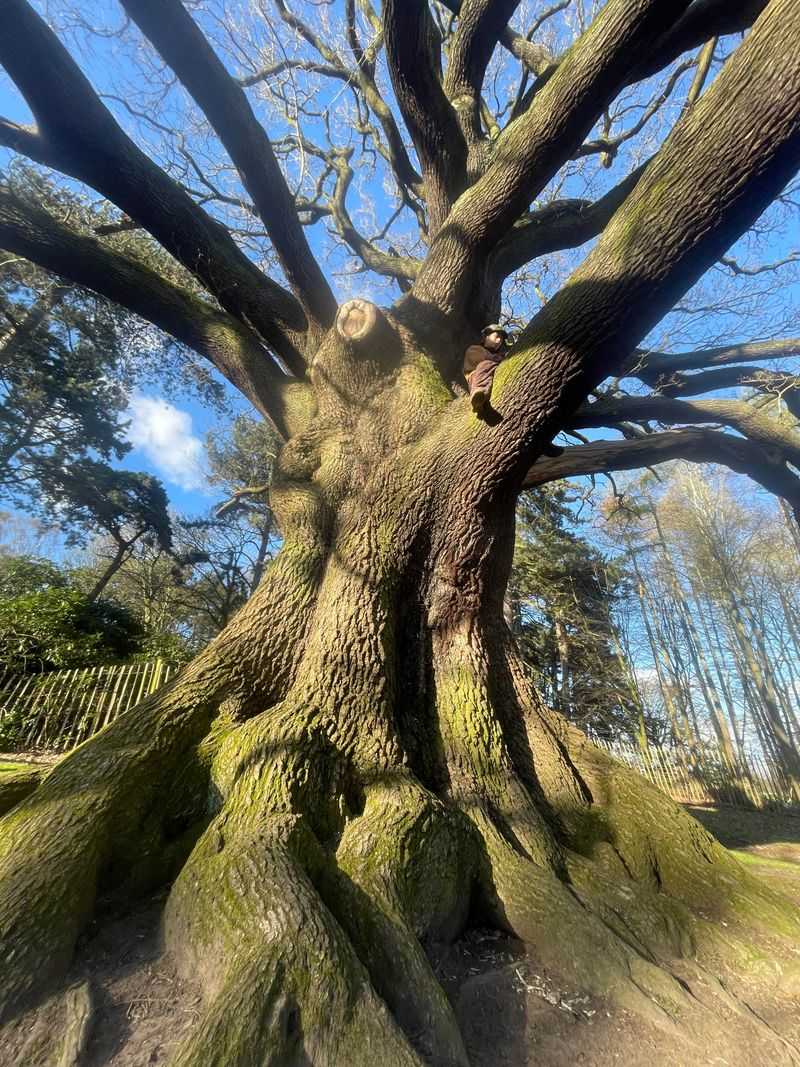
Big trees can create a big temptation. Many homeowners assume a large oak needs extra fertilizer because it has so much growth to support. Oaks often prove the opposite.
Healthy mature oaks are usually capable of finding what they need through their extensive root systems. Michigan species like red oak, white oak, and bur oak can grow well without routine feeding when planted in suitable soil.
The first step is observation. Look at the canopy before reaching for fertilizer. A full crown, healthy leaf color, and steady yearly growth are good signs that the tree is already doing its job.
Adding fertilizer to a healthy oak can create unnecessary growth. Too much nitrogen may encourage softer, faster growth that is not always helpful as the tree prepares for colder weather.
This is where many gardeners get caught. More care feels better than less care. But trees often reward patience more than extra attention.
A struggling oak deserves investigation, not a random fertilizer application. Thin leaves, weak growth, or unusual coloring can come from soil problems, drainage issues, compacted roots, or other stress factors.
A soil test can reveal if nutrients are actually missing. Without that information, fertilizer becomes a guess.
Your oak does not need a monthly menu like a garden vegetable. It has been managing its own nutrition for a long time. Sometimes the best thing you can give a mature oak is space, healthy soil, and fewer unnecessary surprises.
2. Spruce Trees Usually Need No September Feeding When They Look Healthy
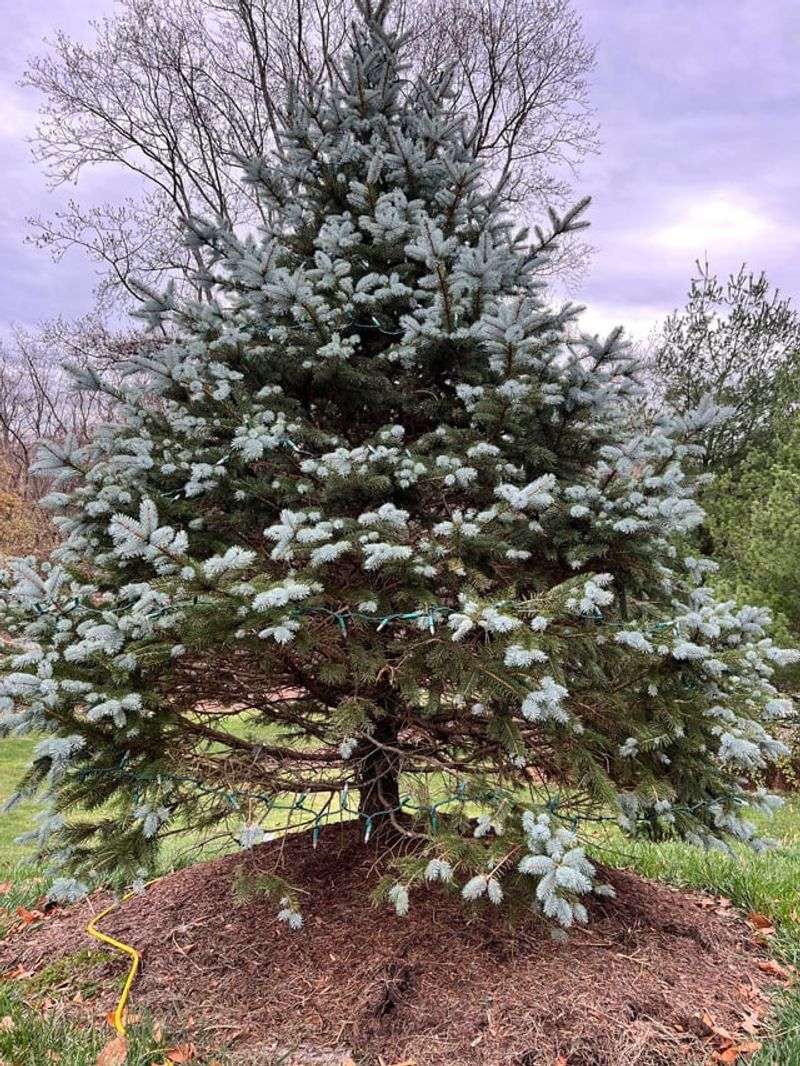
Spruce trees are easy to read once you know what to watch. Their needles tell a story.
A healthy spruce usually shows dense branches, strong needle color, and steady growth. When a tree already looks full and vibrant, September fertilizer is unlikely to improve much.
Your Michigan Garden Changes Every Week. Your Plan Should Too.
Gardening in Michigan changes quickly throughout the season. Every Friday you’ll receive a simple weekly plan showing exactly what to plant, prune, fertilize, harvest, and protect so you never miss the right timing.
Many Michigan spruce problems are not caused by a lack of nutrients. Browning needles, thinning branches, or weak growth may come from issues like needle diseases, pests, drought stress, or root problems.
That is why fertilizer is not the first answer. Adding nutrients without knowing the cause is like changing the batteries in a lamp that is not plugged in. The effort is there, but the real problem remains.
Check the area around the tree first. Compacted soil, poor drainage, and damaged roots can affect how spruce trees absorb water and nutrients.
A soil test can help separate a true deficiency from another issue. If the results show the soil already has enough nutrients, the fertilizer bag can stay closed.
Healthy spruce trees also need time to prepare for winter. Pushing extra growth late in the season is not always helpful. Trees need a natural slowdown as temperatures drop.
If your spruce is growing well, keep doing what works. Provide proper moisture during dry periods, protect the root zone, and avoid unnecessary feeding.
A healthy spruce does not need a pep talk every fall. Sometimes the best encouragement is simply letting it keep doing its thing.
3. Arborvitae Often Need Water More Than Fertilizer
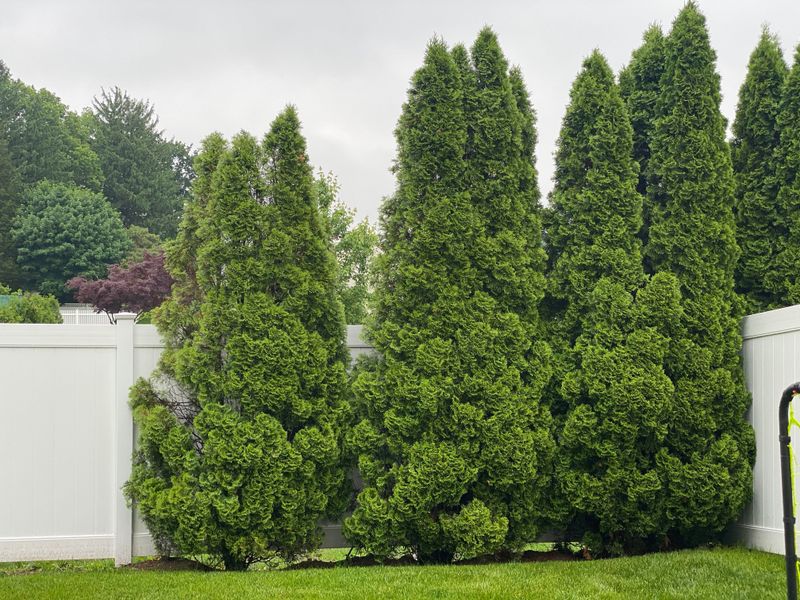
Arborvitae are popular in Michigan for a simple reason. They create privacy, stay green, and fit many landscapes. They also receive plenty of unnecessary fertilizer attention.
Many homeowners notice brown patches inside the plant and assume something is missing. In many cases, that inner browning is completely normal. Arborvitae naturally shed older interior foliage as part of their yearly cycle.
Winter damage creates another common misunderstanding. Brown tips after a harsh season may look like a nutrient problem, but fertilizer does not repair weather stress.
Moisture is often the bigger factor. Arborvitae have shallow roots and can struggle during dry periods. Deep watering during hot or dry stretches usually helps more than adding extra nutrients.
September feeding can also encourage fresh growth at a time when the tree should be preparing for colder weather. New growth needs time to mature before winter conditions arrive.
Take a walk around your arborvitae and look closely. Are new shoots appearing? Is the outer foliage maintaining good color? Does the plant look full overall? Those signs matter more than a few older brown needles.
A soil test can confirm whether nutrients are actually lacking. Without a confirmed deficiency, fertilizer may simply add something the plant already has.
Arborvitae are dependable when their basic needs are met. Give them water, good soil conditions, and proper spacing. They usually do not need a fertilizer buffet every fall.
Sometimes the best privacy screen secret is not adding more. It is helping what is already there stay comfortable.
4. Maple Trees Should Not Receive Extra Fertilizer Without A Reason
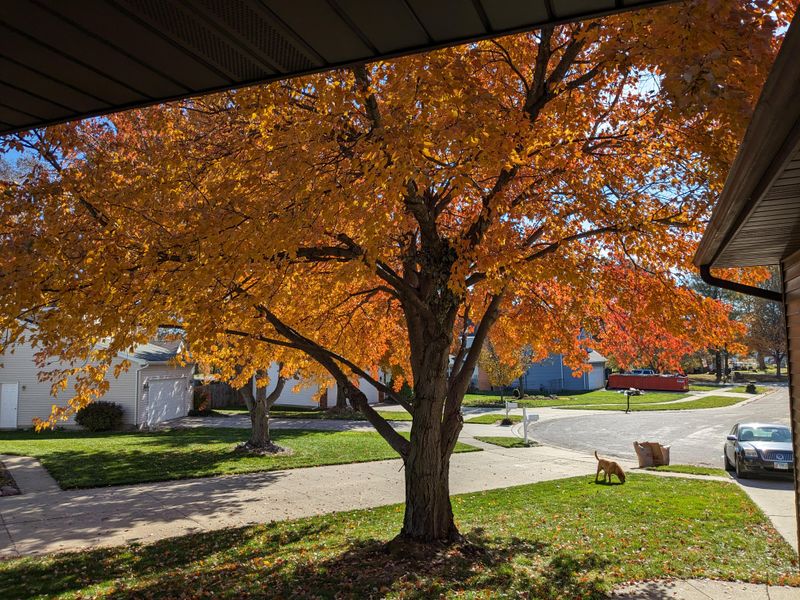
Maple trees bring plenty of drama without fertilizer. Their fall colors already steal the show.
Michigan yards are full of maples because they handle many landscape conditions well. A healthy maple usually does not need regular feeding just because autumn arrives.
Before applying anything, look at the tree itself. Healthy leaves, normal growth, and a full canopy are signs that the tree is managing well.
Extra fertilizer can sometimes push rapid growth. That may sound positive, but fast growth is not always stronger growth. Trees need balanced development, especially before winter arrives.
Maples can also show stress from causes unrelated to nutrients. Soil compaction, root damage, drought, and poor planting conditions can all affect appearance.
This is where gardeners often make a common mistake. They see a symptom and treat the surface without checking the cause.
A soil test helps provide a clearer picture. It can show whether nutrients are actually missing or whether another issue needs attention first.
Mulch is often a better investment for many established maples. A proper mulch layer helps protect roots, conserve moisture, and improve the soil environment over time.
Walk around your maple before feeding it. Notice the bark, branches, leaves, and soil. The tree may already be telling you that everything is fine.
A beautiful maple does not need extra help simply because it is beautiful. Sometimes the smartest fall care plan is letting that colorful superstar enjoy the season without interruption.
5. Pine Trees Often Do Better Without Routine Fertilizer
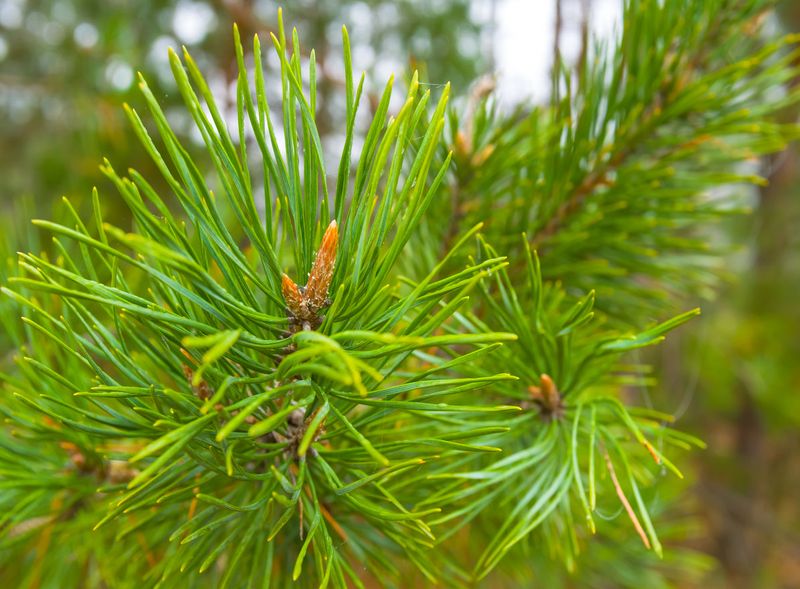
Pine trees have a reputation for being tough. They handle Michigan conditions, hold their needles through winter, and often grow steadily without much attention.
That is exactly why many healthy pines do not need a September fertilizer application.
A mature pine with good needle color and normal growth is usually finding enough nutrients through its root system. Adding fertilizer just because the season changes can create unnecessary growth instead of solving a real problem.
Many pine issues are not caused by missing nutrients. Needle browning, thinning branches, or weak growth may come from drought, pests, diseases, or root damage. Fertilizer cannot fix a problem that starts somewhere else.
This is where a little detective work helps. Look at the whole tree instead of focusing on one branch or a few discolored needles. Check the soil around the base. Notice whether the tree has been growing normally over the past year.
A soil test can help confirm whether the tree actually needs additional nutrients. Without that information, fertilizer becomes a guess.
Pines also need time to prepare for winter. Michigan weather can be unpredictable, and pushing fresh growth late in the season may not be the advantage many homeowners expect.
A healthy pine usually benefits more from proper watering during dry periods, a protected root zone, and avoiding damage around the trunk.
Pines are naturally built for patience. They do not need a fall feeding ceremony every year to keep standing tall. Sometimes the best care plan is simply giving them the conditions they already appreciate.
6. Lawn-Fed Trees Usually Do Not Need Another Fertilizer Application
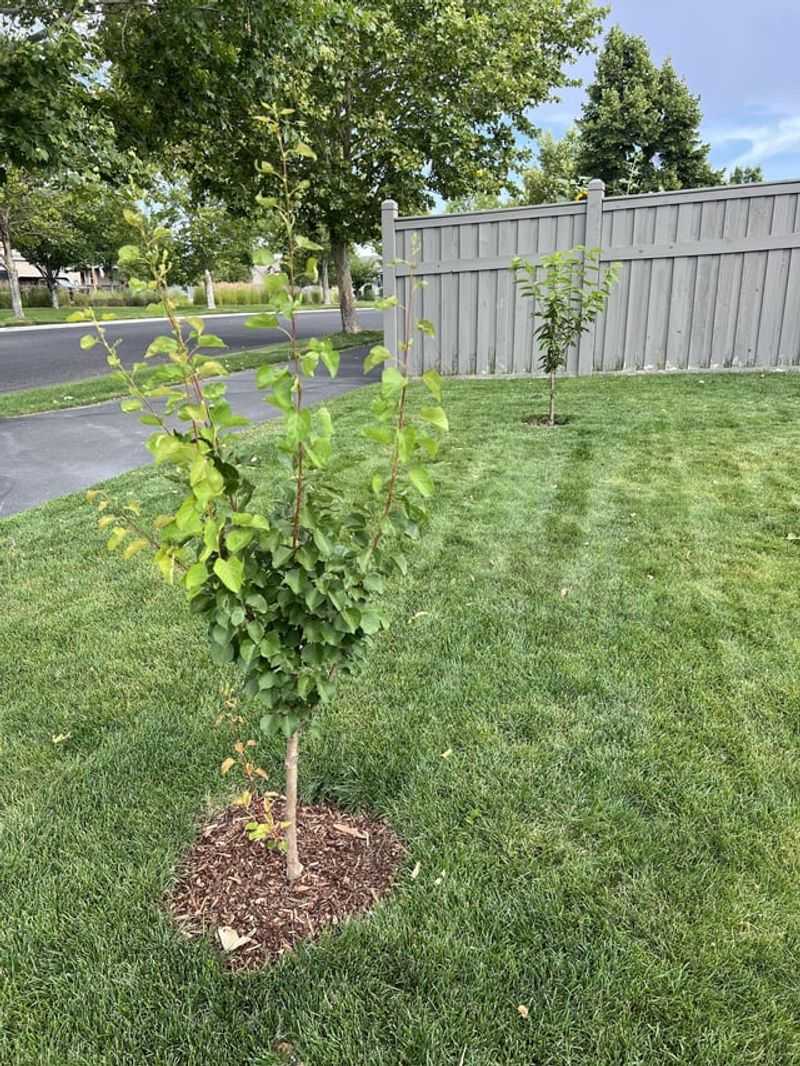
Your tree may already be eating without you realizing it.
Many homeowners fertilize their lawns and forget that tree roots often extend far beyond the trunk. Those roots can reach underneath surrounding grass and absorb some of the nutrients applied to the lawn.
That means a tree growing in a fertilized yard may already receive extra nitrogen throughout the season.
Adding a separate tree fertilizer on top of lawn treatments can create an unnecessary nutrient pileup. More is not always better when it comes to tree health.
Excess nitrogen can encourage quick, leafy growth. That might look impressive at first, but trees also need balanced growth and proper preparation before Michigan’s colder months.
Take a moment to look at your yard as one connected system. The grass, shrubs, and trees are not living in separate boxes. Their roots overlap underground like a hidden neighborhood.
Before applying tree fertilizer, think about what the surrounding landscape has already received. A lawn treated several times during the growing season may have already contributed plenty of nutrients.
This is especially important around large established trees. Their roots often extend well beyond the area most people imagine.
A soil test can help determine whether anything is actually missing. It gives you a clearer answer than guessing from a fertilizer label.
Your lawn and trees are roommates sharing the same space. Before adding another meal to the table, check whether everyone has already eaten.
Sometimes the most responsible fertilizer choice is knowing when to leave the bag closed.
7. Summer-Stressed Trees Need Recovery Before Fertilizer
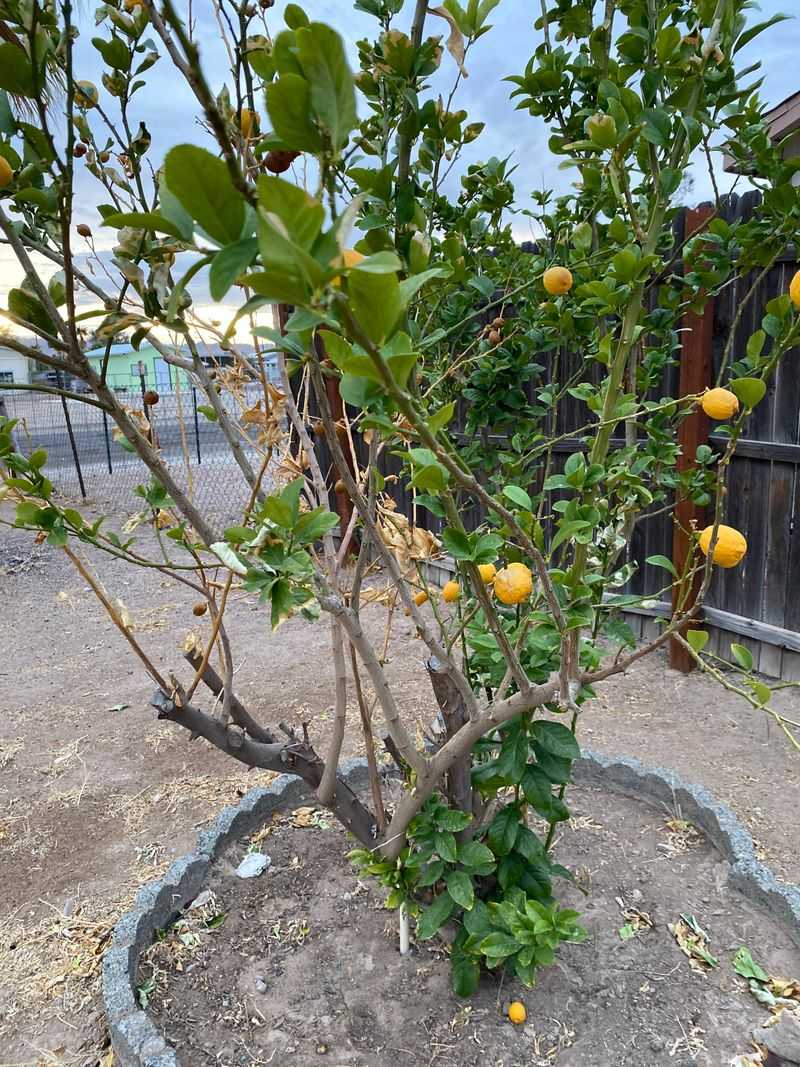
A rough summer can leave trees looking tired. Dry weather, heat, construction damage, or compacted soil can all take a toll.
When a tree is stressed, fertilizer is not always the right first move.
Many homeowners see weak leaves or slow growth and assume the tree needs nutrients. But stressed roots may not be able to use those nutrients properly. Adding fertilizer can place more pressure on a tree that is already trying to recover.
The first step is finding the real problem. Check the soil moisture. Look for damaged roots. Notice whether the area around the tree has become harder or more compacted.
Roots need air, water, and healthy soil conditions. A fertilizer application cannot replace those basics.
This is where simple care can make a big difference. Deep watering during dry periods helps roots access moisture.
Mulch around the root zone can help protect soil conditions. Reducing foot traffic near the tree can also prevent more stress.
Construction damage deserves extra attention. Soil changes, trenching, and heavy equipment can affect roots long before symptoms appear above ground.
A tree that struggled through summer needs support, not pressure. Give it time to recover and investigate the cause before reaching for fertilizer.
Trees are not like houseplants that need a quick rescue product every time they look unhappy. Sometimes the best medicine is improving the environment around them.
A little patience now can help the tree return stronger in the seasons ahead.
8. Young Trees Need Careful Feeding, Not A September Growth Push
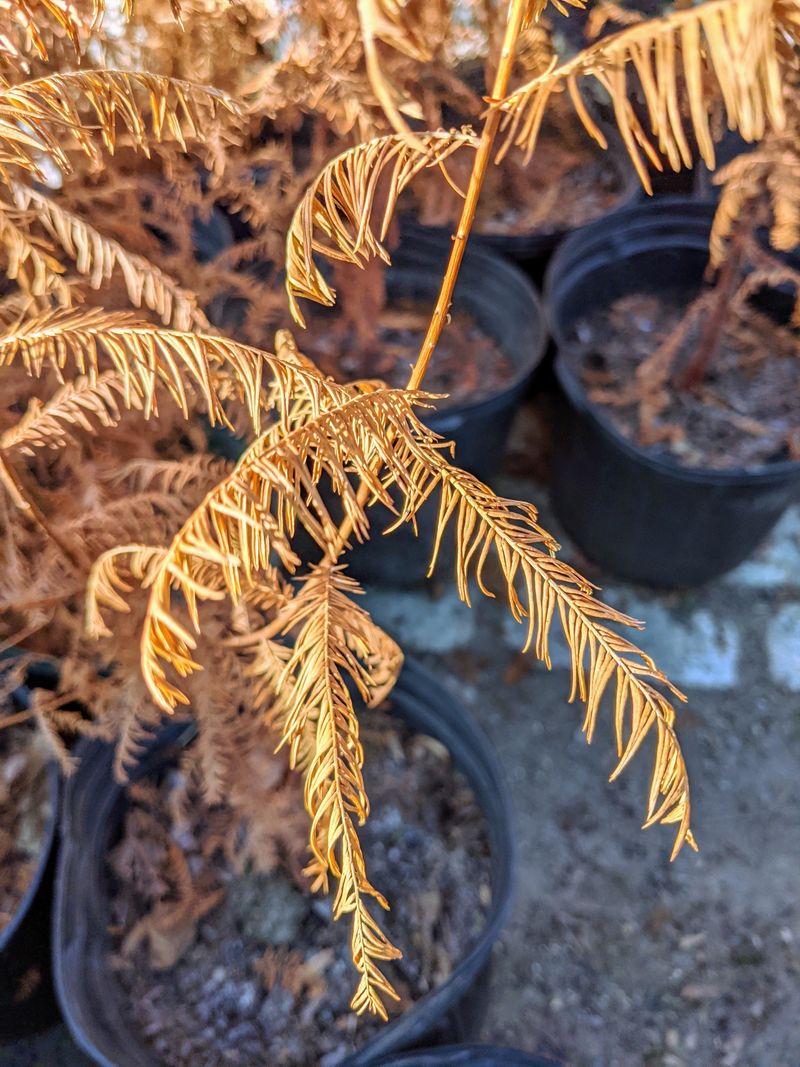
Young trees often get the most attention because homeowners want to see them grow quickly. That excitement makes sense. A small tree feels like a promise of future shade and beauty.
But young trees are not trying to become giants overnight.
During their first years, they focus heavily on root development. A strong root system gives them the foundation they need for long-term growth.
Heavy fertilizer applications can encourage top growth faster than the roots can support. The tree may look bigger quickly, but balanced development matters more than speed.
For newly planted trees in Michigan, water and mulch usually provide more value than a fertilizer bag. A layer of mulch around the root zone helps conserve moisture and protects the soil from temperature changes.
Keep mulch a few inches away from the trunk. Trees appreciate protection, but they do not enjoy wearing a mulch collar.
Watch your young tree throughout the season. New growth, healthy leaves, and steady development are good signs. A tree that is progressing normally usually does not need extra feeding.
A soil test can help when growth appears weak or the foliage looks unusual. Confirming a nutrient shortage first keeps fertilizer use more targeted.
Young trees need time to settle in. They are building a future, not rushing toward a finish line.
The best gift you can give a young tree is a strong start. Good soil, proper watering, and patience often create the healthiest growth plan.
Sometimes the fastest way to grow a great tree is knowing when not to push it.