The Alabama Yard Work To Finish Before Hurricane Season Peaks This Week
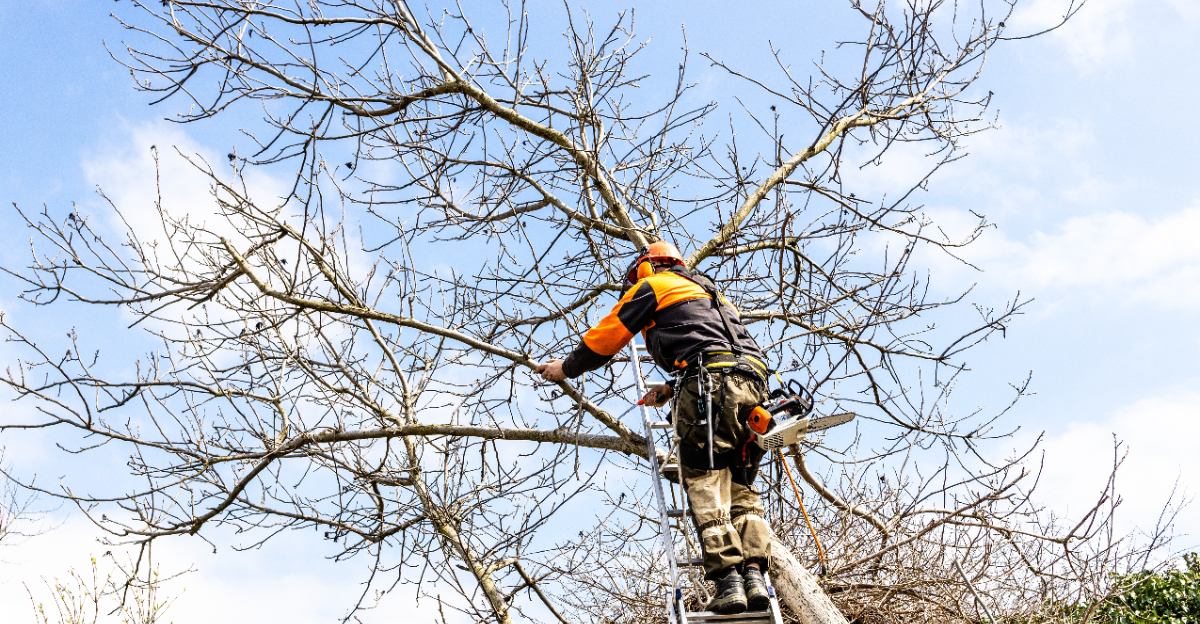
Wind does not measure how strong your Alabama tree looks, but how much surface area is pushing back against it. Heavier canopies trap more wind, and every extra pound up top becomes leverage against the trunk below.
Branches left untouched all summer add weight exactly where a tree can least afford it. Certain branches matter more than others when a storm tests your property, and most homeowners choose the wrong ones to remove.
Professionals who handle storm damage notice the same pattern before every hurricane season begins. A simple adjustment made weeks ahead changes how your tree behaves when wind speeds spike overnight.
What you choose to remove now could decide if your yard survives the next big blow with barely a scratch or ends up covered in broken branches.
Limb Thinning And What It Does In High Wind
Wind does not care how beautiful your oak tree looks. When a storm pushes through with 80-mile-per-hour gusts, a dense canopy acts like a sail, catching air and pulling the whole tree sideways.
Limb thinning removes select branches from inside the canopy. This opens up space for wind to pass through instead of building pressure against the tree.
Think of it like poking holes in an umbrella during a gust. The air flows through instead of flipping everything over.
Thinning also reduces the overall weight load on major limbs. Lighter limbs flex better in storms instead of snapping under pressure.
A good rule of thumb is to remove no more than 25 percent of the canopy at one time. Cutting too much stresses the tree and leaves it vulnerable to disease and sun damage.
Proper thinning focuses on crossing branches, decayed wood, and crowded interior growth first. You want airflow, not a bare skeleton.
Grab a pair of sharp bypass pruners for smaller branches and a pruning saw for anything thicker than your thumb. Clean cuts heal faster and resist rot better than ragged ones.
The goal of limb thinning before Alabama yard work season peaks is simple: keep the tree standing and your property safe. A thinned tree bends with the storm instead of breaking against it.
Branches Over The Roof, Driveway And Power Line
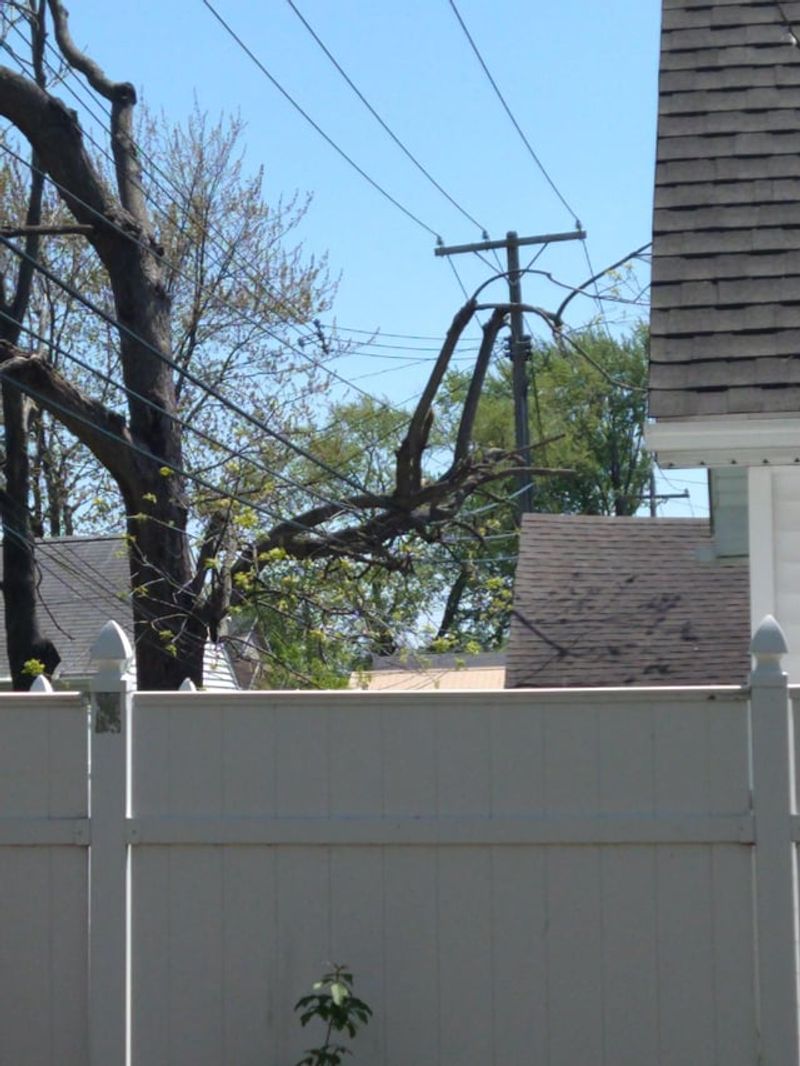
That big branch hanging over your roof is not charming anymore. A hurricane-force gust can drive it straight through your shingles.
Branches over driveways carry the same risk. A single snapped limb can cave in a hood or shatter a windshield.
Power lines carry the highest risk, since a falling branch can cut power across your street. Walk your property now and check for anything hanging over a structure or line.
A safe clearance is about 10 feet between a branch tip and your shingles. Trim driveway overhangs too, since even a falling branch can crack a windshield.
Late summer is the easiest time to spot these risks, since full leaf cover shows exactly which branches sit over sensitive areas. Marking them now saves confusion later, when a storm warning leaves you only a day or two to act.
Your Alabama Garden Changes Every Week. Your Plan Should Too.
Gardening in Alabama changes quickly throughout the season. Every Friday you’ll receive a simple weekly plan showing exactly what to plant, prune, fertilize, harvest, and protect so you never miss the right timing.
Take photos of any overhanging branch before you trim, especially near the roofline. That record helps if you ever need to show an insurer what condition the tree was in beforehand.
Fences and AC units deserve the same attention as the roof and driveway. A branch that looks harmless from a distance can crush a unit or panel outright once it comes down.
Leave branches near power lines to a licensed arborist, since a live wire is extremely dangerous. Clearing these hazards now means fewer emergency calls once the storm arrives.
Signs Of Weak Attachment Worth Looking For From The Ground
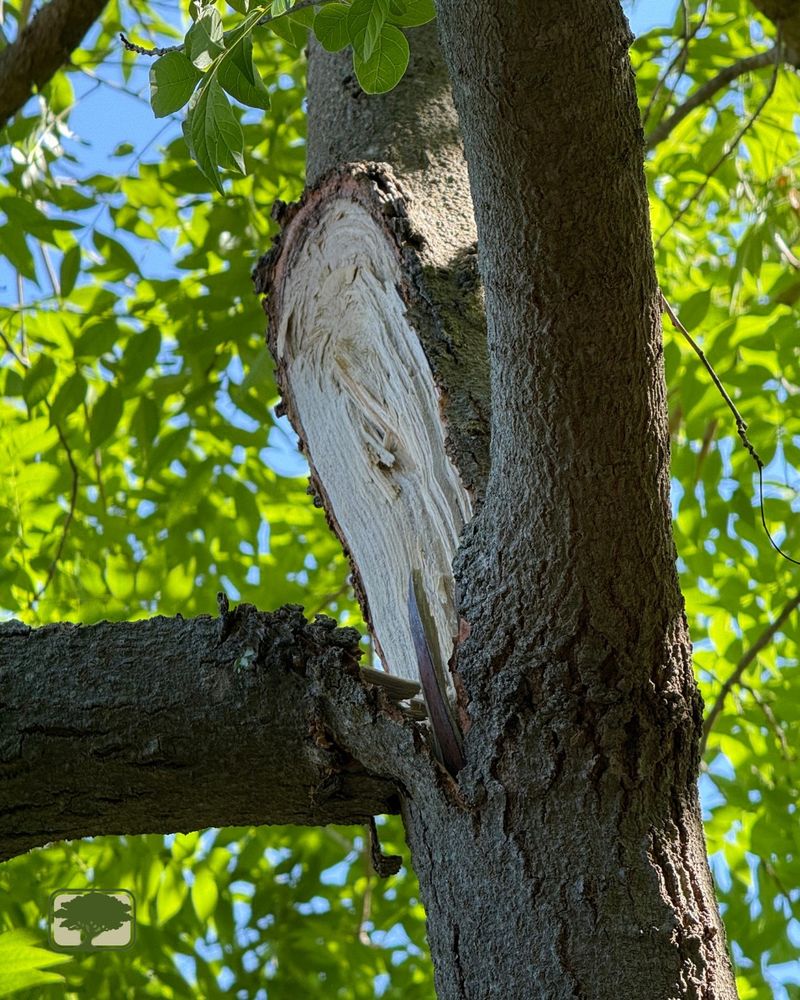
You do not need to climb a tree to spot trouble. Some of the most dangerous warning signs are visible from your own two feet on the ground.
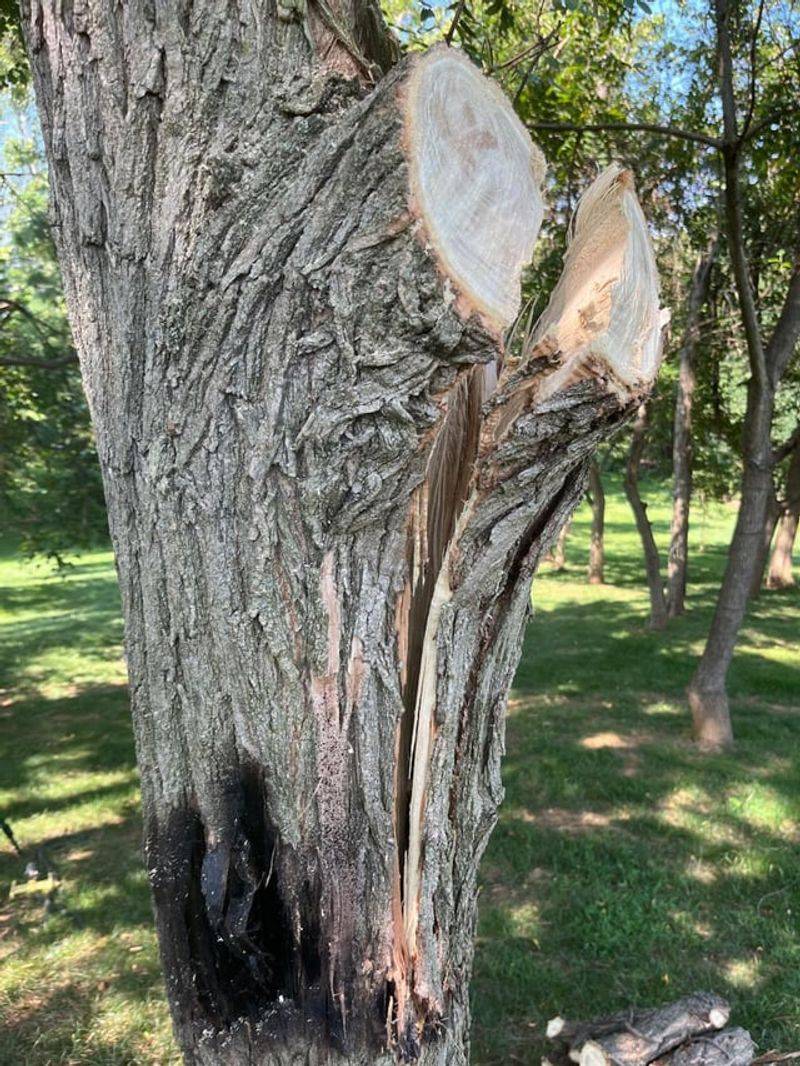
Codominant stems are one of the biggest red flags. These are two trunks growing side by side from the same base, forming a tight V-shape at the junction.
That narrow V creates a weak point where bark gets trapped between the two stems. Over time, the connection gets weaker, not stronger, especially under storm pressure.
Cracks running along a branch or trunk are another serious signal. If you can see a split in the wood, the branch is already failing from the inside out.
Look for mushrooms or fungal growth at the base of any tree. Fungi feed on decaying wood, which means the interior of that trunk may already be hollow and compromised.
Damaged branches are easy to spot because they hold no leaves during the growing season. A branch with brown, brittle leaves while the rest of the tree is green needs to come down now.
Leaning trees that have shifted recently are worth flagging too. Fresh soil heaving around the base means the root system is losing its grip underground.
Scanning your yard for these signs takes about 20 minutes and costs nothing. Catching a failing limb before the storm does is the smartest Alabama yard work investment you can make this week.
Cuts That Help And Cuts That Leave A Tree Worse Off
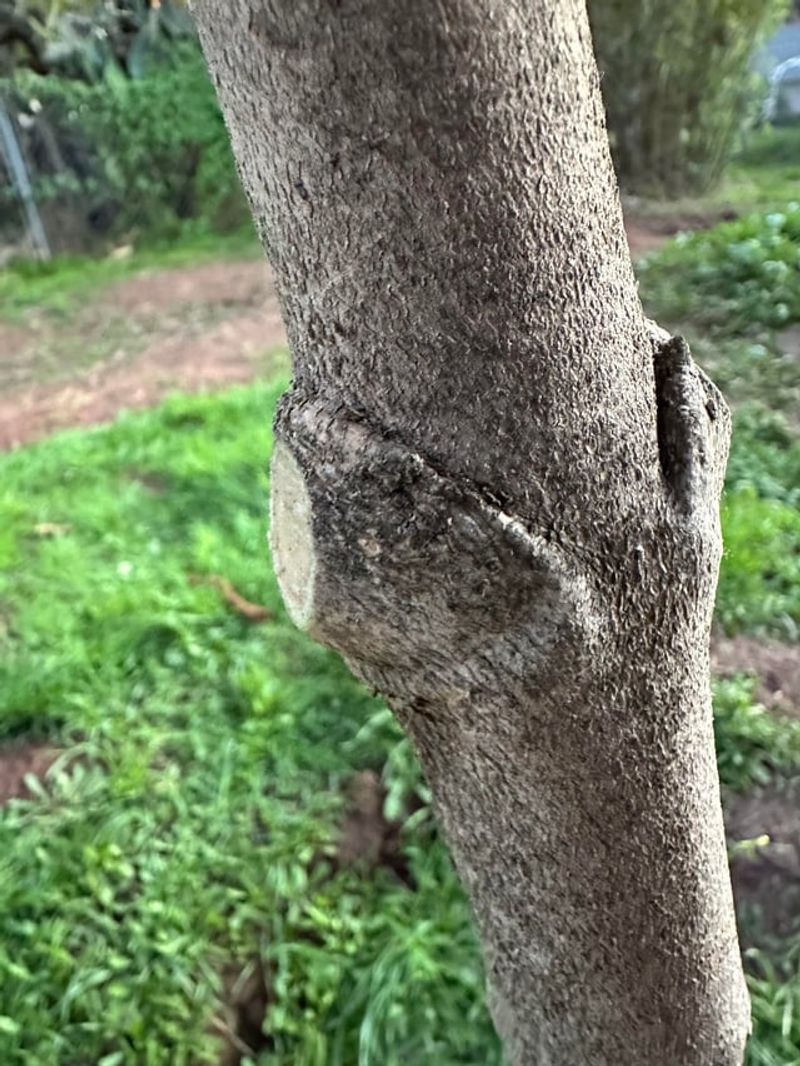
Not every cut counts as good pruning. A bad one can leave a tree more dangerous than before.
The branch collar, that swollen ring where limb meets trunk, is where a tree seals its wounds. Cutting just outside it lets that tissue close over rot and insects.
Flush cuts are the most common mistake, removing the collar and leaving a wound that won’t close. Stub cuts cause the same trouble, letting decay creep back into the wood.
Sharp, clean tools matter, since dull blades tear wood and invite pests. Wet weather makes it worse too, since it spreads fungal spores from tools to fresh cuts.
Cutting at a slight angle away from the collar keeps water from pooling on the wound surface. Wounds that stay wet longer are more likely to develop rot before the tree can seal them.
Timing matters as much as technique, since cuts made in late summer heal faster than ones made right before a cold snap. Warmer weather keeps the tree’s natural sealing process active longer.
Bigger limbs need a three-cut method instead of one pass, starting with an undercut to prevent the bark from tearing. Skipping that step often strips bark down the trunk as the branch falls.
The right cuts made before Alabama yard hurricane prep windows close will strengthen your trees for decades. Sloppy ones made in a hurry can turn a healthy tree into a liability for years.
Species Around Alabama Homes That Fail Most Often
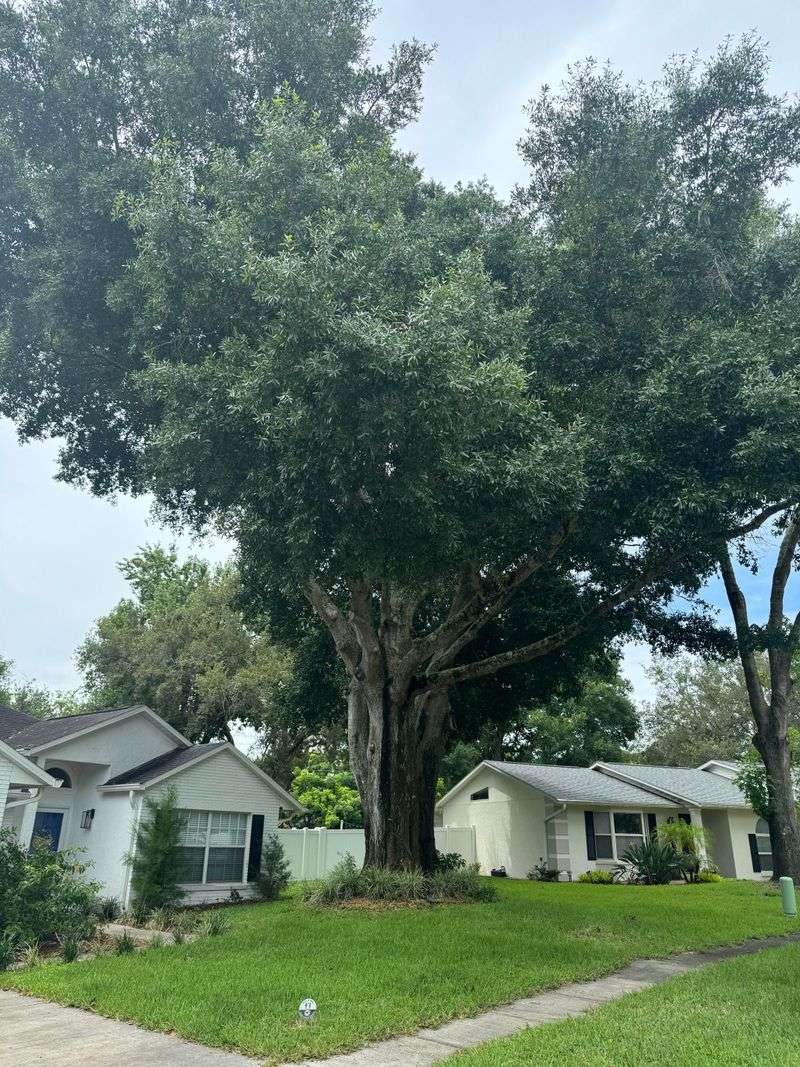
Certain species fail more often in high winds than others. Knowing which ones grow in your yard shows you where to focus storm prep.
Water oaks are common problem trees across central and south Alabama. They grow fast, but their wood is brittle and roots often stay shallow in clay soils.
Bradford pears are notorious for splitting apart in storms. Their multiple codominant stems separate suddenly under wind load, often taking out fences and gutters.
Sweetgum trees shed heavy spiked seed balls through fall and winter. Their bigger issue is weak branch attachment, letting limbs peel away easily in strong gusts.
Leyland cypress trees near homes are a growing concern, since shallow roots and top-heavy growth make them prone to uprooting. That risk climbs fast once soil turns saturated after heavy rain.
Loblolly pines are widespread and generally strong, but older trees with beetle damage or crown decline fail often. Watch for faded needles and pitch tubes on the bark as warning signs.
Older trees deserve extra scrutiny regardless of species, since decades of growth can hide internal damage that only shows up under stress. A quick look at trunk taper and canopy balance often reveals problems long before a storm does.
Silver maples grow fast and look great in spring, but their wood is among the softest of any shade tree. Branches snap under ice, heavy rain, or wind with very little resistance.
Jobs Better Left To A Certified Arborist
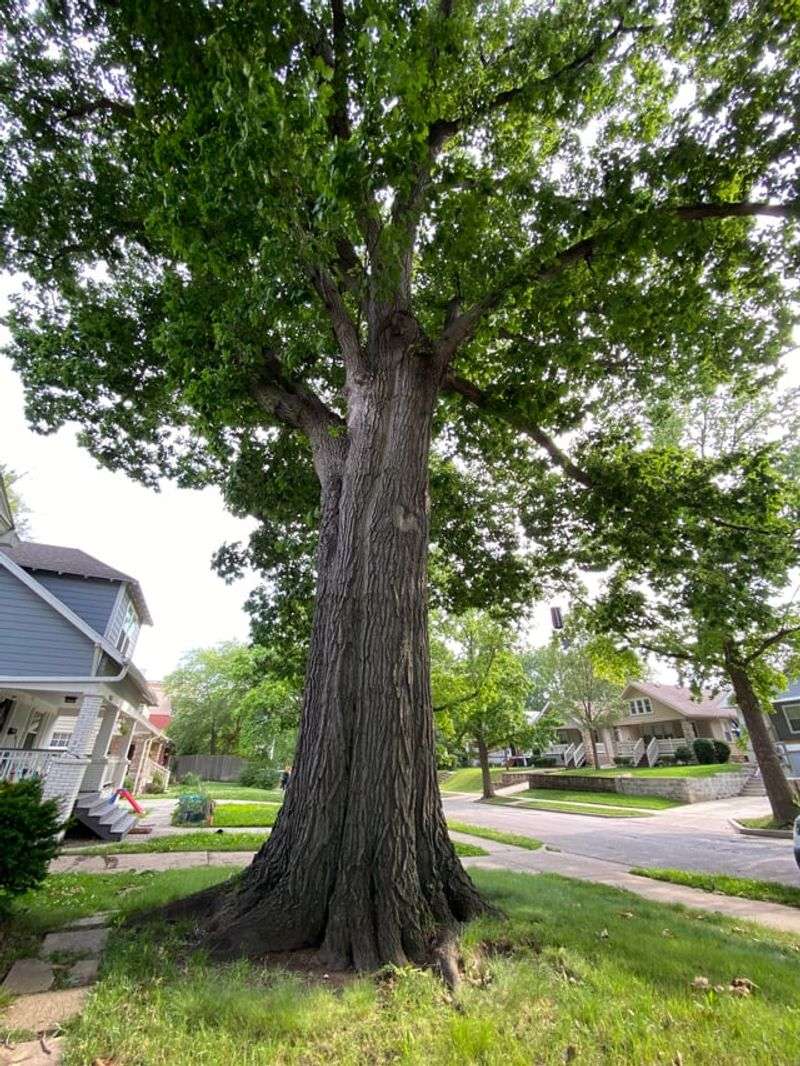
Some yard tasks feel manageable until you’re standing at the base of a 60-foot pine with a chainsaw. Knowing when to step back is part of doing this safely.
Branches that are thick or close to a structure are worth having a professional evaluate. A miscalculated drop can damage your home or injure someone nearby.
Certified arborists carry credentials from the International Society of Arboriculture, or ISA. That certification means they’ve passed testing on tree biology, pruning, and safe climbing.
They also carry liability insurance, which matters if something goes wrong during a job. A trained eye also catches root problems and internal decay a homeowner typically misses.
Booking an arborist early in the season also means better availability, since schedules fill fast once storm forecasts start making headlines. Waiting until a warning is issued often means longer waits and higher costs.
Large removals near power lines generally call for a professional, since utilities often set their own safety protocols. Hiring an arborist before storm season is usually smarter than paying emergency rates after a tree comes down.
Finishing your Alabama yard hurricane prep with professional help where it counts is worth the cost. It gives you the best shot at protecting your property before the season peaks.