Alabama Says Goodbye To Purple Martins And Hello To These Feeder Birds
Silence settles over Alabama porches the moment Purple Martins depart. Departure does not mean abandonment for you. Feeder traffic already shifts overnight, and the change surprises eager watchers.
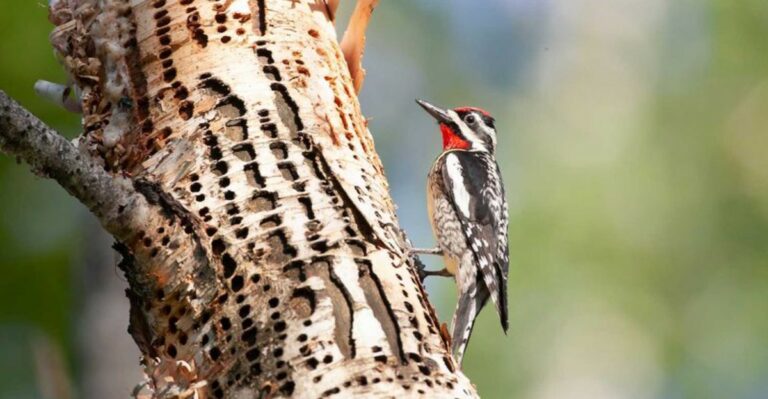
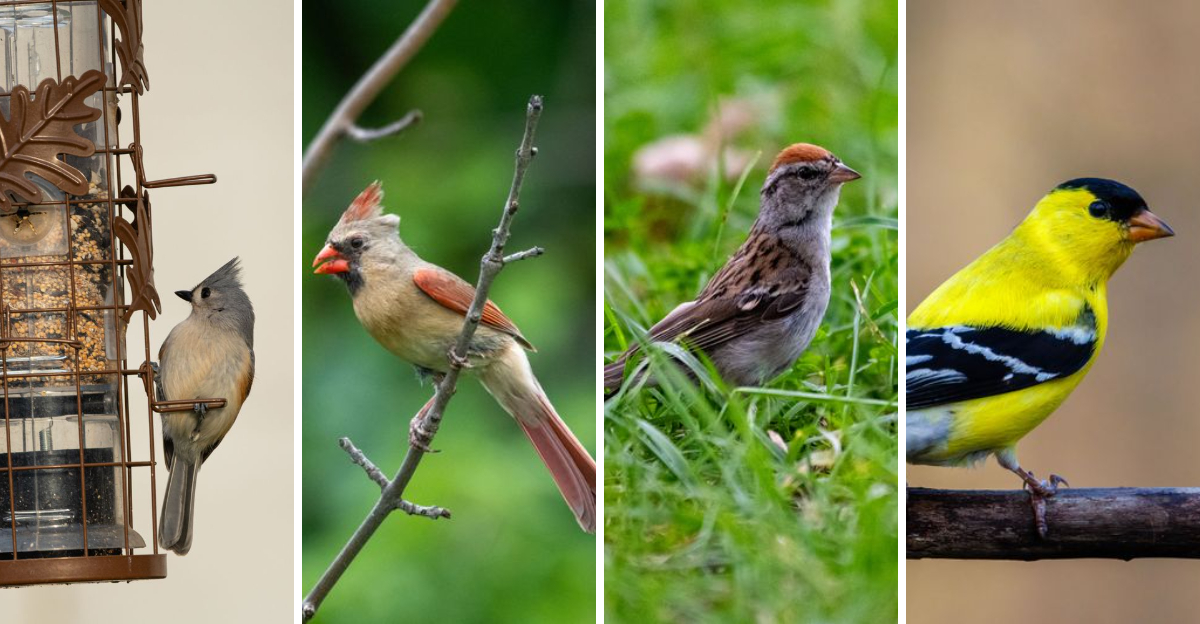
Cardinals glow red against bare branches near your window. Finches arrive wearing colors martins never carried. Woodpeckers tap steady rhythms into the quiet Alabama air.
Chickadees dart toward you, bold and unbothered by presence. Titmice call loudly, staking perches like territory matters. Each visitor brings a personality brighter than the last.
Your feeders become a stage, and the cast keeps shifting daily. Watching becomes compelling once you notice every small detail. Colors deepen, calls sharpen, and motion never really stops.
Binoculars stay useful longer than you think this season. Patterns emerge quickly once you start paying attention closely. Newcomers outshine the martins in ways you never expected. Act now, this chance passes. You will not want to miss who shows up next.
1. Ruby-Throated Hummingbirds
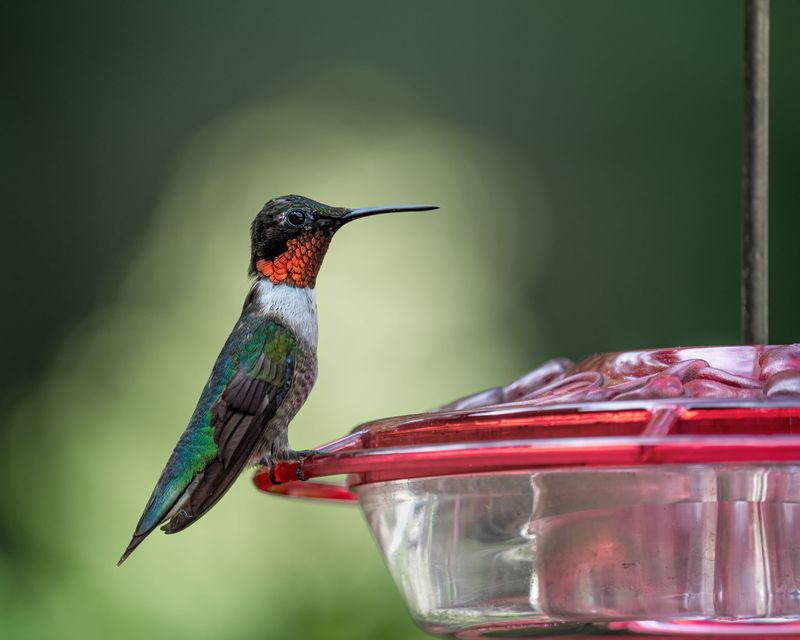
That is the Ruby-Throated Hummingbird, with wings that can beat around 50 times per second in normal flight.
These tiny powerhouses weigh less than a nickel. Yet they travel thousands of miles each year, including a nonstop flight across the Gulf of Mexico, fueled almost entirely by flower nectar and sugar water.
The male sports a throat patch so red it looks like a deep glowing red in the right light. Females wear a simpler white chin, but they are just as fast and feisty.
Setting up a hummingbird feeder is surprisingly simple. Mix one part white sugar with four parts water, skip the red dye, and hang it in a shady spot near some flowers.
Clean your feeder every two to three days in warm weather. Moldy nectar can make these birds sick, so freshness matters a lot.
Ruby-throats are actively territorial around feeders. You might see two males chasing each other in fast aerial chases right outside your window.
They begin showing up in Alabama as early as March. By late summer, juveniles join the adults at feeders before the big southern migration begins.
Planting salvias, bee balm, or trumpet vine nearby makes your yard even more attractive to them. These feeder birds reward a little effort with a spectacular show that never gets old.
2. Carolina Chickadees
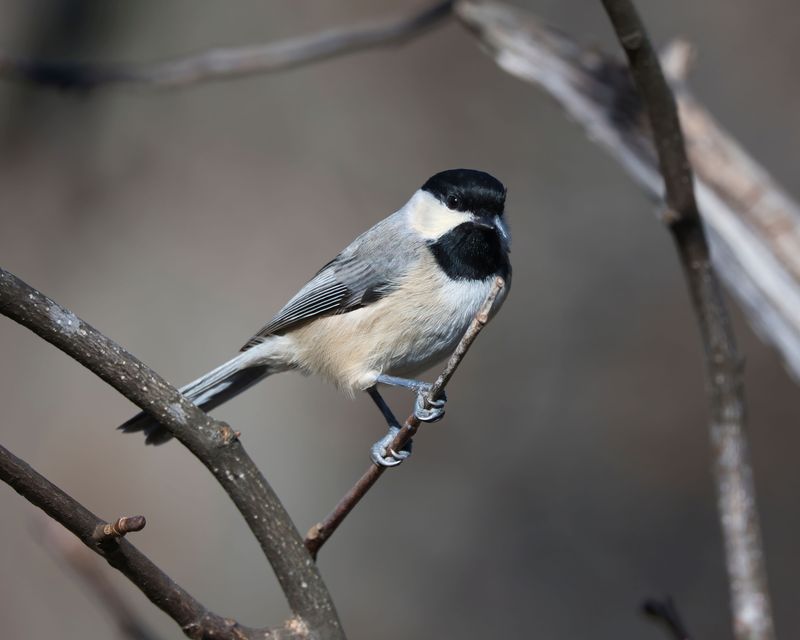
Few birds are as bold and as tiny at the same time as the Carolina Chickadee. This little bird has been known to eat from your hand with enough patience and the right conditions.
Carolina Chickadees are year-round Alabama residents, so they do not disappear with the Purple Martins. They are loyal backyard companions through every season, including the coldest winter months.
That classic black cap and bib against bright white cheeks makes them one of the most recognizable feeder birds in the Southeast. Even first-time birders identify them instantly with zero trouble.
Black-oil sunflower seeds are their absolute favorite. They grab a seed, fly to a nearby branch, hold it with their feet, and hammer it open with a quick, efficient beak.
Your Alabama Garden Changes Every Week. Your Plan Should Too.
Gardening in Alabama changes quickly throughout the season. Every Friday you’ll receive a simple weekly plan showing exactly what to plant, prune, fertilize, harvest, and protect so you never miss the right timing.
Chickadees are also avid explorers of suet cages. High-protein suet gives them the energy they need to stay warm and active on cold Alabama mornings when other birds slow down.
Their chick-a-dee-dee-dee call is more than just a catchy name call is more than just a catchy name. Scientists have discovered it works as a complex alarm system, with more dee notes meaning a more serious threat nearby.
Hang a nest box in your yard and you might get the bonus of watching a breeding pair raise chicks come spring. These feeder birds offer entertainment that goes far beyond the feeder itself.
3. Chipping Sparrows
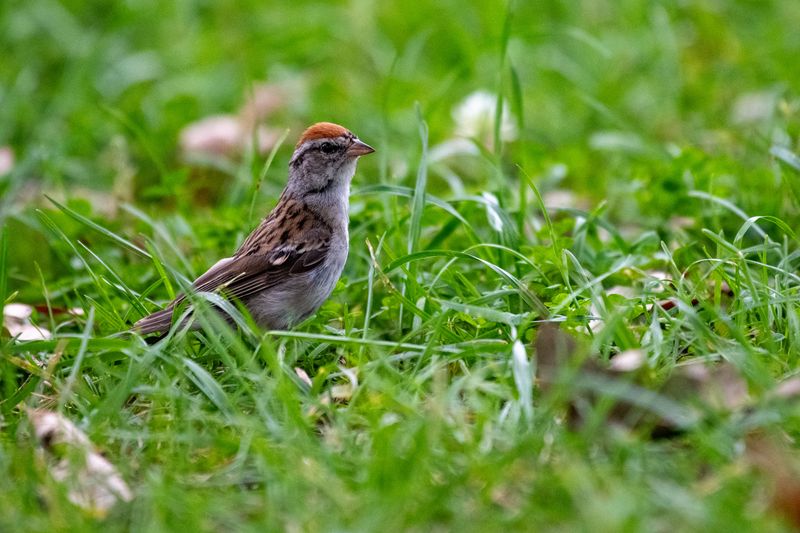
Small, tidy, and surprisingly bold, the Chipping Sparrow is one of those birds people overlook until they really look. Once you notice that rusty cap and sharp white eyebrow stripe, you will spot them everywhere.
Chipping Sparrows love open ground as much as they love feeders. They often forage right beneath platform feeders, picking up millet and cracked corn that other birds knock to the ground.
Their call is a long, mechanical trill, often compared by birders to a tiny sewing machine running at full speed. Once you learn it, you will hear it constantly in Alabama backyards during fall and winter.
These sparrows travel in loose flocks and tend to stick close to shrubs and low brush. Planting native grasses or leaving a brush pile nearby gives them great cover between feeder visits.
Chipping Sparrows are not picky eaters at all. White millet is their top pick, but they also accept hulled sunflower seeds and fine cracked corn without any fuss.
A low platform feeder or even a simple tray on the ground works great for attracting them. They feel comfortable feeding at or near ground level, unlike some feeder birds that prefer height.
Winter flocks can include dozens of individuals moving through a yard at once. Watching that many tiny birds move in synchronized waves across your lawn is a striking sight.
Keep an eye out for their subtle fall plumage. The rusty cap fades a bit, but these little birds still carry enough personality to make every visit worth watching.
4. American Goldfinches
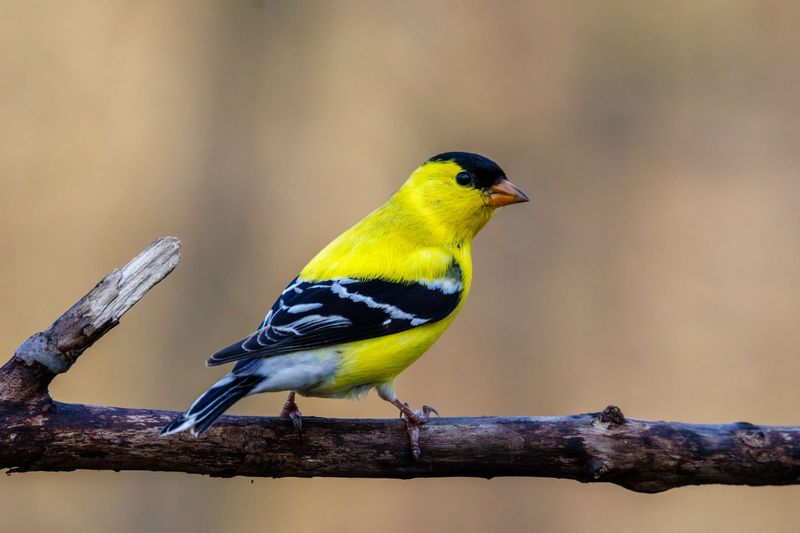
Spotting a flash of neon yellow at your feeder feels like finding a dropped crayon in the grass. American Goldfinches bring that kind of bright color to Alabama yards all through the cooler months.
These cheerful birds are almost entirely vegetarian. They rarely touch suet or mealworms, preferring nyjer seed and sunflower chips above almost everything else.
Males in winter are not quite as dazzling as their summer selves. They trade their bold breeding yellow for a softer, olive-gold tone that still catches the eye on a gray November morning.
Females stay a warm, muted yellow-green year-round. Both sexes have those crisp white wing bars that make them easy to spot even in a crowded feeder scene.
Tube feeders with multiple small ports work best for goldfinches. They are agile birds that cling and spin with ease, so a sock feeder filled with nyjer seed also works perfectly.
Groups of goldfinches travel and feed together through fall and winter. Attracting one often means attracting a whole cheerful flock that fills your yard with soft, musical chattering.
They tend to be less aggressive than other feeder regulars. That calm, social personality makes them a pleasure to watch, especially for families with young kids just getting into birding.
Keep your nyjer seed fresh, because stale seed gets ignored fast. Fresh seed and a clean feeder are the two simplest tricks to keep these golden guests coming back.
5. Tufted Titmice
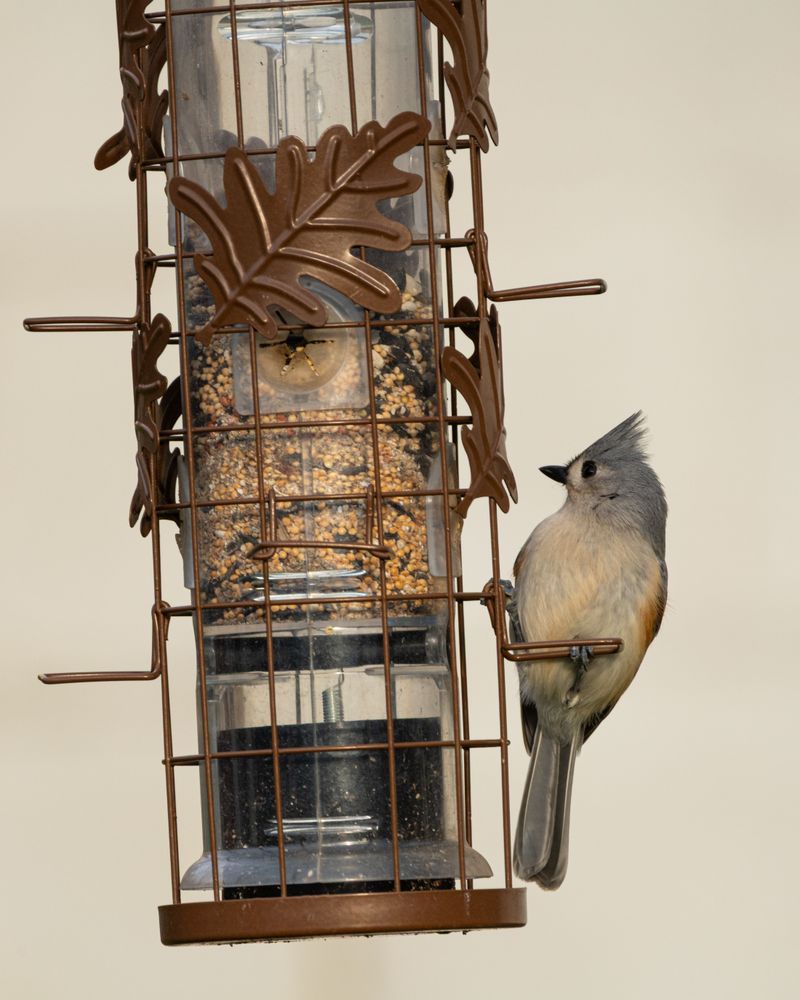
With those oversized black eyes and a perky gray crest, the Tufted Titmouse has a distinctly charming appearance that stands out at any feeder.
Titmice are bold, inquisitive, and surprisingly loud for their size. Their loud, whistled peter-peter-peter song rings out through Alabama woods and suburbs from fall straight through early spring.
Like their chickadee cousins, titmice prefer black-oil sunflower seeds above most other options. They are also big fans of shelled peanuts, which they will cache in bark crevices for later snacking.
Watching a titmouse work a sunflower seed is genuinely entertaining. It grabs the seed, pins it under one foot on a branch, and hammers away with focused determination until it cracks open.
Tufted Titmice are social birds that often travel in mixed flocks with chickadees and nuthatches. Attracting one species frequently brings the others along for a lively, multi-species feeder gathering.
They are comfortable around humans and adapt quickly to suburban yards. A yard with mature trees, a reliable feeder, and a water source checks every box a titmouse is looking for.
Nest boxes with a one-and-a-quarter-inch entrance hole attract breeding pairs in spring. Providing nesting material like pet fur or soft plant fibers nearby can seal the deal for a nesting pair.
Their crest raises and lowers based on mood, making them surprisingly expressive little birds. Every visit to your feeder feels like a tiny, feathered drama playing out in real time.
6. House Finches
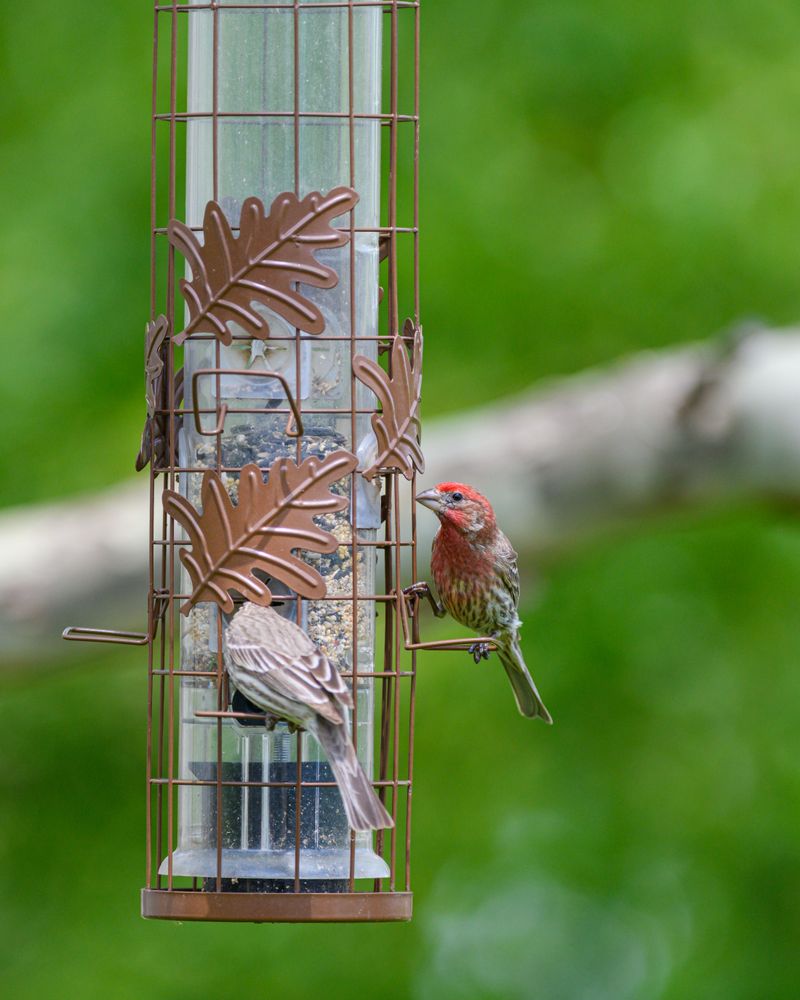
The male House Finch looks like his head and chest were washed in a rosy-red hue. That rosy flush of color makes him one of the most cheerful sights at any winter feeder.
House Finches are originally from the western United States, but they spread across the East decades ago. Today, they are one of the most common and consistent feeder visitors across all of Alabama.
Females are streaky brown without any red at all, which surprises new birders who see them side by side. Once you know the pair, you start spotting them together almost everywhere you look.
These birds have a rich, rambling song that sounds like a bubbling stream of musical notes. Males sing year-round, so a House Finch at your feeder often comes with a free soundtrack.
Black-oil sunflower seeds and safflower seeds are their top two feeder choices. They also enjoy nyjer seed, which means a single well-stocked feeder can attract goldfinches and House Finches at the same time.
House Finches tend to feed in groups, so expect a small flock rather than a solo visitor. That social feeding style creates a lively, chattering scene that feels full of energy and motion.
Keep an eye out for eye disease in House Finches, which causes crusty, swollen eyes. Clean feeders weekly with a diluted bleach solution to help protect your whole backyard bird community.
A clean feeder stocked with fresh seed is the simplest way to keep them returning. These feeder birds prove that consistency and care go a long way in the backyard birding world.
7. Northern Cardinals
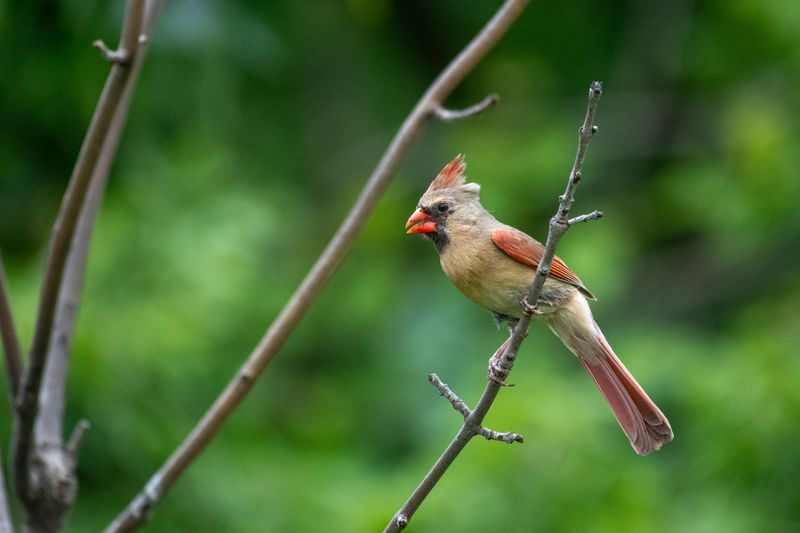
Few birds turn heads at a winter feeder quite like the Northern Cardinal. That blazing red against a gray January sky is one of the most iconic sights in all of American backyard birding.
Cardinals are Alabama year-round residents, so they never really leave. But winter makes them stand out even more, especially when bare branches and pale skies set the scene.
Males are that famous all-red with a black mask around the face. Females are a warm buff-brown with red accents on the crest, wings, and tail, which is its own kind of subtle beauty.
Both sexes crack open seeds with their thick, powerful beaks. That cone-shaped beak is built for sunflower seeds and safflower seeds, which cardinals prefer over almost any other feeder offering.
Cardinals feel most comfortable feeding at dawn and dusk. Setting out fresh seed in the late afternoon means you will often catch them at the feeder right as the golden hour light hits.
Hopper feeders and platform feeders suit cardinals best, since they are larger birds who need a solid perch. Tube feeders with small ports can frustrate them, so bigger is better for these birds.
Males sometimes feed females during courtship, passing seeds beak to beak in a sweet ritual called mate feeding. Spotting that behavior at your feeder is a rare and interesting sight.
Northern Cardinals are among the most popular feeder birds in the country for a reason. Once you attract a pair, you will do everything in your power to keep them around.
8. White-Throated Sparrows
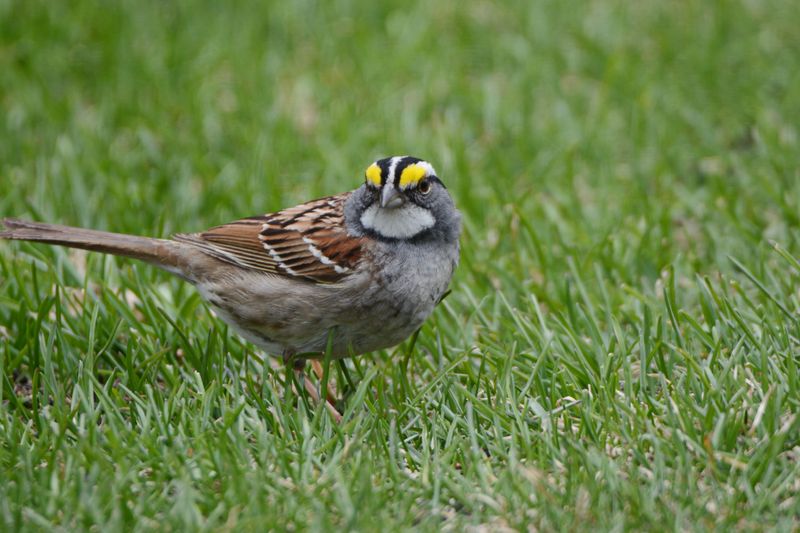
There is something deeply nostalgic about the White-Throated Sparrow’s song, a slow, clear whistle that sounds like someone saying Old Sam Peabody in a minor key. Birders in Alabama wait for it every fall.
These sparrows arrive from their northern breeding grounds as temperatures drop across the Southeast. Their arrival is one of the clearest signs that the season has officially shifted in Alabama backyards.
White-throated Sparrows wear a distinctive face pattern that makes them easy to identify. Look for a bright white throat patch, a bold striped crown, and small yellow spots just above the bill near the eyes.
Ground feeding is their preferred style, so scatter white millet or cracked corn below your feeders. They scratch through leaf litter and loose soil with a two-footed hop that kicks debris aside with surprising force.
These birds often travel in mixed sparrow flocks alongside Dark-eyed Juncos and Song Sparrows. A brush pile or dense shrub near your feeding area gives the whole flock a safe place to rest and hide.
White-throated Sparrows come in two color forms, tan-striped and white-striped, and both visit Alabama regularly. Telling them apart at the feeder becomes a fun little challenge once you know what to look for.
They tend to linger in Alabama yards well into spring before heading north again. That long winter stay makes them one of the most dependable cold-weather companions for backyard birders across the state.
Keeping leaf litter in place and millet on the ground is all it takes to attract them. These feeder birds remind us that sometimes the simplest setup brings the most rewarding results of all.