Georgia Plants That Pull In Dragonflies To Knock Down Late-Summer Mosquitoes
The secret to fewer mosquitoes might not be sitting in a spray bottle.
It may be waiting beside the water.
Late summer in Georgia creates the perfect storm for mosquitoes. Warm evenings, humid air, and standing water can turn a peaceful backyard into an insect hotspot.
Many gardeners search for flowers that attract helpful predators, but dragonflies do not visit gardens for nectar.
They are hunters.
The trick is creating a place where dragonflies want to live, rest, and reproduce. That means building the right habitat around ponds, rain gardens, and wet areas. The plants matter, but not because they smell sweet or look pretty.
Their real job happens below and above the water.
Have you ever watched a dragonfly suddenly appear, hover for a moment, and disappear across the yard? That tiny hunter is looking for the right territory. A well-planted water edge can provide exactly what it needs.
The right Georgia natives can turn a plain pond into a busy ecosystem. They create hiding places, climbing stems, and hunting perches that support dragonflies throughout the season.
The result is a garden that works with nature instead of constantly fighting it.
1. Plant Pickerelweed Along Shallow Water
A pond edge without plants is like a restaurant without tables. The hunters may arrive, but they have nowhere to stay.
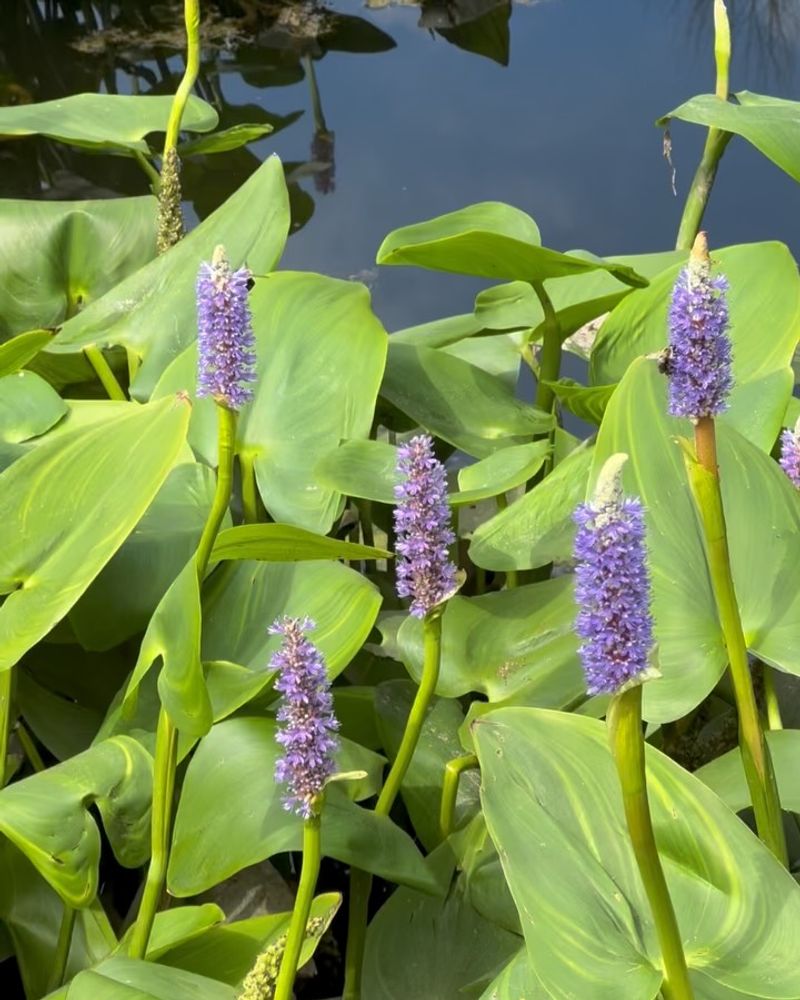
Pickerelweed, or Pontederia cordata, changes that. This native aquatic plant brings structure to shallow water while adding beautiful purple-blue flower spikes above the surface.
The plant naturally grows across Georgia in wetlands, marshes, and pond margins. It prefers shallow water, usually from a few inches deep up to about a foot. That makes it a practical choice for backyard ponds and water gardens.
Dragonflies benefit from the plant’s upright stems. Adult dragonflies use these structures as resting spots while watching for flying insects. The stems also help newly emerged dragonflies climb out of the water after spending months as aquatic nymphs.
That underwater stage is important. Dragonfly larvae spend a large part of their lives hunting beneath the surface, including feeding on mosquito larvae and other small organisms.
Pickerelweed is not a dragonfly magnet because of its flowers. It works because it creates the habitat dragonflies need.
The bonus is that the plant brings extra life to the pond. Native bees, butterflies, and other pollinators visit the blooms. The foliage also helps soften the edge of artificial ponds and makes them feel more natural.
Pickerelweed can spread through underground rhizomes, especially in smaller ponds. A little thinning every few years keeps the balance right.
Give dragonflies the right neighborhood, and they may become regular visitors to your backyard patrol team.
2. Add Native Iris For Emergent Stems
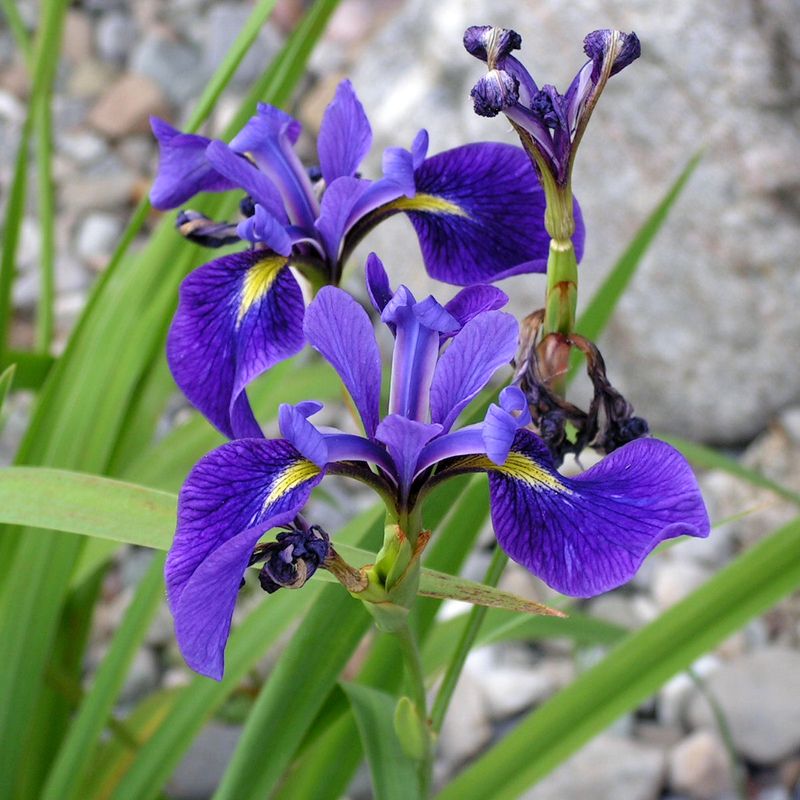
Some plants look beautiful. Others quietly build an entire habitat.
Virginia blue flag iris, Iris virginica, does both.
This native iris grows naturally in wet areas across the Southeast, including Georgia. It thrives along pond edges, marshes, and stream banks where the soil stays consistently moist.
The tall, upright leaves create something dragonflies appreciate: vertical structure.
Your Georgia Garden Changes Every Week. Your Plan Should Too.
Gardening in Georgia changes quickly throughout the season. Every Friday you’ll receive a simple weekly plan showing exactly what to plant, prune, fertilize, harvest, and protect so you never miss the right timing.
Adult dragonflies need places to land between hunting flights. They often perch on stems, leaves, and branches while scanning the area for movement. The upright foliage of native iris gives them those important resting points.
The plant also helps during the dragonfly life cycle. Young dragonflies leave the water by climbing onto sturdy vegetation before transforming into adults. Without plants along the shoreline, that transition becomes much harder.
Virginia blue flag iris works best near the waterline. It can handle wet soil and occasional standing water, making it a better choice than many garden plants that struggle with soggy conditions.
Spring brings the reward. Blue-violet flowers rise above the foliage and attract native pollinators. After blooming, the leaves continue adding texture through the growing season.
When planting iris near a pond, avoid overcrowding the area. Dragonflies need a mix of open water and vegetation. A completely covered pond is not the goal.
The best habitat has variety. Some open water. Some shade. Some stems reaching upward.
Virginia blue flag iris helps create that balance while adding a classic Southern garden look.
3. Grow Arrowhead Around Pond Margins
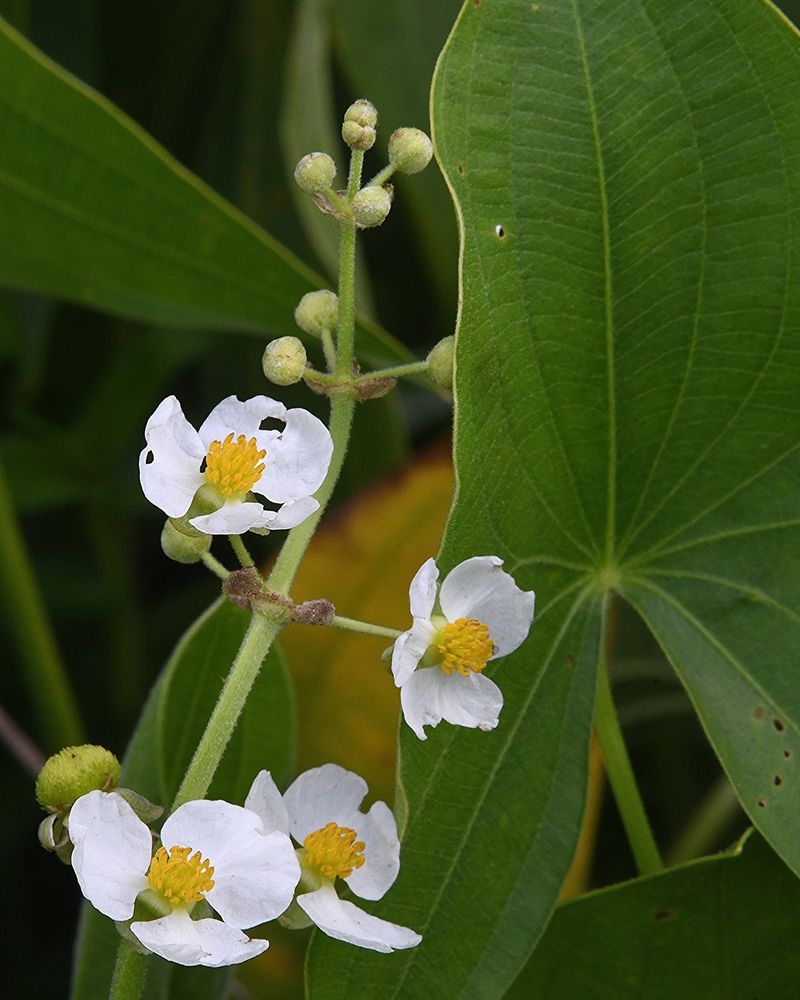
The name gives away the first clue.
Arrowhead plants have leaves shaped like small green arrows rising above the water. That unusual form makes them easy to recognize, but their real value goes much deeper.
Several native Sagittaria species grow well in Georgia wetlands and pond edges. They thrive in shallow water and create the kind of layered habitat dragonflies prefer.
The plant’s stems provide climbing points for young dragonflies leaving the water. Its leaves also create shaded areas beneath the surface where aquatic insects and dragonfly nymphs can hide.
That underwater world matters.
Dragonfly larvae are powerful predators before they ever take flight. They spend months, and sometimes years, in water hunting small creatures. A healthy pond with native plants supports more of that activity.
Arrowhead adds beauty too. White flowers appear above the water during summer, attracting native insects. The underground tubers provide food for some wetland wildlife, including waterfowl.
In a backyard pond, arrowhead works best when paired with other plants. Mixing it with pickerelweed, iris, or water lilies creates more layers and more habitat opportunities.
Small ponds may need occasional thinning because arrowhead can spread over time. Removing extra plants keeps open water available for hunting dragonflies.
A pond full of plants may look busy, but that is exactly what creates a functioning ecosystem.
Arrowhead does not just decorate the shoreline. It helps turn the water’s edge into a living space where mosquito hunters can do their job.
4. Use Arrow Arum In Wet Edges
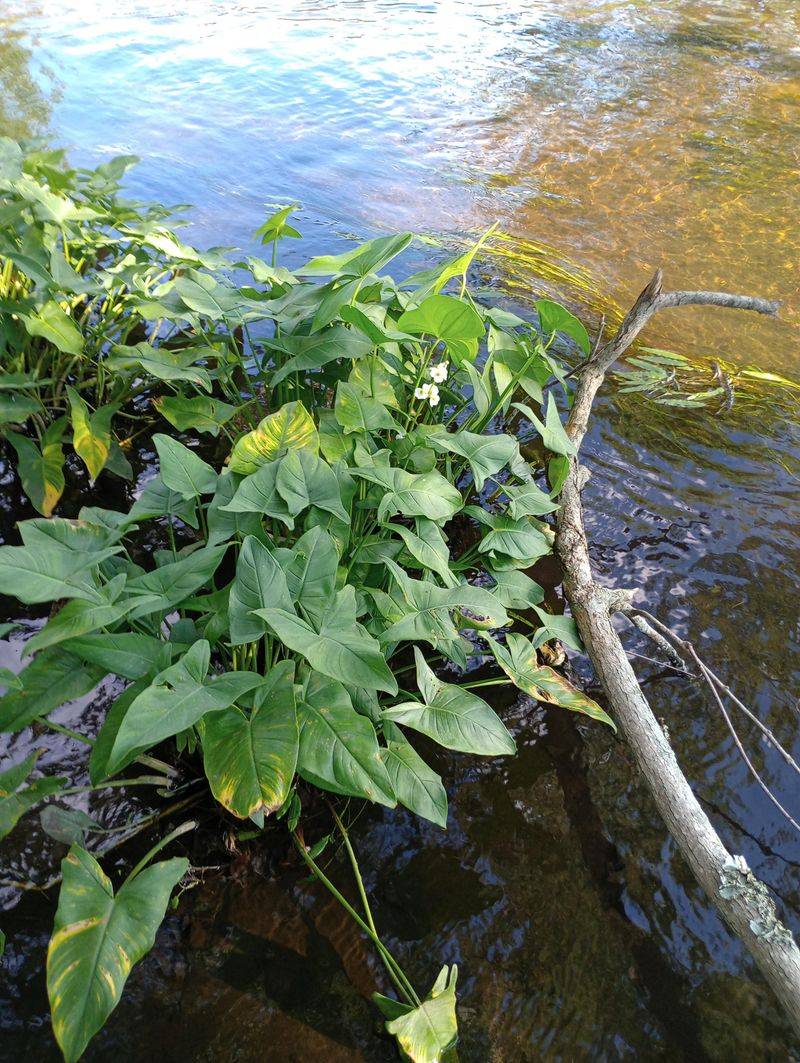
Some garden spaces feel impossible to plant.
Low areas that stay wet after rain often frustrate homeowners. Many plants simply cannot handle constantly damp soil.
Arrow arum, Peltandra virginica, is built for those conditions.
This native wetland plant grows naturally in swamps, stream edges, and pond margins throughout the Southeast. It thrives where the ground stays moist and where many typical landscape plants struggle.
Its large, glossy leaves create a bold presence along the water’s edge. The arrow-shaped foliage adds a tropical feel without requiring tropical care.
For dragonflies, arrow arum provides another important layer of habitat. Not every dragonfly prefers the same hunting conditions. Some species spend time around shaded, sheltered areas instead of wide-open pond edges.
That makes plant variety important.
Arrow arum helps create a transition zone between water and land. Those wet edges are valuable spaces where dragonflies rest, hunt, and move between different parts of the habitat.
The plant also supports other wildlife. Birds may use the wetland environment around it, and the dense foliage helps stabilize soft pond edges.
Arrow arum spreads slowly through underground growth, making it easier to manage than many aggressive wetland plants.
Place it where the soil stays damp, not where the ground dries quickly. It is a plant that knows exactly what it likes.
Some plants need perfect conditions. Arrow arum simply needs a spot where water is part of the story. That is where it shines.
5. Let Lizard’s Tail Fill Moist Ground
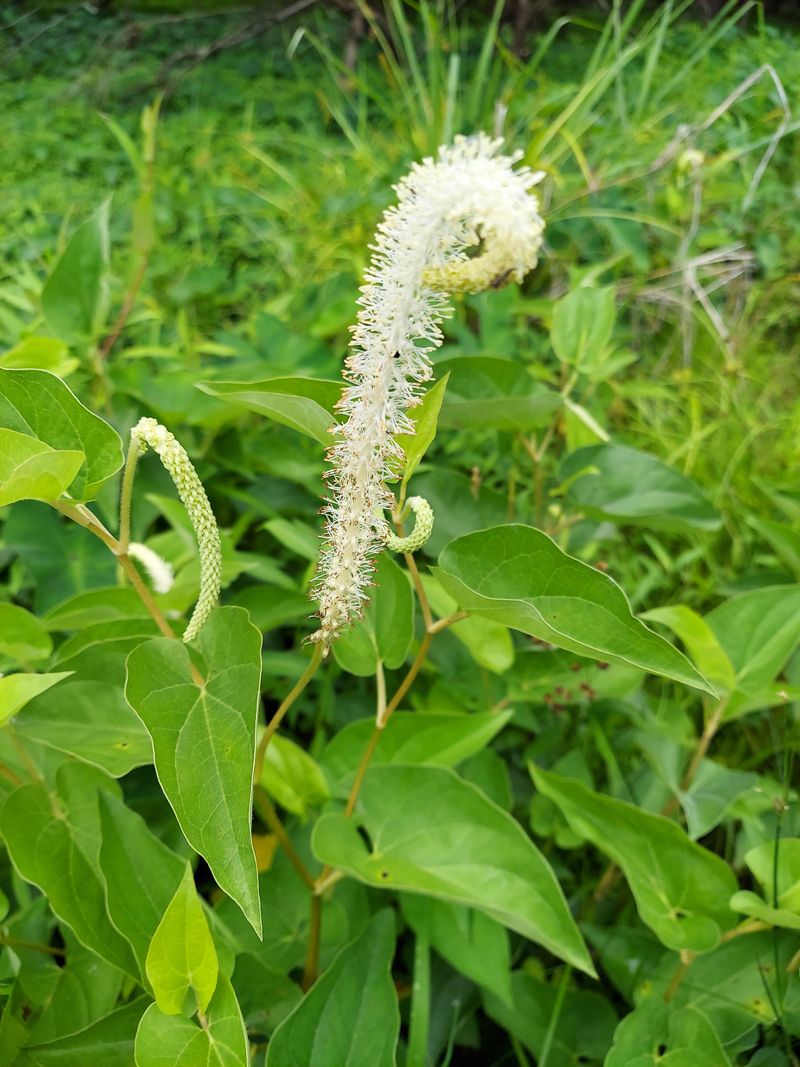
Some plants bring attention with bright flowers. Others quietly improve the entire area around them.
Lizard’s tail, Saururus cernuus, belongs to the second group.
This native Georgia wetland plant grows in moist soils along ponds, streams, and shaded water edges. Its long white flower spikes curve slightly at the tip, creating the unusual shape that gave the plant its common name.
The real value comes from the habitat it creates.
Dragonflies do not need a garden full of colorful blooms. They need places to rest, hunt, and complete their life cycle.
Lizard’s tail adds another layer of vegetation along the shoreline, giving adult dragonflies more options for perching during warm summer days.
This matters because a pond with only one type of plant offers fewer opportunities. A diverse edge with tall stems, low foliage, and open water creates a much better hunting zone.
Lizard’s tail performs especially well in partially shaded areas where some sun-loving pond plants struggle. That makes it useful for Georgia yards with wooded ponds or areas beneath scattered trees.
The plant spreads through rhizomes and can fill damp spaces over time. This growth habit helps stabilize soft pond edges and reduce erosion.
It also supports the bigger picture. A healthy wetland edge attracts insects, birds, and other wildlife that all play a role in the ecosystem.
Pair lizard’s tail with brighter plants like cardinal flower or pickerelweed to create different heights and textures around the pond.
A dragonfly does not judge a garden by its flower count. It notices the habitat. Lizard’s tail helps create a place worth visiting.
6. Add Cardinal Flower Beside The Water
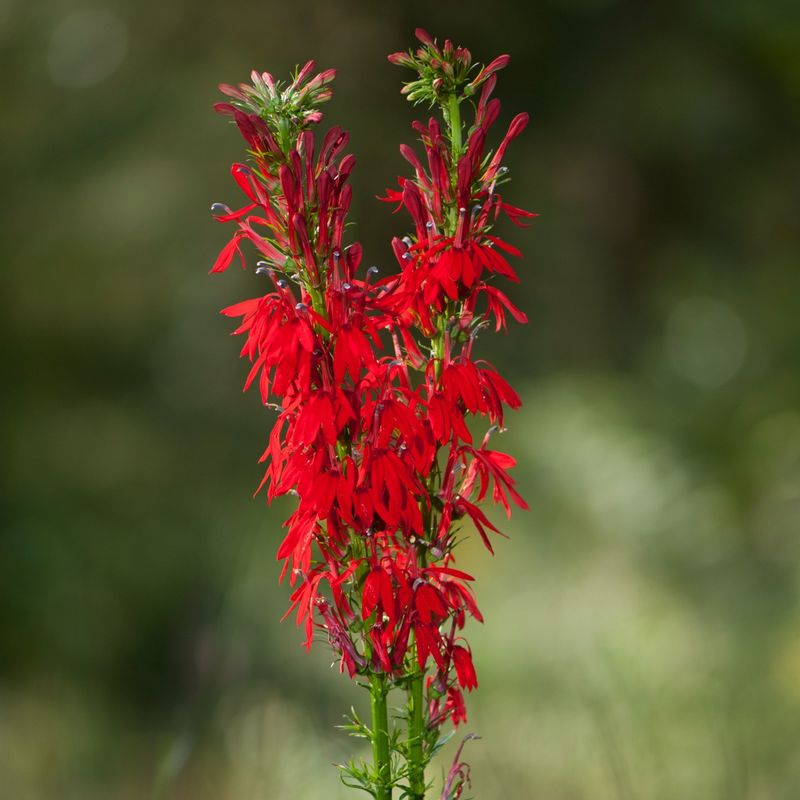
Few native plants create a stronger summer statement than cardinal flower.
The bright red blooms of Lobelia cardinalis rise above wet soil like little signals along Georgia pond edges. The color is impossible to ignore, and hummingbirds often agree.
But the plant offers more than a beautiful display.
Cardinal flower grows best in moist soil near streams, ponds, and rain gardens. It does not need to sit in deep water. A damp shoreline is usually the perfect location.
That placement makes it useful for dragonfly habitat.
Adult dragonflies often patrol the area where water meets land. This transition zone gives them access to flying insects while providing nearby resting spots.
Tall stems from cardinal flower create additional perches where dragonflies can pause before their next hunting flight.
The plant also supports other wildlife. Ruby-throated hummingbirds visit the tubular flowers, and native insects benefit from the habitat around the plant.
Cardinal flower is a short-lived perennial, but it often reseeds in the right conditions. Keeping the soil consistently moist helps it return year after year.
Avoid burying the crown under heavy mulch. Wet-loving plants still need proper airflow around their base.
For the best effect, plant cardinal flower in groups rather than placing one lonely plant beside the pond. A cluster creates a stronger visual impact and adds more useful structure.
This plant proves that a garden can be both beautiful and functional. The bright red flowers may catch your eye first, but the hidden habitat benefits are what keep the ecosystem moving.
7. Float American Water Lily Over Deeper Areas
Not every dragonfly-friendly plant needs to stand above the water.
Some of the most valuable habitat happens on the surface.
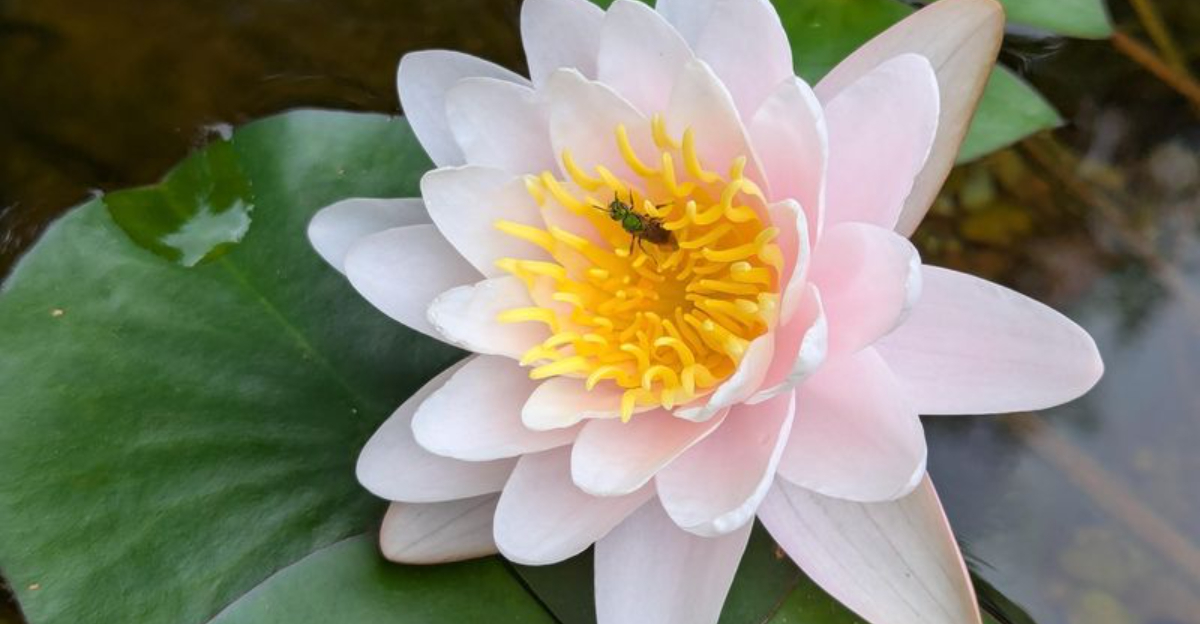
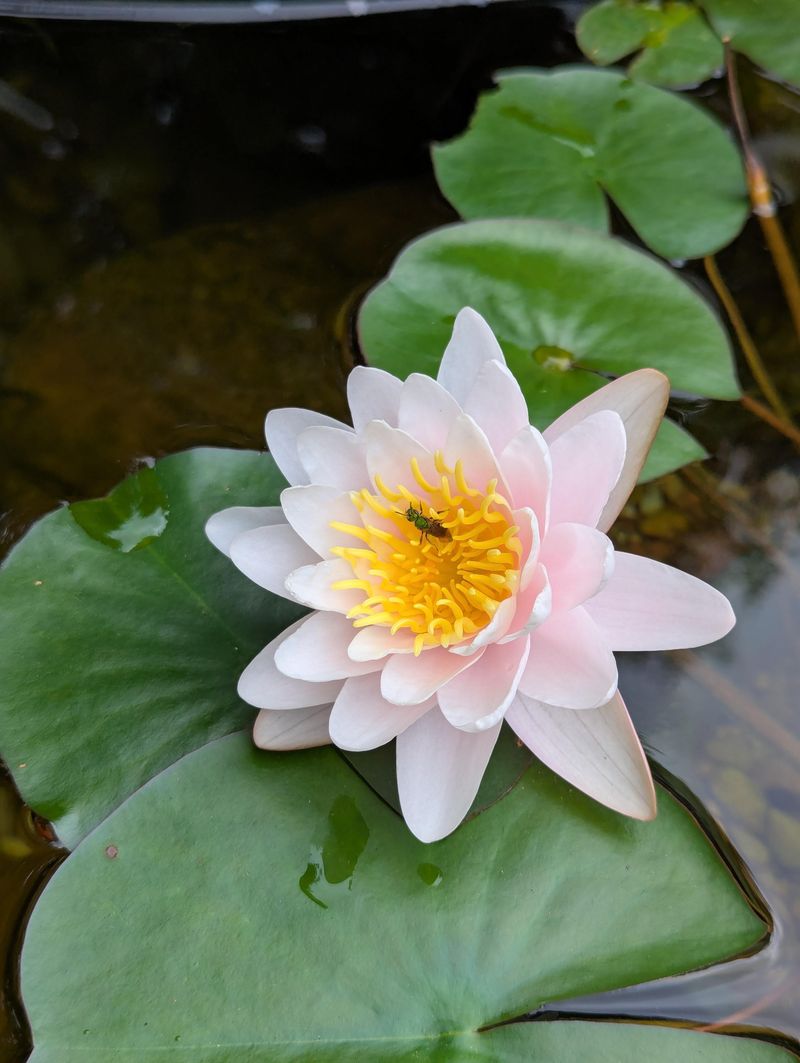
American water lily, Nymphaea odorata, spreads its round floating leaves across ponds, creating shaded areas beneath the water. The fragrant white flowers add beauty, but the real work happens below.
Those floating leaves help create a healthier aquatic environment. They block some sunlight, which can help limit excessive algae growth. They also create cooler underwater spaces where aquatic organisms can find shelter.
That includes dragonfly nymphs.
Before dragonflies become the flying hunters we recognize, they spend a long time underwater. During this stage, they feed on small aquatic creatures, including mosquito larvae. A healthy pond supports this hidden predator stage.
Adult dragonflies also use water lilies as resting platforms. The broad leaves provide convenient landing spots where they can warm up in the morning sun or watch for prey.
Balance matters with water lilies. Too many floating leaves can cover the entire pond surface and reduce the open water areas dragonflies need for hunting.
A good rule is keeping enough open space for movement between plants.
Water lilies work best when combined with shoreline plants like pickerelweed and iris. The floating leaves handle the deeper water while emergent plants create structure around the edges.
Together, they create a pond with different zones.
A dragonfly-friendly pond is not just a decoration. It is a working habitat. Water lilies help make that habitat more complete while adding a little garden magic on the surface.
8. Plant Buttonbush For Perches Above The Pond
A pond surrounded only by low plants is missing something important: height.
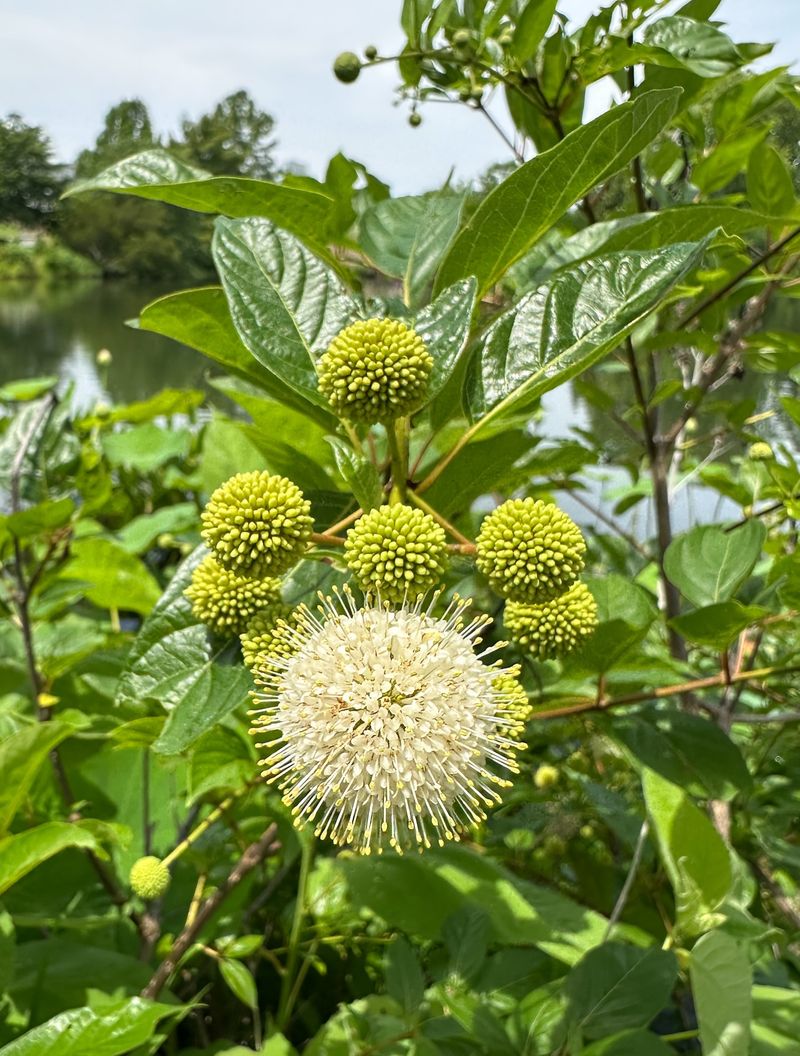
Buttonbush, Cephalanthus occidentalis, brings that missing layer. This native shrub grows along Georgia waterways and naturally thrives in wet soils, making it a perfect partner for pond landscapes.
Unlike smaller aquatic plants, buttonbush creates woody branches above the water. Those branches become lookout points for adult dragonflies.
Dragonflies are skilled hunters. They often choose a favorite perch, watch the area, then launch quickly after passing insects. A mature buttonbush gives them multiple locations to repeat that behavior.
The shrub’s round white flower clusters appear during summer and attract plenty of other visitors too. Native bees, butterflies, and other insects benefit from the blooms.
Those insects also support the larger food web around the pond.
Buttonbush can grow several feet tall and wide, so it works best around larger water features where it has room to spread. Light pruning after flowering can help maintain a manageable shape.
The plant handles wet conditions extremely well. It can even tolerate periods of standing water, which makes it valuable for low areas where many shrubs struggle.
Fall brings another benefit. The seeds provide food for birds, extending the plant’s usefulness beyond the summer season.
A buttonbush near the water creates a complete picture. Roots stabilize the edge. Flowers feed insects. Branches give dragonflies a hunting station.
Sometimes the best mosquito control starts with giving nature a better workplace. Buttonbush helps build that workplace one branch at a time.