The September Swarm That Returns To Mississippi Windshields Twice A Year
Every September, something shifts along Mississippi roads that you cannot ignore. Your windshield becomes a landing strip for a black-and-red swarm, and your patience wears thin fast.
Nobody warns you about the sheer scale of this event before it hits. Traffic slows around you, tempers flare, and a biological clock keeps ticking forward.
Mississippi sits at the center of this recurring collision between insect biology and your daily life. Scientists have traced the pattern back decades, yet you still get caught off guard. Questions pile up fast in your mind: why now, why here, why this intensely.
Behind every splattered windshield lies a stranger explanation than you could imagine, and it changes everything about how you should prepare.
Lovebugs Enter Their Second Annual Flight In Early September
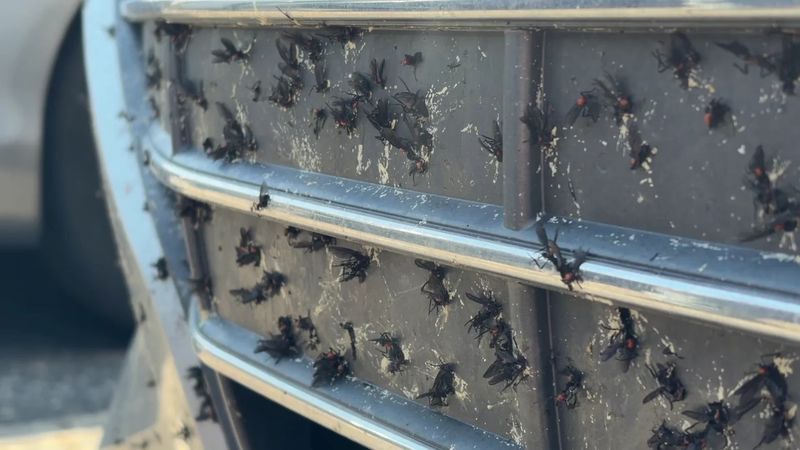
Picture yourself cruising down a two-lane road when suddenly your windshield goes dark with insects. That is the second wave of the year, and it hits fast.
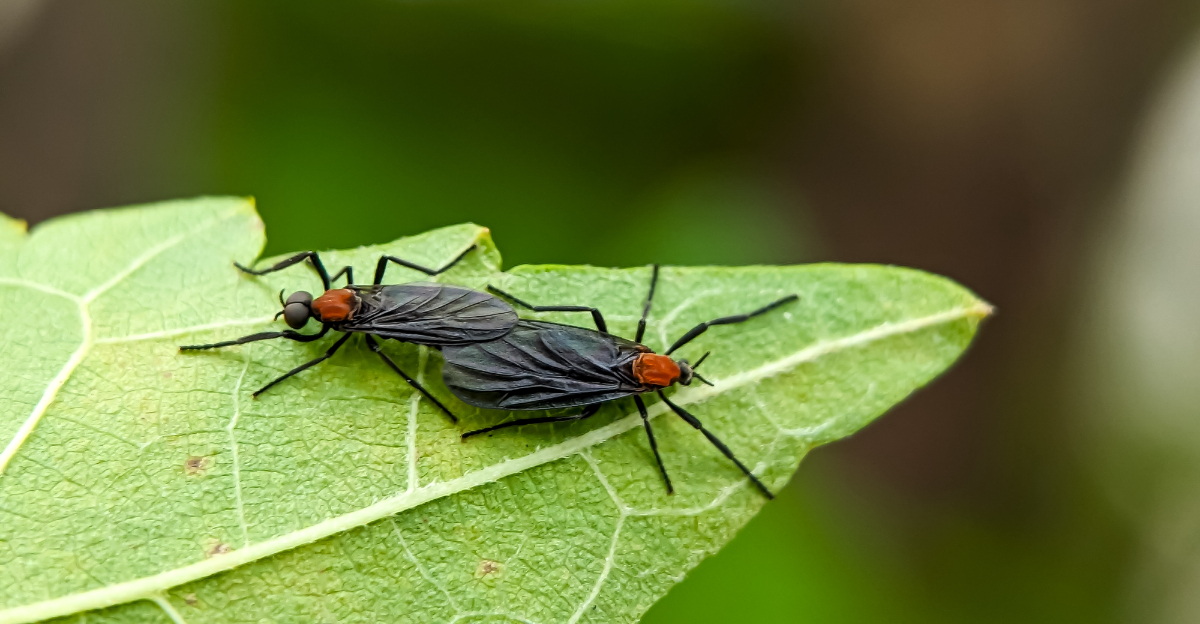
Lovebugs are small flies, officially called Plecia nearctica, belonging to the march fly family. They earned their nickname because mating pairs fly joined together, end to end, for hours at a time.
The September flight is actually their second appearance of the year. The first wave rolls through in late April and May, giving drivers a preview of what fall will bring.
During peak flight days, swarms can stretch for miles along highways and rural roads. Drivers often describe the experience as flying through a living, buzzing curtain of tiny bodies.
Lovebugs are drawn to heat, exhaust fumes, and the light reflected off pavement. That combination makes highways and busy roads the areas hit hardest by the thickest concentrations of insects.
Females live only about three to four days after emerging. Males don’t survive long after mating, which means the entire swarm burns through its life cycle within days.
The swarm feels chaotic, but it follows biological rules that have stayed consistent for decades. Once you understand what triggers it, the whole event becomes less mysterious and a lot more manageable.
Two Flights A Year Follow A Predictable Calendar
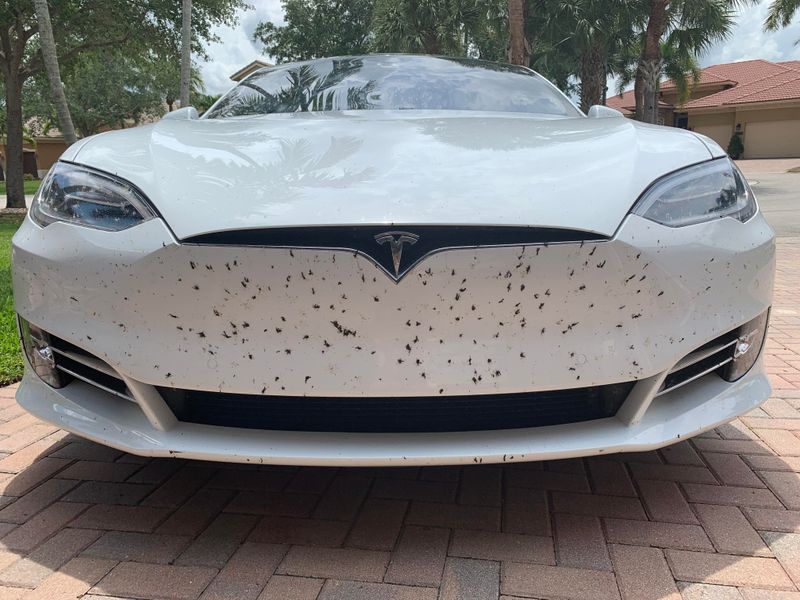
Lovebugs are nothing if not punctual. Their two annual flights follow a biological clock that has stayed remarkably consistent across decades of observation in the Gulf South.
The spring flight typically begins in late April and runs through May. Warm soil temperatures and longer daylight hours trigger the larvae to pupate and emerge as adults.
September marks the start of the fall flight, which usually peaks between mid-September and mid-October. Temperatures cooling slightly after summer heat seem to act as a second biological signal.
Scientists believe the timing is tied to the decomposition cycle of thatch and organic matter in lawns and roadsides. Larvae feed underground on decaying plant material before surfacing as adults.
The fall wave tends to be larger than the spring one. More time for larval development over summer means a bigger adult population emerges in September.
Interestingly, lovebug populations expanded eastward from Texas and Louisiana into Mississippi, Alabama, and eventually Florida through the mid-1900s. Roads, mowed grass, and warm pavement created ideal conditions for them to spread and thrive.
Your Mississippi Garden Changes Every Week. Your Plan Should Too.
Gardening in Mississippi changes quickly throughout the season. Every Friday you’ll receive a simple weekly plan showing exactly what to plant, prune, fertilize, harvest, and protect so you never miss the right timing.
Knowing the schedule gives drivers a real advantage. Stocking up on bug remover spray and microfiber cloths before September hits means you are rarely caught scrambling mid-swarm.
The calendar does not lie. Mark your windows, prep your car, and accept that twice a year, these tiny travelers will be sharing the road with you.
Vehicle Paint Damage Begins Within Hours Of Contact
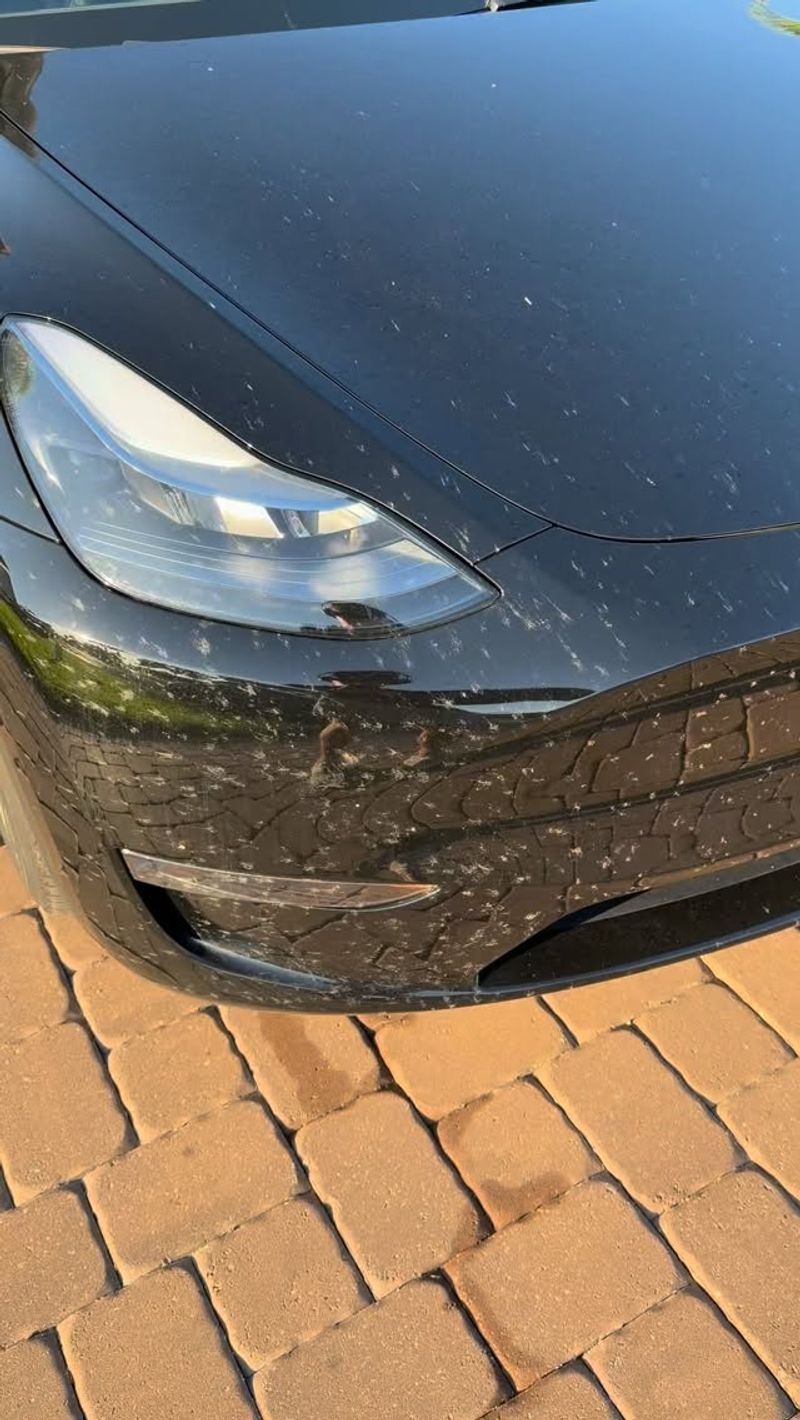
Here is the part nobody warns you about at the car wash. Lovebugs are not just annoying; they begin damaging your vehicle’s finish soon after they land.
Their bodies contain acidic compounds released during decomposition. Once smashed against hot metal or paint, that acid begins breaking down your clear coat within a few hours.
The damage worsens when the car sits in direct sunlight. Heat accelerates the chemical reaction, etching microscopic pits into the paint that waxing alone won’t repair.
Entomologists note that lovebug residue left on a car for more than a day tends to cause measurable paint degradation. The longer you wait, the worse the outcome.
Grilles and front bumpers take the heaviest hit. Insects accumulate in the cooling fins, blocking airflow and sometimes causing engines to run hotter than normal during peak swarm days.
Chrome trim and headlights are also vulnerable. The acidic residue clouds plastic lenses and dulls chrome surfaces, adding to the visual and financial cost of each swarm season.
New cars with softer clear coats are actually more susceptible than older vehicles with hardened paint. That fresh-off-the-lot shine makes the surface easier to etch.
Acting fast is the single best thing you can do. Rinsing off the bugs the same day you drive through a swarm protects your investment and keeps the paint looking sharp.
Removal Methods That Protect The Clear Coat
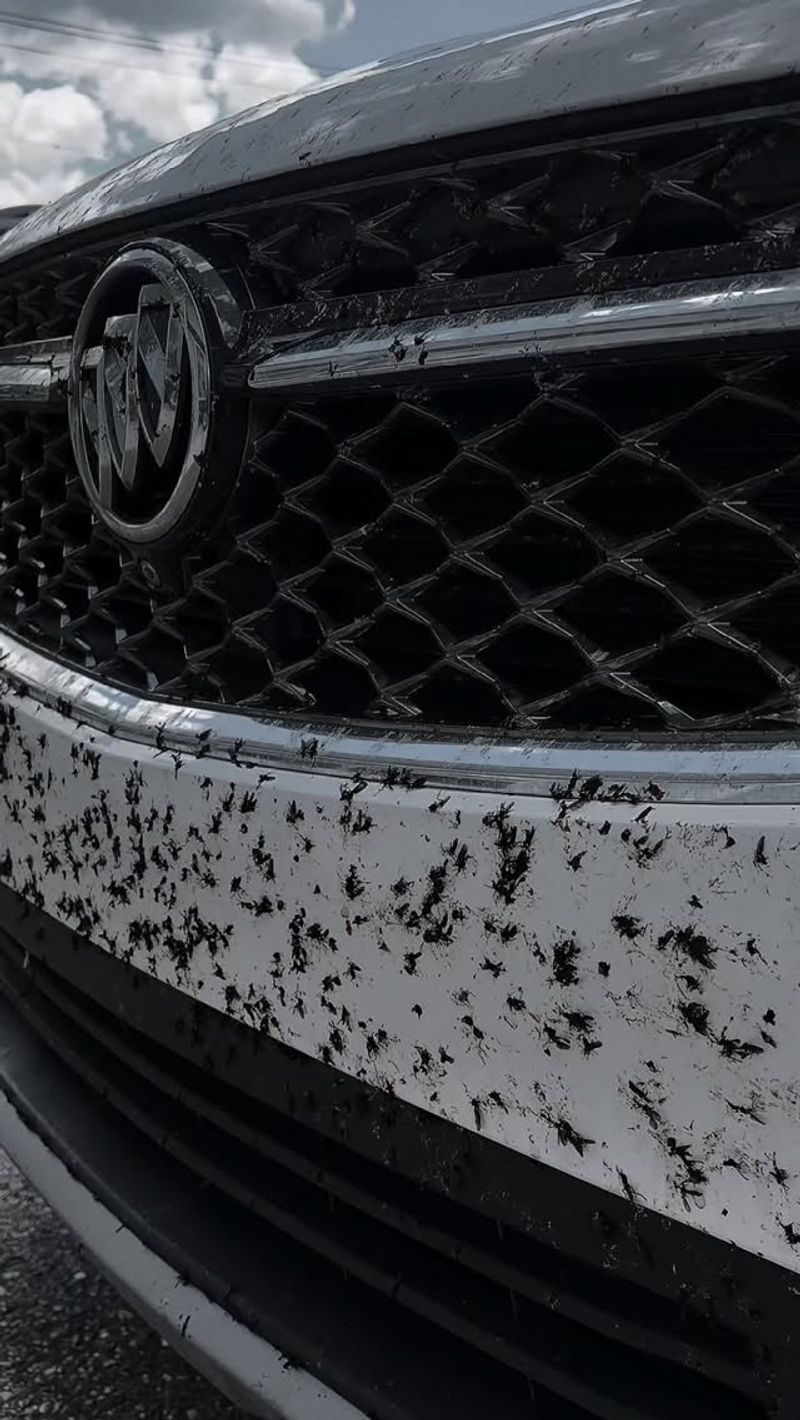
Scrubbing dried lovebugs off your hood with a dry rag is the fastest way to add swirl marks to your paint. The key is softening them first, then lifting them gently.
Start with a good rinse using a garden hose or pressure washer on a low setting. Water alone removes a surprising amount of fresh splatter before it hardens.
For bugs that have already dried, soak the area with a dedicated bug and tar remover spray. Products like Stoner Car Care Bug Remover or Turtle Wax Bug and Tar Remover are widely available and safe for clear coats.
Let the spray dwell for two to three minutes before wiping. Use a clean microfiber cloth with light, circular pressure to lift the softened residue without grinding it into the surface.
Dryer sheets dampened with water are a popular folk remedy that actually works. The softener compounds in the sheets help release dried bug bodies without scratching the paint underneath.
WD-40 is another surprisingly effective option. Spray it on, let it sit briefly, then wipe clean with a soft cloth, following up with a rinse and a quick detail spray.
After cleaning, apply a coat of wax or paint sealant to the front surfaces. A protective layer gives bugs less to bond with and makes the next cleanup significantly easier.
Protecting your clear coat after a heavy flight is simple with the right products and a little patience.
Yard Conditions That Draw Larger Numbers
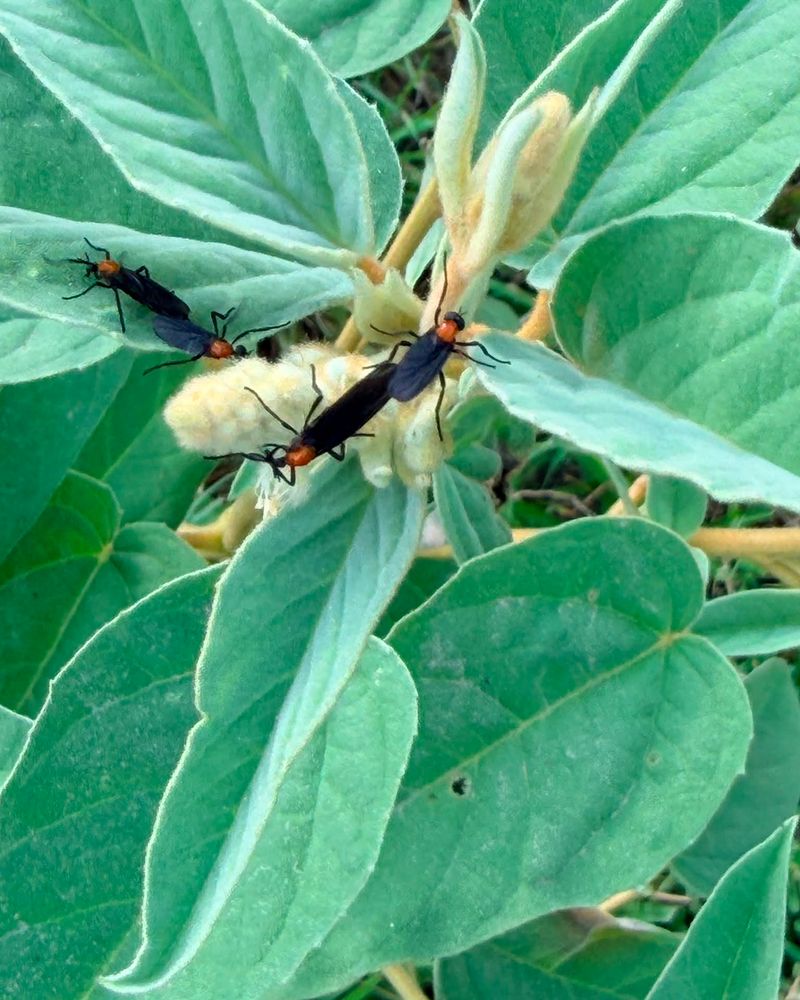
Your yard might be rolling out the welcome mat for lovebugs without you realizing it. Certain lawn conditions create the exact environment their larvae need to thrive underground.
Lovebugs lay eggs in moist, organic-rich soil near the surface. Thick thatch layers, decomposing grass clippings, and leaf piles are prime egg-laying real estate for females during peak flight days.
Lawns that are overwatered tend to attract more insects. Moist soil speeds up larval development and keeps the organic material soft enough for larvae to feed through the winter months.
Heavily shaded yards with slow-drying soil are also magnets. Shade keeps moisture levels high, which benefits larvae far more than it benefits the grass you are trying to grow.
Mowing timing matters too. Cutting grass during peak swarm hours, usually late morning through early afternoon, stirs up adult insects and spreads them across a wider area of your property.
Reducing thatch buildup through dethatching or aeration cuts down on the organic layer that larvae depend on. A thin thatch layer means fewer larvae survive to emerge in September.
Letting grass clippings decompose in thick piles near fence lines or garden beds creates localized hotspots. Bagging clippings during swarm season removes a key food source from your lawn.
Smart yard management won’t clear your property of lovebugs, but it can reduce the local population enough to notice a real difference during the next flight season.
The Flight Winds Down On Its Own Within Weeks
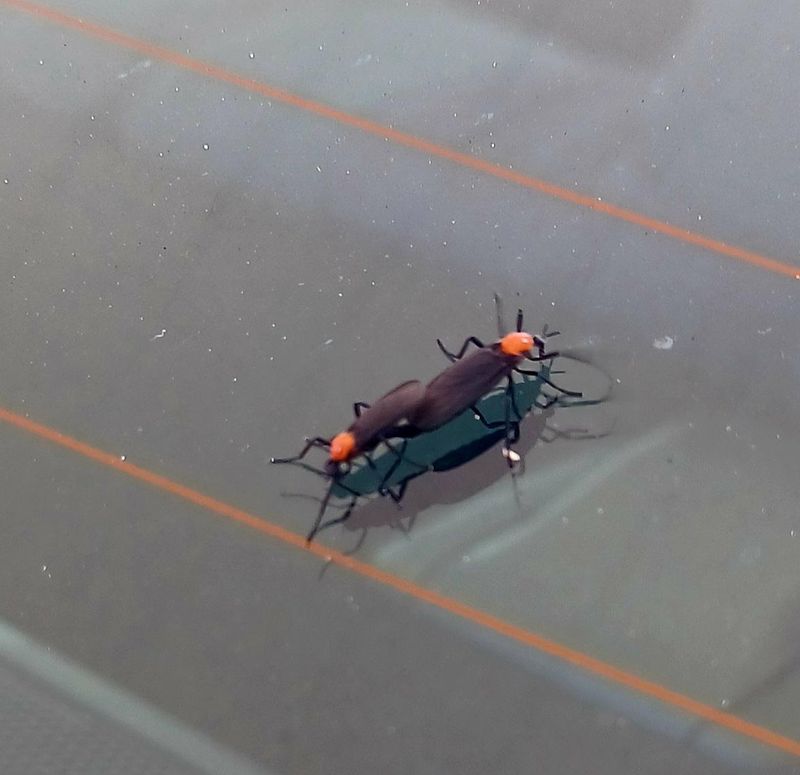
Relief arrives right on schedule in mid-October. The swarm that felt constant starts thinning out, and clear windshields become a reality again without any intervention on your part.
Adult lovebugs have a short lifespan. Once mating is complete and females have laid their eggs in the soil, both males and females reach the end of their life cycle within days.
The swarm does not retreat or migrate. It simply burns through its biological purpose and disappears, leaving behind the next generation of larvae quietly developing underground.
Cooler overnight temperatures in October also slow adult activity. Lovebugs are cold-sensitive, and a few nights below 60 degrees Fahrenheit can noticeably reduce the number of flying adults.
Rain events during October help too. Heavy rainfall knocks adults out of the air and washes residue off road surfaces, accelerating the visible end of the swarm season.
Once the flight ends, the larvae will spend the winter feeding on decaying organic matter just below the surface. They pupate in spring and restart the whole cycle in April.
The relief drivers feel when the swarm clears is real and earned. Windshields stay clean, grilles breathe freely again, and the roads return to their normal state.
This flight ends as predictably as it begins. Knowing it has a finish line makes the whole experience a lot easier to endure.