7 Native Michigan Grasses That Stand Up To Strong Lakeshore Winds
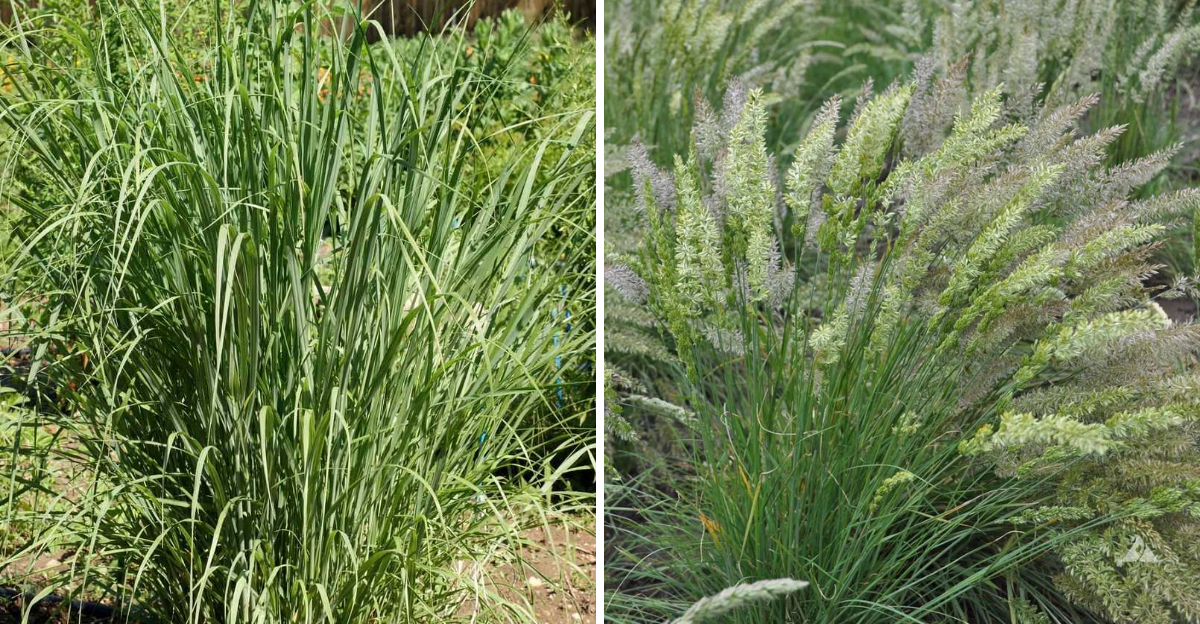
Lakeshore properties bring a very specific challenge that most ornamental grasses simply aren’t built to handle, leaving Michigan homeowners frustrated after repeated storm damage.
Most people assume any tall, attractive grass will work fine near the water, only to watch it bend, break, or wash out after the first serious wind event.
But a specific group of native grasses actually thrives in these exact conditions, built by nature to withstand exactly the kind of wind lakeshore properties regularly experience.
Understanding which grasses genuinely hold up in this environment could completely change what you choose to plant along your shoreline going forward.
Many homeowners are surprised to learn how many attractive, resilient options exist once they know what to look for. This list could finally end a frustrating cycle of replacing damaged plants after every major storm.
Choosing the right grass now could mean one less battle every time the wind picks up off the lake.
1. Marram Grass
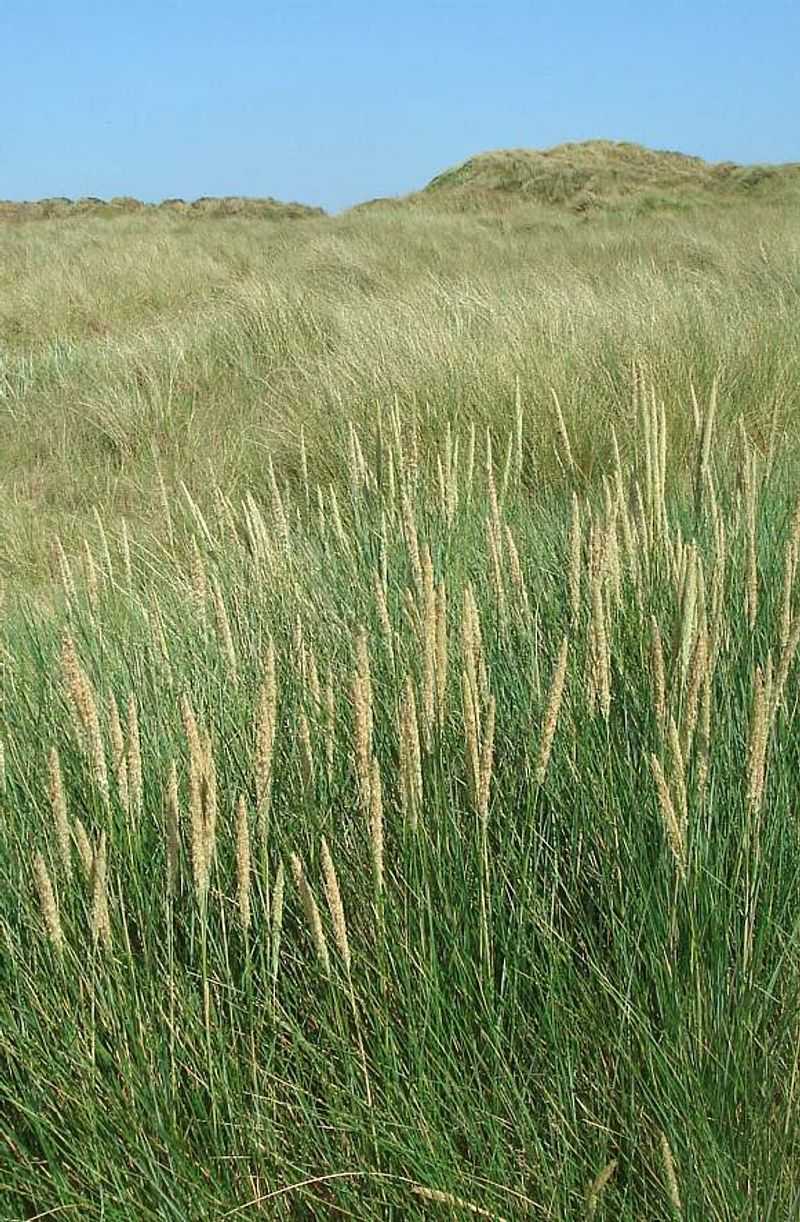
Ask anyone who walks the dunes, and marram grass is often the first plant they notice. It stands right out on the front edge of the beach, where the wind hits hardest and the sand never stops moving.
The secret to its success lives underground. Marram grass spreads through long stems called rhizomes that shoot out sideways beneath the sand.
As new sand piles up and buries the plant, it simply grows taller and sends up fresh shoots, climbing right along with the dune.
Those roots also grab the loose sand and hold it in place, which is a big reason dunes stay put instead of blowing away. In a real sense, this grass builds the very hills it lives on.
Wind and blowing sand would wear out most plants, but marram grass loves the challenge. Its narrow leaves curl up during dry spells to save water, which helps it survive the hot, sunny slopes.
If you want to help protect a dune, the best thing you can do is stay on marked paths. Foot traffic crushes marram grass easily, and once the roots break, the sand starts to shift again.
Gardeners near the shore sometimes plant it to steady sandy ground, though it truly shines in its natural home. Watching a whole hillside of marram sway together in the breeze is one of the classic sights of the Michigan coast, and it never gets old.
2. Sand Reed Grass
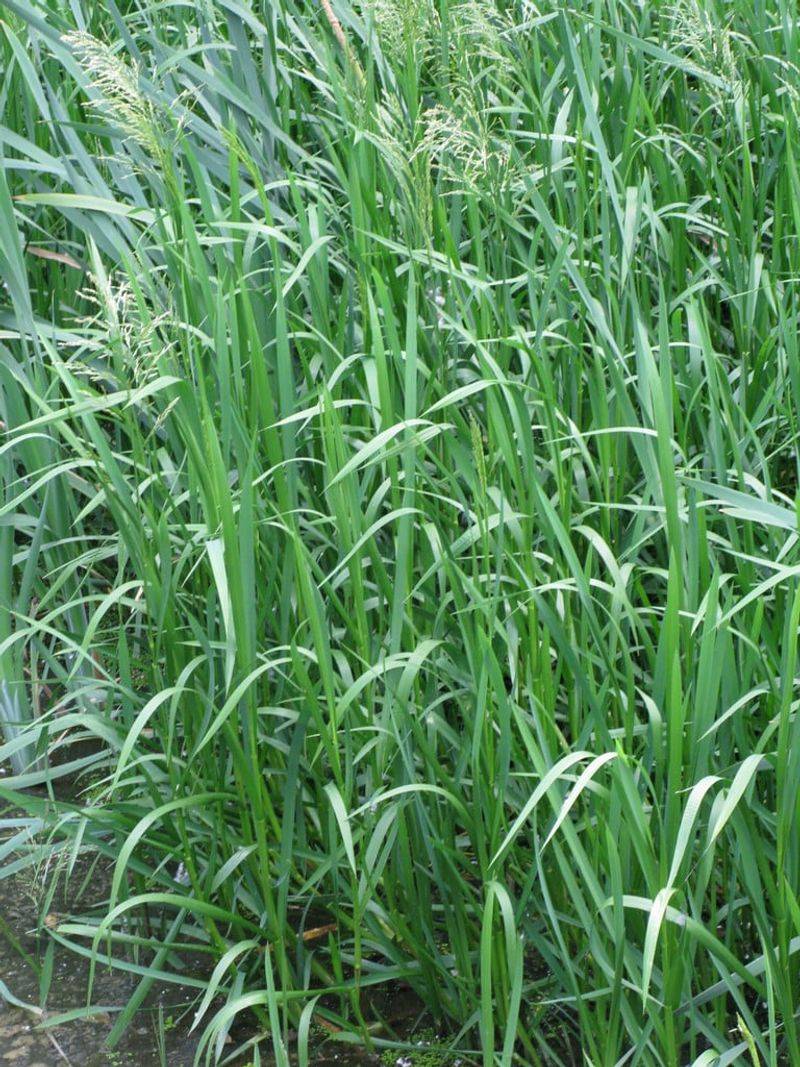
Some plants pick the easy spots, but sand reed grass heads straight for the tough ones. You will often find it on dunes that are still shifting or partly worn down, where few other grasses dare to settle.
Dry, moving sand does not bother it much. The plant sends roots deep and wide, anchoring itself while pulling up whatever moisture it can find in the loose ground below.
Its tall, bluish-green blades sway with the wind instead of fighting it, and feathery seed heads rise above the stems by late summer. That bending motion helps the plant avoid snapping when gusts roll in off the water.
Your Michigan Garden Changes Every Week. Your Plan Should Too.
Gardening in Michigan changes quickly throughout the season. Every Friday you’ll receive a simple weekly plan showing exactly what to plant, prune, fertilize, harvest, and protect so you never miss the right timing.
Sand reed grass also plays a helpful role in nature’s cleanup crew. When a dune gets scarred by wind or heavy use, this grass often moves in first, spreading through rhizomes and slowly stitching the surface back together.
Because it handles erosion so well, land managers value it for repairing damaged shoreline spots. Its roots create a network that traps sand and gives other plants a chance to move in later.
For home gardeners with a sunny, sandy yard, this grass can add a soft, wild texture that dances in even a light breeze. Give it plenty of sun and sharp drainage, and it will reward you with easygoing growth.
Tough, patient, and quietly hardworking, sand reed grass proves that the harshest places on the shore can still burst with life and movement.
3. Little Bluestem
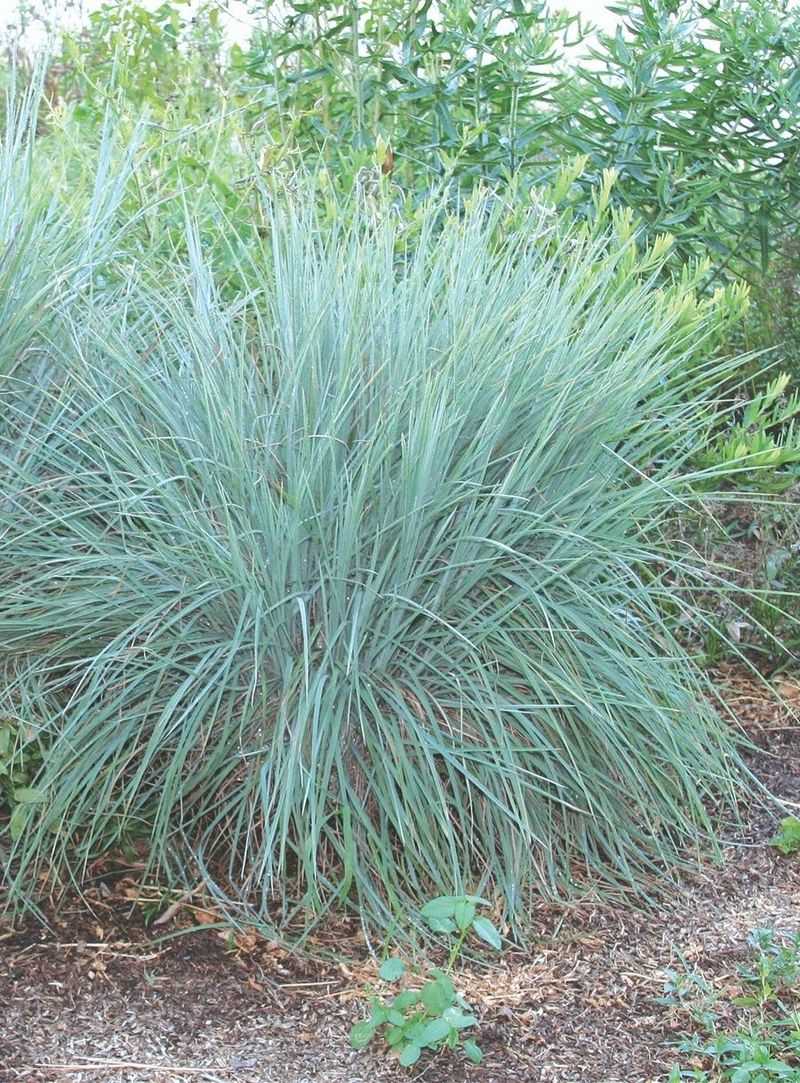
Come autumn, little bluestem puts on a show that stops people in their tracks. Its blue-green summer blades shift to warm shades of copper and rust, glowing when the low sun hits them just right.
This grass loves the sunny, settled parts of the dunes where the sand has stopped drifting. Once its roots dig in, it barely notices dry spells, strong wind, or thin, hungry soil.
The reason it copes so well is its deep root system, which reaches far below the surface to find water. Even during a long stretch without rain, little bluestem stays upright and healthy while thirstier plants fade.
Its tidy, clumping shape gives it an advantage in the wind too. Instead of sprawling out, the stems grow in neat bunches that hold together and bounce back after a gust passes.
Wildlife counts on this grass as well. Birds nibble the tiny seeds, and small creatures duck into the clumps for shelter when the weather turns rough along the open shore.
Gardeners adore little bluestem for good reason. It asks for almost nothing, needs no fertilizer, and looks stunning in fall gardens or dry, sandy beds where fussier plants struggle.
Plant it in full sun and let it be. Over the seasons it forms handsome stands that sway, shimmer, and change color as the year rolls on.
Tough as it is pretty, little bluestem shows that a shoreline survivor can also be one of the most eye-catching grasses around.
4. Switchgrass
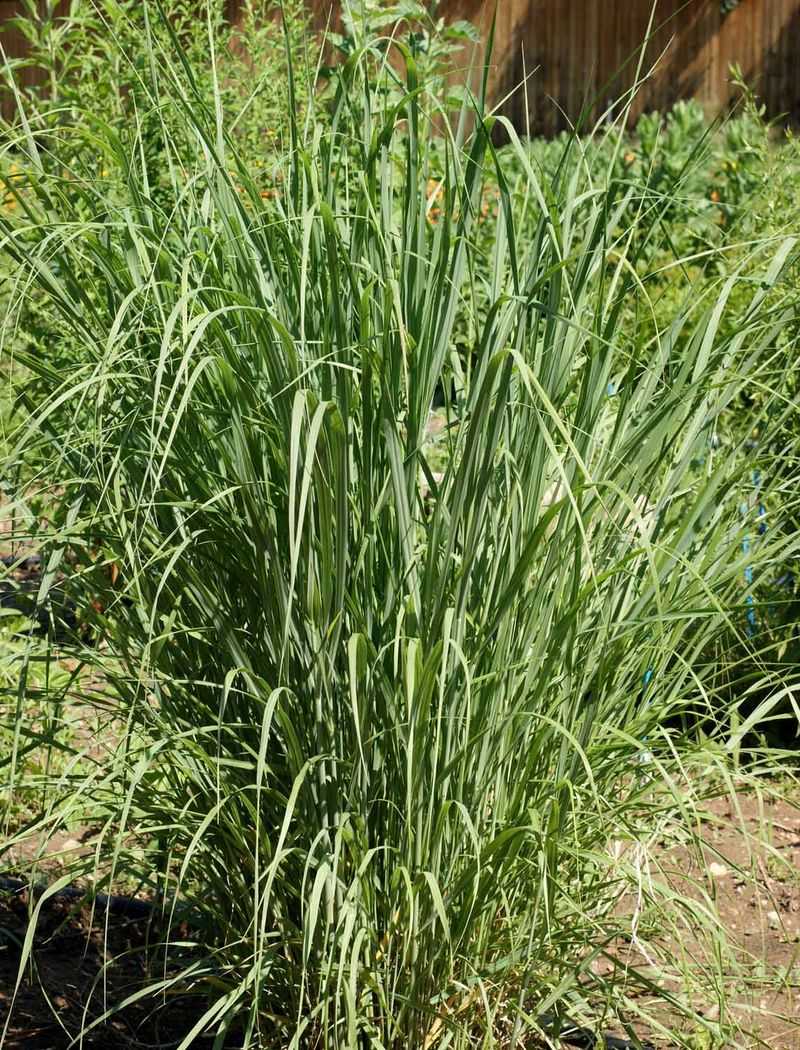
Standing tall and proud, switchgrass is one of the most impressive grasses you will spot in Michigan’s open dune areas. It can reach several feet high, waving its airy seed heads above everything around it.
What makes this grass a shoreline champ is what happens below the ground. Its roots plunge deep into the earth, sometimes stretching many feet down, anchoring the plant firmly against even the strongest gusts.
Those deep roots do double duty. They keep the grass steady in wind while also pulling up water from far below, so switchgrass shrugs off dry spells that would leave shallow-rooted plants drooping.
The upright shape suits exposed sites perfectly. Rather than flopping over, the strong stems sway and rebound, catching the light as they move and creating a soft rustling sound in the breeze.
Switchgrass also gives back to the land. Its roots hold soil in place, its seeds feed birds through the colder months, and its thick stands offer cover for wildlife along the shore.
For gardeners, this is a dependable pick. It thrives in full sun, handles both sandy and heavier soil, and needs very little care once it settles in.
Try planting it as a natural screen or a bold backdrop in a sunny yard. In fall the leaves turn golden, adding warmth to the garden long after summer flowers have faded.
Reliable, sturdy, and full of movement, switchgrass proves that a native plant can be both practical and downright beautiful on a windy lakeshore.
5. June Grass
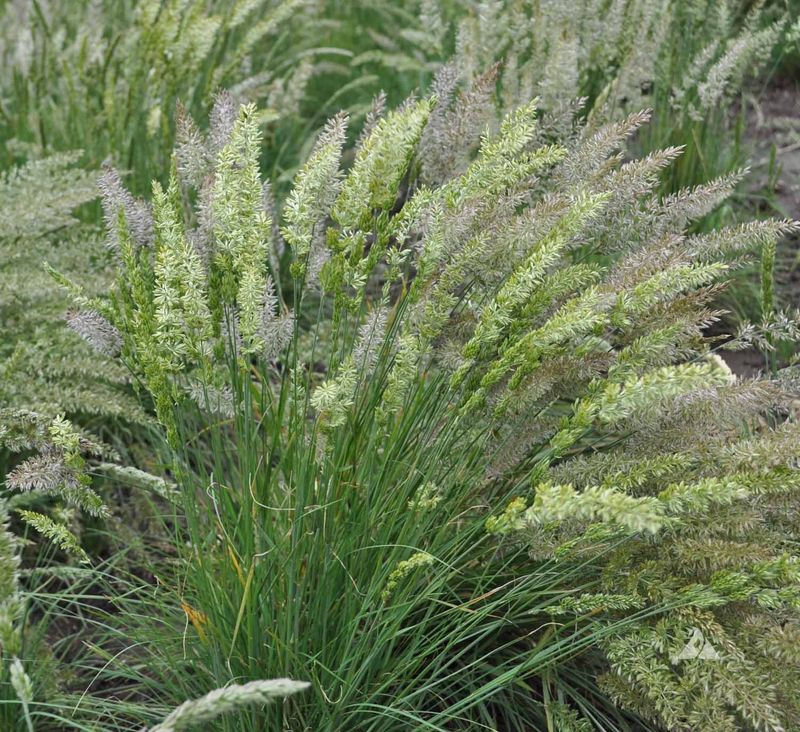
Small but mighty describes June grass to a tee. This modest little grass may not tower over the dunes, but it thrives where the sand is dry and the wind blows steady.
True to its name, it flowers early, sending up soft silvery-green seed heads around June while many other plants are just getting started. By midsummer it often rests, waiting out the hottest, driest weeks.
Its compact, low shape is a clever trick for windy spots. Sitting close to the ground, June grass avoids the worst of the gusts and loses less water than taller plants that stick up into the breeze.
Sandy, lean soil suits it just fine. The grass forms tidy little clumps with fine roots that grip the surface, helping to steady the ground on stabilized dunes and open sandy fields.
Because it stays small, June grass fits neatly among wildflowers and other native plants without crowding them out. It fills the gaps and adds a delicate, feathery texture to the mix.
Pollinators and small creatures appreciate the early growth, and the seeds feed birds once they ripen. It quietly plays its part in the shoreline community.
Gardeners with a hot, sandy corner should give this grass a look. It needs almost no water once established and looks lovely in rock gardens or dry, sunny beds.
Easy to overlook yet tough as nails, June grass shows that even the smallest plants can hold their own against a strong lakeshore wind.
6. Slender Wheatgrass
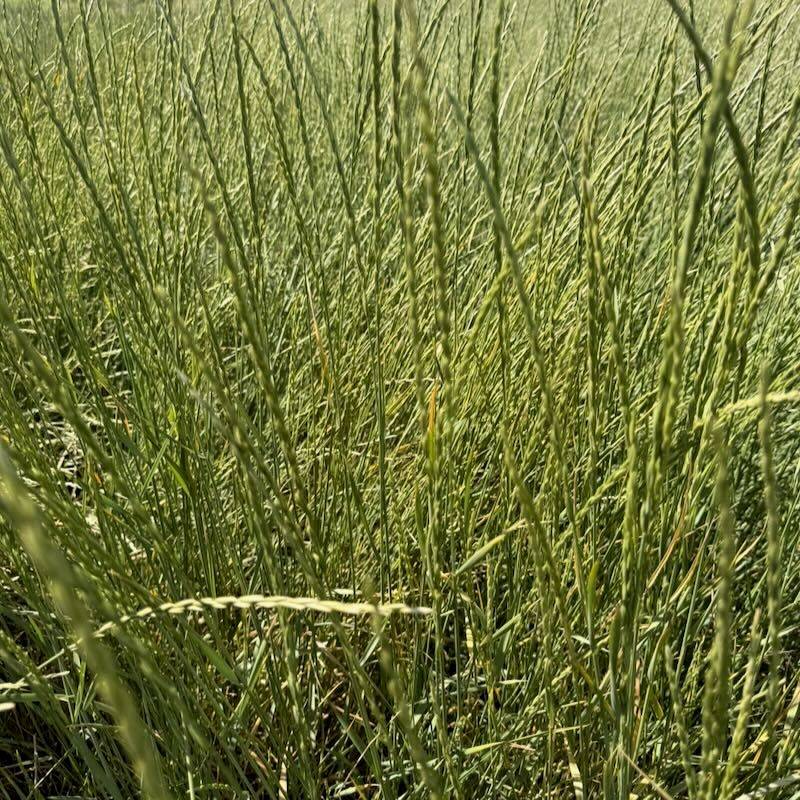
Cool, breezy, and sunny sites are exactly where slender wheatgrass feels at home. This native grass turns up naturally in Michigan’s lakeshore and dune areas, especially where the soil runs sandy or gravelly.
Its narrow, upright seed spikes give it a neat, tidy look. Rather than sprawling, the stems rise straight up and sway gently, which helps them handle the steady wind that sweeps across open ground.
One handy trait is how quickly it establishes. Slender wheatgrass grows fast from seed, so it often shows up early on disturbed or sandy sites, holding the surface while slower plants catch up.
Its fibrous roots knit into the soil and grip loose sand and gravel, which makes it useful for steadying ground that might otherwise wash or blow away. That quick, dependable growth is a big plus along the shore.
Sun is what it craves most. Give it an open, bright spot with sharp drainage, and slender wheatgrass will thrive without much fuss or extra watering.
Wildlife benefits too, since the seeds feed birds and small animals find shelter among the stems. It fits right into a healthy native planting.
For gardeners, this grass works well in meadow mixes and restoration projects on sandy land. It blends easily with wildflowers and other native grasses without taking over.
Quick, hardy, and easy to please, slender wheatgrass is a smart choice for anyone hoping to green up a tough, sunny, sandy patch near the water.
7. Prairie Dropseed
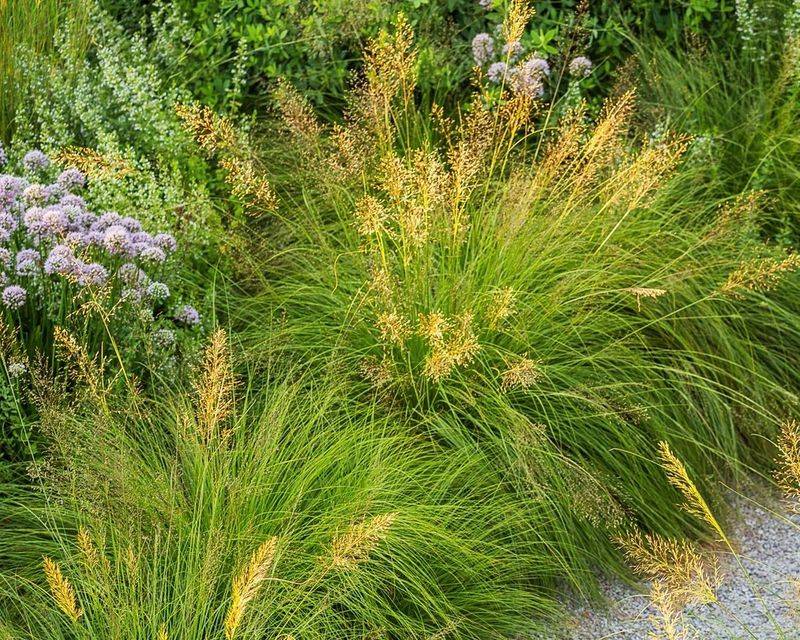
Prairie dropseed is one of Michigan’s most dependable native grasses for sunny, exposed areas where many plants struggle to survive.
At first glance, its fine, arching leaves give it a soft, almost delicate appearance, but underneath the surface is a powerful root system built for tough conditions.
It handles dry spells, sandy soils, and strong winds with ease, making it a natural fit for open landscapes and challenging shoreline areas.
Unlike taller ornamental grasses that can flatten after heavy storms, prairie dropseed grows in neat, compact clumps that hold their shape through changing weather.
Once established, it requires very little attention, making it a favorite for gardeners who want a beautiful native plant without constant maintenance.
This grass is especially useful along Michigan shorelines, sandy lots, and naturalized gardens where erosion and drought can become problems.
Its deep roots help anchor the soil while allowing the plant to thrive with little supplemental watering.
By late summer, delicate flower stalks rise above the foliage, and as fall arrives, the grass shifts into warm shades of gold that add texture long after many other plants fade.
Prairie dropseed also gives back to the landscape by providing seeds for birds and shelter for small insects.
For Michigan gardeners looking for a native grass that combines beauty, toughness, and low maintenance, this is one of the best choices for windy, dry areas where less resilient plants often fail.