Michigan Shade Gardens Need These Plants Deer Are Less Likely To Bother
Michigan shade gardens already ask for patience.
The soil under maples can turn dry and root-filled. North-facing beds stay cool and slow. Woodland edges may look peaceful until deer wander through after dark and turn the whole thing into a taste test.
Hostas often take the blame for tempting them.
Daylilies too.
But a shaded garden does not have to become a nightly salad bar. Some plants are less appealing because of their texture, scent, toughness, or natural compounds.
No plant is completely safe when deer are hungry enough, but choosing better options can make a shady bed far less inviting.
That is where the right mix matters.
Ferns, native wildflowers, sedges, and woodland perennials can build a layered garden that handles Michigan shade while standing a better chance against browsing pressure.
So which plants should Michigan gardeners try where deer keep causing trouble?
Start with shade-tolerant choices that offer year-round structure, spring flowers, wildlife value, and foliage deer are more likely to ignore while they move on to easier snacks.
1. Christmas Fern
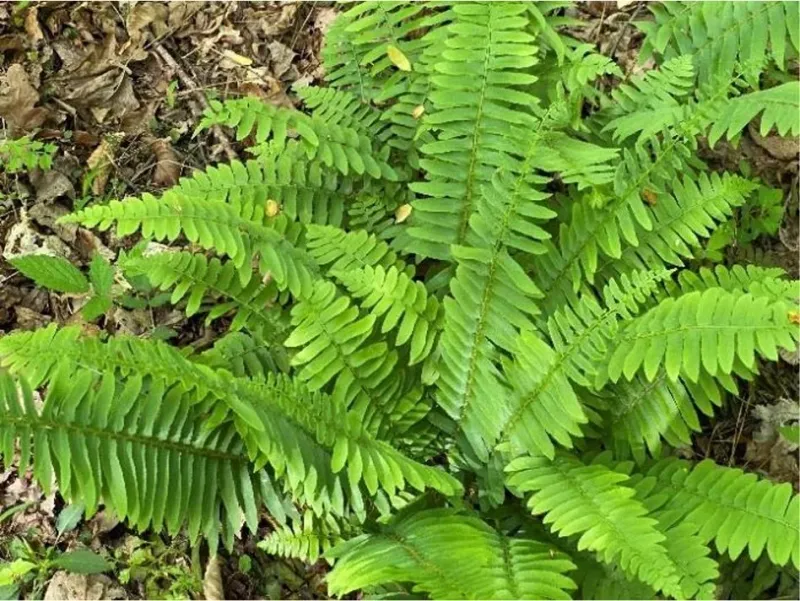
Evergreen fronds feel like a small winter victory in a Michigan shade bed.
Christmas fern keeps its deep green color through much of the year, even when the rest of the garden settles into brown stems and snow.
That structure makes it especially useful under trees, along shaded paths, and in woodland borders where empty winter ground can look bleak.
Deer usually leave it alone.
The fronds have a leathery texture that does not seem as tempting as softer garden foliage. That makes Christmas fern a smart replacement in shady spots where hostas keep getting chewed down.
This native fern also handles tough conditions well.
It grows under maples and oaks, tolerates cool shade, and manages dry shade better than many other ferns once established. That matters in Michigan yards where tree roots pull moisture from the soil all summer.
The clumps spread slowly.
They fill in without taking over, which makes them easy to tuck between wildflowers, sedges, and other shade plants. On slopes, the roots can also help hold soil in place through rain, thaw, and freeze cycles.
Use it for texture.
The glossy fronds contrast beautifully with foamflower, wild ginger, woodland sedge, and spring ephemerals. It brings order without looking stiff.
A deer-resistant shade garden needs dependable plants in the background.
Christmas fern is that quiet worker, green, sturdy, and not interested in making drama.
2. Wild Geranium
Spring color under trees does not have to belong to deer candy.
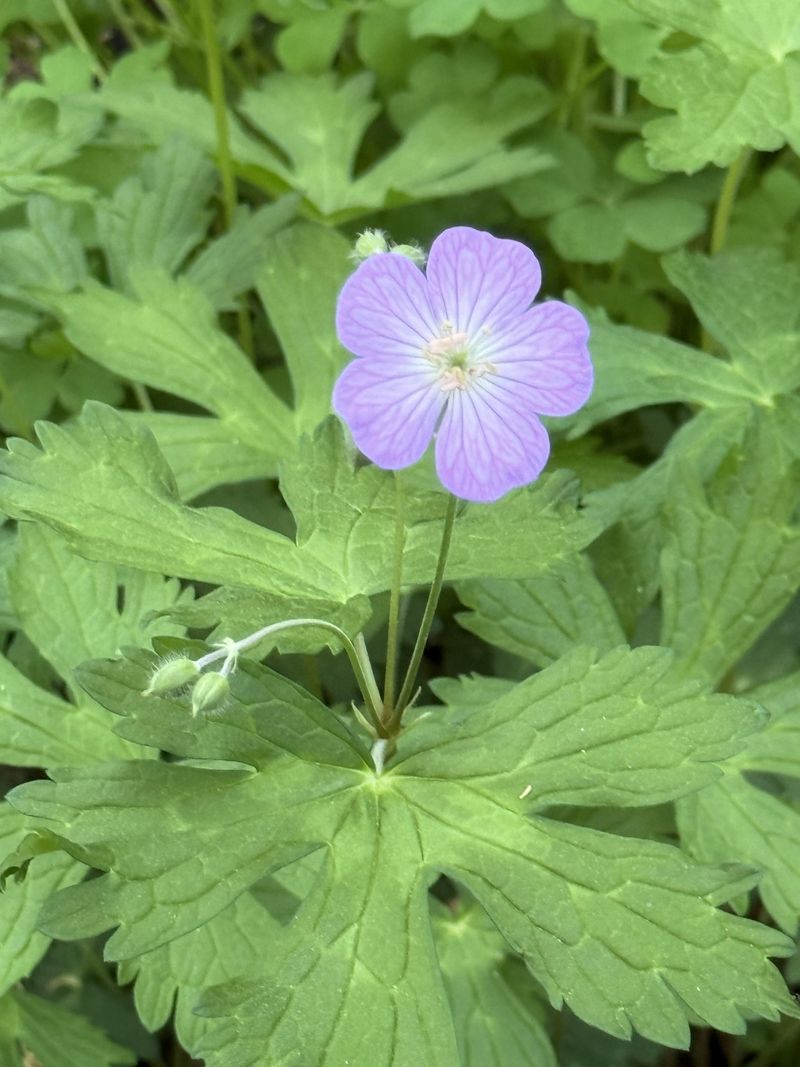
Wild geranium brings soft lavender-pink flowers to Michigan shade gardens just as the woodland floor wakes up. The blooms feel gentle and natural, and pollinators find them early in the season.
Deer tend to pass it by more often than many tender garden favorites.
The foliage has a slightly musky scent when brushed, which may help make it less appealing. That is useful in beds where every soft leaf seems to get inspected overnight.
This native perennial spreads politely.
It fills bare soil by seed and rhizome without smothering neighboring plants. The deeply lobed leaves remain attractive after flowering, giving the garden texture long after the spring show finishes.
Your Michigan Garden Changes Every Week. Your Plan Should Too.
Gardening in Michigan changes quickly throughout the season. Every Friday you’ll receive a simple weekly plan showing exactly what to plant, prune, fertilize, harvest, and protect so you never miss the right timing.
Tree-root competition does not scare it much.
Wild geranium evolved in woodland edges and open forests, so it handles the dappled shade and root-filled soil common under Michigan oaks and maples.
A little spring moisture helps it bloom well, but established plants can tolerate some summer dryness.
Plant it in drifts.
A single plant looks pleasant. Ten or more create a soft groundcover layer that feels intentional and natural at the same time. It pairs beautifully with Christmas fern, foamflower, sedges, and Virginia bluebells.
The flowers are charming without being fussy.
That is the whole appeal. Wild geranium makes a shaded bed feel alive in spring while giving deer fewer reasons to linger.
3. Foamflower
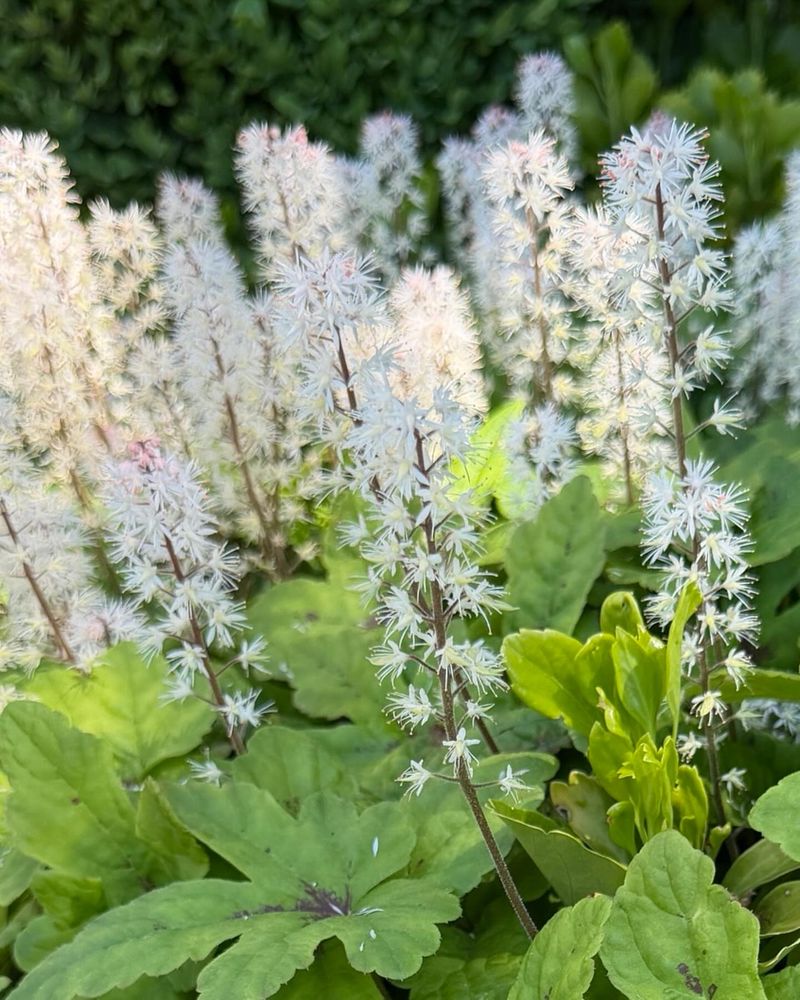
A shady bed can use a little froth.
Foamflower sends up airy white flower spikes in spring above a low carpet of attractive leaves. The effect is delicate, almost sparkling, especially in dappled light beneath deciduous trees.
Deer generally show less interest.
That makes it valuable as a groundcover in Michigan shade gardens where softer, juicier plants disappear too often. The foliage has enough texture and character to hold the bed together even after the flowers fade.
Moist, humus-rich soil suits it best.
Foamflower thrives where leaf litter, compost, and woodland conditions keep the ground cool and comfortable. It appreciates consistent moisture while establishing, especially during dry spells under mature trees.
The spreading habit is useful.
Runners slowly stitch plants together into a weed-suppressing mat. It will not usually behave like an aggressive takeover artist, which makes it easy to combine with other shade perennials.
The leaves can be just as interesting as the flowers.
Some selections have burgundy markings or deeply cut foliage that stays handsome through the growing season. Cooler weather may bring bronze or reddish tones, adding another layer of interest.
Use it near paths or in front of taller plants.
Foamflower looks especially good with ferns behind it, sedges around it, and spring bloomers weaving through the same area.
It may look soft, but it has backbone.
In a deer-prone shade garden, that is exactly the kind of surprise you want.
4. Ostrich Fern
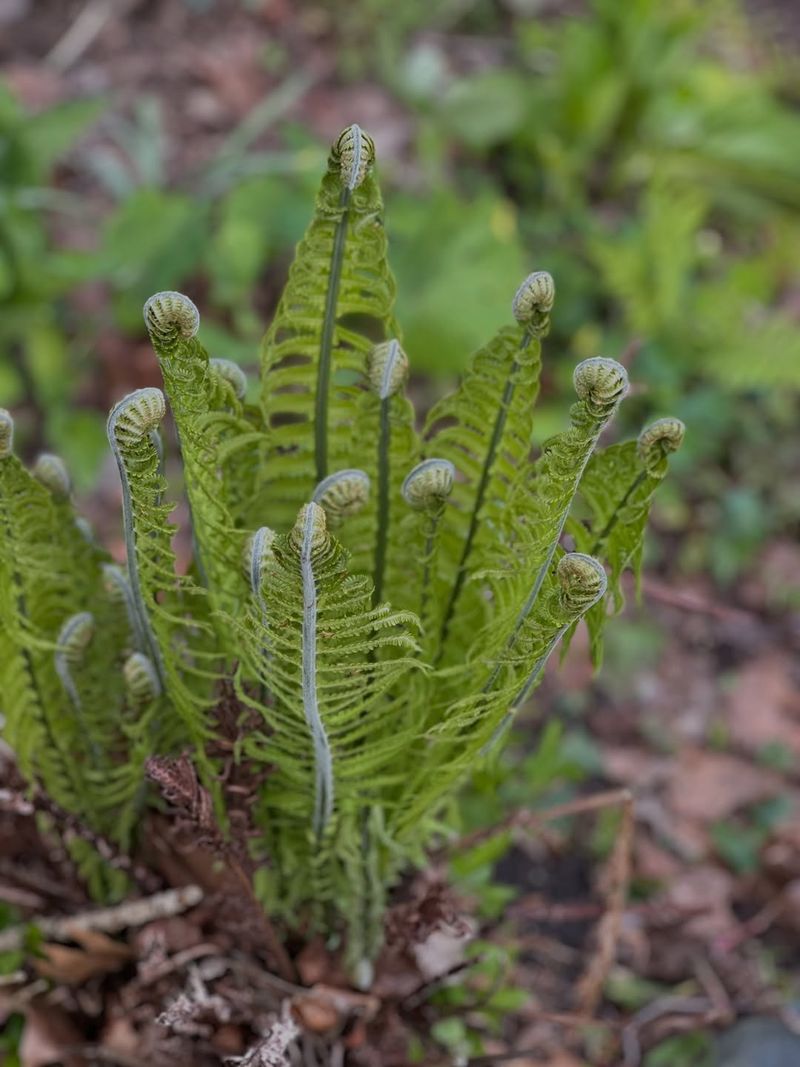
A wet, shady corner needs something bold.
Ostrich fern brings height, movement, and a lush woodland feeling to Michigan gardens where smaller plants can look lost. In the right site, its tall vase-shaped fronds can make deep shade feel almost tropical.
Deer rarely make it a target.
That is helpful because this fern provides serious visual impact. One mature colony can fill a difficult space with texture and height, especially near streams, rain gardens, low spots, or moist woodland edges.
Moist soil is the key.
Ostrich fern loves richer, cooler ground and can spread by underground runners when conditions suit it. That spreading habit is useful in larger naturalized areas but may need boundaries in smaller beds.
The spring emergence is part of the show.
Tightly curled fiddleheads rise from the soil, then unfurl into broad green fronds. By early summer, the patch looks full, lush, and established.
Give it room.
This is not the fern for a tiny front border. It can reach several feet tall and spread into colonies over time. Use it where a big leafy presence makes sense.
Pair it with plants that can handle the same moisture.
Solomon’s seal, foamflower, jack in the pulpit, and sedges all create a layered woodland look around it.
Ostrich fern does not whisper in the shade.
It makes a statement, and the deer usually let it finish the sentence.
5. Solomon’s Seal
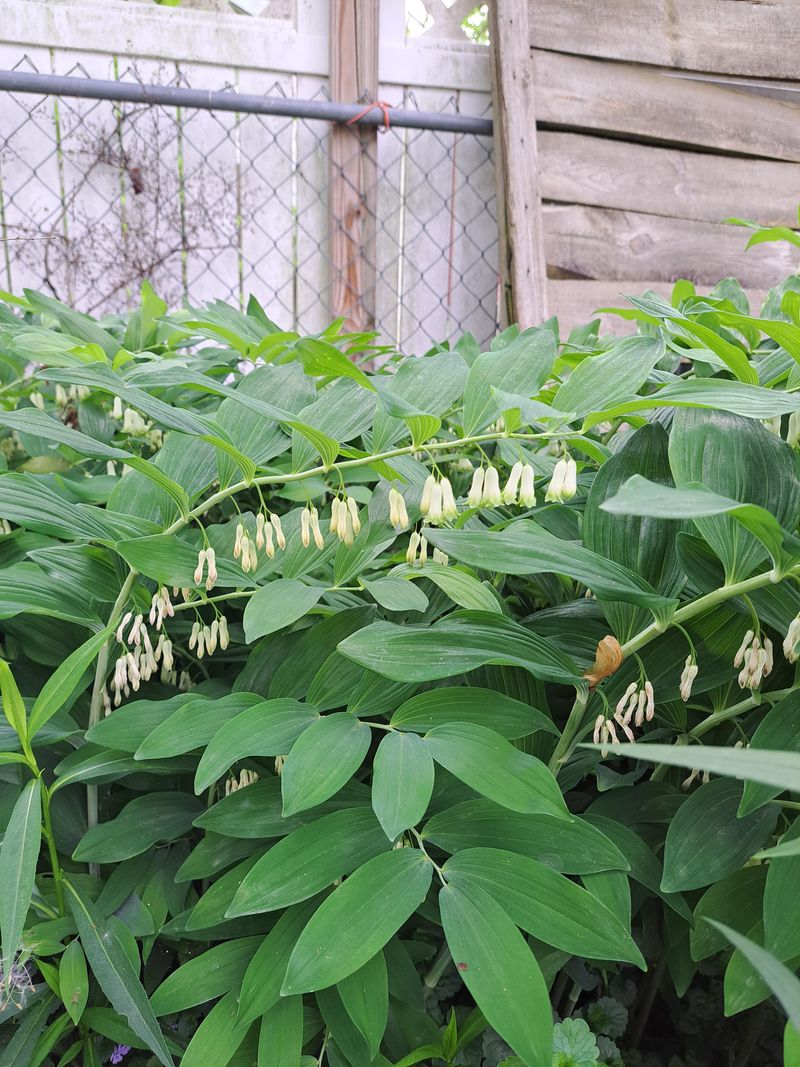
Graceful structure can make a shade garden feel designed.
Solomon’s seal brings arching stems that rise, curve, and hold small white bell-shaped flowers beneath the leaves in spring. It has an elegant shape that works beautifully along paths, fence lines, and woodland edges.
Deer are less likely to browse it heavily.
That makes it a strong option in Michigan beds where softer foliage gets targeted. The plant looks delicate from a distance, but it is tougher and more reliable than it appears.
This native perennial spreads gradually by rhizomes.
Over time, it forms graceful colonies without charging through the garden. It prefers moist, well-drained soil with plenty of organic matter, especially under deciduous trees.
The foliage stays useful after bloom.
Clean green leaves carry the plant through summer, then turn golden in fall before the stems fade back. That autumn color adds one last moment of brightness to shaded beds.
Birds may use the berries.
Blue-black fruit can follow the flowers, adding wildlife value while the plant continues quietly building its patch.
Plant it where the arching form can be seen.
A back corner may waste the effect. Along a path or near a seating area, Solomon’s seal becomes one of those plants people ask about because it looks both natural and intentional.
It layers well with ferns, sedges, and foamflower.
The combination gives height, groundcover, and texture without relying on plants deer adore.
That is shade-garden elegance with a practical streak.
6. Jack In The Pulpit
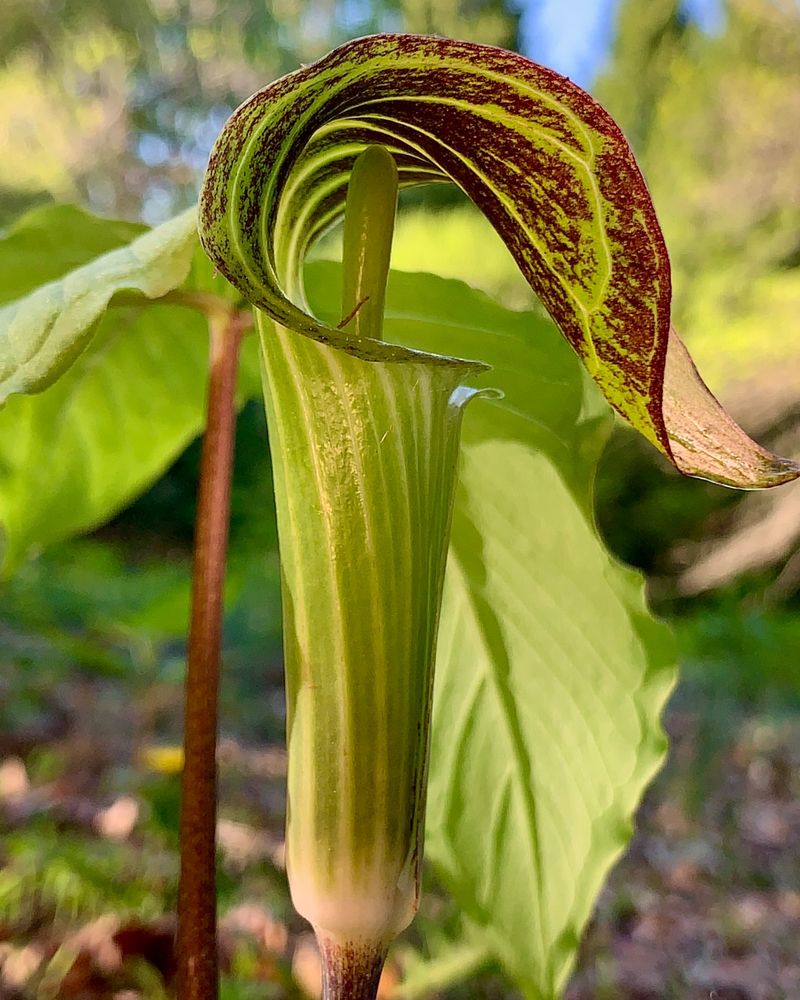
Some woodland plants look like they came with a storyline.
Jack in the pulpit has a hooded, striped flower structure that makes people stop and lean closer. It is unusual, theatrical, and perfectly suited to a Michigan shade garden with a natural feel.
Deer usually avoid it.
The plant contains compounds that make it unpleasant to eat, which gives it an advantage in browse-heavy areas. That does not make it untouchable, but it does make it less tempting than many common shade plants.
Moist woodland soil is best.
Jack in the pulpit grows naturally in rich, shaded forests and low woodland areas. It likes consistent moisture, leaf litter, and dappled light. A spot that stays lightly damp but not waterlogged can be ideal.
The show does not end with spring.
After the hooded flowers fade, clusters of bright red berries can appear later in the season. They add a striking pop of color in the shade and support wildlife.
Patience helps with this one.
Jack in the pulpit can take time to settle and spread. Starting with nursery-grown plants gives faster results than seed, but the plant still appreciates being left undisturbed.
Use it in naturalized pockets.
It looks best among ferns, sedges, trillium, wild ginger, and leaf litter rather than in a rigid formal row.
This is not just a deer-resistant choice.
It is a little woodland drama tucked into the shade, and Michigan gardens could use more of that.
7. Woodland Sedge
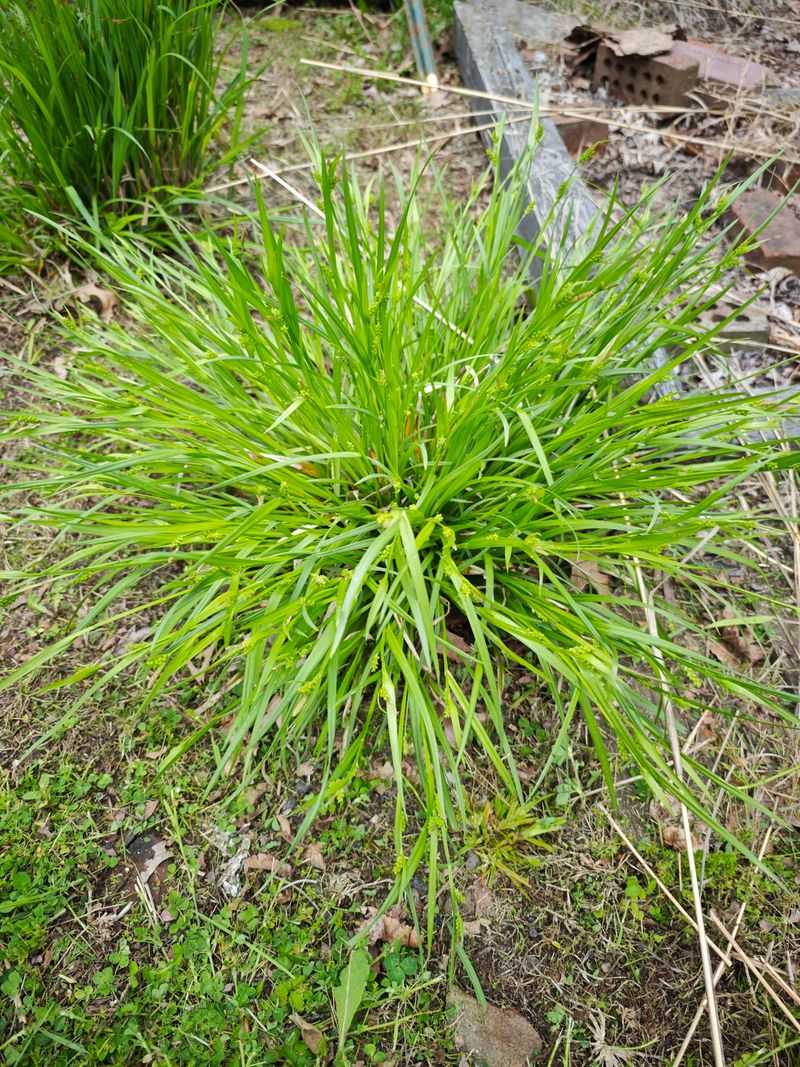
Grass struggles under trees, but sedge gets the assignment.
Woodland sedges create soft, low, grass-like texture in shaded areas where traditional lawn often thins out. They are especially useful under oaks and maples, along path edges, and in dry shade where many groundcovers complain.
Deer usually ignore them.
The fine, arching foliage is not nearly as tempting as soft flowering perennials, which makes sedge a practical filler in browse-prone Michigan yards.
Several native sedges work well.
Pennsylvania sedge is a favorite for dry shade because it spreads slowly into a soft mat. Other woodland sedges may prefer moister soils, so matching the species to the site matters.
The texture is the real strength.
Sedge ties a planting together. It fills gaps between spring flowers, ferns, and taller perennials while keeping the bed from looking bare after early bloomers finish.
It also reduces maintenance.
Once established, a sedge layer can suppress weeds, protect soil, and reduce the need for mulch touch-ups. It creates a living carpet that looks natural instead of forced.
Pair it with seasonal plants.
Virginia bluebells can bloom and fade, wild geranium can flower and settle, and sedge remains to keep the ground covered through summer.
This is not a flashy plant.
That is exactly why it works. Woodland sedge holds the whole shade garden together while the deer go looking for something juicier.
8. Virginia Bluebells
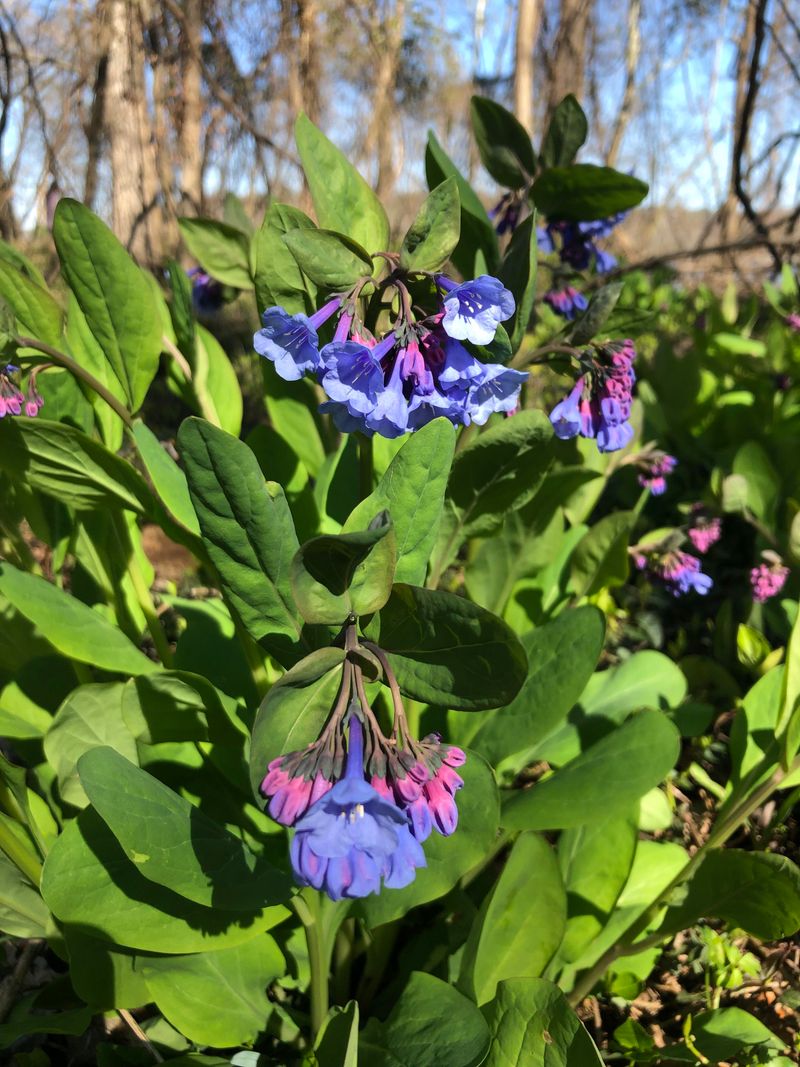
A spring drift of blue can make a shady Michigan bed unforgettable.
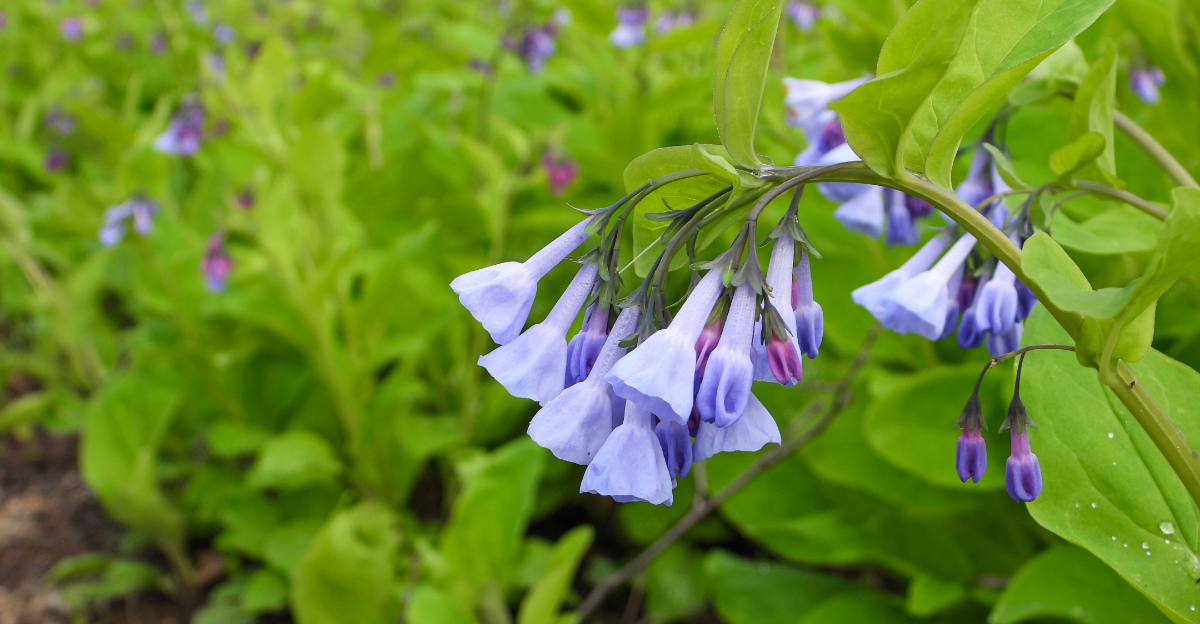
Virginia bluebells emerge early, bloom beautifully, and then vanish by summer. The flowers open from pink buds into clear blue trumpets, creating one of the sweetest woodland displays a gardener can grow.
Deer tend to leave them alone.
That is a relief because the spring show is brief and worth protecting. The foliage is most visible during a season when deer are actively browsing fresh growth, so choosing a less tempting plant matters.
This native perennial is a spring ephemeral.
It grows, blooms, sets seed, and retreats underground before the hot part of the season. New gardeners sometimes worry when it disappears, but that is simply its normal cycle.
Plan for the empty space.
Pair Virginia bluebells with later-emerging plants such as ostrich fern, Solomon’s seal, woodland sedge, or foamflower. As the bluebells fade, those companions fill the bed and keep the area from looking bare.
Moist, rich soil gives the best show.
They are especially happy along shaded low spots, woodland edges, and beds with plenty of leaf mold or compost. Once established, they can self-seed and form larger drifts over time.
A mass planting is worth it.
One bluebell is charming. A sweep of them under trees in April can stop people mid-sentence.
The best part comes after the flowers vanish.
The garden still feels full because the planting was planned around their disappearing act. That is how shade gardens start looking effortless.