These Pennsylvania Vegetables Are At Absolute Peak Harvest In September
September is one of the most rewarding months in the Pennsylvania vegetable garden, and a lot of gardeners don’t fully appreciate it until they’re standing in the middle of it with more to harvest than they expected.
The summer exhaustion has eased, the relentless heat pressure is lifting, and the crops that have been building through the back half of summer are arriving at their peak all at once.
This is when Pennsylvania vegetable gardening earns back everything the hot, difficult weeks of July and August asked for.
Certain vegetables hit their absolute best in September, reaching a flavor, texture, and productivity that earlier in the season and later in the fall simply don’t replicate.
The combination of warm days and genuinely cool nights that September delivers in Pennsylvania produces results that any experienced gardener will tell you are worth planning the entire season around.
Knowing which vegetables are at their peak right now changes how you prioritize the garden this month and what you make sure to harvest before the window passes.
1. Tomatoes
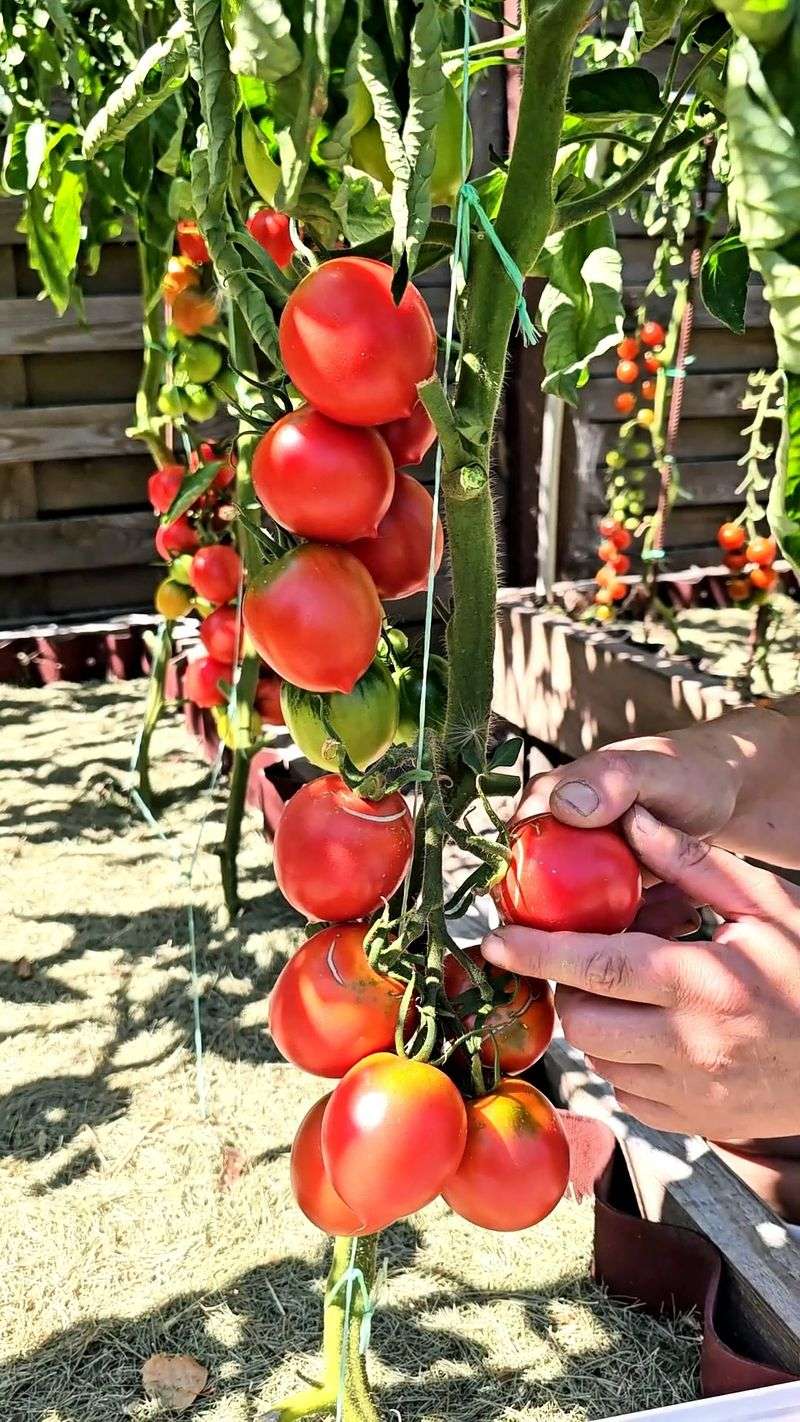
Few things in the garden world compare to biting into a perfectly ripe Pennsylvania tomato in September. The warm days and cooler nights of early fall create just the right conditions for tomatoes to develop their full, rich flavor.
Many gardeners actually say their best tomatoes come in September, not August. Pennsylvania tomatoes remain in strong harvest season throughout the entire month. Varieties like Big Boy, Brandywine, and Early Girl are all producing heavily right now.
If you planted a second round of tomatoes in late spring or early summer, you are likely seeing a second wave of fruit coming in fast.
Pick your tomatoes when the fruits are fully colored and feel slightly firm when gently squeezed. A tomato that gives too easily is overripe and will turn mushy quickly. One that feels rock-hard needs a few more days on the vine.
Store freshly picked tomatoes at room temperature, never in the fridge. Cold temperatures break down the texture and flatten the taste. A countertop or windowsill works perfectly for keeping them fresh for several days.
Tomatoes harvested in September are excellent for making homemade pasta sauce, salsa, or bruschetta. You can also slice them thick and serve with fresh mozzarella and basil for a simple, delicious salad.
If you have more tomatoes than you can use fresh, consider canning or freezing them for use throughout the winter months ahead.
2. Sweet Corn
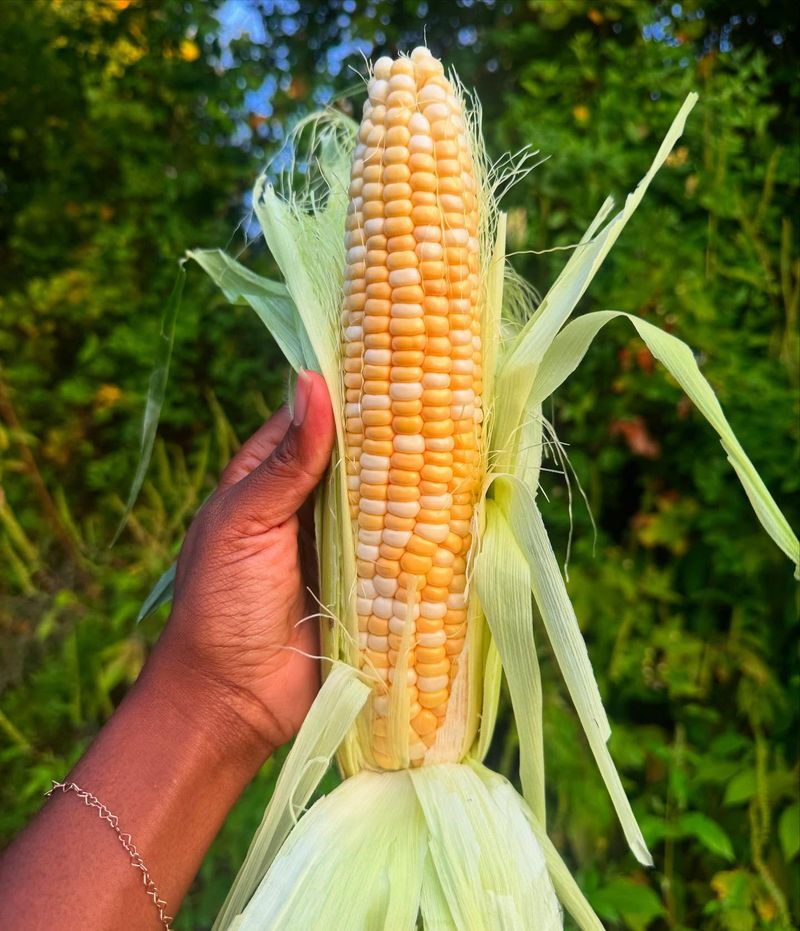
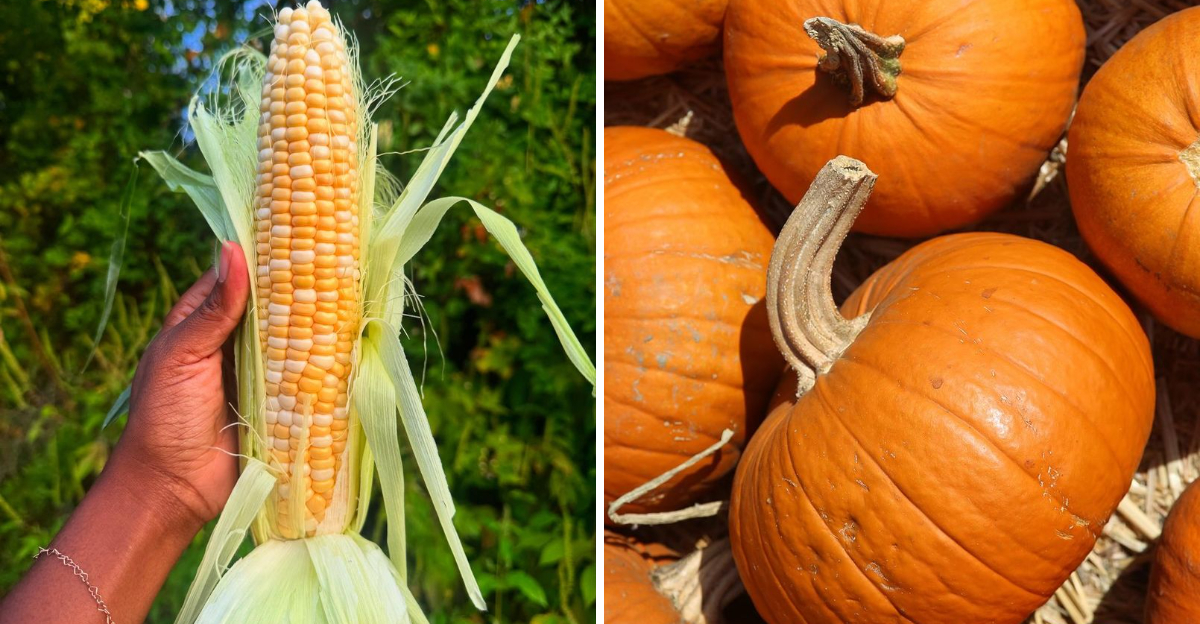
Sweet corn is one of those vegetables that just tastes better when it comes straight from a Pennsylvania field. September is still prime harvest time for many Pennsylvania plantings, especially for farmers who staggered their planting dates across the season.
That planning means fresh ears are still showing up at roadside stands and farmers markets well into the month.
Ears of sweet corn are best picked when the kernels are plump and milky. To check, peel back a small section of the husk and press your fingernail into a kernel.
Your Pennsylvania Garden Changes Every Week. Your Plan Should Too.
Gardening in Pennsylvania changes quickly throughout the season. Every Friday you’ll receive a simple weekly plan showing exactly what to plant, prune, fertilize, harvest, and protect so you never miss the right timing.
If a creamy, milky liquid comes out, the corn is ready. If it is watery, give it a few more days. If it is starchy and thick, the corn is past its peak.
One of the biggest mistakes people make with sweet corn is waiting too long to eat it after picking. The natural sugars in corn begin converting to starch almost immediately after harvest. For the sweetest flavor, cook your corn within a few hours of picking.
Grilling corn in the husk is a popular Pennsylvania tradition that locks in moisture and adds a light smoky flavor. You can also boil it quickly for about four minutes or roast it in the oven.
Add a little butter and a pinch of salt, and you have one of the simplest and most satisfying September meals possible.
If you have extra ears, cut the kernels off and freeze them flat in zip bags. Frozen sweet corn from September will brighten up soups and stews all winter long.
3. Peppers
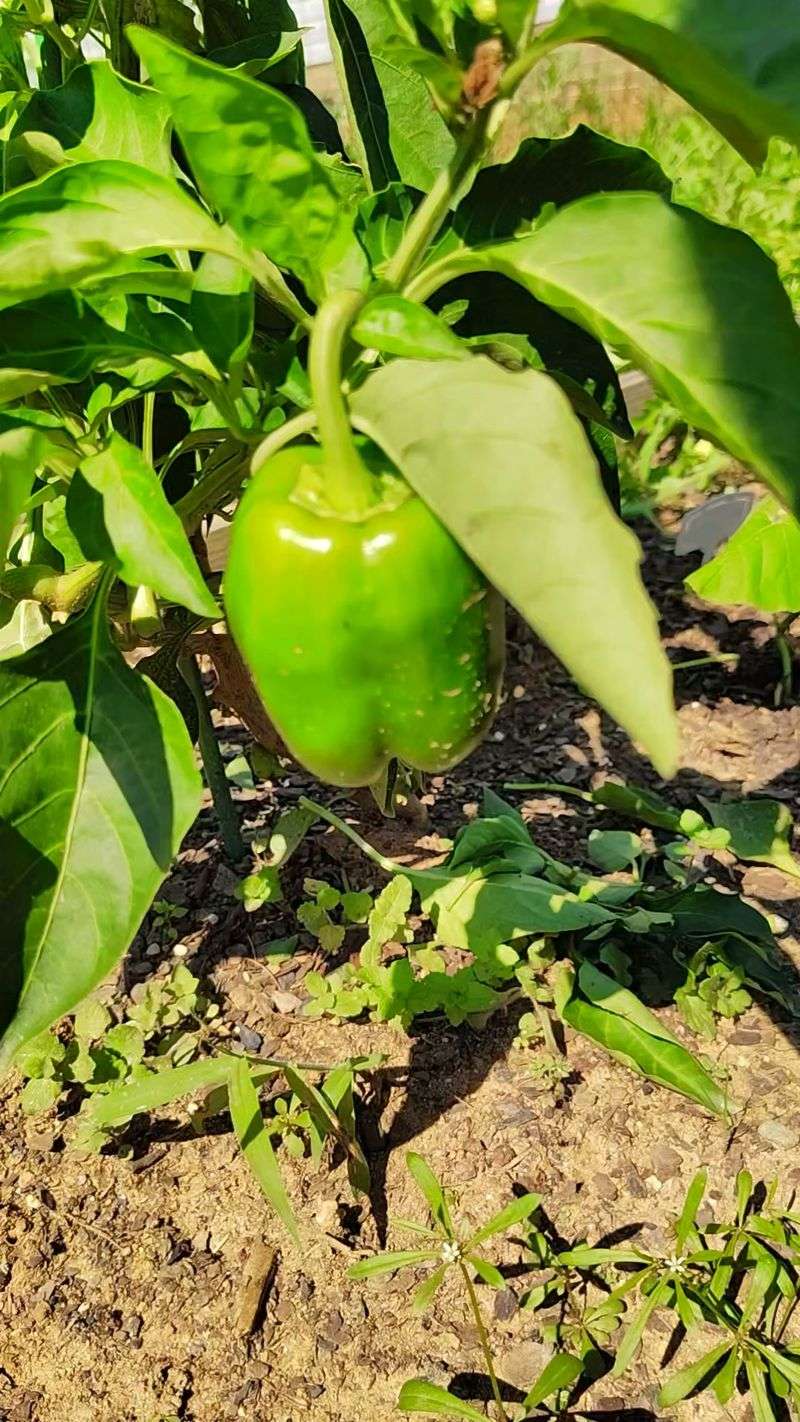
Walk through any Pennsylvania garden in September and you will likely spot pepper plants loaded with fruit in every shade of green, red, yellow, and orange.
Bell peppers and hot peppers continue producing heavily into early fall, making September one of the most productive months of the growing season for pepper growers across the state.
One of the best things about peppers is that you get to decide when to pick them based on what you want. Harvesting green means you get a slightly firmer, more bitter flavor.
Leave them longer and they develop their mature color, which brings out natural sweetness and a softer texture. Both options have their fans, and both are delicious in different ways.
Hot pepper lovers are especially happy in September. Varieties like jalapenos, banana peppers, and cayenne reach their full heat potential as they mature.
The longer a hot pepper stays on the plant, the more capsaicin it develops, which means more heat in every bite.
Peppers are incredibly versatile in the kitchen. Stuff them with rice and ground meat, slice them into stir-fries, or roast them whole for a smoky side dish.
You can also pickle hot peppers easily at home using vinegar, salt, and garlic for a simple and tasty condiment.
If your plants are giving you more peppers than you can use, try drying them. Hot peppers dry beautifully when strung up in a warm, airy space.
Bell peppers can be chopped and frozen flat on a baking sheet before transferring to a freezer bag for later use.
4. Eggplant
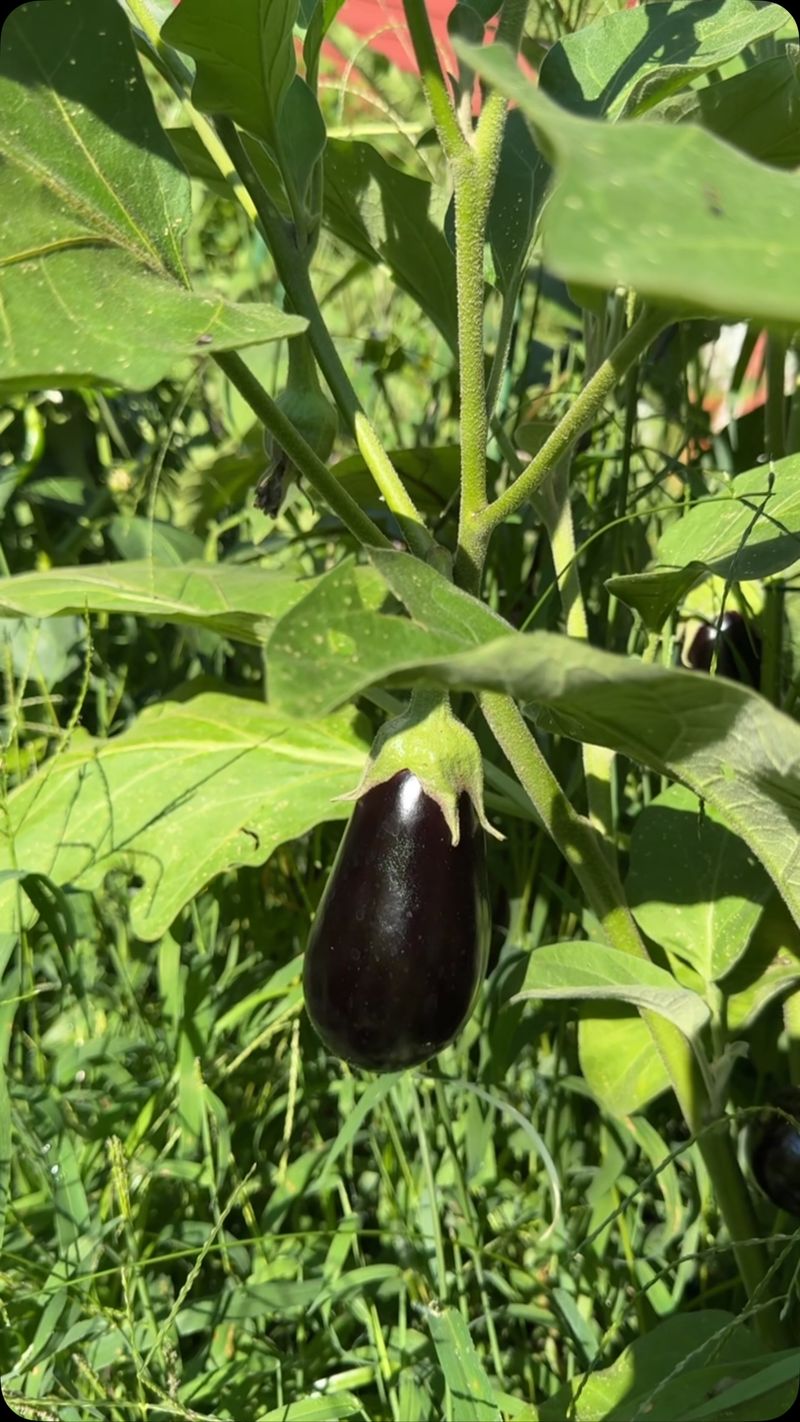
Eggplant is the quiet achiever of the Pennsylvania September garden. While tomatoes and peppers get most of the attention, eggplant keeps right on producing as long as the warm days stick around.
Warm September days keep eggplant productive across much of the state, especially in the southern and central regions where temperatures stay higher a bit longer.
Knowing when to pick eggplant makes a huge difference in how it tastes. Pick fruits while the skin is glossy and the flesh is still tender.
A shiny, smooth skin is your best clue that the eggplant is at its prime. When the skin starts to look dull or wrinkled, the flesh inside has likely become bitter and seedy.
Did you know that eggplant belongs to the same plant family as tomatoes and peppers? All three are nightshades, which is why they all thrive in similar warm growing conditions.
Pennsylvania gardeners who grow all three together often find they hit peak harvest at almost the same time in September.
Eggplant is incredibly satisfying to cook with because it absorbs flavors so well. Slice it thin and layer it into a classic eggplant parmesan, or cube it and toss it into a hearty ratatouille.
Grilling thick slices with olive oil and garlic creates a smoky, meaty side dish that even non-vegetable fans tend to enjoy.
To keep freshly harvested eggplant at its best, store it at room temperature for up to two days or in the refrigerator for up to five days. Avoid washing it until you are ready to cook.
5. Green Beans
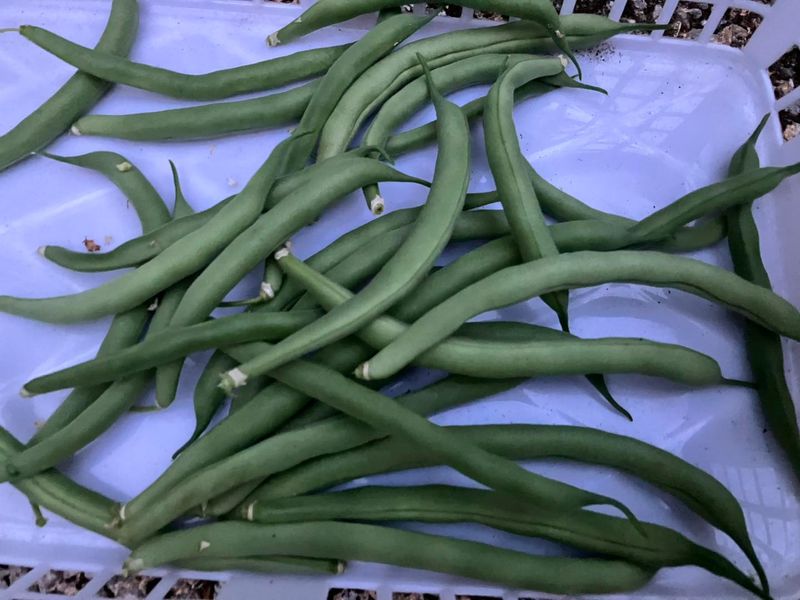
Green beans might just be the most satisfying vegetable to pick by hand in the whole garden. There is something genuinely enjoyable about running your fingers along the vines and snapping off crisp, plump pods one by one.
Late plantings of green beans can produce excellent September harvests in Pennsylvania, especially for gardeners who planned a second round of seeds back in July.
Pick pods frequently while they are young and crisp. This is really the golden rule of green bean harvesting.
The more often you pick, the more the plant produces. Leaving mature pods on the vine for too long signals the plant to slow down production, so keeping up with daily or every-other-day harvesting is the best way to maximize your yield.
Young green beans are tender and sweet, with a satisfying snap when you bend them. Older pods become tough, stringy, and less flavorful.
If you notice a pod starting to bulge where the seeds are forming inside, pick it right away even if you are not ready to cook it yet.
Green beans are easy to prepare and pair well with almost anything. Blanch them quickly in boiling water and toss with butter and garlic for a simple side dish.
You can also roast them in the oven with olive oil and parmesan for a crispy, addictive snack. Pennsylvania families have been canning green beans for generations, and September is the perfect time to put up a batch for the colder months ahead.
Freezing green beans is simple too. Blanch, cool, and freeze in a single layer before storing in bags.
6. Winter Squash
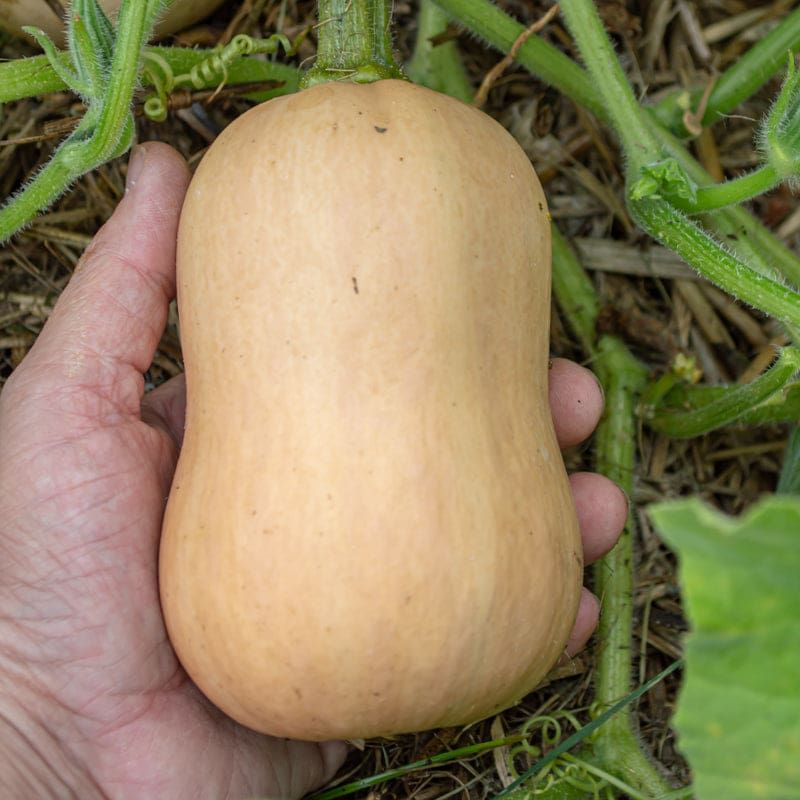
September signals the beginning of one of the most exciting transitions in the Pennsylvania garden: the arrival of winter squash. Butternut, acorn, and other winter squash varieties begin reaching full maturity as the days get shorter and the nights grow cooler.
These are the vegetables that bridge the gap between summer abundance and cozy fall cooking.
Knowing when to harvest winter squash takes a little patience and observation. Harvest once rinds are hard and stems begin drying out.
Press your fingernail into the skin of the squash. If it leaves a mark easily, the squash needs more time. If the rind resists and feels tough, it is ready to come off the vine.
The stem is another important clue. A stem that is still green and flexible means the squash is not quite finished.
A stem that has turned tan, corky, and dry tells you the squash has reached full maturity. Always cut the stem rather than breaking it off, because a broken stem creates an entry point for rot.
After harvesting, winter squash benefits from a process called curing. Leave the squash in a warm, dry spot with good air circulation for about ten days.
Curing toughens the skin and extends storage life significantly. A properly cured butternut squash can last for three to six months in a cool, dry space.
Winter squash is endlessly versatile in the kitchen. Roast it with brown sugar and cinnamon, blend it into a creamy soup, or stuff an acorn squash half with wild rice and cranberries for a beautiful fall dinner that showcases everything Pennsylvania grows best in September.
7. Pumpkins
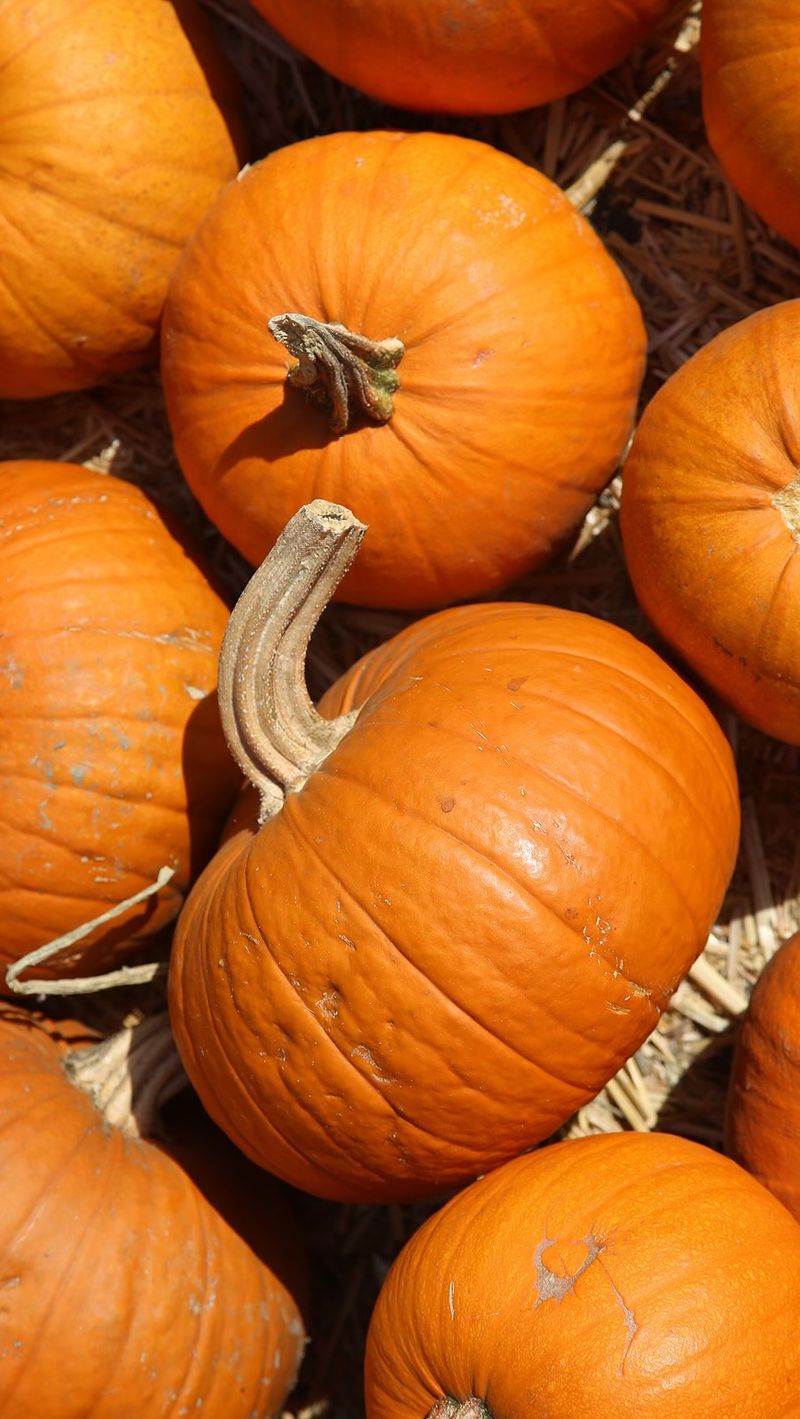
September marks the beginning of Pennsylvania’s main pumpkin harvest, and there is nothing quite like walking through a pumpkin patch as the first cool breezes of fall move through the fields.
Pumpkins are deeply tied to Pennsylvania’s agricultural identity, and the state produces thousands of acres of them every single year for both decoration and cooking.
Allow fruits to develop full color and hardened rinds before picking. A pumpkin that is still partly green needs more time on the vine.
Wait until the entire surface has turned its mature color, whether that is classic orange, creamy white, or deep red depending on the variety you are growing.
Thumping a pumpkin is one of the oldest tricks in the book. A ripe pumpkin sounds hollow when you knock on it with your knuckles.
Combined with a hard, firm rind and a dry, corky stem, that hollow sound is a strong sign your pumpkin is ready to come in from the field.
Just like winter squash, pumpkins benefit from curing after harvest. Set them in a warm, sunny spot for about ten days to toughen the skin and heal any small scratches or nicks from the field.
A cured pumpkin stored in a cool, dry location can last for two to three months easily.
Pumpkins grown for cooking, often called pie pumpkins or sugar pumpkins, are smaller and sweeter than decorative varieties. Roasting the flesh and pureeing it gives you a rich base for pies, muffins, pancakes, and soups.
Pennsylvania-grown pumpkins cooked fresh taste far richer and more complex than anything from a can, and September is the perfect time to find out for yourself.