The One Plant Pennsylvania Gardeners Are Putting Along Every Walking Path To Deter Ticks
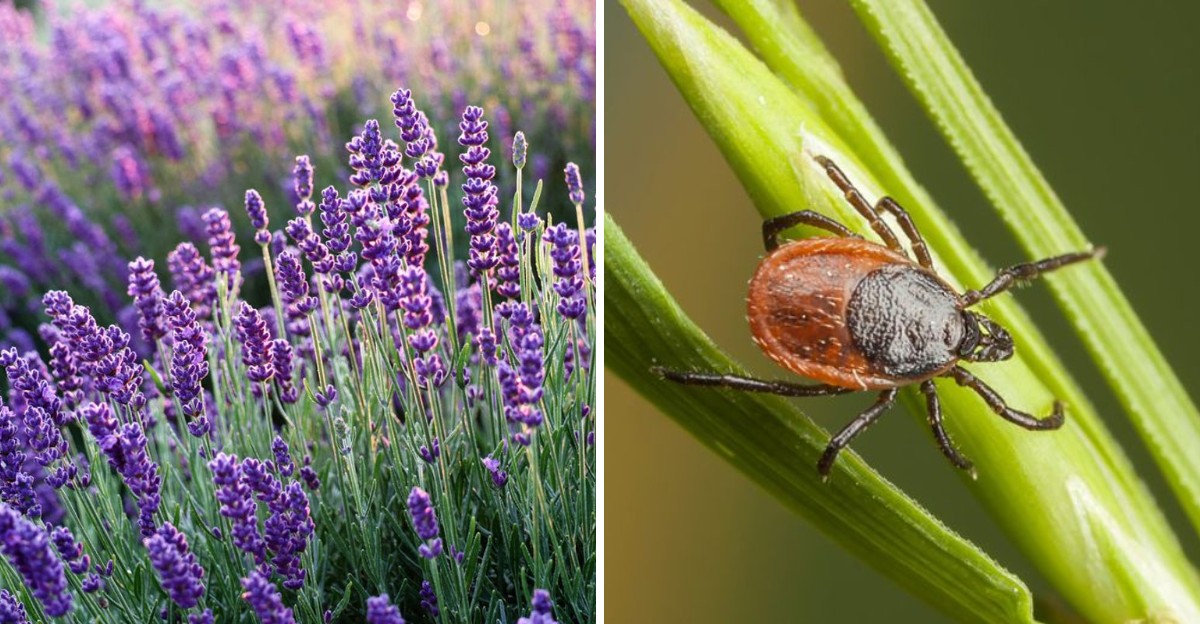
Did you know that the edges of your garden walking paths are some of the most common places to pick up ticks in Pennsylvania?
That transition zone between lawn and garden beds, the borders beside stepping stones, the edges along mulched pathways, these are exactly the spots where ticks position themselves to encounter passing hosts.
Most homeowners either spray these areas repeatedly or accept the risk. But there’s a plant Pennsylvania gardeners have been quietly placing along walking paths that appears to make a real difference.
It produces natural compounds that ticks find genuinely unappealing, creating a living border along the areas where encounters are most likely. It’s also beautiful, low maintenance, and perfectly suited to path edges and garden borders.
Here’s the plant Pennsylvania gardeners are putting along every walking path and exactly why it’s worth adding to yours.
The Plant Behind The Tick-Deterrent Claim
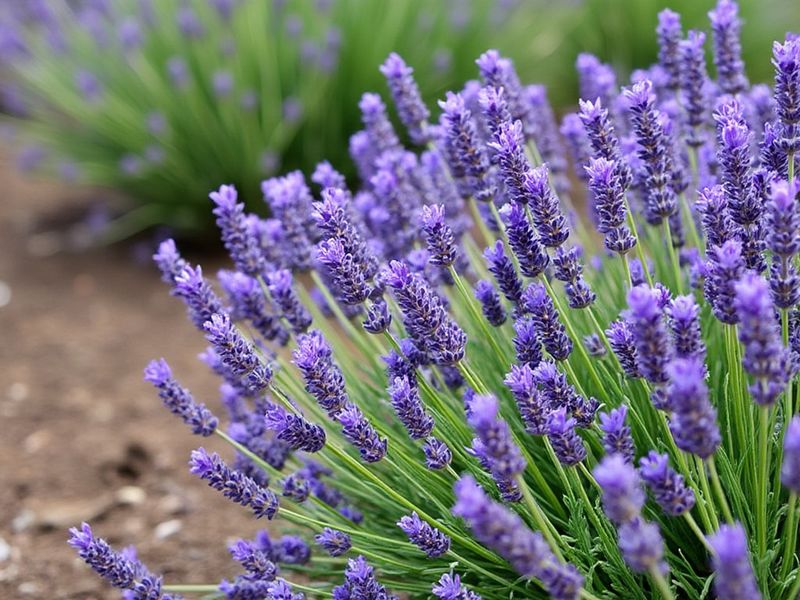
Walk down almost any garden path in Pennsylvania this summer, and you might spot rows of purple lavender swaying in the breeze. Gardeners have fallen in love with this fragrant plant, and many hope it does more than just look pretty.
Lavender is famous for its calming scent and soft purple flowers. People use it in soaps, teas, and little sachets tucked inside drawers.
Bees and butterflies enjoy visiting its blooms, which makes it a favorite for pollinator gardens too.
Because of that strong smell, lavender has picked up a reputation as a plant that might help push ticks away. Neighbors share the idea over fences, and it spreads quickly through gardening groups online.
Here is the honest truth, though. Simply planting lavender along a path is not a proven way to stop ticks from showing up. The living plant does not create a magic shield that keeps every tick out of your yard.
That does not mean lavender is useless. It still earns its spot as a beautiful, low-maintenance plant that brings color and scent to your walkways. Many gardeners grow it just because they enjoy it.
Think of lavender as a lovely bonus rather than a guaranteed bug blocker. It can be part of your garden plan, but it should not be your only line of defense.
Throughout this article, you will learn what lavender really offers and how to combine it with steps that truly help.
That way, you get the best of both worlds: a gorgeous path and real protection against those sneaky ticks.
Why Lavender Gets Mentioned As A Tick Deterrent
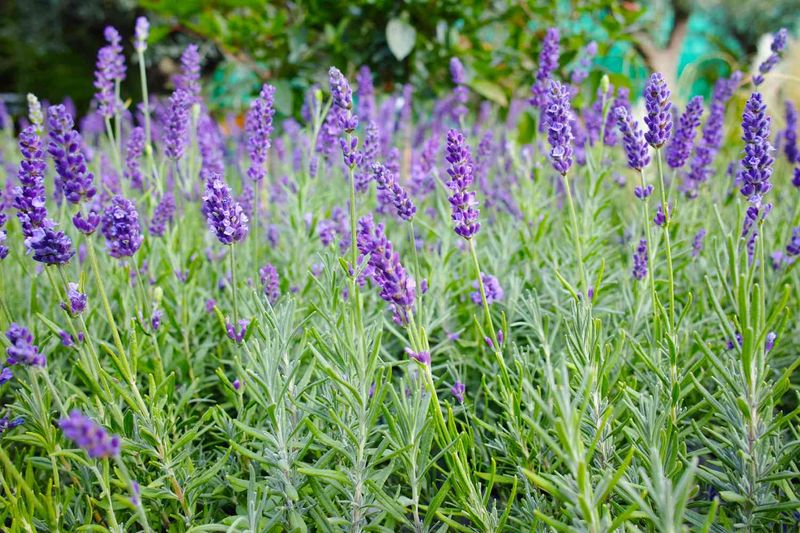
Ever wonder how lavender got tied to the whole tick conversation in the first place? The story starts with essential oils, not the plants growing in the ground.
Scientists have studied lavender oil and a few other plant oils to see how bugs react to them. Some lab tests suggest that certain concentrated oils may make ticks and other pests less interested in sticking around.
That research is interesting, but it involves strong, prepared oils, not a bush sitting in your flower bed.
Your Pennsylvania Garden Changes Every Week. Your Plan Should Too.
Gardening in Pennsylvania changes quickly throughout the season. Every Friday you’ll receive a simple weekly plan showing exactly what to plant, prune, fertilize, harvest, and protect so you never miss the right timing.
People took those findings and stretched them a bit. They figured if lavender oil bothers ticks, then a living lavender plant must do the same thing. It sounds logical, but it does not quite work that way.
The scent floating off a growing lavender plant is much weaker than a bottled oil. A living plant simply cannot pump out enough fragrance to build a reliable barrier around your walking path.
That is why you should be careful with claims you read online. A pretty photo of lavender with a bold promise does not equal solid science.
If you want to use lavender’s bug-fighting side, look for tested products that list their ingredients clearly. Even then, follow the directions on the label and reapply as needed.
Understanding the difference between concentrated oils and garden plants helps you make smart choices.
You can still grow lavender happily, knowing exactly what it can and cannot do. Being informed keeps you from feeling let down when the plant does not act like a force field against ticks.
Where Lavender Works Best In A Pennsylvania Garden
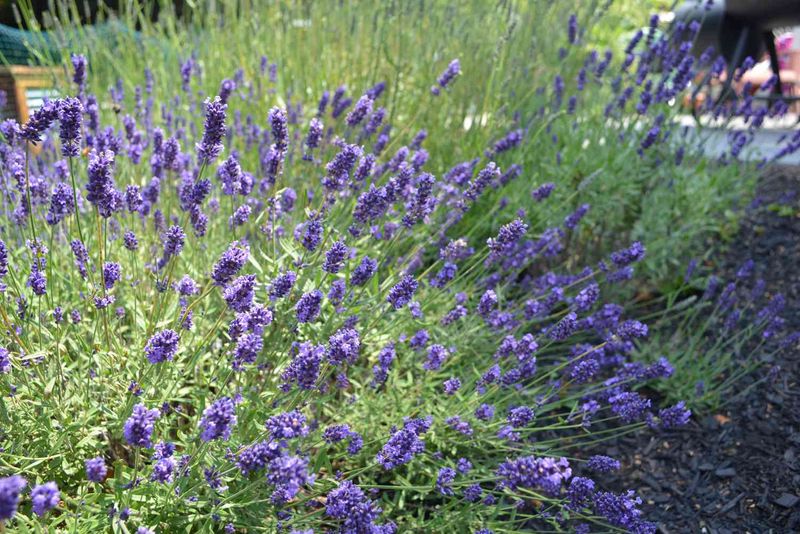
Picture the sunniest, brightest corner of your yard, the one that soaks up light all day long. That spot is exactly where lavender wants to live.
Lavender loves full sun and needs at least six hours of it every day. Skimp on sunlight, and your plants will grow leggy and produce fewer of those lovely purple blooms.
Good drainage matters just as much as sunshine. Lavender hates soggy roots, so heavy, wet clay can cause it trouble. Pennsylvania soil often holds moisture, so mixing in sand or fine gravel can help water drain away faster.
Raised beds work wonders for this plant. Lifting the soil helps extra water escape and keeps roots healthy. Planting lavender along the edges of a sunny path is both practical and pretty.
Give each plant a little breathing room. Spacing them out lets air move freely between them, which keeps leaves dry and lowers the chance of disease.
When you place lavender beside walkways, you get to brush past it and enjoy that gentle scent. Guests strolling through will notice it too, and it adds a relaxed, welcoming feeling.
A light trim after blooming keeps plants tidy and encourages fresh growth next season. Avoid cutting into the woody base, since new stems sprout better from softer wood.
Choose a hardy variety like English lavender, which handles Pennsylvania winters better than some tender types. With the right spot and a little care, your lavender can thrive for years.
Even if it will not block ticks, a healthy lavender border makes your garden path look and smell amazing every single day.
Don’t Rely On Lavender Alone For Tick Protection
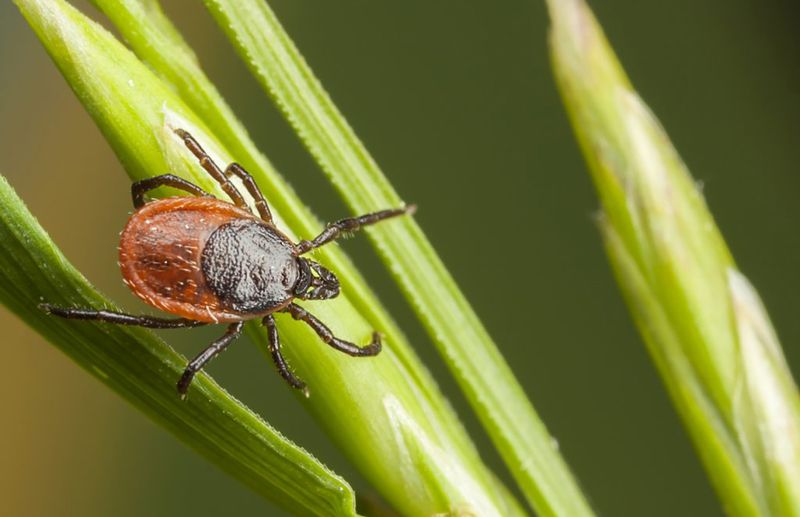
Here is a friendly reminder that could save you a lot of worry: lavender should never be your only tick plan. Real protection comes from a few simple habits you can do every day.
Ticks are sneaky and patient. They wait on grass blades and low branches, then latch onto anyone who brushes past. Because they are so small, they are easy to miss until they have already grabbed on.
The best defense is a good tick check. After spending time outside, look over your arms, legs, ankles, and hairline. Pay attention to warm, hidden spots where ticks like to settle.
Do not forget your pets. Dogs and cats wander through tall grass and can carry ticks right back inside. Run your fingers through their fur and feel for any tiny bumps.
Wearing light-colored clothing helps too, since darker ticks show up more easily against pale fabric. Tucking your pants into your socks may look silly, but it blocks an easy path up your leg.
Bug repellents made for skin or clothing offer real, tested protection. Read the label, use the right amount, and reapply when needed for the best results.
When you come inside, tossing your clothes in a hot dryer for a few minutes can handle any hitchhiking ticks. A quick shower also gives you a chance to spot ones you missed.
Lavender can sit pretty along your path while these habits do the heavy lifting. Combining a lovely garden with smart daily checks gives you confidence every time you head outdoors. That balance keeps everyone in your household safer and happier.
Create A Less Tick-Friendly Path
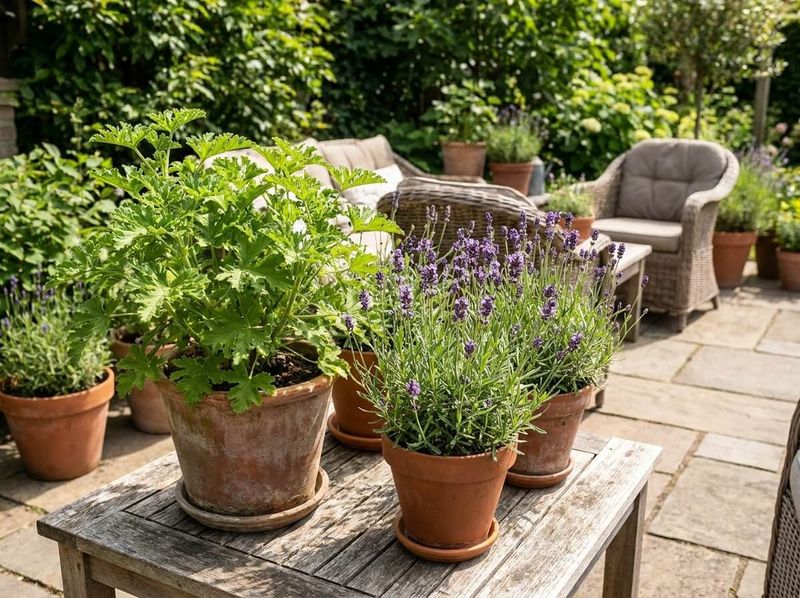
Want to make your yard a place ticks would rather skip? A few smart landscaping tricks can make a real difference along your walking paths.
Ticks love tall grass, leaf piles, and shady, damp corners. They cling to overgrown plants and wait for something warm to walk by. Keeping things trimmed removes their favorite hiding spots.
Start by mowing your lawn regularly and keeping the grass short. Short grass dries out faster in the sun, and ticks do not enjoy dry, open areas.
Clear away fallen leaves, tall weeds, and brush near your paths. A tidy edge gives ticks fewer places to lurk and makes your yard look neater too.
One of the best tricks is creating a barrier between your lawn and any wooded areas. A three-foot strip of wood chips or gravel works great for this. Ticks are hesitant to cross dry, sunny surfaces like these.
Lining your path with gravel or mulch does double duty. It looks clean and put-together while also slowing ticks from moving into your walking space.
Keep play areas, benches, and picnic spots away from the edges of woods. Placing them in sunny, open parts of the yard lowers the chance of unwanted tick encounters.
Trim back bushes and tree branches that hang over paths, since these give ticks a leafy bridge to reach you. More sunlight reaching the ground also helps dry out damp spots.
These physical changes are proven ways to reduce ticks, unlike relying on scent alone. Pair them with your lovely lavender border, and you get a path that is both beautiful and much less inviting to pests.
Enjoy Lavender While Staying Tick-Smart
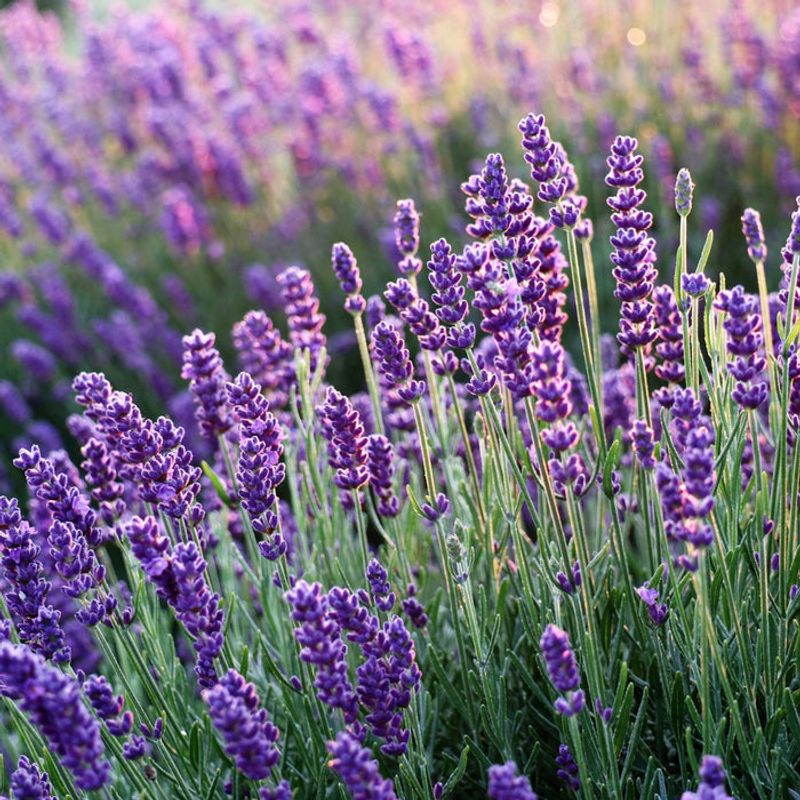
So where does all this leave our beloved lavender? Right where it belongs: as a wonderful plant that brightens your garden and delights your senses.
Lavender brings soft color, a soothing scent, and busy pollinators to your walkways. Bees and butterflies flock to its blooms, adding life and movement to your outdoor space.
It asks for very little in return. Once settled in a sunny, well-drained spot, lavender needs only light watering and an occasional trim. That easygoing nature makes it perfect for busy gardeners.
Just remember what lavender is and is not. It is a lovely addition to your path, not a shield that blocks every tick. Keeping that in mind helps you plan wisely.
The real magic happens when you combine beauty with smart habits. Grow your lavender, then back it up with trimmed grass, gravel barriers, and daily tick checks.
Think of your garden as a team effort. The plants handle the charm, while your safe practices handle the protection. Together, they let you relax and enjoy time outside.
Fun fact: lavender has been used for centuries in gardens and homes, prized for its scent long before anyone tied it to bugs. That long history is part of what makes it so beloved today.
When you stroll your path and catch that gentle fragrance, take a moment to appreciate the simple joy it brings. Then give yourself a quick check before heading indoors.
With a little planning, you can have the best of both worlds. Enjoy a stunning, sweet-smelling path and stay one step ahead of those tiny ticks all season long.