Georgia Gardenias Need One Fall Pruning Rule To Keep Next Year’s Blooms
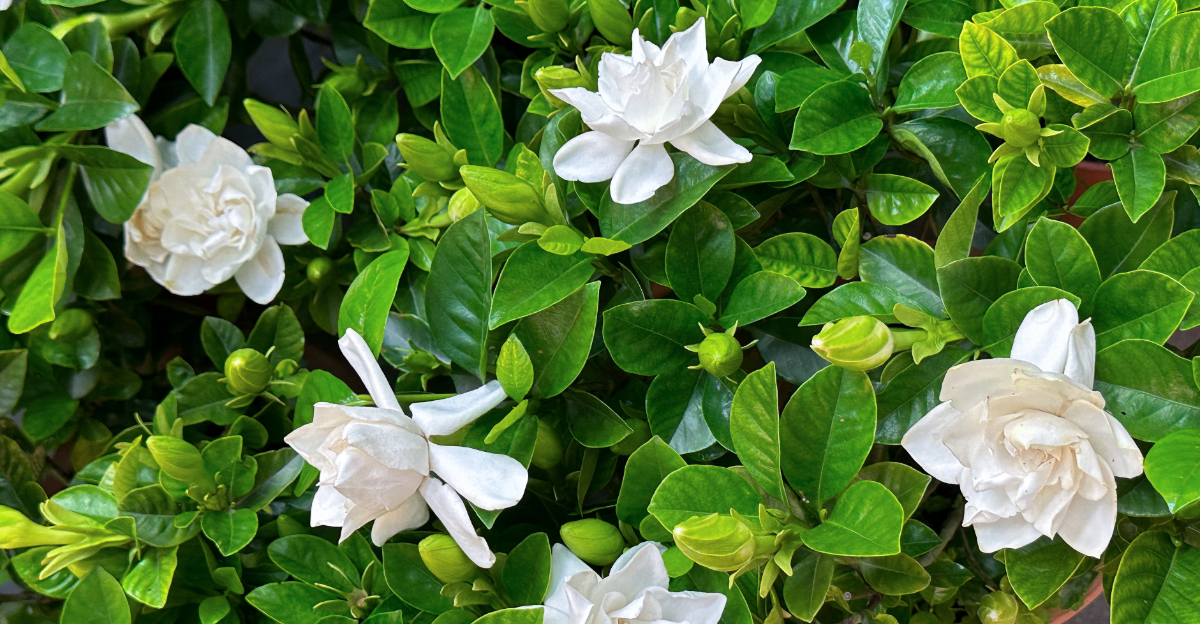
Put those pruning shears down before giving your gardenias a fall trim. One poorly timed cut could mean fewer of those fragrant flowers next year.
Gardenias may look ready for some cleanup once summer growth slows. Their flower buds, however, make fall pruning something you should approach carefully.
In Georgia, these shrubs usually form the buds for their next display well before spring arrives. Cutting without considering that timing can remove future blooms.
Focus on knowing when your gardenia actually benefits from pruning. Good timing lets you shape the shrub without sacrificing the flowers you have been waiting for.
Fall care does not need to involve aggressive trimming to be useful. Sometimes leaving healthy growth alone is the smarter choice.
Know this important pruning rule before making another cut around your gardenias this season.
1. Fall Is Not The Right Time To Prune Gardenias
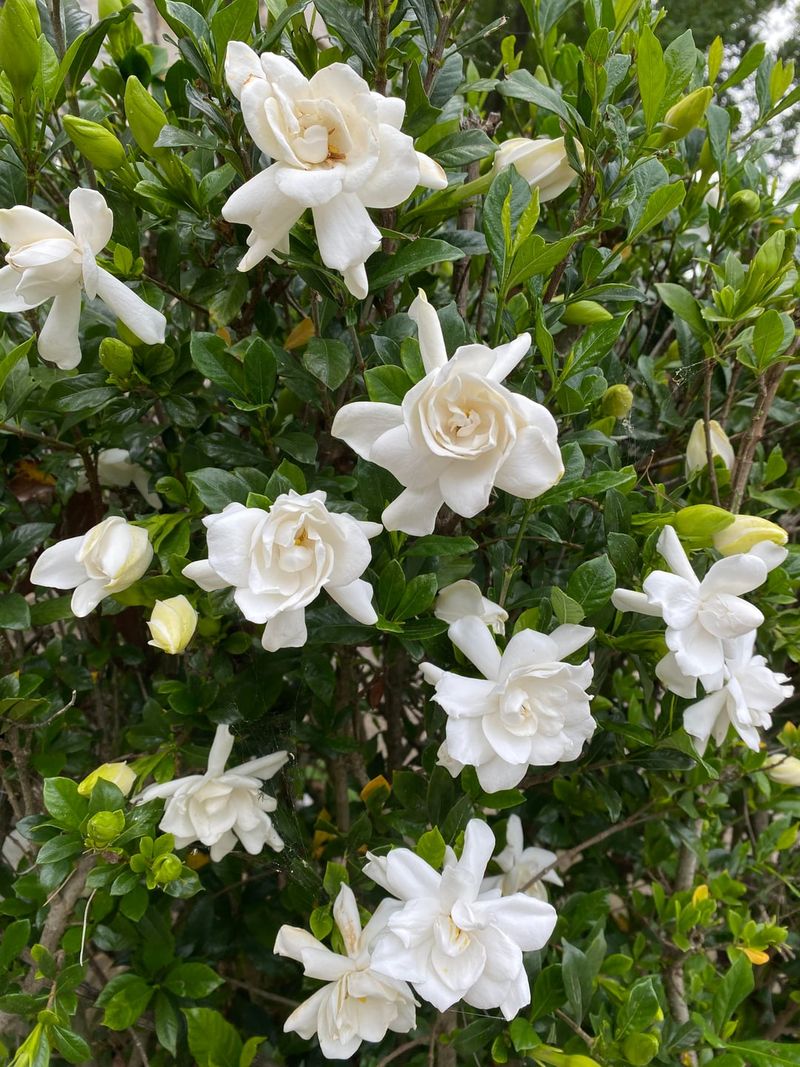
Grab your pruning shears and step away from the gardenia. Fall pruning is one of the most common mistakes Southern gardeners make, and it can cost you an entire season of blooms.
Gardenias set their flower buds in late summer and early fall. Those buds sit quietly on the branches through winter, waiting to open the following spring and summer.
Cutting the plant back in fall removes those buds before they ever get a chance to bloom.
Gardeners in Georgia often assume fall is a safe time to tidy up the yard. Gardenias look a little ragged after summer, so the urge to cut them back makes sense.
Resist it.
Pruning at the wrong time does not just reduce next year’s flowers. It can push the plant to put out new leafy growth right before cold weather sets in.
That fresh growth is soft and vulnerable. It struggles in low temperatures.
Gardenias are not fully cold-hardy in most parts of the South. Even a mild frost can damage new stems that sprouted from a fall pruning.
Protecting next year’s blooms starts with leaving the plant alone once summer ends.
Skipping fall pruning is not neglect. It is smart, intentional care that gives your gardenia exactly what it needs heading into the colder months.
2. Gardenias Should Be Pruned After They Finish Blooming
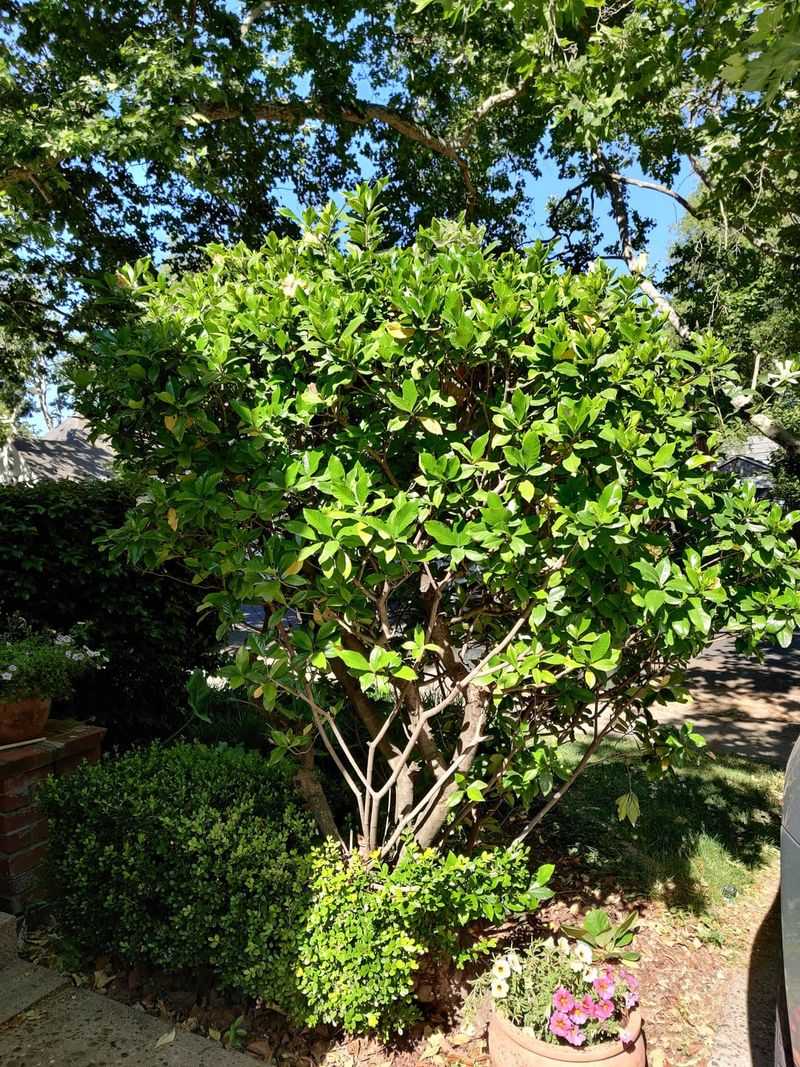
Right after blooming ends is the sweet spot for pruning gardenias. Most gardenia varieties finish flowering sometime between late June and early August, depending on the cultivar and local conditions.
Pruning shortly after bloom gives the plant months to recover before cold weather arrives. New growth has time to harden off and mature.
Flower buds form on that new wood and get ready for the following season.
Waiting even a few extra weeks into late summer can push things too close to bud-set time. Once buds start forming, any cuts you make will remove them.
Timing really does matter with this plant.
A light shaping right after bloom is usually enough. You do not need to cut the plant back hard unless it has gotten very overgrown.
Removing one-third of the overall growth is a reasonable upper limit in most cases.
Your Georgia Garden Changes Every Week. Your Plan Should Too.
Gardening in Georgia changes quickly throughout the season. Every Friday you’ll receive a simple weekly plan showing exactly what to plant, prune, fertilize, harvest, and protect so you never miss the right timing.
Gardeners in warmer parts of the South sometimes get a second flush of flowers in late summer. If your plant re-blooms, wait until that second round finishes before picking up the shears.
Keeping track of when your specific gardenia blooms each year helps you plan better. A quick note on your phone or a garden journal entry is all it takes to stay on schedule and protect next year’s flowers.
3. Cutting Them Back Now Can Cause New Growth
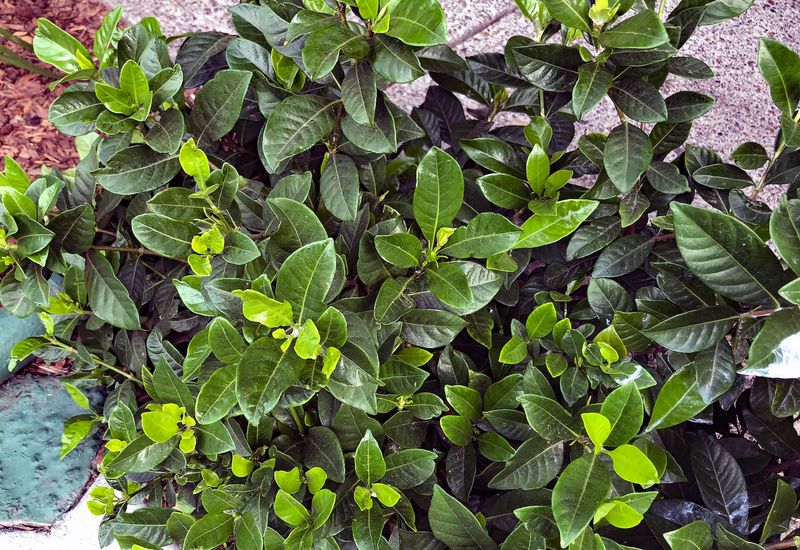
Pruning sends a signal to the plant. Cut a branch, and the gardenia responds by pushing out fresh new shoots right below the cut.
That is just how plants work.
In spring or early summer, that response is exactly what you want. Fresh growth fills in the shape of the plant and eventually produces flower buds.
But in fall, that same response becomes a problem.
New growth that appears in September or October is soft and immature. It has not had time to toughen up.
Cold nights can stress those tender shoots and set the plant back significantly.
Gardenias in Georgia and across the Southeast face unpredictable fall temperatures. A stretch of warm days in October can make the plant look fine, but an early cold snap can follow quickly.
Soft new growth is the most exposed part of the plant when that happens.
Beyond cold sensitivity, new fall growth rarely produces flower buds in time for the next season. So you end up with growth that neither survives well nor contributes to next year’s bloom.
It is a lose-lose situation for the plant.
Avoiding fall pruning prevents this cycle entirely. The plant stays in a stable, hardened state heading into winter.
No unnecessary energy gets spent on new shoots that serve no long-term benefit to the gardenia’s health or flowering performance.
4. New Growth Can Be Hurt By Cold Weather
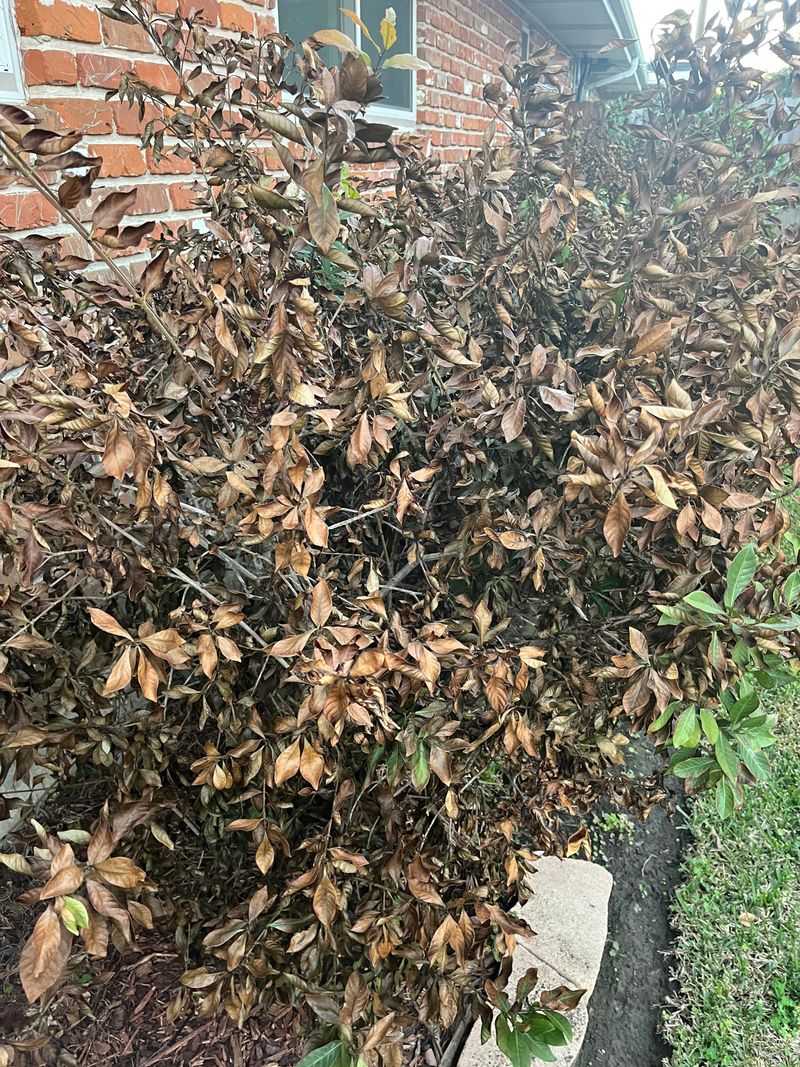
Frost hits soft plant tissue harder than mature wood. Tender new shoots that sprouted from a fall pruning have thin cell walls and very little cold resistance built up yet.
Even a light frost can cause those young stems to wilt, turn brown, or collapse. Depending on how cold it gets and how long the freeze lasts, the damage can reach deeper into the plant.
Recovery takes time and energy the gardenia could spend on blooming.
Gardenias are rated for USDA hardiness zones 8 through 11 in most references, though individual plant performance varies. Parts of Georgia sit right on the edge of zone 7 and 8.
That means winter cold is a real concern, not just a minor inconvenience.
Mature, hardened wood handles cold much better than fresh growth. Plants that were not pruned in fall go into winter with toughened stems.
They are in a much better position to bounce back when temperatures drop.
Mulching around the base of the plant helps insulate roots from temperature swings. A few inches of pine bark or pine straw can make a noticeable difference during cold snaps.
Roots are often more cold-sensitive than above-ground parts.
Keeping new growth off the plant in fall is one of the easiest ways to reduce cold-weather risk. Skip the pruning, mulch the base, and let the plant rest through winter on its own terms.
5. Remove Broken Or Sick Branches When You Find Them
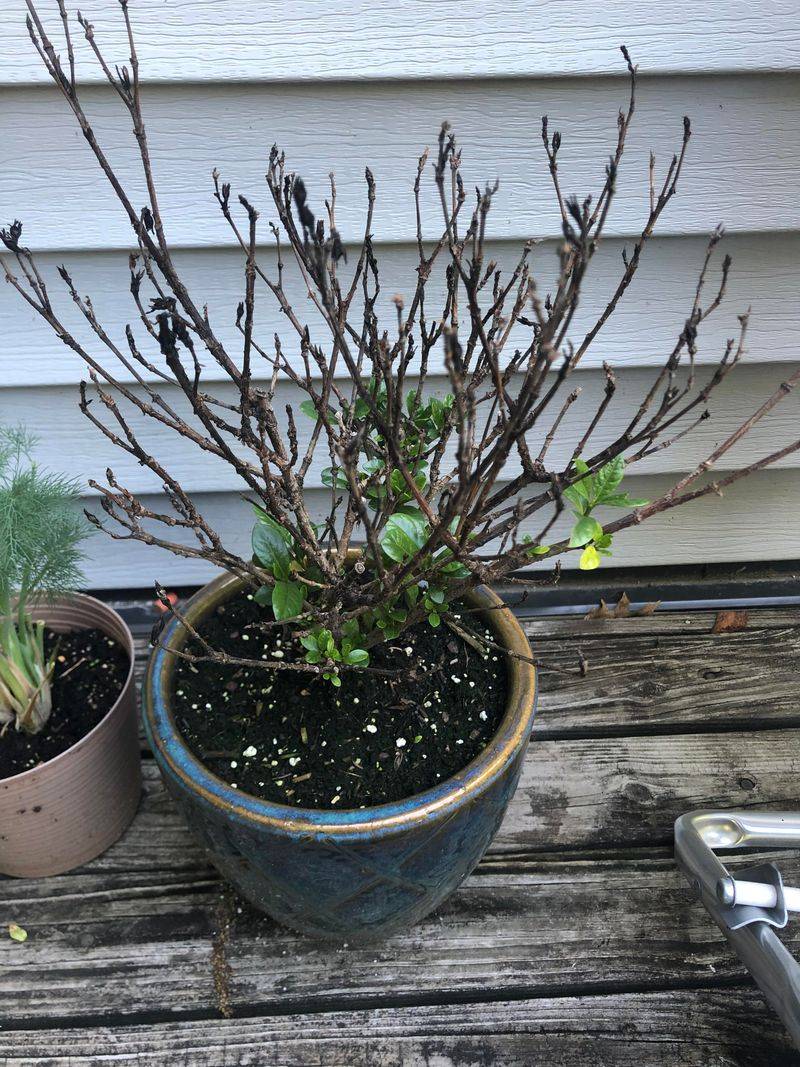
There is one exception to the no-fall-pruning rule. Broken, damaged, or visibly unhealthy branches should come off whenever you notice them, regardless of the season.
Leaving a snapped branch on the plant does not help anything. It can become an entry point for pests or fungal issues.
Removing it cleanly and quickly is the right call.
The same goes for branches that show signs of canker, sooty mold, or unusual discoloration. Cutting those off and disposing of them away from the garden prevents potential problems from spreading to healthy parts of the plant.
Keep your pruning cuts clean. Use sharp shears and wipe the blades with a damp cloth between cuts if you are working around visibly affected tissue.
Dull or contaminated tools can drag problems from one cut to the next.
Removing one or two problem branches in fall is very different from a full pruning session. You are not reshaping the plant or cutting back healthy wood.
You are just doing targeted removal of material that needs to go.
After making those cuts, step back. Resist the urge to keep going and tidy up the rest of the plant.
Targeted removal is fine. A full fall trim is still off the table for gardenias.
A little attentive care throughout the year means you rarely face big problems. Catching issues early keeps the plant in better shape without requiring major intervention at the wrong time.
6. Waiting To Prune Helps Protect Next Year’s Flowers
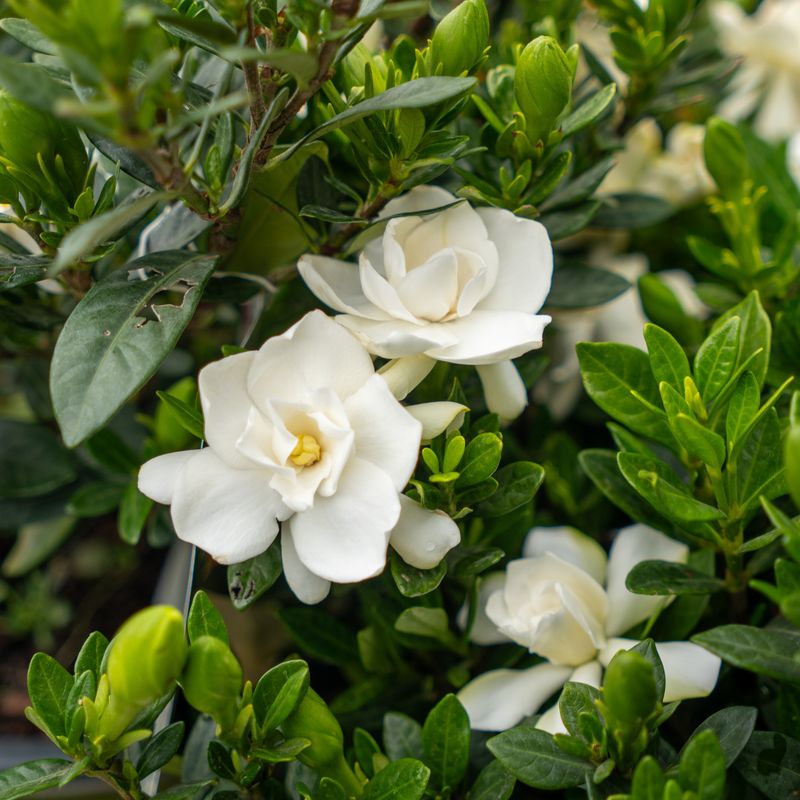
Patience pays off with gardenias. Holding off on pruning through fall and winter directly protects the flower buds that are already sitting on the plant.
Those buds formed back in summer and early fall. They are small and easy to miss, but they are there.
Every branch you cut in fall is a branch that might have carried several blooms next June.
Flower buds on gardenias develop on wood that grew during the current season. Once the plant sets those buds, they need to stay on the plant undisturbed through the cold months.
Cutting them off means starting from scratch in spring with no blooms to show for it.
Waiting until late spring or early summer to prune, right after bloom, gives you the best of both worlds. You get to enjoy the flowers first.
Then you shape the plant afterward, and it spends the rest of the growing season building up new buds for the following year.
Gardeners across the South who follow this timing often notice a real difference in how heavily their plants bloom. A plant that was never fall-pruned tends to carry more flowers than one that was cut back at the wrong time.
Protecting flower buds is not complicated. It mostly involves restraint.
Leave the plant alone from late summer through winter, and let it do what it does naturally when conditions are right.
7. Good Timing Helps Gardenias Bloom Well Next Season
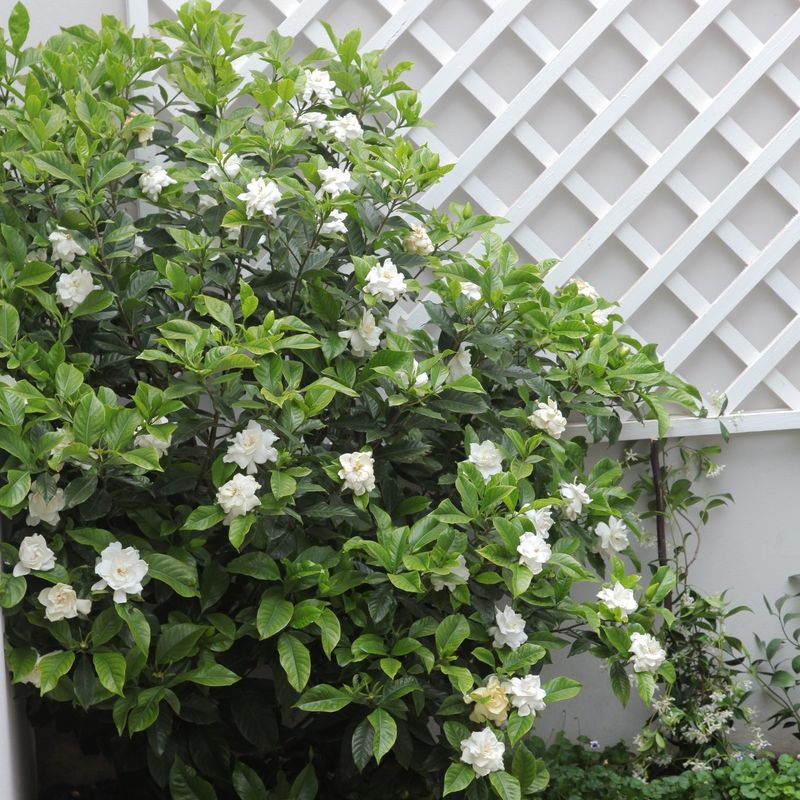
Bloom timing and pruning timing are connected. Get one right, and the other tends to follow.
Miss the window, and the whole cycle gets thrown off for a year.
Gardenias grown in Georgia and across the warm South have a fairly predictable bloom schedule under normal conditions. Most varieties peak in late spring to early summer.
Some bloom again briefly in late summer, but that varies by cultivar.
Knowing your specific plant’s schedule helps you prune smarter. Watch for when the last flowers fade each season.
That moment, right after the final bloom drops, is your pruning window. Mark it on a calendar if it helps.
After a well-timed pruning, the plant puts energy into new growth through late summer. That new growth matures, sets buds, and goes dormant heading into fall.
By the following spring, those buds are ready to open.
Skipping unnecessary cuts in fall keeps that cycle intact. Disrupting it with late-season pruning pushes the plant off schedule.
Getting back on track can take more than one growing season in some cases.
Good gardening habits build on each other over time. A plant that is pruned correctly one year enters the next season stronger and more ready to bloom.
Consistent timing, year after year, leads to a gardenia that performs reliably and fills your yard with fragrance each summer.