Bats In Your Ohio Yard Right Now Aren’t Just Passing Through
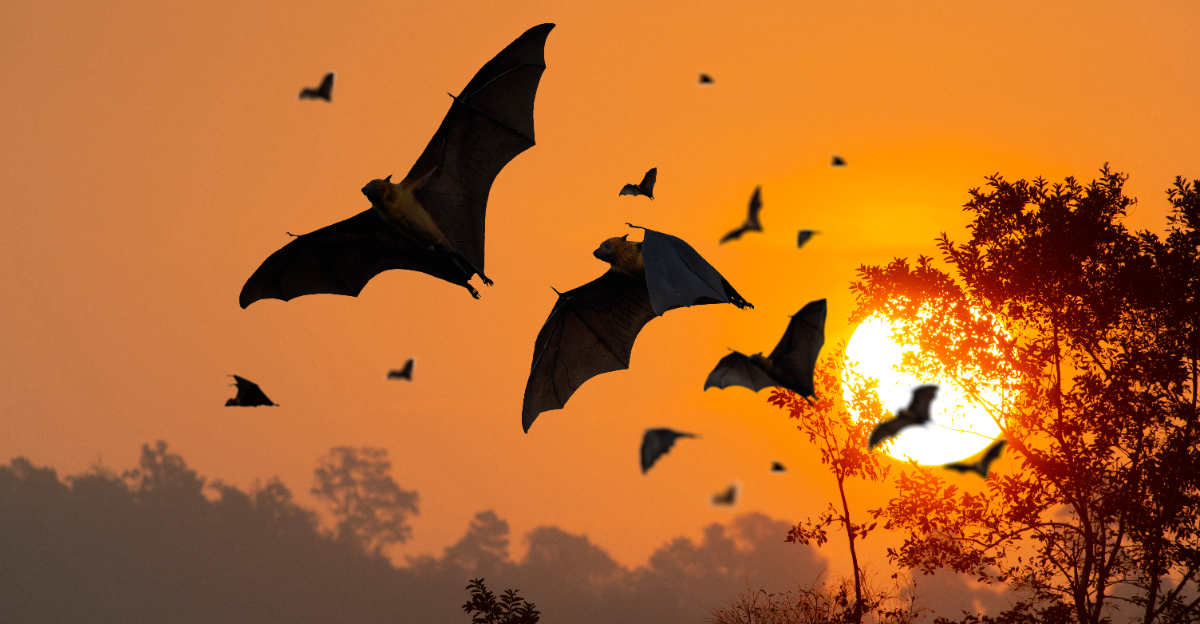
A bat sweeping across your Ohio yard at dusk can look like a random visitor, but its timing tells a different story. Late summer and early fall bring changes that make yards more valuable to these nighttime hunters.
The insects flying above your lawn, garden, and trees create a moving food source, and the features around your property can determine whether bats keep returning to the same area.
You may never notice them during the day, yet their nightly flights can reveal a lot about what your landscape is providing after sunset.
The surprising part is that a bat-friendly yard does not need to look wild or unmanaged. Small details around water, plants, and shelter can influence how often these animals appear.
That shadow crossing the sky is not simply a bat cutting through your property. It may be a sign that your yard has become part of its regular route.
1. Repeated Dusk Flights Mean Your Yard Has Food
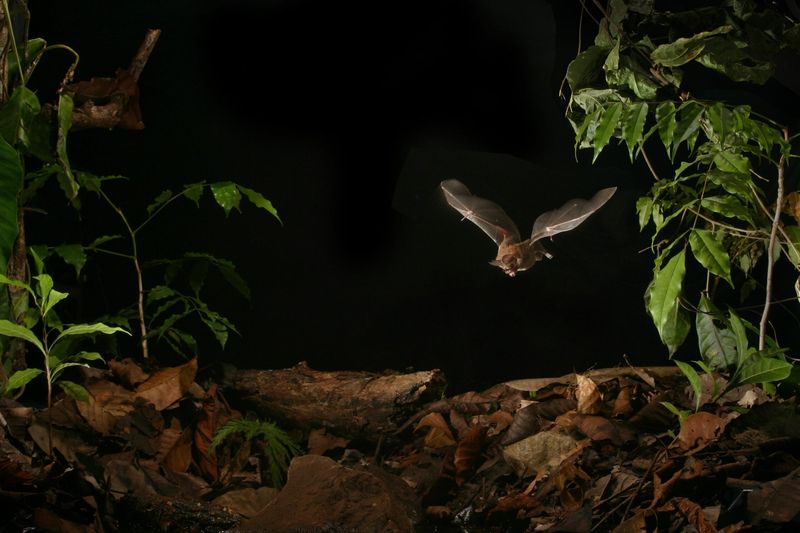
Spotting a bat zigzagging over your yard once is interesting. Seeing the same erratic flight pattern return every evening at dusk is something else entirely.
Repeated activity strongly suggests your yard is functioning as part of a reliable nightly feeding area.
Insect-eating bats, which include all bat species found in Ohio, tend to return to places where prey is consistently available. According to Bat Conservation International, foraging bats often revisit productive feeding sites rather than wandering randomly each night.
Your lawn, garden, pond edge, or woodland border may simply be delivering a steady supply of flying insects after sundown.
A yard does not need to have a bat roost on the property to attract regular feeding flights. Bats may travel from roost sites located in nearby trees, buildings, bridges, or wooded areas before arriving at your yard to feed.
The yard itself becomes one stop on a broader nightly circuit.
Repeated sightings at dusk are not proof of a colony living in your attic or shed. Rather, they point to something more straightforward: the habitat your yard provides is useful.
Good foraging habitat draws foragers, and a yard that reliably produces flying insects after dark can become a regular stop on a local bat’s nightly route.
2. Late-Summer Insects Keep Them Coming Back
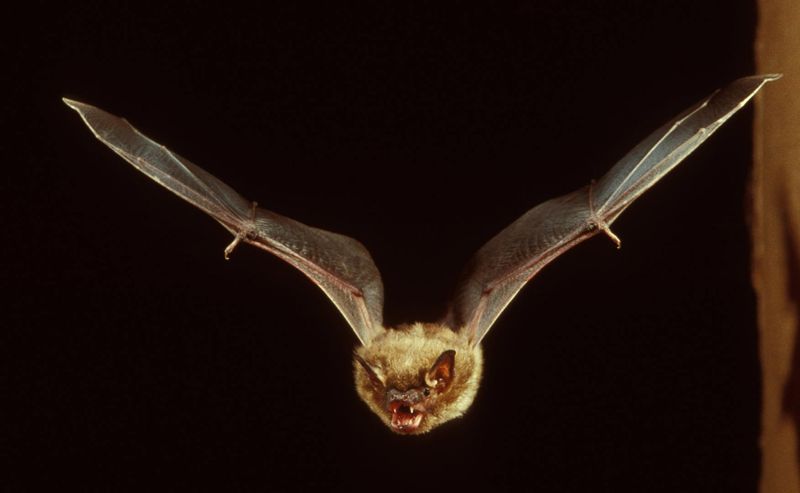
After sunset in late August, a whole second world of insect activity switches on. Moths begin circling light sources.
Beetles lift off from garden soil. Midges and crane flies hover above damp grass.
All of that movement adds up to a productive hunting environment for local bats.
The bat species found across the state feed exclusively on flying insects, and late summer provides a rich variety of prey. Research from wildlife and entomology sources confirms that moth species are especially abundant during this period.
That makes them a significant food source for many insectivorous bats. Beetles and flies also remain plentiful well into September.
Yards with diverse plantings, leaf litter, compost areas, or water features tend to support more varied insect communities. More insect variety generally means more feeding opportunity for bats working the area.
Your Ohio Garden Changes Every Week. Your Plan Should Too.
Gardening in Ohio changes quickly throughout the season. Every Friday you’ll receive a simple weekly plan showing exactly what to plant, prune, fertilize, harvest, and protect so you never miss the right timing.
A garden that buzzes and flickers with insect life after dark is essentially offering an open invitation.
Mosquitoes do show up on the menu for some species, but framing bats as a complete mosquito solution overstates the case. Their diet is broad and driven by what is available and catchable on any given night.
Late summer simply happens to be a time when flying insect populations are still strong, giving bats good reason to keep returning to the same productive spots.
3. Young Bats Are Hunting On Their Own Now
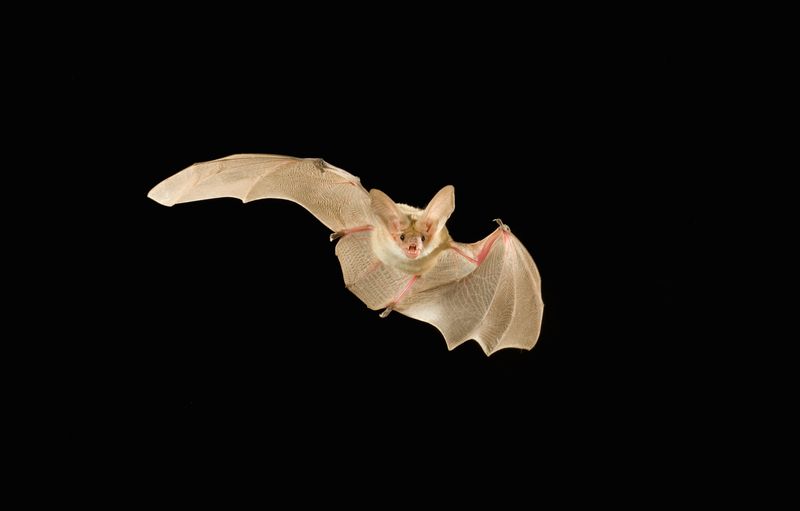
By late summer, a new group of flyers has joined the adults above your yard. Earlier in the season, most bat pups were still in maternity roosts, dependent on their mothers for warmth and nourishment.
That picture changes significantly as summer progresses toward fall.
Pups born during early summer develop quickly. According to guidance from the Ohio Bat Working Group and related wildlife resources, young bats typically begin flying and hunting independently as summer advances.
By late August, many juvenile bats are out foraging on their own, though they may still be refining their echolocation and hunting skills.
Watching bats on a late-summer evening, you may notice some flights that look a little less polished than others. Younger bats can appear to make wider, less efficient passes compared to experienced adults.
Not every bat seen at dusk is a juvenile, and species vary in their development timelines. Still, the seasonal increase in independent young flyers does make evening bat activity more noticeable overall.
Late summer is essentially a graduation period for the season’s new bats. More individual animals are now active in the landscape.
Yards that support good insect populations may attract both seasoned adults and younger bats still building their hunting experience. The combination makes for lively dusk activity over productive feeding habitat.
4. Nearby Trees May Hide Their Daytime Roosts
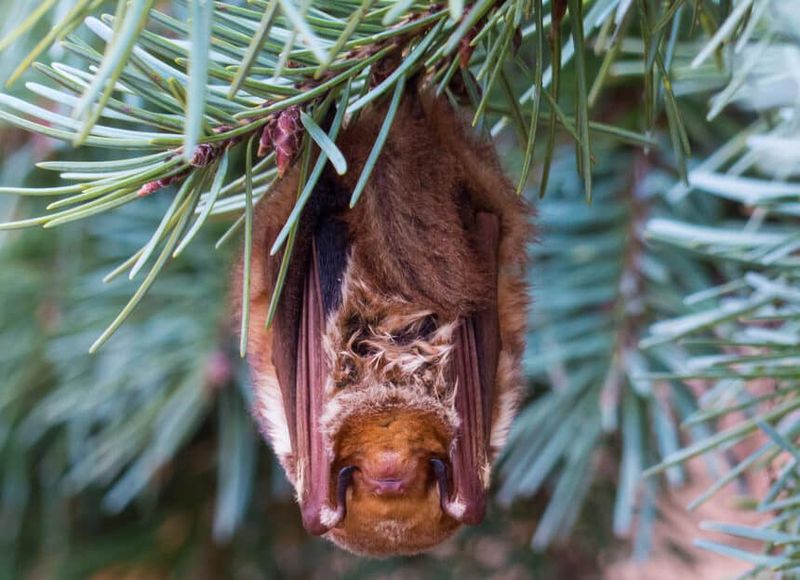
Once morning arrives, the bats that spent the night looping above your lawn seem to simply vanish. They have not gone far in most cases, but finding them requires knowing where to look and, more importantly, knowing to leave those spots undisturbed.
Many bat species found in the region use natural features for daytime roosting. Loose or peeling bark on large trees, cavities formed by broken branches, hollow trunks, and deep crevices in wood can all provide suitable shelter.
Bats roosting in trees tend to be well hidden and are rarely visible from the ground without careful observation.
Repeated evening activity over your yard may originate from a roost located in a neighbor’s tree, a wooded edge nearby, or a stand of mature trees down the street. The bats do not need to roost on your property to use your yard as feeding habitat.
Their nightly range can cover a meaningful area of the surrounding neighborhood and landscape.
Suspected roost trees should be left alone. Prying into cavities, peeling bark, or disturbing any area where bats may be resting is harmful to the animals.
It is also restricted under state and federal wildlife protections. Retaining standing trees with natural cavities and rough bark supports the broader roosting landscape that local bat populations depend on throughout the warmer months.
5. Some Bats Stay While Others Start Moving
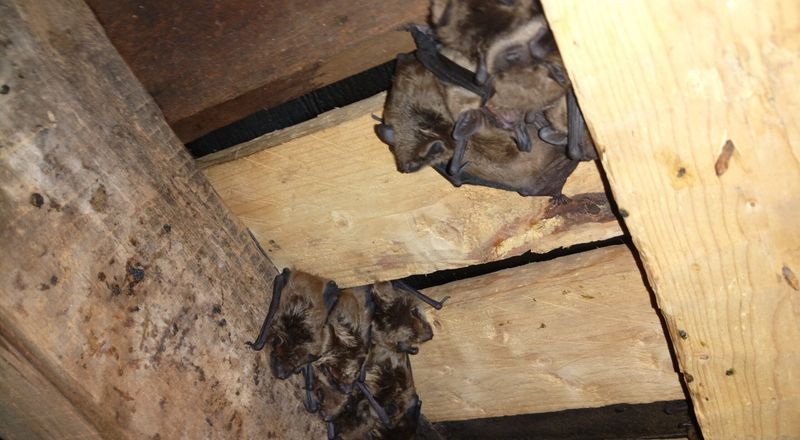
Two bats flying over the same yard on the same evening may be following completely different seasonal plans. Late summer is a period of mixed strategies among the bat species found across the state, and no single rule applies to all of them.
Some species undertake longer seasonal migrations, moving out of the region as temperatures drop and insect availability declines.
The eastern red bat and hoary bat, for example, are known to make longer seasonal movements and are considered migratory species.
Others, like the little brown bat and big brown bat, tend to move toward regional hibernation sites rather than traveling far south. They may shift from summer roosts to caves or abandoned mines within the state or in nearby areas.
Late summer and early fall represent a transitional period. Some individuals may still be in peak feeding mode, building up fat reserves before winter.
Others may already be shifting their movement patterns as daylight shortens and nights cool. A yard that sits near woodland, water, or open travel corridors may see a mix of local residents and passing travelers during this window.
Assuming every bat seen now is migrating misses the complexity of what is actually happening. The evening sky over a backyard in late August can hold both a bat that will spend winter nearby and one that will not be back until spring.
Both are worth watching.
6. Native Plants Keep The Night Buffet Going
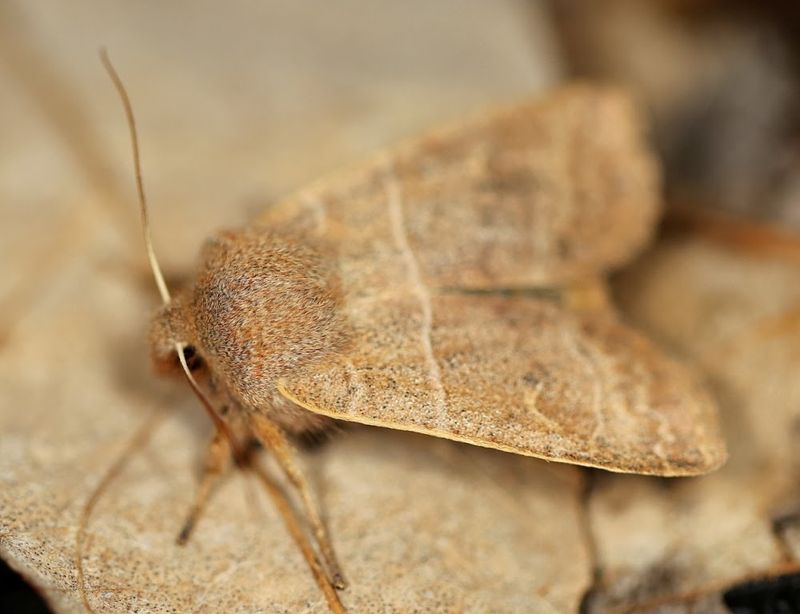
Long after the gardener has gone indoors for the evening, native flowering plants keep working. Their blooms attract moths and other nighttime insects that have evolved alongside local plant communities for thousands of years.
That relationship between native plants and native insects forms the base of a food web that extends all the way up to foraging bats.
Ohio State University Extension and similar resources consistently point to native plantings as a way to support local insect diversity.
A yard with native grasses, wildflowers, and shrubs tends to host a broader range of insect species than one planted primarily with non-native ornamentals.
More insect diversity means more potential prey available after dark.
The connection is indirect but real. Planting a single native flower will not guarantee more bats overhead, and no specific plant directly attracts bats the way a feeder attracts birds.
The benefit comes from building a healthier, more insect-rich environment over time. A yard that supports a thriving insect community is simply more useful to foraging bats than one that does not.
Reducing unnecessary pesticide use also supports this food web. Broad pesticide applications can reduce flying insect populations and limit the prey available to bats working the area at night.
Thoughtful choices in the garden during daylight hours can have real effects on what the yard offers after dark, without any dramatic changes to routine.
7. Darker Yards Give Bats Better Hunting Space
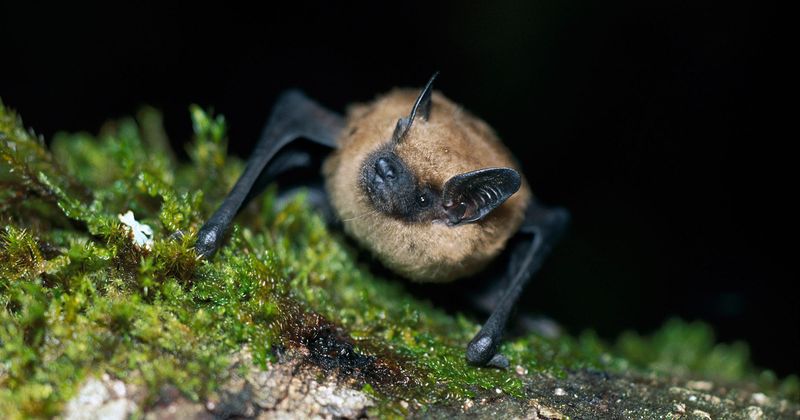
Switching off the back porch light changes the yard in ways that are easy to overlook. Artificial lighting at night does more than illuminate a patio.
Research has shown that it can alter the behavior of nocturnal wildlife, including bats, in ways that vary by species and light type.
Some bat species tend to avoid brightly lit areas, which can disrupt their natural foraging patterns. A study environment flooded with artificial light may push light-sensitive species away from otherwise suitable feeding habitat.
Other species show less sensitivity or may even take advantage of insects drawn to light sources, so responses are not uniform across all bats.
Practical steps do not require compromising safety around stairs, entrances, or walkways. Turning off decorative string lights or floodlights that illuminate open lawn areas after a certain hour can help.
It can preserve darker zones where bats may be more comfortable foraging. Motion-activated lights and timers offer a reasonable middle ground, keeping light available when needed without leaving it on all night.
Preserving naturally darker areas in a yard is one of the lower-effort ways to maintain more natural nighttime habitat. A backyard that goes mostly dark after the household settles in for the evening may simply be more welcoming.
It may be more welcoming to the kinds of nighttime activity that has been going on in local landscapes long before porch lights existed. Darker does not have to mean less safe.
8. A Bat House Can Offer A Nearby Roost
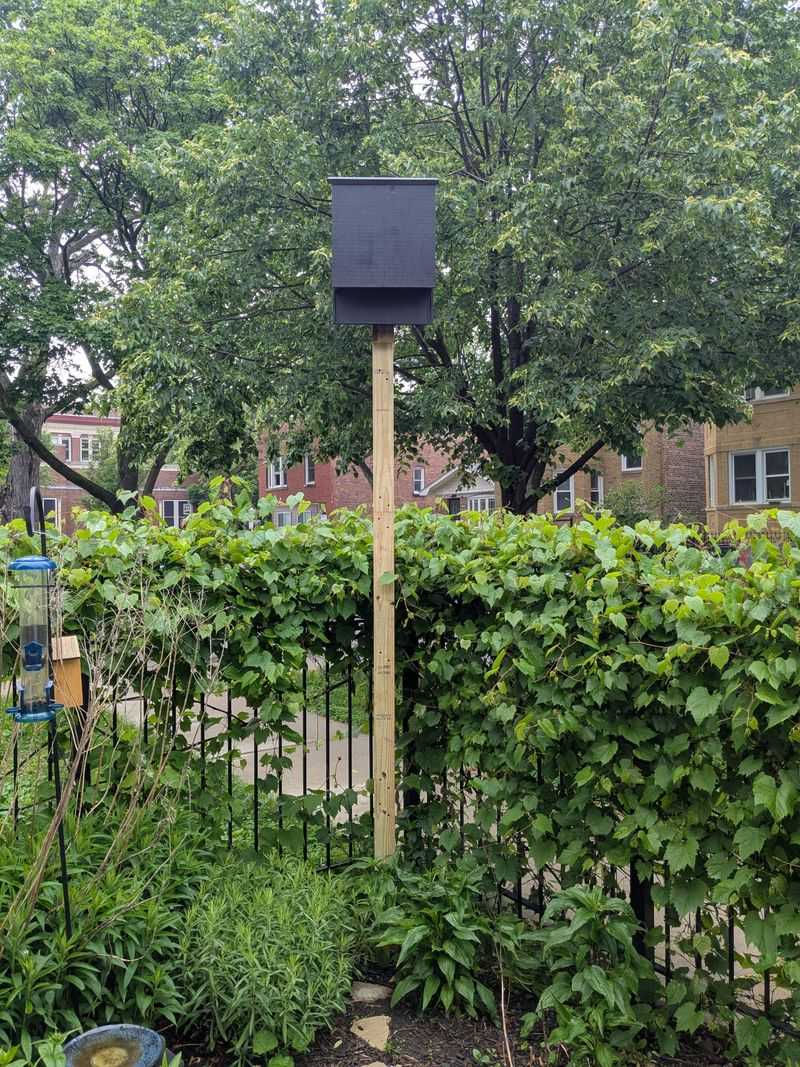
A bat house is an optional addition to a yard that already supports good feeding habitat. Mounted correctly and placed in the right spot, it offers a potential daytime roost close to the areas where bats are already foraging at night.
Occupancy is never guaranteed, but the conditions that make a bat house worth trying are worth understanding.
Guidance from Bat Conservation International and related wildlife resources recommends mounting bat houses at least ten to fifteen feet high. Ideally, mount them on a pole or building rather than a tree, where predator access is easier.
South or southeast facing exposure helps the structure absorb enough solar warmth to keep interior temperatures suitable for roosting bats. Houses with multiple chambers generally perform better than single-chamber designs.
Occupancy can take time. Some bat houses are claimed within the first season.
Others sit empty for a year or more before bats discover and accept them. Location, surrounding habitat, local bat population levels, and the quality of the structure all affect the outcome.
A bat house placed in a yard with poor insect habitat and heavy light pollution is less likely to attract residents than one in a productive, darker environment.
Natural roost features in trees and other structures remain important and cannot be fully replaced by a bat house alone. Repeated late-summer bat activity over a yard is a signal that the property already functions as useful nighttime habitat.
A bat house simply extends an open invitation for bats to stay a little closer to the table.